
I’m not even going to attempt a detailed plot description or thematic analysis of Shane Carruth’s staggeringly artistic and beyond heady Upstream Color. This is a film that’s likely to mean one thing to one person and then something completely different to another. I’ll post a trailer in the comments, and if you haven’t yet already seen this weird and entrancing film, check out the coming attraction, and then decide if it looks like something you’d “like.” If it is, see it im…mediately. If it isn’t, see it immediately. See what I did there? This is one of those films that has to be experienced more than simply viewed; it’s about everything and nothing and all that comes in between, and the way that Carruth daringly throws out any sense of narrative normalcy is startling to witness and positively engrossing for those of us who liked to be continually challenged by what they’re watching. To say that Carruth is a one man show would be a understatement as this 2013 effort was written, directed, produced, shot, edited, and scored by Carruth, who also plays one of the leads.
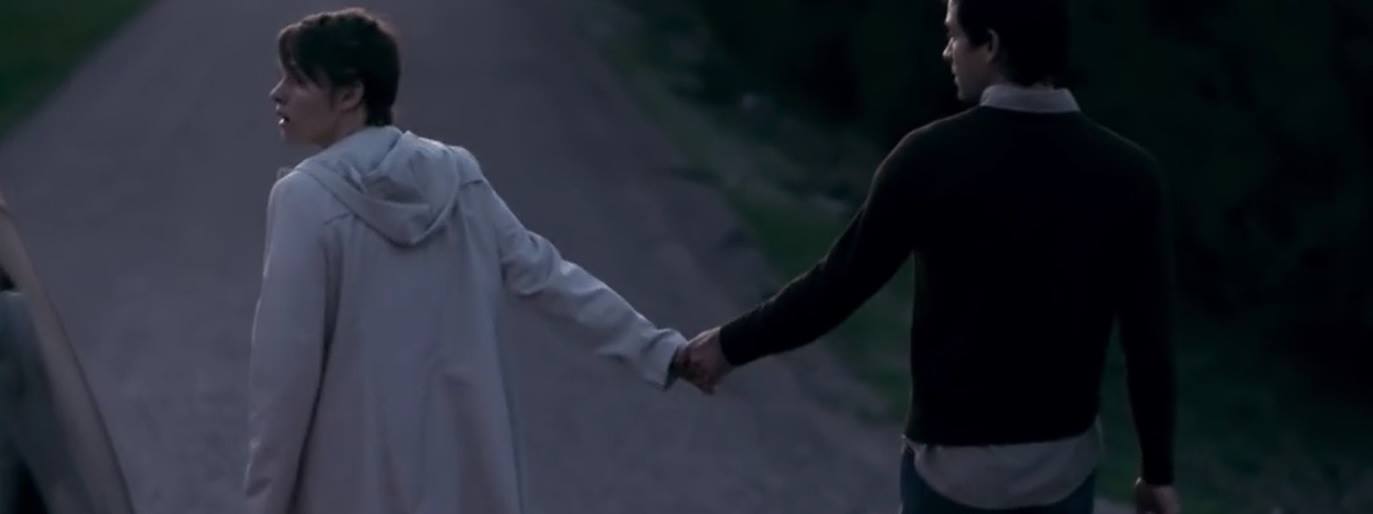
The story involves two people, Kris (Amy Seimetz) and Jeff (Carruth), whose lives are unknowingly and bizarrely affected by a foreign parasite. The organism has some sort of trippy, three-stage life cycle, where it moves from humans to pigs to orchids. If what I’m describing sounds icky and gross, well, it is and it isn’t, and then the film becomes something else entirely. Upstream Color is like if Terrence Malick sat down and did a lot of hallucinogenic drugs and then decided to make a film. I have a feeling that this movie, no matter how visually spellbinding or thematically rich it may be, will simply be too off the reservation for most people. I hope I am wrong. Carruth’s debut film, the time travel procedural Primer, is one of the coolest films to ever involve the notion of a real-world time machine, and it’s clear that he’s a filmmaker who is interested in tons of ideas, both big and small, and that he’s obsessed with the many aesthetic possibilities that filmmaking can afford. Both Seimetz and Carruth deliver fascinating performances which constantly probe at the idea of identity and helplessness through the prism of nature and the notion that we’re all connected in some odd, metaphysical way. This is a film that could probably play immediately after The Tree of Life and it would feel like some sort of beguiling off-shoot or by-product of Malick’s indomitable masterpiece.
 Podcasting Them Softly