
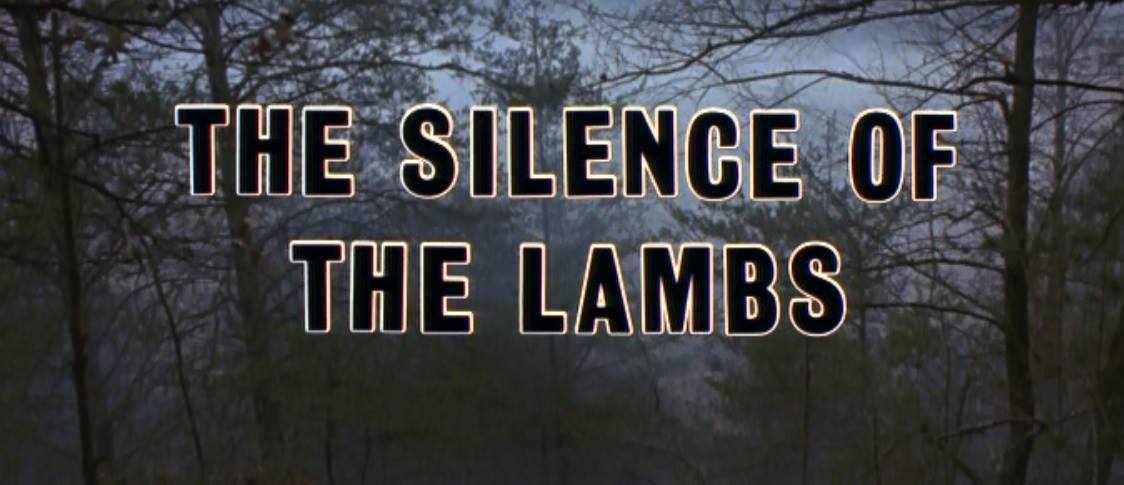
The Silence of the Lambs is one of those virtually flawless films that feel as if nothing could be improved upon. It continually stands the test of time. There’s zero fat on the bones of the narrative, Jonathan Demme’s observant style was perfectly attuned to the psychologically disturbing material, the performances were beyond reproach, and Tak Fujimoto’s stark cinematography paired perfectly with Craig McKay’s astute sense of judiciously timed editing; every scene in this film has been designed for maximum impact but without ever showing its aesthetic hand in an obvious way. I’ve long been obsessed with the way Demme frames his actors in the middle of the frame, resulting in compositions that feel unnerving and unique in a manner that truly burrows under the skin. Jodie Foster’s performance is easily the best of her career, and Ted Tally’s screenplay has a sense of economy that never betrays character development or small important details; the dialogue is also sinister and witty and brilliant. What else can really be said about the iconic nature of Anthony Hopkins’ work in this film? He’s chillingly engaging, and despite the fact that he’s a lethal killer, because of how Hopkins played the part, you understand how and why Foster’s Clarice Starling would grow emotionally attached to him. The supporting performances are all excellent, with Scott Glenn, Ted Levine, Anthony Heald, and Frankie Faison all turning in unforgettable screen moments. I had the pleasure of watching much of this movie frame by frame during a college course, and it’s extraordinary when dissected at close proximity, and you realize more and more just how incredibly in synch Demme was with Fujimoto and McKay. The film boasts an absolutely haunting score by Howard Shore that dials up the tension at almost every moment, never going for gotcha! sound cues, instead stressing a nightmarish soundscape that envelopes the picture at key moments. Years from now, as many films have come and gone, this will be one that people will look back on as a shining example within a well-traveled genre.
 Podcasting Them Softly