“Movies are made in the editing room.” “Shoot for the edit.” “We’ll fix it in post.” These are just some of the cliché industry phrases that have no doubt become the norm with many filmmakers. Editing is one of the most important aspects to any film, and having someone who understands the importance to the flow of images is crucial. Editor Craig McKay has amassed more than 40 credits over 30 years of working in Hollywood, getting the opportunity to forge an intense working partnership with director Jonathan Demme (McKay has cut Melvin and Howard, Swing Shift, Stop Making Sense, Something Wild, Married to the Mob, The Silence of The Lambs, Philadelphia, and The Manchurian Candidate for the eclectic helmer), while also pairing up with filmmakers like Robert Redford (The Conspirator), James Mangold (Cop Land), Warren Beatty (Reds), Cary Fukunaga (Sin Nombre), George Armitage (Miami Blues), and relative newcomer David Lowery (Ain’t Them Bodies Saints). In film after film, he’s demonstrated an innate sense of when to edit, when not to edit (which is just as important), and in what fashion to present those edits, which results in the total package by the end. And it’s astonishing when looking at his full resume, with so many classics under his belt, not to mention smaller, extremely underrated efforts like the 1998 film Smoke Signals, the Joseph Ruben dramatic thriller Return to Paradise, and the unique extraterrestrial drama K-PAX. I’m amazed by McKay’s versatility, going from genre to genre with total ease, working on features and documentaries (Babies, Sicko, Tricked), and always gravitating towards classy material.
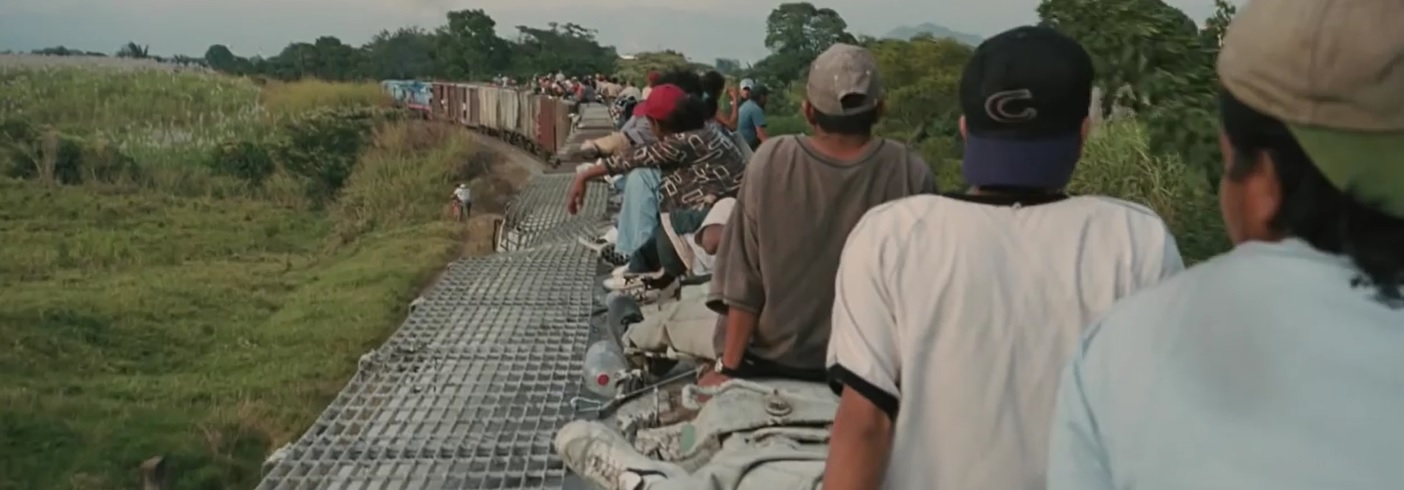
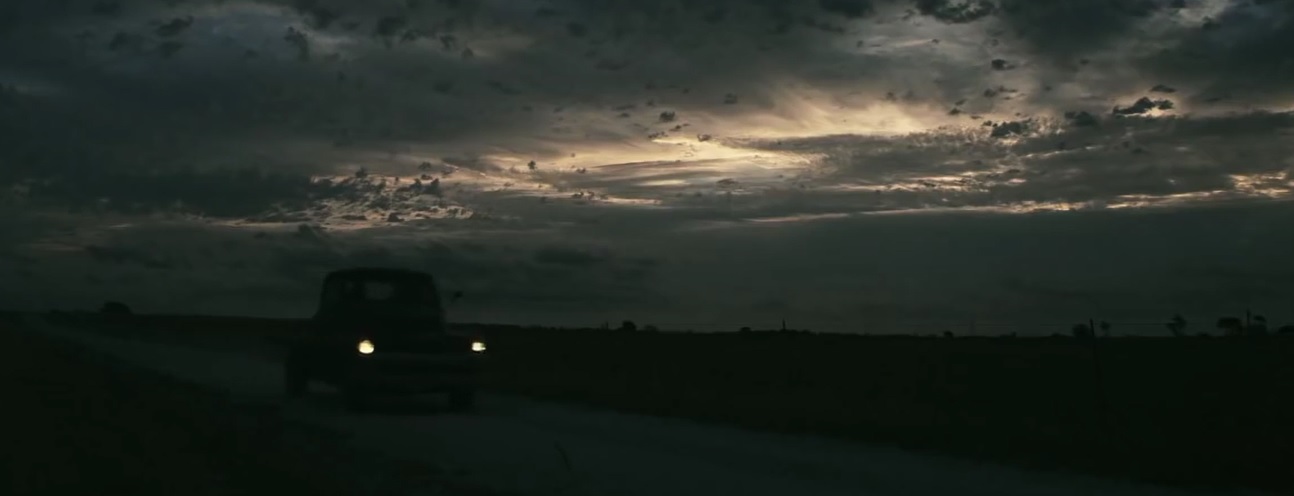
Cary Fukunaga’s directorial debut, Sin Nombre, is one of those harrowing dramas that shines a light on a tough, topical subject (the plight of immigrants due to societal violence), and a main reason for the film’s success is the propulsive editing patterns that McKay and co-editor Luis Carballar employed on the picture. Because Adrian Goldman’s cinematography was so evocative and worthy of study, McKay and Carballar were forced to cut an exceedingly beautiful looking film (despite the harsh and violent subject matter) which has to be difficult in the sense that the images might be sad to truncate. The same could easily be said for the poetic and lyrical touches that McKay brought to David Lowery’s underrated Ain’t Them Bodies Saints, which plays like a modern version of Badlands, and features two slow-burn performances from Casey Affleck and Rooney Mara. Lowery was clearly inspired by the works of Terrence Malick with this film, and McKay’s understanding of pacing and balance played a massive role in the film achieving the specific, heightened mood and atmosphere that was undoubtedly desired. And when you look at something like Jonathan Demme’s wildly underappreciated and completely unnerving updating of The Manchurian Candidate, you get a sense of just how amazing McKay’s range is as an editor. This is one of the more tension filled Hollywood thrillers of the last 15 years, featuring a vulnerable and emotionally unhinged Denzel Washington, and the jittery yet incredibly precise editing patterns used on this film completely engross the viewer into a dangerous world of fear and potential death. McKay is truly an editorial talent who has no limits as an artist, knowing exactly when and how to implement the various tricks of the trade, with results that are typically nothing short of expert.
 Podcasting Them Softly