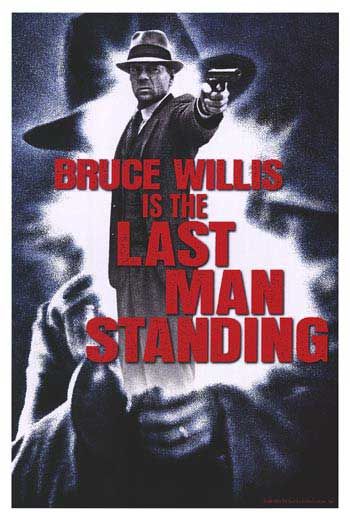
WALTER HILL’S LAST MAN STANDING — A REVIEW BY NICK CLEMENT

last man

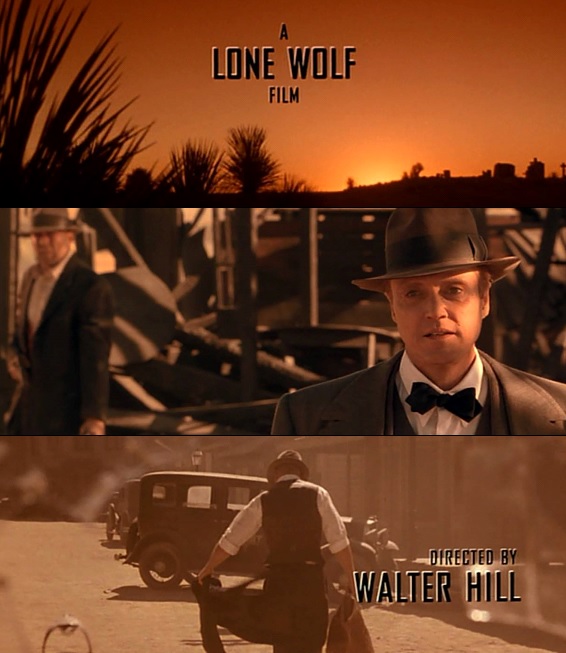
I’ve written about this film in the past, and yet I find myself consistently turning to it throughout the years because it’s so damn stylish and watchable. I don’t think Last Man Standing is Walter Hill’s best film, but that doesn’t stop it from being a fabulously entertaining, two-fisted shoot-em-up with Bruce Willis glowering his way through one phenomenally photogenic action sequence after another, emptying clip after clip into faceless bad guys who go crashing through walls and down the stairs and through lots and lots of windows, most of the time in Peckinpah-esque slow-motion. This was Hill’s rather knowing updating of Yojimbo with nods to A Fistful of Dollars thrown in for loving measure. I love the three-piece suits, the vintage cars, and the assorted fire-arms. I’m also a big fan of Hill’s tough and terse and surprisingly witty dialogue. Bruce Dern rules every single time he appears on screen, and Christopher Walken is extra-nasty as one of the numerous heavies that figures into the back-and-forth plot, while Michael Imperioli scored big-time in a funny, colorful supporting role. There’s a bit of extremely bloody gun play at the film’s mid-section that’s as explosive as almost anything else Hill has orchestrated from an action stand point, and in general, the film seems totally in love with it’s milieu and macho sense of purpose. The way Willis plays both sides in that dusty town is always enjoyable to revisit, and I loved how the film was really a western in gangster dress with Italians and Irish killing each other in Texas. The entire cast clearly had a blast, as the film is filled with a wide variety of character actors and familiar faces from the late 90’s. Unpretentious, sometimes excessively violent, and shot with golden-hued panache by Lloyd Ahern, this is one of Hill’s more underrated actioners, and it benefits greatly from Ry Cooder’s jazzy musical score. Last Man Standing got roasted by critics and died a quick death at the box-office, and that’s a shame, because I can almost guarantee that for fans of this sort of stuff, It’s more fun than you remember it being.

last_man_standing_ver1


Michaël R. Roskam’s BULLHEAD — A Review by Nick Clement

4

If you’re looking for a movie to really punch you in the gut and knock you flat, check out Bullhead, the 2011 Belgian film from rising star filmmaker Michaël R. Roskam (2014’s underrated crime drama The Drop, with Tom Hardy and James Gandolfini), as you’re unlikely to find cinema more uncompromising than this. Starring the excellent actor Matthias Schoenaerts as a cattle farmer with a dangerous and extremely sad personal secret, this is one of those films that could only have been made outside of the American studio system, and the less you know about it before viewing the better off you’ll be. Nominated for the Best Foreign Language Film Oscar in 2012, the narrative pivots on sketchy deals made by beef traders and morally questionable veterinarians, the loss of one’s own physical and mental self, and how loneliness can breed a special degree of hostility and rage. Multiple plot lines converge in Roskam’s twisty and twisted narrative, while the entire film is propped up on Schoenaerts broad shoulders, as he delivers an exquisitely pained performance that’s as emotionally visceral as it is outwardly violent. After demonstrating some serious range as an actor with vivid and memorable performances in this film, Rust & Bone, The Drop, Blood Ties, and Far From the Madding Crowd, I’m extremely psyched to see where this magnetic screen presence takes us next; this year’s A Bigger Splash looks like a juicy thriller and the unreleased in America WW2 drama Suite Francaise sounds very interesting.

JOHN CURRAN’S THE PAINTED VEIL — A REIVEW BY NICK CLEMENT

painted_veil

John Curran’s The Painted Veil came and went and that’s a shame because it’s a very well appointed period piece with multilayered performances from producers/stars Edward Norton and Naomi Watts. I think part of the issue might’ve been due to the fact that both characters are so selfish and rude to each other that it’s the sort of brittle drama that might not appeal to as many people had it been more traditional. And the fact that the production company behind the film went bankrupt after production – never a good thing. Watts plays a woman who is caught in an affair (Liev Schreiber is her suitor) by her husband (Norton), a virologist who forces her to accompany him to cholera-stricken China. Set in the 1920’s, the film has tremendous production value, benefitting enormously from the all-on-location shooting in China, with the great cinematographer Stuart Dryburgh (Blackhat, The Piano, The Secret Life of Walter Mitty) capturing the golden light against the lush greenery of the country. Watts’s confused wife is tested emotionally all throughout the film, as she and a volatile Norton go at each other with frustration and anger, mostly due to the fact that they weren’t a perfect match to begin with, let alone appropriate spouses.

Adapted from the classic W. Somerset Maugham novel by screenwriter Ron Nyswaner (Philadelphia), there’s definitely a literary quality to the dialogue and to the plotting, and it’s the sort of movie that picks up serious steam as it heads into the last act that makes its rocky beginning all the more rewarding. Not “rocky” as in poorly constructed, but rather, this is no lovey-dovey romance set against picturesque backdrops. Both lead characters are flawed, with the filmmakers not shying away from this fact or making it easy for the audience to latch onto them. Featuring a fabulous musical score from Alexandre Desplat that more than matches Dryburgh’s gorgeous visuals, The Painted Veil deserves a higher profile; at the moment there’s no American Blu-ray but a region free German import is available. But that’s sort of been the case with all of Curran’s films. His edgy Robert De Niro/Ed Norton thriller Stone and the introspective Mia Wasikowska drama Tracks were both terrific in their own ways, and his troubling script for Michael Winterbottom’s nasty The Killer Inside Me was very memorable. And his 2004 drama We Don’t Live Here Anymore strove for and found 70’s-esque grittiness with its story of marital discontent. He’s a continually interesting filmmaker and I look forward to seeing more from him.


JOHN CURRAN’S THE PAINTED VEIL — A REVIEW BY NICK CLEMENT

painted_veil

John Curran’s The Painted Veil came and went back in 2006 and that’s a shame because it’s a very well appointed period piece with multilayered performances from producers/stars Edward Norton and Naomi Watts. I think part of the issue might’ve been due to the fact that both characters are so selfish and rude to each other that it’s the sort of brittle drama that might not appeal to as many people had it been more traditional. And the fact that the production company behind the film went bankrupt after production – never a good thing. Watts plays a woman who is caught in an affair (Liev Schreiber is her suitor) by her husband (Norton), a virologist who forces her to accompany him to cholera-stricken China. Set in the 1920’s, the film has tremendous production value, benefitting enormously from the all-on-location shooting in China, with the great cinematographer Stuart Dryburgh (Blackhat, The Piano, The Secret Life of Walter Mitty) capturing the golden light against the lush greenery of the country. Watts’s confused wife is tested emotionally all throughout the film, as she and a volatile Norton go at each other with frustration and anger, mostly due to the fact that they weren’t a perfect match to begin with, let alone appropriate spouses.

Adapted from the classic W. Somerset Maugham novel by screenwriter Ron Nyswaner (Philadelphia), there’s definitely a literary quality to the dialogue and to the plotting, and it’s the sort of movie that picks up serious steam as it heads into the last act that makes its rocky beginning all the more rewarding. Not “rocky” as in poorly constructed, but rather, this is no lovey-dovey romance set against picturesque backdrops. Both lead characters are flawed, with the filmmakers not shying away from this fact or making it easy for the audience to latch onto them. Featuring a fabulous musical score from Alexandre Desplat that more than matches Dryburgh’s gorgeous visuals, The Painted Veil deserves a higher profile; at the moment there’s no American Blu-ray but a region free German import is available. But that’s sort of been the case with all of Curran’s films. His edgy Robert De Niro/Ed Norton thriller Stone and the introspective Mia Wasikowska drama Tracks were both terrific in their own ways, and his troubling script for Michael Winterbottom’s nasty The Killer Inside Me was very memorable. And his 2004 drama We Don’t Live Here Anymore strove for and found 70’s-esque grittiness with its story of marital discontent. He’s a continually interesting filmmaker and I look forward to seeing more from him.

WILLIAM FRIEDKIN’S TO LIVE AND DIE IN L.A. — A REVIEW BY NICK CLEMENT

to live and die in LA


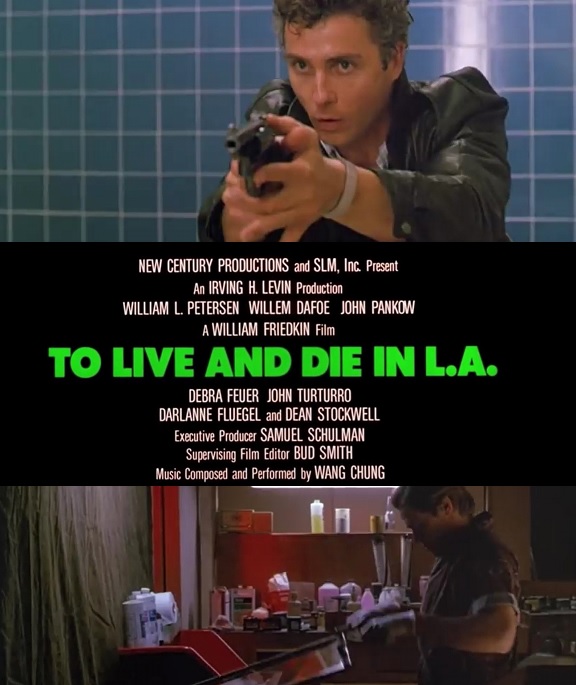
To Live and Die in L.A. is most likely the best Michael Mann film that Mann didn’t actually direct. Yes, the film certainly shows some trademarks of it’s legendary director, William Friedkin, but there’s a general ambience and sense of style that feels cut from Mann’s early-80’s cloth; call it a fascinating amalgam of two of cinema’s best tough-guy directors. William Petersen got one of his absolute best roles as a volatile Secret Service agent hot on the trail of counterfeiter Willem Dafoe, who has figured out a way to mass produce nearly flawless fake cash. Petersen is also deadest on avenging the death of his partner, who is dispatched in the first act via shotgun blast to the face, a moment of cinematic violence that once seen cannot be unseen. The plot is somewhat standard but never uninvolving, mixing the expected cops and robbers tropes into a sprawling, Los Angeles-set narrative that makes tremendous use of the city and all its potentially dangerous locales. Robby Müller’s stylish cinematography portrayed Los Angeles and its surrounding areas as lethal, neon-scorched hell-pits, while also evoking Alan Pakula’s seminal 70’s thriller The Parallax View during the frightening opening sequence.

Most of the action takes place during the day, whch separates this film from Mann’s mostly nocturnal urban playgrounds of violence and mayhem. The film’s main action set-piece, featuring a car chase that’s set against traffic along the 405, is phenomenally well-staged, feeling dangerous at every turn, and done with zero CGI, making it even more impressive. John Frankenheimer would riff on the against-traffic car-chase in his masterful thriller Ronin. Friedkin based his screenplay on Gerald Petievich’s novel; before becoming an author, Petievich was a member of the U.S. Secret Service. The famous Wayne Chung score only underscores this film’s essential 80’s-ness. Features a boisterous supporting performance from John Pankow. Real life counterfeiters were brought on as technical advisors, thus ensuring legitimacy during the various sequences showing the manufacturing of the phony greenbacks. Two endings were shot, with Friedkin ultimately going with the downer finale, which certainly has helped to keep this film a cult favorite after a solid theatrical run in the fall movie season of 1985.

MARIELLE HELLER’S THE DIARY OF A TEENAGE GIRL — A REVIEW BY NICK CLEMENT

2
The Diary of a Teenage Girl will likely serve as a frightening wake-up call to any parents with a 15 year old daughter. Or a daughter of any age! Set in hippe-dippy 1970’s San Francisco, this is a highly sexual account of a young girl going through a serious emotional and physical awakening, all raging hormones and misplaced ideals, and the performance from Bel Powley is absolutely incredible from first frame to last, fearless in ways that you don’t normally see on the big screen. Adapted and directed by Marielle Heller and based on the graphic novel The Diary of a Teenage Girl: An Account in Words and Pictures by Phoebe Gloeckner, this is a quirky, serious but funny, acutely aware movie that feels very personal and expressive. It’s also got a unique visual style, with floral animation being used all throughout to tap into the cluttered headspace of the lead character. That the narrative centers on a high school girl who enters into a torrid love affair with her mother’s boyfriend should give you an idea of the type of movie that this is, and because of the delicacy to the performances (the spot-on Kristen Wiig is the hard-partying mother while an effectively understated Alexander Skarsgård is the boyfriend/illicit lover), the film achieves a level of clarity that might not have happened had it been in the hands of lesser performers and storytellers. After premiering at the 2015 Sundance Film Festival, the film received a limited theatrical release last summer, and is now available to stream or rent/buy on disc.

JOHN FRANKENHEIMER’S THE FRENCH CONNECTION II — A REVIEW BY NICK CLEMENT

french connection 2

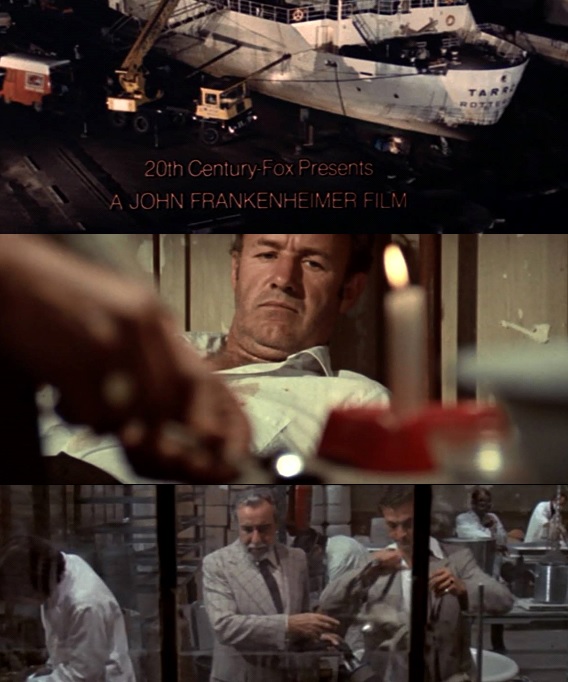
What’s so thrilling and unexpected about John Frankenheimer’s underrated The French Connection II is that at no point did the filmmaker or anyone else on his team try to totally mimic the success of the Oscar-winning original. William Friedkin’s The French Connection is certainly a masterpiece of American cinema, one of the only “action movies” to win Best Picture with the Academy, and a film that holds up staggeringly well because of how ahead of the curve Friedkin and cinematographer Owen Roizman were with their mise-en-scene and the gritty realism of the fact based story, to say nothing of the gripping performances from Gene Hackman and Roy Scheider. In The French Connection II, Frankenheimer, himself no slouch to great action adventure movies (The Train, Ronin, Black Sunday, 99 and 44/100% Dead, Grand Prix), continued on with the same immediate and visceral visual style that Friedkin had pioneered with the first effort, but he opened up the scope of the story, both visually and narratively, setting a majority of the plot in Marseilles, which was only glimpsed in part one. What results is a film that, while never reaching the glorious heights of its predecessor, hits all of its marks with extreme efficiency and toughness, and seems to be a work that’s been relegated to long-forgotten status.

 Hackman’s Popeye Doyle and arch nemesis drug kingpin Alain Charnier (the slippery Fernando Rey) were the only two returning cast members from the first installment, and the sequel has Doyle following some leads to France in an effort to track down Charnier and his drug smuggling operation, who memorably escaped capture during the final moments of The French Connection (gotta love that final freeze frame!) Upon arriving in France, Doyle is greeted by inspector Henri Barthélémy (a fiery Bernard Fresson), who in typical fashion, resents Popeye’s distinctly American way of handing police business, with Popeye getting pissed upon realization that visiting foreign police officers on French soil aren’t allowed to carry guns. In classic fish out of water style, Doyle struggles with the, customs, language, and people, and hates having to work with the French police. He ditches them, but is followed and attacked by Charnier’s goons, who then tie him down with restraints, and forcibly inject him with heroin in the hopes that he’ll either cooperate or die. Hackman is in a totally different zone in The French Connection II; he’s unsure of himself and paranoid and not confident, a major departure from his demeanor in the first film. You watch as Doyle is rescued, fights the symptoms of smack withdrawal, and then gets back on his feet to lead one last charge against Charnier, staging a massive gun battle and final chase.

Upon initial release, it seems that most critics were indifferent to Frankenheimer’s film, which feels nothing like the obviously more revered initial installment. The exotic setting set the film apart in tone, and the film’s dark and depressing mid-section with Doyle addicted to horse in the shittiest of environments was probably too unrelentingly nasty for mass audience appeal. Also, the lack of a massive car chase or a truly substantial or genre-busting action sequence probably left some people feeling gipped. But what I think makes The French Connection II worthy of re-assessment is because it took something that worked so well the first time, and instead of being lazy and trying to re-hash those elements, it used the material as a spring board to broaden the overall story and take the Doyle character to edgier, tougher realms. Hackman was fantastic here, never stopping with the full-blown intensity, always providing Doyle with a vital integrity that always made you care, no matter how harsh the character talked or behaved. And it goes without saying that Frankenheimer, ever the reliable craftsman, shot the hell out of the film with his director of photography Claude Renoir, giving it that rough and tumble 70’s aesthetic that we all love so much in present day. Many, many people have seen The French Connection. Not enough people have seen The French Connection II. I’d like that to change.


PTS PRESENTS: 20 QUESTIONS WITH FILMMAKER TERRY MCMAHON

Filmmaker Terry McMahon (Patrick’s Day, Charlie Casanova) joined Nick Clement for a chat about his career, the Irish film industry, and what inspires him as an artist. His most recent film, the romantic drama Patrick’s Day, is now available via ITunes here in the U.S., and will also be hitting various VOD platforms on March 17th. The DVD is available for pre-order at Amazon, with a street date of April 5th. The film is a tour de force for everyone involved, and is the very definition of masterful cinema. Seek it out. And we hope you enjoy the interview!

McMahon banner

First of all, thanks so much for chatting, Terry. I know you’re a busy guy. Just to begin – how did you get your start in the film industry?

I never finished school or had any formal training in anything. I signed on welfare on my 18th birthday, secured a one room flat, and for too long led a life of insufferable loneliness. Having been homeless as a teenager I became kind of invisible and that fear of vanishing without a trace compels people to do insane things. Shyness, paranoia, and the aftermath of a mumbling stammer meant connecting with people was impossible. I worked at several menial jobs but that lack of education rendered standard jobs out of the question. In an attempt to connect on some level I figured I’d seen enough movies to maybe write one. That’s how naive I was. I figured if I couldn’t afford a pen and paper I could go to a bookie and steal their pencils and betting slips and write on those. That virgin screenplay was a hardcore prison drama about the illusions men conjure to convince themselves they are men. Called The Dancehall Bitch it took me years to write but I felt that if I could just complete the damn thing it might save my life. Somebody handed that script to somebody, and I ended up on a first class flight to Los Angeles to work with Daryl Hannah on another script she wanted to direct. There were several other commissions so I guess I was officially a writer. Parallel to that was a missus, kids, a home, and the onset of premature old age so you could say writing did kind of save my life. And some day I will make that damn Dancehall Bitch.
sheridan

Ireland is rich in cinematic history. Did you have any idols or mentors within the Irish film community?

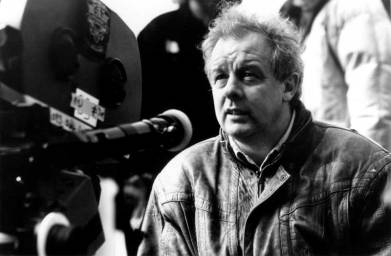
I remember sitting in the cinema watching Jim Sheridan’s In The Name Of The Father and feeling my heart rip through my chest. Sheridan is the talisman for an entire generation. The producer Rob Walpole (I Went Down, The Eclipse, Viva) was very kind to me in those first awkward years and I owe him a lot to this day. Ed Guiney (The Guard, Frank, Room) was very generous too. These guys were way above me on the mythical ladder yet they revealed themselves to be very decent people. Same goes for Conor Barry (Savage, You’re Ugly Too, Mammal). Then, at a festival, I raised a glass or twenty with Tim Palmer (Into The West, A Love Divided, Patrick’s Day) and he proved to be a profound part of making my sophomore film, as did Rachel Lysaght (The Pipe, Traders, One Million Dubliners). We plan to work together again. Then there’s David Collins (Eden, The Sea, Once) who I am working on a project with right now. He’s another remarkable producer doing great work. I’ve been lucky so far to work with some beautiful people.

 1.jpg

How do you see the film business changing in Ireland?

More movies. More poverty.
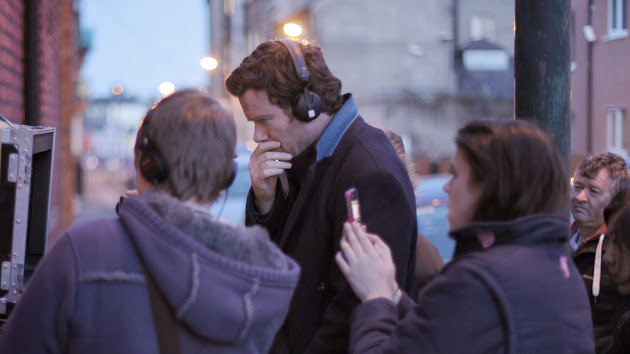
TERRY MCMAHON ON SET

How has digital filmmaking changed the Irish film industry? I’d think it’s been a huge benefit.

Without digital filmmaking there never would have been my first film Charlie Casanova – which some audiences might have preferred. We were given two digital cameras on loan for 11 days and that’s how that film got made. A first time writer-director, an unknown cast, an inexperienced crew all fueled by a blind belief in making something impossible. Without the digital facility to film, record sound, and edit picture, and without being able to burn DVD’s on a cheap home computer, we never would have been selected for competition at SXSW. Without digital, people with no money would not be making movies. And we can’t let that happen.
1

I’m curious to know what films have inspired you? Any particular filmmakers?

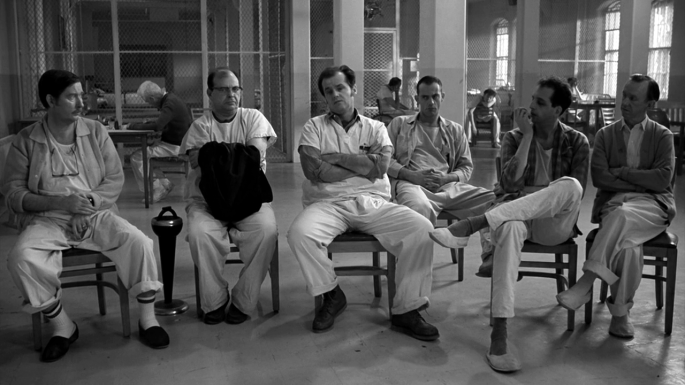
One Flew Over the Cuckoo’s Nest, Scarecrow, The Fisher King, Raging Bull, Do The Right Thing, A Woman Under The Influence, Au Revoir Les Enfants, In The Name Of The Father, The Sweet Smell Of Success…. I could go on forever. Paul Thomas Anderson, Sidney Lumet, Jane Campion, John Huston, Spike Lee, Billy Wilder….same again, I could go on forever.
12

While you were growing up, how important were movies to your daily routine, and when did you first start to get truly serious about filmmaking and storytelling?

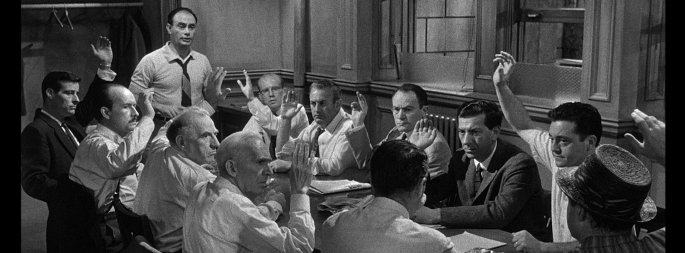
I remember my old man sitting me down as a young kid to watch a movie with him one Saturday afternoon. That wasn’t his style so I was already luxuriating in the new sense of warmth as the movie came on but when I balked at it being in black and white he almost threw me out of the room. I kept my mouth shut and silently read the title card: Twelve Angry Men. I immediately fell in love with the movie, but as it progressed, I began to conceive of Henry Fonda being a disciple of the Devil as part of Old Nick’s plan to get a guilty man off. Sidney Lumet’s movie is enduringly magnificent but that personal need to subvert the existing material was the beginning of wanting to make movies. I never would have articulated such an aspiration of course because nobody from our background was ever going to make movies. Later, when the need to write forced its way out and I began fantasizing about being the silent facilitator of film through words on page, I was still living in that one room apartment, but now I was watching five movies a night.
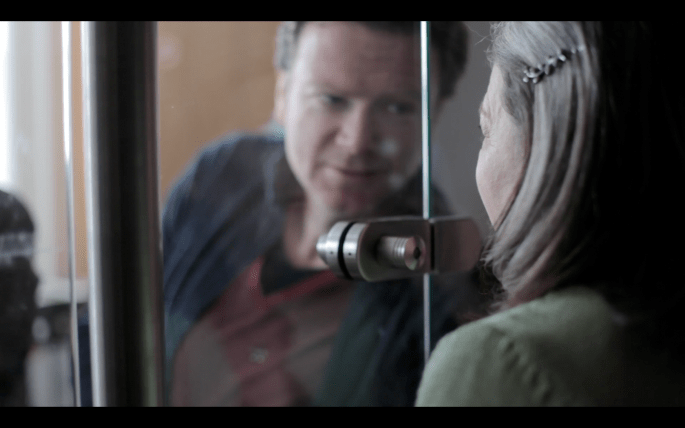
1

Five movies per night? That sounds great to me. How did this happen?

I had insomnia for a long time and the 24 hour video rental store had a cheap deal on their back catalogue if you returned them the next day, so I’d stay up all night and be emotionally seduced, sucked in, and spat back out by discoveries that I never would have seen had I gone to film school. During the day I’d go to cinemas. At that time there were no cineplexes and many of the smaller Dublin cinemas had deals for second-run movies. Sometimes those movies exacerbated the loneliness but they’d mostly soothe it. A pack of cigarettes – you could smoke in cinemas back then – cheap popcorn and a hankering to connect in a dark room made movies the closest thing to love I could find. Sometimes they still are.

2.png

With the recent Irish success stories of director Lenny Abrahamson and actress Saoirse Ronan, not to mention Colin Farrell, Michael Fassbender, and many, many others, how excited are you to see artists from your country making it big in Hollywood?

I hate them, particularly that sickeningly talented Abrahamson and appallingly beautiful Ronan siren, and don’t even get me started on the Farrell Adonis. How the hell are the rest of us mere mortals supposed to get a piece of the pie with Gods and Goddesses like them around? Bastards.
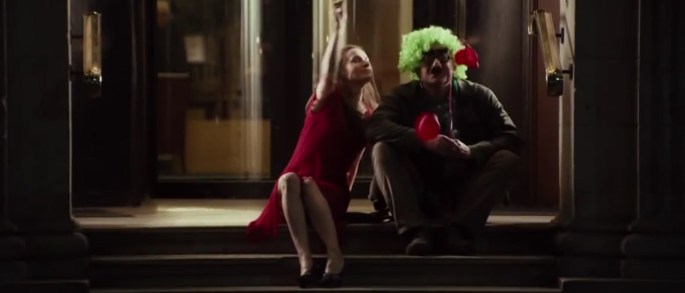
1

How important is it for Irish talent to head over to Hollywood? Is there pressure to stay at home, or is it everyone’s main goal to make the jump?

Making movies is an addiction, so if you want the most expensive drugs with the best bang for your buck, then you go to the best drug den out there and dive into the orgy. That’s Hollywood and long may it make magic. If you want to get high by growing your own, slipping on the vinyl of Kind Of Blue and floating to a different kind of magic, then the homegrown might be better. But you’re likely sleeping alone tonight. Some nights I want the orgy. Some nights I want Miles Davis. But I want to make movies every night.
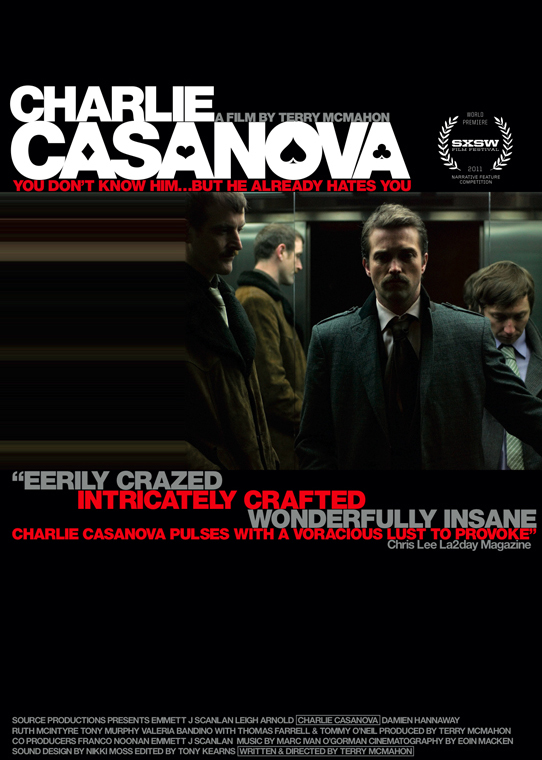
2

What was it like making your first film, Charlie Casanova, and can you discuss the response to receiving such a polarizing reaction from critics and audiences?

I wrote Charlie Casanova at the same time as Patrick’s Day. Fueled by anger at the controlling class elite that were destroying the country – and still are – combined with a fascination with the indoctrinated self-loathing of the working class, I knew the material would require something audacious from conception to execution. While writing it, I figured there were going to be detractors, but I also hoped there would be champions. I was wrong. This was the time of the Celtic Tiger with all its prosperity and capitalistic swagger, so the very idea of writing a piece on the cancerous undercurrent that kept all that feces afloat was doomed to failure before the first paragraph. But one benefit of having never been coached in the formalities of a conventional education is the dumb inability to be afraid of feeling like an ass. Failure to men like us wasn’t just an option, but rather, it was an inevitability, so why fear it? I typed into Facebook: “Intend making no budget feature Charlie Casanova, need cast, crew, equipment and a lot of balls.” Three weeks later, with me as director, we were on set, many of us meeting for the first time, and eleven days after that – because the loaned cameras had to be back by the 11th day – we finished shooting. We had meticulously stuck to the script and now it needed an editor. I was broke because, like many people in Ireland, I had suddenly lost my “job” as a soap script writer. And there was mouths to be fed and rent to paid. The finished film was selected for the Narrative Feature Competition at SXSW – the first Irish film ever selected and the first non-American film in six years – then it was picked up for distribution by Studio Canal. A fantasy was unfolding. But the stink of reality was about to hit the fan. The film was always intended to be provocative and abrasive but, despite some magnificent champions, many reviewers and audiences found the whole thing a repugnant affair and decided to personally attack the filmmaker as if I was Charlie Casanova. In the week leading up to the cinema release there was a bizarre public battle played out in the national media. I was depicted as a moron and a fraud and the film died before it took its first step. There were words between the behemoth that is The Irish Times and the fly on an elephant’s ass that was me. A two page evisceration of the film and the filmmaker being printed without any right of reply was a little hard to take but one of us had to lose and it wasn’t going to be The Irish Times. I lost everything and thought I’d never make another movie. I was wrong again.

4

Was it your intention to aggressively provoke a response from the audience with Charlie Casanova?

Yes. Presuming people knew what I was doing, I channeled Johnny Lydon from The Sex Pistols, but they weren’t in on the joke, and they, perhaps understandably, wanted me shot.
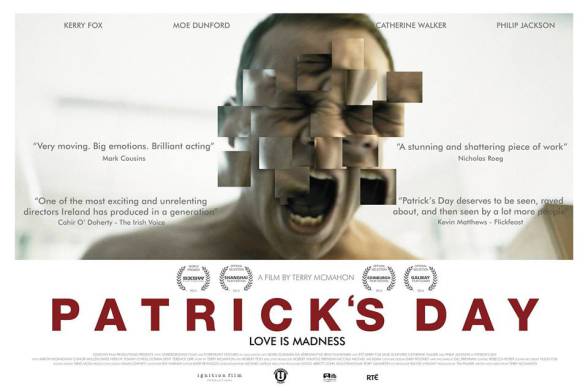
5

What was the creative genesis of Patrick’s Day? What was your inspiration?

I worked in a psychiatric hospital as an orderly and got to see the almost invisible line separating human beauty and ugliness and how often that line can be crossed without malice or forethought when love is treated as a disease.

6Was there one specific message you wanted the audience to pull from Patrick’s Day?

You are not alone.
7

How was Moe Dunford cast in the lead role?

There were a couple of named actors who wanted to play Patrick – one in particular – and Moe Dunford was an unknown entity so some of the financiers were understandably wondering why I’d cast an unknown over a name. But I felt there was something special in Moe, so we communicated privately, set up a call back, and he did a great job. Yet some of the financiers still weren’t convinced that he could be “soft” – whatever the hell that means – so I took him home, got him drunk, rubbed ham on the side of his face, let my beautiful dog lick his face as Moe recited lines from the script, filmed it on my phone, sent it to the financiers and they green lit him that night. He has since gone on to win multiple awards including the Shooting Star at The Berlin Film Festival and he won’t be an unknown entity for long.

8

How did you come to work with cinematographer Michael Lavelle on Patrick’s Day, and what were the discussions about the film’s aggressive visual style?

I met Michael Lavelle at a 10 day film development seminar both of us were on. I didn’t really know his work but really liked his nature over those 10 days. Technical capacity is obviously imperative but if we were going to pull Patrick’s Day off it would require an all-inclusive humanistic approach from conception to completion from everybody. A simple example would be that in contrast to standard set etiquette, I insisted the extras were treated as top billed actors and were fed at the same time and in the same way as everybody else. A year before we began shooting, Michael and I went to the library of the National Film School and spent the day searching out images that might reflect the psychological and emotional state of the characters and we photographed those on a stills camera. Some shots were from movie books, some from art books and others from photography books. Based on the narrative we broke the movie into five psychological stages and allocated specific shots to each of those categories. Later our great producer Tim Palmer agreed to send us to a fancy-ass hotel for three days to draw up storyboards for the film. We just drank expensive wine for three days and came back with nothing more than a half-drawn frame that was quickly abandoned when Michael realized I wasn’t going to approach the film in that formalized way. What we did do was break the script down page-by-page and line-by-line to determine whose ever-shifting point of view we were looking at. One of the thematic questions of Patrick’s Day is the veracity of memory and we wanted a visual language to interrogate that for the viewer – whether consciously or unconsciously for them. The narrative rhythm of the script constantly presents memory as a set-up, a reversal, and a subversion, and we wanted to reflect that visually. So, once we clarified the set-up, we determined the shot and the lens that might most effectively communicate that triadic pattern, then ensured that we detailed the subsequent reversal and subversion within the same frame and lens in the hope that the viewer might have a subtle memory of having been there before. Sounds kind of wanky as I say it here but rather than some pseudo-intellectual conceit, the hope was that the cumulative impact would be visceral rather than intellectual. It also created in an incredibly expedient short-hand for Michael and I because once we established the first set-up we immediately knew the lens and the frame for the subsequent reversal and subversion regardless of whether we were shooting in sequence or not. This meant we were able to execute a hugely ambitious shoot in an absurdly limited 16 days. The same rhythmic principles were applied to the edit with the wonderful Emer Reynolds – a set-up that feels real, a reversal that shatters reality and a subversion that may be a new reality or the propagation of a darker fallacy. Both Michael Lavelle and Emer Reynolds intellectually understood that but, much more importantly in this context, they knew how to bring their own decency and humanity to every aspect of the process and both of them and Tim Palmer are a profound part of what Patrick’s Day became.

10

How has the success of Patrick’s Day in Ireland affected your career?

As writer and director of a film, the time investment bears no relation to the financial return, so in truth, I’m fighting to put food on the family table. But, beyond cash, the reaction has been the stuff of dreams. Patrick’s Day is not for everybody – some are indifferent to it – but we have received a huge amount of mail from people all over the world detailing the impact the film has had on them, and that is a temporary but powerful antidote to financial insecurity.
0

Was it hard marketing Patrick’s Day to Irish viewers or were they immediately receptive?

Because of corrupt governments and scumbag bankers, Ireland is going through Hell at the moment, so it’s tough to gauge what Joe Citizen will get off their couch to go to see in the cinema. Apparently the term they use in Hollywood is “concept rejection,” and that can be just as prevalent in someone’s Dublin sitting room as L.A.’s Chinese Mann Theatre. Once we got people in the door there were standing ovations and the word of mouth was beautiful but the tag of “mental illness” isn’t exactly sexy, so despite all the awards and the accolades it’s not going to take long for a superhero movie to kick an independent movie off the screen. I don’t have an agent or a manager or a lawyer or any of those apparently necessary-to-get-ahead allies, so I wasn’t across the business side of it perhaps the way I should have been. We did seven weeks, and apparently “for an Irish film” that’s top drawer, but it’s a little like winning the league in fourth division football; it feels good for the supporters and the players but the premiership division fans just read about it as a footnote at the bottom of the sports section.

33

What was the process of finding a U.S. distributor for Patrick’s Day on a DVD/VOD level? When does it get released here?

It’s interesting because we have won awards all over the world, garnered four and five star reviews across the board, and received multiple standing ovations yet there is difficulty making that translate to audiences who may be reticent about exploring mental health and the right to intimacy, so, despite all the accolades, it hasn’t been easy. But the good news is that Alchemy releases the film on VOD on March 17th, and BrinkVision puts out the DVD on April 5th. It’s also currently streaming on Itunes.

66

What films, if any, have centered on mental health and made an emotional impact on you? Did any films inspire, or partially inspire, Patrick’s Day?

One of the great payoffs of watching multiple movies every night for your formative years is you make discoveries that become deeply personal to you. I never read the back of the boxes until after I had watched film. I barely even looked at the cover, such was my childlike need to know nothing about what was about to unfold. There was a movie by a director I’d never heard of at the time called Jane Campion. The video cover had a gawky redhead staring out with piercing eyes and beyond that I had no idea what was in store. A few hours later I was sobbing like a child. The movie was An Angel at My Table and the redhead was Kerry Fox. Over 20 years later when we were prepping Patrick’s Day, the magnificent casting director Rebecca Roper asked who I wanted to cast as Patrick’s mother? I knew it would never happen and was almost embarrassed at the naivety of saying her name but I swallowed hard and whispered: “Kerry Fox?” A month later the redhead who blew my heart open 20 years earlier was doing it again except this time it was on my set. And separately, I picked three films for Michael Lavelle and I to watch together before we began shooting: The Graduate for structure and form and long dialogue takes, Punch Drunk Love for tone and awkward love, and One Flew Over the Cuckoo’s Nest for a visceral, almost clinical approach, and just because it’s one of the greatest damn movies ever made. The lovely slingshot is that later when Patrick’s Day screened at the Woodstock Film Festival, Michael Lavelle was also awarded the Haskell Wexler Cinematography Award and the great Wexler himself referenced Cuckoo’s Nest in his speech – which, of course, he was cinematographer on. It was a gorgeous moment, which would further be enhanced by, five minutes later, Emer Reynolds being awarded The Peter Lyons Editing Award. And then, five minutes later, Patrick’s Day picked up The Grand Jury Prize.

2

What advice would you have for up and coming filmmakers?

Think of something that embarrasses you and pick at it. Think of a secret you have that makes you feel alone and scratch at it. Somebody somewhere feels the same thing and they need to know they are not alone. Paper costs nothing and if you can’t even afford that then go to that bookies, steal that pencil, and write on the back of the betting slips. Then film it. On your phone if you have to. Steal a phone if you have to. There are no excuses any more. Write and film like your life depends on it and pretty soon it will.

McMahon banner

Podcasting Them Softly thanks Terry for his time! Can’t wait to see your next film!
RICHARD LINKLATER’S BEFORE SUNSET — A REVIEW BY NICK CLEMENT

before_sunset

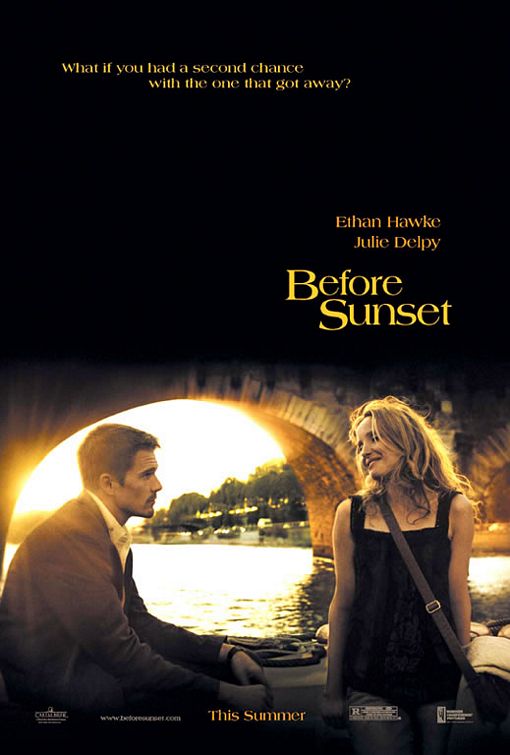
A perfect follow up to Before Sunrise, the second film in this most romantic cinematic trilogy, Before Sunset, is my favorite of the three films with Ethan Hawke and Julie Delpy. In this terrific sequel to the beautiful original, Hawke and Delpy showed us once again how perfect of an on-screen couple they are. Every moment that they share, both big and small, is just divine. The story picks up nine years after their perfect day/night meet-cute in Vienna, with the two of them meeting at a book signing, as Hawke has written a story that closely resembles his love-torn experiences while travelling in Europe. After promising to reconnect with one another six months after their first encounter, they talk about why they never ended meeting up (I would never spoil the specifics), and from there, they rekindle their relationship in ways I dare not reveal. Hawke and Delpy co-wrote the script for Before Sunset, with some help from director Richard Linklater, who co-wrote and directed the first film. The style was kept loose and breezy and sexy, with some wonderful stedicam shots through Parisian streets and back alleys and coffee shops and tour boats. And given that Hawke’s character has become an author on a book tour who is promoting his new novel that deals with his chance encounter with a lovely French girl, all of the collaborators get to play with the conceit of life imitating art. Clocking in at 80 minutes, my only objection to the film was that it was too short, but then again, every scene is virtually perfect, so how can I really complain? I love these two characters, and could have easily spent another hour listening to them talk and reminisce and fall in love all over again. The catch of the film is that Hawke is now married with a child, but the specifics of his situation are layered, and again, I don’t want to share too much. Rent both of these movies at the same time and watch them back to back, and then, take a break, and watch Before Midnight. You’ll never look at cinematic relationships the same way again.

JOHN HILLCOAT’S LAWLESS — A REVIEW BY NICK CLEMENT

lawless movie.jpg

John Hillcoat’s Lawless is a boozy, rugged, bruiser of a movie, filled with violent spectacle, excellent performances, a sharp script with pungent, poetic dialogue from multi-hyphenate Nick Cave, who also did the spirited music, and a fantastic visual sense that conveys harsh beauty in every frame (it doesn’t hurt when Benoit Delhomme is behind the camera). I love every sweaty, bloody, dirty minute of this prohibition era Western/gangster hybrid, and I get a kick out of the idea that while Hillcoat’s film is unfolding, the events of Michael Mann’s Public Enemies are going down a few hundred miles North-West of the West Virginia locales of Lawless. Hillcoat is turning into a major filmmaker – this is the guy also directed The Road, The Proposition, and Triple 9, and with each film he exhibits a dynamic photographic quality that is reminiscent at times of Terrence Malick in that he seems fascinated with organic beauty and how nature can be corrupted. Light and fun movies he does not make.

Based on true events, this is a rough and nasty film (you get to see someone tarred and feathered amongst other cruelties…), featuring multiple shoot-outs (the climactic gun battle is a wowser), more than a few graphic beat-downs, and lots and lots of macho swagger and dangerous antics. Shia LaBeouf turned in a gritty, more than credible performance as Jack, the youngest of the three Bondurant brothers, a group of men responsible for some of the best moonshine in the area. Quiet and reserved and not ready for violence the way his older brothers are, he’s the most practical of the three, and it’s his character that changes the most over the course of the narrative. Tom Hardy is simply unstoppable as the oldest brother Forrest, a man caught up in his own myth of immortality, and rightfully so – when you see what he was able to survive you just won’t believe it. But…it’s true. Intimidating doesn’t cover Hardy in this film; I love how he simply grunts a quarter of his dialogue! Jason Clarke is the middle brother, and he spends the majority of the film in a drunken stupor, ready for fisticuffs at a moment’s notice.

Their illegal operations are challenged by a big city cop played brilliantly by Guy Pearce, who really cuts loose with a vicious, layered performance of evil menace. Everything about Pearce in this film, from his hairstyle to the shaved eyebrows to the fey mannerisms and his cadence of speech – it’s a delicious piece of acting and it further underscores how he’s one of the most versatile on-screen talents currently working. Jessica Chastain is all elegance and beauty in an underwritten supporting role as a wounded city soul looking for a new start in the wrong country town, but it’s not her story at the end of the day, and for what she’s asked to do, she does so with her usual pointedness and class. I do wish there had been a bit more with Gary Oldman’s gangster character, as he gets involved with the Bondurant’s enterprise at the film’s mid-section, and I could have gone for a few more scenes of interplay between Hardy and Chastain (who develop a romance), but credit Hillcoat for keeping the film on point and moving at a brisk clip; upon second viewing it really becomes apparent how there are zero wasted scenes in this movie.

And because they decided to shoot the film on location in Georgia, the entire production has a realistic atmosphere and lived-in quality, from the backwoods locations to the recreated era-appropriate gas stations and general stores. And the there’s all of the little, detail-oriented bits that Lawless revels in — the gas pumps, the manicure on Chastain’s fingertips during her introduction, the period appropriate cars and clothes and guns and hats and radios — this movie is filled with stuff from yesteryear. This is a really strong piece of work that got respectable reviews and did decent box office but one that deserves to find a big audience on Blu-ray, which I have a feeling it will.