BEN WHEATLEY’S A FIELD IN ENGLAND — A REVIEW BY NICK CLEMENT

2

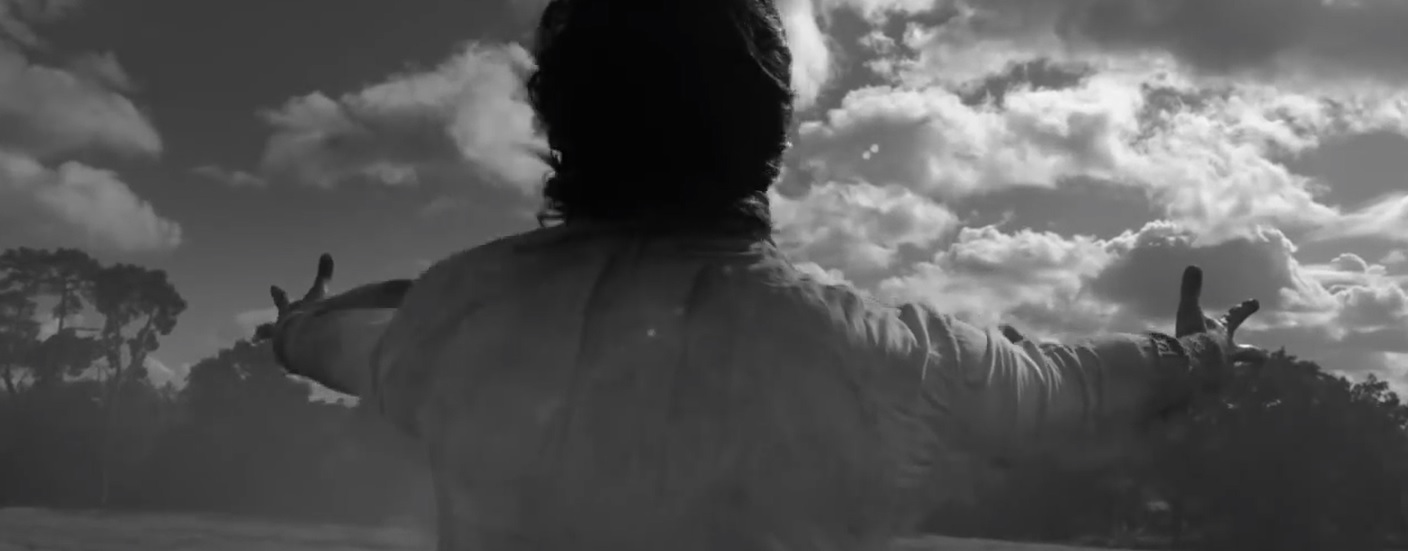
I’ve become quietly obsessed with Ben Wheatley’s fucked up, totally tripped-out piece of cinematic psychedelia A Field in England over the last year or so. Sightseers and Kill List are also both excellent genre subversions made with extreme skill and devilish wit, but this one stands alone and completely on its head as a wild piece of wholly original filmmaking that pushes the limits of personal, expressionistic storytelling to new, unhinged heights. A Field in England is pure madness, a descent into a strange and sometimes terrifying world of alternating perspectives, nightmarish dream-logic, and hallucinatory imagery that feels even more aggressively stylish because of the shimmery black and white cinematography. I won’t bother trying to explain the “plot” of this film – just watch the trailer. You’ll know within about eight seconds whether this is up your alley. For me, like other works such as Enter the Void and Under the Skin and Enemy, this is one of those films that begs for constant revisits, as no individual viewing will likely be the same as the next. There’s too much to explore, both thematically and aesthetically, for this to be a one-off experience. If you can take it. Again…my thinking is that for every person who loves this film, there will be 10 who hate it, or just can’t get into the groove that Wheatley hits in this perverse, sometimes upsetting, and always ferocious tale of men driven to the brink of insanity. Makes sense that the film would Drafthouse release; it’s also a work fully endorsed by Martin Scorsese. Wheatley’s next film, High Rise, sounds like more insane, extremely dark work from this challenging and provocative filmmaker.

3

DAVID ROBERT MITCHELL’S IT FOLLOWS — A REVIEW BY NICK CLEMENT

1

David Robert Mitchell’s It Follows is a clever psychological horror film that has a lot of thought and emotional depth buried under the genre trappings it so lovingly clings to. Essentially a commentary about the spread of sexually transmitted diseases, the narrative hinges on an unseen force coming to kill a group of teenagers who are “infected” by evil spirits, who target their victims based on sexual activity. These kids know that by having sex, they’ll be “infected,” and thus prone to the dangers of these supernatural entities, and yet they do what their hormones are telling them to do even though they know they shouldn’t. The film features some spectacular stedicam work, the direction is strong and smart, lead actress Maika Monroe (also effective in The Guest) is appealing and appropriately vulnerable, the sound design is sketchy all throughout, and the reliance on intelligent scares rather than cheap shock-tactics and excessive gore kept me engaged and interested. It’s also a film that abides by the golden cinematic rule of having a fantastic opening and closing scene. This is a really good “horror” movie for people who are looking for more than just a routine slasher flick.

2

RIDLEY SCOTT’S THE MARTIAN — A REVIEW BY NICK CLEMENT

1

With the solidly entertaining The Martian, Ridley Scott has made a two and a half hour movie about science, and for that, he should be commended; he’s going to get some kiddies in love with NASA and the space program. I love the fact that three years in a row we’ve gotten a big-budget, original idea space epic from three master filmmakers, all made without the notion to sell toys or become franchises. The fact that Scott’s entry into the outer-space sweepstakes is my least favorite out of the bunch (Interstellar and Gravity being the other two) takes nothing away from how enjoyable a piece of entertainment it is; Scott has found that rare sweet spot between art and commerce with this exquisitely designed trip to the Red Planet. The film is going to be a MASSIVE worldwide hit, which Scott could use at this point. Dariusz Wolski’s stunning cinematography and Janty Yates’ stylish space-suit costumes were some of my favorite aspects to the film. It’s also surprisingly funny – maybe too light considering the life or death stakes presented by the narrative – and that was the one big surprise about the entire thing. Scott is typically a serious with a capital S filmmaker, with only rare ventures into outright comedy (A Good Year) and a stab at black, gallows humor (Hannibal). Matchstick Men has its comedic moments, but that’s a drama first and foremost.

And while The Martian certainly has the requisite action and special effects and big-time money-shots that you’d expect from a lavishly appointed Scott picture, the film seems to be more happy at home in the smaller, more character based moments, and sort of obsessed with subverting the potential heaviness of a story that could have been made in a variety of ways. Matt Damon is never less than excellent in this film, displaying a warmth and humanity that was relatable to observe, with a star-studded supporting cast doing colorful background work both up in space and on the ground. But other than the humor, there was nothing surprising about The Martian, with all of it playing out exactly as I predicted, and while I can’t find too much to be displeased with, I wasn’t sent out of the theater soaring in the same way that I did with Interstellar and Gravity, which The Martian sort of feels like a curious hybrid of. And also, this thing where people are saying: “Ridley Scott is back” and “Wow, what a comeback!” – that’s pure horse-shit. Other than the turgid and wholly unnecessary Exodus, he hasn’t gone anywhere; he’s been here for years making one great movie after another. The Counselor came out two years ago and the film is a diamond-cut masterpiece. But back to The Martian – it’s Ridley Scott doing a four-quadrant family movie with just enough edge to still feel Sir Ridley-ish, and I’m glad it’ll make a ton of money so that maybe he can get another film like The Counselor made.

2

DENIS VILLENEUVE’S SICARIO — A REVIEW BY NICK CLEMENT

2Conceived with an incredible sense of grim fatalism and a cynical worldview that feels both refreshingly honest and tack-sharp, Denis Villeneuve’s utterly masterful Mexican drug cartel thriller Sicario is a feast for the senses while never skimping on introspective character beats and pulse-pounding action. Written with obvious research and keen intelligence by Taylor Sheridan, the film rarely feels “American,” in the sense that it offers up a damning portrait of a literal hell on earth (in this case Juarez, Mexico) and plunges the viewer head-first into disturbingly violent areas of society without ever pulling any punches; it’s a kindred spirit to something like Sean Ellis’ gripping Metro Manila and the absurdly underrated Miss Bala from director Gerardo Naranjo, two recent foreign thrillers that make mincemeat of the stateside competition. In Sicario, Villeneuve continues his red-hot-streak after Incendies, Enemy, and Prisoners (still need to see Polytechnique), and in tandem with the incomparable cinematographer Roger Deakins, has crafted an immersive topical thriller that stings with believability, inevitability, and a guiding sense of logical, clear-cut storytelling. It’s also the most tension-packed film I’ve seen in a theater since No Country for Old Men; at no point could I ever guess what was coming next and the level of atmospheric dread on display due to the insane sound design and haunting visuals kept me literally on edge for two hours.

1

I had heard it mentioned recently on the internets that the film was a cross between Zero Dark Thirty and Traffic, and that’s not too far off – it’s as accomplished as both of those fantastic pieces of work, and while indebted to them in some ways, Sicario is its own, visceral animal from the very first frame. Emily Blunt, as usual, is tough as nails as an Arizona FBI/SWAT member drafted by some hush-hush superiors to tag along on a covert mission in Mexico to eliminate a major drug dealer. Josh Brolin and Benicio Del Toro are her mysterious handlers, who aren’t interested in providing too much background on their employers or their ultimate end-games; both actors are incredible, with Del Toro dropping an Oscar worthy performance that cuts hard both emotionally and physically. The numerous action scenes sizzle with bloody ferocity, never going over the top or reveling in the carnage, but being upfront about the damage that bullets will do to the human body. This is a dark, disturbing, totally nihilistic movie that’s not interested in being your friend or making you smile. It’s about something real and current and important and Villeneuve is too smart a filmmaker to start preaching or moralizing. It is what it is – and in this world – nobody is going home happy. And then there’s the film’s final shot, which implies so much without having to speak a word. I can’t wait to see this film again and again and again and again.

ALFONSO CUARON’S CHILDREN OF MEN — A REVIEW BY NICK CLEMENT

1

Prophetic. Speculative. Provocative. Chilling. Alfonso Cuarón’s Children of Men is one of the best films of my lifetime, a totally immersive experience where ideas and action coexist in an effort to tell a deeply human and thoroughly harrowing story of mankind’s last hope for survival. Clive Owen was fantastic in the leading role of a lifetime, while the supporting cast including a stony Michael Caine, a mysterious Julianne Moore, the shifty Chiwetel Ejiofor, the slimy Danny Huston, and the scene-stealing Peter Mullan all get a chance to shine. The blunt, forceful, incredibly streamlined screenplay (by four credited writers) is all forward narrative momentum, while Cuarón and cinematographer of the century Emmanuel Lubezki plunge the viewer into the middle of any number of violent spectacles, including large scale military battled, close-quarters combat, and vehicular mayhem, all shot with a constantly roving camera that’s prone to some very, very long and elaborate sequences without any noticeable edits. The film is a technical knock-out, a marvel on a story level, and it’s a total embarrassment that one of the most ambitious and challenging action pictures ever made wasn’t given any Academy recognition. Cuarón would later get his trophy for his spectacular thrill-ride direction on Gravity, and while that film is certainly accomplished in ways that very few other movies have ever been, Children of Men is an absolute all-timer, and a reminder that big, bold ideas can still intermingle with overwhelmingly visceral action.

2

MICHAEL MANN’S THE INSIDER — A REVIEW BY NICK CLEMENT

2

While his 1995 crime epic Heat will likely always be my “favorite” film by master filmmaker Michael Mann, his 1999 journalism thriller The Insider is likely his “best” overall theatrical effort. Simply by virtue of avoiding any sense of melodrama (no matter how rarefied as in Heat or Miami Vice) and making a film as good, or nearly as good, as Alan J. Pakula’s immortal classic All The President’s Men, The Insider stands as one of the most underrated movies ever to have been bestowed with nine Academy Award nominations (it won nothing). Mann’s usual brilliant sense of place and atmosphere is on firm display here, with Dante Spinotti’s elegantly stylish 2.35:1 cinematography maximizing space within the frame, with certain camera moves meant to dive deep into the consciousness of the characters within any given scene. The emotional and informational depth to the screenplay, co-written by Mann and the estimable Eric Roth (Forrest Gump, The Good Shepherd), is staggering to behold, as it’s the rare drama where everything is motivated by intelligent, dramatic discourse and plausible actions and situations rather than the cheap demands of plot or genre conventions. Al Pacino was terrific here, subverting expectations to a certain degree, reteaming with Mann a few years after their iconic work on Heat. But it’s the Russell Crowe show all the way, and in The Insider, this tremendous actor delivered the best performance of his impressive career, painting a portrait of a morally and spiritually conflicted man who had to face some serious personal challenges in order to get his life back on track. The dynamite supporting cast includes one of my personal favorite scene stealers Bruce McGill (show-stopping moments during the deposition sequence!), Colm Feore, Diane Venora, Christopher Plummer, Michael Gambon, Philip Baker Hall, Debi Mazar, Stephen Tobolowsky, Lindsay Crouse, Gina Gershon, Rip Torn, Michael Paul Chan, Wings Hauser, and Nester Serrano. The haunting and introspective score from Lisa Gerard and Pieter Bourke is classic Mann, perfectly complimenting Spinotti’s lucid and mobile images, which feel as if they’re always searching for thematic truth, while the various key characters consistently stare down their own existentialism in hopes of finding catharsis.

1

TONY SCOTT’S MAN ON FIRE — A REVIEW BY NICK CLEMENT

3

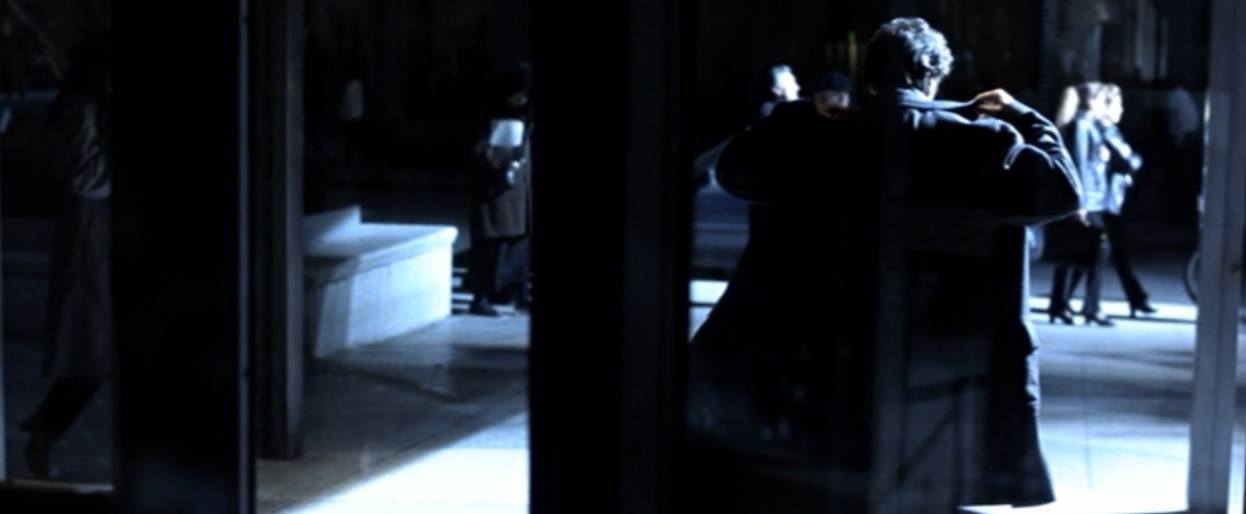
Tony Scott’s slick, gritty and highly influential revenge thriller Man on Fire is over 10 years old (which seems insane to think about!) and it holds even more fiery resonance today than when it did upon first release. Brian Helgeland’s hard-nosed, straight-ahead screenplay set a simple foundation for Scott to run amok with his distinct brand of directorial tricks. The film is a stylistic tour de force and serves as a bridge from the post-Bruckheimer era to the more experimental/artiste period for the filmmaker. Mixing staccato editing patterns with mixed film-stock cinematography by the brilliant cameraman Paul Cameron (Deja Vu, Collateral) that occasionally borders on the avant-garde (Scott would push his maximalist style to the breaking point in his next film, the career-defining genre-bender Domino), Scott utilized wildly creative subtitles (notice the fonts and screen placement) and a hyper-layered soundtrack of both scored and sourced music and threatening ambient sounds, thus achieving a fractured-nightmare quality that sneaks up and envelopes the viewer, as it does lead character Creasey, played with stoic resilience by Denzel Washington. Bloody and violent but never unnecessarily so, the film has a mean-streak a mile wide, but also contains, like so many other Scott films, a seriously warm heart. The restless, nervy filmmaking aesthetic intelligently meshed with the damaged psychological complexities of Washington’s character; it’s a slow burn performance and one of Denzel’s absolute best and most compelling. And every bit his equal was Fanning, whose enormously affecting performance as the girl-in-trouble makes the viewer care each and every step of the way, no matter how dark and nasty things get within the framework of the story. Creasey’s about to paint his masterpiece, and we’re invited to the wild show. Man on Fire is one of the best examples of its genre.

2

JEAN-JACQUES ANNAUD’S THE BEAR — 25TH ANNIVERSAY REVIEW BY NICK CLEMENT

2

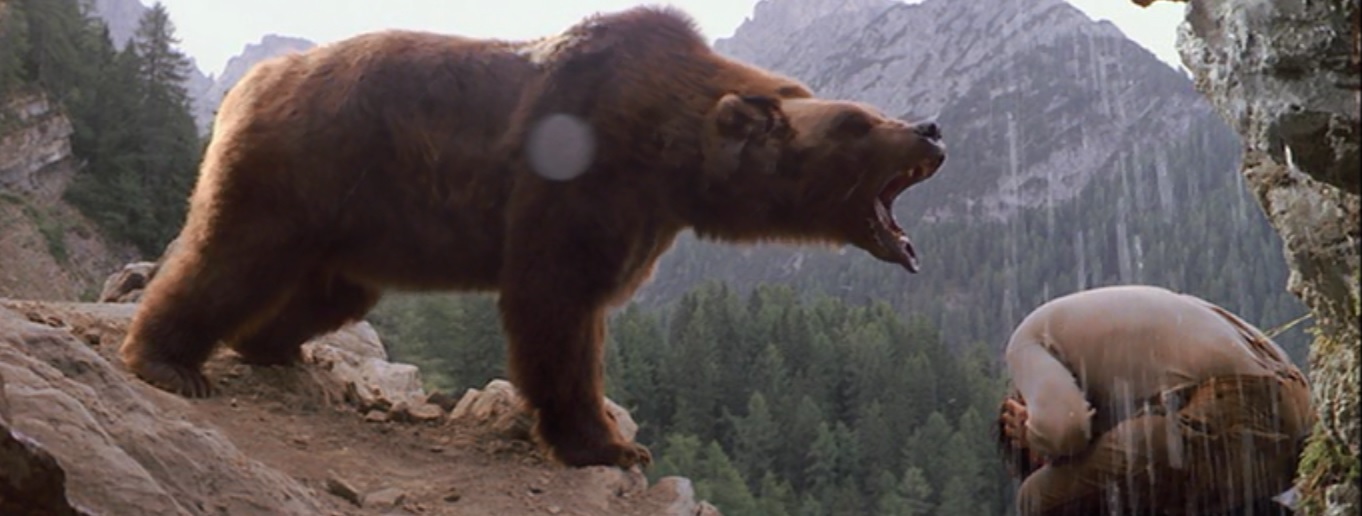
The Bear = the very definition of uncompromised, masterpiece-level filmmaking and storytelling. This is one of the most stunning achievements that I’ve ever seen. Of this I am certain. As a child, I was fascinated and consumed by this gorgeous piece of work, and as I’ve gotten older, my love for it has expanded in ways I can’t possibly describe. Guided by the elegant, extremely confident directorial hand of the eclectic French filmmaker Jean-Jacques Annaud, this is an “animal movie” that transcends that simple description; there’s nothing else remotely like it, in both original aim and final execution. The patience – oh the glorious patience(!) – that this film required in order for it to get made gives me a mini-migraine to contemplate. The magisterial cinematography from all-time great Philippe Rousselot produces one flabbergasting image after another. No CGI. No camera tricks. Just raw, primal beauty with an intrinsic understanding of how to use the 2.35:1 frame. American audiences were also introduced to the amazing character actor Tcheky Karyo as a result of this multi-national production, and while most of this film is silent, the few actors who do appear, Karyo most especially, cut convincing portraits of men doing what they know how to do, having been carved by the environment, but who still have the capacity to empathize with their prey.

The Bear is an almost incomparable work of naturalistic beauty, and for a long time, the only way to see this film on the Blu-ray format was via a German import. It’s now been released all over the world as a 25th Anniversary Special edition by Shout!, and the film should become essential viewing for anyone not already familiar. This is a powerful story of humans, animals, the bonds between both, and how the inherent feeling of struggle and survival is within us all. It’s also a universal story about the importance of friendship, stretching from species to species in equal, observant fashion. This film is so undervalued it almost makes me sick. Every child should be subjected to The Bear, and yes, while the harrowing and painful opening moments depicting the random cruelty of the natural world still sting to this day, it’s a piece of work that young minds should engage with because the overall message is so vital and forever-lasting. Included on this newly released Blu-ray is a 55 minute long, and totally vintage, making-of documentary, that’s almost as good as the film itself. You’re treated to an amazing amount of behind the scenes filming, and you get a chance to observe the intense training that the animals were put through. Seriously amazing stuff. And let’s not forget: Bear Cub Tripping on Mushrooms POWER. Bear Cub VIVIDLY DREAMING POWER. As I said in my first sentence: Masterpiece.

6

GABE POLSKY’S RED ARMY — A REVIEW BY NICK CLEMENT

3

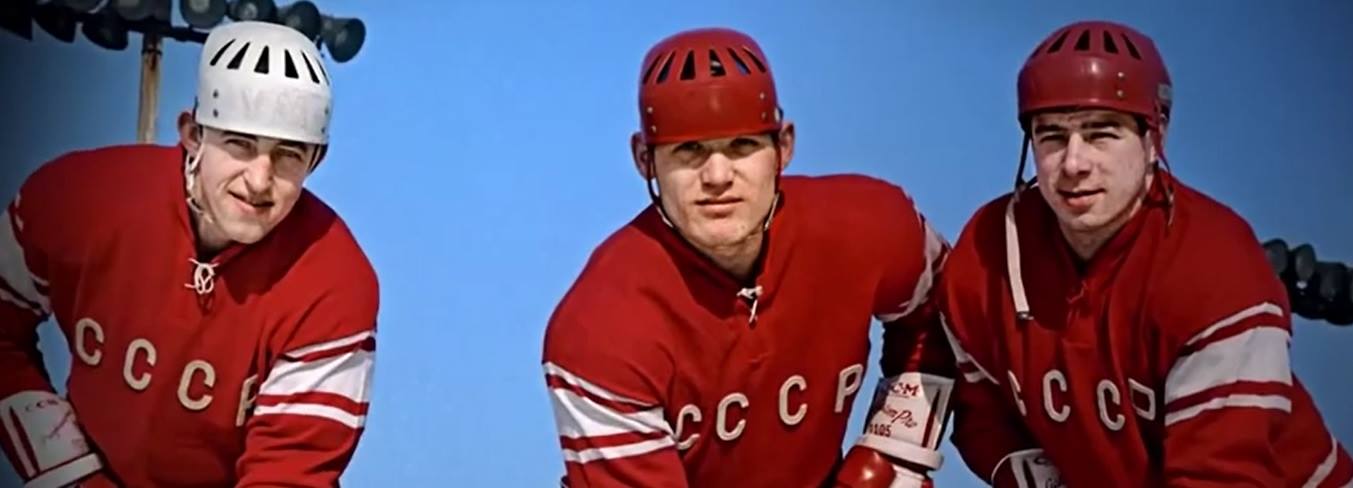
Fascinating on a historical level, riveting when it comes to the sport being discussed, and compelling in a deeply humanistic fashion, Gabe Polsky’s terrific documentary Red Army examines the intense Cold War relationship between Russia and America, and the various hockey players that were caught up in an international saga of greed, hubris, and outright dictatorship. Literally kept as slaves by their country, Russian hockey players back in that time period were revered by all and had to adhere to an intense training schedule that kept them away from their families for long periods of time. All of their insane treatment is detailed in this sad and scary film that highlights just how difficult it would have been to be playing under the Russian coaching regime back in the 80’s. Red Army primarily focuses on legendary defenseman Slava Fetisov and how he and his various teammates navigated the politically charged waters of worldwide sport during a time of immense uncertainty and volatility. Fetisov is quite the character, and while he provides tons of amazing information and anecdotes, on more than one occasion someone should have reminded him that he was there to make a documentary, not just to have his ass kissed; there are NO off limits questions when you’re the front and center focus of someone’s film. That being said, the exciting hockey footage that Polsky intercuts with his intelligent question and answer sessions with some of the era’s biggest stars commands the audience’s attention, and this is easily one of those movies where if you’re not a fan of the milieu, you’ll still enjoy the film because of how well-crafted it is on a formal level, and how interesting it is as a history lesson. And for any hockey fan or past or current player (I was lucky enough to lace up for 15 years), this will be a fabulous way to spend 80 minutes. And if you’re of a certain age, the names and faces on display will bring back waves of emotion and nostalgia. I know it did for me. Mike Vernon POWER in there, too.

2

DAVID FINCHER’S ZODIAC — A REVIEW BY NICK CLEMENT

1

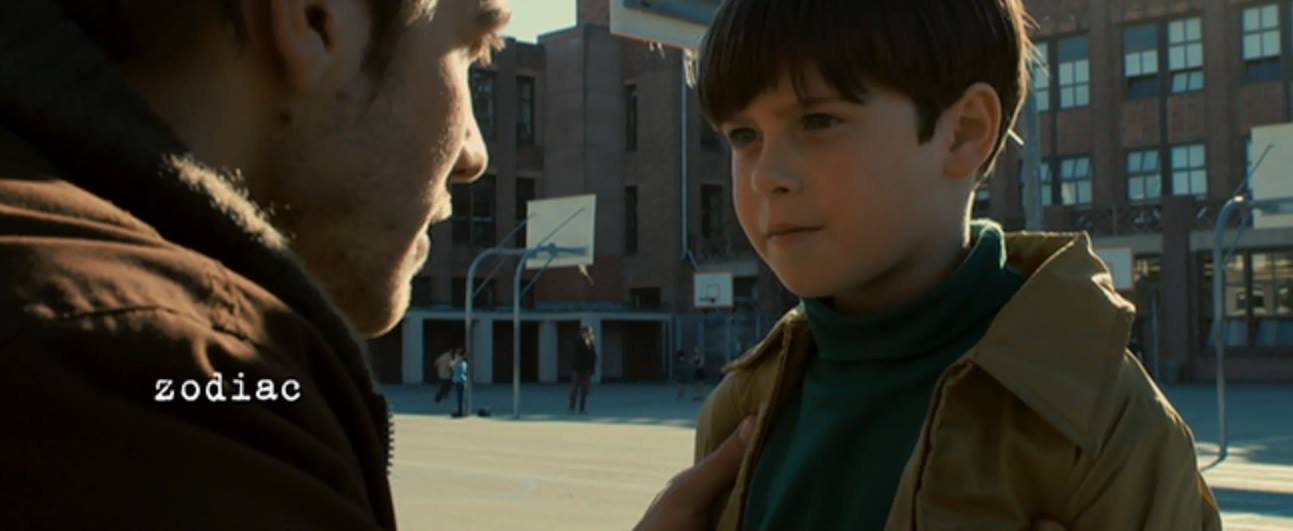
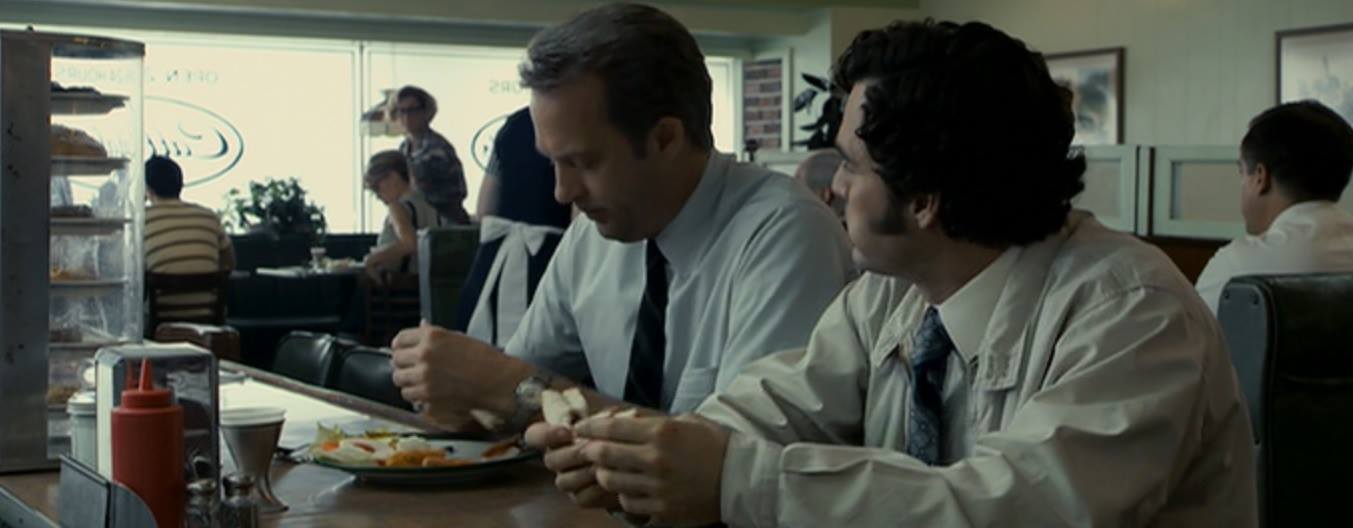
David Fincher’s quest to become the new Alan Pakula hit new heights with his riveting serial killer/investigative journalism thriller Zodiac, which might possibly be his greatest accomplishment yet as a filmmaker. I’m never sure, to be honest, what Fincher’s “best” film is — you could make the case for nearly all of them in one way or another. But with Zodiac, he tapped into our worst fears (that of a killer on the loose) and mixed the expected genre elements with an amazing sense of time and place, vividly recreating San Francisco during the late 60’s and early 70’s, as well as demonstrating a perfectionist’s eye in terms of both small and large narrative and visual details. The trio of Jake Gyllenhaal, Mark Ruffalo, and Robert Downey Jr. all did sterling work in this film, each of them carving out a unique portrait of obsessive behavior that would consume their characters at all times. The dense, phenomenally well-researched screenplay by James Vanderbilt (writer/director of the upcoming Dan Rather drama Truth) requires more than one viewing to accurately parse out all of the pieces of information, while Fincher’s steady, engrossing directorial aesthetic grips the viewer with paranoia and subtle style.

The late, great cinematographer Harris Savides (Birth, The Game, Elephant) gave Zodiac an amazing visual texture, with the digital photography augmenting all of the nighttime sequences with a realistic sense of light quality, while capturing the grisly murders with stark and brutal effectiveness on 35 mm film. The supporting cast hammered home all of their work with rigorous perfection, with standout peformances on display by John Carroll Lynch, Anthony Edwards, Brian Cox, Philip Baker Hall, John Getz, Dermott Mulroney, John Terry, Donal Logue, Elias Koteas, Chloë Sevigny, and Adam Goldberg. David Shire’s creepy musical score smartly used period-authentic pop songs with an unnerving ambient soundtrack to maximum effect, while Angus Wall’s fleet, razor-sharp editing kept the two hour and 40 minute film feeling light on its feet; rarely do “long” movies feel this quick. Despite excellent critical support, the film didn’t catch on with the Academy (maybe it was the March release date or the middling box office returns), and while 2007 was a landmark year for cinema in general, Zodiac being left out of the big dance feels incredibly short-sighted. This is one of Fincher’s most absorbing films, filled with three dimensional and vulnerable characters that you root for, while showcasing a mystery that literally has no ending.

2