JOE WRIGHT’S HANNA — A REVIEW BY NICK CLEMENT

2

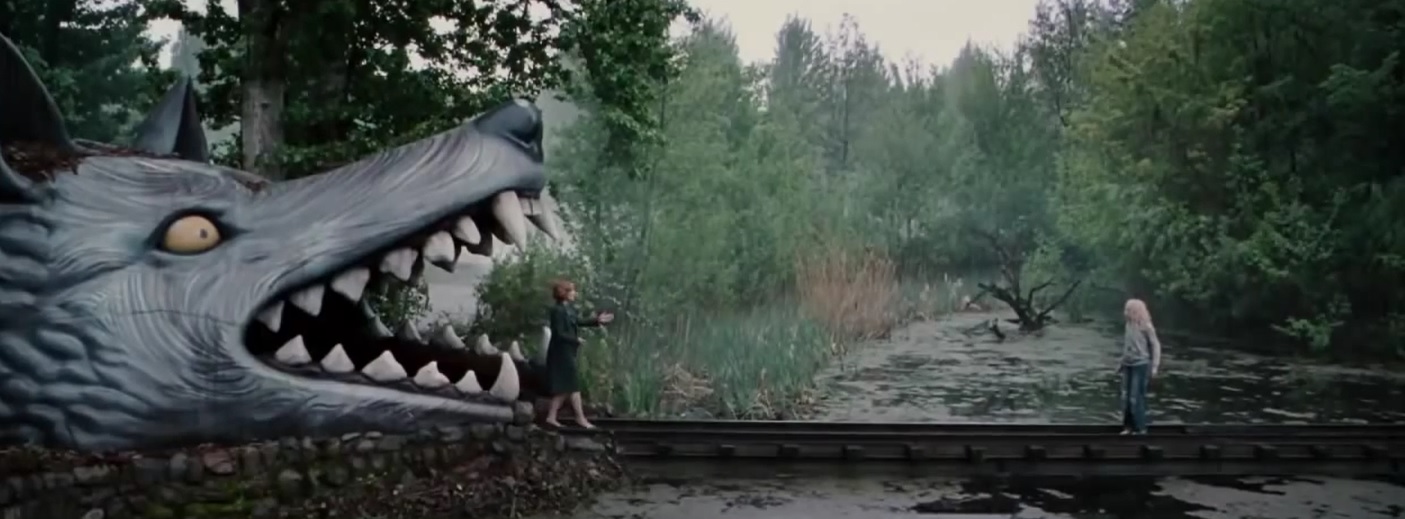
Joe Wright’s kinetic, artistic, sort-of-spy-thriller Hanna is so many things we’ve already seen but something totally and uniquely all its own, all at once. Take aspects of The Bourne Identity, Leon, Kick-Ass, Run Lola Run and then filter it through the prism of a Grimm’s Fairy Tale and you almost get an approximation of this strange, at times surreal, occasionally bewildering, entirely engrossing movie from Wright, who has consistently demonstrated a terrific ability to genre-hop (here doing an exceedingly stylish and physically impressive action film) after a classically confident start to his directing career (Pride & Prejudice, Atonement, and The Soloist came before; the obscenely underrated Anna Karenina followed, with Pan finding release this October). The plot is best not to be poured over too closely as there are definitely some holes and questions of logic (not to mention geography) but never mind — the film is a rush of motion, color, texture, violence, and pulsating sound (the restless, techno-themed score is by The Chemical Brothers and the fantastic cinematographer Alwin Kuchler handled the often stunning camerawork) which adds up to a blur of visceral excitement. The spectacular young actress Saoirse Ronan (Atonement, The Way Back) is positively stellar as the titular heroine, a 15 year old girl raised by her ex-CIA agent father (a customarily intense Eric Bana) to be a ruthless killer. Shielded all her life from the outside world, Hanna knows how to run, shoot, chop, and kill her way to safety. Enter the icy, dangerous Marissa (the always perfect Cate Blanchett), a government operative with a thing for silencers, razor-sharp red haircuts, and electronic toothbrushes (this movie has tons of quirks which always keeps it interesting). Marissa will stop at nothing to find Hanna — but why? Wright directs this visually expressive modern fairy tale with extreme panache, utilizing an attention grabbing blend of aesthetic tricks that spice up the picture, with Kuchler getting a chance to show off a few times during the set-pieces by shooting the action all in one take or in rough-and-tumble fashion. There’s an interesting mix of hand-held camerawork coupled with jagged editing patterns, that somehow fits perfectly with Wright’s traditionally fluid shooting style (a six or seven minute long steadicam fight sequence with Bana taking on a group of assassins is the movie’s obvious tour de force of technical virtuosity). Films like Hanna have been done before but never quite like this.

3

RIDLEY SCOTT’S BLACK RAIN — A REVIEW BY NICK CLEMENT

2

I can’t help but feel that big brother Ridley borrowed a lot from younger brother Tony on his 1989 film Black Rain, which feels more aesthetically and thematically inspired by stuff like The Hunger, Top Gun, Beverly Hills Cop 2, and the rushes he presumably saw while Tony was shooting Revenge, than Ridley’s own The Duellists, Alien, Blade Runner, Legend, and Someone to Watch Over Me. The excessive smoke-effects and highly atmospheric production design definitely shared some similarities to Blade Runner, but for me, Black Rain feels like the sort of super-slick yet still gritty high concept actioner that Tony would become famous for, while Ridley spent the years chasing prestige and clout. Michael Douglas was all leather-jacket-fucking-awesome in this film, Andy Garcia was terrific support, and I loved how the film blended elements of classic cop noir with the modernized Yakuza picture. Jan de Bont’s rough yet elegant cinematography was sensational, and really pops on the Blu-ray format, while Hans Zimmer’s evocative score sets the mood immediately, lending menace and intrigue to the highly textured visuals courtesy of Scott and de Bont. Norris Spencer’s detailed production design lent believability to every location; this film feels exotic in a way that I can’t really put into words. Violent, sexy, and hard-charging all the way through to the finale, this is one of three Ridley efforts that feel very “Tony” for me as a viewer (G.I. Jane and Body of Lies are the other two that also feel rock-and-roll-Tony), and it underscores the fact that when not trying to please the Academy, Ridley can really nail genre-based entertainment.

1

ROBERT ALTMAN’S MCCABE & MRS. MILLER — A REVIEW BY NICK CLEMENT

2

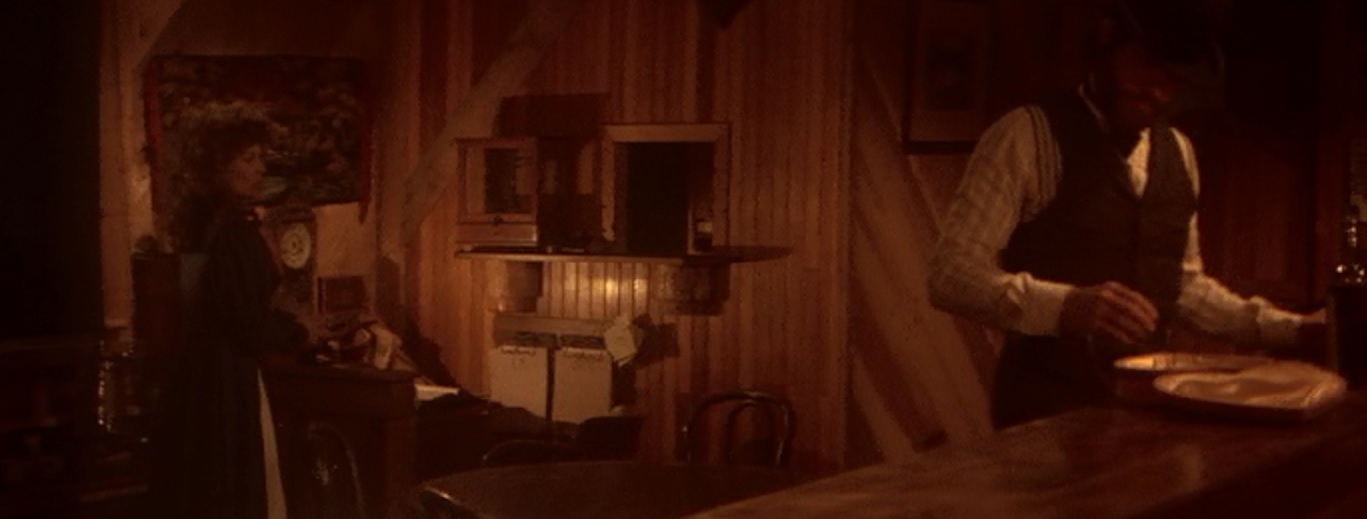
Robert Altman’s McCabe & Mrs. Miller is a film that feels preserved in amber. It’s a slow paced and bleak look at the inevitability of death, and I can’t seem to find one negative thing to say about this neglected work of art. Neglected in the sense that it’s not on Blu-ray; how the hell can this be? This film deserves nothing less than some love and restoration from The Criterion Collection, and it’s a further reminder of how versatile and unique a filmmaker Robert Altman was, especially when compared with today’s cook-cutter studio mentality. I love how this film isn’t really a “western” in the traditional sense, but it’s got the atmosphere and personality of one at times, and don’t get me started on the use of overlapping dialogue and ambient background noise – weak in the knees I get with this stuff. Warren Beatty and Julie Christie were both flawless here, subverting expectations and creating two lasting portraits of tough-love individuals who are more realists than anything else. Vilmos Zsigmond’s warmly fuzzy cinematography goes for wide shots mixed with slow zooms, creating a sense of openness while still retaining a certain level of intimacy, and never losing sight of the desolate and chilly landscape. The “flashing” technique that Altman and Zsigmond favored in post created a halo effect to the images, eliminating any color saturation, resulting in a picture quality that’s dreamy and opaque. Roger Deakins must have watched this movie 1,000 times before shooting The Assassination of Jesse James by the Coward Robert Ford. There’s an aesthetic chill that extends to the film’s themes as well, creating total package cinema, and it’s strikingly unsentimental in a way that most filmmakers could only have dreamed of achieving. Few other filmmakers would have been able to pull of the tricky balancing act that is McCabe & Mrs. Miller, yet Altman, ever the sly storyteller, managed to keep you engaged to a narrative that offers little in the way of conventional cinematic pleasure, and instead invites you to watch and listen as two exceedingly selfish yet practical people try and figure out how to survive life in some of the most unpredictable and unsparing of circumstances. A film like this NEVER gets made today.

3

FELIX HERNGREN’S THE 100 YEAR OLD MAN WHO CLIMBED OUT THE WINDOW AND DISAPPEARED — A REVIEW BY NICK CLEMENT

2

Co-written and directed by Felix Herngren, The 100 Year Old Man Who Climbed Out the Window and Disappeared is a strange one for sure! Some of the narrative may have been lost in translation (this is a Swedish import), but I was definitely able to grasp the busy plot and dizzying array of characters, places, and things. Allan Karlsson, played by Robert Gustafsson who is a massive star in Sweden, is a 100-year-old explosives expert, tired of being cooped up in his boring retirement home. So, on his 100th birthday, he just splits – he jumps out the window, shambles over to the bus station, inadvertently absconds with a gangster’s cash-filled suitcase, and then boards a bus for a small town where everyone and everything that he meets or touches gets messed up in one way or another. This is a bizarre movie, filled with sudden bits of graphic violence, playful comedy, moments of Jean-Pierre Jeunet whimsy and color saturation, and a sense of madcap in the final reel with lots of set pieces and outlandish happenings. Brick-Top from Snatch shows up as a head gangster who wants his suitcase back, all of the supporting performances are colorful and absurd, but the star of the show is Gustafsson as old-fogey Karlsson, whose life story is doled out in flashback, and resembles something out of Forrest Gump, in the sense that the narrative places him front and center during key bits of world history (Franco, Stalin, the Manhattan project, the construction of the Empire State building, and so much more) and the audience watches as he comically navigates his way through all of the madness. Again, this is a busy, sometimes frenetic movie, with an odd fixation on people getting blown up and lots of sequences of people getting shit-faces, and I definitely responded to the dark, ironic humor that filled the edges of the unique screenplay. I’ll leave you to discover how and why an elephant is required to get this story from A-to-B-to-C…!

3

HENRI-GEORGES CLOUZOT’S THE WAGES OF FEAR — A REVIEW BY NICK CLEMENT

2

The brilliant 1953 French film The Wages of Fear would become a template for at least two direct reinterpretations over the years while also inspiring countless filmmakers in terms of its themes and aesthetics — it’s not hard to see why. This inherently desperate tale of physical and mental survival can’t help but resonate with storytellers and audiences no matter the year or social climate, and it’s a further reminder that even with certain technical limitations, the film is one of the finest examples of adrenaline-fueled filmmaking and storytelling ever captured. Directed in a vice-grip fashion by Henri-Georges Clouzot and starring the fantastic Yves Montand, the film was based on the novel The Salary of Fear by Georges Arnaud (who controlled the rights to the property after it was released, and was the man who Friedkin reportedly spoke with when he was mounting Sorcerer), and depicts a group of rag-tag Europeans who are all brought together by fate to take on an exceedingly dangerous job: The transportation of nitroglycerine through the perilous mountains so that they can help with extinguishing the flames that were caused by a massive Mexican oil well fire. The film moves breathlessly from one sequence to another, with the final act of the movie packing a serious emotional and visceral punch. And the sad and cynical ending feels appropriate as it reinforces the grim, fatalistic qualities that have come before it; man’s sense of invincibility is always being challenged during The Wages of Fear, all the way up until the absolute final shot. The Criterion Collection wisely reinstated over 20 minutes of footage that were excised for the American release, and the picture and audio quality on their Blu-ray release leaves nothing to desire — it’s sharp as a tack. The Wages of Fear took the Palme d’Or at Cannes and the Golden Bear in Berlin and rests as one of the best and most influential films of any era.

9

WILLIAM FRIEDKIN’S SORCERER — A REVIEW BY NICK CLEMENT

11

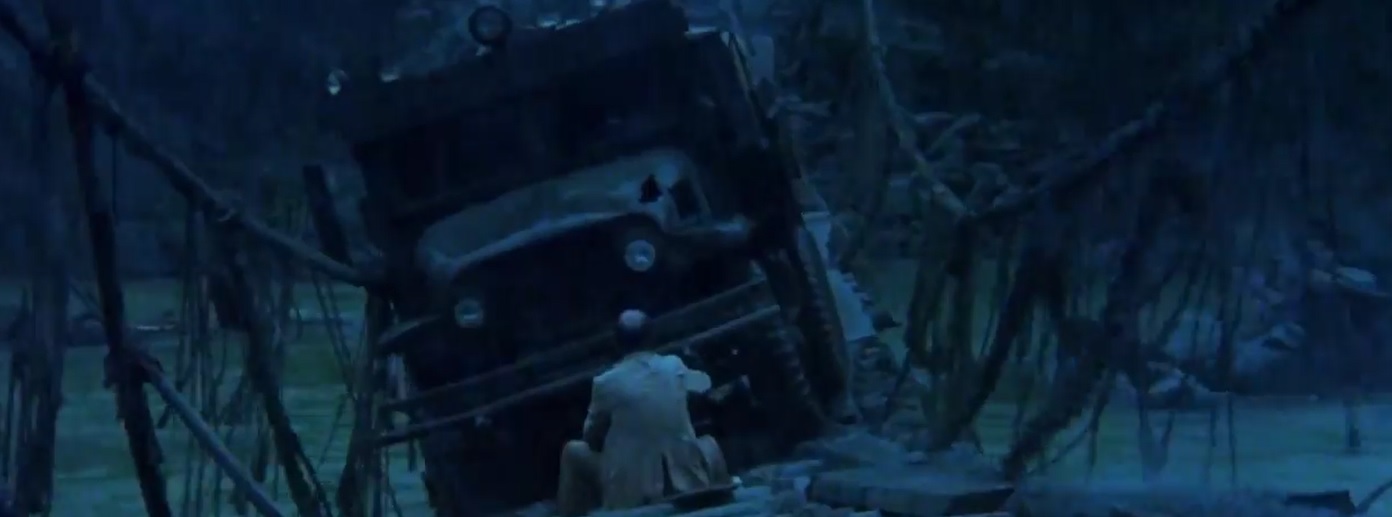
Few films have the same sense of cinematic muscularity that Sorcerer does, and a large reason for this overwhelmingly visceral quality comes from the laser-focused direction of William Friedkin. A majority of this rugged, dangerous action-adventure movie is told with no dialogue, with Friedkin wholly trusting the near hallucinatory images from his cinematographers and realizing that the most powerful expression that cinema can offer is how the visual language of storytelling unfolds for the viewer. Existential in its themes and beyond grand in its epic scope, this is a thrilling, unthinkable piece of filmmaking, showcasing a director who clearly felt that he NEEDED to tell this story. Like Coppola’s Apocalypse Now and Herzog’s Fitzcarraldo, there’s this overwhelming sense of bravado that one feels while watching Sorcerer, as the viewer can clearly tell that the story being told could only have come from the mind of an obsessed filmmaker at the head of the controls. Yes, moviemaking, by its organic nature and process, is a collaborative effort, with multiple individuals contributing so that the art form feels complete by its conclusion. But with something like Sorcerer, and more recently a film like JC Chandor’s All is Lost, there’s a singular sensation that washes over you while experiencing the narrative; there’s a limitless quality to the endeavor that makes it feel alive and unpredictable. Tangerine Dream’s hypnotic score creates a feeling of damn near intoxication, and when combined with the stark (and often violent) visuals, Sorcerer continuously reminds you that you’re in a world where anything is possible. Roy Scheider leads the stoic and masculine cast with gritty panache, while the rest of the supporting players feel as if they were plucked off the streets and dropped into a major motion picture, giving the film a level of verisimilitude that enhances each robust set piece. Friedkin based his cult classic on the 50’s French film Wages of Fear, taking the core plot points and infusing them with a sense of new-found awe and astonishment. The bridge sequence, to this day, defies logic and reasonability (it’s as insane as the hauling of the boat over the mountain in Fitzcarraldo) while the entire film begins to take the shape of a vivid and lush nightmare. You’re in the jungle driving a souped-up dump truck with lots of nitro stored in the back – I’m not sure if there could be anything more sketchy than that. One of those films that was misunderstood and shoved aside at the time of its initial release, the film has righteously become a cult, if not slightly lost, classic. And thanks to the somewhat recently released and absolutely STUNNING Blu-ray special edition, Sorcerer gets a chance to re-enter the cinematic landscape as one of the final films from the auteur driven period of studio pictures that placed an emphasis on the unconventional, while a filmmaker was pushed to their limits to unleash their magnum opus.

3

HAL ASHBY’S HAROLD AND MAUDE — A REVIEW BY NICK CLEMENT

harold_and_maude

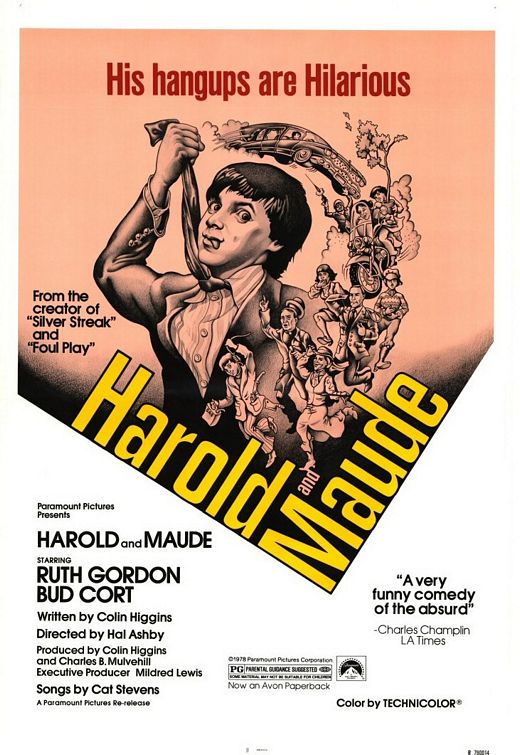
The effect that Hal Ashby’s Harold and Maude must have had over an entire generation of filmmakers is very much apparent – this feels like a precursor to every Wes Anderson movie ever made, and even has some of the same scrappy qualities to the works of David O. Russell, most notably Flirting with Disaster and Silver Linings Playbook. Bud Cort was extremely funny in a morose fashion as Harold, and Ruth Gordon was many things as Maude – hysterical, odd, kooky, heartfelt, and finally, totally unique. Their relationship is one built out of loneliness and desperation, and while some stuff happens that might seem over the top, I’m always able to buy into the notion that these two people were just waiting to find each other, so that their lives could finally achieve that spark they were looking for. This is a black comedy with a strange sense of humor that clearly paved the way for so much to come. Back during its initial release, critics seemed to have been mixed and audiences stayed away, but I’m not surprised how the film has developed such a rabid cut following in the years since. The soundtrack by Cat Stevens keeps things upbeat and sunny even when the narrative goes to some extra sad and dark places, and the screenplay by Colin Higgins deftly balanced all elements, with no small amount of help coming from graceful director Ashby, who always had a natural feel for his actors and a clear sense of place for his productions. John Alonzo’s cinematography was unfussy and patient with its compositions, and it’s a further reminder of how this great cameraman from a lost era was capable of working in any genre (other credits include Scarface, Chinatown, The Bad News Bears, Blue Thunder, and Star Trek: Generations). There’s also some terrific stunt driving which contributes to the humorous tone, with jokes coming in the most surprising of places, told visually in many instances, which keeps the film moving along with a sense of the unpredictable all the way until the perfect ending. Available on Blu-ray from the Criterion Collection.

TONY SCOTT’S UNSTOPPABLE — A REVIEW BY NICK CLEMENT

2

Tailor made to director Tony Scott’s aggressive and intense filmmaking sensibilities, his ferocious last action thriller Unstoppable is a wildly entertaining throwback to the mid-to-late-90’s “high-concept” actioner genre that he helped pioneer. Sort of like Speed but refreshingly constructed without a mad-man terrorist character, the film is inspired by true events and doesn’t suffer in the slightest when it comes to a non-existent mega-villain – the runaway train at the center of the film is plenty mean and nasty. Scott, working for the fifth time with Denzel Washington and for the first time with Chris Pine, got two meaty, manly performances from his charismatic leads, and as usual, peppered his film with a terrific supporting cast (Rosario Dawson, Kevin Dunn, Ethan Suplee, Kevin Corrigan [love this guy!], T.J. Miller, scene-stealer Lew Temple, and David Warshofsky all pop up in key roles). Mark Bomback’s lean, fast-moving screenplay injects nice character beats all throughout the propulsive narrative as opposed to front-loading the first act with nothing but background and exposition. We get to learn about the characters as the movie progresses ala a 70’s film, while Bomback and Scott pile on the near-death encounters that Washington and Pine have to contend with. There’s also a quiet little streak of working-class anger running throughout Unstoppable when it comes to the way mega-corporations care more about their bottom line than the lives and well-being of their employees; the subversive subtext is there no matter how much it’s overshadowed by explosions and flipping-cars.

Based on an event that occurred in 2001 where an unmanned train carrying highly-toxic chemicals careened through the Ohio countryside at speeds of up to 50 mph, Unstoppable ups the ante considerably (now a heavily populated city is in jeopardy and the train is chugging along at close to 70 mph) but still stays true to the events that inspired it. Due to simple human error, one segment of a train dislodges from the main portion, and with the gears in forward motion, takes off down the track. Most people won’t know much about trains going into this film (I certainly didn’t) but by the end, you’ll likely have a better understanding of how they work and just how dangerous they really are. Credit goes to Washington and Pine for never over-stating the obvious. They are playing classic men of action who rise to the occasion when they are most needed (a theme running all throughout Scott’s body of work) and they never went over the top with their performances. Pine has a great way of never seeming overly pushy as an actor, possessing a natural quality which makes it seem like he’s being himself at all times. Washington is completely at ease under Scott’s direction and did a nice variation on the same character that he’s been perfecting for the last 15 years. There’s nothing complicated about Unstoppable – how will these train operators (one a veteran, one a rookie) stop the runaway bomb-on-wheels and save the day?

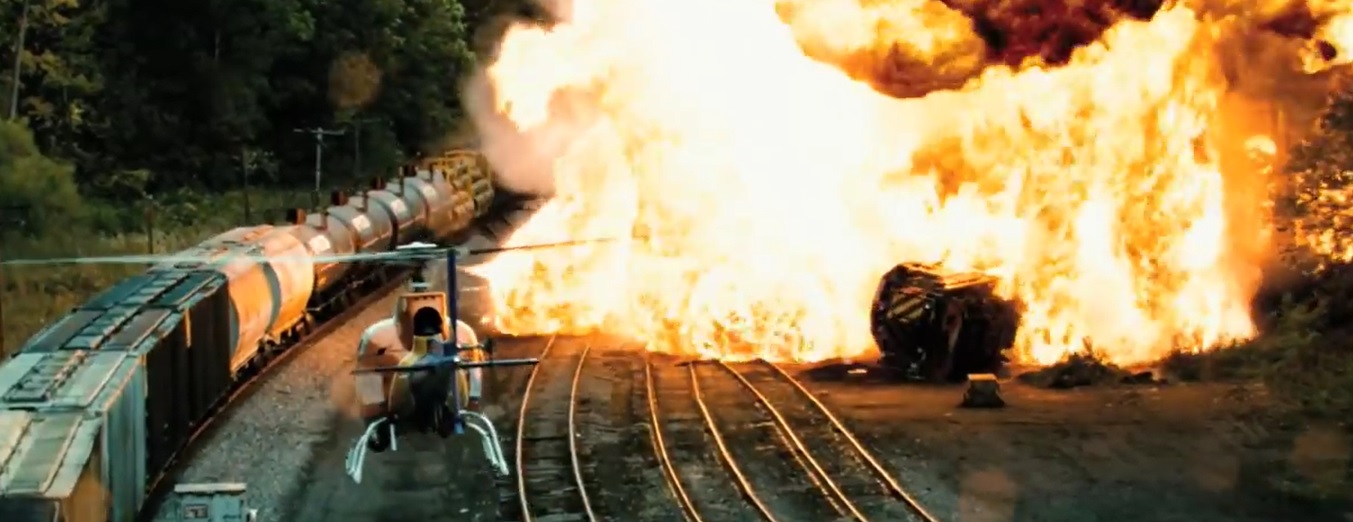
There’s a certain element of predictable eventuality to Unstoppable – it seems inconceivable to think that the train will really crash and eviscerate close to a million innocent people. So without spoiling anything (and there are more than a few surprises in Bomback’s fast-moving script), I’ll say that Scott keeps you invested the entire time, not only by destroying any number of objects that get in the train’s way as it charges towards its destination, but by staying focused on the brass-tacks of the story and never succumbing to cheap humor or stupid side distractions. So it’s no real secret to reveal that the real star of Unstoppable, beyond the train itself, is Scott the auteur. No other filmmaker, to my recollection, has transported their audience directly on a train in the way that Scott does in Unstoppable. Every single shot in the film looks real – viciously, dangerously real. At no time do you feel like you’re watching actors on a set or in front of a green screen, which goes a long way in making the entire movie feel vital and alive. The aerial photography is stunning, with numerous shots of the hard-charging train going neck and neck with helicopters and pick-up trucks that are trying to stop it. Scott, along with the gifted cinematographer Ben Serensin, always managed to keep all of the action coherent and spatially understandable in Unstoppable, without ever sacrificing anything in the style department. They’re aided immensely by Scott’s long-time, go-to editor Chris Lebenzon and his partner Robert Duffy. All of Scott’s kinetic shooting and editing tricks (jump-cuts, rich color palette, on-screen titles, staccato editing patterns) are sampled during Unstoppable, so as a result, some people might get motion sickness, as the camera never stops swirling, never takes a breather, and is always on high alert. It’s visceral filmmaking of the highest order and a further reminder that Scott was the best in the business when it came to this sort of stuff. It’s indescribable how much I miss him as an artist.

3

MICHAEL CIMINO’S YEAR OF THE DRAGON — A REVIEW BY NICK CLEMENT

6

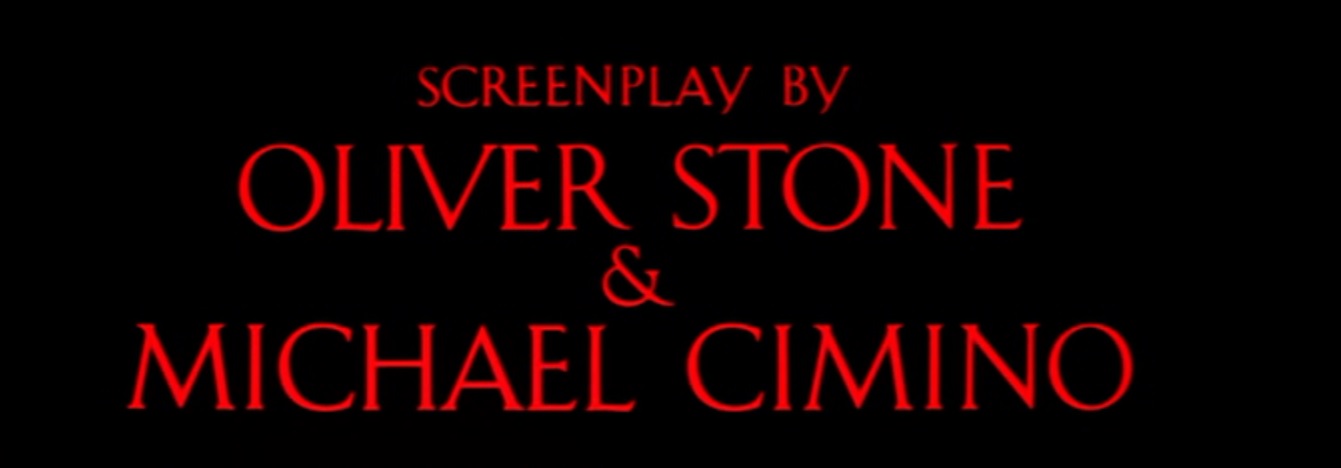
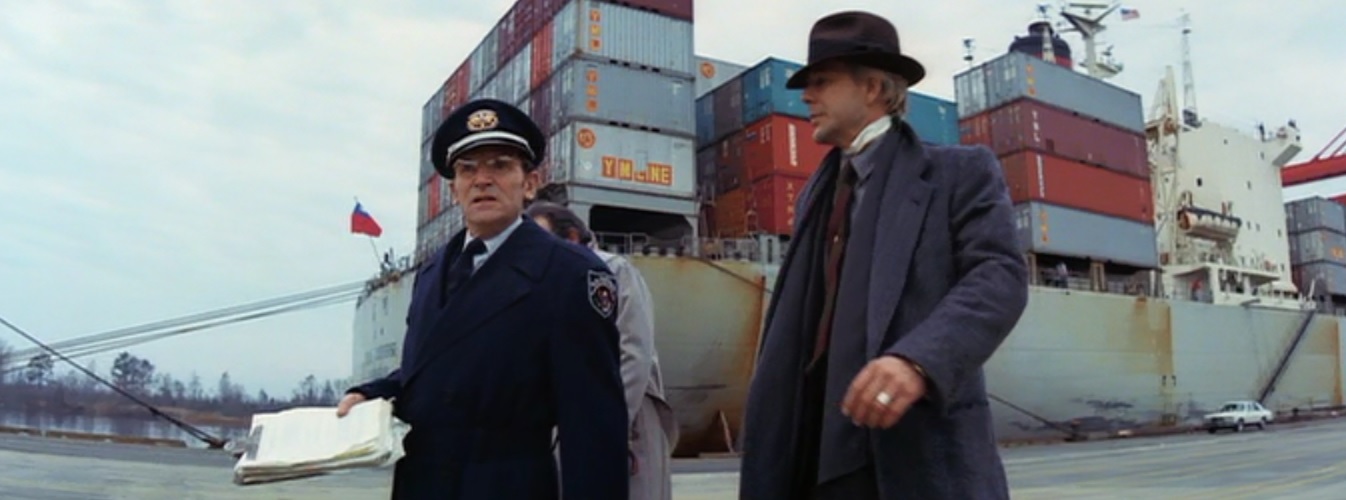
Intense, mean, and violent, Michael Cimino’s Year of the Dragon is really overdue for a Blu-ray release. It’s sort of hammy with its dialogue but it’s no less entertaining for being so. Alex Thomson’s bravura cinematography consistently dazzles. The visceral, blazing shootouts feel real and wildly dangerous. The nightclub scenes are electric, clearly paving the way for Collateral/Vice-era Mann. Rourke is both agonizing and heroic, and even if he might not have been truly old enough for the part as written, he was his usual, fascinating self, always a reserve of surprise, ever the actor to keep you guessing. David Mansfield’s evocative musical score heightens the mood and Wolf Kroeger’s absurdly amazing production design is beyond sumptuous — you’d never know that almost the entire film was shot on North Carolina sound stages. The screenplay, co-written by Cimino and Oliver Stone from Robert Daley’s novel, is both on the nose and subtle, cliched and unpredictable, which is no easy accomplishment, while the level of startling and bloody violence is bracing to behold — people get FUCKED up in this movie. Cimino, as always, just totally went for it, giving this explosive if at times overwrought narrative tons of dynamic sequences and individual moments, while also hammering home his distinct visual aesthetic, which here borrowed neo-noir and gangster movie elements to tell a propulsive and engrossing story that feels intimate and epic all at once. The production value on this movie truly is wondrous, I can’t say it enough.

11

BOBCAT GOLDTHWAIT’S WORLD’S GREATEST DAD — A REVIEW BY NICK CLEMENT

1

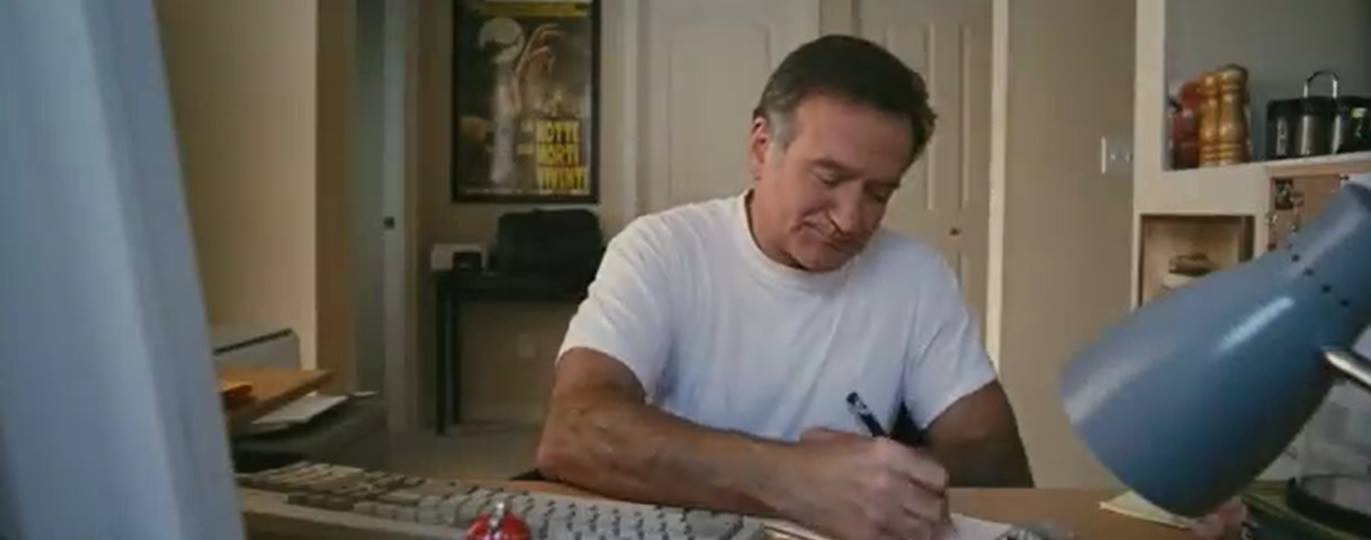
I always preferred Robin Williams when he went DARK — stuff like Insomnia (as good as remakes get), Death to Smoochy (brilliant satire), What Dreams May Come (visionary), One Hour Photo (supremely creepy), Good Will Hunting (downbeat but still lovable), and The Final Cut (unnerving) rank as my favorite movies from this legendary comedic actor — but I am not sure anyone was prepared for how screwed-up and obscenely hysterical Bobcat Goldthwait’s World’s Greatest Dad was going to be. This is a scalding, deeply perverted, and oddly touching little comedy that’s destined to find a huge cult following. The less you know about the story the better, but here’s a small summary: Williams is high school teacher and failed writer Lance Clayton, a single dad who is raising his punk-ass teenage son Kyle (the amazingly nasty Daryl Sabara) and carrying on a secret relationship with fellow teacher Claire (the extremely cute Alexie Gilmore). When Kyle accidentally (and embarrassingly) dies, Lance decides to write a suicide note on behalf of his son. That’s when all hell breaks loose. Again, know as little about this movie as possible before you check it out. All I will say is that it’s one of the sharpest high school satires since Election, and overall, the film has a nasty streak of diseased humor running through its cinematic veins that is extremely refreshing. It’s also a unique film about parenting and family, and while much of the delinquent son’s behavior might putt off some people from even attempting reproduction, Goldthwait’s narrative still has plenty of genuine heart. This is an audacious, unsafe comedy, unafraid to go to some truly bleak places, and always succeeding because of Goldthwait’s ability to cull humor out of the perverse. Williams gives a terrific performance, on par with his career best work in stuff like Insomnia, Death to Smoochy, and One Hour Photo; when he wanted to knock it out of the park, he really crushed it. This is easily one of the funniest, most transgressive comedies in years, on par with stuff like Observe and Report and Bad Santa.

2