Logan

Logan

2017.  Directed by James Mangold.
logan-wolverine-3-funeral


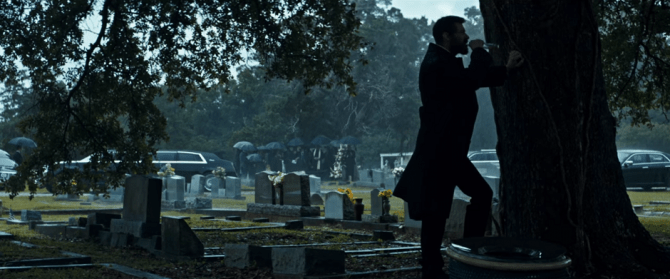
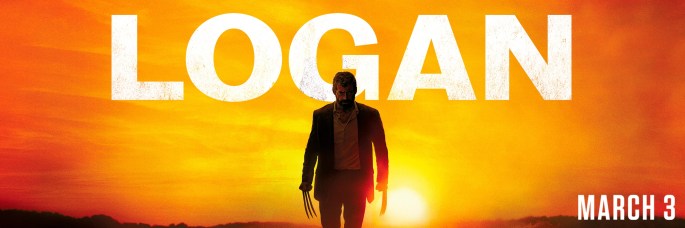
A skin deep swan song by way of a bloodstained road movie, James Mangold’s Logan is a touching, but sadly adequate capstone to the X-Men saga pioneered by Hugh Jackman and Patrick Stewart.  Profanity laced unbridled fury, an outstanding debut performance, and a meticulously crafted entry into the superhero genre are unable to obfuscate the film’s mediocrity.
Using threads from the Old Man Logan comic series, the story begins during the final days of the last mutants on Earth.  Logan is has finally, irrevocably broken underneath years of pain and alcoholism.  Professor X is slowly losing his mind, making him an unstable danger to friends and foes alike.  This quiet extinction is disturbed when a young girl is dropped into their midst putting them on the run from nefarious, albeit typically boring Marvel villains.  Mangold’s story is ultimately a sly metaphor on how the genre itself is being consumed by its fandom.  The heroes are used up and uninterested in caring, let alone acting.  Society has become automated allowing evil men to do evil deeds while the grassroots of manual labor are mercilessly replaced.  Regrettably these chilling concepts are only flirted with, as Mangold seems to use every intriguing moment as a stepping stone to the next CGI bloodbath.

logan-official-trailer-hd-20th-century-fox


On the topic of violence in the film, rumors of its brutality are vastly overstated.  For an R Rated adult offering, this is tame considering how practical effects could have been used for maximum impact, but ultimately violence itself is a fleeting notion in this film as scores of mechanically augmented soldiers are repeatedly, unceremoniously ripped to shreds.  Joel Harlow’s makeup design is fantastic, chronicling a life of torment on Logan’s body and as the damage multiplies, the visible, slowly healing wounds become marks of desperation.  John Mathieson’s cinematography latches onto the obvious with a death grip, never deviating from the surface except during some wonderful shots of automated behemoths in a corn field and a few stills of Logan at his worst.


In the end, there is no real villain besides time, an existential conceit that is never developed in favor of a repetitive combat rhythm that carries the story into a remarkable final act that comes too soon despite the overlong running time.  It’s a strange paradox, but this is a strange film.  Everything is apparent.  The tired gunman on one last mission cliché is everywhere, even on a television displaying one of the many films from which this trope was conceived, the ultimate admission that blockbusters have run out of fresh ideas.

166


Patrick Stewart delivers an award caliber performance.  Professor X is the heart of this film and Stewart does an amazing job with the unexciting material he’s given, delivering the film’s greatest heartbreak and some hilarious one liners.  Jackman fully embraces being able to finally be the Logan we’ve all wanted with ease and it’s a touchstone to how talented this man truly is.  Newcomer Dafne Keen gives ferocious turn as the girl that everyone is pursuing.  She’s primal and abrasive, compassionate and furious, portraying the anguish of a living experiment with a handful of words.  Stephen Merchant’s supporting performance as Caliban also merits mention, as he is the example of the work-horsed mutant’s plight in a world that no longer needs them.


In theaters now, Logan is a great sendoff for its titular character, but little else.  The marketing campaign set this up as a transcendent experience that had the potential to rewrite the entire game.  Potential is the key word because it is genuinely everywhere within Logan’s dust choked set pieces.  Sadly, the film is more interested in getting to the sendoff rather than exploring its powerful capabilities.  It’s worth seeing in theater for the remarkable tribute to Jackman and Stewart’s work and the fact that adult oriented superhero films need all the support they can get to ensure that the studios continue to take chances on them.  However, if you’re looking for something that breaks the mold, this is the not film.


Recommend.

-Kyle Jonathan
logan-film-header-front-main-stage

We Are the Flesh

We Are the Flesh

2017.  Directed by Emiliano Rocha Minter.

we-are-the-flesh-2016-movie-emiliano-rocha-minter-1


Transgressive cinema is a mixed bag, and most assuredly not for everyone.  Emiliano Rocha Minter’s We Are the Flesh is an exceptional entry into the genre and a resounding assault on any sense of discretion or restraint.  This is a prime example of offensive cinema.  Featuring non-simulated sexual acts, otherworldly cinematography, and visceral depictions of necrophilia and cannibalism, this is a film that is not for the faint of heart, pushing the boundaries of art versus pornography while delivering a scathing commentary on the degradation of Mexican culture by way of institutional corruption.

The premise involves a sibling couple that stumbles into the lunatic playground of a hermit within the heart of a post-apocalyptic city.  In exchange for food and shelter the brother and sister are forced to participate in an escalating series of deviant sexual escapades that coalesce into an oedipal nightmare.  Yollotl Alvarado’s renegade camerawork is the entire filthy ordeal.  Bathed in sleazy sepia and primordial crimson, every frame of this film is a traumatic experience rendered with bodily fluids.  The compositions, once the initial shock passes, are outstanding, clearly displaying Minter’s classical film roots while evolving into a nascent orgy of sex and violence that does not relent.

we-are-the-flesh-site-image

If there is a flaw, it is the heavy handedness of the social references as the film lasers in on Mexico’s seething discord which results in disproportionate amounts of “telling” versus the brilliance of the film’s “showing”.  There are patches of dialogue and an unspeakable rendition of the national anthem that may be interpreted differently based on the viewer’s cultural background, but the intent is undeniable and the ramifications are disquieting and accusatory.  Manuela Garcia’s art direction is a direct representation of these concepts, depicting a masking tape womb in a poisoned world, filled with horror and lust in equal amounts.  Maria Evoli’s performance as Fauna is the standout, displaying uncharacteristic courage and inhuman sex appeal that carries the disjointed narrative to its insane resolution.


Available now on a stunning, blu ray release by Arrow Video.  This is a one of a kind film that quite frankly is not for anyone who is easily offended or repulsed.  Featuring soul tainting visuals, purposefully repugnant content, and a delirious story about the wholesale slaughter of a country’s innocence, We Are the Flesh is a unique offering in an adult only genre.  If you’re brave, and extremely open minded, this film “might” be for you, but be warned, you cannot unsee the dark wonders this movie has to offer.


Highly (But Extremely Cautiously) Recommend.

images

The Girl With All the Gifts

The Girl With All the Gifts

2017.  Directed by Colm McCarthy.

the-girl-with-all-the-gifts-2016-movie-still-4

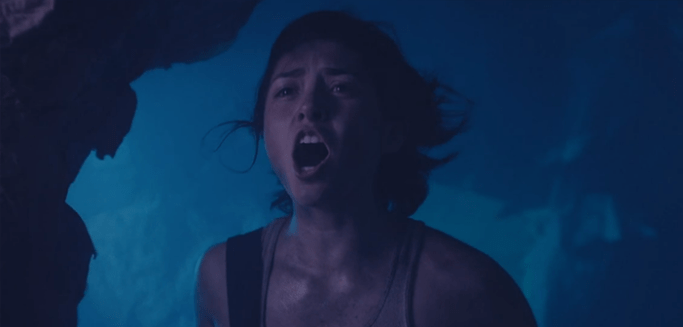
Zombies movies have been slowly losing their luster in recent years.  Production studios and publishing houses have squeezed every drop of heart’s blood out of the shambling hordes to deliver a handful of stone cold classics and a gangrenous mob of mundane horror offerings.  Colm McCarthy’s The Girl With All the Gifts thankfully belongs to the minority.  Featuring a stellar central performance, poetic cinematography, and a haunting story about the definition of humanity, this is a remarkable effort in the genre.

Despite the outstanding technical attributes, the entire film hinges on newcomer Sennia Nanua’s chilling lead performance as Melanie.  Seesawing between polite, inquisitive child and inhuman killer fluidly throughout the film’s duration showcases her uncanny physicality and wonderfully subdued demeanor that combine in truly unsettling ways as the narrative expands.  M.R. Carey’s script, based on his novel, is a breath of fresh air.  The viewer is dropped into the center of a world already lost.  There are rules to these frightening creatures, the soldiers trying to destroy them, and the hybrid children caught in the middle, but the viewer is not spoon fed the information. Instead it is seeded within the nuanced screenplay and carefully parceled out as the action progresses, leading to some stomach churning revelations.

the-girl-with-all-the-gifts-2016-movie-colm-mccarthy-6

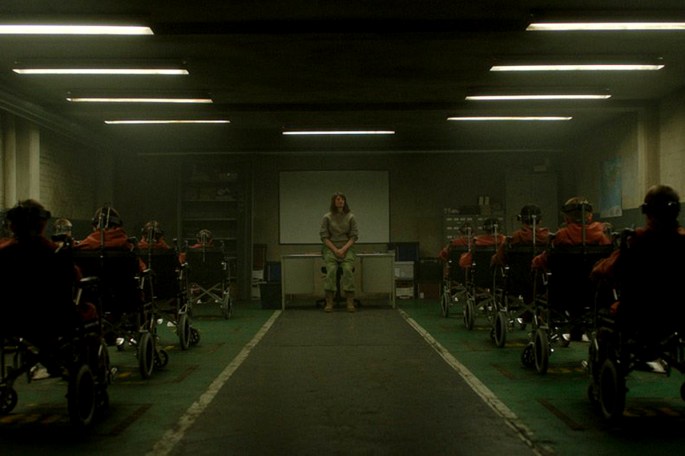
This is the best part about The Girl With All the Gifts.  Things begin en media res, with Melanie being held captive in a military research center.  She has the love of her teacher, played by  Gemma Arterton, in a maternal turn, and she has the ire of the center’s unscrupulous lead scientist, a gleefully campy Glenn Close.  The premise is then methodically built around a bizarre classroom, toying with the viewer’s sensibilities before pulling the curtain only halfway off.  It is at the end of the first act when Simon Dennis’s sublime cinematography truly begins to shine, starting with a calm tracking shot through a storm of undead combat and then sustaining throughout with longing, blood drenched close ups of Melenie and restrained wide shots of the environs.  There’s an aerial shot of a sleeping city that not only accentuates Dennis’s visuals but blissfully realizes  McCarthy’s directorial vision.

Cristobal Tapia de Veer’s score blends ominous child like voices with distorted notes to create a nightmare lullaby.  The grim ambiance is enhanced by Liza Bracey’s world weary costume design and Monica McDonald’s fungal makeup effects that present the zombies as torpid predators, laying in wait for the scent of human flesh.  Each element is aligned to present an atypical apocalypse with an elegant purpose.  The Girl With All the Gifts keeps the focus on the child at its center, exploring the innocent and often terrifying ramifications of the abuse that the young endure at the hands of their ill advised caretakers, stripping away the usual conflicts of a survival film to expose the dark naivety at the center of a heart born in world long gone.

girl-with-all-the-gifts1-640x250

Available now for digital rental, The Girl With All the Gifts is an excellent horror film.  Filled with gratuitous head shot blood splatter, bickering survivors who consistently dance around the evils they must do, and the usual trappings of a flesh eating “And Then There Were None”, it will not disappoint genre lovers.  However, underneath these cliches lies an engrossing story about the price of sacrificing our young for the greater good that resonates all the way until the film’s disturbing, but absolutely satisfying conclusion.

Highly Recommend.

-Kyle Jonathan

girl

Get Out

Get Out

2017. Directed by Jordan Peele.

Get Out (2017)

Horror is a genre that can be used to devastating, socially and culturally relevant effect when wielded by the right provocateur.  Comic mastermind, Jordan Peele’s Get Out is 2017’s first genuine surprise, a hypnotic thriller that masquerades as a commentary on race that is built upon a labyrinth of stereotypes and best intentions.  What begins as an extremely well designed horror comedy transforms into a surreal manifesto on violent domination.

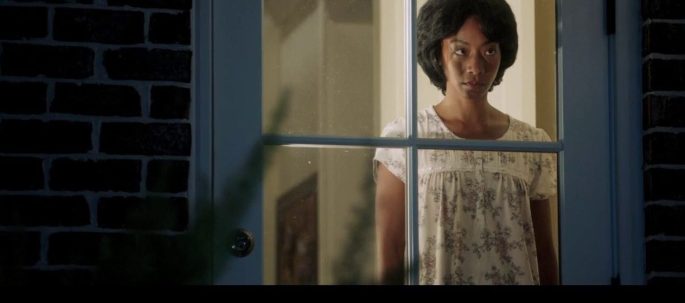
Peele’s malicious script is packed with uncomfortable polite discourse that highlights the essence of privileged sensitivity while laying an intricate trail of dominoes throughout the film’s single upscale location.  Clues abound, from robotic household staff, a cringe worthy therapy session, and the insidious placement of trophies throughout the familial home at the center of the mystery.  The humor is tied to the protagonist’s friend back home, using Peele’s well known comedic genius to bring levity to the bizarre.  Thankfully, these moments are sprinkled throughout a genuinely terrifying fever dream.  Dinner party participants simultaneously stop speaking, a groundskeeper runs circles around the house in the moonlight, and the family’s harmless maid is a smiling harbinger of madness, all of which combine to create a poisoned key that unlocks the film’s corrupted core in the thrilling final act.

get-out-1263x560

Toby Oliver’s cinematography is the film’s best surprise.  Innocuous interiors are delicately framed, using extreme closeups to ensure that the facade remains in focus.  Moonlight is used to counteract the false serenity of the environs, bathing the ensemble in pale neon blue to heighten the psychic underpinnings.  Michael Abels’s score capitalizes on the up front premise, using terse notes to supplement the uncanny behaviors of the “staff”.  Seeing the trailer is enough to fool you into thinking you know, but the outstanding cast latches onto Peele’s words and makes them something more, with Daniel Kaluuya and Allison Williams doing remarkable work as the skin tone crossed lovers at the center of a horrifying cautionary tale.

This is a layered metaphor that pulls no punches.  Violence is the inevitable result of forced captivity and red and blue lights are not always a sign of sanctuary.  These truths are subverted to remarkable ends to produce a delirious Guess Who’s Coming to Dinner by way of Beyond the Black Rainbow mind bender.  Racial discord swan dives into a cesspool of nightmarish implications to carve a bloodstained benchmark for socially aware cinema and the result is a horror film that is respectful with its homages and rebellious with its implications.

In theaters tomorrow, Get Out is a clever youknowwhodunnit.  The rules are set early, but it is the players, and Keele’s elastic mastery of the material that takes a simple premise into places best left unexplored, and yet the viewer can’t help but to watch.  The final act regrettably ups the violence, undoing the psychological dread, but this is the purposefully natural consequence of the preceding acts, symbolizing both the inherent fears of a black man in a white world and the smartphone dissertations on what those fears symbolize.

Highly Recommend.

getoutppal-670x295

Unbreakable

Unbreakable

2000.  Directed by M. Night Shyamalan.

unbreakable-m-night-shyamalan-david-dunn-bruce-willis

Eight years before Marvel would begin its cinematic universe, M. Night Shyamalan directed an intimate take on the superhero origin story, focusing on the complexities of a hero’s family life and the karmic symbiosis of good and evil.  Featuring a stellar supporting performance by Samuel L. Jackson, a resplendent score by James Newton Howard, and a minimalist presentation, Unbreakable is Shyamalan’s gentle masterpiece.

The sheer vision in this production, from it’s dangerously self aware script to the uncharacteristically moving visuals, is a testament to the depth of Shyamalan’s love for the ethos of comic books.  Everything is as should it be, but the presentation is so intelligent, the viewer is often lost in the mysteries of the story and the plight of its two fragile leads, comfortably flexing the boundaries of established spandex canon, but never violating them.  Unbreakable presents the superhero origin as an organic eventuality, rather than a metropolis crushing reality.

unbreakable

Bruce Willis stars as the reluctant hero, an uncertain paragon in a mediocre age.  He is supported by Samuel L. Jackson in the performance of his career.  His Elijah is both a comic book mentor and supplicant. How the fabled texts play into his personal story is the film’s greatest, if slightly predictable surprise.  The chemistry between both men is a hors d’oeuvre that the audience eagerly devours as the narrative slowly progresses into unknown territory.  Jackson’s unquestioning, possibly sinister faith contrasts Willis’s doubting Thomas in a duel of beliefs on a battlefield of shared reality in which three colored possibilities walk the lonely streets of Philadelphia.  Eduardo Serra’s cinematography magically emulates comic book frames with precise angles and countless reflections.  The major players are always framed in vibrant emeralds and lush violets that set them apart from their mundane surroundings, hinting at the destinies that ultimately await them.

James Newton Howard’s score brims with emotional depth and intensity, clinging to Willis’s every movement with a sense of dark wonder and responsibility and it is these two themes that pull Unbreakable into masterwork territory.  Many films flirt with the familial duties of heroes as comic relief or as a source of easy bereavement to endear the audience.  Shyamalan refuses to indulge and keeps everything in the gray of reality, where a struggling couple decides that their family is worth fighting for, where in the eyes of a child it is their parents who are larger than life heroes, and most importantly where the rubber meets the road between wielding cosmically endowed powers to protect the innocent and the everyday obligations that tie us to those whom we defend.

vlcsnap-75277

Unbreakable is a multilayered epic that hinges on a carefully constructed secret history.  Everything is methodically downplayed, with Joanna Johnston’s costume designs taking the ethereal costumes and immoral villains and repackaging them in rain slicked hoodies and ruby red t-shirts, driving home Shyamalan’s color coded dissertation on the nature of heroism and how it is reflected in comic book fantasy.    Respect is even paid to the avid fans, insinuating that their weekly loyalty to their ink lined icons is part of the mystique’s power.

Available now for digital streaming, Unbreakable is not only Shyamalan’s greatest film, it’s one of the best superhero films ever made.  A quiet poem about heroics and acceptance, this is a film that reminds us why imagination is so important  Through its beautifully restrained story, Unbreakable explores the concepts of family and faith without gunfire and explosions, leaving the fireworks within the viewer’s heart, the place where real heroes are born.

Highly.  Highly Recommend.

-Kyle Jonathan

 

images

A Cure for Wellness

A Cure for Wellness

2017.  Directed by Gore Verbinski.

a-cure-for-wellness-slice-600x200

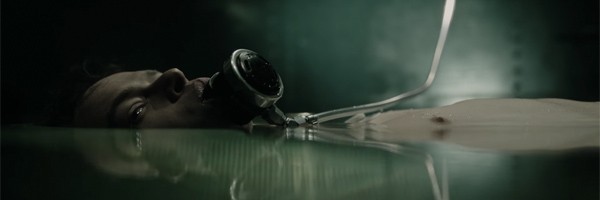
A neo-Gothic fable about the self constructed purgatories of obsession, Gore Verbinski’s A Cure for Wellness is a brutal existential horror film.  Filled with skin crawling compositions, macabre set designs, and absolutely stunning visuals, this is one of the most artistic studio films ever made.  Hearkening back to Frankenheimer’s Seconds, what begins as a cautionary tale about the dangers of soul consuming employment glacially devolves into a surreal homage to the boundary pushing renegade films of the 70’s.

Passive protagonists are a tricky enterprise.  Dane DaHaan’s Lockhart spends the bulk of the film as a victim, both of circumstance and physical injury.  The danger of him being a simple lens through which the story happens is gleefully subverted as the end of the film dovetails with the beginning.  DeHaan loses himself inside his role, the corporate lackey on a fool’s errand.  Justin Haythe’s screenplay is frequently disjointed, but this is part of Lockhart’s crucible.  There are no jump scares and the mystery becomes frustratingly elusive at times, however this is essential for putting the viewer into the main character’s head space.   Layer upon layer of discomfort and supposition are brick and mortared around you as you tiptoe through lonely corridors filled with affluent phantasms, upper class vanguard whose distinct lack of concern for anything outside their control is a physical apparition that clings to the walls of the sinister hospital at the heart of the narrative.

a-cure-for-wellness

Renaissance cinematographer Bojan Bazelli uses a constantly evolving repertoire to frame every shot with undeniable proficiency and palpable dread, using green whispers and blotted reds to consistently undermine the facade of safety.  Eve Stewart’s production design is essential, harnessing Grant Armstrong’s art direction and Jenny Beavan’s costume design to create an insular mythology that may or may not be real.  Everything hinges on films that came before, such as One Flew Over the Cuckoo’s Nest and The Devils, using each reference to construct a methodical morality play that almost achieves perfection.  Regrettably, everything collapses in the final act, and the mystique of the preceding two hours is undone for a cliche’, crowd pleasing resolution.  The insidious attributes of German expressionism haunt the bulk of the narrative, from inhuman camera angles to sequences of extreme physical and mental duress, but all of this is undone with haphazard CGI and underwhelming confrontations.

In theaters now, A Cure for Wellness is a genuine horror offering that pilfers heavily from the buffet of classics that came before it. It uses a wealth of genre staples to propel a trove of ideas down a razor sharp path of inconsistencies that render an incomplete masterpiece.  If you’re a horror fan, or someone who enjoys psychological turbulence, this will not disappoint.  Despite the various flaws that almost threaten its legitimacy,  A Cure for Wellness is a unique experience with merits, and sometimes, even a flawed film is worth the price of admission.

Highly recommend.

-Kyle Jonathan
a-cure-for-wellness-title

Rogue One: A Star Wars Story – A Review by Kyle Jonathan

Rogue One: A Star Wars Story

2016.  Directed by Gareth Edwards.

Rogue One: A Star Wars Story (Donnie Yen) Ph: Film Frame ©Lucasfilm LFL

Making a one off prequel to one of the most iconic series in the history of film is not only a dangerous gamble, but a virtually impossible task.  Gareth Edwards’s Rogue One: A Star Wars Story, not only exceeds inhumanely high expectations, it delivers a remarkably mature war film that explores the morality of insurgency and the simple moments of heroism that define generations.  Featuring immersive visuals and a courageous sense of grit, Rogue One takes the Star Wars saga into the trenches, where the Jedi are but a whisper and the people fighting and dying on the ground have only their convictions as weapons.

Tony Gilroy and Chris Weitz’s script builds from the ground up.  Stealing respectfully from Melville’s Army of Shadows and Pontecorvo’s The Battle of Algiers, the blueprint for impassioned defiance washes over the action, moving the birth of the rebellion into a morally gray existence that resonates throughout.  The consequence of actions, of murder, are not only explored, but paramount to the film’s purpose.  The dialogue has chop, but the genius of Rogue One is that no character towers among the others as the face of war is an identity unto itself.  Diego Luna and Felicity Jones have the film’s best exchange, where the price of compliance and the weight of trauma becomes the focus, grounding the film in an uncharacteristically relevant tone that persists throughout the film’s jaw dropping final act.

rogue-one-2

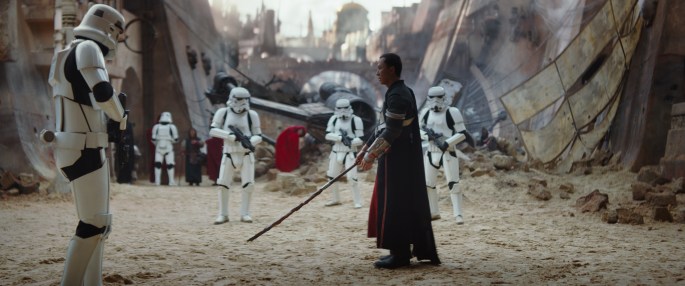
Donnie Yen delivers a thoughtful performance as a blind monk, upholding the lost ideals of the Jedi, while Alan Tudyk steals the spotlight as a reprogrammed Imperial droid.  His deadpan delivery is so perfect, that it is a testament to not only phenomenal voice acting, but the pure humanity of the story.  There are alien characters sprinkled throughout, and they appear as organic combatants, rather than the novelties of predecessors.  Mads Mikkelson and Ben Mendlesohn support as venerable frenemies who use their formidable talents to communicate an ocean of fraternal betrayal with a handful of lines.  Unbelievable CGI effects revive several characters from the original trilogy to enhance the story, using nostalgia as a springboard to build a secret history, whose importance will forever impact viewing of the other films in the series.

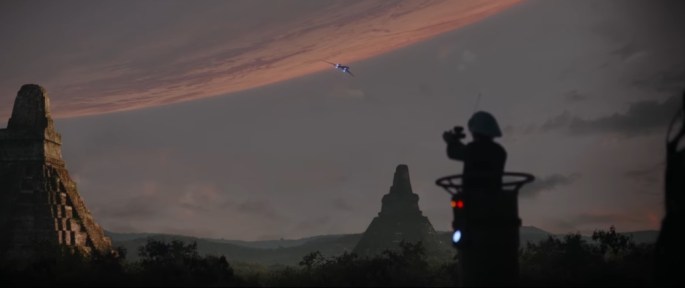
Greig Fraser’s cinematography is intimidating, offering an optical experience unlike any other Star Wars entry.  This is a beautifully ugly film, with the sweat and grime of battle contrasting with plush locales and forbidden alien sanctums.  Space and ground battles are intensely dappled throughout and then Edwards opens the floodgates, filling the final portion with a combat sequence that is both natural and surprisingly realistic in the science fiction context, taking a single line from A New Hope’s opening crawl and delivering a novel of blood and laser fire.  The shadows receding from behemoth Star Destroyers is the perfect antecedent to the quiet desperation of the rebels making their final gambit that plays out on a sun washed planet that is beautifully out of place in the various locales previously offered.  Michael Giacchino’s score emulates Williams’s legendary performance but maintains its own identity, perfectly symbolizing Rogue One’s fledgling iconography.

los_olympicstrlr-086481-om1220-city_

In theaters now, Rogue One is a stunning entry into the Star Wars universe. A bona fide war picture that is charming in its brutality and emotional in its summation, this is the Star Wars film that we’ve been promised for decades.  Featuring a checklist of everything that every film in the series should supply and a copious amount of “on your feet” sequences, Rogue one hearkens back to the age when we watched movies to be entertained, and ultimately inspired by a message of resiliency and triumph.

Highly.  Highly Recommend.

maxresdefault

Demon – A Review by Kyle Jonathan

Demon

2016.  Directed by Marcin Wrona.

full_demon2_770

Everyone has experienced an abysmal wedding.  Open bars often lead to the salting of old wounds, while decades of familial dysfunction rear their heads in defiance of matrimonial amnesty.  Marcin Wrona’s final film, Demon, takes this concept into overdrive, delivering an unrelenting allegory of loss and the bloody history of Poland that plays out during a vodka soaked wedding in which patriarchal denial, deep seeded cultural hatred, and supernatural heritage violently erode the festivities with pitch black humor and disturbing imagery.

Wrona took his own life shortly after the film debuted, and his untimely death enshrouds every aspect of the film.  On the surface, Demon presents as a dark comedy that toys with horror motifs in a Bunuel like presentation of people trapped within a central location.   The setup involves a controversial wedding held at a familial plot in Poland in which the groom is infected by a paranormal entity.  The film’s protagonist, an English pariah to the Polish family at the center of the story, slowly begins to succumb to possession by a Dybbuk, an ancient spirit of Jewish folklore.  As the groom’s behaviors continue to spiral out of control, the bride’s family members react in a variety of ways, ranging from tragic exploration of the incident to drunken dismissal, representing the various reactions of both time and memory to the holocaust and the role of Poland in the proceedings.

hero_demon-2016

Itay Tiran’s performance as the doomed Piotr involves exhausting physical contortions and uncomfortable exchanges that go beyond traditional horror expectations.  Demon’s unique presentation, in which elements from beyond expose horrific historical realities, takes an inverted approach to the typical demonic possession fodder.  There is virtually no bloodshed or brutality and yet the film’s nihilism sustains itself for the film’s 90 plus minute duration, leaving the viewer with a depressing aftertaste from the futility of redemption in the wake of millions of souls being extinguished.  Non Polish speaking viewers may lose some of the context, but the sickly manner in which the participants each flirt with the notions of protecting their perfect wedding over confronting the evils of the past is both egregious and hysterical, deliciously imparting Demon’s dark gift to the audience.

Pawel Flis’s cinematography is covered in yellowing nicotine stains and opulent speakeasy lighting that is nestled within the farmhouse’s rustic setting to create a a mood of uncertainty.  The past and present intermix through fluid physicality and nonsensical dialogue that uses drunken verve to hide that which the viewer has already seen.  While denial is the central artery that runs throughout, it is truth underneath the deception that is the film’s hopeless center.  Demon’s corrupted wedding present is the inescapable knowledge that no one, be it inebriated guest or slowly traumatized viewer, gets out unscathed.

maxresdefault

Available now for digital rental, Demon is a tough film with unsettling ideas that is completely devoid of hope.  The antithesis of feel good entertainment, if you’re interested in an unconventional horror film that explores the atrocities of the holocaust in a satirical and frightening manner, Demon will not disappoint.

Highly Recommend.

demon-vista-en-sitges1

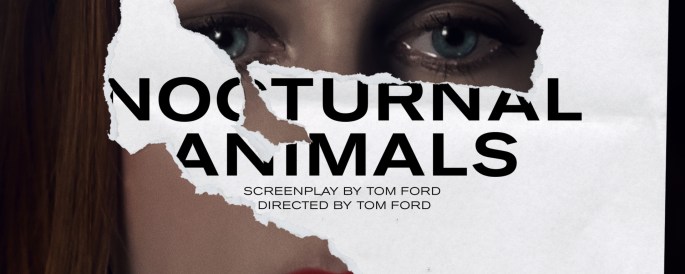
Nocturnal Animals – A Review by Kyle Jonathan
Nocturnal Animals

2016.  Directed by Tom Ford.

nocturnaldudes

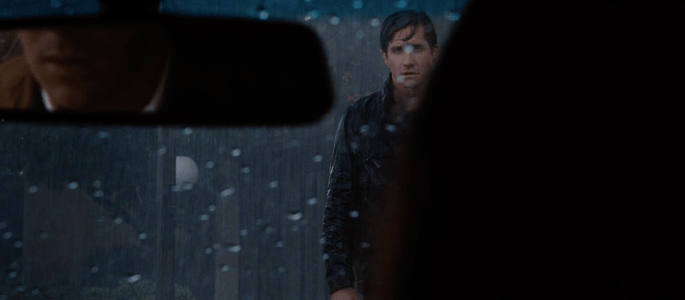
The end of a relationship is an idea that is often equated with death. It’s a theme that has pervaded the film industry for years, offering a plethora of various interpretations in which the aftermath of amorous annihilation has been deconstructed to the point of excess.  Tom Ford’s second directorial effort, Nocturnal Animals, abandons any sense of convenience and presents the concept as a blistering crime story that doubles as a warning about betrayal, both of the partner and of the self.  Ford’s extremely mature marital fable is an assault by cinema, an unforgettable revenge story in which love doesn’t conquer all, it kills every transgressor with calculated malice.

Beginning with the an unforgettable credits sequence,  the film puts the viewer into a complex stranglehold and never relents.  Seamus McGarvey’s cinematography is the perfect companion to Ford’s unique vision.  Hideous beauty, both in the human subjects and the landscape is always on display, with dark clouds hanging over blood red meridians, harshly removed from the violence that fills the sun baked highways beneath.  The fictional world is offset by sterile art galleries and empty houses, devoid of the extremes within the novel at the center of the narrative.  The thundering catharsis of the crime story is rationed by Mike Austin’s editing, seamlessly transporting the viewer between the forlorn desert of the mind and the coldness of reality.  The story within the story is presented as imagery conjured by Amy Adams’s character’s subconscious and no supposition is needed to explain the physical representations therein.  You know, with almost certainty where things are going and that precognition is a result of the extreme control Ford uses in every aspect of the film to bring everything to a perfectly malign conclusion.

amy-adams-nocturnal-animals-670x280

Amy Adams does an adequate job with her character’s vulnerability, but Ford’s script reveals his continuing struggles with female characters.  Her dialogue with Jake Gyllenhaal is stilted, almost pastiche, but the moments between, the physical cues, overcome this.  Michael Shannon supports as the lawman in the crime portion, giving a tragic turn as the devil on your shoulder, representing the rage and despair of the abandoned lover.  Gyllenhaal brings his underrated pathos to bear, but his segment is soft balled into the happenings with intent.  His dual character is both a hopeless romantic and a scorned, but darkly motivated respondent.  All of these remarkable performances are underscored by Aaron Taylor-Johnson’s beautiful monster.  His performance is the definition of excellence in a supporting role, bringing an unhinged sexuality to an easily repugnant role.  He doesn’t chew the scenery, he eviscerates it with stone cold glares and an intoxicating presence that oozes from his sweat soaked killer with ease.

Malanie Romero’s makeup design is flawless, and brilliantly understated.  The characters are presented at different times in their lives and this is accentuated by subtle skin tones and intimidating mascara, bringing the eyes of each emotional combatant to the fore in every altercation.  Donna O’Neal’s costume design encases each character in fabricated armor.  Adams’s art gallerist is adorned in crystalline ensembles, perfectly equating her emotional weakness while the fictional characters are soiled and broken, caked in the dust of their predicaments, dutifully embodying an imagined world of natural recompense.

screen-shot-2016-09-14-at-6-10-27-pm

In theaters now, Nocturnal Animals is one of the best films of 2016.  Ford’s glitzy reality may leave some viewers alienated, but the undeniable maturity of the content is what pushes it to greatness.  An older, wiser, and less accusatory sibling to The Neon Demon, this is a film about the truths of self denial and the ultimate comeuppance for harming the ones we love.  Featuring beautiful, but extremely unsettling imagery, Ford’s renowned compositions, and a one of a kind cast, this is a film that will haunt you long after it fades to black.  If you’re looking for an anti feel good experience, that is devilishly liberating in its exploration of vendetta, Nocturnal Animals is the perfect choice.

Highly Recommend.

nocturnal-animals-amy-adams-poster

The Eyes of My Mother – A Review by Kyle Jonathan
The Eyes of My Mother

2016.  Directed by Nicolas Pesce.

5-1

Nicolas Pesce’s debut feature, The Eyes of My Mother is a reverse horror film that uses a three act format, stark black and white cinematography, and an intriguing central performance to deliver a disturbing and emotionally cold origin story.  Featuring creepy visuals and odd pacing elements, this is a unique genre offering that fails to capitalize on it’s surprisingly humane subject matter, focusing on themes of isolation and the morality of violence as a means to connect.

Zach Kuperstein’s Noir camera work is spellbinding.  Initially, the various static shots immediately conjure a likeness to Night of the Hunter, presenting ominous farmhouses and bewitching forest locales as hidden nightmares, bathed in deep shadows that are intricately manipulated by bold lighting and ingenious blocking compositions.  The camera refuses to move for the majority of the film, only coming to life whenever the main character ventures from her rustic abattoir.  Kuperstein’s decision to not double down on the odd angles of German Expressionism is a bold choice, clearly emulating the classics, but also presenting a fresh imagining of an overdone concept.  There are several long takes, the best of which has the viewer looking through a curtained window into field in which a brutally slow horrific act is occurring.  The body work by the participants and slick editing by Sam Daley uses the absence of violence and barely audible sound effects to terrorize without surrendering to visceral gore that allows the viewer’s mind to do the work.

eyesofmymother6

Kika Magalhaes gives layered performance that entrenches itself in the constant alienation that saturates every part of the narrative.  She is awkwardly sexy, bounding from victim to victim with child like wonder that is astutely juxtaposed from the viciousness.  This is part of the film’s frustrating assembly.  The idea of a coming of age story, in which the morality is murder and not tribulation is a fragile thing.  Pesce’s command of the various elements used to communicate this is excellent for an initial work, but ultimately pushes the isolation theme to a place where the viewer can’t relate.  Killing, sex, blood, and bondage all play a part, while underdeveloped themes of parenthood are forced at every turn, with chains undulating like umbilical cords and male bodies being contorted into a fetal positions.  The ideas are there, but there is very little to support their inclusion, aside from the blatant symbolism.

Available now for digital rental, The Eyes of My Mother is a fantastic debut effort.  Featuring some 2016’s best cinematography, this is a film that will scratch the horror itch, but for anyone less than a horror fanatic, the film’s unfeeling insinuations rebuke as much as the visuals entice.  Despite this glaring flaw, The Eyes of My Mother is worth viewing for the spectacular presentation and delirious lead performance.

Recommend.

hqdefault