I have long been enamored with the work of Oscar nominated cinematographer Seamus McGarvey, as for the last 25 years, he’s been putting his stylish, distinctive mark on motion pictures with some of the best filmmakers that the industry has to offer. He can seemingly do it all: small family drama (The War Zone), massive Hollywood blockbusters (The Avengers, Godzilla, 50 Shades of Grey), challenging art films (We Need to Talk About Kevin), true life drama (World Trade Center), moving documentaries (Harry Dean Stanton: Partly Fiction, Los Angeles: Skid Row is My Home), character based comedy (High Fidelity), and most notably, four incredibly impressive outings behind the camera with filmmaker Joe Wright, who ranks as one of the most exciting and visually dynamic young directors currently working. Their collaborations – Atonement, The Soloist, Anna Karenina, and Pan (judging the latter solely on its glorious trailer) – have all been fanciful and exquisite, showing a clear mastery of movement, form, and camera placement, while always forging ahead with bold aesthetic choices that push the form in unique visual ways. And if one simply takes a look at his long and varied resume, it’s abundantly clear that his talents have been put to great, eclectic use on a variety of interesting and challenging pieces of work.
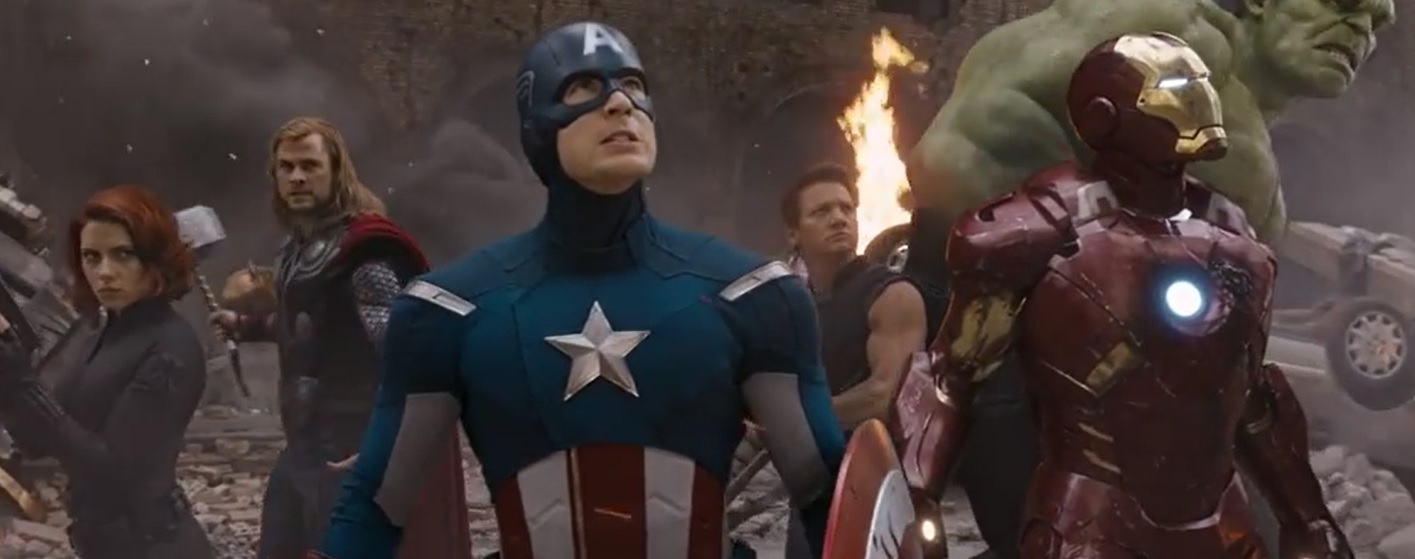
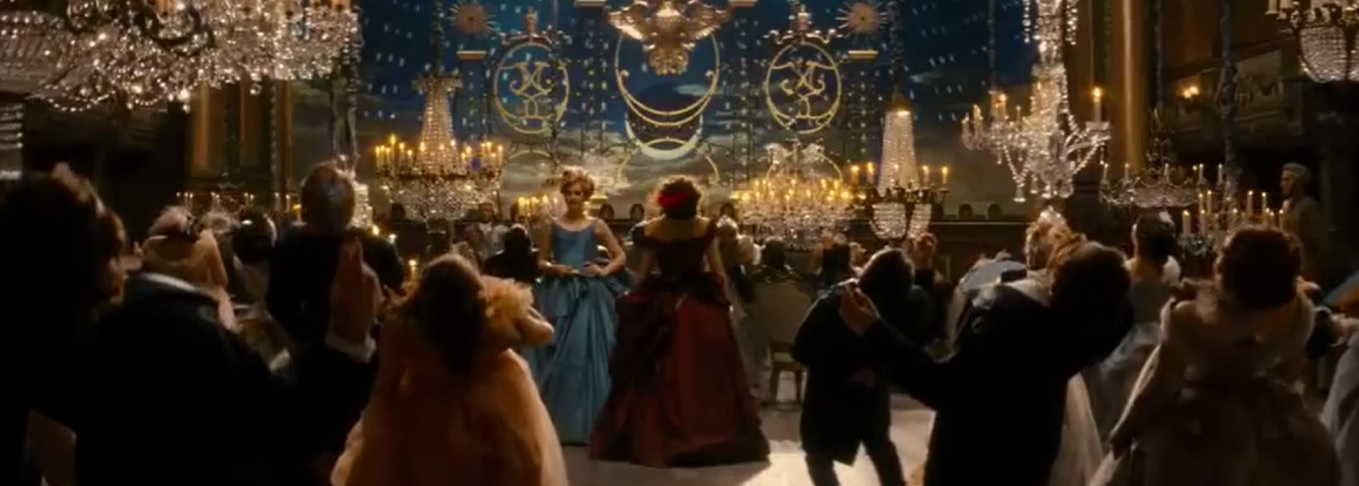
The work that McGarvey pulled off during Anna Karenina is nothing short of breathtaking, constantly asking the question “How’d they do that!?” while each ravishing scene unfolds, and through his sensual, highly attuned sense of light and texture, he gave the emotionally chilly narrative of Anna Karenina hot-blooded visual juice that kicked up the entire production – it’s a criminally underrated film featuring stellar work from Keira Knightley. In The Avengers, he was responsible for shooting one of the most anticipated summer movies in decades, and I can’t help but feel that the iconic “hero shot” of all the superheroes on the street of NYC in that circle is one of the best ripped-from-the-pages-of-a-comic-book images I’ve ever seen. And then there’s that insane bit of madness at the airport in Godzilla, where the audience is treated to a humongous wide shot of exploding airplanes and helicopters from within the interior of the terminal, as Godzilla and the U.S. Military stage an attack on a fantastical beast – when Godzilla’s massive foot comes crashing down into frame during this sequence, McGarvey was able to maximize the audience’s sense of how large the radioactive beast might actually be in real life, bringing true size and dimension to an image that features a CGI creation, something that in other, lesser refined works might have come across as rubbery or wonky within the realm of the real world. No matter the genre, the size of budget, or the narrative intent, McGarvey’s images have that long lasting, timeless appeal, where you just know that someone truly exceptional was calling the shots.
 Podcasting Them Softly