
Terry McMahon’s blistering drama Patrick’s Day is unquestionably one of the best films I’ve seen all year. This Irish film, which debuted at various film festivals before finding general release earlier this year in its home country, deserves to find a wide audience here in the states, but thanks to a zero theatrical release (as far as I can tell) strategy and the lack of any streaming or physical media options, the only way one can see this is to do something illegal on the internet (which I don’t do) or own a Region Free disc player and purchase the Region 2 DVD from Amazon UK (which I did). Intelligent, romantic, deeply troubling, and all together devastating, few films that I can think of feel more timely or of the moment than this one; mental illness is a massive issue all around the world, and McMahon’s multilayered narrative takes a harsh look at parenting gone wrong and a system that consistently fails those that it’s looking to rehabilitate. It’s a shame that the awareness levels for this movie feel as low as they do – I talk about movies all day long, and if it weren’t for one of my FB buddies, Richard Finlay, I might not ever know about this tour de force hidden gem. Sometimes, the most potent and effective of films come from the places you’d least expect. Maybe it’s because I’m not familiar with the actors or that I didn’t know what to expect with this film that it hit me as hard as it did. Whatever the reason, when movies are your passion, and something this consistently thoughtful and daring comes along, you feel like screaming from the top of your lungs to all who’ll listen – this is a tough, draining, but essential piece of work.
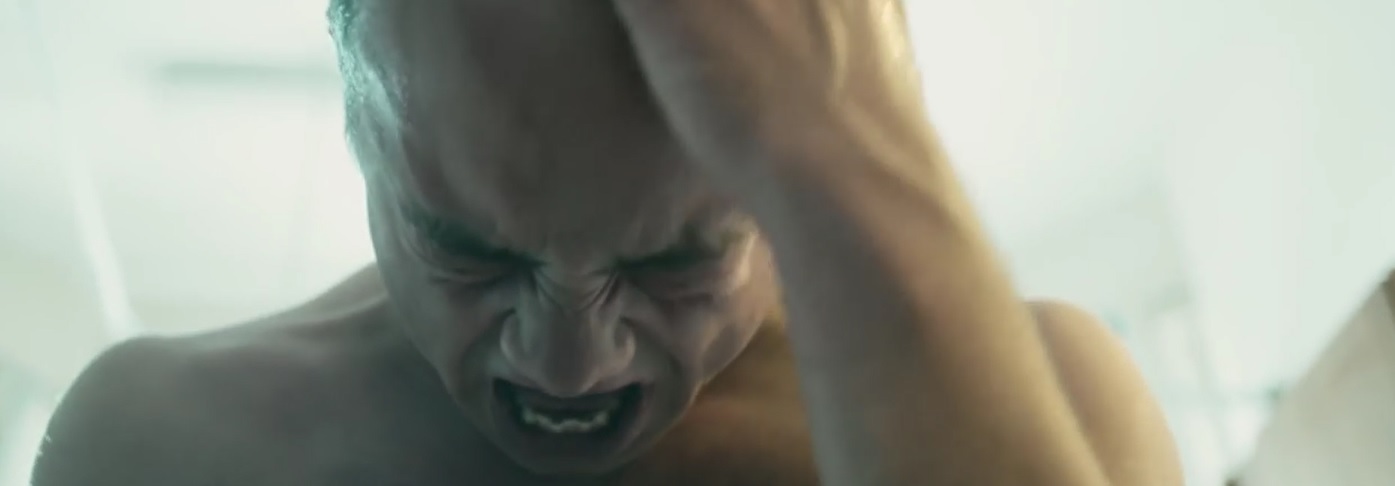
The narrative centers on Patrick (the incredible Moe Dunford), a mentally ill 26 year old man who is out for his annual birthday amusement park excursion with his wildly overbearing mother Maura, the fabulously evil Kerry Fox. Patrick gets separated, and ends up back at the bar of the hotel where he and his mother are staying. There, he meets-cute with a suicidal flight attendant named Karen (the excellent Catherine Walker), an incredibly damaged person in her own right, who rather impetuously strips Patrick of his virginity, which opens up an entirely new world for the previously buttoned-up grocery store clerk. Mom is none too pleased with these developments, and the rest of the story hinges on her attempts to destroy the relationship that her son is building, despite the obvious sense that it might be something that’s helping him. Dunford is extraordinary as the titular character, evoking deep personal pain all throughout the movie, while still mixing in a sense of hopeful optimism that he might finally be connecting with another human being. Walker is vulnerable, a lost and drifting soul searching for meaning, and because the character has been written in a slightly cryptic fashion, she’s forced to use her body language and expressive eyes to convey some character beats that were not on the page. And in a performance that sits right next to Jackie Weaver’s brilliantly amoral work in David Michod’s crime drama Animal Kingdom or Hye-ja Kim’s sinister matriarch in Joon-Ho Bong’s exquisite thriller Mother, Fox is nothing short of mesmerizing as Patrick’s confused, pained, and ultimately misguided caretaker, never once realizing that her actions may be doing more harm than good. In one of the film’s more upsetting moments, Fox tares down a wall filled with framed pictures of Patrick from each of his birthdays from throughout the years, and it’s in this explosive moment that you finally realize that the overall toll that’s been taken on this woman is almost too much for one person to handle.

As a writer/director, McMahon clearly has a distinct point of view that he sticks with during the visceral and turbulent events of Patrick’s Day, and it’s clear to me that he’s definitely bothered by the idea that many people, from family members to the professionals who are supposedly “experts,” don’t do the proper things when it comes to taking care of those who are in need. Shot in a semi-subjective fashion by the fantastic cinematographer Michael Lavelle, the filmmakers draw the viewer into Patrick’s fractured psyche, and by shooting in a heightened, artistic fashion, the film carries a dream-like quality that extends all the way to the final shot, which might leave some viewers with more questions than answers. But as with all great art, it’s always best to leave people with something to think about and ponder rather than spell everything out for easy digestion and consumption. McMahon should be commended for never taking the cheap way out of any of the difficult corners that he puts his fragile characters in, always allowing the story to rationally unfold from scene to scene, even when the actions on the part of some of the characters make you wince with anger or even disgust. Who should say when someone else is allowed to fall in love? If a person has mental issues, does that mean that they aren’t capable of feeling love, or being loved by another person? And when is it ever acceptable to introduce rehabilitation methods, in this case shock treatment, in an effort to “fix” someone? Patrick’s Day will be a film that will test the limits of some viewers, as it goes to some dark yet truthful areas in search of enlightenment and answers, even if some of those answers will forever be out of reach. McMahon has crafted a brave and intimate and surprising piece of cinema, and I absolutely cannot wait to see what he does next.
 Podcasting Them Softly