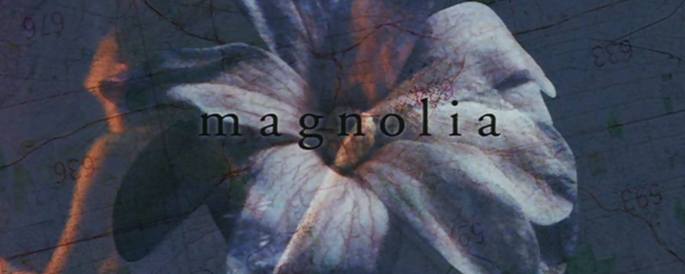
Paul Thomas Anderson’s unique and sprawling sense of narrative was perfectly matched by cinematographer Robert Elswit’s total mastery of the widescreen aspect ratio in Magnolia, a film that feels studiously cinematic, existing in its own hermetically sealed universe, a world that looks and sounds pretty much like our own, but contains a surreal, heightened atmosphere that was made possible expressly because of how well PTA and Elswit understand light, framing, and overall composition. The Stedicam work in this film is extraordinary, with one shot in particular ranking as one of the greatest of all time – the scene where child prodigy Stanley Spector (Jeremy Blackman) is being escorted by his domineering father (Michael Bowen) and stressed-out show coordinator through the bowels of the TV studio. In this long, unbroken piece of virtuoso filmmaking, the audience learns not only about two very important characters, but comes into contact with a variety of peripheral individuals, while providing a fascinating look at the behind-the-scenes machinations of a game show. The shot also starts outside, in the rain, and then moves inside, further upping the technical demands of the crew, which resulted in something truly unifying from a filmmaking perspective; it’s one of the ultimate “show-off” shots that adds something to the narrative instead of just being style for style’s sake. All throughout Magnolia the audience is treated to PTA and Elswit’s massive sense of style (the bit with the camera staying locked in place in the kitchen with Melora Walters and John C. Reilly entering and exiting frame is a delight), which never overpowers the story, probably because the narrative is as juicy and oversized as the visual aesthetic.
And this isn’t an action film or a period piece or some sort of hyped-up thriller, but because PTA is pure-cinema-all-the-time, Magnolia feels big, it feels weighty, and the visual design of the film intermingles with the density of the script and forms one epic yet intimate whole that feels cohesive. The camera seemed at-one with all of the actors and it’s because Anderson and Elswit are so in touch with one another as collaborators that this film feels uniquely organic in a way that few other films ever achieve. The use of music jacked-up many scenes – not to mention the sing-along towards the mid-way point – to the point of dizzying heights; this film has a busy soundtrack, taking in tons of sonic information, in an effort to create an audible tapestry in a decidedly Altman-esque fashion. One after another, a roll call of brilliant actors take center stage and run away with the movie; Tom Cruise, Jason Robards, Philip Seymour Hoffman, Julianne Moore, William H. Macy, John C. Reilly, Melora Walters, Philip Baker Hall, and Jeremy Blackman offer up performances that stare directly into their tortured souls as screen artists. This is a movie about damaged people behaving in questionable ways, so as a result, there’s an anything-goes quality to the narrative. It may not live in the “real-world,” but in terms of an untouched cinematic vision, something like Magnolia lives with the greats of Los Angeles storytelling. Even if the results are exactly your cup of tea, the boldness of the filmmaking simply cannot be denied.
 Podcasting Them Softly