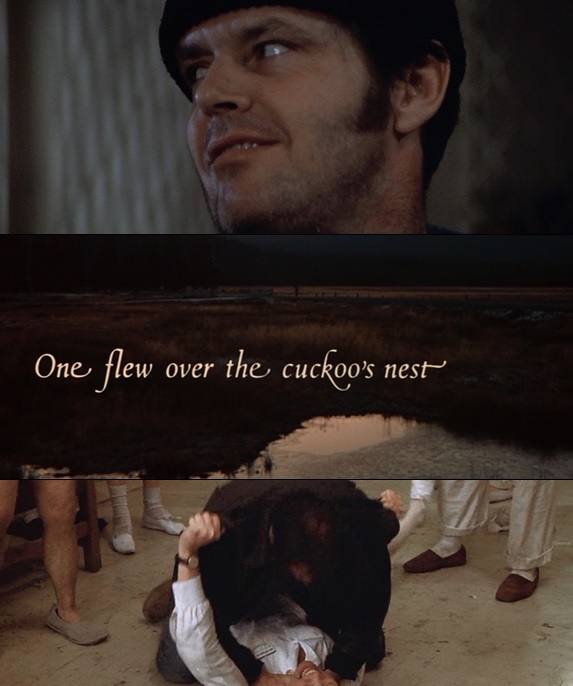
In cinema, as in life, there are absolutes. Up is up, down is down, water is wet, and One Flew Over the Cuckoo’s Nest is a masterpiece. Released in 1975 and directed with consummate intelligence and intense vigor by the supremely talented filmmaker Miloš Forman, the film would become, at the time, only the second motion picture to win all five major Academy Awards (Best Picture, Actor in Lead Role, Actress in Lead Role, Director, and Screenplay). It Happened One Night had acc…omplished this in 1934, and The Silence of the Lambs would win the five biggies in 1991. One Flew Over the Cuckoo’s Nest is enduring cinema, and it’s easy to see why. There isn’t one bad scene, it’s a work that will mean one thing during one viewing and something totally different the next, and the narrative moves with a graceful sense of humanity while still displaying some of the darkest moments that a human being can experience.
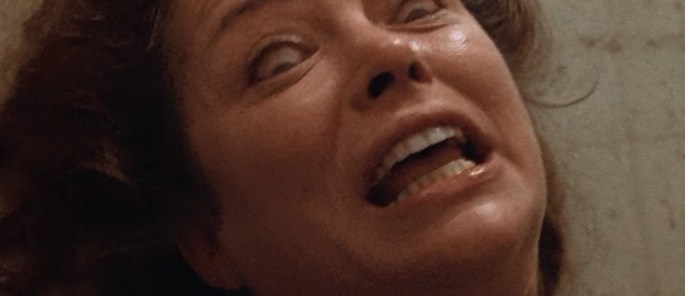
Based on Ken Kesey’s classic 1962 novel, the film contains one of the premiere screen performances of all time from Jack Nicholson. Simply put, there can be only ONE Jack Nicholson, and his performances in the 60’s and 70’s were some of the most provocative and vital pieces of acting that have ever been dished out. He’s an emotional powerhouse in this film, and he was surrounded by one of the best ensembles imaginable, while going head to head with Louise Fletcher as the spiteful Nurse Ratched. Danny Devito, Christopher Lloyd, Brad Dourif, William Redfield, Dean Brooks, Scatman Crothers, Marya Small, William Duell, Sydney Lassick, and the iconic Will Sampson as “Chief” all registered with deeply memorable performances, solidifying the entire picture around Nicholson’s bravura turn.
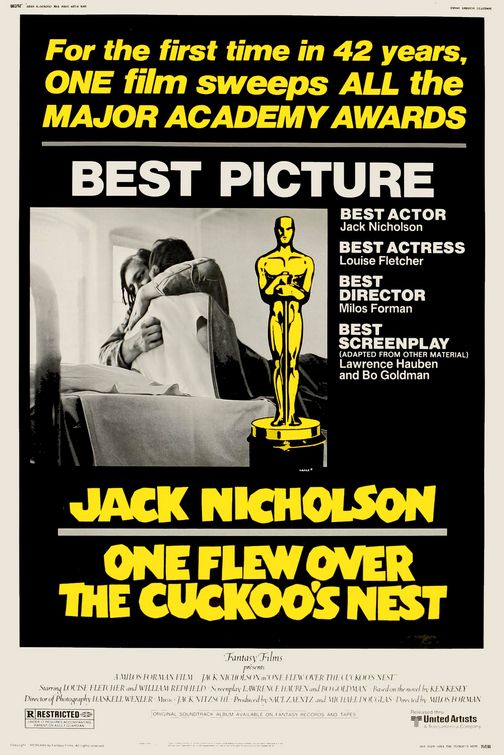
There’s a stinging urgency to this film, made palpable by Forman’s unflinching direction, and the carefully measured screenplay by Bo Goldman and Lawrence Hauben, with Jack Nitzsche’s moody, sometimes quirky score bouncing around in the background. Controversially, cinematographer Haskell Wexler was fired during production, with Bill Butler serving as his replacement; both men would be Oscar nominated for their contributions, though Wexler had gone on record before his death stating that almost the entire film had been lensed by him. Shot for $3 million and grossing $110 million, it’s a film that perfectly encapsulates the time it was made in, and yet transcends any notion of feeling dated or socially irrelevant. Draining, amazing, and thought provoking in ways that few films can ever match, One Flew Over the Cuckoo’s Nest is one of those films that will be discussed and studied for years. It’s a cinematic artifact of the highest order.

