
Steven Soderbergh is back to directing feature films with the recently released southern-fried heist-comedy Logan Lucky. This is an enjoyable late-summer offering with a busy plot, featuring one narrative strand that could’ve been jettisoned with no overall harm being done to the movie. I’m surprised that this little pisser of a film wasn’t a tad tighter from a construction stand-point, because there’s a certain point where you feel the movie is going to satisfactorily end, and it doesn’t, and I’m not sure what purpose the final scene is trying to establish, other than a thoroughly needless sequel? But regardless of these minor quibbles, I laughed a lot and hearty with the red-neck humor and there’s some very witty dialogue in Rebecca Blunt’s debut screenplay (whether or not Blunt actually exists is something that Soderbergh the clown can only answer…), and as usual, Soderbergh’s frequent aesthetic collaborators, director of photography Peter Andrews and editor Mary Ann Bernard, did very strong work with some great individual shots and some super-sharp cuts respectively. After directing every single episode of the totally dynamic but way-too-short-lived Starz series The Knick (one of my favorite TV shows ever), I can’t wait to see what else Soderbergh has up his cinematic sleeve; I really hope he doesn’t pull a phony-retirement again.
The starry cast is a roll-call of big-time talent just cutting loose and having a blast with the wink-wink material, with Daniel Craig running away with the movie at all times, while Channing Tatum and Adam Driver both anchor the piece with laid-back charm and many moments that tickle the funny bone. The jaunty, jazzy and playful score by David Holmes is a constant pleasure, adding lots of background flavor to the entire piece, to say nothing of the jamming classic rock selections that litter the soundtrack. However, an intervention must be staged on behalf of Katherine Waterston; her short hair-cut, also recently seen in the woeful Alien: Covenant (even more egregious there) has GOT TO GO, as it’s not very flattering. Look out for child-actress and total scene-stealer Farrah Mackenzie who nails her role as a Little Miss beauty pageant contestant (“Nobody likes a fat girl”); this entire portion really solidifies the emotional relevance of the story. Katie Holmes and Riley Keough look trashy-hot in their bit parts, and even if the film feels decidedly minor in the grand scheme of Soderbergh’s brilliant career, it’s still a joy to have a low-tech movie that’s this much FUN getting a theatrical release, even if ticket-buyers shrugged their shoulders and turned a blind-eye to it on opening weekend. Their loss, and that’s a shame, because this one enjoys pleasing itself and the audience in equal measure.






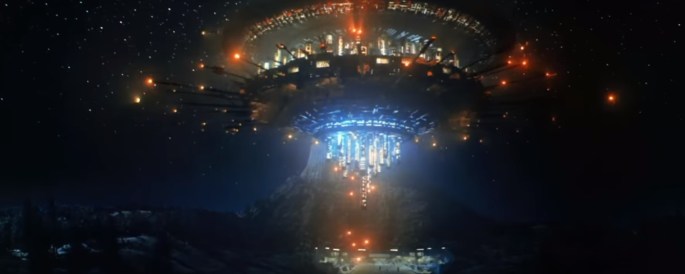 Close Encounters of the Third Kind is my favorite film by Steven Spielberg. This movie makes me smile during every single second of its running time. It simultaneously scared the crap out of me as a kid and filled me with an overwhelming sense of wonder, and it has never left my imagination since the first time I viewed it with my parents on VHS in the old-school living room on the old-school “box” TV. I projected myself into this film; I became everyone in the narrative at a certain point, and over the years, every single time I watch this movie, I’m taken back to my childhood, and I’m also reminded of just how damn good everything is in this fantastic piece of work. It’s gorgeous (massive Vilmos Zsigmond POWER), it’s got tons of heart, the performances by everyone in the deep and varied cast are magnificent, it’s extremely funny, the close-up/reaction shots are some of the best ever captured, and the ending is so awe-inspiring and so thought provoking and so filled with wide-eyed joy that it’s impossible for me not to think about its general existence at least once a week. The lens flares used in this film are downright magical, the musical score and various melodies are infectious, and I’m still afraid of toys that feature a monkey playing the cymbals. Mashed potatoes have never looked the same, I think we can all agree on that. And those feverish moments with Dreyfuss acting like a personal disaster in his living room with half of his garden on the living room floor – it’s all of a piece and massively enjoyable and I can’t wait until it’s re-released in theaters later this year to celebrate its 40th anniversary, as I’ve never seen it on the big-screen. I’ll need to bring a change of pants for sure.
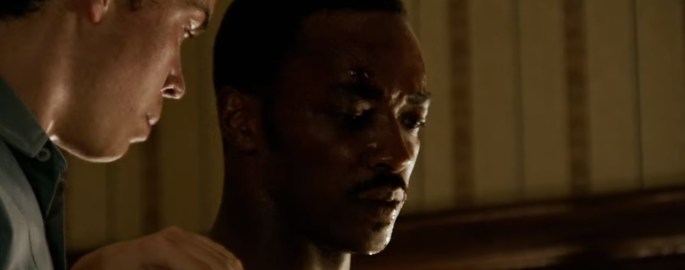 Detroit is frustrating, and compelling, in the same way as David Fincher’s Zodiac in that there’s no emotionally satisfactory ending, and both Bigelow and Fincher, in their respective films, ratchet up the anxiety and never stray too far from the facts of the situation. In many respects, and rightfully so, Detroit, also like Zodiac, resembles a tightly constructed horror film, because, let’s be honest, the situation that unfolded in that motel was nothing short of horrific for the people being terrorized and murdered. It was Bigelow and Boal’s bold decision to be fully unrelenting with their approach, and I applaud them for it, even if it meant that the filmmaking made me upset and uncomfortable. I totally understand, accept, respect, and embrace poetic license on the part of filmmaker, and conjecture when needed. It’s abundantly clear that Bigelow and Boal did their research, and since the story that they’re telling has no happy ending, I’m glad they didn’t try to manufacture something that would have felt false. This movie is supposed to knock the wind out of you (I felt gut-punched walking out of the theater) and it’s supposed to make you angry (this is a very grim and volatile piece of work that rarely offers any easy answers). I’m sure I’ll see other films that will entertain me more this year, but I doubt I’ll be as galvanized by any one piece of storytelling the way I was with Detroit.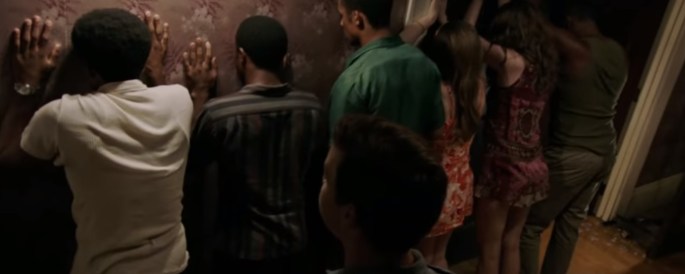
 Podcasting Them Softly