WERNER HERZOG’S MY SON, MY SON, WHAT HAVE YE DONE? — A REVIEW BY NICK CLEMENT

13

There’s never been a “cop film” quite like Werner Herzog’s engrossing and bizarre My Son, My Son, What Have Ye Done? I use the phrase “cop film” loosely because, as usual, Herzog subverted all of our preconceived genre expectations, and in doing so created a surreal, fascinating look at a man descending deeper and deeper into madness, through the rough prism of the procedural film. Michael Shannon is incredible (when is he not?), as he’s able to convey “fucking crazy” better than any other actor out there. From his darting, menacing eyes to the way his jaw clenches when he’s thinking really hard, Shannon has the market cornered on “obsessive/crazy.” The plot is inspired by real-life events: A mentally disturbed man murders his mother with a samurai sword in suburban San Diego. Willem Dafoe and Michael Pena are the cops who are called to the murder scene as Shannon has taken hostages and has barricaded himself in a house across from his mother’s. The film flashes back to show Shannon’s fractured psyche and all of the events that contributed to him reaching his breaking point, not the least of which was his freak-show of a mother.

My Son, My Son, What Have Ye Done? was produced by David Lynch, and yes, it does have a Lynchian imprint at times. But this is Herzog’s movie all the way. From the Peruvian jungle bits (was that stuff based on fact?) to the African bushmen to the stuff with the ostriches to the way Shannon resembles Klaus Kinski, this is yet another instance of Herzog unleashing another damaged yet incredibly interesting soul on the big screen and letting the audience take a trip to a truly weird place. So much seemingly random stuff happens in My Son, My Son, What Have Ye Done? that at times you’re left thinking — what the hell does this have to do with the main story? But then Herzog’s genius kicks in and brings everything together to form a strange but complete whole; this is a film of acute angles, prickly sides, and odd moments. The musical score, while at times slightly off-putting, adds to the mysterious and unpredictable tone, and much like Herzog’s other, better cop film, Bad Lieutenant: Port of Call New Orleans, My Son, My Son, What Have Ye Done? takes the viewer on a wild ride through the mind of a troubled, deranged main character that is always interesting and unique to observe. This an avant-garde film that many people are likely to become frustrated with, and as such, I’d recommend it only to fans of Herzog and to adventurous cinephiles.

DAVID KOEPP’S THE TRIGGER EFFECT — A REVIEW BY NICK CLEMENT

1

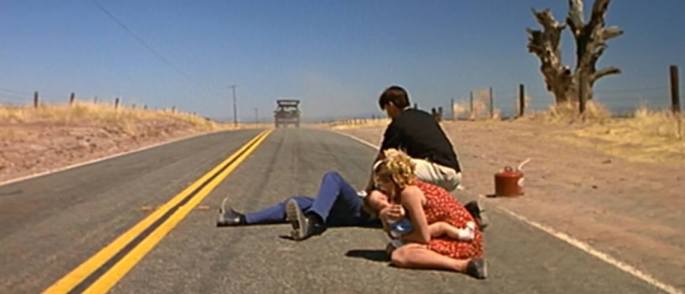
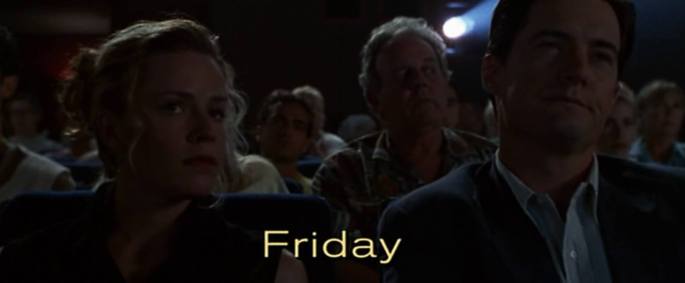
My father and I were the two people to pay and see David Koepp’s gripping directorial debut The Trigger Effect back in the late summer of 1996. Koepp, one of the most successful “blockbuster” screenwriters in the business (Spider-Man, Jurassic Park, Carlito’s Way, Snake Eyes, Mission: Impossible, Panic Room, War of the Worlds), also happens to write and direct underrated, mid-budgeted thrillers (Stir of Echoes, Secret Window, and Premium Rush are other fun, disposable genre entries that are light on pretension and high on style), and this film is definitely his best. Starting with a deliriously awesome tracking shot that would make Brian De Palma blush, the compelling scenario centers on a mysterious (and never explained because it’s not important) electricity black-out that hits Los Angeles, and how the various characters strewn about the narrative deal with the mounting problems and consequences from their increasingly desperate actions. The always excellent Kyle MacLachlan stars alongside an in-her-prime sexy Elizabeth Shue as husband and wife, with the shifty and engaging Dermot Mulroney as their intriguing friend, with Koepp’s twisty, Hitchcockian script taking them outside the presumably safe confines of their comfortable home and out onto the perilous road, looking for reinforcements, medicine, and safe passage. Michael Rooker turns up in an absolutely electric mid-plot set-piece, and gives the film his usual brand of intense menace and macho bravado, and Richard T. Jones has some incredibly effective scenes during the last act.

3

Working with the exceptional cinematographer Newton Thomas Sigel (Three Kings, Confessions of a Dangerous Mind), Koepp gets a great mix of gritty and slick, with some terrific long takes (again – the opening tracking shot inside of the mall and movie theater is tremendous) and astute use of composition within the frame at all times. Jill Savitt’s editing is the epitome of crisp and clean, and James Newton Howard’s creepy score jangles the nerves in all the right places. Seriously – this movie is grotesquely unsung and totally forgotten about – and it’s the sort of unpretentious thriller that Old Hitch would have ADORED. And besides, it goes without saying, Koepp wrote Bad Influence for Curtis Hanson – he gets an automatic lifetime pass! The film is available on widescreen/anamorphic DVD (no Blu-ray yet…!) and on Amazon HD Streaming. This is one to track down if it escaped you 20 years ago(!)

2


DAMIEN CHAZELLE’S WHIPLASH — A REVIEW BY NICK CLEMENT

1

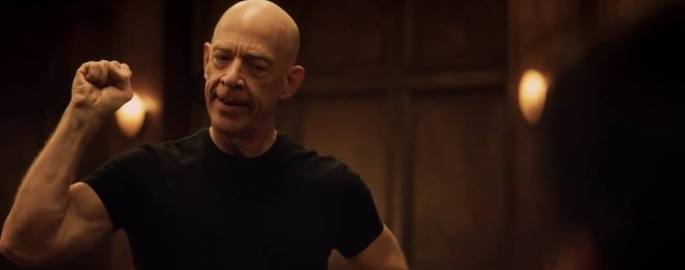
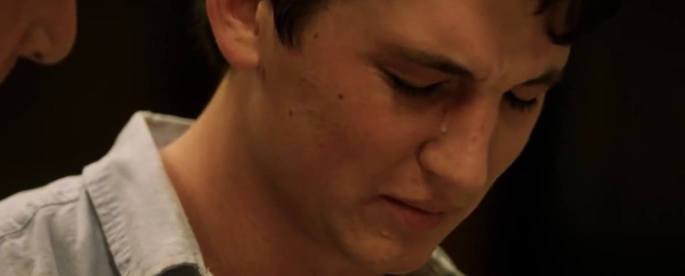
Pauline Kael once said something along the lines of: “Great movies are rarely perfect movies.” If she were around today, she’d hopefully think that Whiplash is both great and perfect, because after only a few viewings, I’m pretty much convinced that it’s a nearly flawless piece of cinema, something that couldn’t possibly be improved upon, made with exacting care and precision. Yes, it lives inside of its movie-movie world, but that’s one of the things that I look for in captivating cinema; I want to be grabbed by something with almost unnatural force. Writer/director Damien Chazelle made one of the most promising debut features in recent memory, demonstrating commanding technique and a raw understanding of how to ruthlessly move your narrative forward without shortchanging character and emotion and depth. Led by two of the best performances from 2014 by Miles Teller and J.K. Simmons, Whiplash tells the laser-focused story of a determined college drumming prodigy (Teller) and his psychotically passionate band instructor played with extreme ferocity by J.K. Simmons (channeling R. Lee Ermey in Full Metal Jacket), who will stop at nothing in order to bring greatness out of his students. I will spoil no more about the twists and turns that the high-voltage story takes but I will allow this: There’s not a false moment to be had at any point during the two crisp hours that the story unfolds.


3

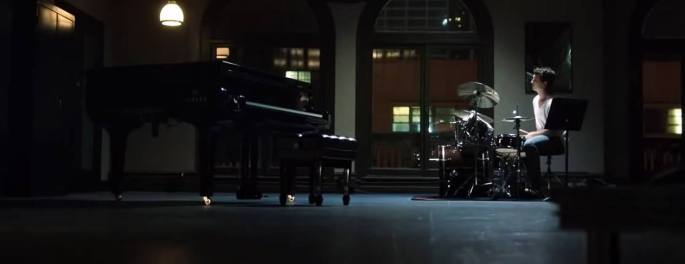
To say that Chazelle has been influenced by Full Metal Jacket would be an understatement; Whiplash feels like a war movie, from Simmons’ intensely verbal and vulgar taunts, to the fetishizing of the instruments on display, while the obsessive details of rehearsals and recitals feel wholly authentic. This is clearly a world that Chazelle feels in his bones and he’s made a picture that grabs you from frame one and never lets you go. Sharone Meir’s dynamic and agile cinematography gets intimate and personal with the all of the musical action, bringing the viewer one step closer to the loud and rhythmic world on display. It goes well beyond being just another Mean Teacher Movie because of the way that Chazelle explores the psyches of his stop-at-nothing-to-achieve-greatness characters. Whiplash is about striving for greatness, never losing sight of the task at hand, and how certain people have an almost obsessive desire to always be perfect, no matter what’s being asked of them. And just wait for the absolutely dazzling and utterly impeccable final shot – it’s the best single shot in any film from its calendar year, and that includes Birdman! Not just because of how it looks visually, but for what it suggests thematically and emotionally. It’s a wowser of a cinematic moment.

2

MARTIN DAVIDSON’S LONG GONE — A REVIEW BY NICK CLEMENT

1

Released in 1987 as an HBO movie of the week, the minor league baseball film Long Gone is something of a coveted genre entry by baseball film fans. Never receiving a proper release on DVD and only available on VHS, the film was based on Paul Hemphill’s 1979 novel, and was directed by Martin Davidson (The Lords of Flatbush, Eddie and the Cruisers, Heart of Dixie). Featuring superb camerawork by then up and coming cinematographer Robert Elswit (Boogie Nights, There Will Be Blood, Mission: Impossible — Rogue Nation), this is a loving and funny and extremely entertaining throwback to the 1950’s, showcasing a time and place when baseball truly was America’s favorite sport. Starring a super cocky William Petersen as a broken-down player and reluctant manager with WWII battle scars, the narrative charts an up and down season for the Tampico Stogies, a Class D farm team competing in Florida’s Gulf Coast League.

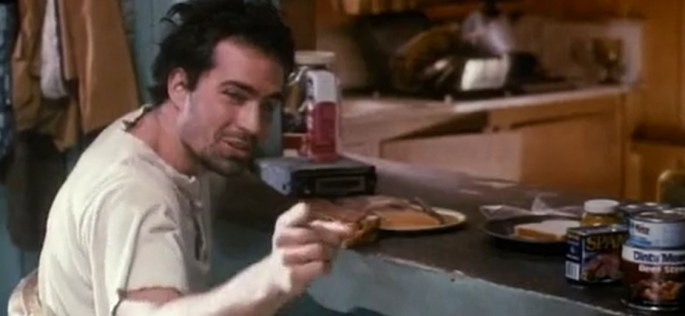
A super-hot and super-young Virginia Madsen was cast as Petersen’s love interest, and Dermot Mulroney (was he even 20 years old?!) got some great scenes as a young second basement who, in addition to another recent free agent pick-up, might hold the key to his team’s potential reversal in the standing. Thrown in a shady subplot with the team’s corrupt owners and social observations and comments about the racial barrier in sports about to broken open and you’ve got a richer than expected film that really deserves a much higher profile; surely HBO could release a DVD, no? Shot on location in Bradenton, FL and featuring some excellent action on the baseball field, the script is peppered with witty zingers and a nice amount of casual vulgarity, while Petersen’s inherently brash vibe is felt in scene after scene, as he totally owned this film with boozy swagger and supreme confidence. Try to track this one down – it’s so much fun.

TONY SCOTT’S TOP GUN — A 30TH ANNIVERSARY RETROSPECTIVE REVIEW BY NICK CLEMENT

1

At this point in our culture, it’s nearly impossible to discuss Top Gun with any amount of clear-eyed objectivity. The film is a milestone for all of its key contributors, a pop culture touchstone for multiple generations of people, and an often imitated and parodied relic from a very specific time and place in cinematic history. For director Tony Scott, it was his early-career masterpiece, the film that announced an exciting new voice in commercial cinema while showcasing his slippery-slick yet still gritty visual aesthetic, which would come to dominate the action genre for decades. It’s also the film that got him out of director’s jail after the critical and box office failure of his artsy debut, The Hunger, which is now of course a premiere cult classic. For producers Don Simpson and Jerry Bruckheimer, it was the movie that truly solidified them as the uber-showmen of the 1980’s, with Flashdance and Beverly Hills Cop arriving before and Beverly Hills Cop 2 and Days of Thunder immediately following.
10

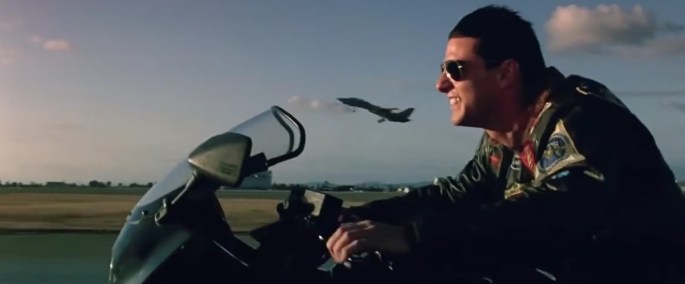
As legend has it, Simpson and Bruckheimer were in their office, and an issue of California magazine was sitting on their desk, featuring a clean cut fighter pilot standing next to a jet. And with that evocative and elaborate “Nothing On Earth Comes Close” Saab commercial that Scott had made in the early 80’s continually turning heads (the one that showed a Saab 37 Viggen fighter jet going neck and neck with the Saab 900), it was clear that it would be a match made in heaven between the producers and their ace in the hole. And for star Tom Cruise, it was his first runaway blockbuster sensation, his first taste of global superstardom, and the film that made him a house-hold name. Top Gun is a product of its time in a way that so few films can claim to be, and over the years, has come to mean so many different things to so many different people, which is why it remains imminently watchable 30 years later.

2

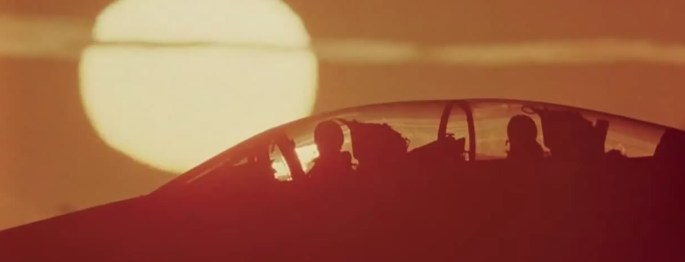
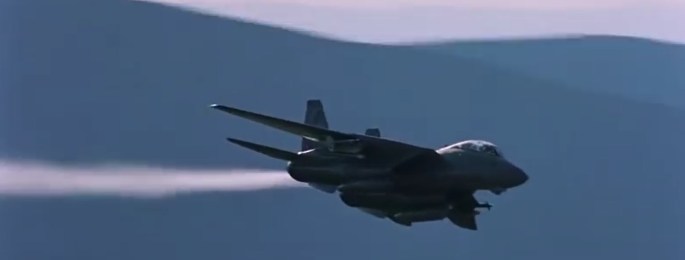
Released in the summer of 1986, Top Gun played on the still lingering fears of war with the Soviets, and carried a rah-rah, jingoistic spirit that seems laughable to some nowadays, but probably felt very honest at the time of release. It feels pointless to rehash the plot of Top Gun – anybody with a pulse has seen it and knows all about Maverick (Cruise, in all his perfect-grinning excellence) and Goose (Anthony Edwards, everyone’s best buddy) and Iceman and Jester and Charlie and the rest of the crew. The scenes on the ground carry an earnestness to them, playing off of melodrama (the mysterious death of Maverick’s father, himself a legendary pilot; workplace romance; the death of a best friend), but the film truly comes alive when it’s up in the sky, as Jeffrey Kimball’s gorgeous, smoky, 2.40:1 anamorphic widescreen cinematography is still a lesson in mid-80’s perfection. Every single shot in this film is spectacular, whether the moment is big or small, with cool blues and sunset reds dominating the horizon. It can’t be understated how influential the look and feel of Top Gun would become for so many films and filmmakers to follow in the years, and whether or not this style is your favorite or not, it’s undeniably exciting on a visceral and stylistic level, with an emphasis on the balance of light, visual minutiae, and overall atmospheric texture. It’s commercial cinema without a shred of pretension, smartly focusing on the drama and action inherent to the story’s scope, and all balanced out by Harold Faltermeyer’s propulsive, oh-so-80’s musical score and the lightning quick editing patterns of Billy Weber and Chris Lebenzon. And when you add in the ridiculously quotable one-liners conjured up by co-screenwriters Jim Cash and Jack Epps, Jr. (who knew that rubber dog shit originates from Hong Kong?) and the high-flying airborne camerawork which is still unmatched to this day, then it’s no wonder that the film plays every Sunday on TNT and has become one of the most influential and iconic movies ever made, with so many other movies attempting, and failing, to ape its success.
3

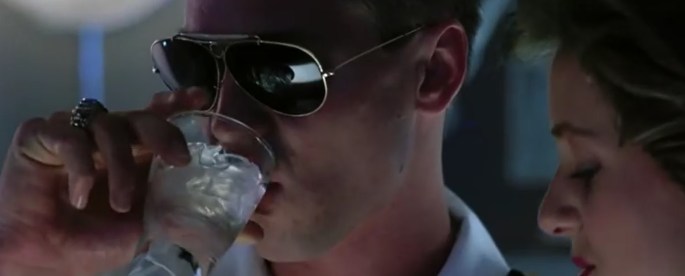
On a thematic level, the film is all about machismo (a major theme in all of Scott’s work), and how men deal with expectations, loss, tragedy, acceptance, and success. Those classic scenes in the shower (or during a particular game of beach volleyball…) seem homoerotic in hindsight (and maybe they did upon first glance…), but what they’re really about is men trying to one up each other, trying to figure out how to best your opponent, and always remembering that there are no points for second place. To say that Top Gun is one of the most macho movies ever made would be understatement; you can practically smell the testosterone on the set. I’ve often wondered if PA’s were kept solely for the purpose of spraying down the actors with water in order to simulate excessive sweat, because everyone is glistening in this film. Top Gun also expertly understands male camaraderie and friendship, and how people are willing to go the extra step for those that they care about, both professionally and personally. Kelly McGillis and Meg Ryan were the objects of affection for Cruise and Edwards respectively, while the absurdly masculine supporting cast included Val Kilmer, Anthony Edwards, Tom Skerritt, Michael Ironside, John Stockwell, Clarence Gilyard, Jr., Whip Hubley, James Tolkan(!), Barry Tubb, Rick Rossovich, Duke Stroud, Tim Robbins, and Adrian Pasdar.
5

Shot for a now hard to believe $15 million, Top Gun opened on roughly 1100 screens nationwide, grossing $8,193,052 on its opening weekend. The film would eventually gross $176 million in the U.S. and another $177 million overseas, truly cementing the Simpson-Bruckheimer brand after the similar worldwide gross two years previous from Beverly Hills Cop. Top Gun would also break every single VHS sales record, as it was one of the first movies made available to the public at the $20 price point. Scott would continue his legendary streak with the two producers in the following years with the equally huge Beverly Hills Cop 2, and then in 1990 with the summer hit Days of Thunder, which while not becoming the blockbuster some might have thought, is still a splendid piece of action moviemaking that was all accomplished with zero CGI and some of the greatest racing footage ever put on film. But Top Gun would be the film that all of the creative parties would become remembered for, what with its sleek visual design, tough guy banter, love story for the ladies, and the dynamic aerial combat footage that still pops off the screen to this day, especially when viewed in the Blu-ray format. In 2015, the United States Library of Congress added the film to their preservation vaults, deeming it “culturally, historically, or aesthetically significant.” And if you’re not a fan of Top Gun, then just remember, the plaque for the alternates is in the ladies’ room.
11


JAMES FOLEY’S AFTER DARK, MY SWEET — A REVIEW BY NICK CLEMENT

1.jpg
I can see why everyone continually raves about James Foley’s 1990 neo-noir crime film After Dark, My Sweet – it’s one of the most brilliant genre exercises that quietly slipped under the cinematic radar when it was first released. Grossing under $5 million during its entire (albeit limited) theatrical run, critics did back-flips (Ebert most notably), but maybe it was the lack of huge star power or the intrinsic nature of the genre that relegated this one to the sidelines. I’ve seen this film a few times now, but on first glance, I knew nothing about the plot of this twisty suspense piece before viewing, and I’d encourage anyone who hasn’t seen After Dark, My Sweet to avoid any spoilers and just check it out with as little knowledge as possible. Starring Jason Patric (also see Rush for another wildly underrated gem from the 90’s), Bruce Dern, and Rachel Ward and based on the 1955 Jim Thompson novel of the same name, the action is set outside of Palm Springs, and involves an ex-boxer (Patric), his new and mysterious lover (Ward), and an ex-cop turned criminal with a kidnapping scheme (Dern) that of course goes wrong but not in the ways you’d expect. Foley’s visceral direction keeps the suspense at a tight coil, resulting in a film that never fails to excite.
 2
That’s all I will say about the mechanics of the story. What I will say is that Patric delivered yet another exceptional, deeply internal performance, Dern was fantastic as an odd sleaze-ball, and Ward, an actress I’m not incredibly familiar with, was all sorts of sultry and intense, delivering a laser focused performance that plays with the notion of the femme fatale while also embracing her character as a full-fledged individual. Maurice Jarre’s score is wonderful, suggesting temptation at almost every turn, and Mark Plummer’s measured and controlled cinematography heightens the anxiety and dangerous atmosphere at all times, and is in perfect tandem with Howard E. Smith’s tight editing. There’s an epic sex scene between Patric and Ward that is shot and cut in a most unique manner, resulting in one of the most erotic spectacles of cinematic lovemaking that I’ve ever seen in a film, and as usual for Foley, the film exists outside of the normalized margins, with a rough and dirty aesthetic that fits perfect with the fatalistic narrative. The film premiered at Cannes, was released in late August 25 years ago, and it barely made a blip. This is one to track down on DVD (it’s a $10 purchase) or via streaming providers as it’ll completely knock you out.
3

JUSTIN KURZEL’S MACBETH — A REVIEW BY NICK CLEMENT

1

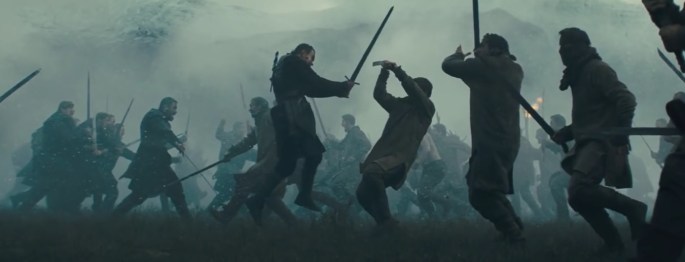
Ultra-atmospheric and wildly stylish, Justin Kurzel’s unique interpretation of Macbeth is an aesthetic powerhouse, containing some of the most gorgeous individual shots that I’ve seen in an any movie in recent memory. Cinematographer Adam Arkapaw delivered some insanely detailed and lushly realized images all throughout this stunning motion picture, utilizing time-heightening slow-motion in a way that would make Zack Snyder proud, and concentrating on natural light and a heavy use of filters and smoke. The film looks to have been shot at the end of the Earth, recalling the eerie vibe that was presented in Nicolas Winding Refn’s Valhalla Rising, with striking location work, evocative production design, and a thundering musical score that’s as propulsive as the visceral filmmaking. Kurzel and Arkapaw and the rest of the creative team stress grit, muck, and mud while focusing on crimson reds, deep blacks, and various shades of amber and gold; this is a simultaneously warm and cold feeling and looking movie, one that feels damp one moment and lit-by-fire-cozy the next.

2

Michael Fassbender is power mad and drunk with bravado, delivering an all-stops-out performance, while Marion Cotillard is every bit his equal in a more restrained but no less engrossing turn as his long suffering companion. This is Macbeth as historical action film, complete with elaborately staged battle sequences that are more interested in hallucinatory style than overly bloody carnage; it’s brutal yet oh-so poetic. This is pure cinema, exactly the sort of thing I want to see when I sit down to watch a movie, a work made by a supremely confident and talented filmmaker. It was clear after watching Kurzel’s magnetic yet extremely disturbing debut, The Snowtown Murders, that he was someone to look out for in the future. I cannot believe how no attention was paid to his bold and breathtaking reimagining of Macbeth, as he took classic material and did something different and modern with one of history’s most classic pieces of literature.

4

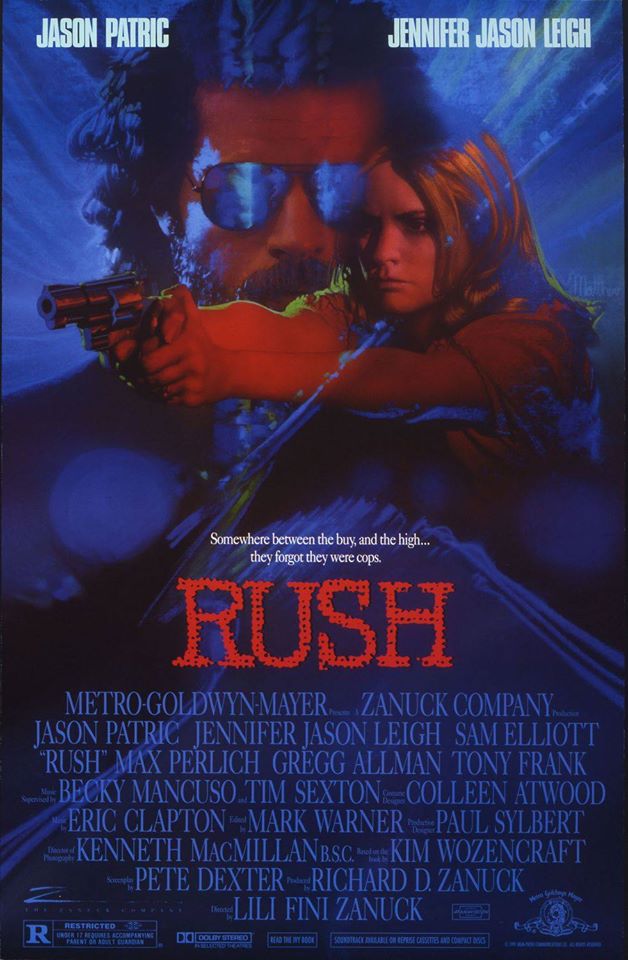
LILI FINI ZANUCK’S RUSH — A REVIEW BY NICK CLEMENT

1

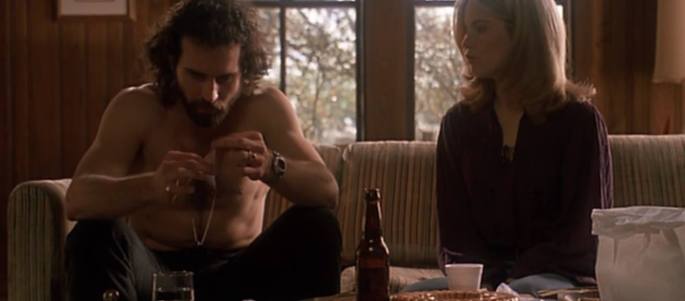
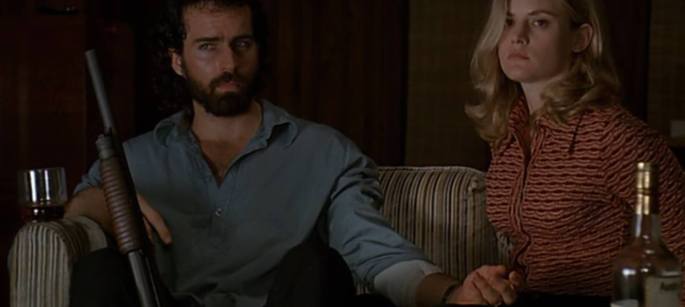
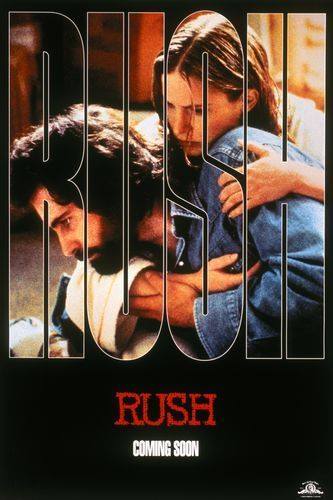
Wow. I had totally forgotten about the blistering and intense and raw 1991 undercover cop film Rush. It’s positively insane to think that this was the debut film for a filmmaker (Lili Fini Zanuck, wife of famed movie producer Richard Zanuck) and the ONLY(!) film that she ever made. It had to have been a personal choice not to direct again, because Zanuck displayed so much inherent greatness as a filmmaker that it boggles the mind to think that she only felt the need to direct one feature film. After this film the scripts had to have been piling in. From the opening stedicam shot all the way to the amazingly nihilistic ending, this is one of the best cop films I’ve ever seen, sitting right next to The French Connection and Narc as one of my absolute favorite genre entries.

2

Based on the novel by Kim Wozencraft and adapted for the screen by Pete Dexter (Mulholland Falls), this cut-from-reality suspenser stars an outstanding Jason Patric as an ultra-committed, morally ambiguous, and likely in-too-deep narc who recruits a young rookie (Jennifer Jason Leigh, absolutely fantastic in this film, conveying both naïveté and grit, sometimes in the same scene) straight out of the academy to assist him on long-lead undercover work. Their goal: Bring down a local Texas drug lord (musician Gregg Allman, exuding sleazy menace in a nearly wordless performance) by scooping up various scores from the underlings in the area, with the aim of mounting enough evidence to topple the local empire. The time period is the early 70s, and the two officers become romantically involved and hooked on the drugs they’re trying to take off the streets, and the film slowly becomes a story of addiction and withdrawal while still being a riveting policier with terrific twists and turns embedded into the believable and organic plot.

3

With a sensational score by Eric Clapton and featuring a slew of fantastic classic rock hits on the soundtrack, Rush possesses a druggy aroma and atmosphere at all times, especially through the use of the great music and the vivid, heated imagery from cinematographer Kenneth MacMillan (Henry V, Of Mice and Men), which makes smart use of space within the frame, and which relies on some extremely effective close-ups and camera placement for maximum dramatic effect. Sam Elliot, Max Perlich, and William Sadler all show up for memorable supporting turns, and the cast is generally filled with realistic looking druggies and sleaze-balls who all seem way too comfortable portraying these nasty people. The final, overwhelmingly awesome and powerful moments of this hard-core movie are the stuff that quickens the pulse and raises your internal core temperature.

4

The film was a flop in theaters, grossing less than $10 million domestically, despite solid critical notices from Roger Ebert, Janet Maslin, Owen Gleiberman, Variety, and The Washington Post, to name just a few. It’s yet another film that was overshadowed by more “important” films at the time, and now that some years have elapsed and we’ve been given so few truly great cop films, it’s fascinating to look back at something as harrowing and disturbing as Rush, where a filmmaker took bold chances and told a gripping story about two fractured people who have an intensity that never lets up for one moment during the two hour runtime. And after watching Patric give a devastating performance in this film, his casting in Joe Carnahan’s Narc feels all the more inspired and meaningful. Kino Lorber thankfully released this neglected piece of cinema on the Blu-ray format last year.

5

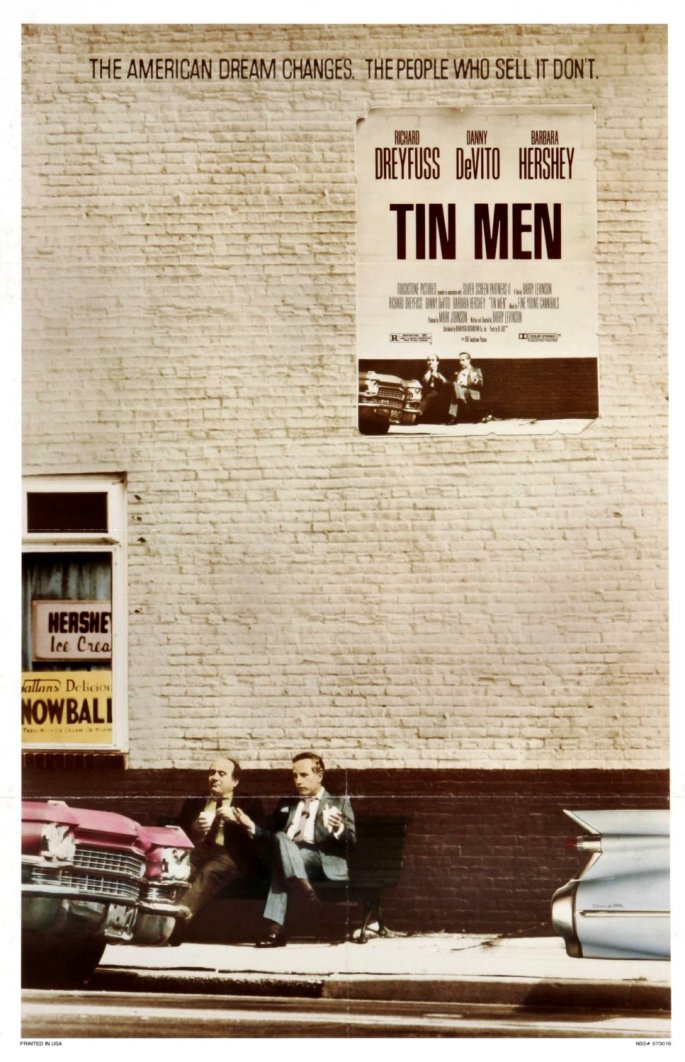
BARRY LEVINSON’S TIN MEN — A REVIEW BY NICK CLEMENT

tin_men_xlg

Barry Levinson has made so many great, underrated little gems. Tin Men is one of those. Released in 1987 and starring Richard Dreyfuss and Danny DeVito as rival and eternally battling door-to door aluminum siding salesman and the always terrific Barbara Hershey as their mutual love interest, the film is part of Levinson’s quartet of Baltimore set stories, with other entires including the classic ensemble comedy Diner, the masterful Jewish-American experience drama Avalon, and the absurdly underrated Liberty Heights. Tin Men shows real and honest affection for its characters, with Levinson finding all sorts of humor, big and small, loud and soft, to factor into almost every scene, even during the more quieter moments. The plot moves in ways that don’t seem initially obvious, and the way that the love affair blossoms between Hershey and Dreyfuss unfolds in some unexpected directions, with the material taking on shades from Glengarry Glenn Ross in numerous instances. A terrific supporting cast was on hand, including Bruno Kirby, John Mahoney, Jackie Gayle, Michael Tucker, Seymour Cassel, and J.T. Walsh. Featuring an awesome score by Fine Young Cannibals(!) and smooth and silky camerawork by Peter Sova, this is a film that really, really deserves a higher profile.

SARAH POLLEY’S AWAY FROM HER — A REVIEW BY NICK CLEMENT

1

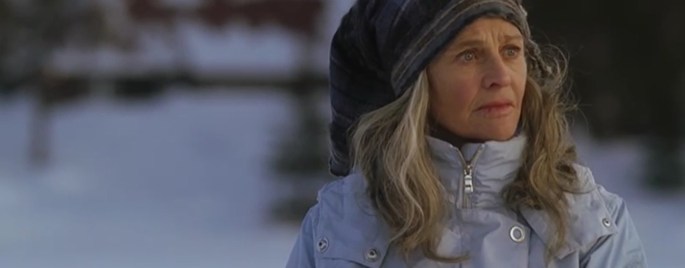
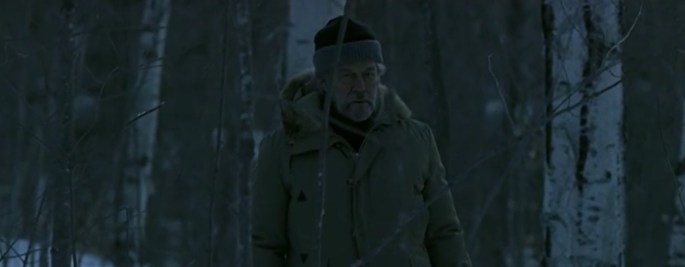
Sarah Polley’s devastating directorial debut Away From Her is a quiet, emotional powerhouse of a drama that most people will probably never see. A tough, honest, and sad film about growing old and losing one’s sanity to Alzheimer’s disease, Away From Her is perfectly written, acted, and directed. Already an accomplished actress, Polley confidently established herself as one of the best up and coming filmmakers working today with this film, while her second film, the absurdly underrated Take This Waltz, reconfirmed this fact in a totally different style and fashion. Her writing is sensitive yet never maudlin and her low-key, well-observed directing style has much in common with fellow Canadian filmmaker Atom Egoyan (The Sweet Hereafter), who served as a producer on Away From Her. Julie Christie, in an astonishing performance, is Fiona, a sweet-natured wife whose world comes crashing down around her as the beginning stages of Alzheimer’s start to appear. Her loving but conflicted husband Grant (the amazing Gordon Pinsent) doesn’t want to send his wife to a nursing home but knows that he can’t take care of Fiona alone. They haven’t spent more than a day away from each other in close to 45 years and one of the requirements of the hospital is that no patient receives visitors for the first 30 days. Once admitted, Fiona starts to lose herself to the disease even further, while she develops a unique friendship with another patient that has ramifications on the lives of both Grant, and a set of their friends. The story zigs and zags and never feels contrived, with the story’s progression coming at a smart pace.

2.jpg

This is not an easy film to watch as it goes to some very upsetting places, and I can think of few other situations that a loving married couple could find themselves in that would be worse than this. The depth of the story and the tenderness of the writing lend Away From Her an edge over other stories dealing with similar conceits; Polley has a naturalistic way with her actors that clearly stems from her own effortless acting abilities. Released in 2006, the film felt like some sort of companion piece (though not nearly as funny) to that year’s great black comedy The Savages, which was another film that deals with old age and tough family decisions. But Away From Her works as an intimate drama more than anything else, with Christie lighting up the screen with reserved panache and sad grace. Pinsent, an actor who I’d never see before viewing him in this crushing film, registers just as strongly in a slow-burn performance filled with guilt, sadness, and finally, redemption. Away From Her is a frightening movie in many ways, and you get the sense that this sort of story is happening right now, around the corner and down the block from your own house, and all over the world. This is the sort of film that reminds you to grab life by the horns and live it to the fullest, and embrace all of those around you who are special. There are no guarantees. This is a great film and a total knock-out of a debut for Polley, who I hope is fast at work on her next project.

3