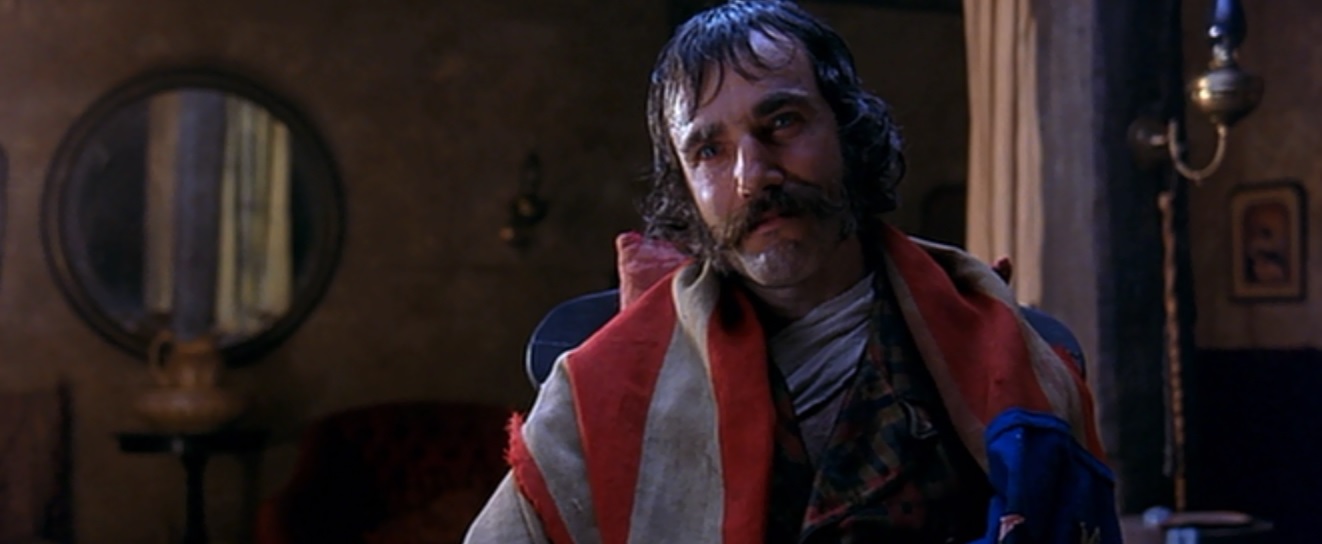
What else can possibly be said about Martin Scorsese’s towering masterpiece Gangs of New York that hasn’t been said already? Released as America was still healing and reeling from the events of 9/11, this was a forceful, absurdly large production that broke exciting new ground for Scorsese as an epic artist, and it marked the start of a fabulous run of films with Leo DiCaprio. Screw the naysayers or anyone who has a problem with Gangs of New York – the film is Scorsese’s ode to violence and to New York and it’s a staggering achievement from top to bottom. Should it be longer? Maybe. But always remember – Scorsese has said on record that no director’s cut will ever be released because the version that came out in theaters was his “director’s cut,” despite contentious battles with Harvey Scissorhands and the often rumored three plus hour work print cut that made the rounds to select journalists and Scorsese’s close friends. Is it messy in spots? You bet. But I like it messy. I like it chaotic and fucking insane and so filled with gory conflict that you never know where to turn. This is Maximalist Filmmaking from our Resident Master, and holy WOW I had forgotten how opulent and decadent everything was in this mostly unrivaled spectacle. The visceral force of every single scene is crushing, Daniel Day Lewis is on another stratosphere with his performance, and the rush of filmmaking energy that can be felt during those electric opening moments let you know that you’re going to be in for a helluva ride. Leo manned up here – I don’t want to hear it – he wasn’t miscast. He brought it all and left nothing out. The final sequence where he faces off against DDL is fierce and absurdly bloody (a literal river of red at one point) and so awesomely shot, cut, scored, and preformed you can’t help but giggle over all of it. Or maybe that’s just me. Dante Ferretti’s production design truly stands on its head; there’s rarely been a production built from the ground up that felt this real and lived-in and organically alive. The dense, incident packed screenplay from Steven Zaillian, Kenneth Lonnergan, and Jay Cocks is wonderfully dramatic, unexpectedly funny, and stuffed with so much detail both big and small that I’m finding that after at least five or six full viewings there’s stuff still to unlock. The last 30 minutes with the destruction of the Five Points is exhilarating – it’s smashingly violent cinematic spectacle for the ages. The scene with DDL draped in the American flag and telling Leo what life is all about – it’s the stuff of movie legend. The ballsy final shot of the NYC skyline with the Twin Towers standing triumphantly – that was Scorsese’s big “fuck you” to the scum that destroyed those monuments and it feels cut from the same artistic cloth as the closing moments of Steven Spielberg’s Munich. Everything about this movie just screams “I’m Better Than You” and I utterly love it. The cast is extraordinary, with Jim Broadbent owning every single scene he appears in as Boss Tweed, Liam Neeson having his bad-ass cameo, Henry Thomas as a sniveling little traitor, Brendan Gleeson as a man who at times can be a “touch indelicate,” and John C. Reilly as a morally corrupted police officer. Only Cameron Diaz feels out of place, though not as much as I’d previously remembered her being. Her Irish accent was bad, but as usual, she gave it her all, didn’t wimp out in any way, and brought a fierce sexuality that would remain mostly dormant until The Counselor. I’m a Diaz apologist as I’ve long been smitten, but I’ll agree that she’s the weak link in the cast overall. But it’s hardly anything that could sink the film, and it’s not like everyone wasn’t acted off the screen by Day Lewis either…he was the central force of the movie, the black heart and vile soul, and it’s a magnetic work of intensely modulated acting that relies on everything that an actor has at his or her disposal: Voice, eyes, body language, and the ability to convey emotion both through talking and through silence. Filmmaking rarely is this bold and exuberant when $100 million is at stake and it easily rests as one of Scorsese’s finest, most ambitious accomplishments. “That my friends, is the minority vote!”
Author: nlclement
MARK PELLINGTON’S ARLINGTON ROAD — A REVIEW BY NICK CLEMENT
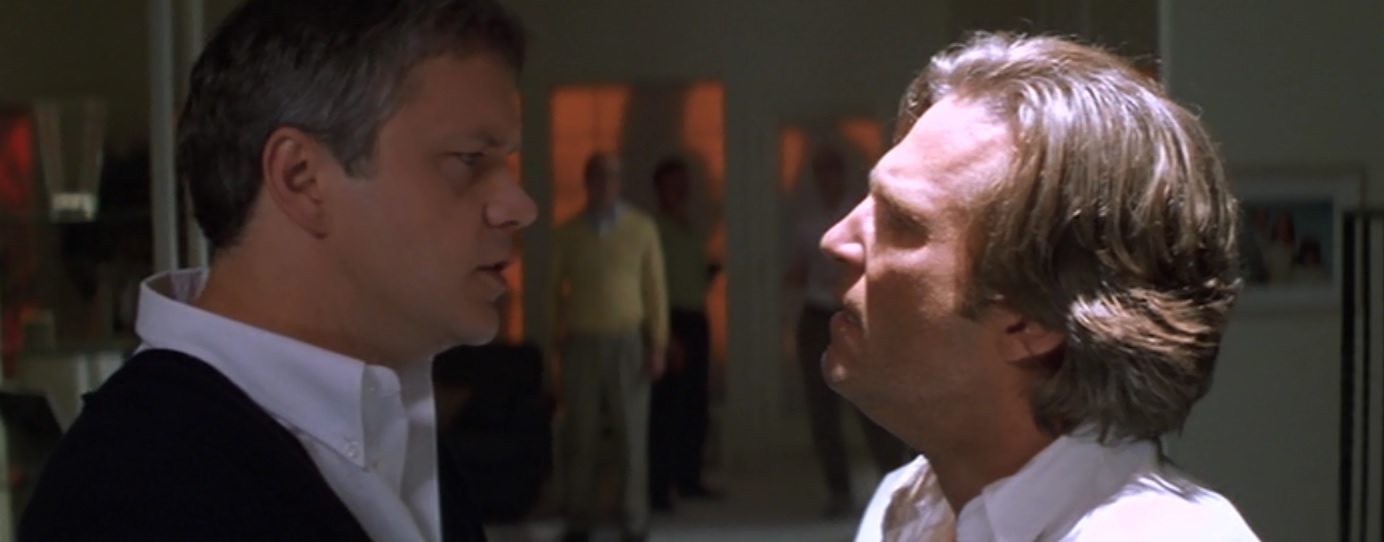
I’ve written about this brilliant film numerous times but that’s not going to stop me from doing it again. Simply put, Arlington Road is one of the most dynamic political thrillers ever made, a film that would never get produced and released in today’s current social landscape, and without question, it sits on the top shelf with other notable genre entries including Three Days of the Condor and The Parallax View. A true product of the late 90’s and partially born out of the Oklahoma City bombing which had occurred just four years prior, it’s one of the best films from the decade that really stuck to the devious twist ending (Fincher’s 90’s trio of Seven, The Game, and Fight Club all come to mind), and now that we all live in the ghost of 9/11, a film with as downbeat of an ending such as this one feels almost novel and antique, let alone remotely possible. The prevalence of the cinematic antihero took a backseat in the early 2000’s in the wake of the terrorist attack in NYC, but we’re starting to see a resurgence of that theme; Arlington Road feels like the work of prescient filmmakers who took real life events, looked at them for the root cause of their evil, and showcased a phenomenal two-hander between neighbors who are living on entirely separate ends of the political and mental spectrum. This is a film that still stings with a serious force, delivering an ending as diabolical, clever, and haunting as the final moments of Seven (yes…really!). Mark Pellington’s unnerving, nervy, visually arresting direction created a thriller that deserves serious reconsideration as a stellar example of a genre picture that transcends its root elements, especially given the last 15 years of worldwide social turmoil, violence, and unrest. Released in the summer of 1999, this was more of an October movie, and it was lost among the blockbusters of the season, despite some passionate critical notices and vocal support from ecstatic admirers. I can remember going to a test screening of this film, and sitting in the theater totally riveted, and then being positively blown away when the final scene unfolded and the credits began to run.
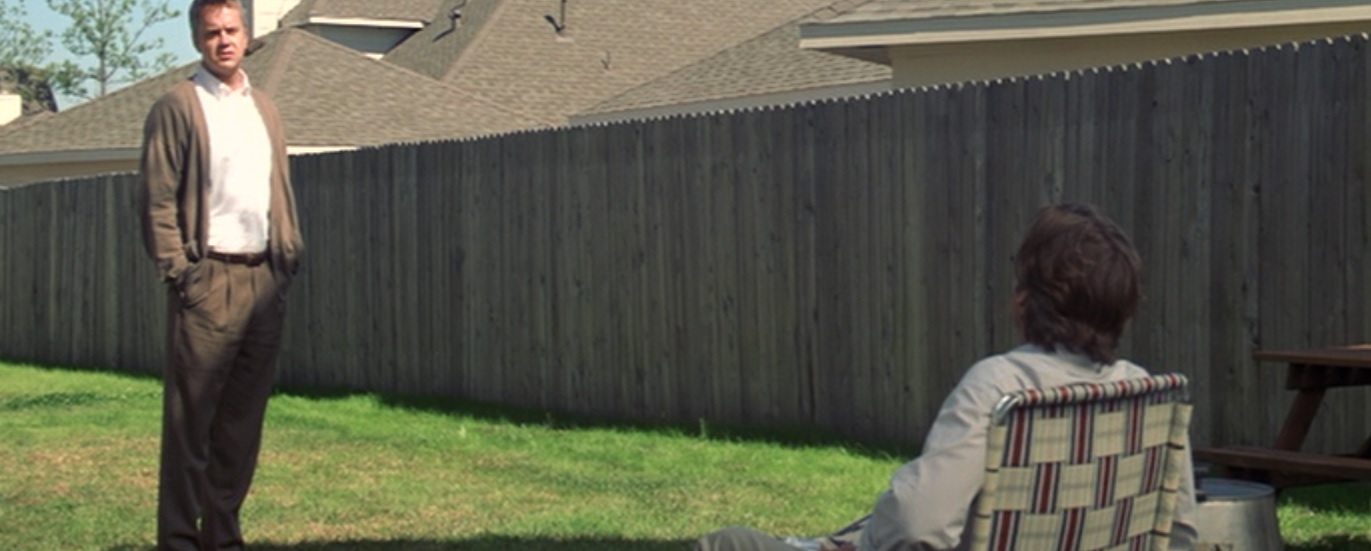
Starring Jeff Bridges as a paranoid college professor who starts to suspect that his post-card-perfect neighbors are domestic terrorists (the chilling Tim Robbins and Joan Cusack as his ominous wife), Arlington Road has a zero-fat screenplay written with care and intelligence by Ehren Kruger, and was directed with pulse-quickening panache by Pellington, who also crafted the underrated chiller The Mothman Prophecies, the charming 50’s set drama Going All the Way, the quirky spiritual comedy Henry Poole Is Here, and the little seen but extraordinarily intense male weepie I Melt With You, which plays like a heightened version of the landmark 1970’s picture Husbands crossed with the early-80’s relic The Big Chill. He’s an eclectic filmmaker who stems from the music video world, someone who always has an interesting story to tell, and it’s a shame that he didn’t become more prolific after Arlington Road busted him out of the gate. And it’s just beyond shocking to think that Kruger, who exhibited so much promise with this amazingly calibrated screenplay which double backed on itself in the final reel (only inviting closer scrutiny), would then go on to churn out one piece of forgettable crap after another, with only a few exceptions (The Ring, The Skeleton Key). He’s been responsible for a literal roll-call of poorly structured movies with inane dialogue (The Transformers series, Reindeer Games, Impostor, The Ring 2, Blood & Chocolate, and The Brothers Grimm, which was barely salvaged from total train-wreck status by director Terry Gilliam and his usual brand of visual lunacy), ultimately becoming the ultimate paycheck whore. And while that’s good for him and his bank account, it’s robbed him of any sense of class or dignity. And it’s head-scratching because only an individual with clear talent could have devised a script as scary and as smart as Arlington Road.
The explosive opening moments with Bridges trying to help an unknown child who has had their hand blown off in an unseen accident are the stuff of genuine nightmares, and the way that Kruger kept piling on the surprises and twisting the screws within the narrative all the way until the end literally makes this an edge of your seat thriller, especially for the uninitiated. The opening credits are very stylish, casually evoking the trendsetting title sequence of Seven (also designed by Kyle Cooper), but still being its own thing, with tomandandy and Angelo Badalamenti’s creepy score immediately setting the mood. Bobby Bukowski’s crisply composed and tightly coiled 2.35:1 widescreen cinematography makes great use of open space in some instances, and then gets up close and personal when the situation calls for it, and in tandem with Conrad Buff’s razor-sharp editing, Arlington Road hurtles through a series of increasingly sketchy events all the way up to a tragic and devastating conclusion. Cusack and Hope Davis share a now famous telephone booth scene that’s still creepy to this day, and the way that Pellington, Kruger, and everyone involved at the studio level didn’t wimp out during the final act when push came to shove still has to be applauded. And the idea that Jeff Bridges delivered this sweaty, unhinged, emotionally distressed performance directly after his legendary, stonerific work in The Big Lebowski is a further testament to his unending talent. And to think – he’d go on a year later to play the coolest President of the United States in Rod Lurie’s underrated and fantastic The Contender! He’s one of our great acting talents, capable of anything, always ready to surprise.
Now – FULL SPOILER WARNING – it’s almost inconceivable to think that studios and audiences would be down for the finale that Arlington Road presents these days. In one of the greatest bits of pull-the-rug out-from-underneath-you madness, the film ends with Robbins’s domestic terror attack actually succeeding, and not only is it a triumph, but the otherwise heroic Bridges becomes named as the chief architect of the entire plan, showing how Robbins had been playing and courting Bridges the entire time, turning him into an unwilling and unwitting accomplice. Yes, a lot of stuff has to happen during the final act for all of the pieces of the puzzle to come together the way the filmmakers want them too, but who cares – this is a movie, a fiendishly constructed one, and something with this sort of audacity has to be complemented. I love movies like this and The Game and Stay and Running Scared and Unbreakable and Fight Club and The Prestige, films that have one final tick up their sleeve at the end that puts everything into fresh perspective (sometimes multiple perspectives) and leaves you with that special feeling of having your mind shattered in all the ways made possible by great cinema. And then, to add insult to injury, not only is Bridges a national disgrace in his death, but his son is shuttled off to “live with relatives,” without the knowledge of anything that his father tried to do to stop the explosion from happening. Throughout the years, the climax of Arlington Road has been the subject of endless debate, with some being positively infuriated over the idea of the bad guy winning (and thoroughly destroying his opponent!) while others have embraced the unsettling implications of the plot and the notion that sometimes, evil does find a way of succeeding. It feels unlikely that a big-star project like this one could get made in today’s hypersensitive climate, especially in light of the failure of something like the ultra-nihilistic The Counselor; only an independent production could pull this sort of thing off nowadays. Arlington Road has integrity and a confidence that backs up its twisty and twisted narrative, so that when all of the pieces to the complex puzzle arrive, not only does everything fit, you don’t feel cheated, but rather, exhilarated.
MARK PELLINGTON’S LONE — A REVIEW BY NICK CLEMENT
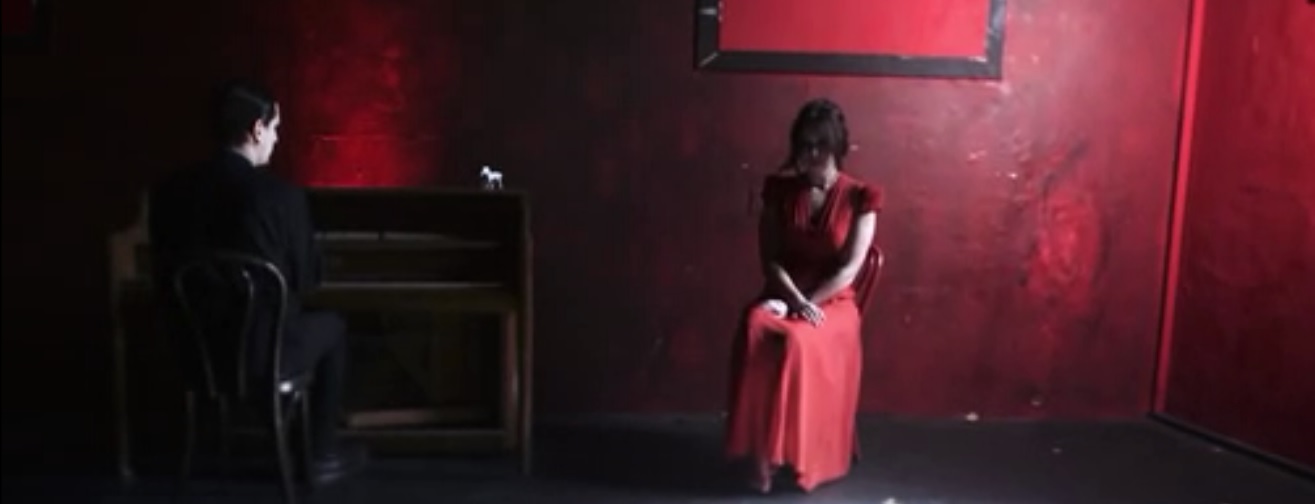
Lone is an arresting display of images, sounds, ideas, and thoughts, all coming to resemble ravishing visual poetry in all the best ways that short films are able to demonstrate. Directed by Mark Pellington, this endlessly stylish and ultimately haunting 55 minute experimental piece feels like a series of interconnected music videos telling a surrealistic and sometimes hallucinatory story of life, death, love, sex, identity, and how people come to recognize each other during moments of great personal turmoil or tragedy. Resembling something you might see playing at a modern art exposition or exhibit, there’s a random and baroque quality to the startling imagery that will stretch the creative sides of your brain if you take the time to experience this spellbinding piece of visual communication. I was reminded of Malick (especially the final act of The Tree of Life) and Buñuel and Kubrick at various points while watching this obviously personal project that must have come from a brave part of Pellington’s soul as an artist; he’ll forever be a unique and idiosyncratic filmmaker that’s impossible to pin down. An ace director of music videos since the mid 80’s, having worked with the likes of Public Enemy, U2, Pearl Jam, Anthrax, INXS, Alice in Chains, NIN, Bon Jovi, and many others, it’s abundantly clear from frame one of this staggeringly composed effort that Pellington has a dynamic and confident grasp on visual storytelling, and how to convey story and emotion with color and camerawork, as well as an incredible sense for music and well timed editing. Lone was a collaboration between Pellington and musical artist Chelsea Wolfe (previously unknown to me), which takes the themes and music from her album “Pain is Beauty” and sets the songs to increasingly gorgeous visual compositions which will be hard to shake if you have the time and interest in checking something out that’s wildly abstract, lovingly avant-garde, and wholly unique. It also has the power to invade your psyche, providing you with sights that have the power to enlighten. Lone is available to stream in HD via Amazon and ITunes.
MARK PELLINGTON’S THE MOTHMAN PROPHECIES — A REVIEW BY NICK CLEMENT
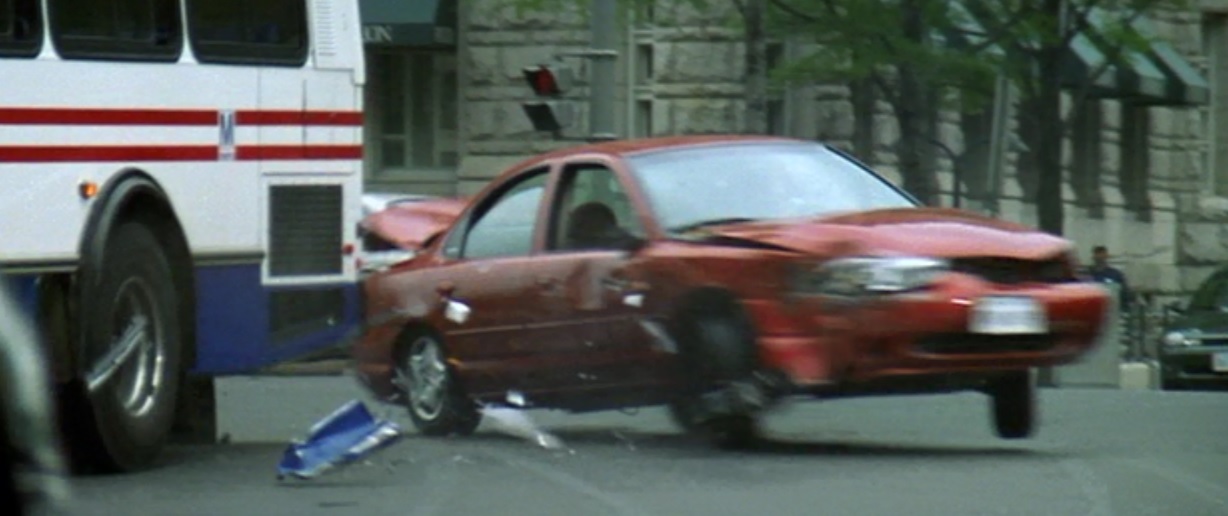
Mark Pellington’s The Mothman Prophecies is my kind of paranormal scary movie, the sort that can’t be explained, won’t be explained, and doesn’t want to be explained. Less a ghost story and more a tale of the literal unknown, the film is “based on true events” and eschewed blood and gore in favor of extreme atmospherics and genuine tension. Richard Gere, playing in a genre that he’s not normally accustomed too, was excellent as a grieving widower who is hell bent on figuring out what his dead wife saw immediately before a major car accident, which revealed a long gestating brain tumor, which leads to her death. Laura Linney, hot off of her Oscar nomination for her bravura performance in You Can Count On Me, was strong as a local cop who helps Gere put the shadowy pieces of the puzzle together, and Will Patton did some reliable and unnerving character work as a man suffering from a similar set of circumstances to Gere’s. The fact that so many separate people had the same sort of visitations or experiences are what makes The Mothman Prophecies all the more strange and unsettling. The big set piece of the film occurs in the final beats of the home stretch, and shows the insane and catastrophic destruction of a small-town bridge, one that’s loaded with cars and passengers; it’s one of the best examples of disaster related action I’ve seen. Seemingly accomplished with little to no CGI, this sequence is a masterclass of editing, cinematography, sound effects, camera placement, and shot selection, with each image blistering into the next, causing a rush of dangerous excitement. None of it looks shot on a studio back lot, there are no noticeable green screen shots, the stunt work is exceptional, and the entire thing feels entirely realistic. I can remember seeing this film in the theater, alone, and being thoroughly sketched out by it, if for no other reason than that I actually believed it. I am not one for horror movies, I don’t believe in “ghosts,” and while I hold out some hope that I’ll see a UFO at some point in my life, the scare-tactics genre is one that I’m not a huge fan of. But The Mothman Prophecies is something different, a chiller born out of character and motivation more than anything else, and if even a shred of it is to be believed or at least empathized with, then something truly strange and sinister did occur in Point Pleasant, VA all those years ago. Fred Murphy’s mostly nocturnal widescreen cinematography fills the frame with varying shades of darkness, takes full advantage of moonlight, and even has the chance to get expressionistic with some of the images; that’s the artist in Pellington, infusing a genre entry with more class and style than is normally expected, and it goes a long way in keeping the effectively familiar narrative from ever going stale. And it goes without saying, the creepy musical score by tomandandy amps up the anxiety, fully complimenting Pellington’s assured visual compositions while never intruding on Gere’s emotionally affecting performance.
SEAN ELLIS’S METRO MANILA — A REVIEW BY NICK CLEMENT
Metro Manila centers on a poor rice farming family from the Northern region of the Philippines. After finding out that their seed haul won’t bring in enough money for the season, Oscar and his wife Mai and their two young children set off for Manila, in the hopes of somehow bettering their lives. Of course, the naïve farmers are taken advantage of almost immediately upon entering the city, and they’re forced to make ends meet any way they can. Oscar eventually lands a job as an armored truck escort, a highly dangerous job in a highly volatile city, and he’s paired with a fast-talking partner named Ong who quickly takes Oscar under his wing and shows him the ropes. Meanwhile, the only work that Mai can find, as she’s a natural beauty, is as a dancer at one of the local strip clubs, where she’s made to deal with drunkards and leeches who are looking for some cheap fun. The film poses the all-important question: What do you do for your family when push comes to shove and there are mouths to feed and teeth that need to be looked at by a dentist? You do whatever it is that you can. The film kicks into high gear around the one hour mark when Oscar realizes that all is not exactly what it seems at his job, and the complexities of his co-workers begin to come to light. How it all plays out will be left for you to discover, but what Ellis has managed to do so well is convey the hardships and the plight of these people while never condescending to anyone at any time; the film feels authentic, lived-in, and for better or worse, incredibly raw. The performances are uniformly excellent, with Jake Macapagal delivering a searing performance as Oscar, and as the film progresses, you really get the sense of how much he loves his family and how he’s willing to do whatever it takes to keep them safe. John Arcilla steals all of his scenes as the conflicted and excitable Ong, and as Mai, Althea Vega brought a natural tenderness to her role of a mother who refuses to be humiliated more than once, especially in front of her children.
Made with extreme formal care and boasting a visual aesthetic that is both lushly poetic and incredibly visceral when called for, Ellis has seemingly made exactly the film he set out to make, and while never cynical or preachy, the film is a thoroughly bleak reminder of how hellish life can be for people who are living in poverty in an area such as the one showcased in this film. The action scenes crackle with immediacy and fury, and the film’s numerous flashback sequences amp up the cerebral quality of the entire narrative, almost providing the story with an eerie, almost ghostly subtext. Metro Manila works on multiple levels: It’s a thrilling and unexpected heist film, an intense family drama that anyone can relate too, a sly social statement about an entire nation, and a fantastic piece of overall storytelling that takes familiar elements and subverts them continually with what seems to be genuine excitement for the element of surprise. There was a point at which, I’d say roughly half-way, where I thought I knew where this meticulously planned piece of work was heading, and I’m so happy to say that I was wrong on almost every count. The ending is appropriately dark but at the same time oddly uplifting, and even though the last act almost invites extra scrutiny because of how intensely detailed it all is, everything adds up wonderfully, resulting in an absorbing piece of entertainment that makes important topical points without ever becoming over the top. Metro Manila is a film that not enough people seem to have seen and I really hope that this changes very soon, and that Ellis is fast at work with another movie.
JOEL AND ETHAN COEN’S NO COUNTRY FOR OLD MEN — A REVIEW BY NICK CLEMENT
The cinematic glories on display during Joel and Ethan Coen’s masterpiece NO COUNTRY FOR OLD MEN are delivered fast and furious, right off the bat, and continue all the way to the end. One of their very best films and easily one of the top American films from 2007, NO COUNTRY FOR OLD MEN succeeds on multiple levels — it’s a terrifying thriller, a layered character study, a riveting chase movie, and a poetic meditation on violence and man’s ability to inflict pain and suffering. In other words, it’s not a romantic comedy, not the least bit sentimental, and hardly a family affair. The Coens have explored the crime-noir genre in some of their finest pictures (FARGO, BLOOD SIMPLE, MILLER’S CROSSING), but with NO COUNTRY FOR OLD MEN, they stare down the conventions of the genre and brilliantly upend them multiple times, leaving the audience in a shocked stupor by the end of the proceedings. Filmic nihilism has rarely been this much fun and entertaining, and in the hands of aesthetic masters like the Coens, the entire piece hums with style and efficiency. But beyond the obvious merits that the writing, acting, and production values offer, it’s the Coen’s effortless ability to transcend the genre through their amazing adaptation of Cormac McCarthy’s novel that pushes NO COUNTRY FOR OLD MEN into unforgettable territory.
The set-up is deceptively simple. Llewelyn Moss, a welder and rancher played with rugged machismo by Josh Brolin stumbles upon a drug-deal gone wrong out in the desert. Bodies litter the ground, dried pools of blood have formed, and bullet casings act like carpeting. On the ground is a suitcase. Moss opens it and finds cash. Lots of cash. Around $2 million to be exact. He takes the case back to his trailer, a decision that will change his life forever. Enter Anton Chigurh, homicidal maniac to the extreme, portrayed by the marvelous actor Javier Bardem, in a breathtaking, Oscar-winning performance. Chigurh is like the Terminator; no remorse, his cold eyes staring through the souls of his potential victims. Wielding a compressed-air canister that he’s fashioned into a quietly lethal weapon, Chigurh has been hired to retrieve the money; quitting isn’t an option for this man. Meanwhile, a seen-it-all sheriff who’s close to retirement named Ed Bell (the smooth yet grizzled Tommy Lee Jones, who had a banner year eight years ago between his work in this film and IN THE VALLEY OF ELAH) is picking up the bloody pieces of the crime, trying to figure out who’s who and what’s what. The colorful supporting cast includes Woody Harrelson as a calm bounty hunter, Garrett Dillahunt as a simple deputy, Kelly MacDonald as Moss’s naïve wife, and Stephen Root as a shady businessman.
First and foremost, NO COUNTRY FOR OLD MEN works breathlessly as a thriller. The Coens have an exacting eye in their cinematography choices, and are aided by the incredibly talented director of photography Roger Deakins, who also shot 2007’s elegiac Western THE ASSASSINATION OF JESSE JAMES BY THE COWARD ROBER FORD. Deakins and the Coens have worked together many times in the past, and here, their visual shorthand was remarkable. Dawn in the desert takes on a sinister tone, and what the Coens and Deakins do with shadow, nighttime pursuits, and streetlamp lighting is the stuff of sweaty-palms and white-knuckles. The nimble, perfectly controlled editing by the Coens (under their usual pseudonym Roderick Jaynes) amps the tension to the max, as does the almost non-existent musical score; the Coens know that silence and ambient sound effects can sometimes be the scariest choice of aural inspiration. The sound of a light bulb being unscrewed has haunted my ear drums for years. The action sequences are pitched in a hyper-reality that the Coens frame, block, and cut with supreme visceral impact. Blood sprays, bullets fly, and bodies are torn up. If you’re a fan of perfectly measured filmmaking technique and brazenly violent shootouts, NO COUNTRY FOR OLD MEN delivers in spades. However, it’s what NO COUNTRY FOR OLD MEN says about the violent condition of man that separates it from other genre entries, and elevates it into the category of masterwork.
The last act of the film, potentially too oblique and not conventionally satisfying for some, is precisely why this film is an example of perfect, uncompromising storytelling. Impossible to fully discuss without spoiling the film (and I wouldn’t dare do such a thing), the last third of the film is contingent upon what a certain character doesn’t do. In that particular moment and along with a couple of other storytelling decisions that the Coens make late in the game, it’s clear that NO COUNTRY FOR OLD MEN is operating on a different playing field than most Hollywood thrillers. What might have become routine and predictable never comes to pass, and the audience, forced to use their brains in order to put together everything that has transpired, has to quickly decide if not seeing something (a major character’s death) is a major cheat or a stroke of genius. I tend to agree with the latter. The Coens, who remained quite faithful to McCarthy’s original story, make a leap in time during the last portion that might seem confusing to some, but positively exhilarating to others. Their interest in uncovering why people behave the way they do is what drives this hot-blooded movie, and their reluctance as filmmakers to play anything safe is what gives the film its consistently menacing edge. In FARGO, the Coens crafted warm and caring characters for the audience to root for —Marge Gunderson and her easy-going, stamp painting husband, Norm (the wonderful John Carroll Lunch). Norm, along with Marge, are sympathetic creations, and the two of them are characters for the audience to identify and bond with. They also lightened an otherwise dark tale of murder and lies with a sense of natural, honest charm. In NO COUNTRY FOR OLD MEN, the Coens don’t provide the audience with any such characters. Moss is a true anti-hero, and while you are rooting for him, it’s more out of fear than genuine love for the character. Similarly, Jones’s Sheriff, while likeable, exists in a state of spiritual and existential crisis, and the decisions he makes run counter to audience expectations of what a “good cop” should do. That the film is called NO COUNTRY FOR OLD MEN is telling in its depiction of evil and casual nihilism; the men of NO COUNTRY FOR OLD MEN have seen enough killing for multiple lifetimes.
The acting from the three male leads is extraordinary. Bardem cut a portrait of a fierce killer so convincingly that he’ll always be looked upon by Hollywood to play the villain. Chigurh, which when pronounced in the film rhymes with “sugar” (ha-ha), is all death all the time; anyone who appears in a scene with him is in danger of losing their life. Sporting a funny, off-putting haircut and an implacable, stoic expression on his face, Chigurh would eat Hannibal Lectre’s liver without washing it down with a fine Chianti. It’s a frightening, mesmerizing tour de force that has etched itself into cinema history. Brolin brought a quiet, manly quality to the role of Llewelyn, demonstrating integrity if not a ton of smarts. Tossing off dead-pan one liners and rarely cracking a smile through his oily moustache, it’s the sort of role that Nick Nolte would have nailed in his youth. Brolin crackles with intensity and human believability, an element lacking in many modern crime thrillers. As foolish as some of the decisions are that he makes, you rarely question for one moment that given the circumstances, you’d act any differently if you were in his shoes. It’s a slow-burn performance that was overshadowed by Bardem’s thunder. Jones took on the role of the Sheriff in a comfortable, relaxed fashion, but always hinted at something more under the surface. The film is book ended with the Sheriff’s voiceover, and through Jones’s melancholic delivery, the audience peers into the heart and soul of a tired, weathered cop. He’s a guy who has seen too much violence in his life, and who questions how much more he needs to see before it’s time to call it quits. It’s a contemplative piece of internal acting yet as a result of his estimable skill, Jones is able to project to the viewer the idea of a man at his limits without using many words.
Nothing short of spectacular, films like NO COUNTRY FOR OLD MEN are the reason why I love the cinema. Art has the ability to both entertain and challenge an audience, and with this flawlessly constructed piece of crime fiction, the Coens blew the lid off of the genre and smashed it to smithereens. I have nothing negative to say about this film; from the terse, mordantly funny dialogue to the amazingly detailed performances, NO COUNTRY FOR OLD MEN is a beautifully paced thriller with zero plot fat or stupid story detours. Focused, wholly engrossing, and shockingly violent, it’s the kind of picture that sneaks up on the viewer and throws your head in a vice. A feeling of awe and elation swept over me as the end credits began to roll upon my first viewing with a packed crowd at the Arclight, and it was then that I realized that I’d seen history in the making; the Coens had crafted one of the best noir thrillers to come out of Hollywood.
AARON MOORHEAD & JUSTIN BENSON’S SPRING — A REVIEW BY NICK CLEMENT
***ALERT — ONE OF 2015’s BEST FILMS IS NOW OUT ON BLU-RAY!!!***
The less you know about the sublime genre bender Spring the better off you’ll be. This is an incredible, unnerving piece of romantic drama science-fiction, a film that’s as rich in atmosphere as it is in layered character development, with a dash of speculative fantasy, a ton of honest heart and emotion, and some truly icky and spectacular special effects. Spring feels like the trippy after effects of Richard Linklater and H.P. Lovecraft getting together to combine talents and forces. Multi-hyphenate wonder-boys Justin Benson (co-editor, co-producer, co-writer, co-director) and Aaron Moorhead (co-editor, cinematographer, co-producer, co-writer, co-director) borrow the walking and talking aesthetic from Linklater’s Before Trilogy, and fuse elements of psychological and physical horror that would make Cronenberg proud; this film is as thought provoking as it is visually arresting, and it’s a piece of work that will likely hold up extremely well over multiple viewings. If you know anything about me as a film lover, you’ll know that it takes a lot for me to get really excited about a “horror” movie, and while Spring is certainly horrific, it has so much more on its mind than just grossing out the viewer with cheap gore and lame gotcha! scares. When the ideas are this exciting, the performances this involving, and the filmmaking this confident, you can’t help but take notice.
Evan (the unassuming and quietly awesome Lou Taylor Pucci) has just lost his mother to cancer in the film’s painful opening scene. To get over the loss, on a whim, he decides to go to Italy, just to get away from it all, see something new, in an effort to gain some new life experience. He lucks into an apartment at an ancient olive farm run by a very old farmer (a perfect Francesco Carnelutti, exuding both mystery and poignancy and slight menace), and while walking around this picturesque village he’s found himself in, he has a chance encounter with the alluring and sexy Louise (Nadia Hilker, in a truly startling performance that will both transfix and scare), who just so happens to be more than just the prototypical Italian beauty. From there, a romance is born, the two budding lovers stroll around and get to know one another, but under a unique set of circumstances. I hesitate to reveal ANYTHING more than this. Pucci and Hilker have tremendous chemistry with one another, and both are asked to run a gamut of emotions, and I have to say, I loved every single creative choice made by this film, from the ambient, Social Network-esque score, to the consistently stylish imagery, to the reliance on practical special effects which were then augmented (not dominated) by CGI. There’s humor, there’s sex, there’s sadness, and by the end, there’s something that approaches the magisterial. I’m telling you — Spring is so much more than just a sexy-female-monster movie.
I think what I loved so much about Spring was that it was constantly subverting my expectations, especially the glorious finale, which reminded me very much of Gareth Edwards’ similarly low-budget creature feature Monsters. Both films expertly juggled tones (Spring has some great and unexpected humor during the final stretch) and created a fantastical landscape that was believable enough in its own realm. If you’re going to go out on a limb with your story, the filmmaking and storytelling chops have to have a certain integrity, and that’s why I loved Spring so much — it felt so confident, so assured, so totally all of a piece. The gauzy, dreamy, 2.35:1 cinematography immediately engrosses the viewer, and Moorhead’s ability to convey terror through silent, ominous shots of the Italian landscape is terrific. I loved how he was constantly juxtaposing the inherent beauty of the Italian coast with all of this nightmarish imagery. I love it when a genre film is able to surprise, when it takes the framework of something you’ve seen before, flips some switches, and turns the narrative around on itself so that everyone is surprised, the viewer and the actors in the film. The way Spring concludes made me clap in my living room — that’s how much I loved the final beats. This is the kind of film for anyone who is looking for something a bit unusual, something that’s not interested in playing by the normal cookie-cutter set of rules. It’s easily one of the best films of the year.
RIDLEY SCOTT’S THE COUNSELOR — A REVIEW BY NICK CLEMENT
The Counselor, Ridley Scott’s chilly and uncompromising anti-thriller/noir from celebrated novelist Cormac McCarthy, easily became the most divisive, polarizing big-studio release of 2013. To listen to most critics you’d think it was the worst movie ever made – a slap in the face to the audience and to filmmaking in general. However, to a small but vocal minority, it has become something of cynical masterpiece, some sort of nasty movie-miracle, and the sort of film that’s typically made at the indie level with a zero budget featuring a cast of unknowns (think Miss Bala or Sin Nombre or City of God). Scott, working in a genre not typical to that of his grandiose tendencies, has never had a screenplay like the one McCarthy gave him; this is the bleakest material of either artist’s career, and that says something coming from the minds that have spawned such cultural touchstones as Alien, Blade Runner, No Country for Old Men, and The Road, to name only a few (fine, Blood Meridian probably ties with The Counselor in the depravity department). Professional critics complaining that the film is nothing more than style over substance couldn’t be more wrong, and general movie-going audiences, especially the Joe & Jane Popcorns out there (thanks, Jeffrey Wells!) who spoke loudly by ignoring it at the box office and bestowing it with a Cinemascore of “D.” People seem resistant to anything that remotely pushes the boundaries of content and form (ahem, Fury Road, ahem…). Just look at the top 20 grossing films from 2013; there are only three that might fit the bill as being auteur driven. The Counselor is as elliptical in style to that of Olivier Assayas’s criminally under seen neo-noir Boarding Gate or to the previously mentioned No Country for Old Men, but the difference is that The Counselor has an even more fatal, lethal endgame, and potentially goes further with the practice of withholding key story information and the skipping-over of easily identifiable “plot-points.” Remember when Brolin got killed off-screen in No Country, and how bracing that was to have it presented in such a nonchalant manner, almost like the Coen brothers didn’t even care? There’s some of that spirit in The Counselor, as the film becomes more and more interested in the why than the whom, about the little conversations as oppose to the big ones.
One of the many things that will throw most people off with The Counselor is the way that the characters speak. To complain about the highly-stylized writing and line delivery would be to immediately dismiss, discount, or conveniently forget the last 30-40 years of cinema, with distinctive voices (to only name a few) like Mamet, Allen, Pinter, Altman, Kubrick, Malick, Mann, and Anderson (both P.T. and Wes) consistently writing in a manner that is more stylized than realistic. A movie is a movie – it’s not real life, it shouldn’t always have to approximate the “realism” of something, and the way that the characters speak in The Counselor expresses just as much as who the characters are as it does describe what they are doing. It’s also interesting to note that McCarthy dispatches with any ideas of showing the drug deal in any traditional fashion right from the get-go; when the film starts, the plot is in full swing, with Fassbender’s character already having had numerous conversations to get him to the point that he’s at when we first meet him, and the strings have already been pulled by other characters to have the plot spin so wildly out of (in) control. You’ll have to see the movie, of course, to truly understand what I mean, but without spoiling any of the sadistic fun, this is one of those narratives where someone, somewhere is calling the shots while a wide variety of people never truly know what’s going on. If it seems like I’m avoiding giving a proper plot summary, well, I just don’t feel it’s necessary. You’ve seen the ads: it’s Breaking Bad with big Hollywood stars, from the director Gladiator and Prometheus. Someone makes a deal with the Mexican Cartel, the deal goes south, and all hell breaks loose. It’s just that the brilliance of The Counselor comes from the way that information is presented (or not presented!), the way characters look at one another, and how the “Counselor” of the piece (Fassbender) is always asking other people for help and advice, consistently being counselled himself.
When it comes to Ridley Scott’s involvement, there’s much to be said. He’s always been attacked as a “style over substance” guy (maybe not with the same ferocity that his late brother, Tony, was attacked), too interested in smoke and fire and razzle-dazzle. It probably stems from the fact that many people view him as a “director for hire” as he’s not a credited writer on his features. I’ve never gotten that slam, or any other “style over substance” slam on any other filmmaker – filmmaking is supposed to be stylish and innovative, it’s supposed to show you something new and fresh (or at least it should attempt). Otherwise, what’s the point? In The Counselor, because everything from a visual stand-point is so precise and honed (a formal nod in line with the Coen brothers) one might overlook just how much is going on underneath the slick surface. McCarthy has littered his brutally poetic screenplay with digressions on death, men, women, love, the absence of love, the idea of sin, the male fear of women, sex, desire, mother vs. whore, impotence, the accumulation of wealth – it’s all there for the taking if you’re interested in digging a little deeper than normal. And while Scott has long been a premier visual stylist (Blade Runner is a certifiable work of painterly art and the widescreen compositions in Kingdom of Heaven are worthy of a museum), he does some of the most un-showy work of his career in The Counselor, and as a result, there’s an elegant, piercing quality to the visuals. Gone are the arid, dusty stylings of Black Hawk Down and Body of Lies and his ancient battle epics, and say good bye to the deep, burnished qualities of American Gangster and Hannibal. In The Counselor, Scott, along with his ace cinematographer Dariusz Wolski (who, it should be mentioned, shot numerous features for Tony Scott, and recently shot Prometheus for Scott), concentrate on tight close-ups, exact framing, and a more natural, relaxed color palette which still allows for splashed of extreme, vibrant color. Scott knows that McCarthy’s words on the page is what’s driving the story forward, so the more classical approach to his direction is welcome and smart. But never forget – this is Ridley Scott we’re talking about, the man who fed Ray Liotta his own brains and had Dr. Lectre feed a child some of Liotta’s brains at the end of his grand Guginol black comedy grotesquerie Hannibal. When Scott wants to get up-close and personal with arterial spray he’s just as adept as Haneke or Tarantino or Winding-Refn in that department, so after the idea of the bolito is presented in that fantastic scene between Fassbender and Bardem, you know you’ll see it down the line.
The performances are uniformly excellent, with Diaz and Bardem registering strongest. For her part, Diaz has never been this icy or cruel, and it was terrific to see her sink her teeth into such a wicked portrait of insanity. The already infamous sex-scene-with-automobile is big and showy and funny but it’s the rest of her performance that seals the deal; if you look at her close-ups you can see the nastiness sinking in, and I love how you can see the age and wrinkles around her eyes and in her face – this is one hot momma who has been out in the sun way too long. It’s wonderful. And dangerously sexy. Bardem adds another indelible baddie to his rogue’s gallery of villains, but here, he’s in a much different key than he was as the homicidal man with a bowl-cut in No Country or the sneering megalomaniac from Skyfall. His reaction shots and line delivery during Diaz’s bout with the car are nothing short of hysterical, and the way that he imbued his character with a sense of “it’s coming for me” misfortune did a lot to actually make him one of the more sympathetic characters of the piece. He knows he’s in for it, there’s nothing he can do, he’s fallen in love with a serpent that there’s no escaping from. Fassbender starts off all sleazily charming and you think this is a guy maybe worth rooting for, but then you see how he’s really a self-serving jerk who clearly knows he’s getting in over his head but then does nothing to stop it. Watching Fassbender lose control of the situation, a situation he foolishly thinks he’s in complete control of, is one of the many sick pleasures that this film affords. Pitt must love the fact that he gets to play these little nasty “character” bits now that he’s settled into his absurdly impressive career, and as the greasy middleman to Fassbender and Bardem’s dealings, he brings cruel humor and cocky swagger to every scene he appears in. For her part, and she’s not seen much, Cruz does exactly what McCarthy wanted her to do: represent pure, unfettered, innocent beauty. Familiar faces show up in bit parts, with Rosie Perez, Bruno Ganz, Ruben Blades, Dean Norris and John Leguizamo all totally owning their cameos, and Natalie Dormer proving to be an alluring distraction just as she did in Ron Howard’s Formula-1 drama Rush.
There are two movies that The Counselor directly recalled for me: Anton Corbijns spare and beautiful The American and Sam Peckinpah’s utterly nihilistic and sad Bring Me the Head of Alfredo Garcia. Much like in The American, Scott and McCarthy smartly subvert the audiences’ expectations based on preconceived notions predicated upon genre: The chase has to be here, it needs to end there, this character needs to be killed by that character, etc-etc. And as in Peckinpah’s down and dirty Alfredo Garcia, the narrative in The Counselor comes to a rational (however disturbing and bleak) conclusion that is as audience unfriendly as humanly possible. Most people don’t want to watch the failings of morally repugnant people, but that’s what you get in The Counselor. It’s not the job of cinema or of filmmakers to only tell stories about the ethically just and dignified. Part of the kinky kick of a movie like The Counselor is getting to spend time with venal, nasty people, far removed from the norm, and then getting a chance to watch their lives unravel, and witnessing them getting what they all deserve. Because the cast is peppered with sexy faces and familiar names and because the trailer has been cut to emphasize the three or four scenes of violence/action, audiences are not going to be prepared for what’s in store. It’s The American or The Grey or Haywire or Killing them Softly or Drive all over again – auteur driven films masquerading as general audience pleasers that leave many people irritated and scratching their heads. Those are all GREAT films for me, and I love it when Hollywood has the guts to turn out stuff that’s challenging and rewarding, and there’s something to be said for 20th Century Fox letting Scott and McCarthy get away with a finish that nearly matches the gut-wrenching climax of David Fincher’s immortal serial killer thriller Seven. The Counselor is a film for film buffs, the sort of movie for people who enjoy spending two hours on the dark side, and who can allow themselves the chance to act as a spectator to truly horrifying events, where, from the outset, it was clear that there would never be a happy ending. It’s easily one of Scott’s best films of his already legendary career, and a further reminder that when he goes “small,” the results are just as spectacular when he shoots for the epic.
ANDREW NICCOL’S GOOD KILL — A REVIEW BY NICK CLEMENT
Good Kill is an excellent anti-war drama that scores serious points for delving into the psychological complexities that would come with killing people all day long at the controls of a drone that’s cruising endlessly around Afghanistan while you sit in an air-conditioned metal can at some secret Nevada Government installation. Ethan Hawke is the troubled ex-pilot who has been replaced by computers and unmanned aircraft, Bruce Greenwood is his snappy and ballsy senior commander who loves to lay down the law, Zoe Kravitz is a wet behind the ears rookie who takes a shine to Hawke, and January Jones is Hawke’s skimpily dressed ex-dancer wife who is slowly but surely losing her husband due to the torment of his job. Written, produced, and directed by Andrew Niccol (the underrated political satire Lord of War, the sensational sci-fi noir Gattaca, the brilliant script for Peter Weir’s startling The Truman Show), this is a really strong effort, which is customary for Niccol, as he’s always been interested in exploring unique ideas that go beyond the norm. Good Kill plays like a nifty companion piece to Lord of War; they both share a cynical spirit that befits the morally ambiguous material and both feature characters that walk a very fine ethical line. Hawke is fantastic here, all introverted and buttoned up, prone to explosive bits of alcohol-fueled rage, pursing his lips and speaking out of the corner of his mouth. He’s been on quite a roll the last few years and this is another terrific performance from him. Good Kill is a provocative, topical piece about the mental cost of drone warfare, and how it affects the people sitting in these steel trailers in the middle of the desert pulling the trigger on what appears to be an X-box machine. The visualization of the drone strikes have an eerie, unsettling quality to them, and the situations that are depicted in the film were lifted from factual incidents, which makes the narrative sting even more. The Obama years will forever be known as The Drone Years, so I wouldn’t be surprised to see this film have a long shelf life. I love how Niccol is so pessimistic all the time with stuff, as there are few other filmmakers who have been this consistently interested in tackling real, current issues while still infusing their work with a sense of stylish entertainment. Amir Mokri shot the hell out of the movie, giving it a very sleek visual appearance without being in your face; he’s one of my favorite current cinematographers. And while I maybe expected a larger finish, you have to applaud Niccol for going there with Hawke’s character, allowing him to finally do something he KNEW was right, rather than just taking an educated guess and pushing a button.
PAUL THOMAS ANDERSON’S PUNCH-DRUNK LOVE — A REVIEW BY NICK CLEMENT
A heartbreaking ode to Los Angeles loneliness. A troubling study of unchecked mental illness. A sweet and unlikely romance born out of our innate human nature to be accepted and loved. A transcendent stylistic experiment masquerading as a “romantic comedy.” Paul Thomas Anderson’s brilliant, hypnotic, and completely consuming Punch-Drunk Love is all of those things and so much more, a deeply idiosyncratic work that has continually grabbed me ever since I had the chance to see it on the big screen over 10 years ago. I’ve returned to this singularly unique and painfully funny film repeatedly throughout the years, and it never ceases to make me smile, shed a tear, and become so totally involved with the characters that I feel as if I know them by now. Adam Sandler has never been better, and will likely never have a project that will utilize him the way that Anderson so perfectly did here. Subverting Sandler’s infamous man-child character made popular throughout the years via all of those low-brow comedies, Anderson knew you’d bring your Sandler baggage into this movie, and it’s fantastic to study how he played off Sandler’s odd charms and strange fixations as a performer. Sandler is all coiled nerves and broken mental wires, a man emotionally stunted to an alarming degree, and how this inner turmoil is conveyed by Anderson through the incessant, ADD-styled musical score by Jon Brion (complete with Shelley Duvall’s amazing rendition of “He Needs Me”) and through Robert Elswit’s lens-flare-inflected wide screen cinematography is nothing short of astonishing. For 90 minutes, you’re inside the rocky headspace of Sandler’s Barry Egan, a loner working a non-descript job in a non-descript warehouse in the classically non-descript San Fernando Valley, and it’s as jolting to him as it is to us when he meets the love of his life, in the form of Emily Watson, as random of a romantic partner for Sandler, at least on paper, that could ever have been discussed or cast. Watson is playing a fabulously complicated character, a woman who isn’t sure of herself let alone how she feels about Barry, and through their hilarious and increasingly awkward yet hopeful courtship, you being to see how these two lost souls have finally met their match. You know you’ve found the best person you can find when you can stare into their eyes and tell them how much you want to smash their face in or bite off their nose, all in good fun of course, and then proceed to hold each other for the rest of the evening. This is a hopelessly romantic movie that also happens to have a darker than usual story strands, involving a menacing villain referred to as Mattress Man, played with delicious evil relish by the late Philip Seymour Hoffman, who terrorizes Sandler and Watson over the phone and then in the form of some Utah-based goons who travel a few states just to meet the other end of a tire iron, in one of the film’s most memorable and jolting sequences. But the fact that the villain of the piece is there more as a psychological tool of frustration only adds to the increasing buzziness that the film’s mood evokes; like I Heart Huckabees, Birdman, and other films that explore the psyches of troubled protagonists, Punch-Drunk Love has a ton to say about a ton of themes, while the restless aesthetic quality ups the anxiety level. This is easily the most divisive film of Anderson’s career, but for me, nothing has been this magical or surprising from him as a filmmaker. Small piano/harmonium POWER. Also, this film is one of only two productions made by Revolution Studios that’s worth taking not of, the other being Black Hawk Down. Anderson would win Best Director at the Cannes Film Festival for his beguiling work on Punch-Drunk Love, and while the film was a box office disappointment, it’s certainly found its much deserved status as a modern cult gem. Side-note: the address that Barry Egan gives to the phone sex credit card operator is freakily similar to the location of my second to last apartment in Los Angeles!