Category: Film Review
THE WORK OF CHARLES WILLIAM BREEN — BY NICK CLEMENT
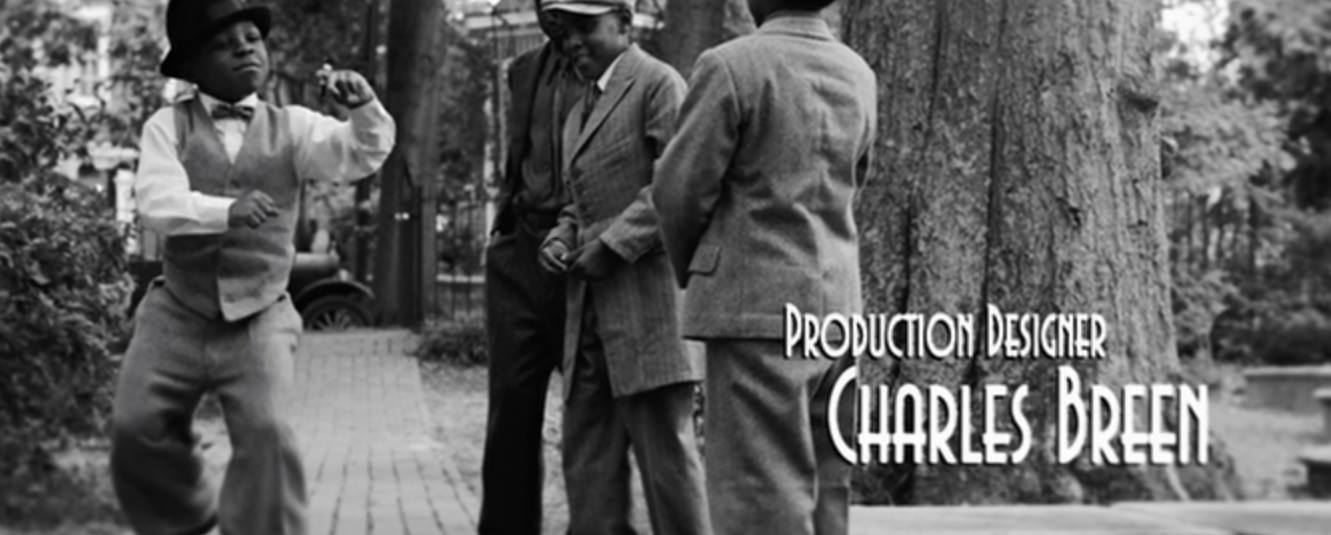
Veteran production designer and art director Charles William Breen has had an extraordinary career working on some of the most popular and long lasting films from the last 35 years. His extensive list of credits includes early career work on Ridley Scott’s masterpiece Blade Runner, Mike Nichols’ drama Postcards from the Edge, Richard Attenborough’s ambitious biopic Chaplin, James Cameron’s seminal science-fiction classic Terminator 2, Clint Eastwood’s blockbuster romance The Bridges of Madison County, Neil Labute’s scathing satire Your Friends and Neighbors and his playfully violent black comedy Nurse Betty. And that’s just naming a few! No matter the genre or the filmmaker that he’s working with, Breen is always able to transport the viewer exactly where any given project is set, and it’s through his innate sense of what’s pleasing to the eye that we’re left with some of the most visually iconic sets and brush-strokes of art direction that could possibly be imagined. Having received an Emmy nomination for Art Direction on HBO’s critically acclaimed Weapons of Mass Destruction, he’s also no stranger to the small screen, having just recently worked on the pilot for the short-lived but extremely funny FX series The Comedians, as well as 23 episodes of the USA comedic series Sirens. Breen is also a frequent contributor on short films, working with a wide variety of talent throughout the years on multiple projects, and has put his talents to use as a solo art director on the powerful drama Flesh and Bone, the glossy copy thriller Jade, the fiery revenge tale The Crow: City of Angels, and Walter Hill’s kick-ass actioner Trespass. There’s not much that Breen can’t do it seems!
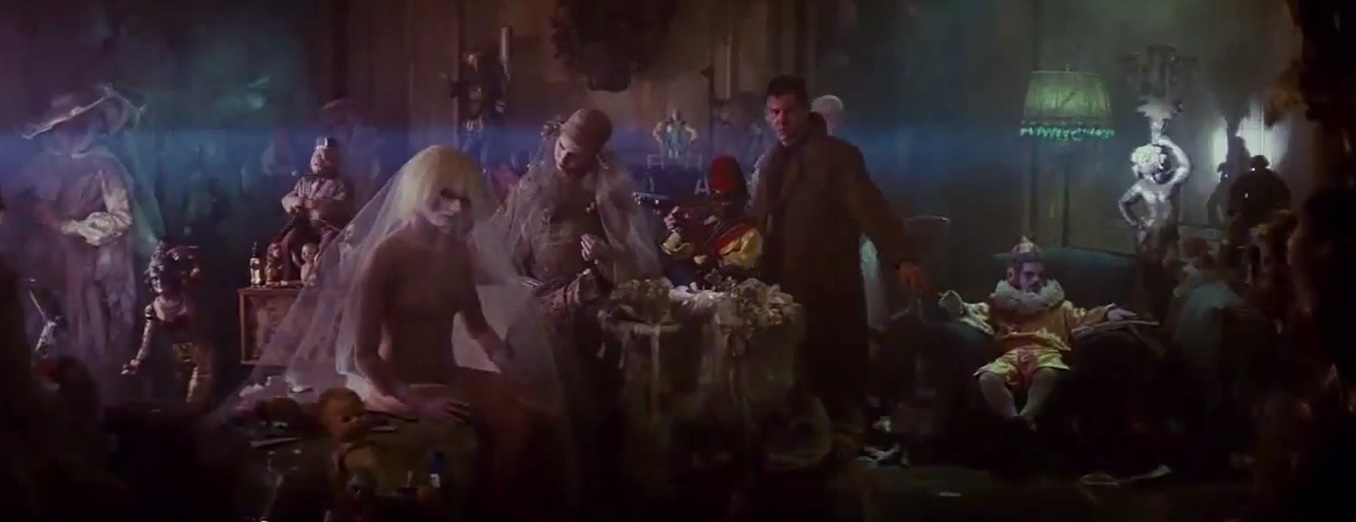
One of his most distinctive credits was the 2006 gangster-musical hybrid Idlewild, from frequent collaborator director Bryan Barber, who has spent the majority of his career in the music video world. Breen brought all of Barber’s bold visual ideas to life with his production design of Idlewild; it’s gorgeous work, overflowing with detail that spills out past the edges of the frame, always providing something visually stimulating to look at. A wildly ambitious and obscenely underrated film, it’s the sort of technical and logistical tour de force that warranted an Oscar nomination. On the opposite end of the spectrum, you have something like Neil LaBute’s nasty relationship drama Your Friends and Neighbors, which highlighted Breen’s ability to use open space and a clean frame to express sadness, hostility, and isolation. It’s an emotionally cold film, and the spare production design reflects the chilly and repressed interior worlds of the characters. And while this project arrived before Idlewild, it was an early indication of Breen’s range as an artist that would allow him to even be considered for such a daunting designing challenge. And I can only image what it must have been like to get one of your first industry jobs working on the sets for the now beyond famous Blade Runner, which has come to mean so much to some many people over the years that it’s safe to call it one of the most influential films ever made. In every single shot of Blade Runner, the audience is treated to something spectacular, and I can think of few other films that have been more art directed and designed to express so many thoughts, feelings, and emotions.
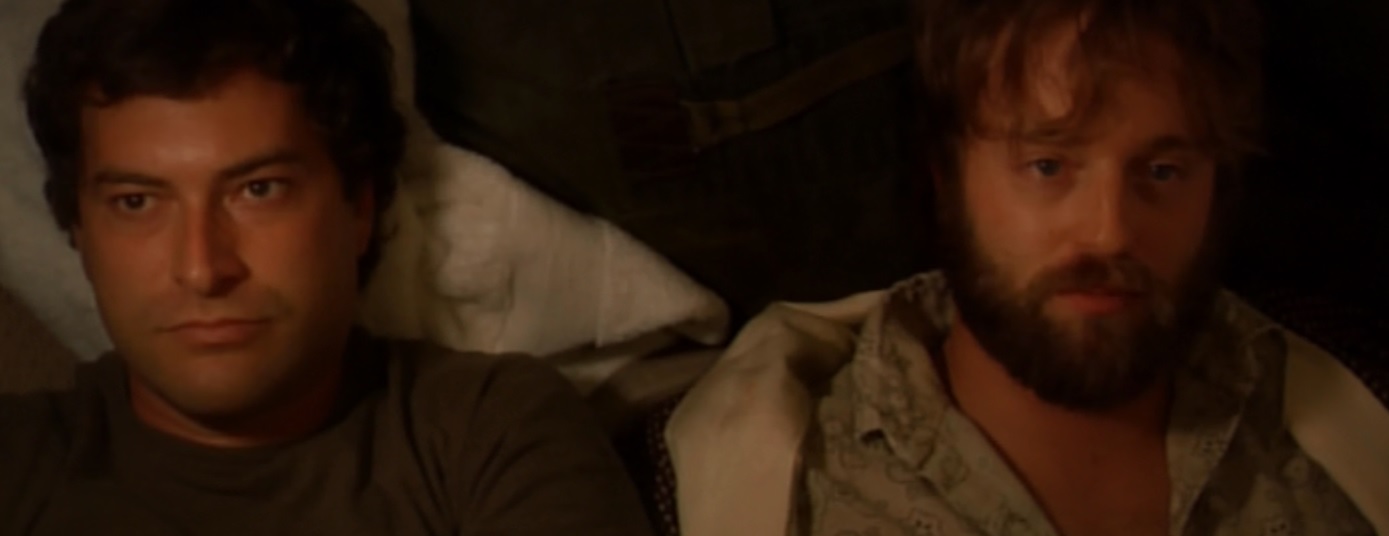
THE WORK OF BEN KASULKE — BY NICK CLEMENT
JULIUS AVERY’S SON OF A GUN — A REVIEW BY NICK CLEMENT
Son of a Gun, the stylish and exciting feature debut of filmmaker Julius Avery, who had previously specialized in short films, is a rock solid crime thriller, made with no pretensions, and a work that uses its subtle sense of maximum style to its constant advantage. It doesn’t transcend the genre, but at the same time, it’s energetic and entertaining at almost every turn, and despite a possibly too neat resolution, Avery offers up some crackling action sequences, and gets a refreshingly against type performance from Ewan McGregor. There’s also a central heist that’s unique in idea and execution, and it’s something that I’ve never seen before, which is always a welcome plus in my movie watching book. An amalgam of the prison picture, the escape movie, the heist thriller, and all out action flick, the film is a lower-budgeted item from Australia, released in the states by A24, and has found its way to the Blu-ray shelves after barely making a blip on the theatrical radar.
Co-starring rising star Brenton Thwaites (previously very strong in the underrated sci-fi effort The Signal), Son of a Gun centers on a young prison inmate (Thwaites) serving a six month sentence for a minor crime, who is taken under the wing of a notorious and violent criminal (McGregor), who offers to protect the youngster while in the joint if he agrees to help him upon his release. But little does the naïve gangster-in-training know that the plan is fairly large, involving a daring prison break via helicopter and then the risky robbery of a gold making facility, where McGregor, Thwaites, and the rest of their team force smelters to create gold bars on the spot at gun point, so that they can then sell the gold all around the city. Once the plot is set in motion, the film becomes all about the interaction between Thwaites and McGregor, and how their uneasy friendship gets pushed to its limits.
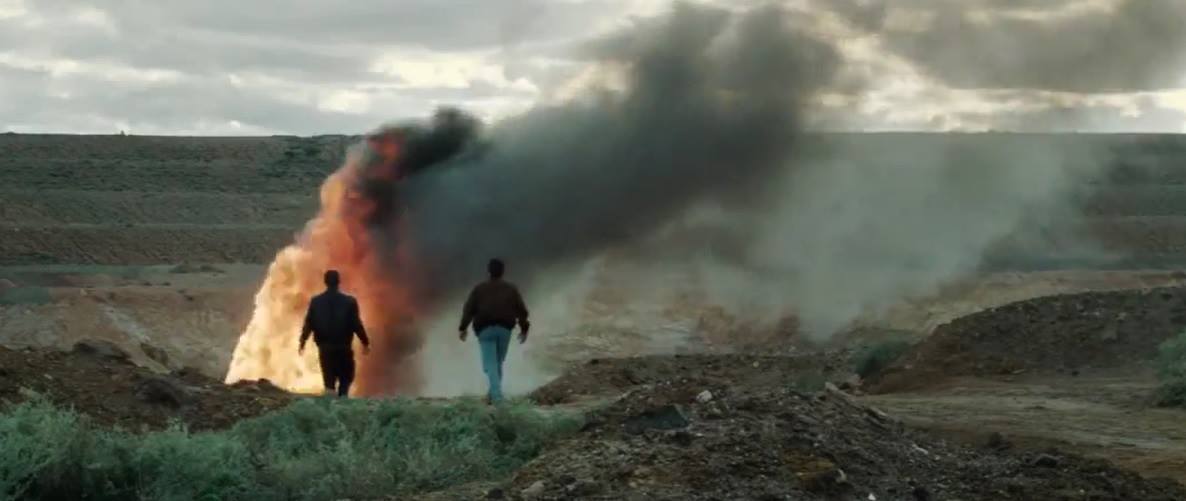
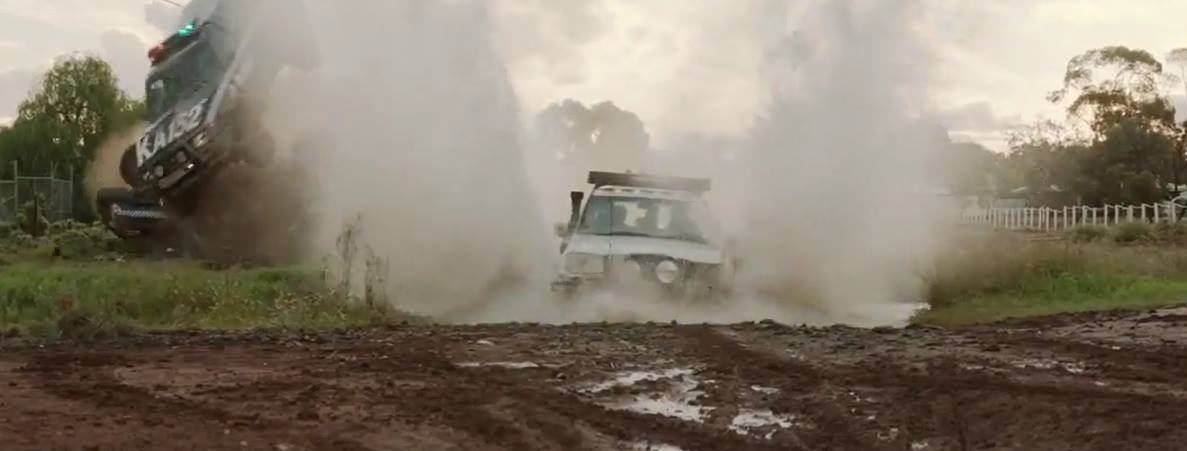
Not much goes according to plan, a rival mobster enters the plot, a mysterious and sexy woman shows up on the scene (Alicia Vikander, pre Ex-Machina), and before you know it, loyalties are tested, sparks fly between Thwaites and Vikander, bullets are fired from various automatic weapons, and a couple of cars do some fantastic, un-CGI’d flips and roll-overs. Shot with clarity and an excellent sense of formal composition by cinematographer Nigel Bluck, Son of a Gun looks terrific all throughout and Bluck’s effective shot selection offers up unique angles during the action sequences, while also feeling intimate during the slower, more dramatic moments between the characters. Swiftly paced and featuring durable performances by an interesting mix of familiar faces and complete unknowns, Son of a Gun is a crime picture for genre enthusiasts. It does what it sets out to do with smarts and unassuming aesthetic flair, and will likely serve as a calling card for filmmaker Avery, who I imagine is taking meetings all over town by this point.
STEVEN SODERBERGH’S THE INFORMANT! — A REVIEW BY NICK CLEMENT
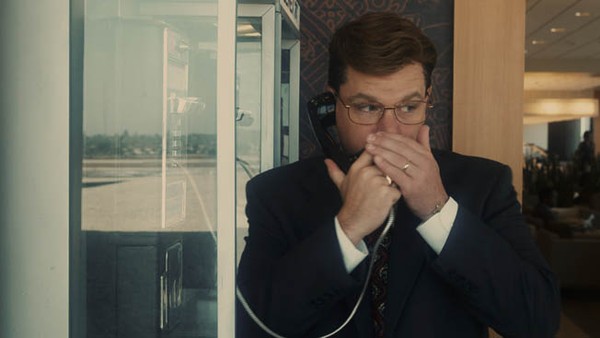
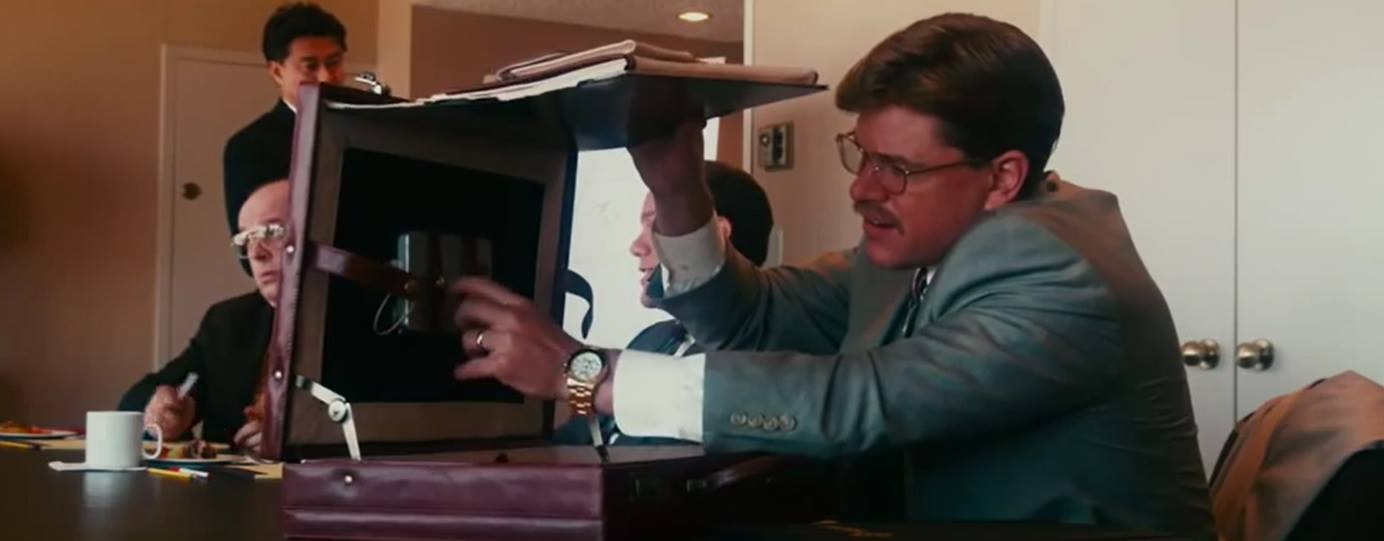
The Informant! is one of many masterworks from the sly and crafty filmmaker Steven Soderbergh. The film is like a cinematic onion, and over the course of more than 15 viewings, has repeatedly shown itself to be a brilliant piece of satirical storytelling. The screenplay by Scott Z. Burns is fascinating in many respects, and Matt Damon delivers what’s probably the best (and my favorite) performance of his excellent career. This is a deceptive and tricky and extremely clever black comedy that’s going to confound many viewers and delight others. Getting old-school Marvin Hamlisch to score the film primarily with a kazoo was a typically absurdist move by Soderbergh, who always surprises with bold filmmaking decisions and his unconventional sense of humor. He’s a filmmaker who has openly stated that the various films by Richard Lester have continually inspired him; The Informant! feels like possibly his most Lester-esque piece of filmmaking.

The Informant! is an extremely funny movie but in a very ironic, irreverent fashion. And yet, it’s also completely terrifying in that you’re basically watching a schizophrenic yet genius-level individual flush their entire life down the toilet. Comparisons to Michael Mann’s The Insider are appropriate but not entirely accurate. Sure, the landscape is big business and both films feature “whistle blowers” as their protagonists, but The Informant! struts its stuff as a devilish social comedy, whereas Mann’s masterpiece was a rigorous journalism thriller on par with the likes of All the President’s Men. The Informant! is yet another instance of Soderbergh taking wild creative chances, and having those chances pay off like gangbusters. Damon’s interior monologue which is heard in voice-over is some of the most dryly hilarious stuff you’re likely to find in any movie, and what did the fantastic Scott Bakula do to deserve that haircut?! There’s a deep and inspired supporting cast of comedians playing it straight (more Soderbergh tomfoolery), and as usual, the filmmaker acted as his own cinematographer and editor, because, you know, Peter Andrews and Marry Ann Bernard POWER.

BRYAN BARBER’S IDLEWILD — A REVIEW BY NICK CLEMENT
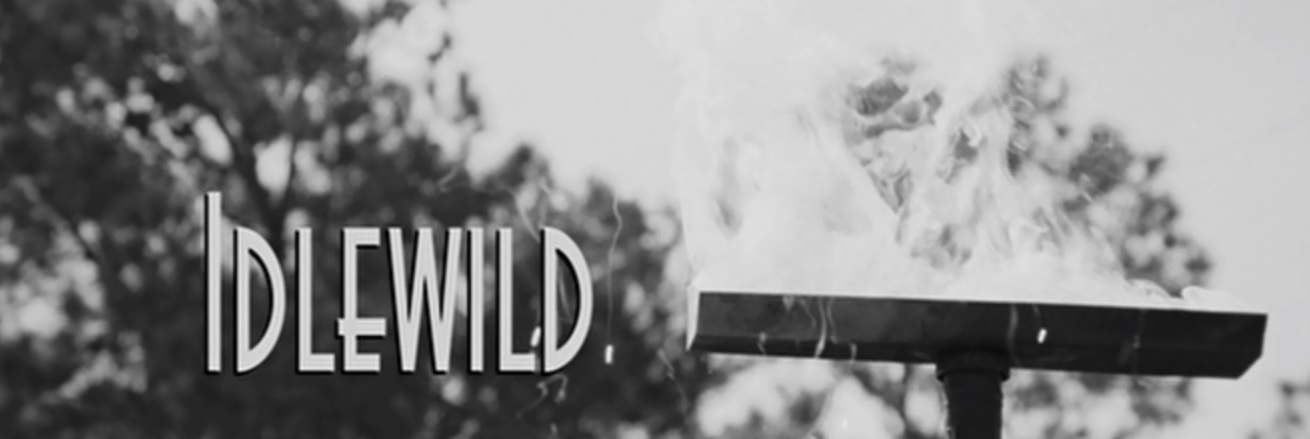
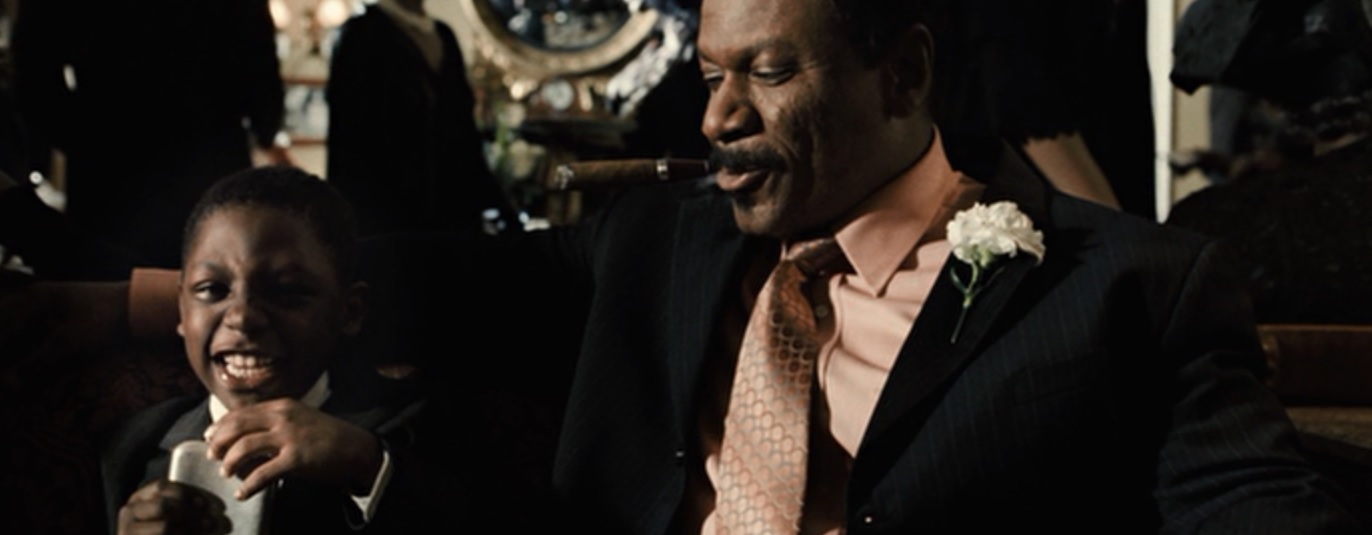
Bryan Barber’s Idlewild is a tour de force of style, of song and dance, of energetic cinematic pizazz, and a loving ode to the big Hollywood musical that happens to be spliced with the gangster film, all shot in a modern, MTV-inspired aesthetic that I think is wildly unique and more than eye-popping on an aesthetic level. Charles William Breen‘s extravagantly detailed and lush production design should have received an Oscar nomination – it’s really crimes against cinema that this didn’t happen. Every set, every scene, all sense of art direction is so in tune with all the elements that this really becomes a true feast for the senses. From top to bottom, Idlewild is insanely underrated, as it never had a wide enough release nor was it treated with any sort of respect from a pedigree standpoint. Marketed simply as “the Outkast movie,” Idlewild is so much more than that — it’s a crazy explosion of so many elements and genres and styles that I’m not really surprised that it flew under the radar. It’s sort of like The Cotton Club on acid, spiced up with sexy and sultry song and dance numbers, with a solid gangster-movie plot that sets into motion all the dramatic conflict that a narrative would need. Barber threw everything in his back pocket into this film — it’s stuffed (some might say overstuffed but not me!) with visual information that stretches the mise-en-scene to new heights and the film seems absolutely drunk with the many possibilities that the cinematic art form can provide.
Swept under the rug with a half-hearted, late summer theatrical release by Universal Pictures, the film hasn’t even been graced with a spiffed up transfer on the Blu-ray format, which is tantamount to a slap in the face to the extremely gifted cinematographer Pascal Rabaud, who shot the ever-living-hell out of each and every frame of this dazzling motion picture. I had the chance to see this one in the theater, and I can definitely say that it was an overwhelming experience to behold on the big screen. The absolutely ridiculous cast includes Ving Rhames, Terrence Howard, the show-stoppingly gorgeous Paula Patton, Cicely Tyson, Macy Gray, Faizon Love, Ben Vereen, Patti LaBelle, Bruce Bruce, Malinda Williams, and Jackie Long. John Debney’s eclectic and always present musical score envelopes the entire picture with a jazzy sense of spirit, and because the film is so thick with period flavor and distinct visual atmosphere, you really get the sense of being fully transported to the world that all of these fabulous people put on display. I knew this movie was for me when the song notes started dancing off the music-book pages for the piano players, and when the rooster emblem on the flask started to dance and crow. At times, the film feels like it belongs in the same company as Baz Luhrmann’s Moulin Rouge or The Great Gatsby — this was maximalist filmmaking delivered at a furious pace with a ton of heart and soul underneath the supreme sense of high style. Idlewild is like no other musical that you’ve seen and it’s so deserving of rediscovery that it almost feels comical.
AARDMAN’S SHAUN THE SHEEP MOVIE — A REVIEW BY NICK CLEMENT
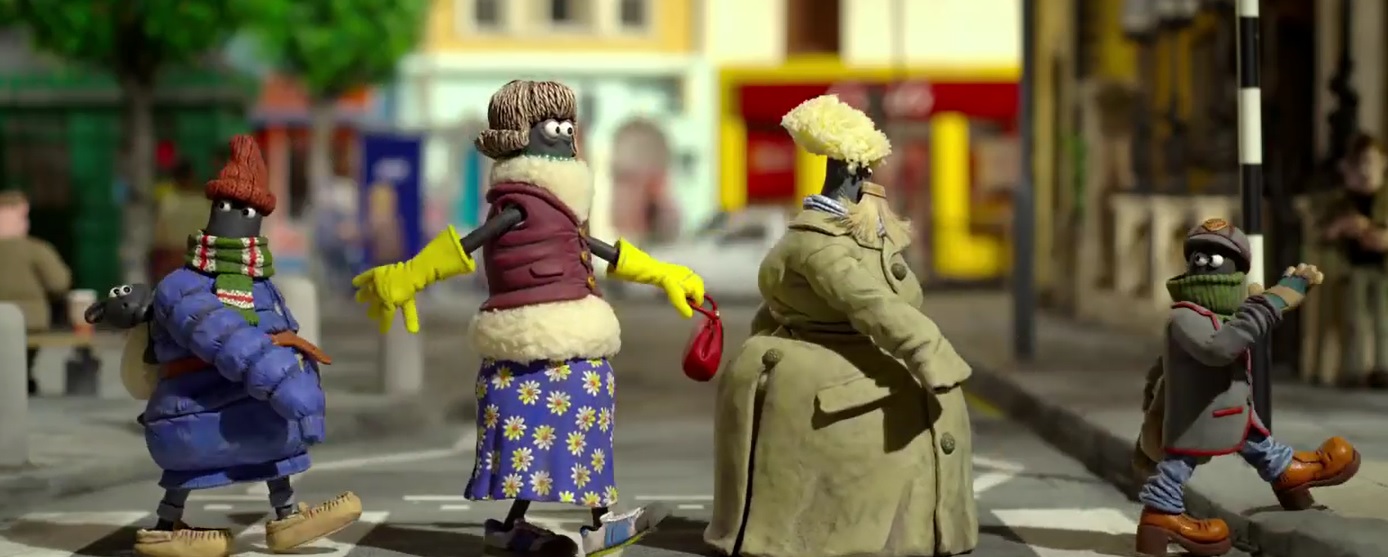
It’s truly a shame that not enough parents with young children took a chance this weekend on Shaun the Sheep Movie. This film is a 100 Star Masterpiece, written with zero spoken dialogue, containing some of the best visual storytelling in ages, made in the grand tradition of FUN, filled with heart, humor, sophistication, and an endless sense of CUTE. I knew I was a goner when I first saw the madcap trailer (the film is way less rambunctious than advertised) and this constantly delightful movie never let me down. And it doesn’t matter how many times I watch a “making-of” when it comes to a Claymation film, I just don’t “get it” in terms of how these films are made. The painstaking process of arranging and re-arranging the characters and backgrounds and props seems, to my eye, to be a herculean effort, and I don’t understand how they make water look the way it does within the context of this unique universe. There is a boundless sense of energy and wit in every single frame of this film, while the strong internal message of valuing your friends and family is never lost during the big action sequences and frequent bits of absurd antics. And did I mention that this film is funny? It’s both laugh out loud and LQTM, with not one but two instances of snapper-fart humor, burp jokes that actually make sense within the context of the narrative, and an unending supply of animal related hijinks that would delight just about anyone with a pulse. So why don’t these movies get enough traction in the U.S.? Is it the “British-ness” of them? Are they just too good for people to latch onto? Whatever the reason, I don’t care. I don’t finance movies, I just shoot from the hip and report on how any particular film has made me feel after I’ve viewed it. This is a smashing piece of entertainment, made with sneak glee and just the right amount of smarts to balance out the silliness. This one made me feel like a kid, it reminded me of how blissfully innocent a child can be while watching a film on the big screen (the small amount of children in attendance seemed overjoyed), and it’s further proof that every year, the chance for a massive cinematic surprise is always possible.
DAVID GREGORY’S LOST SOUL: THE DOOMED JOURNEY OF RICHARD STANLEY’S ISLAND OF DR. MOREAU — A REVIEW BY NICK CLEMENT
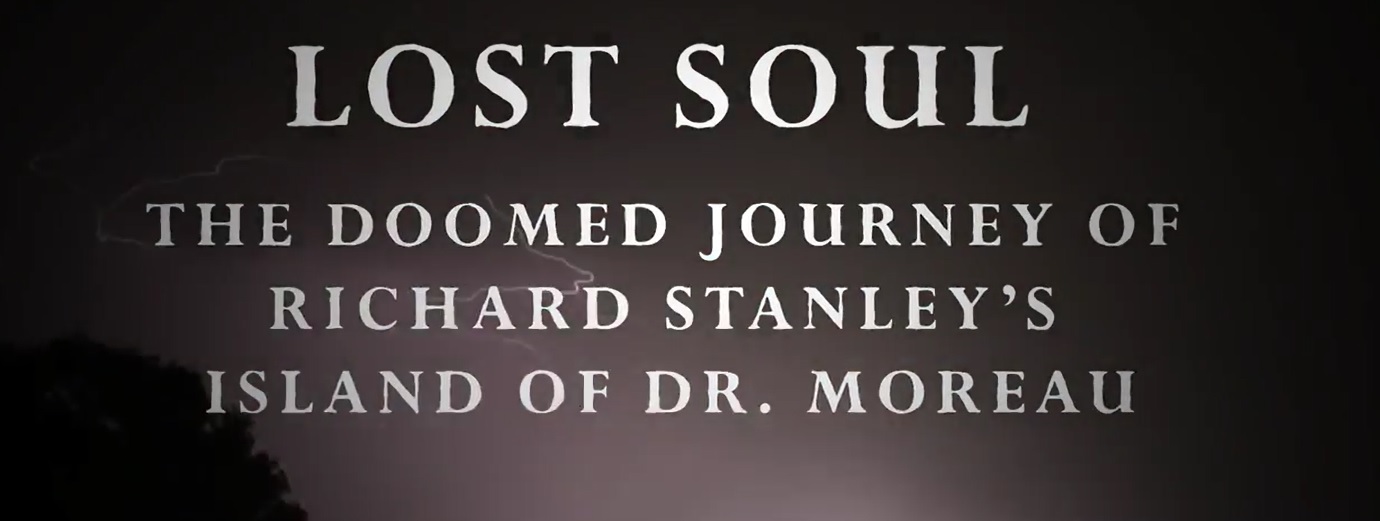
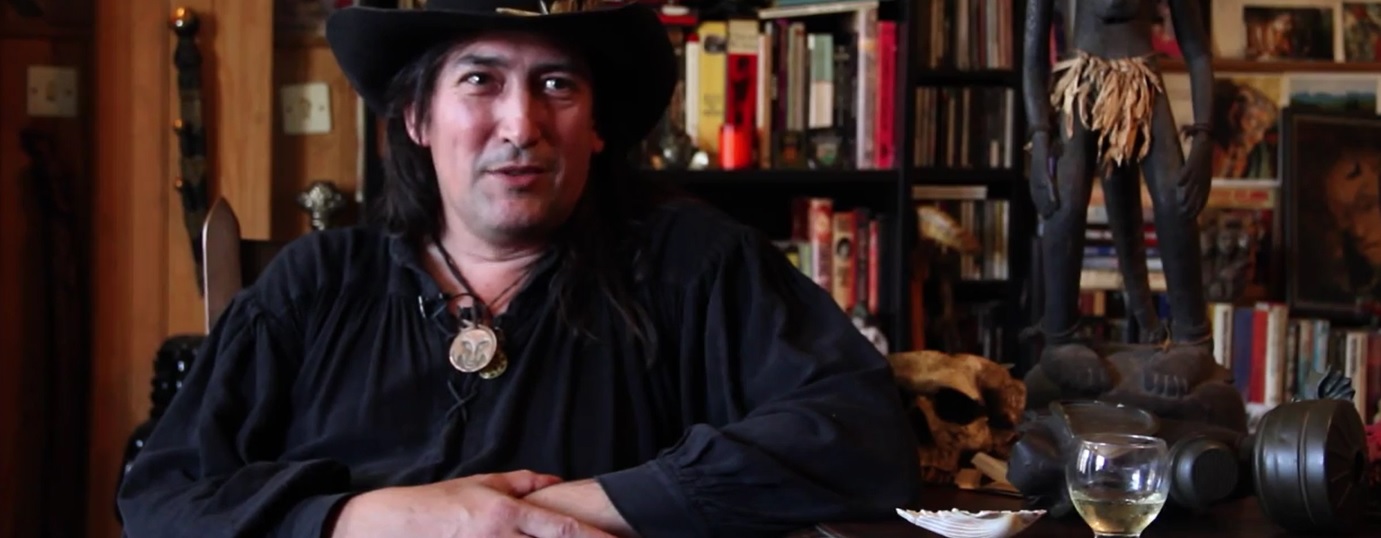
Lost Soul: The Doomed Journey of Richard Stanley’s Island of Dr. Moreau is a painful documentary highlighting the challenges that Stanley faced while trying to mount his ambitious – and no doubt avant garde – reimagining of the classic material. Directed with a probing sense of mystery by David Gregory, this is an info-packed hour and 40 minutes filled with first hand tales of Hollywood idiocy, behind the scenes footage to die for, and enough stories about Marlon Brando and Val Kilmer to choke a horse. The notion that Stanley infiltrated the set post-firing while dressed up in creature make-up and costume is an utter pisser to even contemplate let alone realize actually occurred, and the not-so-fond stories of John Frankenheimer were quite interesting to note. Because I am not a filmmaker and clearly wasn’t there during the middle of this fiasco, all I can do is report on what was presented in this documentary – it’s yet another sad, disgusting, totally backwards tale of studio-led buffoonery that ultimately led to the destruction of someone’s vision. This documentary has that “check out this car wreck” quality where you just have to see what’s going to happen next, because it just can’t get any worse for the people involved. The amount of money that was flushed down the toilet while making this film was staggering, and the amount of time spent on the part of the actors and crew just sitting around and waiting to accomplish something – ANYTHING – would be enough to discourage anyone from making another movie again.
CHRISTOPHER MCQUARRIE’S MISSION: IMPOSSIBLE ROGUE NATION — A REVIEW BY NICK CLEMENT
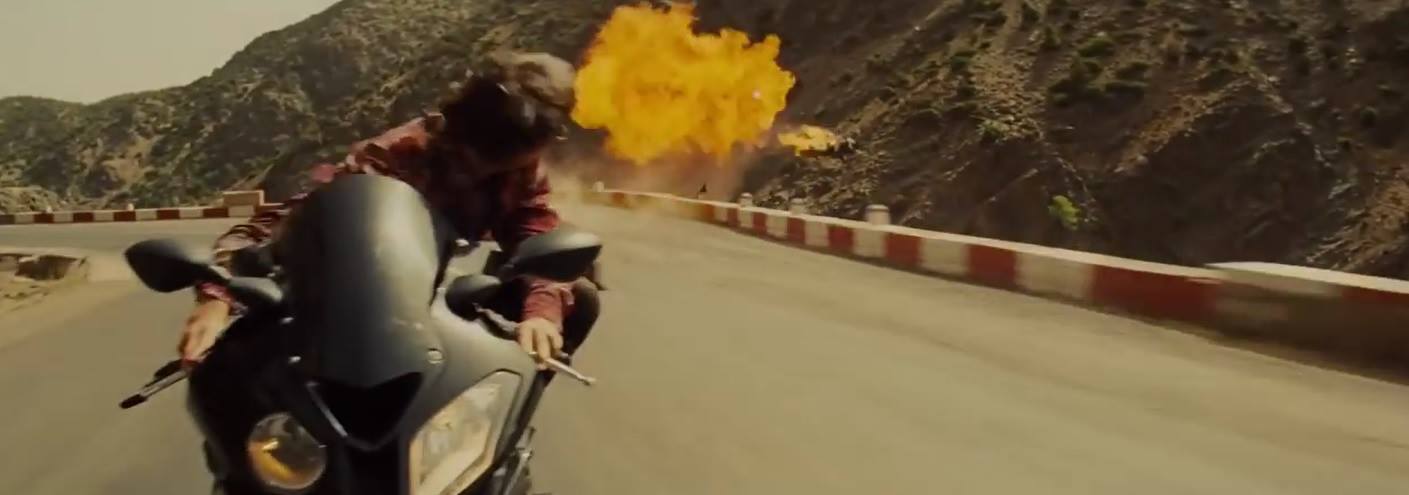
The MVP of Mission: Impossible — Rogue Nation, which was directed by Christopher McQuarrie, is CLEARLY cinematographer Robert Elswit. I can’t get over some of the shots in this latest entry in the franchise. His overwhelming sense of what is photogenic continues to dazzle my eye-balls, and his stunning photography and sharp camera placement in this film is extraordinary to observe and study. The stunts and action sequences pop with authority — the car and motorcycle chase in Casablanca was utterly superb — and it’s clear from watching that Elswit knows no bounds as a cameraman. He’s Paul Thomas Anderson’s regular cinematographer (minus one film) and all throughout his incredible career he’s demonstrated a mastery of the visual language (this is his second go-round on the Mission franchise having last shot the visually exuberant Ghost Protocol). The rest of the film is serviceable and fine — it’s predictable, it’s exposition heavy, Cruise is doing Solid Cruise here, nothing remotely challenging except in the physical sense, and sorry to say it, after Gibney’s incendiary documentary, I’m still seeing Xenu. Simon Pegg and Jeremy Renner get some good laughs, and repeatedly, the film’s thunder is stolen by the sexy and confident Swedish actress Rebecca Ferguson, who kicks a TON of ass, takes very few names, and looks extremely hot in evening gown and bathing-suit attire — she’s like a more athletic version of Ruth Wilson. Second Unit director Gregg Smrz and stunt coordinator Wade Eastwood more than earned their paychecks. And kudos to the filmmakers for not totally spoiling the absurd opening stunt with Cruise hanging off that cargo plane — I loved how long they held on the master shot of Cruise dangling off the side — they knew what they had in that moment. If CGI was used, it was flawless. If it wasn’t, Cruise is more than certifiable to even think of doing such a thing. For $5.75, you’ll get your bang for your buck. I’m just sort of wondering what ground is truly left to cover in this series of films.
AMIN MATALQA’S CAPTAIN ABU RAED — A REVIEW BY NICK CLEMENT
***GREAT FILM ALERT – FOR PEOPLE WHO CARE ABOUT CINEMA – GREAT FILM ALERT***
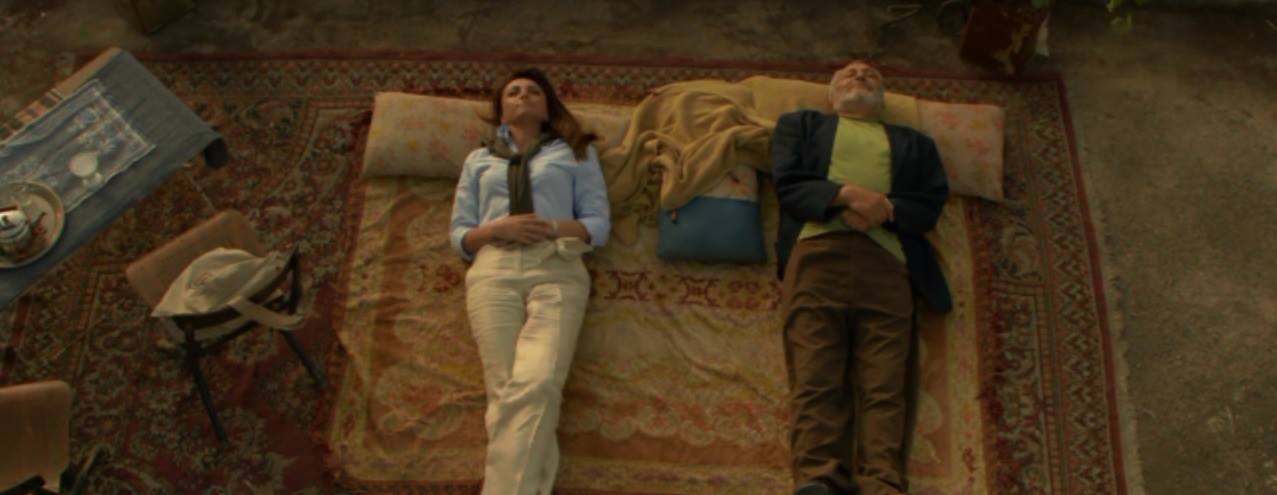
I had not heard of the 2009 film Captain Abu Raed until my intrepid FB movie buddy Ryan Marshall made me aware of its existence. The less you know about this powerful, slow-burn drama from writer/director Amin Matalqa the better. This was the first Jordanian film in 50 years and the first that the country ever submitted for Oscar consideration, which is as hard to believe as it sounds. American productions have been using Jordan as a Middle East backdrop for years, but apparently, the countries own film economy was slow to start, and since the production of Captain Abu Raed, at least 10 other films have been completed. This is a poignant, touching, and finally devastating portrait of people randomly thrown into each other’s orbit, and it’s yet another film that goes to some extreme places to make a statement about the overall human condition. I loved this film. The lead performance from long time character actor Nadim Sawalha was nothing short of brilliant, the performances from the various child actors resonated with truth and believability, and I commend Matalqa for not bowing out in the final act, taking his narrative to its sad, inexorable conclusion. Sawalha plays Abu Raed, an airport janitor who spins stories to the local youth about how he’s really a pilot. He’s a man holding intense personal secrets, and his life takes a potentially tragic turn when he intervenes on a situation with an abusive neighbor. Add in a sweet and unlikely friendship with the severely pretty Jordanian TV personality Rana Sultan, playing a pilot who crosses paths with Abu Raed. There isn’t a wasted scene in the entire film, and it’s deceptively simple opening 40 minutes quickly gives way to a potent last half that challenges your expectations. This film likely makes my top 20 for had it been released this year. Seek it out.