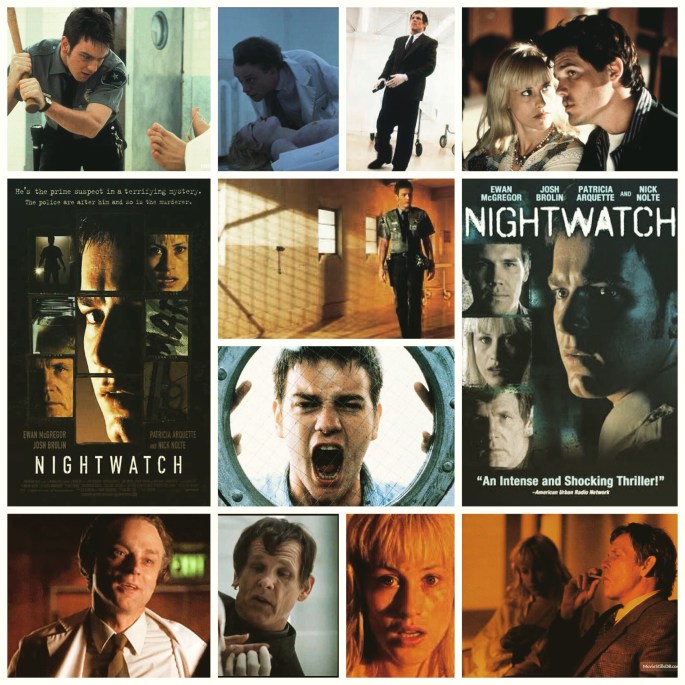
Ole Bornedal’s Nightwatch 


It’s always curious to me when directors remake their own projects. Sometimes it seems redundant and risky, and one wonders what compels them to revisit already trodden territory. In Ole Bornedal’s case it’s a creepy murder mystery called Nightwatch, made once in his native language of Danish, and again as a slicked up Hollywood version featuring some heavy acting talent and a reworked script by none other than Steven Soderbergh. I’ve only seen the newer one, and despite some awkward, clunky moments in the narrative, it can get pretty squirmy and frightening when it wants to, especially any scene involving a young Ewan McGregor stuck alone on a morgue graveyard shift. Creepy concept, and in some scenes it’s really milked to full effect, but there’s also few really silly and unnecessary subplots, particularly one with McGregor’s daredevil buddy Josh Brolin, and his girlfriend (an underused Patrica Arquette. When the film focuses on its main horror storyline it works quite well though. There’s a killer loose in the city, one with a penchant for necrophilia, and no one wants to have the night shift at a mortuary with someone like that running about. Nick Nolte adds class and charisma to his role as a weary, grizzled police detective who’s searching for the killer. Nolte rarely sets foot in the horror/thriller side of things, but his looming presence and concrete scraper sounding voice fit into the atmosphere terrifically. There’s a couple cameos as well, one from John C. Reilly as an ill fated police officer and an amusing Brad Dourif as the morgue’s cranky duty doctor. If Borendal had trimmed the fat in places as far as subplots go, given a bit more edge to the script and overall just tweaked it more it could have been a cracking good thriller, but as is it’s only above average with a few spots that really shine. 

-Nate Hill
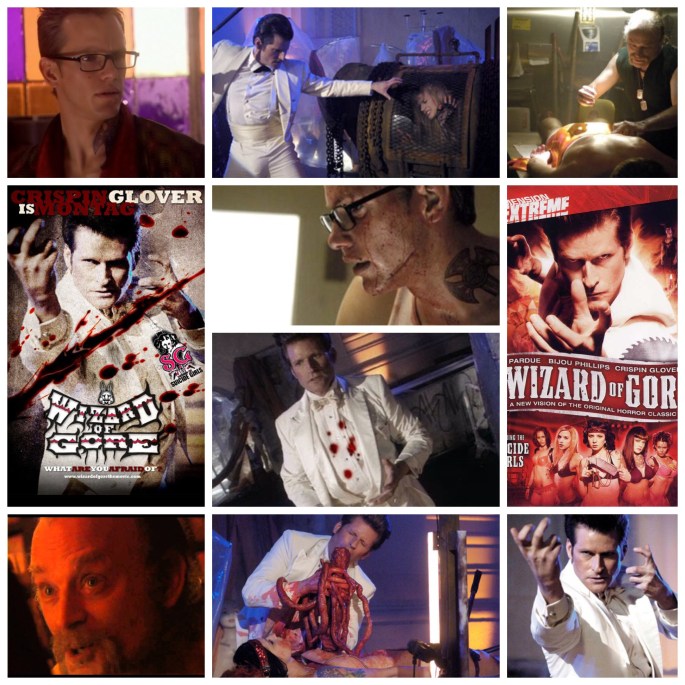
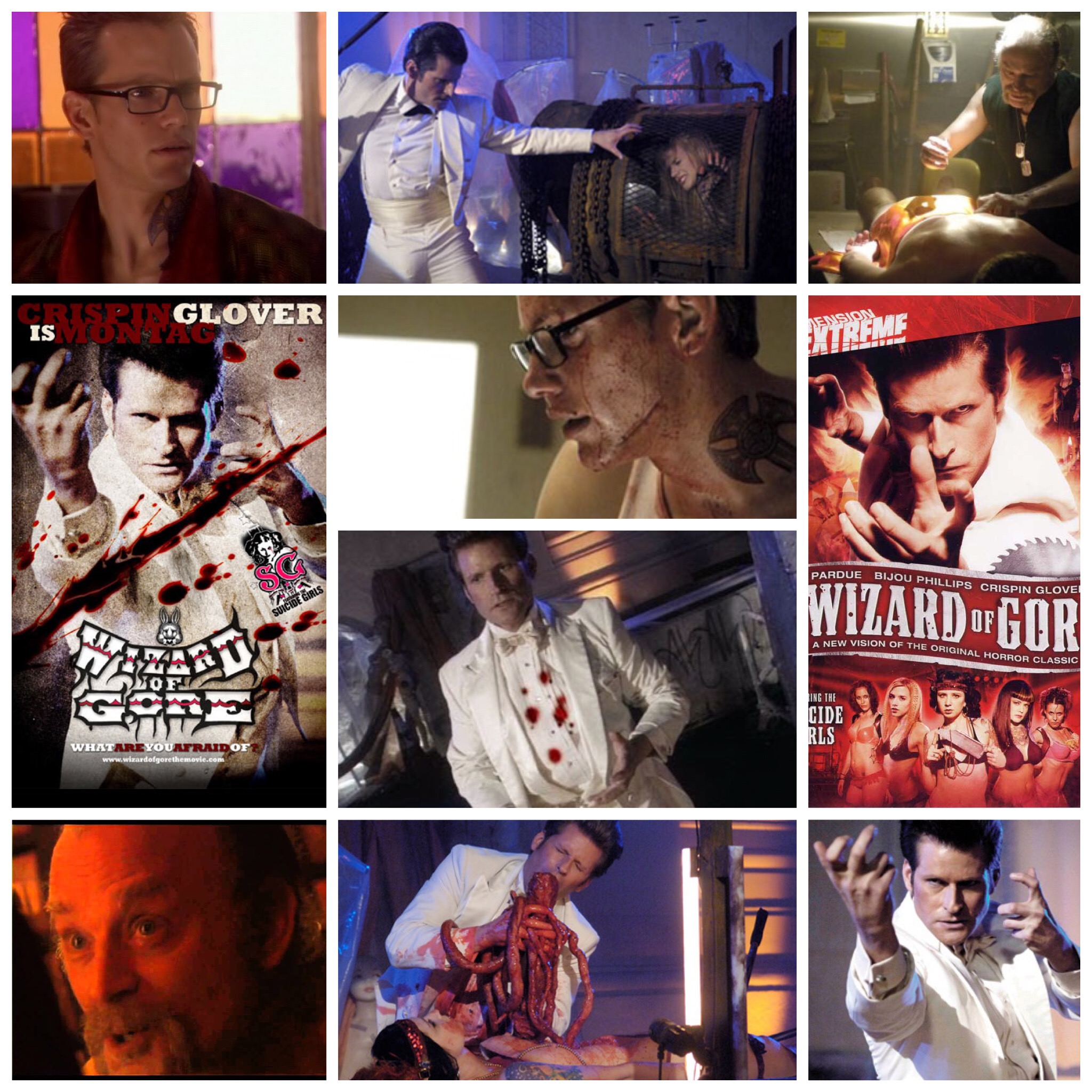
The Wizard Of Gore


The Wizard Of Gore is an inspired little oddball of a flick, based on an obscure oldie that I’ve never seen, but the absurdity of Crispin Glover as a psychotically evil pseudo Vegas showman is worth the price of admission alone. I’ve not a clue what the original film’s plot is, but here we find Kip Pardue as some private detective, trying to make heads or tails out of Montag The Magnificent (Glover), who uses a combination of dark magic and dodgy airborne pharmaceuticals to trick his audiences into thinking he’s dismembered assistants body’s onstage, for real. Tricks of the trade, right? Sure, only problem is there’s girls turning up dead for real, and the trail leads right back to this spindly, well dressed agent of evil in magician’s clothing. I thought it was pretty cool, especially the slick production design and actual effort put into a plot with more tricks up it’s sleeve than Criss Angel. Not too mention some jarring gore, which of course the title more than suggests. Brad Dourif, who you may have guessed by now is a favourite of mine, appears as an Asian man named Dr. Chong, with creepy ties to whatever magic is being used in the murders. That’s right. Brad Dourif. As an oriental man. I laughed hard, especially since nothing about his appearance or costume is remotely of the orient. Throw in appearances from various cutie pie pinup girls from the Suicide Girls troupe, and you’ve got something memorable indeed. Check er’ out. 
-Nate Hill 

B Movie Glory: Mark Young’s Southern Gothic

A disgraced nightclub bouncer faces off against a psychotic zealot vampire preacher. Quite a crazed concept ripe for hyperactive exploitation thrills, and yet Southern Gothic plays it pretty low key and laconic, for the most part anyway. Moody where other films would have been brash, it’s a nice atmosphere piece with gore galore and a gonzo central performance from William Forsythe as Enoch Pitt, a man of the lord who has strayed from the path. Bitten by a vampire, the already sleazy Pitt turns into a full on monster, tearing up the small Deep South town of Redemption and building an army of the undead. Hazel Fortune (Yul Vasquez) is traumatized and broken by the death of his young daughter, until he meets young Hope (Emily Catherine Young), who crosses Pitt’s vision and finds herself in mortal danger. This puts the two men on a vengeful collision course of blood, retribution and carnage. Ok, so I’ve made it sound a little more epic than it actually is, but that’s more or less how it goes down. Energetic it ain’t, more of a slow burn than anything else. Firmly rooted in B-movie territory in terms of both budget and script, but entertaining and distinctly flavoured nonetheless. Vasquez is moody and four, but dangerous when he needs to be. Forsythe, as usual, is the acting equivalent to a junkyard bulldog let off the chain, chewing scenery faster than he can munch carotid arteries, and loving every campy, frightening minute of it. Not the cream of the horror crop per sé, but reasonable enough Saturday night horror background noise fodder. 

-Nate Hill

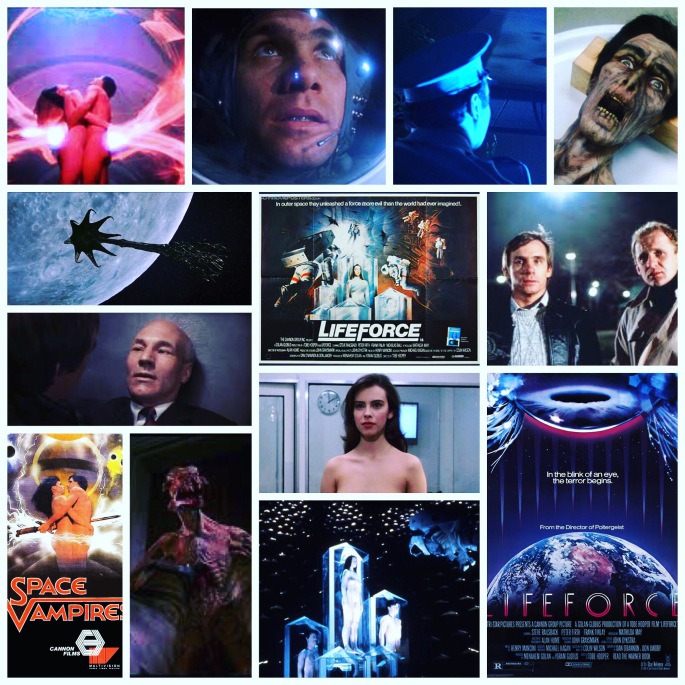
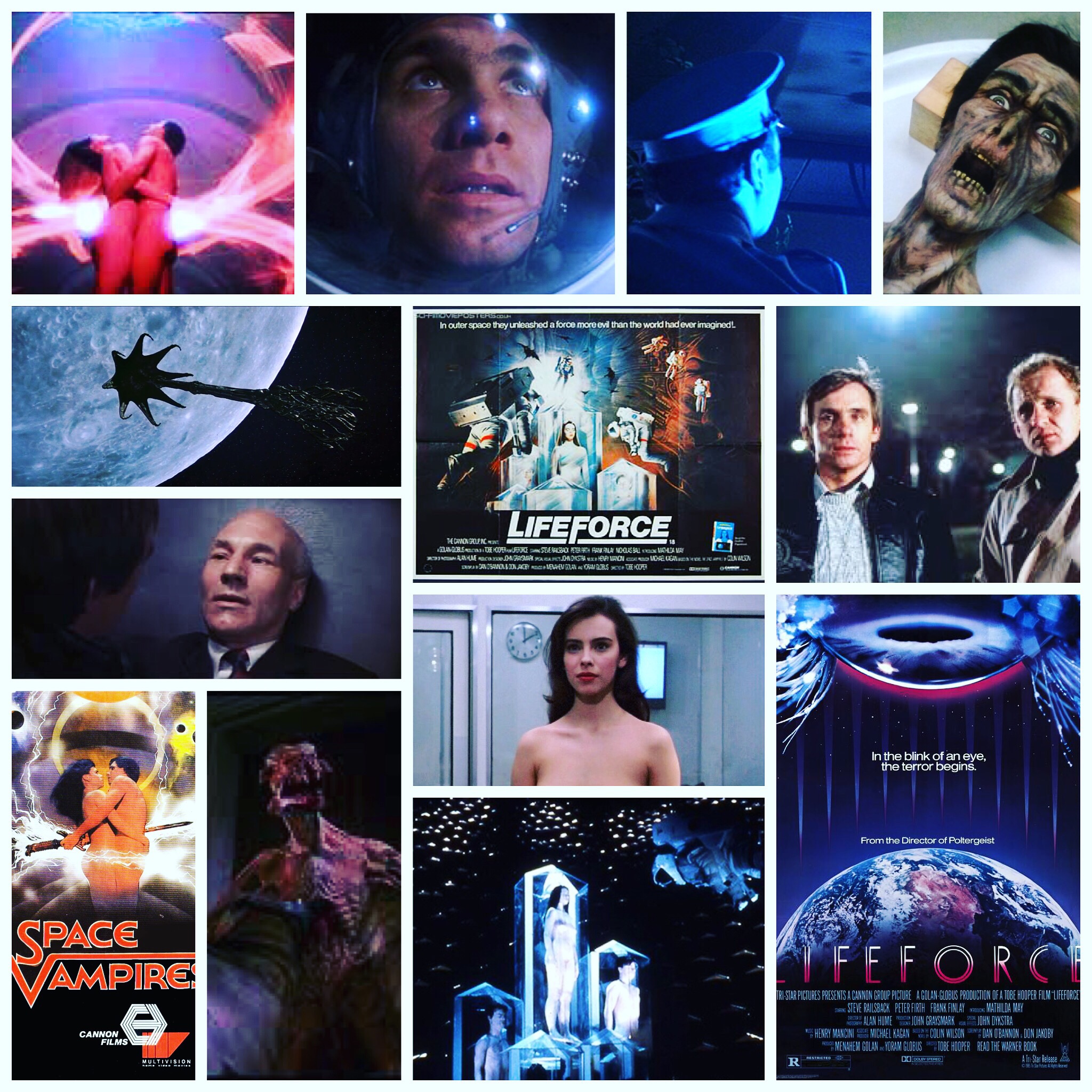
Tobe Hooper’s Lifeforce

Tobe Hooper’s Lifeforce is the most dementedly unique horror SciFi mashup you’ll get. Based on a novel that’s literally titled ‘The Space Vampires’, the film is exactly that and more. It’s so out of it’s mind that at a certain point you have to surrender and bask in it, and grab the sides of the cart as it veers between all kinds of increasingly bonkers plot points. When a strange, rice kernel shaped object shows up in earth’s atmosphere, a team of exploratory astronauts led by intrepid Steve Railsback goes on up to investigate. What they find up there eclipses any weirdness aboard the Nostromo, Millennium Falcon or Event Horizon. Intergalactic vampires lie in creepy cryo suspension, just waiting for unlucky hosts to come along. Soon they’re exposed to earth and it’s a gory mad dash all over London to stope them from turning every earthling into zombies. Yes, that’s actually the plot, and despite how it sounds on paper, they really make it work. That’s mostly thanks to the screen shattering, ridiculously good special effects, especially in the opening aboard the alien’s strange, baroque vessel which is one of the most otherworldly and atmospheric sequences in any horror film ever. Once the action shifts back to earth it’s a pure shit show and near comedy of errors, with Railsback’s frenzied cosmonaut teaming up with a peppy British intelligence agent (Peter Firth), and even Patrick Stewart comes out to play as some vague scientific bro. There’s boundless imagination at work here, carried by sheer movie magic to contribute lasting, impressive images and create an entirely unique horror experience. Plus, how could a flick about space vampires not be amazing (we will not speak of Dracula 3000). A sci-Fi horror classic, an under-sung jewel of visual flights of fancy and practical effects laden nightmares.  

-Nate Hill

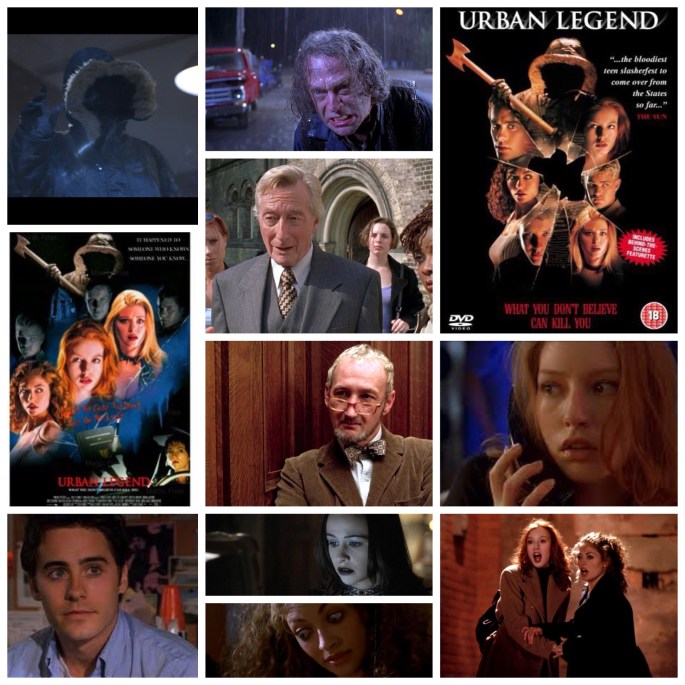
Urban Legend

Urban Legend is pretty much like Scream, but a lot less meta and a bit more atmosphere, unfolding as you’d expect it to, with a group of college kids getting killed in bizarre circumstances that all relate to half whispered local myths. One of their professors is Freddy Krueger himself, Robert Englund, and who better to lay down the tongue in cheek groundwork than such a familiar face and expressive, dynamic presence like him. Looking back on this it’s fairly shocking how terrific of a cast it has and how it’s been mostly forgotten in the annals of slasher archives. Jared Leto, Alicia Witt, Rebecca Gayheart, Joshua Jackson, Tara Reid, Natasha Gregson Warner and Danielle Harris headline as the varied campus rats, with Harris a standout as the obnoxious bitchy goth stereotype, far from her timid Jamie Lloyd in the Halloween films. There’s a prologue cameo from horror vet Brad Dourif as well as appearances from Loretta Devine, Julian Richings, Michael Rosenbaum and a priceless John Neville, getting all the best lines as the college’s salty Dean. The kills are all done in high 90’s style, the story takes a Scream-esque twisty turn in the third act and as far as atmosphere goes, it pretty much outdoes the ol’ ghostface franchise. Spooky good time. 

-Nate Hill

Pet Cemetary II


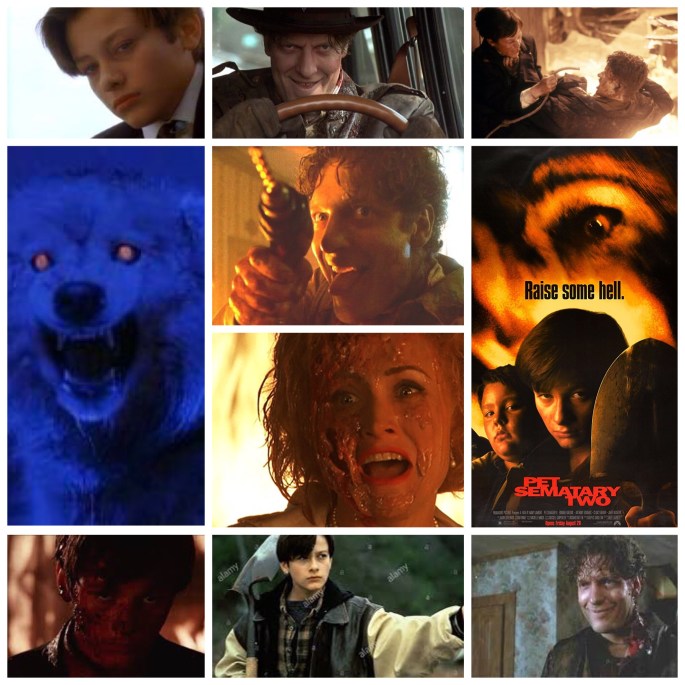
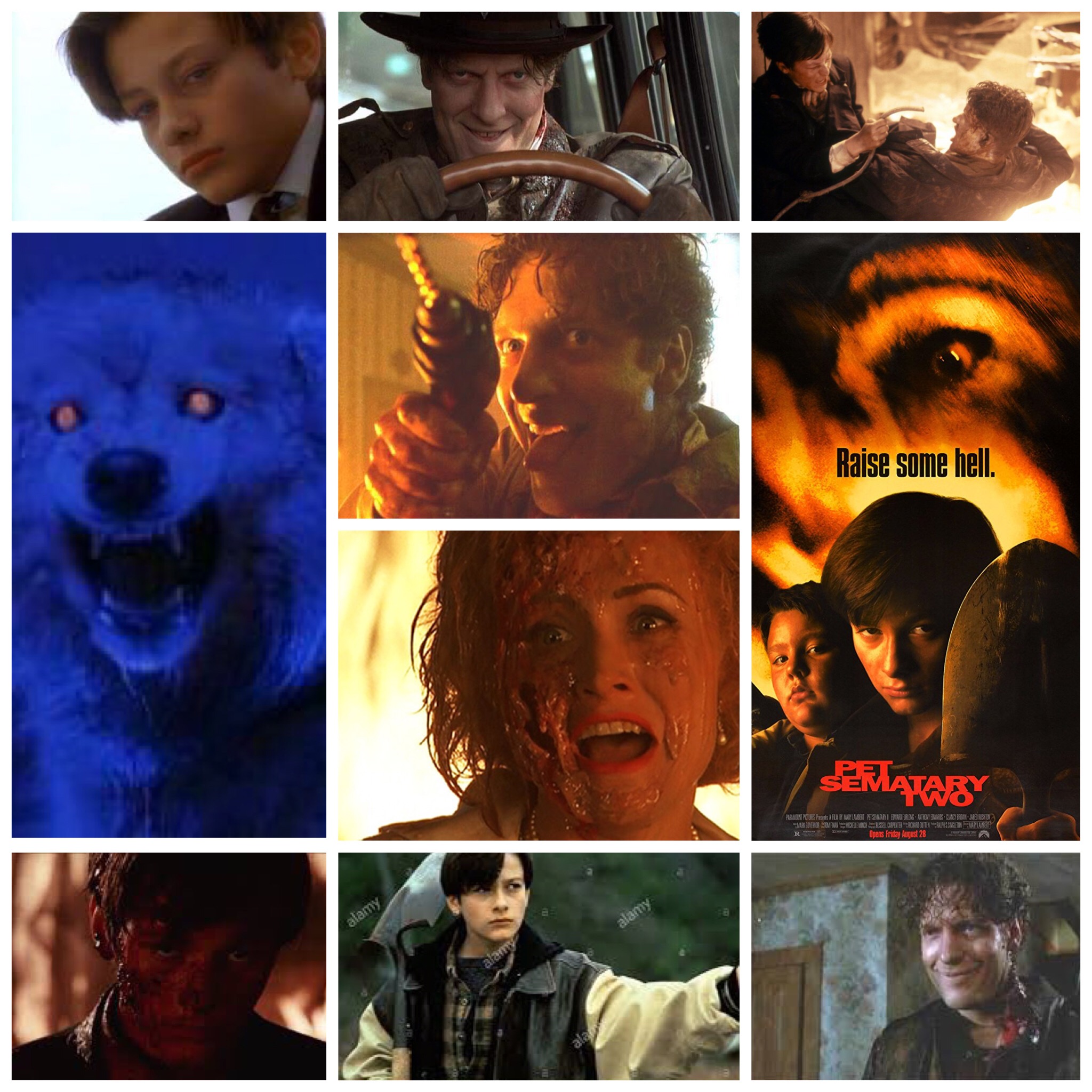
Pet Cemetery II never gets much love or accolades, and while the first isn’t a bad effort, the sequel kind of blows it out of the water by being just bonkers crazy in general. Edward ‘John Connor’ Furlong plays an unfortunate youngster who stumbles into the same macabre Indian burial ground, causing all manner of havoc in his small town. The real asset the film has is actor Clancy Brown, a huge talent who has an utter ball as Sheriff Gus Gilbert, a nasty prick who gets much worse when some ghostly entity takes up residence inside him and stirs shit up. Imagine the farmer with the alien in him from the first Men In Black only more scarily rambunctious and you’ll have some idea. Brown’s performance is a deranged opus of physical comedy and hyped up lunacy. “ Why did you dig up my mom’s body?” asks his bewildered stepson (Jason McGuire) “Because I wanted to fuck her!!” growls Clancy in retort. Such is the demented level of dark comedy that gets served up alongside the gore, which in itself is plentiful as well. It’s a sequel and as such isn’t based on a Stephen King book like the first, but it still manages to finds a writing groove and gruesome set pieces, including a spectacularly ooey gooey third act. Cool stuff.
-Nate Hill

Stephen King’s Gerald’s Game


Stephen King’s Gerald’s Game is exactly what horror/thrillers should aspire to be: devilishly well written, engagingly acted, crisply directed and scary enough to wake the dead. Presented on the Netflix platform with their trademark lack of marketing (they tend to hurl out content willy nilly, sans fanfare), it’s just shown up and is already one of the best horror films I’ve seen all year. Carla Gugino and Bruce Greenwood give encore performances and the best work of their careers as a couple who make their way to a cottage in the country, trying to spice up the ol’ marriage. When Brucie has a nice heart attack mid-foreplay (he popped a few of those magic blue pills), Carla is stuck handcuffed to the bed in the middle of nowhere, with no one for company except a mangy stray dog that begins to take chunks out of dead Bruce. So begins a fiercely internal, visceral psychological survival story, a brutal chamber piece that delves into her twisted childhood, troubled marriage and churns forth a tale to curl the pain on the cabin walls. There’s hallucinations, inner monologues, squirm-inducing gore, elliptical mind games and a pseudo-twist ending that had me shuddering into the couch. Gugino has never been more intense, believable or varied in her work, turning this character into something potent and tangible, bringing her past trauma and fight for survival to screaming life. Greenwood is smart, witty and so darkly funny it’s tough now to picture him as the stoic, emotionally shut off archetype he usually has embodied before this film. Additional work from ET’s now eerily grown up Henry Thomas and Twin Peak’s ginormous Carel Stryucken (terrifying here) adds class and distinction. The show belongs to Carla and Bruce, and what a show they put on, feasting on the rich, textured dialogue and playing sandbox in the story that uses depth, character and genuine menace to lasso us right in. In a year that’s seen at least one King novel unforgivably bastardized, and one other given the solid yet flawed and incomplete treatment, it’s reassuring to find one that comes up pretty much perfect in every way. Kudos to Netflix, the two leads and everyone else involved. 
-Nate Hill

B Movie Glory: Stephen Norrington’s Death Machine 

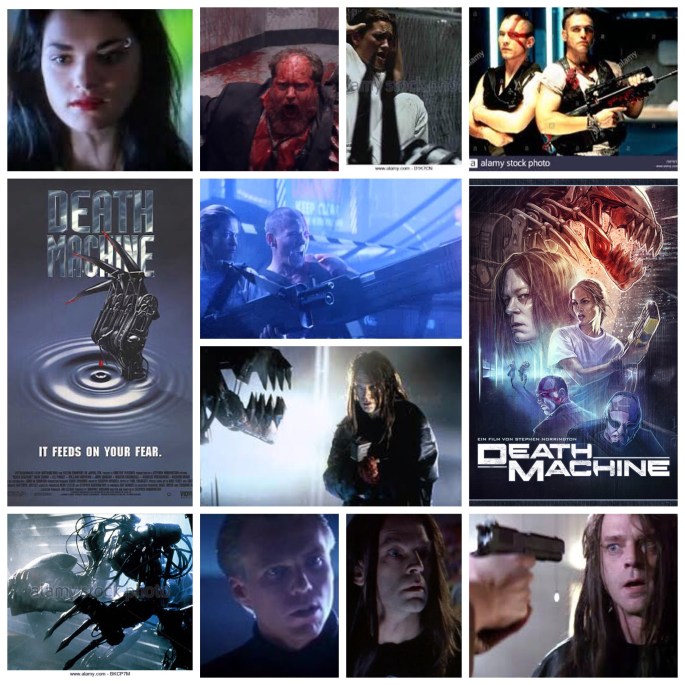
Stephen Norrington’s Death Machine whips up a knowing, near meta grind-house schlocker that harvests names, ideas and actors from other well know horror classics and churns out a wonderful little pastiche that’s clearly in love with every project influencing it, as well as the genre. In a giant m, imposing corporate high rise, the collective minds of future tech enterprise brainstorm the next best thing, but all of the are bested by creepy, psychotic designer Jack Dante (Brad Dourif) an antisocial lunatic who has designed an appropriately razor-adorned monster equipped with cunning AI, primed to tear the building, and everyone in it, to shreds. This includes the looney board of directors who all bear names lovingly similar to that of various creative minds in the horror/sci-Fi industry. Scott Ridley (The always maniacal Richard Brake), Sam Raimi (The Machinist’s master of everything unsettling, John Sharian) John Carpenter (William Hootkins) and even a pair of characters called Weyland and Yutani, all references are here and they’re not subtle whatsoever, part of the film’s charm. Dourif’s moniker is no doubt based on Gremlin’s pioneer Joe Dante, and speaking of Brad, he’s a flat out beastly delight as he turns loose a mechanical nightmare of a creation for all to be sloppily slaughtered by at some point. Bureaucracy is lampooned between decapitations and corn syrup gore, the film is never short of dark humour to garnish it’s violent pandemonium. The film is displayed a lot like Alien, and the creature itself looks not unlike a bionic xenomorph with the ability to change into all sorts of elaborate shapes, all the better to hunt you down through the tight crawl spaces and narrow ducts that made up most of 1989’s cinematic architecture. Director Norrington would go on to make his own horror classic in 1998’s Blade, and here he earns his stripes as both a vetted disciple of the genre and a thrifty low budget wizard. Watch out for Rachel Weiss, of all people, as a random board member who’s seen briefly. A howlin’ good time. 

-Nate Hill

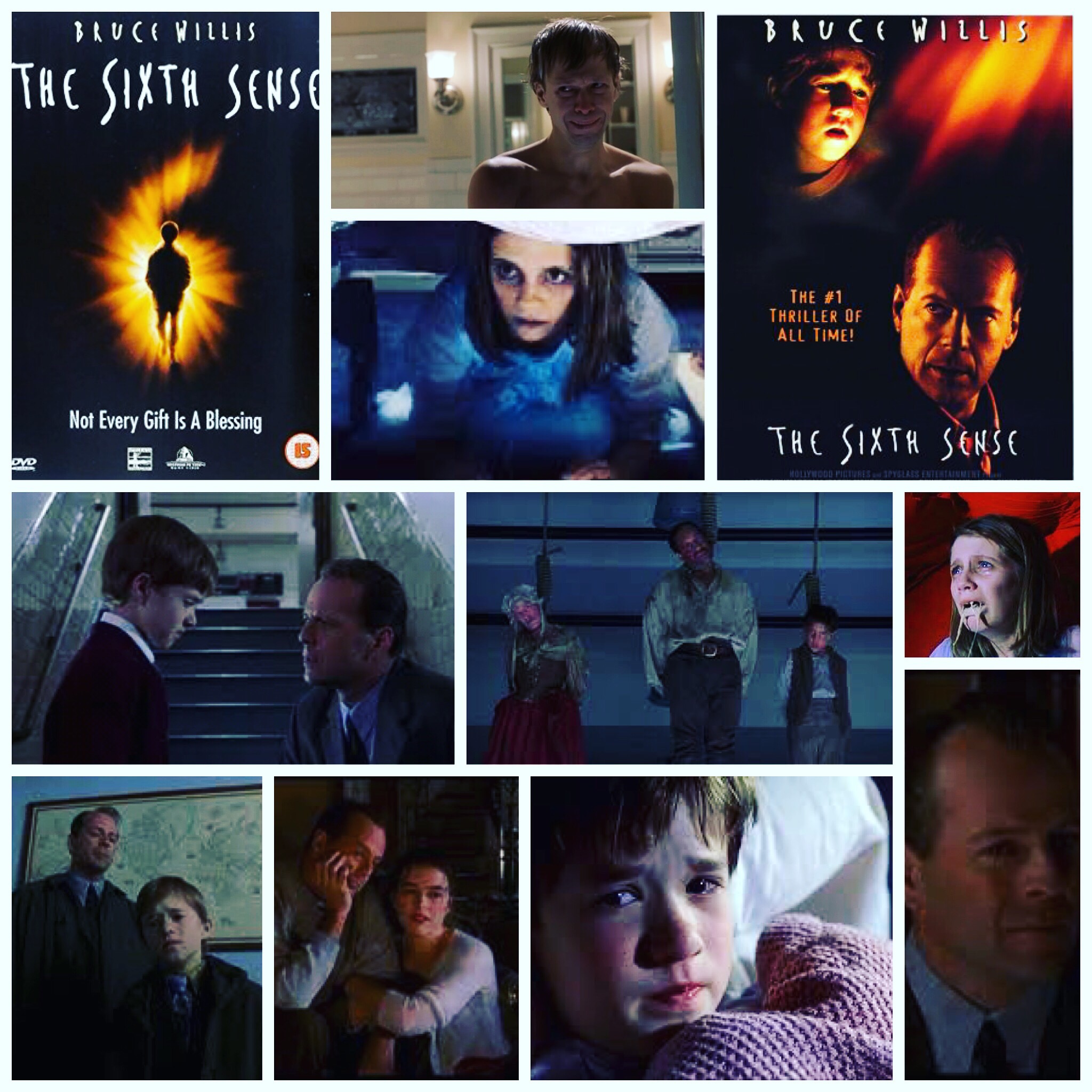
M. Night Shyamalan’s The Sixth Sense

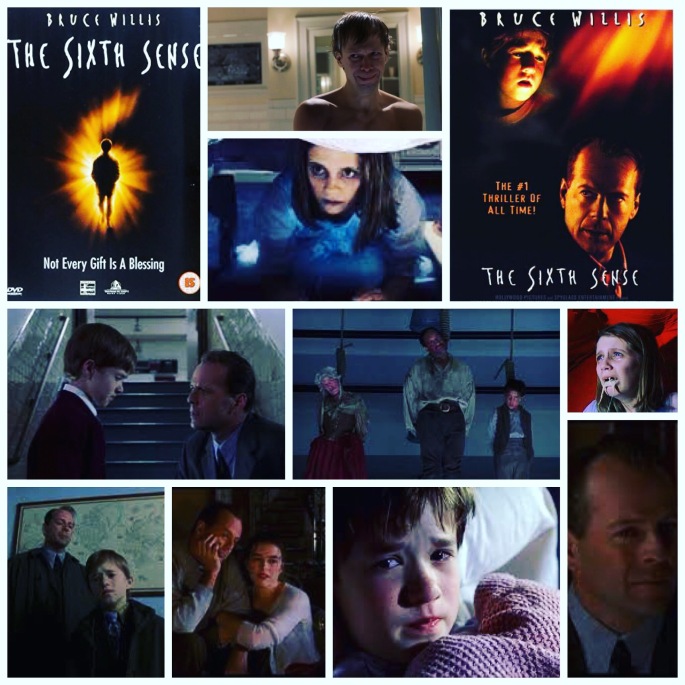
M. Night Shyamalan’s The Sixth Sense produces the kind of rarely attained fear that we always seek out in this genre, that creeping cold dread that has you clammy and your nerves jagged, where you know you’ll be looking over your shoulder as you walk down the dark hallway to your room later that night. That’s the best kind to me, stemming from well made, atmospheric ghost stories as opposed to all this gore-hound nonsense you see these days (can you believe they’re making another fucking Saw flick? Actually from a dollar sign perspective I can, but still). This one is a veritable haunted house of apparitions and phantasms, all witnessed by a disturbed Haley Joel Osment, who would look even more worried if he could see himself now as a twenty-something walking play-dough potato. He can see dead people, as he intensely whispers to Bruce Willis’s lonely child psychologist in the film’s now showcase moment, and not all of them like to keep their distance. Willis is traumatized from a tragedy years before involving an unstable former patient (Donnie Whalberg), and treads hesitantly with this new kid. A bond is formed, however, and with it comes the desire to help. The frequent paranormal sightings range from grisly, bemusing, shocking, tragic and often downright terrifying, especially one involving a very young, gaunt Mischa Barton invading a couch fort Osment has made to try and get some peace and quiet. The plot is carefully composed and directed by Shyamalan in a magician behind the curtain fashion, the veil gradually drawn with every beat until we’re presented with a staggering twist ending that has become legend since the film’s release back in the days before such a conclusion could be found in every fourth title on the thriller shelf of Blockbuster. Such is the power of storytelling though, and the potency of innovation to inspire others. It’s also great fun to watch the film multiple times and spot the breadcrumb trail of clues leading towards the outcome, clues that you wouldn’t have picked up on before. Along with Barton, who is terrific, there’s nice work from Toni Colette, Trevor Morgan, Kadee Strickland and Olivia Williams as well. You may know the ending even if you haven’t seen the film before, as we do after all live in the age of spoilers, snitches and online hoo-hah, but there’s more to be had than the shock of that, it’s a mesmerizing journey there with a darkly enchanted aura from start to flabbergasting finish. Remains Shyamalan’s best to this day. 

-Nate Hill

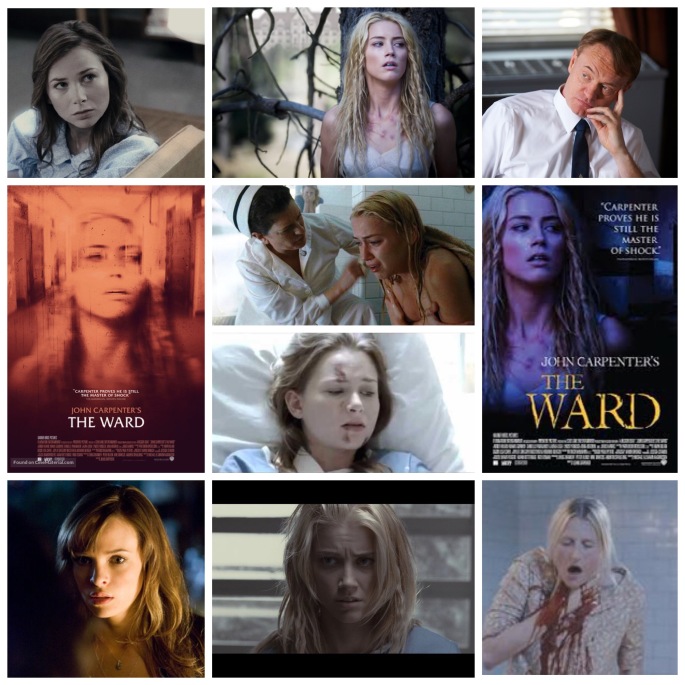
John Carpenter’s The Ward


John Carpenter’s The Ward isn’t a particularly remarkable film, and it’s certainly not a very scary one, but there are aspects that I really enjoyed, one of which being the excellent original score, which Carpenter actually didn’t compose himself, for once. The film gets off to a great eerie start with opening credits that are the most evocative sequence of the whole thing, leading into the tale of one seriously disturbed chick (Amber Heard) who finds herself in a whacko mental institution, plagued by the ghost of a restless former patient. A befuddled Doctor (Jared Harris) knows more than he let’s on, of course, and her fellow patients are similarly tormented by the phantom. Here’s the thing: it’s well plotted, acted and executed, save for one thing: it’s never scary. Not once do the hairs on the back of your neck stand to attention, and a horror film should have that. I loved the psychological sudoku of an ending, but even there there was no creep factor to be found. Her fellow patients all have parts to play, including Danielle Panabaker, Laura Leigh Claire, Mamie Gummer and a standout Mika Boorem who steals the show from Heard right in the final act. Works as a thriller, padded with atmosphere here and there, but could have done with a better dose of chills to sweeten the deal. 

-Nate Hill