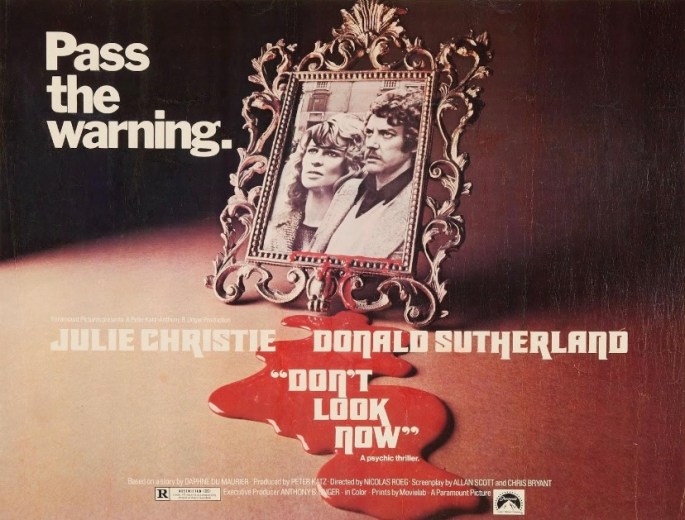
Nicholas Roeg’s Don’t Look Now

Nicholas Roeg’s Don’t Look Now is one continuous bad dream in the best possible way, a chilly European nightmare that begins with a couple (Donald Sutherland & Julie Christie) losing their young daughter in a drowning accident and the subsequent mental trauma, bad luck and eerie visions that plague them one year later as he works to restore a Venice church for a malevolent Bishop (Massimo Serato) who notices his strange behaviour and she refuses to let go, taking up with three odd clairvoyant sisters who can apparently communicate with the dead. This is a moody piece to its very bones, the story itself could be told in several clipped beats or so but the real substance lies in the moments in between dialogue, the spectral apparitions they see running about the cluttered, labyrinthine Venice streets and their collective inability to let go of their shared tragedy manifested in the physical realm as terrifying apparitions. We sense this pain lingering over them both in a sex scene that is too strange to describe, a montage of sorts that feels sweet and awkward and carnal in a primordial sort of way, like a Lite version of the ferocious, voodoo tinged Mickey Rourke & Lisa Bonet sex scene in Alan Parker’s Angel Heart, but no less unsettling and otherworldly. There’s a subplot about a serial killer in a little red jacket running loose, a jacket that looks suspiciously like the same one their kid was wearing when she drowned, which doesn’t help their overall mental state and provides one of the most frightening, heart attack inducing scenes I’ve ever seen in horror. Sutherland and Christie are both phenomenal here, the former adopting a feverish workaholic denial to avoid facing his pain and the latter stuck in a hyper-emotional terrain of manic and depressive episodes, hopeless hills and valleys of grief, confusion and despair. Venice has never looked more menacing here, the edifices, ancient structures and sentinel churches standing austere watch over these two lost souls, like a meticulously carved dream world of chilly fog, dead ends and kaleidoscopic stained glass backdrops. I can see why this has become such a classic and gone on to influence so many other great artists in horror pop culture, I can imagine everyone from David Lynch to the creators of Silent Hill were inspired. Dark, brooding, atmospheric meditation on loss and grief shot through the disorienting, beautiful and frighting prism of a ghost story, absolutely great film.

-Nate Hill

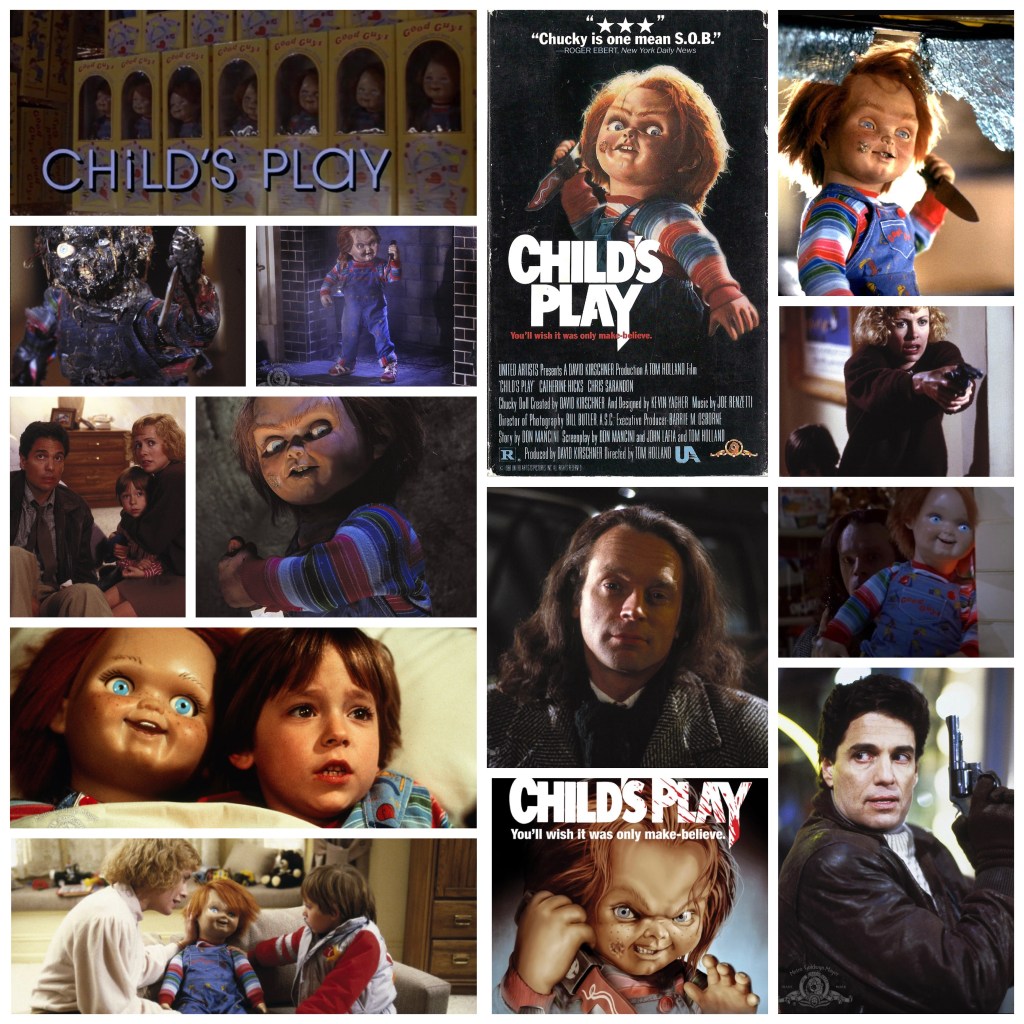
Tom Holland’s Child’s Play

So I’ve been marathoning the Chucky movies for the first time lately and oh my god what a balls out franchise. I’ll start with the first, Tom Holland’s Child’s Play from 1988, because this series starts out slowly, modestly and gradually builds to such a fever pitch extravaganza of meta goofiness and deranged, Joe Dante level lunacy it has me giddy. Everyone knows the story of the first by now: Chicago serial killer Charles Lee Ray (the inimitable, legendary Brad Dourif) is gunned down by a ferocious police detective (Chris Sarandon, always awesome) in a toy factory, but not before using dark voodoo to transfer his soul into a Good Guy doll, which runs about the city on a murderous rampage, eventually finding his way to the home of young Andy (Alex Vincent, adorable), where he proceeds to make life hell for him and his mom (Catherine Hicks). Dourif is key to what makes this character work so well that we’ve gotten as many sequels as we have, I’ve rarely seen an actor do more with his voice, give more dimension, dark humour and genuine malice from behind a recording booth, but this is Dourif we’re talking about after all, this man can pretty much do anything. The first film is a great introduction into the franchise, a series that if anything gets better and better with each sequel, which is really rare in horror but sometimes does happen. The film benefits from Sarandon who is always a rugged, charismatic presence, switching up his evil vampire character in director Tom Holland’s other seminal horror classic Fright Night for a good guy role here, albeit one that’s very rough around the edges, and better for it. It’s fun watching him square off against Chucky and there is one hell of a fiery climax complete with ooey-gooey melting/burning plastic effects and a tirade of madness from the doll and Dourif that is genuinely scary, as far as killer dolls go. Stay tuned for my thoughts on each and every film in this franchise, because they are all gems, and you don’t often get that level of consistency and improvement on quality in slasher franchises.

-Nate Hill

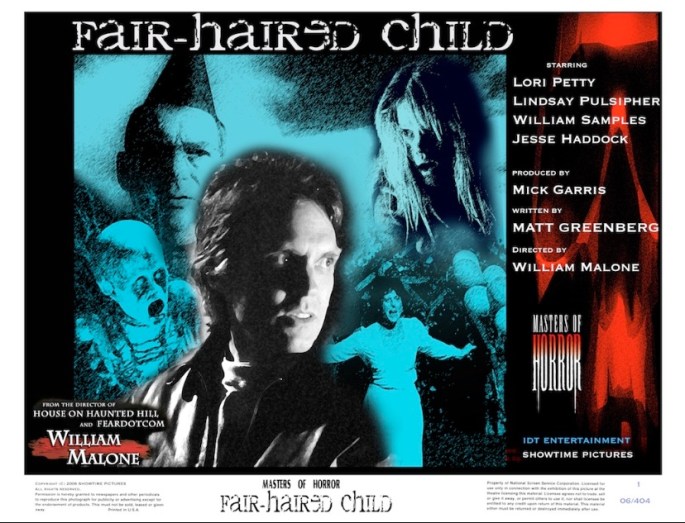
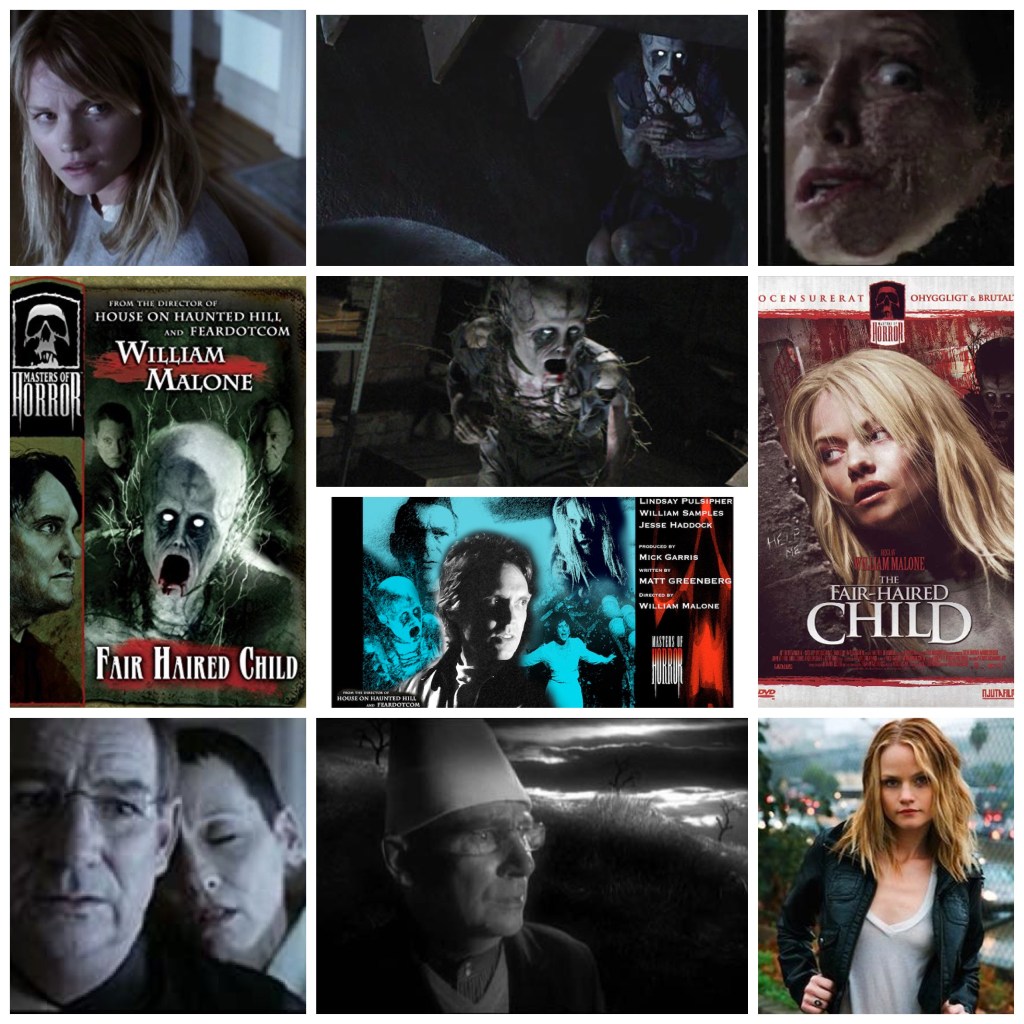
William Malone’s The Fair Haired Child

William Malone’s The Fair Haired Child is part of Showtime’s Masters Of Horror series from the early 2000’s, a brilliant compendium of voices in the genre gathering to spin spooky yarns in a fashion that feels episodic yet still standalone, the best form of horror anthology. Malone is a severely underrated horror filmmaker whose praises I have been singing for a long time; most know him as the dude who directed the House On Haunted Hill remake and FearDotCom, two films not held in high regard (I deeply love them both). Yet if you examine his career and really pay attention to the level of visual artistry and stark surrealism in those two films as well as two episodes of Tales From The Crypt he helmed in the 90’s, it becomes clear that he is a horror filmmaker and visual poet who is as much in control of a specific vision, style and tone as are the best atmospheric wizards in the genre like Argento and Lynch. I’m pleased he was included in the Masters Of Horror run and his effort here is terrific, a pitch dark, nightmarish fairytale that accommodates all his stylistic flourishes and hallmarks including pale, subconsciously influenced dream sequences and ghosts with horrifyingly staccato, eerily displaced body movement. His story here concerns a creepy couple (William Samples & the always awesome Lori Petty) who kidnap a high school girl (Lindsay Pulsipher) from a nearby county to use her in a sacrificial ritual they are performing with dark magic, offering up souls to a strange demon to bring back their son who drowned years earlier. Locked in a spooky basement, she finds she’s not alone down there as the couple’s half resurrected kid (Jesse Haddock) does his best to help her when he’s normal and becomes a terrifying otherworldly creature when he’s not. It’s a great setup for some hair raising suspense, punctuated nicely with flashbacks and dreams that tell the rest of their collective backstory. Now this has a runtime of 55 minutes and is part of the tv series so it doesn’t feel as singular or immersive a vision as Malone’s features, but the off kilter style and bizarre visual abstraction are still present, making for quite the unnerving experience. I’d recommend checking out his filmography overall if you like straightforward horror stories told by someone whose artistic methods and visual sensibilities are anything but routine or straightforward, and I’d recommend Masters Of Horror on the whole, if you can find each episode’s standalone dvd release which is how they distributed them.

-Nate Hill

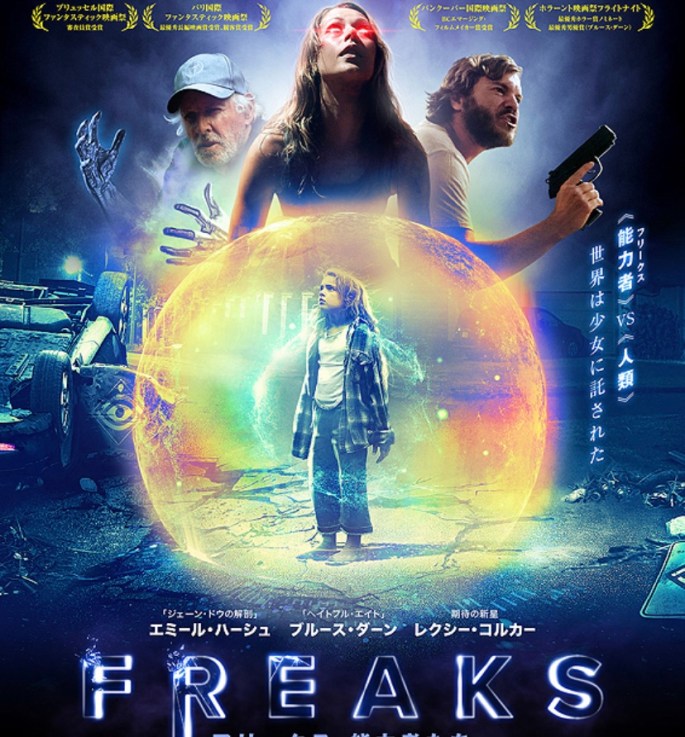
Freaks (2018)

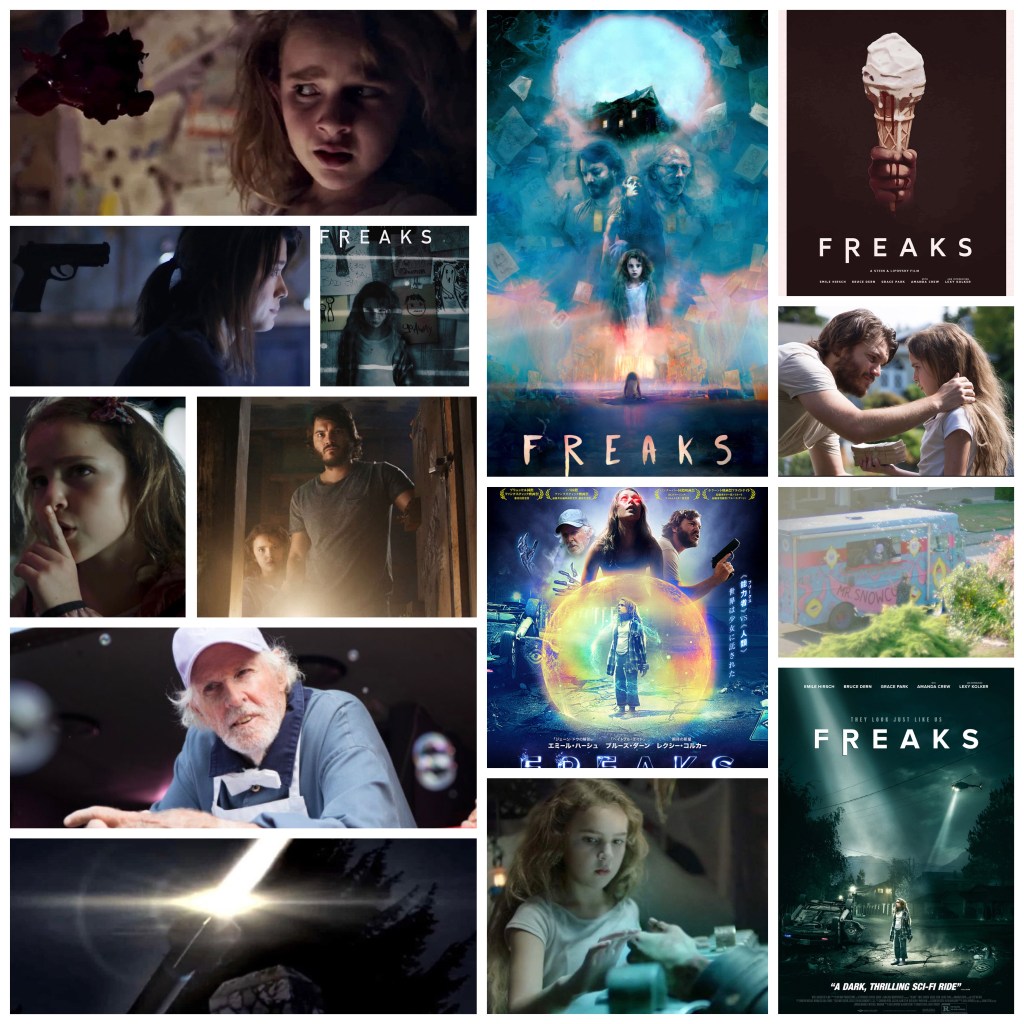
Freaks is… something, to say the least. I don’t think I understood every law of nature, paranormal phenomena or mutant related plot point in this narratively nebulous, kaleidoscopic and brazenly unique indie SciFi effort but I can tell you this might be one of the most ambitious things ever attempted with a lower budget, like if a young Chris Nolan did an X Men film with the first signs of his playing with time, space and physics in full blossom. The story tells of a young girl (Lexy Kolker) who has spent the first seven years or so of her life in a strange, dilapidated Vancouver house with her paranoid, protective father (Emilie Hirsch). He keeps her there and tells her of a dangerous world out there that they must not venture out into, for fear of sinister forces that want to hurt them. As she gets older her curiosity coupled with bizarre dreams prompt her to evade his efforts and leave the house, where she finds a threatening world in which her kind are hunted and prosecuted, while a mysterious, benevolent ice cream truck driver (Bruce Dern) who seems to know she is tries his best to help her. That’s only the first ten minutes or so I’ve described and only the tip of a very complex, indescribably reality bending puzzle box of a story that I feel like I’d have to watch at least a half dozen times to properly work out in my THC scorched brain. It concerns a form of time travel, clandestine government agents, harvesting brain material, brain stimulated altered visual perception, multigenerational family ties and how they affect genetic abilities and a plot line that defies the laws of time, space, nature and the act of screenwriting itself. I can’t help but think what they would have wrought here with a blockbuster level budget but I also ponder if that might gloss over the scrappy, lo-fi, boundless charm and careening creativity to be found here. Kolker is a phenomenal young actress and you feel believably alongside her protagonist every step of the way through danger, confusion and self discovery. Hirsch, relegated to fascinating work since his fall from A-list grace, is wonderfully haggard and intense here while Dern is his usual excellent, scene stealing, salt of the earth old self. They’re supported by a host of others including Amanda Crew and Grace Park as a ruthlessly efficient agent. I can’t say I understood the whole thing or was able to follow the multiple crisscrossing story threads entirely but they weave together a tapestry that has to be seen to be believed, and is one impressive effort overall.

-Nate Hill

Intruders (2011)

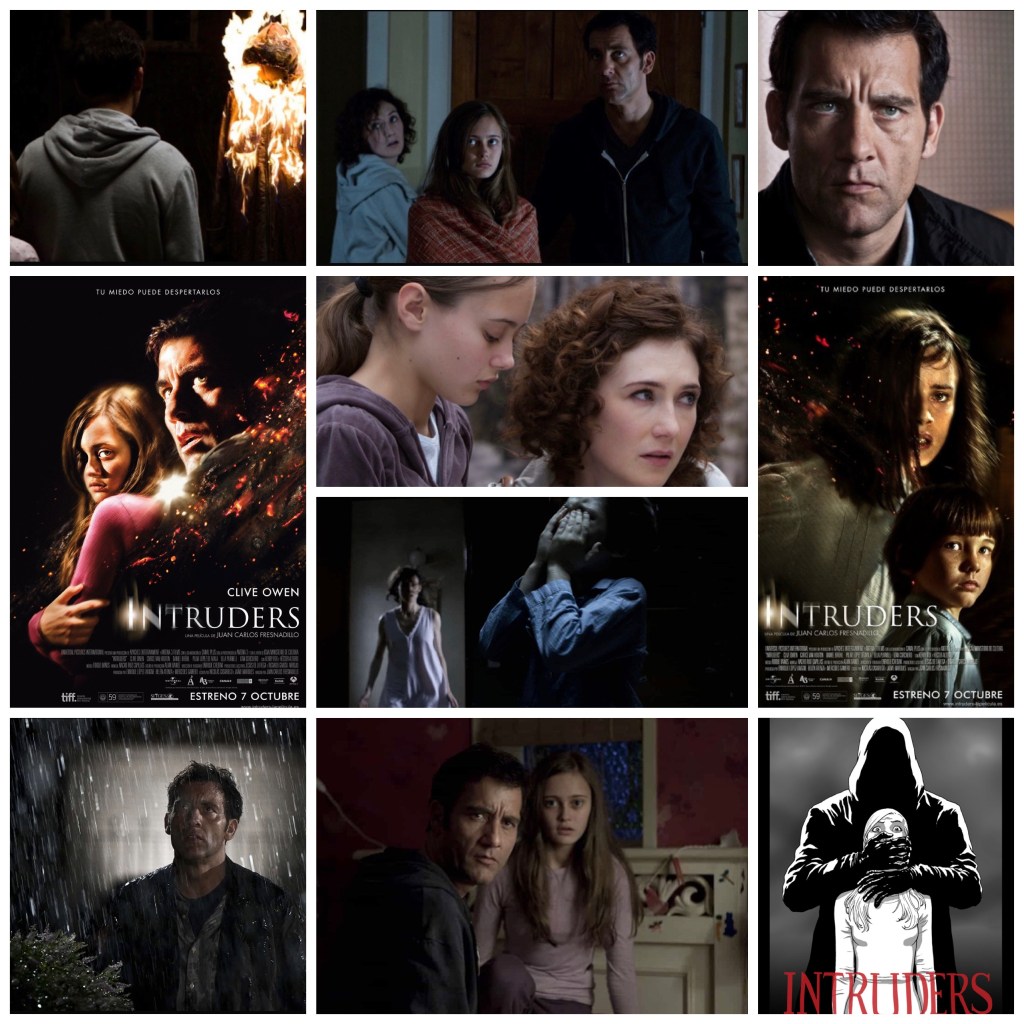
The word Intruders can mean a lot of things, it’s a nice title for a film that gets a lot more ambiguous than it’s standard horror vibe may put out. Here ‘intruders’ on the surface level refers to a faceless marauding monster that terrorizes two children at night by showing up in their bedrooms, but curiously they are in completely different regions, one a girl (Ella Purnell) in London and the other a boy (Izán Corchero) somewhere far away in Spain. What is this evil cloaked figure, where does it come from, why does it only torment these poor kids and what’s the connection between them? These are questions with answers that lie like dark secrets within this shadowy, challenging narrative and I was pleased to note that this is anything but a routine monster/ghost story and has some disturbing, sad revelations that are hard to see coming. The boy in Spain wrestles with this demon as his mother (Pilar Lopez De Alaya) confers with a concerned local priest (Daniel Bruhl) about the situation. Over in London the young girl’s mother (Carice Van Houten) and father (Clive Owen) grow increasingly hopeless and desperate as this thing won’t stop showing up in their daughter’s bedroom and her mental state gets worse and worse. In this case the word ‘Intruders’ sort of means memories more than anything else, decades old trauma passed from one generation to the next until it’s somehow resolved and the monsters can be put to rest. I like the two different locations, bustling metropolitan London and creaky, eerie rural Spain juxtapose nicely while the multinational, eclectic cast are all fantastic with Owen a standout in the film’s key role. It’s a great script with some truly unsettling fright sequences, a twist ending that I dare you to guess even a few minutes ahead of time and some emotional catharsis in the third act that hits home, hard. Highly recommended.

-Nate Hill

Abel Ferrara’s The Addiction

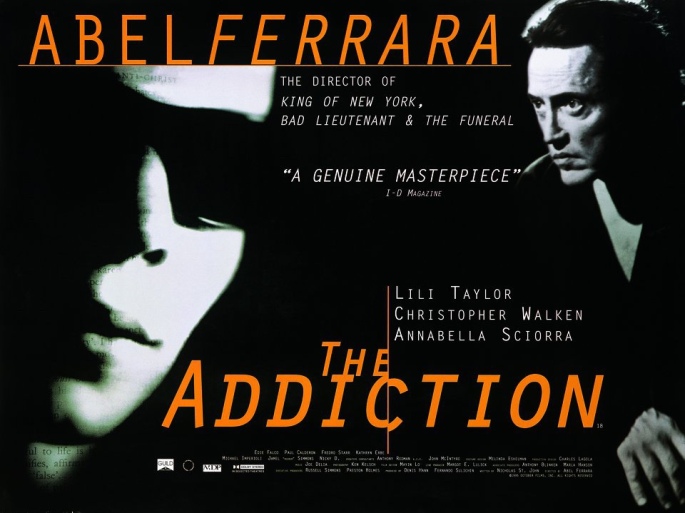
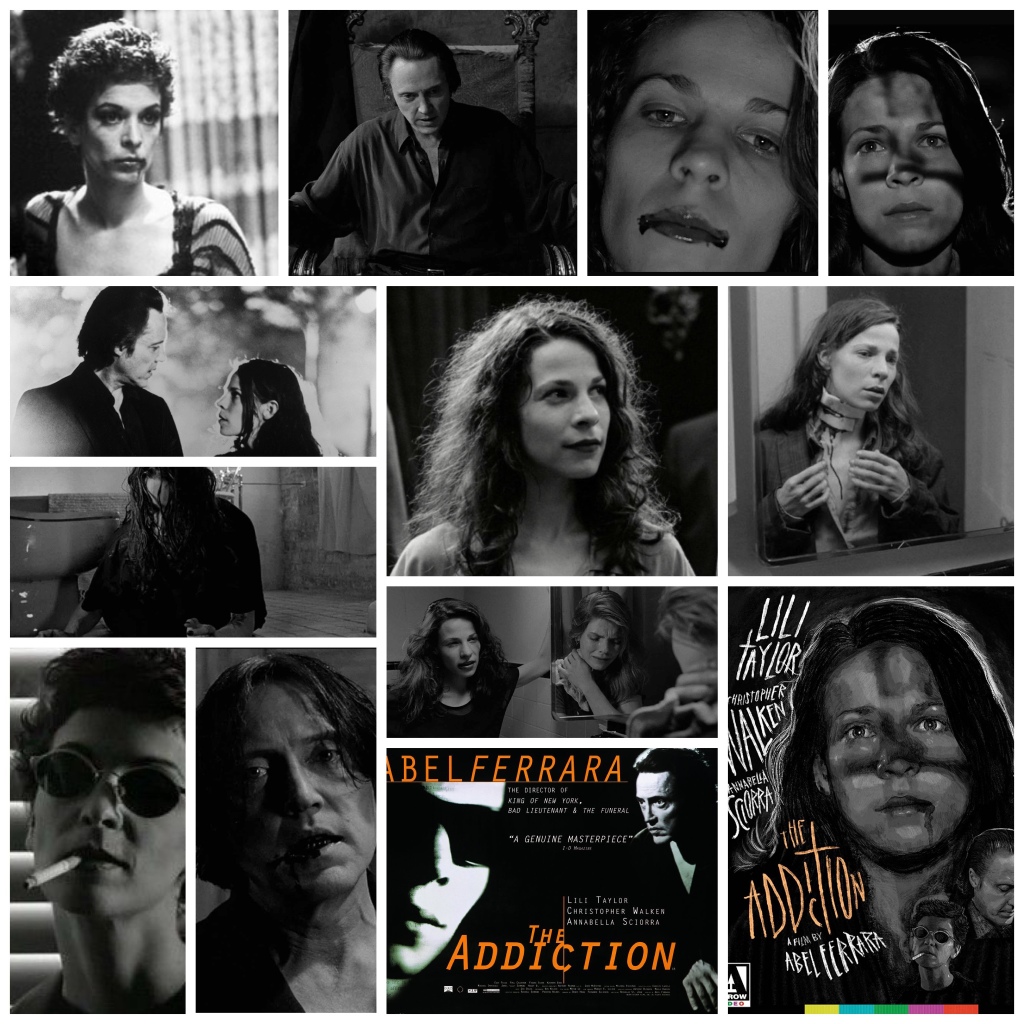
Abel Ferrara’s The Addiction isn’t your typical vampire film, which fits his groove because I’ve always considered his work to be full of genre films that secretly dream of arthouse ambition and can’t really be caged into a one sentence log-line or classification. This has the look and feel of something akin to Jim Jarmusch’s work, a laidback, atmospheric New York City story shot in beautiful black and white tones by cinematographer Ken Kelsch, visual poetry that looks magnificent on the Arrow Blu Ray transfer which can be viewed streaming on Shudder. The film stars Lili Taylor as a philosophy major learning all about the monstrosities that humans are capable of, when she runs into a monster herself in the form of deadly vampire Casanova (the great Annabella Sciorra), who drags her into a dark alleyway one night and bites her in the neck. From there she must come to terms with the changes happening in her body and soul, the need to feed on other humans and what it means to transition from one being into a different creature of the night. The film shirks usual vampire lore and motifs for something denser, more philosophical and intellectually prickly in terms of theme, which sometimes went a bit above my head but it’s obvious that Ferrara is fascinated by the ideas of guilt, penance and absolution rooted in catholic faith, and it’s fascinating to see him explore these things through the stark prism of a vampire story. He always surrounds himself with fascinating and wonderful actors too, like Taylor has spent her career doing curious work that’s hard to pin her down by in any one arena, much like Abel himself, and she’s terrific here, with an arc of existential curiosity that is slowly metamorphosing into deep fear of the inner machinations of nature and the soul. The cast here is terrific, with Sciorra doing a dark, vicious turn and other excellent work from Paul Calderon, Edie Falco, Michael Imperioli, Kathryn Erbe and a spectral Christopher Walken as another vampire she runs into by chance, who briefly and cryptically mentors her on the ways of the night. It won’t be for everyone because it contains none of the sweeping grandeur and baroque romanticism that many are used to and expect from their vampire films, but the thick, cerebrally frictional themes, moody visual palette full of shadows, smoke and concrete and the offbeat, dangerous style were very impressive to me. Streaming now on Shudder.

-Nate Hill

Brian De Palma’s Domino

I expected something mediocre from Brian De Palma’s Domino given the overall reputation, but I think people are just comparing it to his legendary pantheon of influential films because, for the most part, this is one intensely exciting crackerjack thriller. It sees Copenhagen detective Nicolaj Coster-Waldau joining forces with former Game Of Thrones costar Carice Van Houton to avenge the death of his partner, murdered by a known terrorism affiliate (Eriq Ebouaney). The problem is this guy is on CIA payroll and pretty soon his handler (a smarmy, scene stealing Guy Pearce) scoops him up for some other covert games in North Africa, forcing the pair to go rogue in order to both kill him and stop another impending terrorist attack. Now the film isn’t perfect, there’s a humdrum midsection where not much happens beyond people talking, planning, going through subplot motions and running about. But that weaker part is bookended by the absolutely sensational first and third acts, wonderfully shot and calibrated set pieces that feel like De Palma is steadily and assuredly at the helm making his suspenseful magic once again. The opener sees Waldau and his partner chasing the suspect all over a darkened tenement building, full of crackling tension, brutal violence and dynamic visual composition. The grand finale is set in a roaring bullfighter stadium somewhere in North Africa as the two race to smoke out the terrorists and stop them, with a drone sequence and villain death that is so bombastically, dementedly De Palma I had to let out a long deranged laugh. I see just by looking at IMDb that this isn’t held in super high favour by De Palma acolytes and fair enough the man has done more innovative, captivating work but to me this is still a perfectly enthralling thriller with solid, headstrong hero work from Waldau, an emotional core from the always excellent Van Houten, a sly, sleazy turn from Pearce who is *almost* a villain and some pulse pounding, musically invigorating action sequences as only this filmmaker can bring us.

Nate Hill

Michael Sarnoski’s Pig

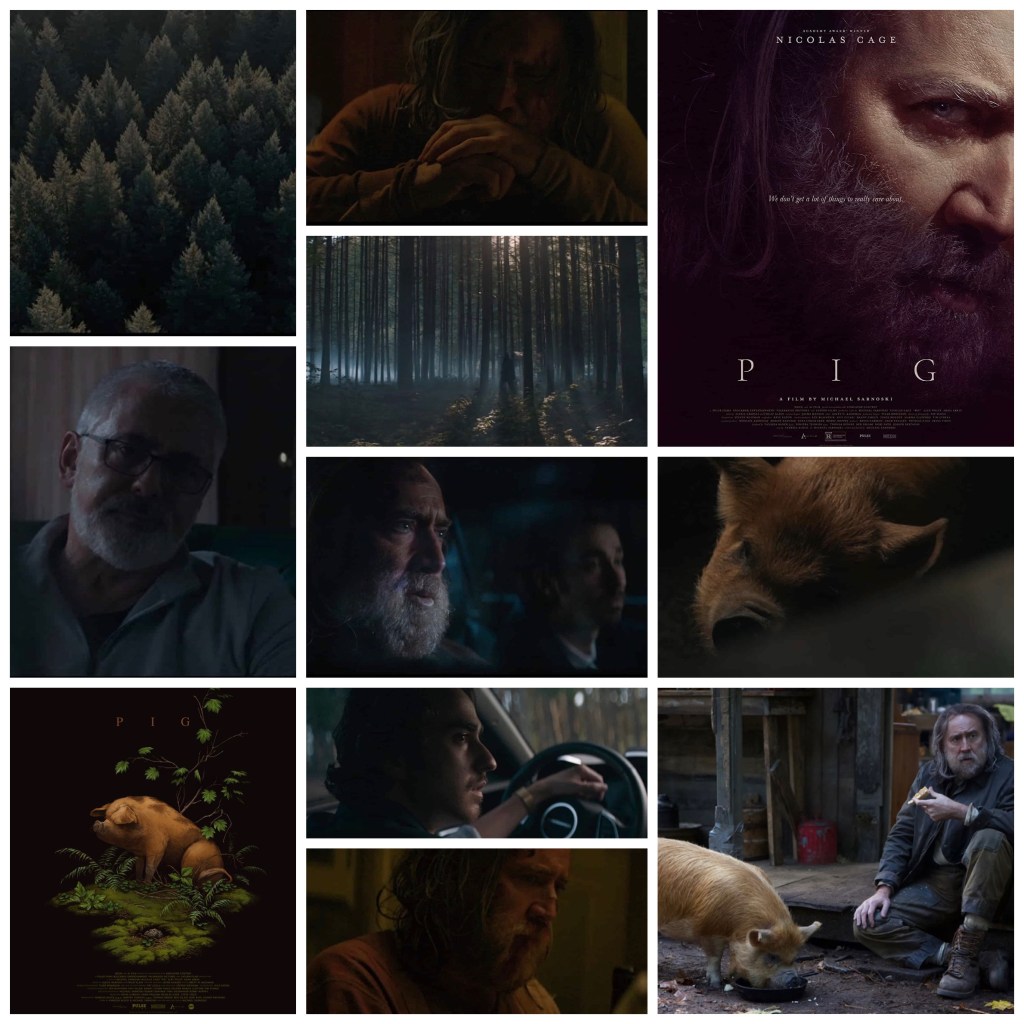
Nicolas Cage just wants his beloved pet Pig back in a film that’s a lot more subdued, moody, rainy and melancholic than you might think, a Pacific Northwest tone poem about loss, grief, commerce, loneliness and truffles. It’s a strange brew of genre and tonal elements, but director Michael Sarnoski (in his feature debut, no less) spins them all together like the best chefs for a sensory experience and cinematic recipe that is something masterful, weird, eerily lingering and so deeply, deeply sad I had to watch some South Park afterwards before bed just so the heartbreaking, soul shaking beats of this narrative wouldn’t follow me into my dreams. Cage’s former legendary chef lives a hushed, reverent existence, haunting a stretch of rugged Oregon mountain country and dwelling in a simple shack with his pig, foraging and selling truffles to a cocky industry upstart (Alex Wolff, brilliant) from the city for a meagre living. When his pig is snatched in the night by poachers, he journeys back to Portland to a life and a restaurant scene he thought he left behind to find her, and along with her the last remaining ray of dim hope left in his broken, weary soul. This isn’t just about losing a pig, or finding a pig once again you see, it’s about loss overall, that of Cage’s character and that of the other two principal characters in the story, Wolff’s wayward young “entrepreneur” who has lost the favour of his restaurant mafia kingpin father (Adam Arkin, never scarier nor more bitterly pitiful) who has lost something so deep that he can’t even articulate it in words, and it takes involuntary sense memory to even get him to acknowledge it to *himself*. Sarnoski presents the Portland food scene as a frightening, clandestine mob underworld, a choice that could have easily come across as parody or tongue in cheek but the solemn atmosphere and deadly serious writing make it freakishly believable, I’ve spent time with people who work in that industry and it’s really not a far cry or embellishment from how it actually is. Cage’s performance is one of staggering vulnerability and shaggy, end-of-the-road resolve, a once worshipped god of cuisine reduced to a shambling ghost of greatness, made so by a tragedy he never speaks about and the film only carefully hints at. The poor lost Pig is indeed really his pet, whom he loves dearly, but she serves to represent that which we have all lost at onetime or another, that hidden thing that’s hard to talk about and sometimes makes us want to disappear into the woods of the northwest, live in a cabin and never see another human face again. This is a courageous film for allowing an actor like Cage to explore these painful, challenging themes against a backdrop of food, rain, trees and austere hierarchical czars and barons of fine cookery, a realm that is as fascinating as it is unsettling. Just be careful though man, because to be perfectly candid this film is sad as fuck, like maybe the most thoroughly spirit-dampening experience I’ve had in cinema for awhile, it took me a good hour to shake off the hopeless feeling it leaves you with, such is it’s power. It’s essential viewing for many many reasons, more than I’ve touched on here, but it should be wielded carefully, especially if you have issues with depression or immediate grief. I look forward to whatever comes next from Sarnoski, who has quietly ushered himself onto the scene with a stunningly powerful first feature, and provided Cage with what might be the role of his career so far. An absolute showstopper of a film.

-Nate Hill

Ray Bradbury’s Something Wicked This Way Comes

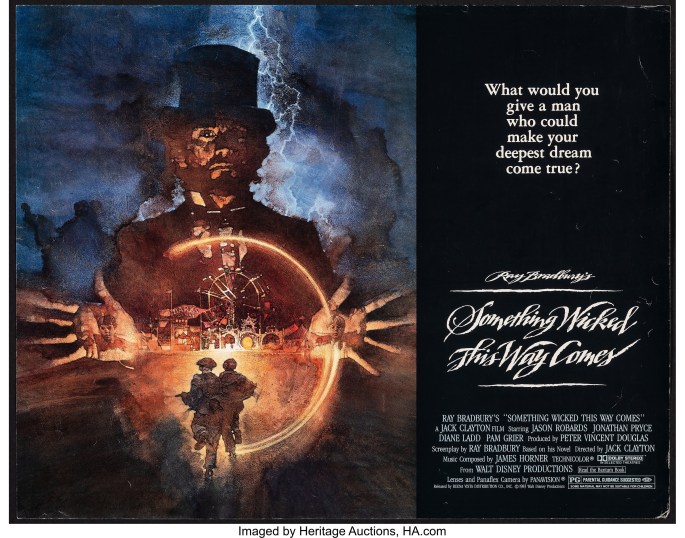
Jack Clayton’s Something Wicked This Way Comes is Disney at its darkest and is a ton of spooky fun. Based on a novel by the great Ray Bradbury, here adapting his own work for the screen, it tells of a sleepy, picturesque Vermont town sometime in the 40’s, a place where not much of anything really happens until a mysterious travelling carnival shows up one night via train with little notice, as if borne on the very October wind that howls over the region itself. Their arrival peaks the interest of many townsfolk, especially two young boys who grow quickly suspicious of this outfit, especially its outwardly affable yet intangibly sinister ringmaster, a fellow called Mr. Dark (Jonathan Pryce). Pryce is an actor who has mastered the art of coming across as nervous, stressed and vaguely sympathetic but guards an untapped darkness beneath his terse half smile and he’s positively terrifying here, another sterling villain in his rogue’s gallery of a career. I won’t spoil what this carnival is really up to, but suffice to say it isn’t just to hand out cotton candy and wow the locals with their sideshows and Ferris wheels. There’s an innate, elemental supernatural force at work in each of these carnies, they’re like a pack of ravenous wolves that feed on the human element of both wish and wonder, collecting souls in the process. Most malicious of their group is a mute, animalistic sorceress called the ‘Dust Witch’, played by the always awesome Pam Grier in the kind of dark, fairytale oriented role that she doesn’t get casted in too often, she’s scary, sexy and severely compelling. Also terrific is Jason Robards as one of the boy’s father, his deep, clear speaking voice goes a long way with Bradbury’s wonderfully ornate poetic, prose. It’s a dark, sumptuous jewel of a spooky season watch, with heavy, hazy small town nostalgia captured in elegiac, wistful words by this legendary author and a genuine sense of both eerie wonder and horrifyingly immediate danger. Great stuff.

-Nate Hill

Sean Penn’s Flag Day

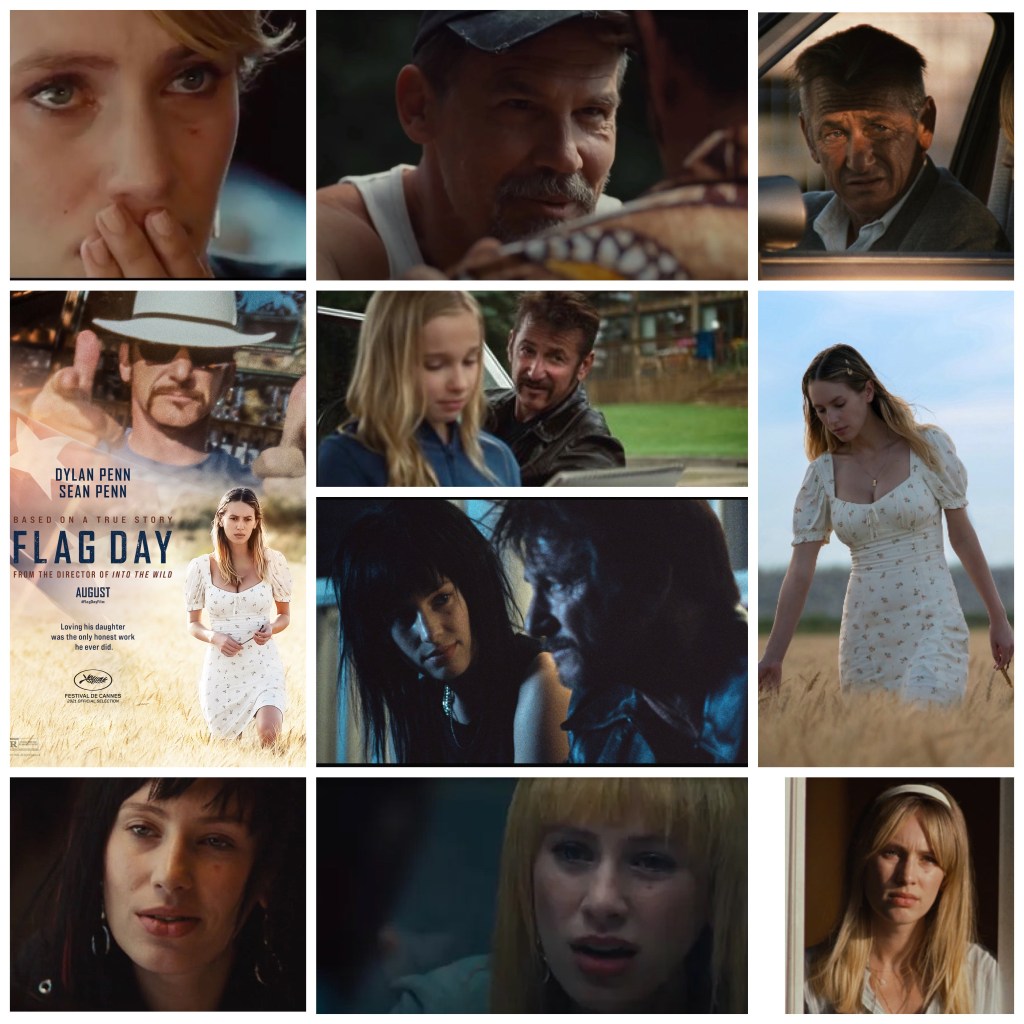
Sean Penn has always been one of the most fascinating, honest and down to earth filmmakers in terms of tone, style and theme and his latest father daughter drama Flag Day is a magnificently acted, deeply sorrowful piece of work that shows us this artist still has a lot to give and to say in his medium. It tells the autobiographical tale of Jennifer Vogel (Dylan Penn, his real life daughter), a teenage runaway with a painfully tumultuous family life whose mother (Kathryn Winnick) is married to an abusive prick and is blind to his ways and whose father (Penn) is a degenerate con artist and perennial fuck-up who tries to do right by his family but seems star crossed with his own self destruction. I’m not sure if the real Jennifer Vogel had it *this* bad (I guess I should read the book) but it’s a testament to this girl’s spirit, bravery and resilience that after abuses, years on the road, hopelessly dysfunctional family life and unspeakable hardships she came out on top as a successful college graduate and influential journalist, here chronicled in wistful, hazy, fragmented episodic memories that have a genuine disarray and scattered quality to them, the same way memory feels to us when we try to recall things in a straight line and our minds grasp at keystone moments out of space and time for a recollection that isn’t always coherent. The strongest quality and beacon of light the film has is Dylan Penn, daughter of Sean and Robin Wright in her first lead role. She is unbelievably talented, emotionally truthful and intuitive in her craft and her performance is jaw dropping, for starters. Sean Penn himself is great, playing a character that’s very hard to like and bringing heart to his scenes with her but she is positively on another level with her performance here, selling the hurt, strength, feeling of being betrayed by her own parents and her eventual arc from scared, lost teen girl to assured, battle hardened young woman with a grace, ease and flow that has to be seen to be believed, the best female performance this year easily. The film itself is your call, I loved it but the marketing makes it seem like this “father and daughter against the world” thing when in truth it’s daughter against the world, including her father, mother and most around her who are either absent, untrustworthy or not up to the task of being in her life. Only a kind, sympathetic uncle (a brief Josh Brolin) is anything close to a constructive influence on her journey. Penn has always made challenging, melancholic films about human beings going through unimaginable changes and sometimes taking pretty devastating falls, from The Indian Runner to The Crossing Guard to Into The Wild to The Pledge (my personal favourite), he always has an uncanny eye for the middle class, the people that don’t often get their voices heard in majorly produced scripts, the ones who tend to fall by the wayside unless someone is willing to tell their story. In this case Vogel took it upon herself to tell her own story and Penn has adapted it in a beautiful, moving, incredibly depressing but ultimately very human story, giving his daughter a voice and a canvas to paint her masterful portrayal of one girl who, despite everything, made it to a better life. Phenomenal film.

-Nate Hill