RENNY HARLIN’S CLIFFHANGER — A REVIEW BY NICK CLEMENT

cliffhanger_ver1

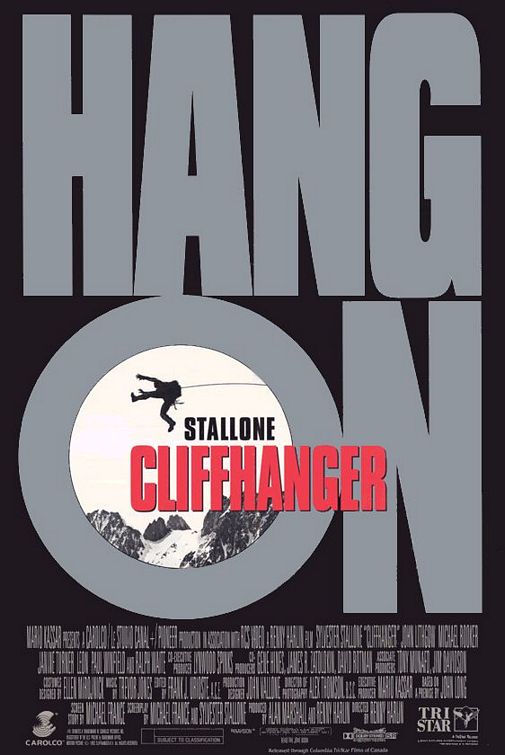
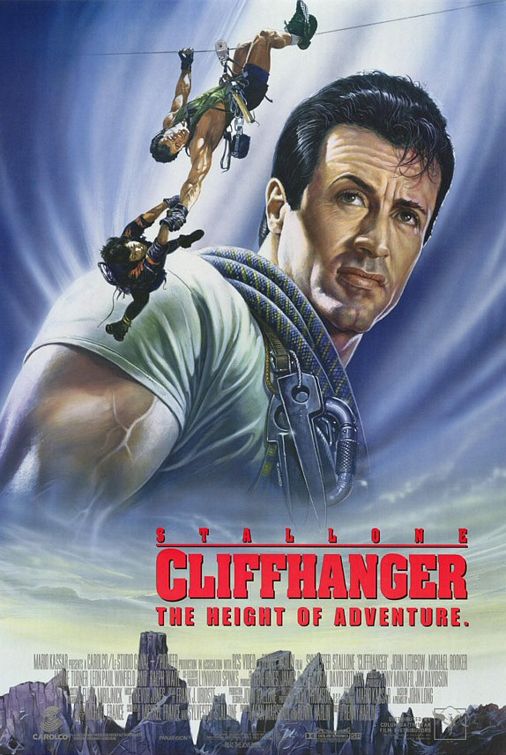
I can remember my father taking me to the cinema on opening weekend to see Cliffhanger back in the summer of 1993. I was 12 years old, and as one might imagine, totally blown away by what I witnessed. Other than Terminator 2, I don’t think I had ever seen an action picture as elaborate as Cliffhanger on the big screen at that point in my life, so it was very easy to be totally consumed and then become obsessed with this totally thrilling action picture. Directed with extreme intensity by action maestro Renny Harlin and lavishly photographed in glorious 2.35:1 anamorphic widescreen by the late, great Alex Thomson, the film would become a massive blockbuster for superstar Sylvester Stallone, who delivered one of his better action movie performances in this chilly, violent, over the top spectacle. Crafted in the final moments of the pre-CGI onslaught that awaited most major action films, this is one of the most believably realized mountain climbing films, even if purists have long claimed numerous technical inaccuracies with the mountaineering sequences. But regardless, there is a stunning level of beauty in so many individual shots, John Lithgow gave a sensational turn as a truly evil villain, and the supporting cast of 90’s familiar faces was packed to the gills, featuring Janine Turner, Michael Rooker, Paul Winfield, Rex Linn, Craig Fairbrass, Leon Robinson, Denis Forest, Ralph Waite, Max Perlich, and Bruce McGill. Seriously – that cast is just ridiculous. The rousing musical score by Trevor Jones hit all of the heroically triumphant notes that one would expect from an actioner such as this, and Frank J. Urioste’s judicious editing kept a fast moving pace, never allowing the story’s momentum to slow for a moment. I’ve always loved this film as it has an R-rated integrity that feels mostly lost these days, with Stallone delivering a hugely sympathetic performance, even hitting some dramatic grace notes in the first act. Thankfully, no sequel or remake has been attempted. This one still holds up as supreme entertainment for the genre.

cliffhanger_ver2


MILOS FORMAN’S ONE FLEW OVER THE CUCKOO’S NEST — A REVIEW BY NICK CLEMENT

cuckoos nest

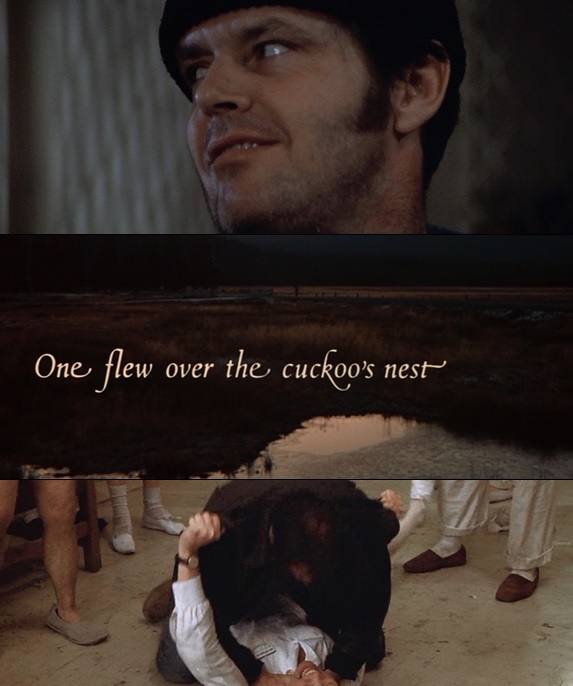
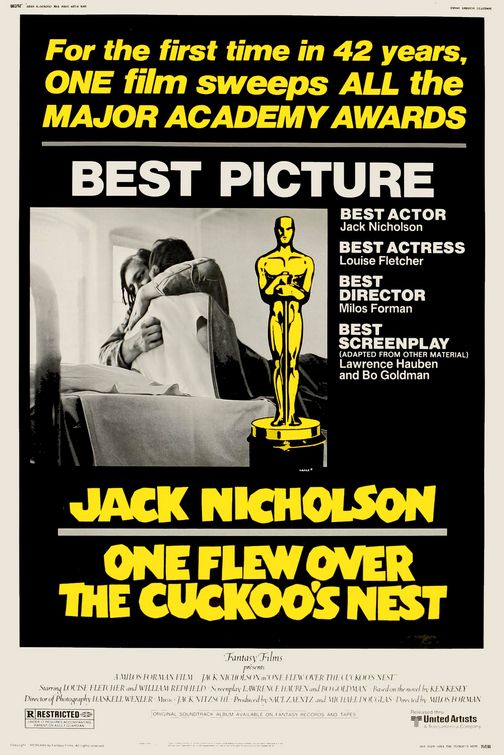
In cinema, as in life, there are absolutes. Up is up, down is down, water is wet, and One Flew Over the Cuckoo’s Nest is a masterpiece. Released in 1975 and directed with consummate intelligence and intense vigor by the supremely talented filmmaker Miloš Forman, the film would become, at the time, only the second motion picture to win all five major Academy Awards (Best Picture, Actor in Lead Role, Actress in Lead Role, Director, and Screenplay). It Happened One Night had accomplished this in 1934, and The Silence of the Lambs would win the five biggies in 1991. One Flew Over the Cuckoo’s Nest is enduring cinema, and it’s easy to see why. There isn’t one bad scene, it’s a work that will mean one thing during one viewing and something totally different the next, and the narrative moves with a graceful sense of humanity while still displaying some of the darkest moments that a human being can experience.

4

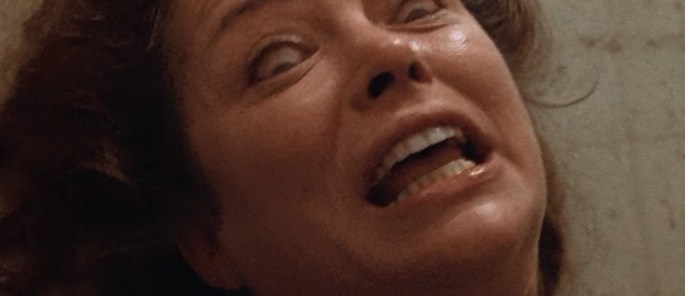
Based on Ken Kesey’s classic 1962 novel, the film contains one of the premiere screen performances of all time from Jack Nicholson. Simply put, there can be only ONE Jack Nicholson, and his performances in the 60’s and 70’s were some of the most provocative and vital pieces of acting that have ever been dished out. He’s an emotional powerhouse in this film, and he was surrounded by one of the best ensembles imaginable, while going head to head with Louise Fletcher as the spiteful Nurse Ratched. Danny Devito, Christopher Lloyd, Brad Dourif, William Redfield, Dean Brooks, Scatman Crothers, Marya Small, William Duell, Sydney Lassick, and the iconic Will Sampson as “Chief” all registered with deeply memorable performances, solidifying the entire picture around Nicholson’s bravura turn.

one_flew_over_the_cuckoos_nest_ver2

There’s a stinging urgency to this film, made palpable by Forman’s unflinching direction, and the carefully measured screenplay by Bo Goldman and Lawrence Hauben, with Jack Nitzsche’s moody, sometimes quirky score bouncing around in the background. Controversially, cinematographer Haskell Wexler was fired during production, with Bill Butler serving as his replacement; both men would be Oscar nominated for their contributions, though Wexler had gone on record before his death stating that almost the entire film had been lensed by him. Shot for $3 million and grossing $110 million, it’s a film that perfectly encapsulates the time it was made in, and yet transcends any notion of feeling dated or socially irrelevant. Draining, amazing, and thought provoking in ways that few films can ever match, One Flew Over the Cuckoo’s Nest is one of those films that will be discussed and studied for years. It’s a cinematic artifact of the highest order.

cuckoos nest

PTS PRESENTS: 15 QUESTIONS WITH FILMMAKER JOHN CROWLEY

Crowley Banner

John Crowley’s eclectic and underrated career has spanned various genres and mediums. After kicking off his creative talents via the stage, he’s since transitioned into feature films and television, with credits including Intermission, Is Anybody There?, Boy A, Closed Circuit, and most recently, the Oscar nominated Brooklyn. He contributed to True Detective Season 2, and his sterling theater resume includes such diverse works as A Behanding in Spokane, A Steady Rain, The Pillowman, MacBeth, Into the Woods, The Crucible, and The Master Builder. He recently chatted with Nick about his career, his Irish roots, the amazing success of Brooklyn, and what the future holds. We hope you enjoy this informative Q&A!

behanding

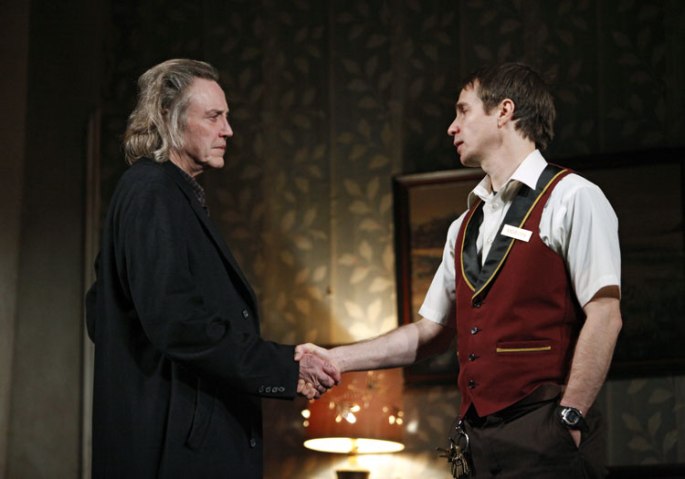
Thanks for chatting with me, John. Ok, off the top, I just want to tell you how much I loved A Behanding in Spokane! My wife and I went to NYC and sat in the second row early in the run and that was just a blast. What was it like when you read that play for the first time?

Thanks so much! Yeah, that was a surreal one. It was like nothing I had seen or heard before. Coming from the great Martin McDonagh, you know you’re in for a treat, something special every time. But this just had that special combination of humor and drama, with a sort of Tarantino-inspired sense of quirky violence. It was a tricky tone to pull off on stage, but I think we nailed it. Audiences really sparked to it.
walken

And what an amazing cast of actors you had to work with, that must’ve been a treat.

Yeah, we were blessed with some serious talent on that show, with Christopher Walken really running away with the entire piece. It was good and nasty fun.

crowley 2

How did you get your start in the film industry? Was it initially through the Irish film community?

Yeah, after starting in the theater, I moved into features and television, and yes, the Irish film world has been a big part of my understanding of the business and the artistic process. I’ve done projects like Intermission where we had an Irish crew and cast, and I’ve been able to do stuff like True Detective, this most recent season, which allowed me to expand a bit. I’ve done work in television in Europe as well.

intermission_ver2

I’ve long been a fan of Intermission, one of your early films with Colin Farrell. What was it like when you read that script?

Mark O’Rowe had really written something special, and I felt like it was a story that I knew exactly how to tell. It was an Irish production, and the energy was great, and I think we made a lasting piece that many people have found over time. Great cast of Irish actors, too.
Layout 1

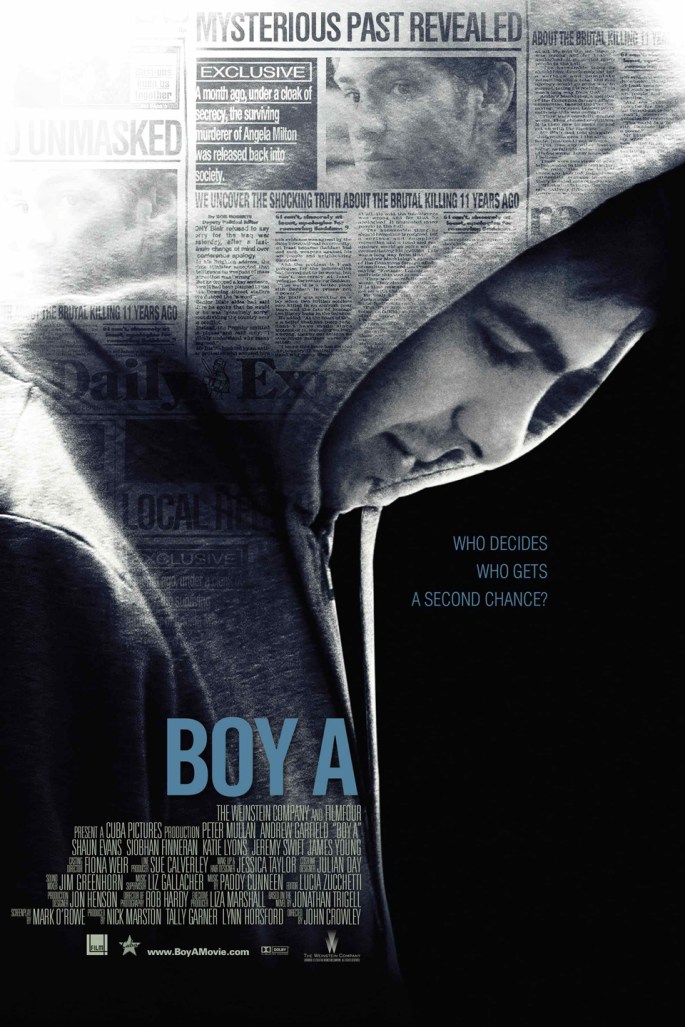
Boy-A. I want to tell you how brilliant I think that film is. It’s so brutal and honest. It’s one of those small gems that I tell everyone to see. How did that come about?

Thank you! Yeah, that was a challenging piece, Peter Mullan and Andrew Garfield both had heavy loads to carry, and they both did it with serious resolve, and without ever backing down to the material. Challenging stuff for sure, with a script that pulled no punches. That was an interesting project because of its gestation, how it was on television here in the UK and then the Weinstein brothers saw and it and got interested and put it out in a small number of theaters in America. It’s a hard-hitting piece that has thankfully found a passionate group of supporters.
brooklyn_xlg

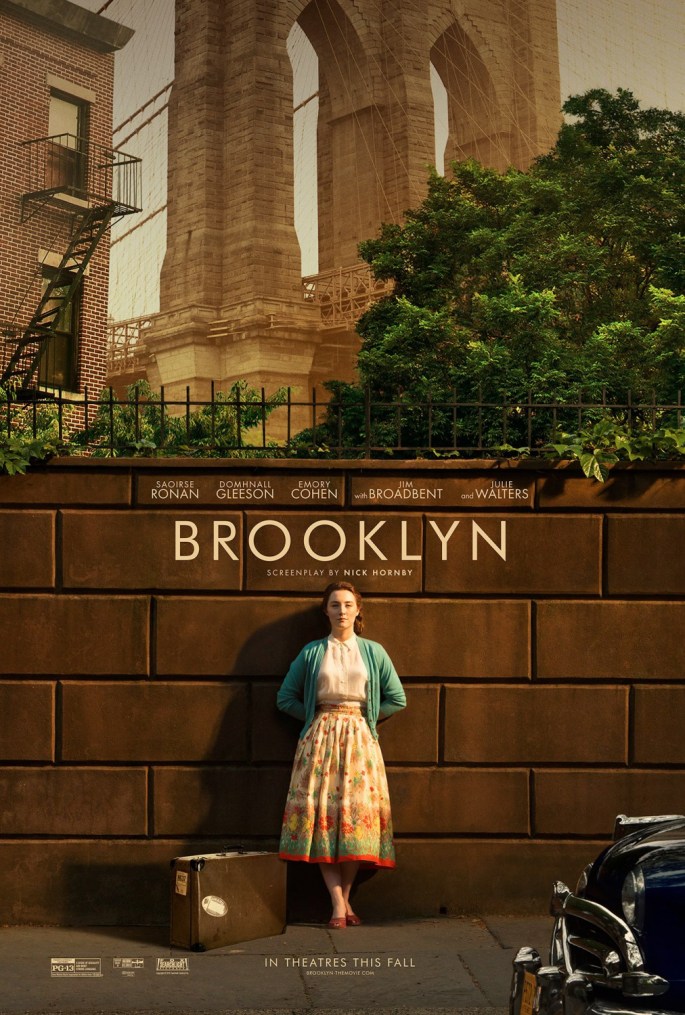
How did you first get involved with Brooklyn?

I had read the book for pleasure while working on the Broadway show A Behanding in Spokane and I immediately responded to it, in a very emotional way. However, the studios weren’t interested in making it, which presented some interesting challenges in getting it made. But people got it very quick with this project, or they just didn’t. It’s just not their business model, the studios, to make a film like Brooklyn. The financing came from a patchwork of sources, including Telefilm, The Irish Film Board, BBC, BFI, with some Canadian money in there, too. It was a true and classic independent production.

brooklyn on set

Were you nervous about how an intimate project like Brooklyn might be perceived by audiences who are growing more and more accustomed to CGI spectacle and bombast?

Nobody trusted this project except for a core group of people. I knew what we had because I had read the book and Nick Hornby’s wonderful script. It was a story I felt I could do justice. There was never a doubt in my mind. And audiences found it. It helps when your film is based on a beloved book, but I was always confident that audiences would be smart and patient enough to find our little film.

brooklyn on set 2

What was it like working with Saoirse Ronan? She really came into her own as a full blown leading actress in Brooklyn delivering one of the best performances in 2015.

Saoirse is wonderful. She’s so talented, and I’ve been such a fan all throughout the years. Her work in Atonement demonstrated a certain degree of stability, a sense of maturity that you rarely see in an actress that young. And she’s taken on interesting roles ever since, with Brooklyn serving as her big moment. I couldn’t be more proud of her. She anchored our film with a quiet reserve, this sense of nobility. And that’s not on the page, that’s something that comes from within a performer.
is anybody there

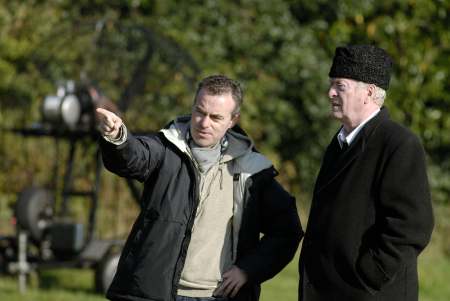
How do you feel that Ireland has progressed in terms of cinema? Are you happy with the current state of affairs?

The way it’s looking right now, there’s a lot of very interesting directors moving up the ranks. We’ve got confident filmmakers telling universal stories, without trying to be American in any sense of the word. There’s a filmmaking contingent in Ireland that’s very passionate about homegrown stories. And on the other end of it, you have Hollywood bringing over talents like Lenny Abrahamson and Fassbender and Saoirse – suddenly there’s this spotlight on Irish talent. And I think the result of all of this is a healthy funding situation in Ireland with quite a number of interesting projects getting made.

closed circuit

How connected are you to the Hollywood machine?

I’ve lived in London the last 18 years! Hollywood is important for my career, of course, and without some of the relationships I’ve made, I might not have gotten some work, or been considered for some jobs. But I like to think of myself as living outside of the intensity of the system, but ready to work with anyone if the material is proper.

saoirse

Are you consciously looking for “Irish stories” to tell?

Not in the sense that a story needs to be Irish in order for me to be interested in it. I’m attracted to the universal quality of storytelling, and a film like Brooklyn, even with its Irish sensibility, is still a work that can speak to any nationality. It’s all about the experience and the journey for the character, that’s what attracts me to material. And while I am certainly drawn to Irish stories and homegrown material on a personal level, I certainly never set out to be known as strictly an “Irish filmmaker.”
crowley

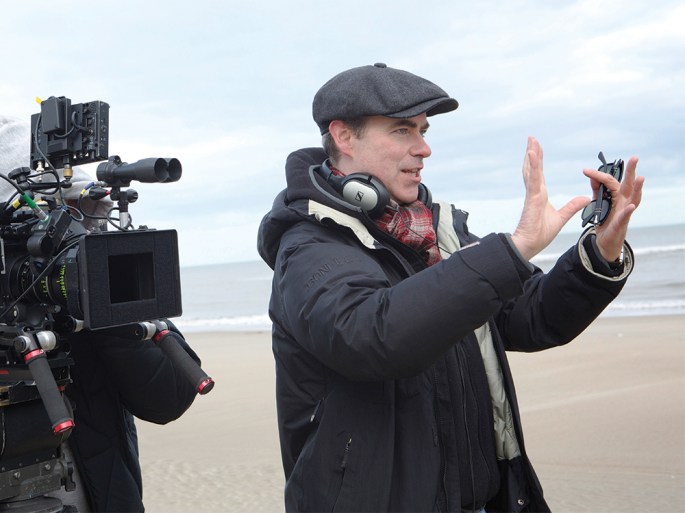
How hard is it to move back and forth from the stage to the cinema?

It’s different yet similar. My experiences have been great on both sides, but I think it comes down to how you interact with the actors, and how they adjust to their roles and to their surroundings. I grew up in the theater, and sort of used my experiences there as a way to get into the film and television world. One thing prepared me for the other.

1

Do you have a preference?

No, not really, because both mediums allow for different levels of success, or failure. I like being challenged by the intricacies of both forms, and the experiences I’ve had from stage work has informed my film work, and vice versa.
true_detective_ver3_xlg

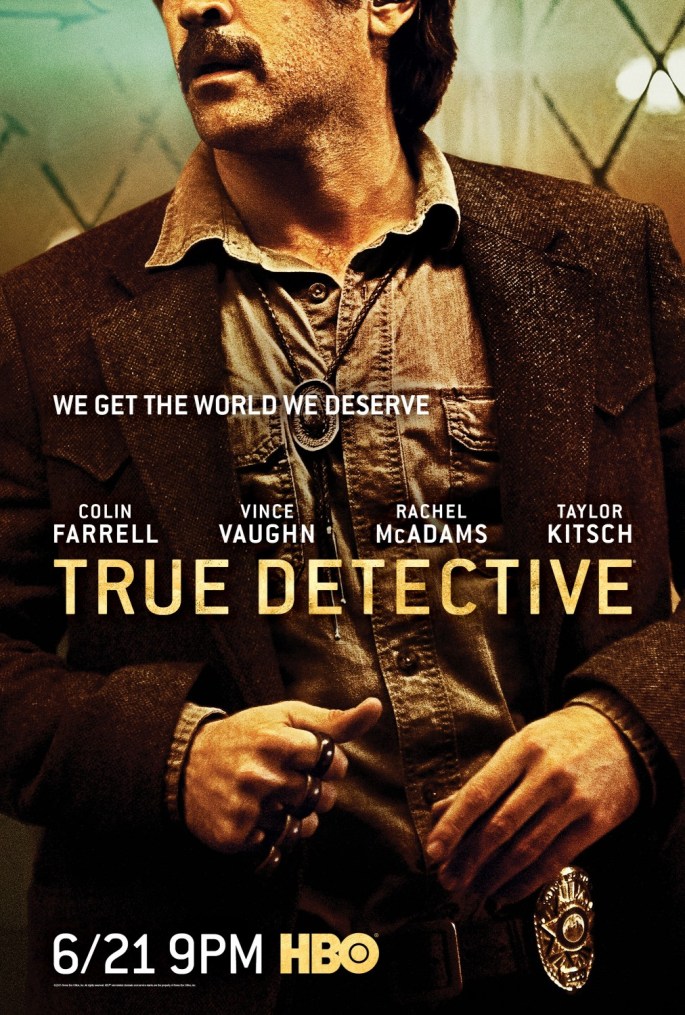
You recently directed episodes of True Detective: Season Two, which reunited you with Colin Farrell. What was your experience there?

That was interesting because of the hype and the serious interest in the show. It had that water cooler effect, whether people liked it or not. And from the scripts, I knew that season two would be very different from the first. Justin Lin had set a very solid foundation for the other directors to step in and continue the story. I enjoyed working with HBO very much.
2

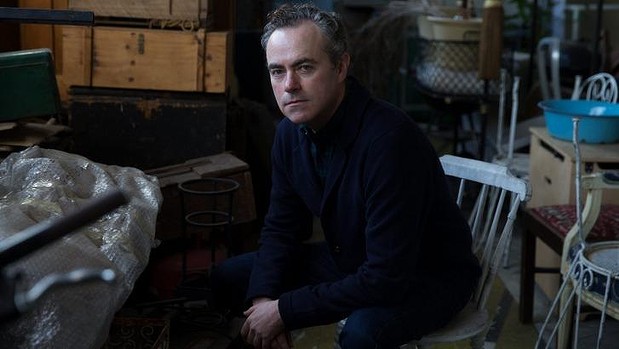
What are you currently working on now? Any new theater offerings or new films in development?

Next up is The Present, an updated version of Chekhov’s first play Platonov. I directed it at Sydney Theatre Company last August and it features Cate Blanchett and Richard Roxburgh. We’re transferring it to Broadway later in the year. Meanwhile I’m at the early stage of development on a bunch of things, some TV and some feature films but I can’t say what just yet!
Crowley Banner

NICHOLAS MEYER’S TIME AFTER TIME — A REVIEW BY NICK CLEMENT

TIme

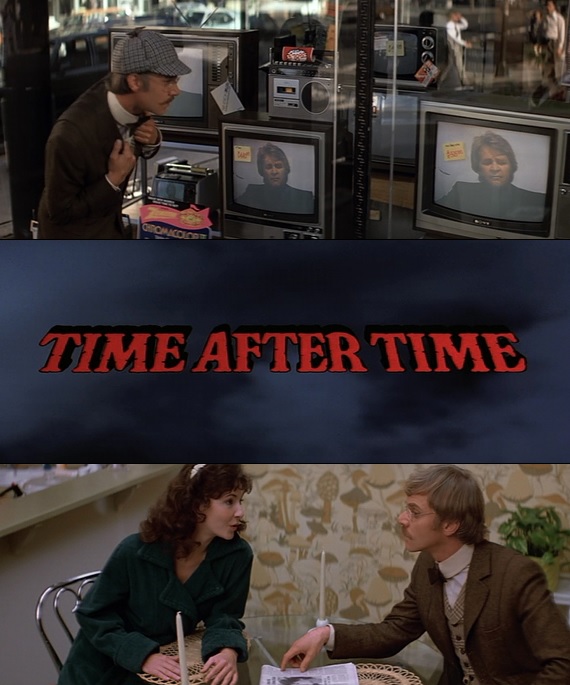
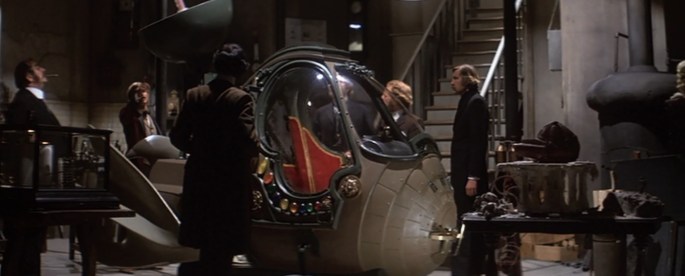
Time After Time is a wonderful film. Yes, the special effects are dated, but there’s a certain charm to the now antiquated, low-fi quality of the entire piece. Malcolm McDowell was tons of fun, as usual, in a role he seemed born to play, and David Warner made for the perfect villain for him to go up against. Written and directed by Nicholas Meyer, the film served as his helming debut, and the final result is a piece that straddles multiple tones, involves science fiction, romance, drama, and thriller elements, with nods to film noir and a perfect sense of period splendor. McDowell stars as H.G. Wells, with the narrative pivoting on the notion that Wells built a time machine, with the intention of using it in an effort to travel to a supposed Utopian paradise in the future. But in a high concept twist, before he’s able to use the time machine for his own devices, an on-the-run Jack the Ripper (Warner) hijacks it so that he can escape, inadvertently traveling to San Francisco circa 1979.

5

Wells gives chase, and upon arriving in the present day, falls in love with a pretty bank teller named Amy (Mary Steenburgen, so young, so cute). The mismatched pair work feverishly to catch Jack the Ripper while romance blossoms around them. Time After Time has witty dialogue and great performances, and if Meyer hadn’t yet mastered directorial pacing, you can certainly see why he’d land the job on Star Trek II: The Wrath of Khan, as he was able to comfortably mix big ideas with solid technical execution, never forgetting about narrative coherence or skimping out on nuanced performances. The film features a terrific and operatic musical score from Miklós Rózsa which kicks in right from the start, and the cinematography by Paul Lohmann (a frequent collaborator with Robert Altman), evoked multiple time periods with ease and casual style. Released in 1979, the film was a moderate box office success, and was met with mostly favorable reviews from critics, but for some reason this film still has a fairly low profile. No Blu-ray is currently available, which seems a shame.

4

RICHARD RUSH’S THE STUNT MAN — A REVIEW BY NICK CLEMENT

1

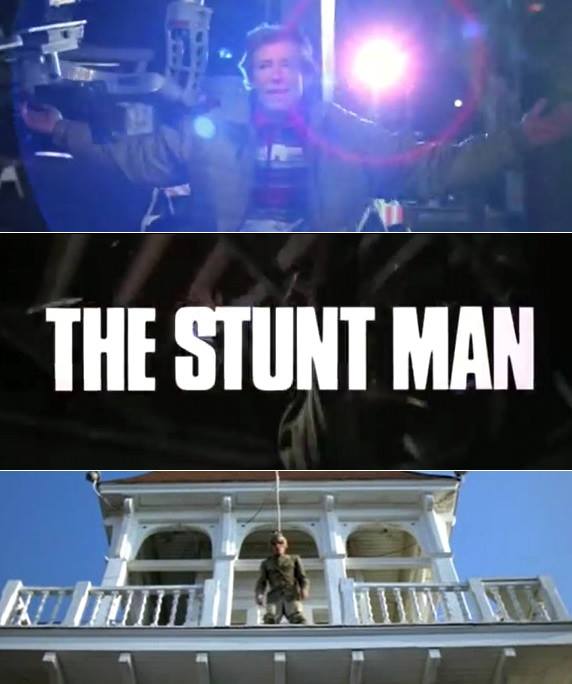
I’ve never seen anything like The Stunt Man. There will never, ever be another movie quite like The Stunt Man. This film has a very unique tone that is nearly impossible to pin down. It’s a satire of Hollywood. It’s a romance. It’s a drama. It’s a break-neck action picture. It’s a madcap comedy. This film is so many things, but most importantly, it has a wildly distinct personality, feeling like a film that just HAD to be made by the person who made it. The Stunt Man isn’t even really a film – it feels more like a carnival of ideas and action, totally off the reservation, made with a jocular style that has moments of peculiar beauty, and featuring performances that just have to be seen to be believed. There’s a raggedy quality to the film, an “in-progress” ambience that befits the movie-within-a-movie structure of the story, and the freewheeling style allows for much self-reflexivity on the part of Rush and his team of craftsmen. A notoriously tortured production, The Stunt Man has taken on the label of “lost classic” over the years, and it’s a film that many people probably have seen a long time ago but have fuzzy memories of now. It’s absolutely worth a revisit and reconsideration, if for no other reason that something this singularly bizarre and eccentric should be discussed more often than the generic, franchise-able crap that so often litters our multiplexes.

The Stunt Man, which was released in 1980, was adapted for the screen by Rush from Paul Brodeur’s novel, and centers on a Vietnam veteran named Cameron (Steven Railsback in an emotionally wild performance of astonishingly broad range) who has an run-in with the cops, flees, and accidentally ends up on the set of a big-budget WWI movie that’s being filmed on a near-by beach by a flamboyant and utterly tyrannical director named Eli (Peter O’Toole in a massively entertaining wink-wink performance) who hides the man under the guise of being a stuntman on his picture, who he then uses in a series of outlandish and death-defying set-pieces, sometimes without his participant’s full knowledge of all of the rules. Cameron can’t help but fall in love with the film’s leading lady, Nina (Barbara Hershey, sexy and funny), whose romantic past with her director causes Cameron to become a tad unhinged.

Cameron also starts to realize that his potentially insane boss has made it a habit of pushing his previous stunt-men to their limits, with possibly deadly results. Will Cameron’s cover be blown? Will he survive the increasingly crazy film production? Will he and Nina be able to live happily ever after? Cameron’s life starts to bleed from reality to fantasy and then back to reality, sometimes within the same scene, as Eli continues to press on in the most insane of manners, creating hostility between him and his crew, his actors, and pretty much everyone around him. Then the day comes for the film’s climatic action scene to be shot, and Cameron isn’t sure if Eli is out to sabotage him in an unsuspecting way, or if he’s just doing everything all in the name of cinema and for the perfect shot.

Rush was a filmmaker who understood the idea of madcap comedy better than most, and in The Stunt Man, he brought a level of gonzo energy to the film’s multiple action sequences, which, simply put, are all fabulous to observe and dissect. If you’re going to call your movie The Stunt Man you better have some great stunts to show off, and I just don’t understand how people weren’t killed while making certain sequences of this hilariously over the top film. One bit in particular, with Railsback running along the sides of houses and over roof-tops while planes are flying overhead and soldiers are firing rounds at him and jumping on him from all angles – it’s berserk, it’s hysterical, it’s all totally over the top, and finally amazing. No blue screens, no CGI, all real stunt work, with people crashing through balsa wood and sugar glass. This is a film that is all about the art of deception, and how cinema has the ability to lie to us yet make it look real and honest.

The Stunt Man also has a casual vulgarity that I just loved, with out of the blue nudity, random bits of seemingly improvised dialogue, a ton of looped audio that unintentionally ramps up the odd humor, and a general sense of anything goes/anything can happen which keeps the film hurtling along with a sense of unpredictability that is rarely matched. And then there’s the truly insane ending, with the film’s credits rolling while one of the actors is still talking, trying to make sense of his situation, and it’s like Rush is saying to everyone, himself included: “Hey, it’s just a movie.” Because Rush was attempting to bite off SO much with this effort, it feels like his ultimate “kitchen sink” film, something he made as if he were never going to direct a film again, cramming it with as many ideas and obsessions as he possibly could.

And that was sort of the case. After sitting on the shelf for over a year due to a lack of completion funds, 20th Century Fox bought the film, but Rush ended up battling it out with the studio over a botched release, despite the film being nominated for Best Director, Best Adapted Screenplay, and Best Actor for O’Toole. It then took Rush 14 years to return to the director’s chair (he was fired off of 1990’s Air America, for which he wrote the original script) for the ill-fated erotic thriller Color of Night, which became infamous as “that movie where Bruce Willis felt the need to show the world his bellend.” It’s a shame that Hollywood loves to forget about genuine voices like Rush, and Martin Brest, and Michael Cimino, filmmakers who were interested in telling stories outside of the cookie-cutter norm, guys with too much of an idiosyncratic view and style for the studio bean-counters.

PETER BERG’S THE KINGDOM — A REVIEW BY NICK CLEMENT

3

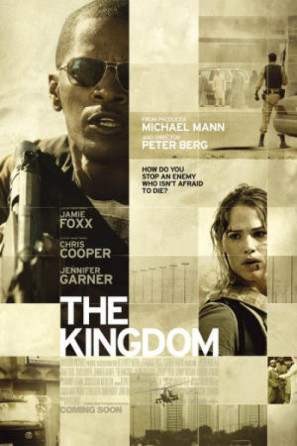
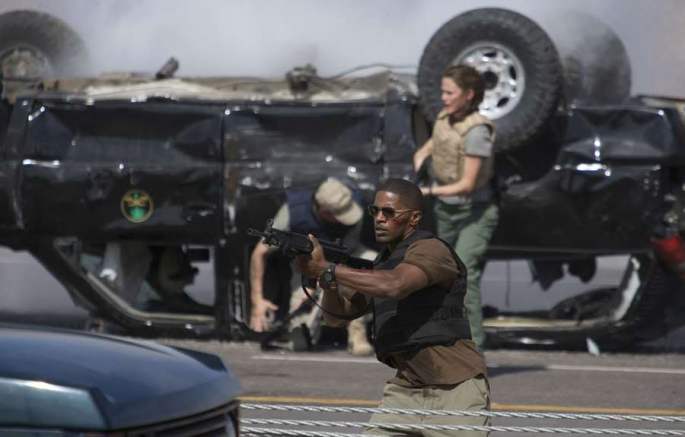
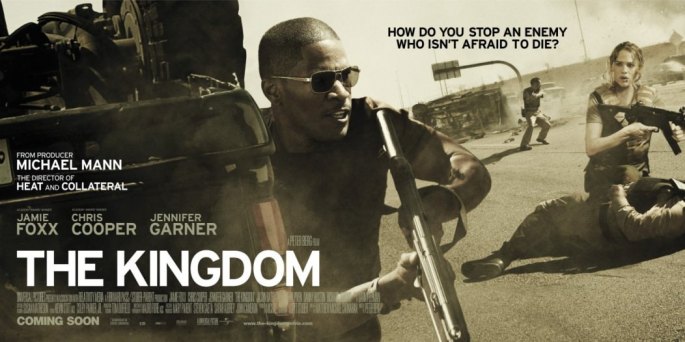
Peter Berg’s thrilling action picture The Kingdom is a ballsy, big-budget production that brings a surprising level of smarts to its relatively predictable and straight forward story. It’s a bummer that this movie didn’t find the theatrical audience it deserved. It’s a tightly focused procedural with solid acting, credible plotting, and shot with an amazingly immediate, semi-chaotic but still coherent visual style that puts you in the middle of the action at all times. The opening credits sequence is a total wowser, dispensing with a ton of information and political backstory during the first five minutes, while the audience is presented with an arresting animated timeline detailing the Unites States’ relationship with the insanely corrupt nation of Saudi Arabia, all stemming from the importance of oil. We’re then plunged right into the middle of a multi-stage terrorist attack on an American housing complex in Saudi Arabia which leaves 100 people dead, many of whom are women and children. Berg didn’t shy away from graphic violence in The Kingdom; rarely do you see a big-budget Hollywood action film that will actually show you on-screen deaths of women and children and innocent bystanders like THE KINGDOM does. Those moments, while shocking, are important. Without them, the filmmakers would be diluting the situation of its impact and realism. Innocent people die when terrorists strike, yet for the most part, Hollywood enjoys its killings bloodless and faceless. Not here. Multiple strikes are coordinated against U.S. interests, the stakes are raised, and it’s time for a response.

2

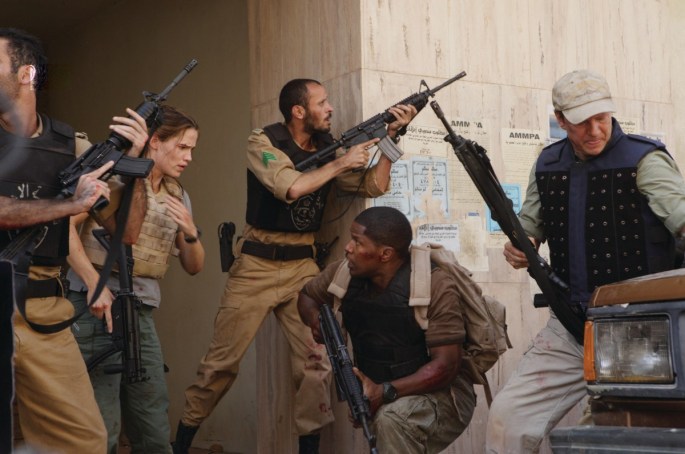
The FBI learns that a few agents were also killed in the attacks so they send Jamie Foxx, playing senior agent Ronald Fleury, and his team to try and apprehend the killers. Chris Cooper, Jennifer Garner, and Jason Bateman make up his squad and each are give more than a few moments to shine. They rendezvous with a sympathetic Saudi policeman named Faris, played by the excellent Ashraf Barhom, who was also fantastic in the supreme (and controversial) political drama Paradise Now, in an effort to gain solid footing. The middle section of the movie resembles a television procedural, but it becomes deeper than that. The relationship that develops between Fleury and Faris is serious and complex, never feeling phony or contrived. These two men are fighting the same fight, and while their backgrounds are different, they are able to agree on what is right and what is wrong. The character shadings that Faris has are important and distinct, and this is where The Kingdom elevates itself over most other action films in the genre. As much as it’s concerned with blowing stuff up real good (and that it does), Berg, and screenwriter Matthew Michael Carnahan, no doubt guided by producer Michael Mann, showcase the frustrations that would accompany an investigation like this. The filmmakers keep the storytelling efficient and coherent, with Foxx in fine form as the commanding officer in charge, and Cooper, as always, giving a sturdy supporting performance as a take no nonsense soldier ready to throw down at a moment’s notice. Garner is also excellent, channeling her role from Alias in some extremely physical fight sequences, and lending the movie a tender heart in a few sequences. And Bateman does his usual self-effacing routine but this time with a machine-gun; he gets all the script’s wisecracks and delivers them in an unforced manner while also getting a chance to flex his action muscles.

1

The Kingdom served as  Berg’s coming out as a big-time director of action (he’d later go on to direct Hancock, Battleship, and most impressively, Lone Survivor). The last third of The Kingdom, which basically boils down to 30 minute long extended action sequence, is a tour de force of staging, logistics, and pyrotechnics. Beginning with a high speed car chase and highway ambush that evolves into a Black Hawk Down-style urban-combat sequence, Berg never lets the viewer out of his grasp. RPG’s fly all over the place while automatic gun-fire explodes from every direction. Cinematographer Mauro Fiore, who has worked for action vets like Michael Bay on The Island, Jim Cameron on Avatar, and Antoine Fuqua on Training Day and The Equalizer, covers the action at the ground level, heightening every visceral moment for maximum impact. Employing a similar shooting and editing style to that of what Paul Greengrass cultivated with his work on the Bourne franchise and United 93, the restless camera never stops moving and searching, which amps up every sequence. You haven’t seen an SUV flip over like the way you do here. The highly bloody and intimate machine gun violence, reminiscent of the close-quarter shoot-outs in Munich, are pulse-pounding and flinch-inducing. And one sequence, with Garner engaged in hand-to-hand combat with a baddie, is unrelenting in its primal impact. Berg has a feeling for authenticity that’s reminiscent of the works of Mann, and the here-and-now quality of the locations and sets are incredible. But the real coup of the movie are its final moments. The Kingdom ends on a note of surprising darkness and honest reflection; without spoiling anything, you’re reminded that the cycle of violence in our current climate is something that will never end and can’t be easily fixed. It’s a small moment but it adds weight to everything that has come before it.

5

TONY SCOTT’S BEAT THE DEVIL — A REVIEW BY NICK CLEMENT

devil.jpg

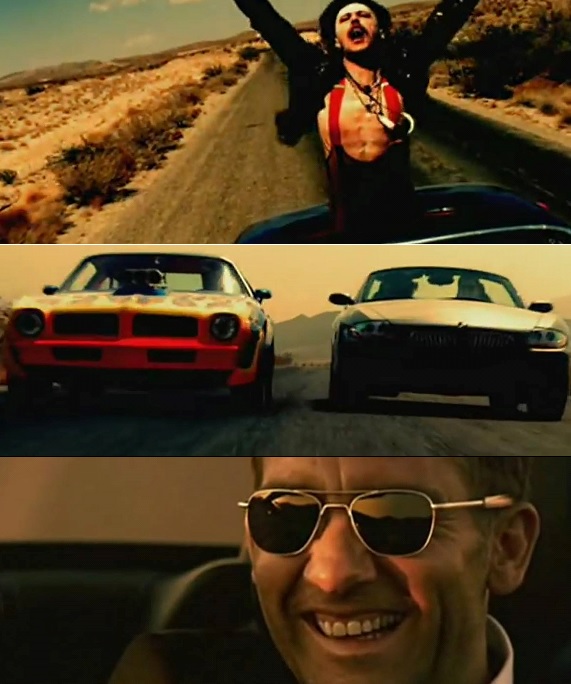
Tony Scott’s late-career, ultra-impressionistic style began taking its roots with the gloriously hyperactive Beat the Devil, his contribution to the historic BMW film series, The Hire, which was a series of extended car commercials in the guise of slick and exciting short films with serious Hollywood pedigree. The talent in front of and behind the camera on The Hire was staggering. Directors included John Woo, Wong Kar-Wai, Joe Carnahan, Ang Lee, Alejandro Gonzalez Inarritu, Guy Ritchie, John Frankenheimer and Scott with an acting lineup featuring the likes of Don Cheadle, Mickey Rourke, Madonna, Gary Oldman, James Brown, Danny Trejo, Stellan Skarsgard, F. Murray Abraham, Ray Liotta, Dennis Haysbert, Maury Chaykin, and Marilyn Manson. And for those of us who had hoped to see Clive Owen as the next James Bond, we’ll always have The Hire, where Owen plays the nameless Driver, an expert behind the wheel (always a BMW, naturally) who is tasked with various life-threatening missions with differing degrees of difficulty. The one linking thread between the different films was Owen, who brought a manly command to the lead role that helped solidify the entire series.

Beat the Devil is the most out-right entertaining film of the bunch, and it’s the one that seems to be having the most fun. It centers on the idea that James Brown (who played himself), back in his youth, sold his soul to the Devil (a hysterical Gary Oldman, in flashy make-up and garish costume that has to be seen to be believed) in exchange for the chance to have a legendary career. But now that the rocker is getting old, he wants to renegotiate the terms of his deal so he can go back to being young, so he suggests that his Driver (Owen) will race Lucifer’s driver, Bob (Trejo), from the Vegas strip out into the dessert. Winner takes all. For roughly 10 minutes, Tony Scott makes cinematic rock ‘n roll love to his camera; every image is cranked, every sound effect is juiced, every edit is sharp as a tack. His fragmented, cubist style that would be seen in future efforts like Man on Fire and Domino was being first experimented with here (and in the Amazon short Agent Orange – seek it out, it’s very cool), with overlapping subtitles, a washed-out and de-saturated color scheme, staccato editing patterns, and skewed camera angles. Beat the Devil exists primarily as a sensory blast but it’s also got a great sense of humor, probably the best sense of humor out of any of the entries in The Hire, which is why it’s my favorite of the bunch.


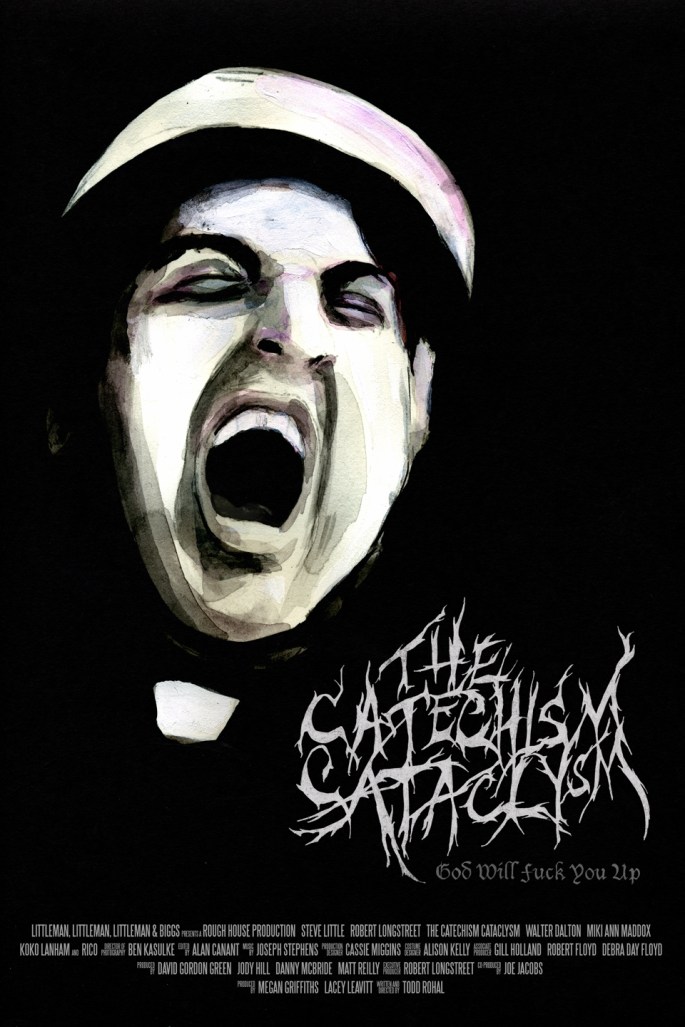
TODD ROHAL’S THE CATECHISM CATACLYSM — A REVIEW BY NICK CLEMENT

catecism

The Catechism Cataclysm is a totally messed up film on multiple levels. Unless the odd charms and surreal twists of this bizarre effort have been spoiled for you, there’s close to no chance that you’ll ever see where this unexpectedly creepy narrative is headed. The tonal switches in this film are beyond surprising, and the last 15 minutes of the slender 75 minute running time are some of the sketchiest, most weirdly hilarious cinematic moments I’ve seen in a while. What starts as a goofy and amiable two-hander between two very different temperments ferments into something close to Cronenbergian in its bodily horror and pyschological questioning. You’ve definitely got to be up for a film that isn’t interested in providing concrete answers to some of the more provocative and heady questions that the story raises, as it’s clear that the witty and quirky writer/director Todd Rohal wants the audience to fill in the gaps. By the end, you’re left with something that is beyond strange yet undeniably intriguing.

Feeling like a tall tale told by campfire through a haze of bong smoke, this 2011 independent effort has an impressive list of creative credits, including producers Danny McBride, Jody Hill, Megan Griffiths, and David Gordon Green, with the versatile cinematographer Ben Kasulke calling the shots behind the camera. The story involves a sub-mental priest named Father Billy (Eastbound and Down’s Steve Little) who takes a weirdly timed camping trip with an old childhood buddy named Robbie (Robert Longstreet). Rohal’s film bounces back and forth between the odd couple pairing, with Robbie’s increasing hostility brimming to the surface after having to repeatedly suffer Father Billy’s numerous idiocies. This movie is just flat-out silly and funny and then very dark and odd; I can’t really compare it to much else. And then, before you know it, the movie swtiches gears and becomes something surreal and potentially sinsiter. I’d like to give credit to whoever created certain props during the “big sequence.” Crazy stuff indeed. Lynn Shelton cameos. Available to rent via DVD on Netflix, and currently streaming on Amazon.

2

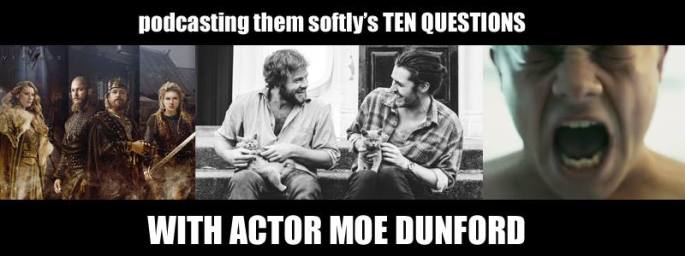
PTS PRESENTS: 10 QUESTIONS WITH ACTOR MOE DUNFORD

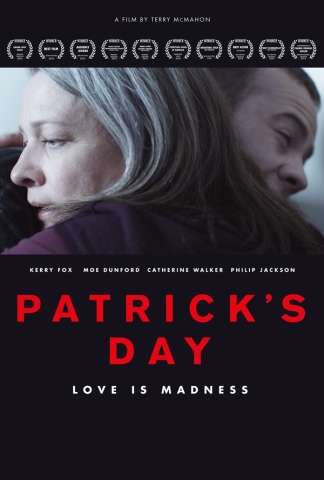
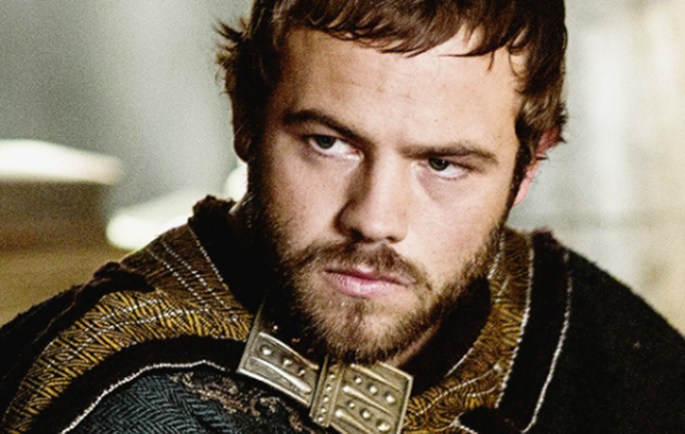
IFTA nominated actor  Moe Dunford (Supporting Actor for the TV series Vikings) is fast becoming a talent to look out for. He’s an integral part of the hit medieval series and recently set the big screen ablaze with his searing performance in Terry McMahon’s hard-hitting mental health drama Patrick’s Day, which is now available to stream via ITunes and Amazon and various Cable VOD platforms, with a DVD release set for April 5th. He’s got a slew of unique projects on the horizon, and Nick had the chance to chat with him while on break from shooting Vikings in Ireland. We hope you enjoy!

Moe Dunford Banner

How did you get your start as an actor, and what do you consider to be your first “big break” in the industry?

I got my first paid acting gig on the TV series The Tudors, running up and down trenches for a week in a field in Kilruddery, Co. Wicklow, in the summer of 2009. I’d graduated from Dublin’s Gaiety School of Acting, and I spent a few years going through the odd job, and then having no job, and then being mostly broke. Terry McMahon really gave me the first chance to play the type of role I really wanted to examine with Patrick’s Day. It’s a weird coincidence now, talking about my first job, as I’ve just come back from the same field in Kilruddery, as it’s the last day on Vikings Season 4 today. We’ve been filming a big battle scene here all week. Since it’s not summer in Ireland now, the field has turned to shite, and as the background actors will tell you, we never want to see the shaggin’ place again! It’s strange how things come full circle.

1.jpg

Who were some of your cinematic inspirations when you were younger? Did anything speak to you as a child?

I was interested in any kind of adventure movie growing up. My favourites were Ghostbusters, Spielberg’s filmography, and anything with Robin Williams. My folks ran a pub for a few years in Ladysbridge, Co. Cork and the talk at the time was that there was some Hollywood movie being made down the road in Ballycotton. My father told me that a big acting legend came into our pub for a drink one day except I didn’t know who it was. I’d never heard of him. Turned out it was Marlon Brando, and the movie was called Divine Rapture, which unfortunately never saw the light of day because it ran out of money! I was only around 8 or 9 but he would have been an inspiration to me for sure when I got into acting for sure.

2

How important is Irish cinema for you?

I believe there is something raw and very real to the stories coming out of Ireland right now, and I’m more invested in them emotionally when compared to a lot of the big budget studio movies. We’ve been kicked around and oppressed and repressed and told we can’t do things, yet out of that has come a deep rooted need to express ourselves. It’s the reason I was so hooked on the story of Patrick’s Day. Everything about it was raw, relatable and human. It had something to say and dispensed with stigmas. That’s what I find fulfilling about acting, and thankfully I get to work on stories that fight against Irish stereotypes. I feel like it’s a case of the fighting Irish in film and long may it continue.

4

What was it like shooting Patrick’s Day?

It certainly wasn’t without its tough days. And people seemed to have the assumption that it was really hard, because of the subject matter. Or a few times I was asked how taxing it was or how much personal attachment there was, as if that’s a bad thing when taking on a role. The truth is that it was a lot of fun. Working with Kerry, Catherine, Philip & Aaron, I love all of them. And then Tim Palmer, Michael Lavelle & Terry…three cock-blockin’ motherfuckers but I love them! The whole journey of Patrick’s Day was something I’ll never forget. Scenes were often almost like little games, it was a thrill working against the clock, trying to get the scenes the best they could be and do it efficiently. I’ll never forget the faces of Terry and cinematographer Michael Lavelle after getting certain scenes, things would just happen for us, like the shot with the plane going over our heads. Everyone was jumping around like little kids. It was pure joy.

5

Terry McMahon. He’s a force of nature. What’s it like collaborating with him?

As a filmmaker, Terry’s an inspiration. He understands the language of film, and the relationship between the audience and the actors. He’s not afraid to be outspoken and tackle issues about Ireland’s darker side. It’s in there, written into his scripts. We need that in our country. We need people who ask “Why not?” When working with Terry, I was also working with a very close friend who I trusted completely. I love the guy. He enables you in scenes to push that it further than you thought you could go. He’s a genius of a director. Probably his biggest strength is his sense of empathy, as he treats everyone equally on set and off. Unless you’re being a bollox.

6

Are you excited by the current boom of Irish cinematic talent?

I’m excited and optimistic. Look, we’re a small country, but we’re a nation of storytellers going way, way back, no matter what our country has been through. Irish film has been finding its voice for years, and now it seems that it’s really being heard. I’m excited and hopeful for any budding Irish actors, directors, or writers putting pen to paper for the first time, because for every success story like Saoirse Ronan, Lenny Abrahamson, or Emma O’ Donoghue, it shines a light back over here and I believe will create more opportunities for Irish film. We’ll need the continued support of our government to enable us to keep making films of quality and substance. Government funding dropped from €20m in 2008 to €11m in 2015. So I’d hope to see that on the rise.

7

What’s the general vibe in Ireland about the industry?

I asked a handful of my Vikings cast members from around the world, what stands out to them the most about being here and filming in Ireland, and they’ve all said that above all else, it’s the enthusiasm, and optimism from Irish crews that they haven’t encountered before. We’re making quality movies with good people behind them, and we’re in the best place we’ve been since Jim Sheridan and Neil Jordan came on the scene.

8

What are some of your favorite films, movies that you simply can’t live without?

Butch Cassidy and The Sundance Kid, Into The Wild, On The Waterfront, It’s A Wonderful Life, One Flew Over The Cuckoo’s Nest, The Deer Hunter, The Mission, Star Wars, Il Postino, and The Wrestler – these are all films I feel are great examples of cinema, and films I could watch at any point on any given day.

9

Has there been a recent Irish film that has considerably impressed you, or an Irish director who you’d be interested in working with?

I’m really looking forward to Brendan Muldowney’s Pilgrimage, the locations in it look amazing and there are great actors in it. Mark Noonan’s You’re Ugly Too, with Aidan Gillen, that was the best Irish movie I saw in all of last year. I loved the relationship between the uncle and niece, and how it was shot. My favourite Irish movie I have seen so far this year is without a doubt Viva, written by one of Ireland’s best talents, Mark O’Halloran, who also wrote Lenny Abrahamson’s first two movies. It tells the story of a young Cuban drag artist. I loved its heart and energy. It’s a beautiful movie and universally appealing.

10

What’s coming up for you?

I’m shooting Vikings season four now. That’s 20 episodes, which began airing this past February. It’s just been renewed for season 5 in June, another 20 episodes written by Michael Hirst. The show is shot entirely in Ireland which is wonderful, and the crew and background actors are the best in the business. I have three movies to film in 2016, the first being a comedy called The Flag which I’m doing now with Pat Shortt, directed by Declan Recks. We play two friends who go over to England and break into a British Army Barracks to take back the Flag that was put on top of the GPO in 1916. Fitting for the year that it’s in. It’s produced by Treasure Films (The Stag, Viva, Handsome Devil). In the autumn, I’m working on an Irish – Polish co-production, a medieval religious epic. I’ve just finished a movie called Handsome Devil, with Andrew Scott. It’s written and directed by John Butler, and produced by Treasure Films. Handsome Devil is set in an Irish secondary school and it’s a story of individuals in an environment where students are often forced to conform.

Moe Dunford Banner

STEVEN HILLIARD STERN’S THE PARK IS MINE — A REVIEW BY NICK CLEMENT

2

Don’t let this rather amazing one sheet fool you — this movie isn’t very good. In fact, it’s downright amateurish at times, crass all throughout, and totally not up to the psychological implications that the screenplay seems interested in exploring in the most juvenile of ways. But, due to the presence of a young Tommy Lee Jones and the central conceit of the narrative, there’s definitely enough to turn this into a bombastic and entertaining curiosity piece for some. This Canadian production was released as an HBO TV movie in 1985, and was directed by Steven Hilliard Stern, a guy with a laundry list of small screen credits, and basically plays like a riff on the First Blood scenario, but nowhere near as strong. Jones is a disillusioned Vietnam veteran who follows the meticulously laid out plans that have been left for him by his buddy who has recently committed suicide. It seems that his friend has rigged all of Central Park with explosives and booby-traps and has stashed heavy artillery all throughout, in an effort to take the park itself hostage, in order to raise awareness about the plight of the veteran and the horrors of war.

The over the top scenario is played straight, so as a result, the inherent ridiculousness shines through in nearly every scene. The action sequences do have a certain blunt effectiveness, but it’s just that the story is so absurd that none of it is ever remotely believable. And yet, it entertains in that “so-bad-it’s-good-when-it’s-late-at-night” fashion. Jones is commanding but the character is a total loose cannon and his decision to carry through with this daredevil plan happens so quickly as if to inspire chuckles. Throw in a macho mercenary subplot and evil city officials and you have all the ingredients for something that the Cannon Group mysteriously didn’t have their name attached to. Yaphet Kotto(!) is hilarious in a supporting role. Helen Shaver has a couple of ridiculous scenes as an aggressive reporter trying to score the story of a lifetime. Buried within the shoddy filmmaking lies a potentially potent allegory about battle stress and the challenging process of societal reintegration, but this was not a project to do any major emotional or thematic digging. Bizarrely enough, the film features the amazing sonic talents of Tangerine Dream. Based on a Stephen Peters novel. As I said upfront, the promotional artwork is better than the actual finished product.

1