MARTIN CAMPBELL’S THE MASK OF ZORRO — A REVIEW BY NICK CLEMENT

3

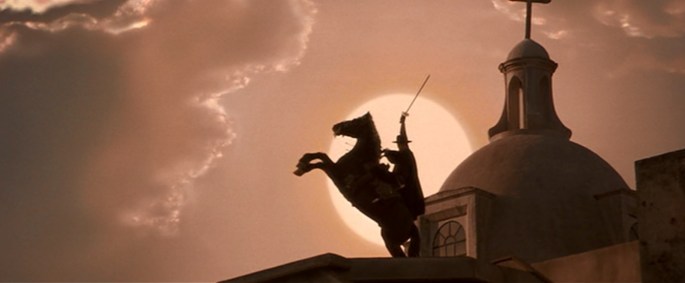
Real-deal swashbucklers are hard to find these days, and outside of the Pirates of the Caribbean franchise and a few period pieces with some sword-play elements, I can think of few recent efforts from this most venerable of genres. That’s why Martin Campbell’s rousing and fully entertaining The Mask of Zorro should be rediscovered, as it provided a welcome blast of widescreen fun in the theaters during the summer of 1998, becoming a big worldwide box office hit, and has really yet to be replicated since (the lackluster sequel didn’t come close to matching the charms of its predecessor). Starring Anthony Hopkins as the original and now retired Zorro/Don Diego de la Vega, the incident-packed narrative cooked up by credited screenwriters John Eskow, Ted Elliot, and Terry Rossio finds Hopkins trying to track down his long lost daughter (Catherine Zeta-Jones), while training his hot-headed successor (the perfectly cast Antonio Banderas), and trying to foil the villain (Stuart Wilson), a devious politician who has one too many delusions of grandeur. Shot with a striking sense for action in bold and beautiful 2.35:1 widescreen by the great cinematographer Phil Meheux (The Long Good Friday, Campbell’s Bond reboot Casino Royale), the film’s numerous set-pieces are absolutely dazzling and remarkably CGI-free, stressing real stunts, real explosions, and some seriously superb sword fights.

2

The road to the big screen for this particular incarnation of the character was a long one, with producer Steven Spielberg at one point considering the helming duties, before courting directors Robert Rodriguez and Mikael Salomon for the job, with Sean Connery initially cast in the role that eventually went to Hopkins. Campbell was then offered the film, who ended up passing on the Pierce Brosnan Bond adventure, Tomorrow Never Dies (he had rebooted the series with Goldeneye a few years before). Producer David Foster and writer/director David S. Ward were both brought in for uncredited rewrites. Shot on location in Mexico City, the film conveys an epic sense of sweep while still retaining the proper intimate moments between the characters, mixing action and romance in equal measure, and allowing for Banderas to totally steal the show with his patented brand of roguish charm. Zeta-Jones, who was lit like an absolute goddess in tons of soft light, is nothing less than radiant in her part, which was written with zest and wit and with plenty of opportunity to surprise. James Horner’s robust musical score supplied terrific accompaniment in every scene, while the physical production itself is truly a marvel to look at, with production designer Cecilia Montiel and costume designer Graciela Mazón both delivering hugely impressive work in their departments. Bottom line: This is just a really, really fun movie. An Amblin Entertainment production.

1

TONY SCOTT’S DAYS OF THUNDER — A REVIEW BY NICK CLEMENT

3

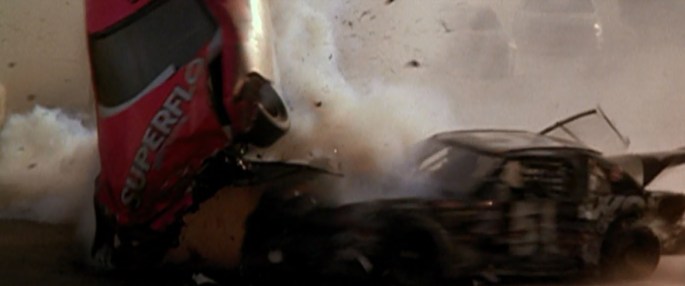
Days of Thunder is basically Top Gun with race cars, and while it didn’t do nearly the same box office as the Naval aviation saga, it returned director Tony Scott to the chair of a big-budget studio action picture after his more artsy effort, Revenge, and showcased his clear eye for visceral intensity within his action sequences. Again collaborating with iconic producers Don Simpson and Jerry Bruckheimer, Days of Thunder is shamelessly corny and ridiculously entertaining in equal measure, a movie with some of the best race car scenes ever captured on film, truly demonstrating to the viewer just how dangerous stock-car racing can be.  Cruise essentially replicated the character of Maverick but instead of being in a cockpit for most of the movie he’s in the driver’s seat of his car, taking a character that the audience is familiar with and shaping it with some new and interesting beats and flavors.  Scott shot the hell out of every single racing sequence and all of it is 100% real (remember – CGI was still a few years away).  And it truly feels it.  There is an authenticity to the race sequences that feels vital, and the blunt-force impact of Ward Russell’s classically masculine widescreen cinematography cannot be ignored, as it conveys the grit, smoke, and fire of the track, as well as the richly textured, sun-dappled, and heavily atmospheric imagery that Scott would become so famous for. This is a gorgeous film in nearly every instance.

days-logo

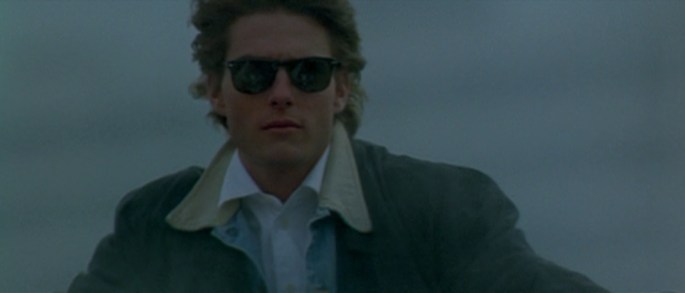
The film also marked the big American break out performance of Nicole Kidman, who would hook up with Cruise off-screen, resulting in one of the most celebrated Hollywood couples of all time; their chemistry in Days is palpable and their courting sequences are genuinely cute. The dynamite sound work on Days of Thunder is a sonic clinic on the process of layering effects, dialogue, and music, mixing the revs and roars of the engines with the screams of the crowd and the interaction of the race teams.  One of the film’s signature moments has to be Cruise’s entrance to the race track; pulling up on a motorcycle, rocking a leather bomber jacket, and cutting through some classic Tony Scott fog-machine-produced-mist, Cruise was in pure bad-boy mode in Days of Thunder. And then there’s the opening credits, which are perfectly edited to Hans Zimmer’s pulsating musical score (his first solo feature job), with Scott and Russell’s camera catching quick glimpses of race track life, which really sets the stage. The macho supporting cast includes John C. Reilly, Robert Duvall, Michael Rooker, Cary Elwes, Fred Thompson, and J.C. Quinn, while legendary Chinatown scribe Robert Towne is credited as the screenwriter. Few movies have conveyed the same sense of speed and danger that Days of Thunder managed to achieve, and as a result, this is a great flick to watch with some friends while drinking some beers on a Saturday afternoon, with the surround sound cranked way up.

1

I stole this interview from Rick Overton while he was taking a pee-pee: Remembering Willow by Kent Hill

This slideshow requires JavaScript.

We had travelled beyond the boundaries of our village, all the way across the great river to the Daikini crossroads. Only when we arrived in our new home did we discover that the town had no cinema. Sure they played movies occasionally at the town hall, but it was annoyingly infrequent. The town did boast, however, one of the largest video stores I have ever seen.

I so in many ways I was not cinematically going to starve.

It’s funny I don’t recall Willow playing in many cinemas, in or around where I lived at the time of its release. I do remember the first day I saw it though, on video.

I rode past the video store on my way home from school and the copy I had reserved was waiting for me. I was so jubilant and hurriedly shoved the tape into my school bag and cycled home as fast as my little legs would carry me.

Settling down in my room, I shut all the curtains, closed the door and readied to immerse myself in the experience. That’s, when it all wrong. A friend of my mother’s arrived bringing with her, her two consistently painful children. They stormed in, and of course we were always expected to be generous and courteous to visitors.

“Why don’t you let them watch the movie with you,” said Mum.

“Oh why not,” said I, through gritted teeth.

Now, for the record – I hate it when people talk during a movie. My wife I exclude from this, but every else be forewarned. And these kids were on a mission this particular afternoon; to squeeze any and all enjoyment I might have had watching a movie I and waited fervently to witness since I first saw a short featurette that appeared during James Valentine’s The Afternoon Show which was a kids cartoon extravaganza here in the great Down Under back in the day. And how one could not be excited? From the creator of Star Wars and the director of Cocoon was coming a tale of wizards and warriors, of swords and sorcery. Man, that was all this growing boy was looking for as part of his complete breakfast back in those days, let me tell you.

So my first viewing was trashed, but, thanks to the advent of the VHS, I could watch movie later that evening in my fortress of solitude and really enjoy it, minus the meddlesome harridan and her brood.

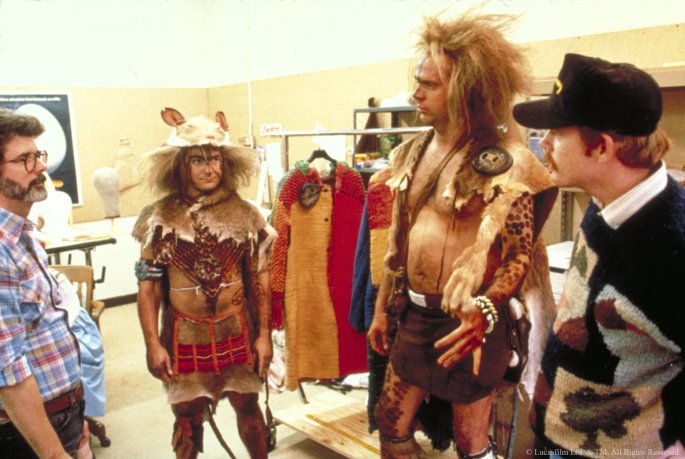
And O what bliss, what joy, what rapture. Willow was everything I had hoped it would be. A grand, sweeping adventure carried along by James Horner’s splendid score; my third favourite of his behind Krull and Wraith of Khan. Great direction by future Oscar winner Ron Howard, beautiful photography for Adrian Biddle, top work (and as ever cutting edge wizardry) from the magicians at ILM, stunning locations including New Zealand before all those Hobbits came out of their holes.

Then there was the great ensemble cast lead by the ever delightful Warwick Davis, the enigmatic charisma of Val Kilmer, his future wife Joanne Whalley, the great Billy Barty, Gavan O’Herlihy, Patricia Hayes (who I loved in A Fish Called Wanda and of course, The NeverEnding Story) as well as terrific baddies in Jean Marsh (Return to Oz) and General Kael Pat Roach (named for the notorious film critic and played by the guy who delighted in pummelling Indiana Jones).

There were two other cast members that I enjoyed. The comic relief you might call them. The R2D2 and C3PO of Uncle George’s fantasy offering. They were Rool and Franjean, played by a duo of very funny/talented performers in the form of Kevin Pollak and Rick Overton. He was too early for flapjacks on Groundhog Day and was being abducted by aliens in The High Crusade – but he did make a little time for yours truly the other day to chat about the making of Willow.


KH: How did you come to be cast in Willow, and where does it rate among the films you have done?

RO: On the matter of shooting Willow, I had just worked with Ron Howard on another movie called Gung Ho with Michael Keaton. Ron brought me in because I had shown him my stand-up comedy when we were filming the previous one. He even asked me who I thought I would work well with that I suggested Kevin Pollack. I think I can honestly say that it rates as one of the most fun times I’ve ever had shooting a film. Kevin and I help towards the most amount of special-effects matte shots of little people put into a film since the Disney film, Darby O’Gill And The Little People.

KH: The shoot took place in places like England and New Zealand. As your work had to be enhanced by effects, did you get to go to the locations?

RO: We did not get to go to any locations because the effects shots were all done in postproduction. Those took place in San Rafael California where Industrial Light and Magic used to be before having moved to the Embarcadero in San Francisco later on.

KH: You worked well together with your foil Kevin Pollak, but i suppose he might argue you were his foil?

RO: Often, Kevin Pollack would try to make me laugh right before I take so there lots of outtakes. As you hear the first AD on the set call out “Quiet on the set, rolling…” Kevin would lean in and whisper “Take me home and make me stink…” And I would bust up laughing for the take.

KH: On Warwick Davis’ commentary of the film, he says he is often asked in connection with Willow, what is or was Val Kilmer like. So what was Val Kilmer like if indeed you interacted with him at all?

RO: Because we were in postproduction, we did not get to interact with Val Kilmer. We did get to interact with Warwick Davis briefly.

KH: It must have been something seeing the finished film, are there any amusing anecdotes you can share?

RO: I wonder if it’s still available, I haven’t seen it since it was on cassette.

We might have been the very first to do a fake behind the scenes reel where we use the green screen of us offstage, still dressed as brownies, sitting in tiny folding chairs that fit us but in front of what would be place behind us later as a Barbie dream house with crew people walking past and dropping candy wrappers on us as we get an interview about the importance of our roles in the film.

KH: Have you stayed in contact at all with any of the cast and crew since?

RO: Haven’t been in touch with most of the folks on that film lately. Kevin is perhaps the one I see the most.

KH: Looking back, what are your thoughts on the film and its enduring nature?

RO: There are several morals in the story, but one is to follow your heart and what you know was right even when it isn’t easy or there could be jeopardy. Be brave.

It was the hobbit before the hobbit was committed to a large budget. Another layer of significance is that the process of Morphing was invented for the film and has been used everywhere since. There was lots of innovation to come out from the team that made Willow. It didn’t do as well at the theatres as it deserved, but subsequently has been a perennial favourite for many at Thanksgiving since. And still rents at a healthy rate.

KH: The moral of the story, if you will, is that you can succeed no matter how small you are or how insignificant you believe you are – is that something that you think stayed with viewers?

RO: Willow is about loyalty – loyalty to friends, loyalty to community, loyalty to what is right overall. The part that doesn’t have to do with your size is the size of your will to do what’s right – and Willow’s will was mighty.


Well that was Rick Overton dear readers. If you’ve not watched the glory that is Willow in a while, maybe it’s time to rediscover it. If you have never seen it then please go and check it out, it is a truly grand adventure with a marvellous cast and crew that came together superbly.

Well that’s enough outta me, now, that way, to the lake!

Blood Father: A Review by Nate Hill 

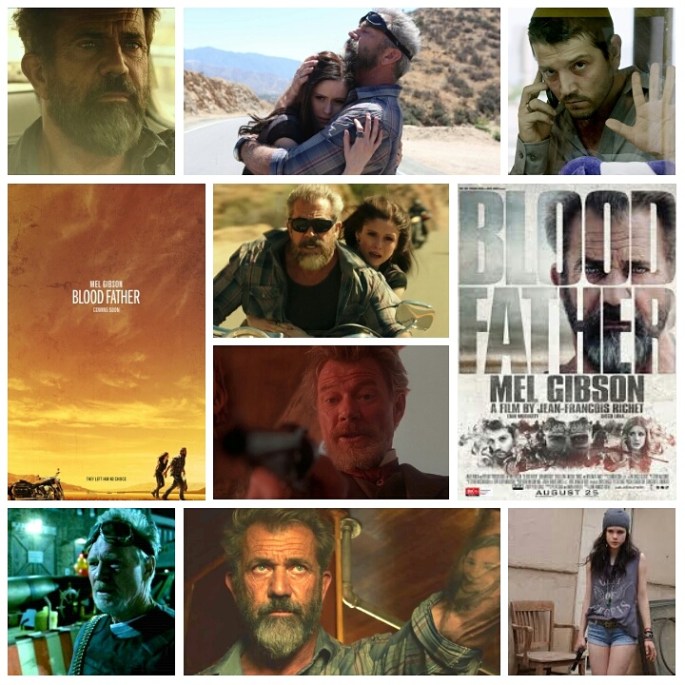
Blood Father is the best I’ve seen from Mel Gibson in years. Between extended cameos in the Machete and Expendables franchises and the underwhelming Get The Gringo, there just hasn’t been a film in a while that I thoroughly enjoyed and felt that cinematic rush I used to feel when watching his older, classic stuff. This has it all: a rough, rugged story line, an older, grizzled and disarmingly jacked up Mel, and a surprising rose of an emotional core that’s embedded in a violent bed of thorns which serves as our narrative. Later in his career Mel has been playing older, meaner versions of antiheros from his past, and one gets the comforting feeling that any of these jaded brutes could be the unofficial versions of those very same characters. Desert dwelling excon tattoo artist John Link could easily be an older Porter, the protagonist from my favourite Gibson film, Payback. I’d like to think that such parallels are deliberate on the filmmaker’s part. Whoever he is, Link has a long and checkered past of broken bridges and incarceration, etched like a road map onto his shaggy visage. When his troubled teenage daughter (Erin Moriarty, terrific here as well as this year’s Captain Fantastic) re-enters his life on the run from her psycho cartel brat of a boyfriend (Diego Luna), the fire in Link is kindled. Taking her on the run, he goes into ultimate protective dad mode and let’s the old forges of violence burn bright once again, in hopes of finding some kind of redemption. William H. Macy hangs around as Link’s AA sponsor, but the real supporting gem comes from legendary Michael Parks as Preacher, a vile neo nazi scumbag and former associate of Gibson’s. He’s icky and repellant, but coos with Park’s patented purr and steals his sequence of the film menacingly. The action is down and dirty, reigned in by an obvious small budget, but that comes as a welcome gift in a genre hampered by big style fireworks that smother story. Not here. The crucial part of it is Link and his daughter, and their glib back and forth that just hides the pathos we get to see in full bloom near the end. We wouldn’t give a damn about the whole deal if their relationship, and the actor’s chemistry, didn’t work. Gibson and Moriarty knock it out of the trailer park. I couldn’t give a laminated shit about whatever Gibson did or said to piss so many people off. That’s seperate from the work he does and should be treated as such. Everyone who stifled and shunned him professionallly for something which occurred in his personal life should be flogged. Nevertheless, I hope we get to see more stuff like this from him moving forward. He’s a bit older, a bit more rough around the edges, but goddammit he’s still our Mel. 

SUNSHINE – A REVIEW BY J.D. LAFRANCE

sunshine

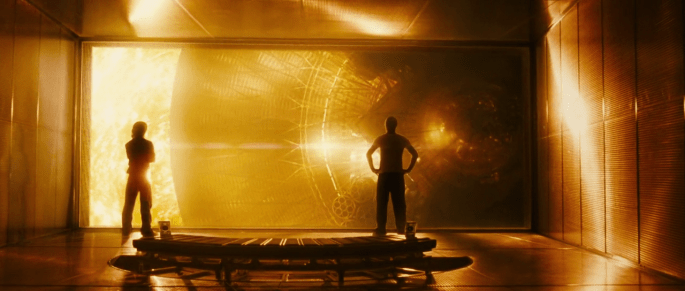
In some respects, Danny Boyle is Britain’s answer to Steven Soderbergh – a filmmaker who moves effortlessly from independent to studio films and works in a variety of genres: gritty drug drama (Trainspotting), kids film (Millions) and edgy horror (28 Days Later). Like Soderbergh’s Solaris (2002), Boyle has tried his hand at science fiction with Sunshine (2007). It was critically lauded in England as a thinking person’s genre film but was met with mixed critical reaction in North America and lackluster box office.

Sometime in the far future, our Sun is dying. The Earth is in the grips of a solar winter and the only chance we have for survival is to reignite the star. A spacecraft called the Icarus II, with a crew of eight and carrying a nuclear bomb roughly the size of Manhattan, will hopefully kick-start the Sun and save humanity. On the way there, they pick up a distress beacon from Icarus I, an earlier expedition with the same mission but that had mysteriously disappeared en route. Do they alter their course and check out the ship in the hopes that they can use its bomb and thereby doubling their chances? The decision lies with the ship’s physicist, Dr. Robert Capa (Cillian Murphy) and it is one that will affect the entire crew in ways they can’t yet imagine. Through a series of intense situations brought on by unforeseen complications, there’s a real possibility that the Icarus II may not make it back alive and the characters have to realistically deal with this chilling realization.

Sunshine starts of as an intellectual science fiction film a la 2001: A Space Odyssey (1968) and then shifts focus to an engrossing mystery involving the Icarus I and shifts again to a slasher film reminiscent of Event Horizon (1997) for the last third. This last shift has drawn the most criticism from reviewers and does test the film’s credibility. Do the filmmakers really need to add even more danger for the protagonists to face? Isn’t the fact that they are heading straight towards the Sun with limited resources and crew challenging enough?

Sunshine does an excellent job showing the dynamic between the crew members and how it gradually breaks down when things go horribly wrong. Crew member turns on crew member and an oversight or miscalculation has catastrophic effects. The cast is uniformly excellent and refreshingly absent of big name movie stars. Instead, we get solid character actors like Cillian Murphy (The Wind That Shakes the Barley), Rose Byrne (28 Weeks Later), Michelle Yeoh (Crouching Tiger, Hidden Dragon), and Cliff Curtis (Bringing out the Dead). Some of them are cast wonderfully against type and others, like Chris Evans, show previously unseen depth.

It is also nice to see the characters solving problems with reason and intellect that actually makes sense. That’s not to say that Sunshine is all brainy posturing. There is plenty of intense, visceral action that is emotionally draining much like Boyle did with 28 Days Later (2002). As he showed with that film and his debut, Shallow Grave (1994), he certainly knows how to ratchet up the tension.

This is also a visually impressive film as Boyle not only shows off the usual iconography of the genre – spacecraft, spacesuits, etc. – but doesn’t fall into some of the more tired clichés, like aerodynamically-designed spacecraft and evil computers. He also doesn’t telegraph who lives and who dies which gives the film an edgy unpredictability. At times, it feels like Sunshine wants to be the 2001 for the new Millennium but then the slasher film elements creep in and it resembles a more traditional thriller. It’s too bad because up to that point, Boyle’s film is a very smart, thought-provoking piece of speculative fiction.

PTS PRESENTS WRITER’S WORKSHOP with TODD KOMARNICKI

komarnicki-powercast

komarnickiPodcasting Them Softly is thrilled to present a discussion with screenwriter Todd Komarnicki, whose new film, Sully, from director Clint Eastwood, lands in theaters this weekend! This was an enormous treat to speak with Todd about his writing process, the development of the film, his experiences with the cast and crew, and this rather miraculous true story in general. And as fans of Clint Eastwood in general, it was fascinating to find out more about the legendary director and how he operates. Todd’s other writing credits include the James Foley thriller Perfect Stranger, and he was one of the producers of the blockbuster holiday classic Elf. He’s also prepping a project as both writer and director called The God Four, with Michael Douglas, Jai Courtney (Suicide Squad), Natalie Dormer (The Counselor), and Brenton Thwaites (Son Of A Gun). We hope you enjoy!
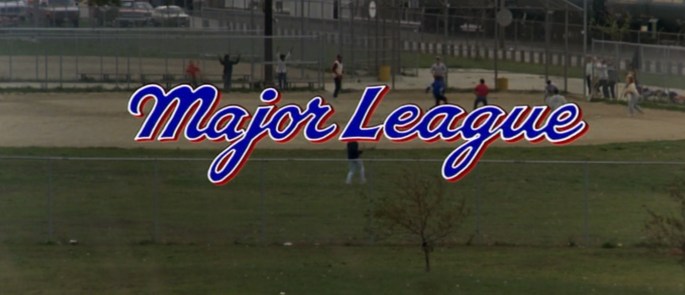
DAVID S. WARD’S MAJOR LEAGUE — A REVIEW BY NICK CLEMENT

11

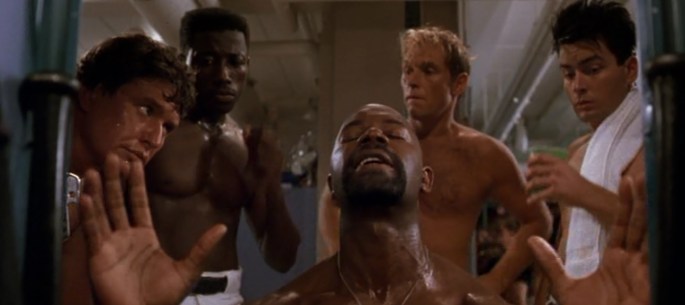
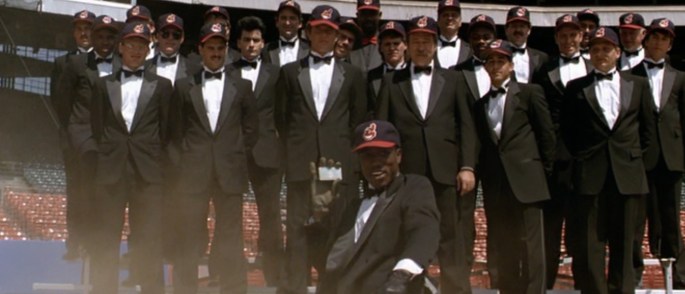
Major League is such an important film to me for so many reasons – it’s one of the funniest films ever made, it’s one of the best sports comedies ever made, and it was the first R-rated movie I saw on the big screen; I was eight years old. I can still remember my father telling me, “Son, this film has a word in it. A certain word that begins with the letter F. And I don’t want to hear this word out of your mouth after you see this movie.” Ha! To say that my mind was blown would be an understatement; I can still remember the feeling I had while watching the locker room blow out with all that fuckin’ cursing and hollering and feeling like I was privy to something extra-special, something adult, something that separated the little kids from the grown-ups.

77

I wore my viewing of this film like a badge of honor, proudly exclaiming to my buddies that I had seen this movie, Major League, and there was tons of swearing and things I could never understand at the time. And I love that when it hit TV, I could rationalize to my mother how it was OK for her to tape it for me, because I had already seen it despite the cussing, so what was the big deal if I viewed it again and again? I also love how my theatrical experience was my dad’s second viewing of the movie, having seen it the previous evening with my mother on opening night. He knew how funny it was, and he needed his kid to see it. I can’t wait to experience this with my own child and make it a regular occurrence.

2

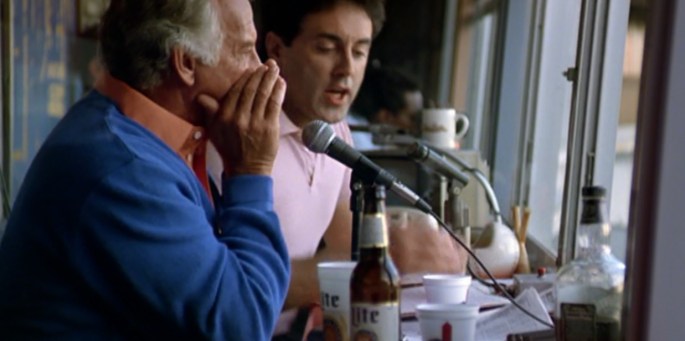
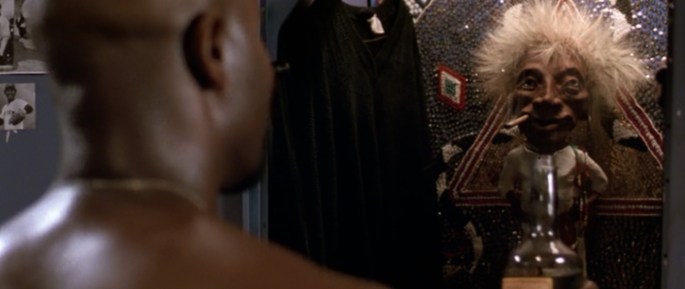
Written and directed by the prolific David S. Ward (screenwriter of The Sting, The Milago Beanfield War, and Sleepless in Seattle, and director of Cannery Row and The Program), the film’s all-star cast is really spectacular, with everyone getting a chance to round the bases: Tom Berenger as the old and tired catcher, Charlie Sheen as the hot-shot pitching phenom with a penchant for hit batsmen, Dennis Haysbert as the mysterious slugger with a special friend named Jobu, Corbin Bernsen as the slick but underachieving third baseman, Wesley Snipes as the flamboyant center fielder, the great Chelcie Ross as the veteran starting pitcher with a chip on his shoulder, bitchy Margaret Whitton as the nefarious team owner, the smarmy Charles Cyphers as Whitton’s henchman, crusty James Gammon as the salt-of-the-earth head coach, and the ridiculously funny Bob Uecker as the alcoholic radio announcer.

8

Everything about this movie works, from the big scenes on the baseball field, to the smaller, more romantic moments between Berenger and the radiant Rene Russo, who had one of the greatest runs during the 90’s that I can think of, appearing in a string of well-received blockbusters and always bringing her A-game. And I love the club house vibe in this film, as the screenplay really struck comedy gold whenever the action was set with the team as a group, with the entire cast conveying true chemistry with one another. Shot for $11 million and grossing $50 million, the film was a solid success with theatrical audiences, but REALLY found its footing on VHS and DVD, while neither sequel came remotely close to capturing the same sense of vulgar glee and smart comedic riffing. “This guy here is dead!” “Cross him off then!”

3

ROGER DONALDSON’S 13 DAYS — A REVIEW BY NICK CLEMENT

1

Thirteen Days didn’t deserve to bomb at the box office the way it did, as it’s one of Roger Donaldson’s best films, and a riveting true life tale that everyone should be familiar with. Released in 2000, the film was met with excellent critical reviews, but it was likely too talky to break out with the younger action crowd, and not sold hard enough to more adult minded audiences. David Self’s focused and extremely well researched screenplay was an adaptation of the book, The Kennedy Tapes: Inside the White House During the Cuban Missile Crisis, by Ernest May and Philip Zelikow, and showed a steadfast determination to historical verisimilitude as well as cinematic dramaturgy. And while some people took exception to the filmmakers beefing up the role that political consultant Kenneth O’Donnell played during all of this, Kevin Costner’s forceful performance was in perfect tandem with the two true stars of the movie, Bruce Greenwood as President John F. Kennedy, and Steven Culp as Attorney General Robert F. Kennedy. Greenwood and Culp clearly studied the mannerisms of the men they were portraying via archival footage and photographs, because they both seemed totally at ease and naturalistic while playing these towering individuals.

2

Everything about this movie, from a production standpoint, feels 100% authentic, from the fabulous production design by Dennis Washington and his entire art direction team, to the appropriately classical cinematography by ace lenser Andrzej Bartkowiak, who made good and clever use of black and white processing in some key historical segments, while never pumping anything up too visually, which was important as this film relied on the spoken word more than anything else. The fabulous supporting cast is too large to list; let’s just say that every single face sitting around all of the various board rooms and elongated desks feels weathered, tired, nervous, and perfectly cast. Conrad Buff’s extremely taut editing kept the film moving at a fast pace without ever sacrificing coherence, and considering that this is a film that consists almost entirely of men in suits speaking in large rooms and offices, the fact that it’s as energetic as it is speaks to Donaldson and Buff’s understanding of the fluidity to multi-character storytelling. The contemplative and hopeful musical score by Trevor Jones pulled everything together without any bombast, opting for quiet in all the right moments, while still feeling robust when needed. Thirteen Days is a movie I’ve seen countless times, and yet I look forward to each viewing as if it were the first.

3

Patch Adams: A Review by Nate Hill 

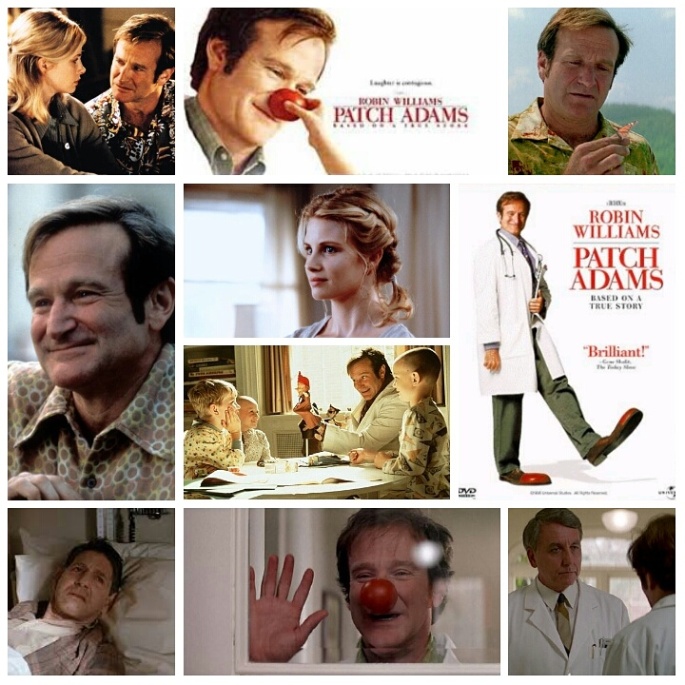
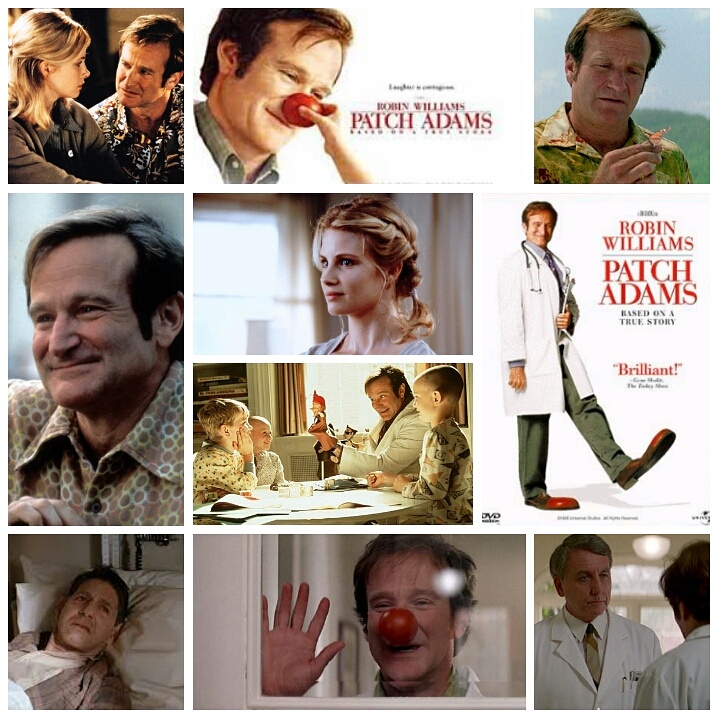
Yes, Patch Adams is a pile of sentimental mush. Yeah, the filmmakers took severe liberties with the source material until their protagonist scarcely resembled the fellow they based him on. Sure, it’s soppy to all hell. My thoughts on all of the above: So freakin what. None of that has stopped me from loving the film growing up as a kid, and continuing to do so these days too. The message it delivers and the values it supports can be relatable to anyone in any walk of life, not just the medical field. Robin Williams had his demons, but he could be the brightest beacon of love and optimism a lot of the time, and he carries that wonderfully throughout the film. Patch Adams is a manic depressive, deeply sad man who finds his calling in the field of medicine following an epiphany involving a fellow patient (Michael Jeter, always great) at the psychiatric facility he is staying in. Upon enrolling in medical school he finds the cold, clinical atmosphere of his field uninviting. Patch is a vibrant soul who wishes to combat illness and despair not just with medicine, but a healthy dose of humour, empathy and the readiness to listen to your patient, think outside the box and have compassion. His methods are seen as unorthodox, especially by the college dean (Bob Gunton), whose ass is so tight that when he farts only dogs hear it. Patch both struggles and triumphs, finding solace and inspiration in daily interaction with patients, and hits walls with his superiors, who neither trust nor understand his ways. It’s always an uphill journey for any sort of pioneer, but he soldiers on, aided by William’s remarkable work. Patch starts his own independent clinic along with fellow student and girlfriend Carin (the lovely and very underrated Monica Potter), and life is good. But it’s never safe from tragedy, as we tearfully bear witness to in a plot turn that will rip out your heart and huck it off a cliff. Patch is undeterred though, adamant in his quest to bring light, levity and love into the lives of the people he works with, regardless of how much time they have left on this earth, or who tells him what he should and shouldn’t do. That’s essentially what the story is about: helping others any way you can. That extends beyond simply trying to cure their disease, remove a tumor, prescribe a medication or diagnose an illness in a dry, detached manner. It’s about alleviating suffering not only with the tools of your practice, but with those of your heart and soul as well. Patch knows this, and won’t back down from the good fight. Bless his heart, and William’s too, for a performance of warmth and affection. Watch for work from Philip Seymour Hoffman, Josef Sommer, Ryan Hurst, Richard Kelly, Harve Presnell, Daniel London, Irma P. Hall, Barry Shabaka Henley, Alan Tudyuk and and excellent Peter Coyote as a stubborn cancer patient. There’s naysayers galore buzzing around this film like gnats. Swat ’em harshly, and don’t let ’em get you down. Those of us who appreciate the film know what’s up. 

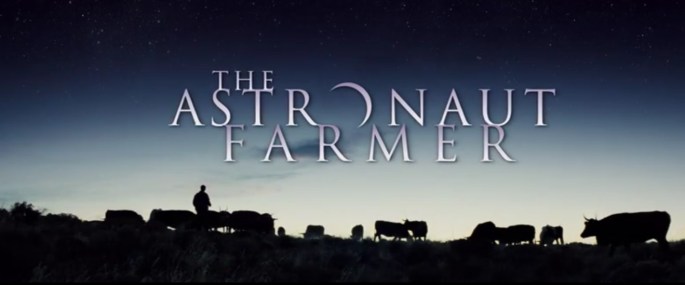
MICHAEL POLISH’S THE ASTRONAUT FARMER — A REVIEW BY NICK CLEMENT

1

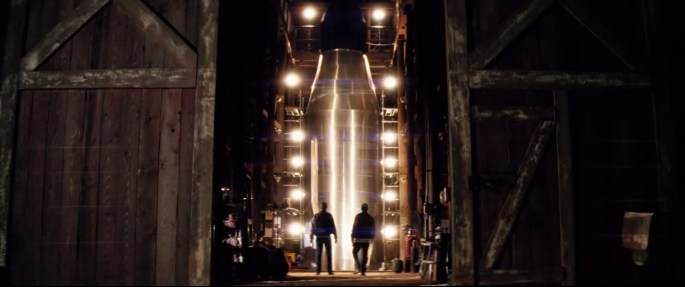
I absolutely LOVE this movie and I feel it’s a shame that more people haven’t seen it. It’s unclassifiable, it’s overwhelmingly gorgeous, it has a great message, Billy Bob Thornton was wonderful in the title role, and the directing from Michael Polish was straight-forward effective and extremely sincere. Was it the odd-sounding title or the barely noticeable advertising? I’m not too sure that people are into “honest charm” anymore – this is a movie that would have felt at home back in the 1950’s. But at the same time, it recalls such classics as Field of Dreams, telling a story of obsession, dedication, and perseverance against great odds, set against the backdrop of something totally fantastical yet oddly tangible. Thornton plays a daydreaming Texas rancher who decides to plunk all of his money into the construction, and hopeful launch, of his own private rocket up into outer space, thus realizing his life-long dream of becoming an astronaut. But once the government catches wind of a private citizen trying to procure rocket fuel, all hell breaks loose, a media storm is created, and a celebrity is created overnight. The Astronaut Farmer is one of the least cynical movies that I can think of, and it seems a minor miracle that it was actually funded by a major studio; it feels like the sort of movie that a writer would be laughed out of pitch over if they suggested it today.

2

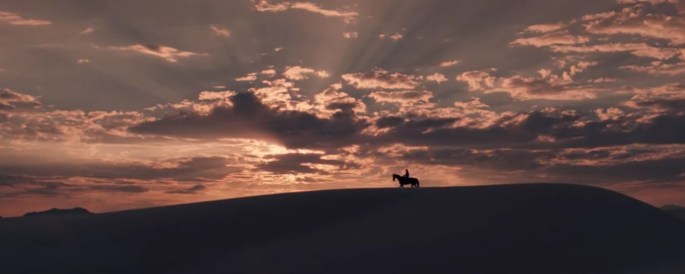
The supporting cast is superb – Virginia Madsen as Thornton’s loving and supportive wife, Bruce Dern, Tim Blake Nelson, co-writer Mark Polish, Jon Gries, J.K. Simmons, and an uncredited Bruce Willis – with everyone getting a chance to create a fully-fleshed character that contributes something important to the narrative. And on a technical level, the film is absolutely radiant, with Michael Bay-esque saturated colors being employed by Polish and his creative cinematographer M. David Mullen; the artists playfully subvert expectations and use the dusty backdrops in ways you might not imagine, while taking full advantage for the possibility or two for a glorious sunset in anamorphic widescreen. The slick and peppy editing by James Haygood keeps the entire film moving along gracefully, with scenes playing out for maximum emotional impact without ever becoming cloying. Toss in a warm musical score from Stuart Matthewman and truly spectacular production design by Clark Hunter and art director James F. Oberlander and the aesthetic package is completely sealed. Despite not making a dent in the box office and sort of being shrugged off by most critics, I think The Astronaut Farmer is one of the best family films that families have probably never seen together, and I absolutely can’t wait for my son Owen to experience this wonderful little movie. Hopefully a Blu-ray upgrade occurs in the future. It’s literally impossible not to smile after watching this gem.

3