Jackie Brown is the most mature film from Quentin Tarantino to date. It’s the Quentin Tarantino film that’s safe to show your parents. And I don’t mean that in an negative way – all of QT’s stylistic and narrative flourishes from his previous films were still on display, except this time, rather than being obsessed with guns and the messy violence that bullets can create, he was even more interested in his usual and extra-special brand of vulgar, beautiful poetry, this time stemming from the pages of Elmore Leonard’s classic novel Rum Punch. Resurrecting old movie stars has always been QT’s favorite thing to do, and here, he brought back both Pam Grier (lovely and clearly enjoying every moment of being front and center at that stage in her career) and Robert Forster (who gives what amounts to my favorite performance from any actor in any QT film – period) from the dust-bins of the 70’s movie graveyard, and gave them tons of room to shine with an amazing supporting casting including Samuel L. Jackson, Robert De Niro, Bridget Fonda, and Michael Keaton giving them tons of colorful back-up. Chris Tucker’s cameo is an all-timer, the visual texture resembles something old and tea-stained, and the funkadelic soundtrack grooves to a fantastic beat all-throughout. When it was released, the film received plenty of critical support, but looking back on it, I feel that people were more muted than they should have been. Expectations are inevitable, and sometimes dangerous, and the fact that Jackie Brown was not necessarily a logical follow-up to Pulp Fiction might have initially thrown some people for a loop. But over time, it’s become clear that QT was up to something very special with this piece of work, which feels both cut from his moving-loving-heart and the conventions of the crime drama, with enough to satisfy everyone on both sides of the coin.
Category: Film Review
JEREMY SAULNIER’S BLUE RUIN — A REVIEW BY NICK CLEMENT
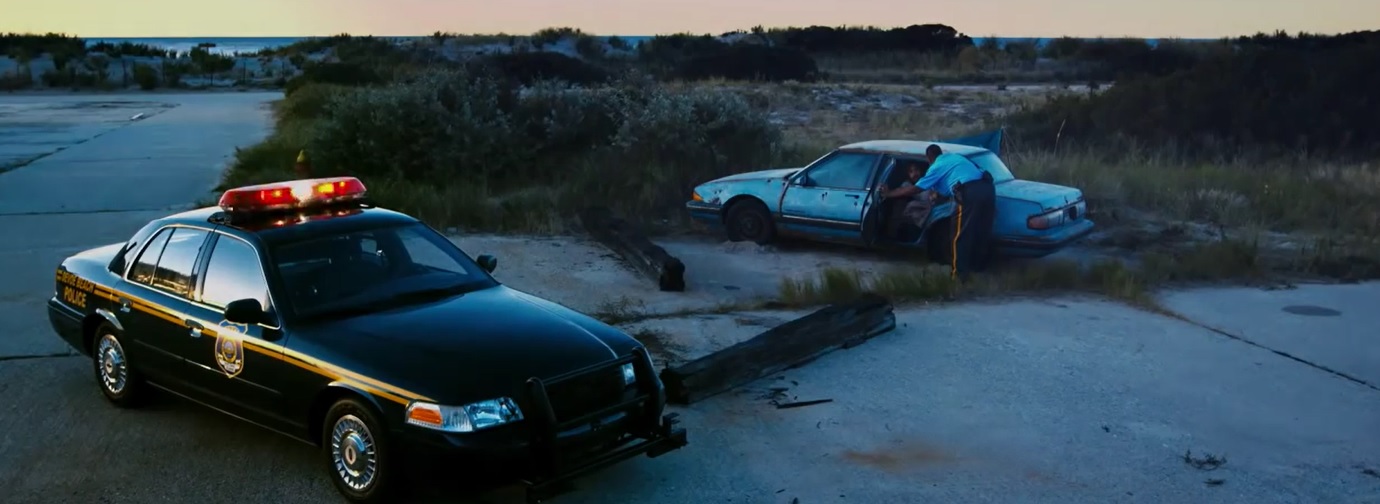
Spare. Menacing. Near constant tension. Vice-grip direction. Air-tight plotting that MAKES SENSE when you stop to think about the fine details. Graphically violent yet never exploitive. Virtually faultless. Blue Ruin was writer-director-cinematographer Jeremy Saulnier’s big coming out as a top-notch genre-buster, and I absolutely can’t wait to see Green Room, which has been kicking ass at the various festivals of late. Reminiscent of the Coen brothers with its dark thrills an…d exacting formal precision, this is a true screw-turning thriller that takes no prisoners. It’s like no revenge movie I’ve ever seen, and I admired how Saulnier used the blackest of comedy to somewhat lighten the heavy, nihilistic load of neo-noir mayhem. Macon Blair’s uncommonly focused, award-worthy, multi-layered lead performance is one for the ages and totally mesmerizing to behold – I don’t care how stiff the competition was, this guy was ROBBED of an Oscar nomination. I don’t want to spoil the plot to Blue Ruin, but I’ll allow that it’s a “man on a mission” narrative that gets turned upside down due to a series of unfortunate circumstances, each escalating in violence, and culminating in an extra fierce finale. This is a dangerous, all-consuming work, strangely beautiful, and horrifyingly bloody. I loved all 90, ultra-precise moments, and along with Ben Wheatley, Saulnier is one of the most exciting new voices on the hardcore indie scene.
CHRISTOPHER NOLAN’S INSOMNIA — A REVIEW BY NICK CLEMENT
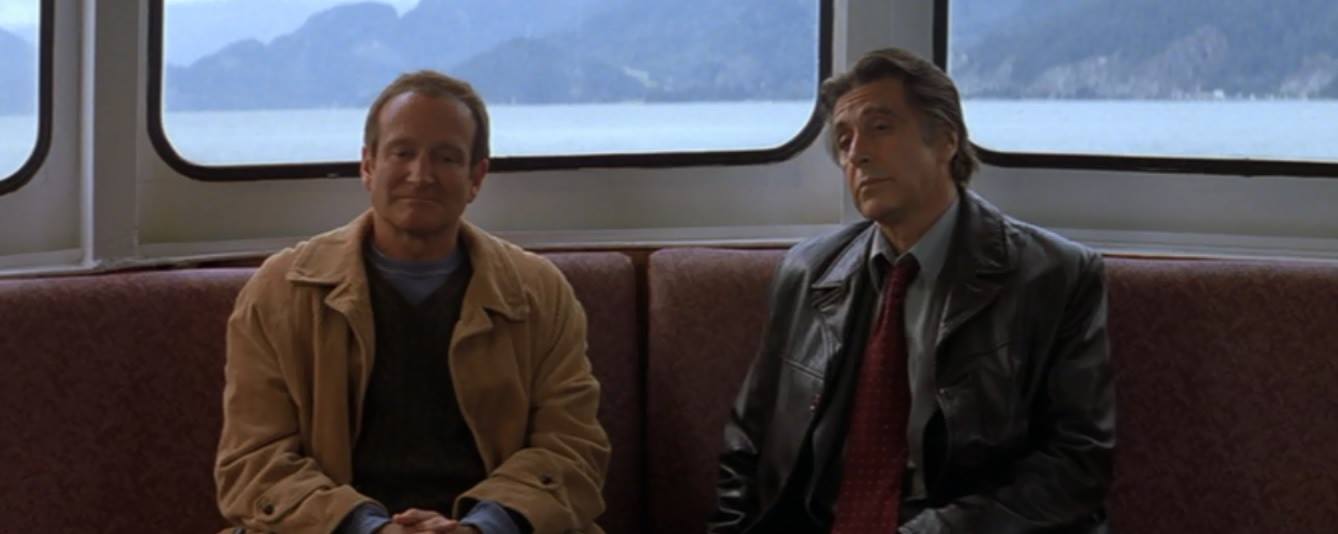
Attempting a remake of any great film is always a questionable endeavor. I can remember seeing Erik Skjoldbjærg’s terrific Norwegian psychological thriller Insomnia at the theater on my college campus back in 1998 and thinking that an American remake would be rather pointless. The themes would never travel (especially the underage sexuality), how could one outdo Stellan Skarsgård, and how could a filmmaker capture that eerie atmosphere in a new and unique way? It was never going to be an easy task, but Christopher Nolan continued his hot streak with his stylish and underrated 2002 updating, which felt like the next logical step for him as a filmmaker after his breakout indie success Memento. Al Pacino gave a tired and tortured lead performance as a cop struggling with intense inner demons not to mention the inability to get any sleep; this is a film that touches on noir (daytime noir!) and the serial killer genres but still remembers to load the narrative with interesting character beats and small bits of surface details that all add up to a riveting mystery. Robin Williams gave one of the best performances of his career as a chilling psychopath who always seems to be one step ahead of Pacino and the authorities – that chase sequence he has with Pacino across those drifting logs in that chilly river is spellbinding stuff, with Nolan using incredible sound effects and expert spatial geography to heighten the tension. Williams brought a devilish smile to numerous scenes, and his unpredictability always kept you guessing, even within the relatively predictable confines of studio based genre entertainment. Martin Donovan, Nicky Katt, Hilary Swank, and Maura Tierney all offered solid support. This was a nervous, jittery piece of work from Nolan, who would later fashion a more controlled, rigid aesthetic in Inception and The Dark Knight trilogy (The Prestige looks even more unique these days) before moving on to his magnum opus, Interstellar. Wally Pfister’s slick yet gritty cinematography worked in perfect tandem with David Julyan’s haunting music and Dody Dorn’s taut editing. Remakes of already excellent films are rarely this effective.
DAVID FINCHER’S SEVEN — 20TH ANNIVERSARY REVIEW — BY NICK CLEMENT
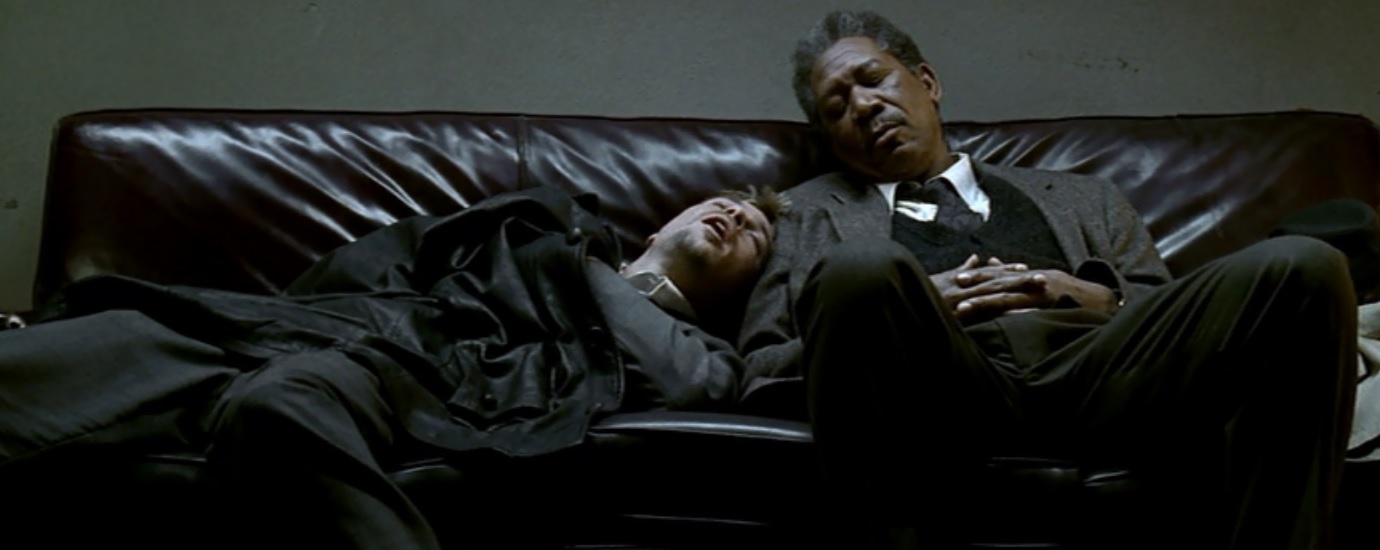
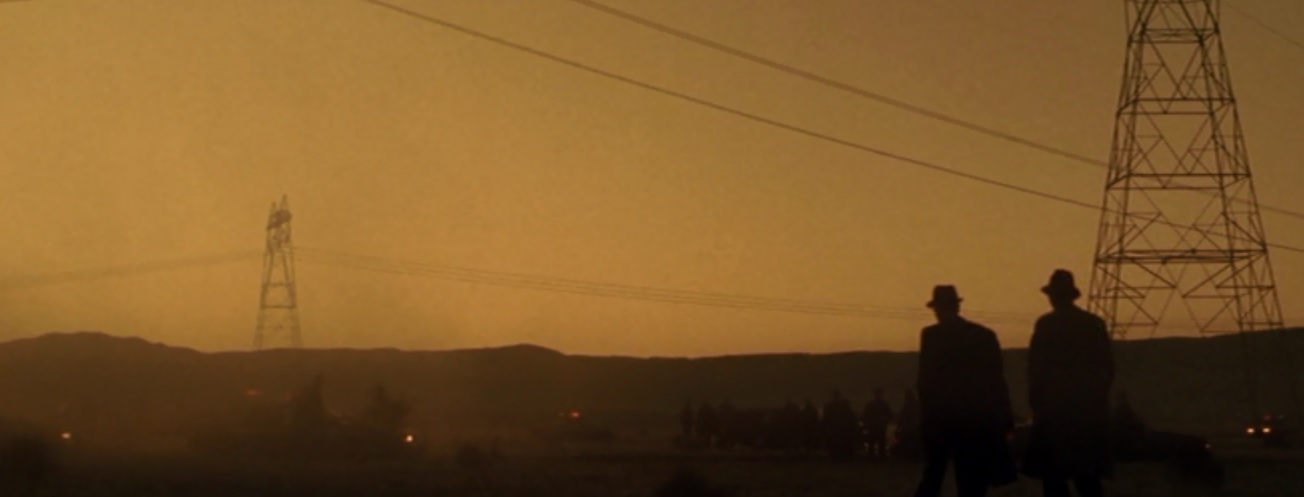
20 years ago, New Line cinema dropped a dark hearted cinematic wake up call in the form of David Fincher’s immortal serial killer thriller Seven. It made a legitimate star out of Brad Pitt, giving a nervously twitchy and playfully cocky performance as a young cop who thinks he knows what he’s getting himself into, and it further cemented Morgan Freeman’s status as a premiere acting force, giving him the chance to riff on the sage, retiring detective character made famous by so many genre offerings. And rather importantly, Seven boldly announced Fincher as a serious directorial talent to contend with, affording him the chance to take material that was directly up his casually cruel cinematic alley, and put his own distinct and rigorous aesthetic stamp all over it. To this day, the film remains frightening and startling to watch, as the twists and turns still feel fresh and diabolical, even when you know how it’ll all finish up. I vividly remember seeing this film on opening night in the theater, at the age of 15, on the same weekend that Showgirls opened, and I can still feel the unease that settled in over the sold-out crowd during those final moments, when we all realized what exactly was in that box out in that field.
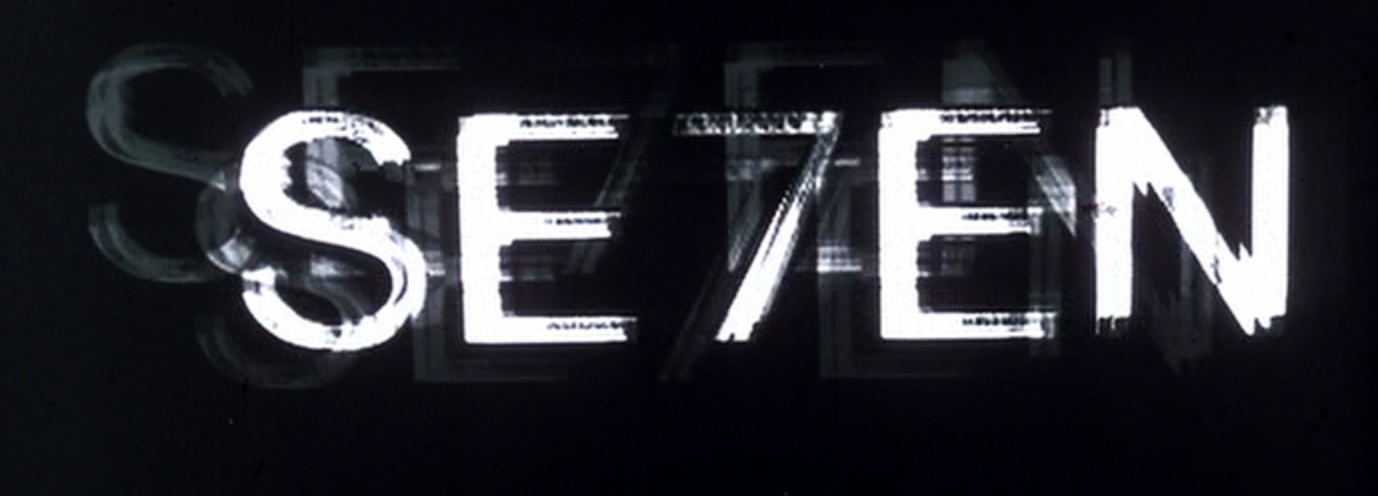
Screenwriter Andrew Kevin Walker’s brilliantly constructed screenplay withstands the utmost scrutiny, and demands total respect; this is a perfect cinematic onion, revealing layer upon layer of themes and narrative implications as each section is peeled off and removed. One of the most fascinating aspects of the entire film is that while it’s a crisply plotted procedural, the psychological undercurrents were never glossed over, with the film exploring the true root of evil, with explanations that feel scarily honest and all too believable. And the fact that the ending remained in tact, after much deliberation and wrangling and ultimatums, is still one of those “Thank The Cinema Gods” moments where the money people and the creative entities could all come to terms with exactly how they knew a film should finish. Darius Khondji’s elegantly nightmarish cinematography is the stuff of legend, each shot museum worthy, while also displaying a sense of grit and atmospheric dread and danger that immediately pulls the viewer into this hellish world on display (wisely, the exact city in the narrative is never explicitly mentioned). Arthur Max’s haunting production design evoked urban decay in ways that few modern films have ever done; this movie feels like it’s rotting at the core. The exacting editing by Richard Francis-Bruce knew exactly how to accentuate each and every scene for maximum impact, while the unnerving score by Howard Shore filled the background, never overpowering, always accentuating. And it goes without saying that the opening credits sequence is one of the most dynamic and influential bits of title design ever put on screen (this is an area that Fincher has always excelled at in all of his incredibly stylish feature films).
When Kevin Spacey shows up at the top of the final act the movie somehow gets even more sinister than it had already demonstrated, and the way he needles both Pitt and Freeman during that infamous car ride is a full-on demonstration of how Spacey knows exactly how to own a scene with total command. While attending California State University at Northridge, I had the insane opportunity to view Seven on a frame-by-frame basis, and studying how Fincher controlled his filmmaking was more than eye opening. Close to 98% of the film is shot with a stationary camera, only going hand-held in a few key instances (the hall-way shoot-out near John Doe’s apartment; portions of those climactic moments out in the field), and it was thrilling to see how Fincher and his team were able to heighten fear and suspense more with camera set-ups and pacing than anything else. Seven leaves more up to your imagination than it was credited for doing, as way too many people complained of excessive violence, which, to be honest, just isn’t there on the screen. Yes, clearly, there are more than a few gruesome sights on display, but in comparison to some other genre entries, Seven feels carefully and intelligently restrained in every single area, while always allowing for the idea of horrific human behavior to be lurking in every corner. This is a great and influential piece of filmmaking that ages like a fine wine.
SIDNEY POLLACK’S THE YAKUZA — A REVIEW BY NICK CLEMENT
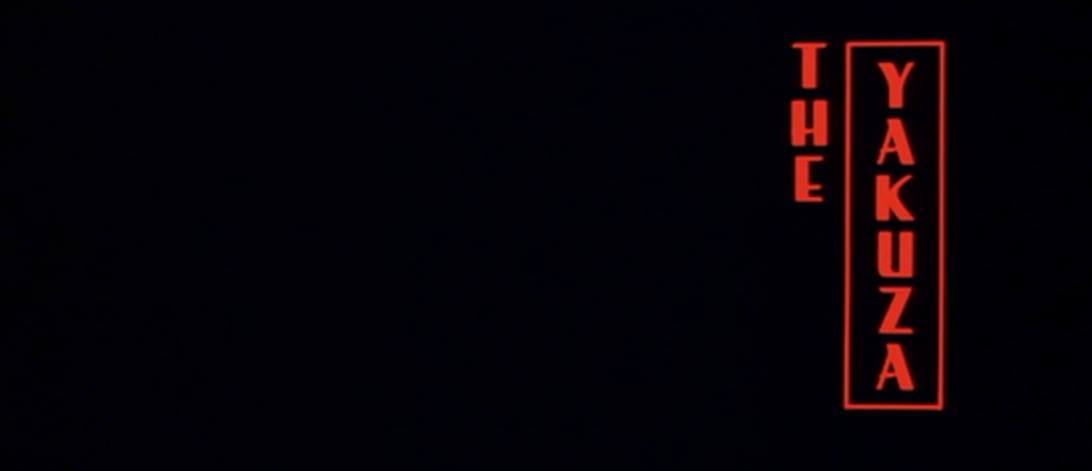
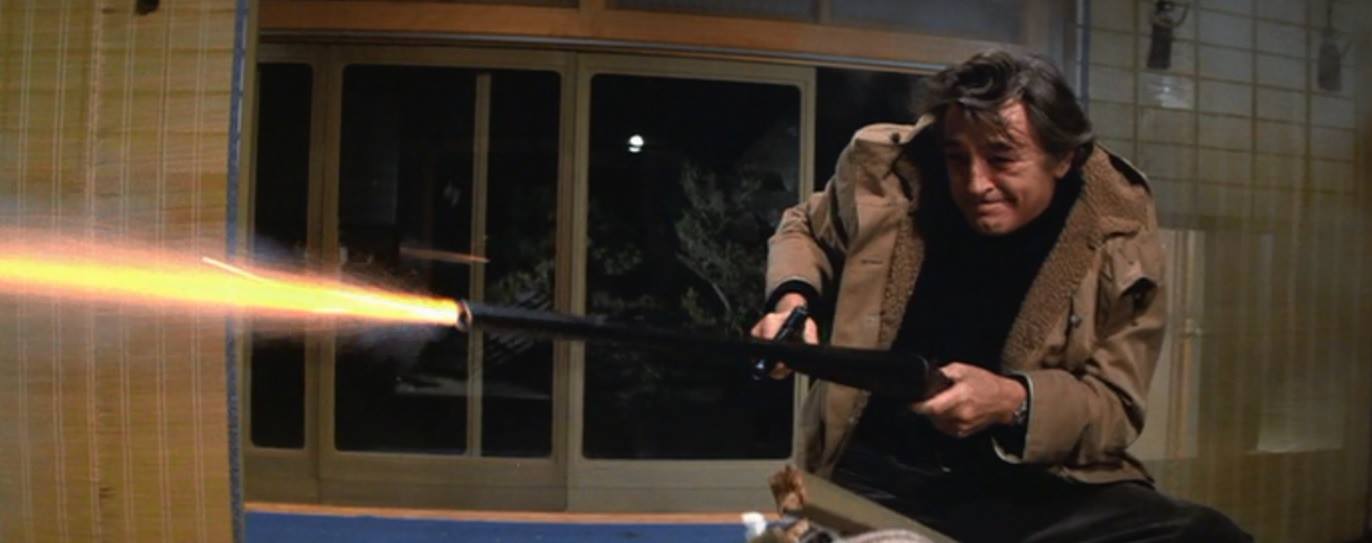
Sidney Pollack’s The Yakuza, released in America in 1975 after a Japanese premiere a year earlier, is a unique neo-noir gangster hybrid boasting an excellent script written by Leonard Schrader, Paul Schrader, and Robert Towne. Despite not being a box office hit at the time, the film has certainly gained a cult following over the years, and it was a movie that had always escaped my grasp. I’m so glad I finally caught up with this exceedingly entertaining drama, one that’s spiked with some truly great action scenes and a narrative that’s engaging on a story and emotional level. Featuring a solid-as-oak Robert Mitchum as an ex-private investigator who returns to Japan in an effort to rescue the kidnapped daughter of his friend, there’s a distinctive quality to this movie that’s hard to describe. There’s a great mix of hard-core shoot-outs and bloody sword play, Dave Grusin’s music supplied tension and grandiosity in equal measure, and the thoughtful and at times ruminative screenplay stressed character and motivation and thematic context rather than being an empty display of action. Ken Takakura provided more than just a steely gaze, injecting the film with a sense of lethality and wisdom, while supporting cast members Brian Keith, Richard Jordan and Herb Edelman made the most out of their distinctive roles. Especially Jordan, whose unique face was able to convey just as much information than the script ever could. But it’s Mitchum who totally owned the picture, bringing his customary gruff line delivery and masculine sense of purpose to this exotic and violent story that traded off of noir tropes and the demands of the action picture in equal measure, with Pollack’s sure and steady directorial hand bringing it all together in a very elegant, crisp fashion. The rich screenplay investigated themes of moral and social expectations on the part of the Japanese culture, and how familial loyalty and personal friendship can be tested through the differing viewpoints of Eastern and Western school of thought. Ridley Scott and his creative team would heavily borrow from this film for the 80’s classic Black Rain, and clearly, this must be a favorite for Quentin Tarantino.
THE HILL FILES: AN INTERVIEW WITH ACTOR ROBERT JOHN BURKE
I recently had the honour to chat with actor and firefighter Robert John Burke, a great guy and experienced veteran, appearing in excellent character arcs in Gossip Girl as Bart Bass, Rescue Me as Cousin Mickey, Law & Order SVU, Person Of Interest, Generation Kill, The Sopranos, Oz, Sex & The City, Homicide: Life On The Streets and more. He’s also worked in many films, including Robocop 3 in the title role, Limitless, Safe, Tombstone, Munich, 2 Guns, and the George Clooney directed films Good Night & Good Luck, and Confessions Of A Dangerous Mind. He’s one of my favourite actors, and I was beyond excited to be able to interview him. Enjoy!
Nate: How did you get into acting, was it something you knew you wanted to do at an early age, or did you fall into it? Did you got to school for it at all? Where?
Robert: I kind of fell into it, and for an acting degree I went to State University of New York, at Suny Purchase.
Nate: Robocop 3 happened pretty early in your career, with not a lot of film credits before that (or at least as far as I can tell from imdb). How did that come about, and did you enjoy taking up the mantle of such an iconic character from Mr. Weller?
Robert: Robocop 3 came about.. In God’s great earth they thought I was the only actor who could do it, I don’t know why. I think physically I poked like Peter Weller, and I had also had extensive karate training, pantomime training, and body training, and I fit the suit. I held out for a long time, I was very hesitant to do it, but then after about six or eight months I finally agreed.
Nate: You are are a certified NY firefighter, and from what I’ve read participated in rescue efforts following 9/11. Would you care to share your experience with that at all? Did that contribute to your being casted in Rescue Me, or is that just coincidence?
Robert: I became a firefighter in 2002, my best friend was a fire captain, Captain Patrick Brown, he worked at Ladder 3, and when I went down to the World Trade Center to dig and look for Pat, that kind of became the first time I operated as a firefighter, returned to my hometown, joined the volunteer force, and after thirteen years I’m now a captain.
Nate: You frequently play offbeat, corrupt higher ups and gruff lawmen or criminals, always under the radar, but always absolutely memorable. Do you find that a career as a character actor was what you saw yourself doing upon entering the industry? Or have you surprised yourself with the direction your work has taken?
Robert: It has surprised me that I’ve become kind of a character actor, and the style of roles, the gruff detectives. People say do you worry about being typecast, and the operative word there is ‘cast’. So if we leave out the word ‘type’, what they are essentially asking is do you worry about about being cast, and no, I don’t, it sure beats unemployment. I love playing the bad guy, it’s always more fun, always more interesting. Who wants to play the good guy? It’s boring.
Nate: Who are some of your favourite actors/films/filmmakers?
Robert: My taste in actors is varied, I’m not much of a cinephile to begin with. I’d have to say that my number one actor that I really, really like is Alan Rickman. I don’t know what it is about Alan Rickman, the guy is just a consummate artist. I love Bob Duvall, also Gary Oldman I love. There are a lot of different actors I like for a lot of different reasons, but yeah, those would be the top three.
Nate: Awesome choices! Rickman and Oldman are absolute favourites of mine. You seem to have a ton of fun in your work, even when playing contemptible pricks. There’s always a glint in your eyes and an infectious energy that radiates off the screen. Do you find that that rambunctious, mischievous quality happens naturally via your personality, or do you consciously use your training to create it?
Robert: I always seem to have a lot of fun even when playing ‘contemptible pricks’, (laughs) I love that usage. Um, it’s fun, like in Person Of Interest, this character Patrick Simmons, whose kind of over the top, the story of Person Of Interest, the CBS television show, it’s kind of a comic book type of adventure, so you get to be a wee bit arch. But as long as I’m doing the definitive interpretation of the role, then I just am so grateful to be doing what I’m doing, that I don’t really apologize for it. Yeah I’m having fun, an acting teacher told me, why do you think they call it a play?
Nate: Confessions Of A Dangerous Mind- the million dollar question haha. Your monologue in this one is just sheer comic brilliance, and lights up the entire movie like a beacon of knowing, satirical fun. My buddies and I re watch the scene on YouTube all the time and descend into fits of laughter. How did the nature of that come about? Did you take it upon yourself to lay the over the top, hilarious nature of that character into it, or was it in the script to have him like that?
Robert: With Confessions Of A Dangerous Mind, that was my first audition after 9/11, I hadn’t auditioned in a year, I hadn’t acted in a year. I went for George Clooney and I read that scene, and he was.. snot was coming out of his nose he was laughing so hard. Then when I got up there subsequently to shoot it, I dialled it back a lot, and he said “What are you doin?”, and I said “well, I wanna be in the same movie YOU’RE shooting”, and he said “No, no, you have to do what you did in the audition, it was such a wonderful interpretation”, so I did it, and I really had fun with that. What was wonderful about George is that he’s an actor, so he allowed me to really just be fearless and not whatever the hell I wanted per say, but at the same time to reallyy stretch the boundaries of who this particular whacko CIA agent could be.
Nate: You have primarily worked in crime/action cinema. Do you find that a particular genre just kind of finds you based on your look, style and approach to the work, or did you actively seek out projects like that?
Robert: I think the reason that I work in these genres, of action adventure, well it’s not action adventure per say, but action. I guess it has to do with the way I look, you know, sharp featured, blue eyes. Western canon would say that I’m the consummate looking hunter, you know, killer. But I play a lot of military types, it’s interesting that that’s what is thrust upon me, I played like five or six Generals so far in the past three years. This is how I’m perceived, it’s kind of a surprise to me, but again it’s usually fun stuff, and interesting. I especially like doing historical work, playing someone who has actually lived, because then I get to do the research and being a history buff that coincides nicely.
Nate: How is life these days? Do you have any projects you are excited for and would like to speak about?
Robert: Life these days is good, I do a recurring role on Special Victims Unit, and he really was a contemptible prick, and now they’re softening the character up. I just finished a turn in the new Teenage Mutant Ninja Turtles movie, and my volunteer fire service, July August I took off, that’s our busy time of the year, so just getting the fire department and the training materials, everything up to snuff, lots of training, lots of EMS calls, and the odd fire. There’s a lot of fire safety these days, so it cuts down on your fire service in that respect. But the training I love, and I’m pretty fortunate to have such good guys around me.
Nate: Thanks for sharing, Robert, I really appreciate it!
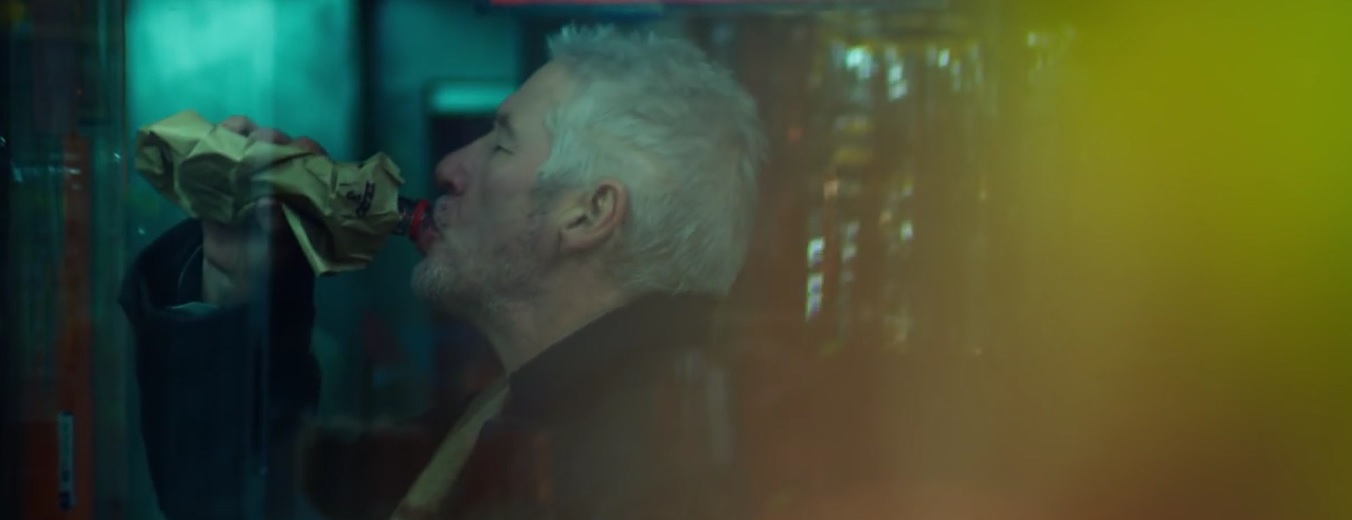
OREN MOVERMAN’S TIME OUT OF MIND — A REVIEW BY NICK CLEMENT
BILL POHLAD’S LOVE & MERCY — A REVIEW BY NICK CLEMENT
Love & Mercy is a very sad film about a very troubled person. I have to assume that this film is factually correct because it feels extremely well-researched, and I just can’t imagine the filmmakers inventing stuff simply to manufacture drama. I’m was not up to speed with Brian Wilson’s turbulent life and the events that surrounded the rise of the Beach Boys, so as such, the entire film was one surprise after another, and it’s a work that’s both illuminating and despairing in equal measure, much as life so often is for many people. This isn’t your routine biopic whatsoever, and one of the aspects I liked the most was that director Bill Pohlad (his second film in 25 years after years of producing, most notably The Tree of Life, 12 Years a Slave, and Into the Wild) and screenwriters Oren Moverman (Rampart, The Messenger) and Michael Lerner really showed you the intense creative process that goes into devising, writing, and performing music, especially for a guy like Wilson, who clearly had some savant stuff going on, and definitely was ahead of his time in terms of how he approached the task of artistic collaboration. There’s a fantastic sense of fidelity to the material that makes the entire piece feel very heartfelt and eye-opening, with some of the real-life recording stages being used for key scenes in this constantly probing film. I haven’t seen a better performance from John Cusack in years, as he paints a portrait of the older Wilson as extremely damaged goods, yet not without his glimmers of hope and ability to want to love. Paul Dano is absolutely fantastic portraying Wilson in his song writing and singing prime, yet still demonstrating the fact that his mental illness took root early on in life, no doubt spurred on by the abusive behavior of his father. Both actors fully commit to their impassioned performances, and as a result, the dual impressions of Wilson the artist and Wilson the man feel incredibly cohesive. Paul Giamatti is pure scum as a disingenuous “doctor” who duped Wilson out of happiness (and other things) for far too long, and the always wonderful Elizabeth Banks plays Wilson’s later-in-life love interest, a woman who fell in love and went to bat for Wilson, in an effort to help him turn his life around. Shot by the extremely talented cinematographer Robert Yeoman (all of Wes Anderson’s films, To Live and Die in LA), the film feels extremely California, with golden sunlight stretching across the colorful images, with smart, casually stylish framing in abundance as per usual for this incredible cameraman. Atticus Ross’s immersive score not only highlights the best of the Beach Boys but creates an unnerving quality that cuts to the heart of Wilson’s numerous psychological issues; the use of rising sounds followed by abrupt silence is used to maximum effect. This is an incredibly focused and expertly crafted film, especially for someone calling the shots for the first time in more than two decades, marking Pohlad as a major talent to watch out for in the future, should he wish to continue sitting in the most important seat on the set.
JOHN IRVIN’S THE DOGS OF WAR — A REVIEW BY NICK CLEMENT
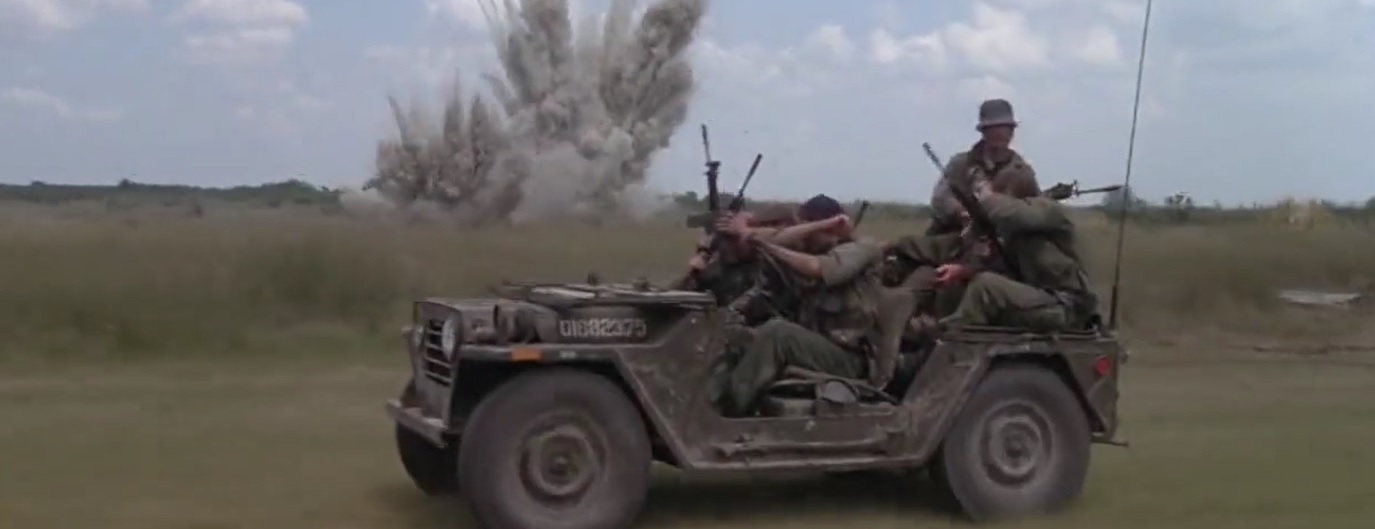
John Irvin’s take-no-shit war drama The Dogs of War is the sort of action picture rarely made these days — unsentimental, lean, and thoroughly engrossing (David Ayer’s underrated Fury feels cut from the same cloth, as do portions of Antoine Fuqua’s compromised Tears of the Sun). Gritty, violent, masculine, and shot with rugged panache by director of photography Jack Cardiff, this 1980 mercenary adventure has received the Blu-ray treatment from the fine folks at Twilight Time DVD Label and if you’re a fan of unpretentious, straight ahead war films, then check this one out. Christopher Walken and Tom Berenger deliver intense and extremely effective performances, with a surly and gruff supporting cast which included Colin Blakely, Hugh Millais, and Ed O’neil. Irvin would later direct the outstanding Vietnam film Hamburger Hill, 80’s classic Raw Deal, and the underrated Michael Caine thriller Shiner. According to the internet, Michael Cimino did a re-write on Gary DeVore and George Malko’s terse and disciplined script. The opening action sequence, which plunges the viewer into the middle a full scale Central American war-zone, is outstanding, especially for the days of zero CGI, with all sorts of for-real pyrotechnics and incredible stunt-work. The final act is essentially a battle, with some ridiculous fire-power on display. Geoffrey Burgon’s pulse-pounding score was more than up to the task. This is one of those excellent films that may have snuck through the cracks that’s totally worth re-discovering.
CINEMATOGRAPHER SPOTLIGHT: STEVEN POSTER, ASC — BY NICK CLEMENT
Veteran cinematographer Steven Poster, ASC has compiled a wide-ranging mix of theatrical and television credits throughout the years that stretch various genres and styles. After getting a start as a camera operator on Robert Altman’s brilliant 1978 comedy A Wedding, he moved into second unit work, getting a chance to cut his teeth on Close Encounters of the Third Kind, Blade Runner, Starman, and Big Trouble in Little China. In recent years, he’s developed a close working relationship with maverick indie director Richard Kelly on the cult classics Donnie Darko and Southland Tales, as well as the underrated sci-fi thriller The Box, which approximated the look and feel of the 1970’s in ways that few modern movies ever attempt. He shot the provocative Los Angeles sexual drama Spread from rising star director David Mackenzie (Perfect Sense and Starred Up), Ridley Scott’s 1987 neo-noir thriller Someone to Watch Over Me, audience favorite Rocky V, the subversive and totally wild sequel Big Top Pee Wee, and 80’s classics Strange Brew and The Boy Who Could Fly. In addition to his duties behind the camera, Steven currently serves as President of the International Cinematographers Guild, and in previous years, served as President of the American Society of Cinematographers. His upcoming projects for 2016 include the horror sequel Amityville: The Awakening, a new Richard Kelly movie, and the indie drama All Good Things. He’s an artist always looking to change it up with varying material and specific aesthetic choices, while always stressing smart control with imagery and a disciplined sense of camera placement.
Donnie Darko announced the arrival of the challenging filmmaker Richard Kelly, and the film became a calling card for the director, and for a generation of high school and college kids looking for something offbeat and unique. A big reason for the film’s overall level of success is the dreamy visual style that Poster brought to the project. Shot in 2.35:1 widescreen and frequently emphasizing the middle of the frame, the film has an ominous tone all throughout, with much of the story set at night, while Poster’s camera glides through one surreal cinematic moment after another, using slow-motion in a perfect fashion, heightening the emotional moments with force and purpose. Another Poster/Kelly collaboration is Southland Tales, the divisive, Dr. Strangelove-esque political and social satire that feels like 10 movies stuffed into one, with an aesthetic style that feels like a smart and logical extension from Donnie Darko, again maximizing the use of the widescreen space, filling the screen with hallucinatory images that wash over you like some sort of wild, psychedelic trip. The saturated colors favored by Poster in this film made the volatile world being presented in the narrative all the more seductive, while the final 30 minutes represent something of a stylistic freak-out on the part of everyone involved, with Poster emphasizing the otherworldly through lens flares, bold nocturnal images, with an exploding zeppelin and a floating ice-cream truck providing him with the opportunity to craft images that feel like nothing you’ve ever seen. And Poster’s work on Ridley Scott’s underappreciated thriller Someone to Watch Over Me is a clinic on how to shoot a neo-noir that never feels overly slavish to other genre entries, always taking cues from the past while imbuing it with a (for the time) slick and sexy visual style that feels oh-so-gloriously late 80’s in retrospect. Shadows, smoke, darkness, moonlight, neon, and all sorts of atmospherics played a big part in Poster’s overall mise-en-scene, and under the firm direction of Scott, Poster was able to craft one of the best looking films of his stellar career.