RAMIN BAHRANI’S GOODBYE SOLO — A REVIEW BY NICK CLEMENT

1

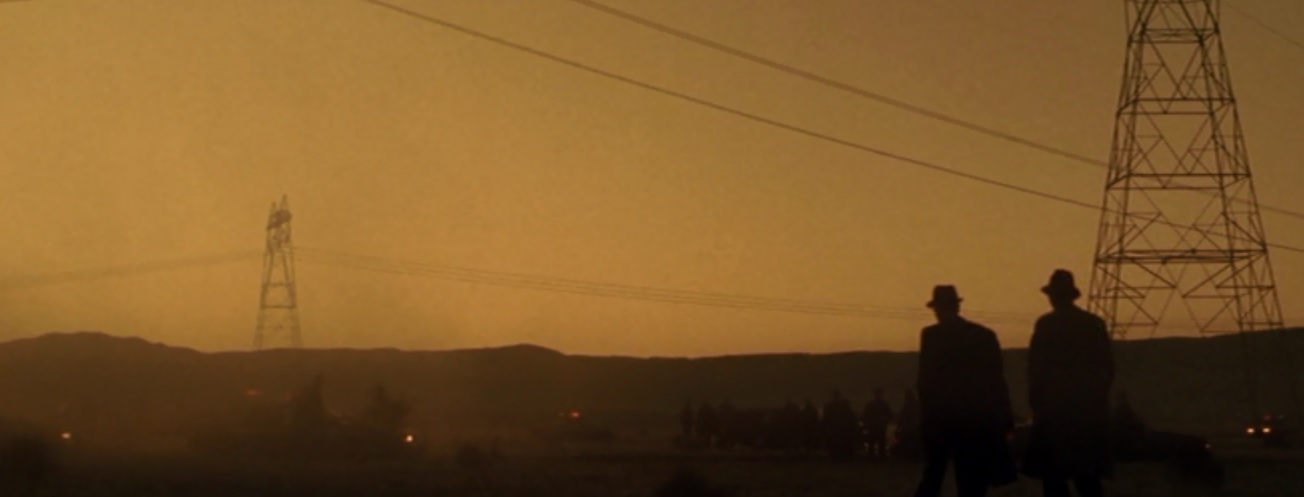
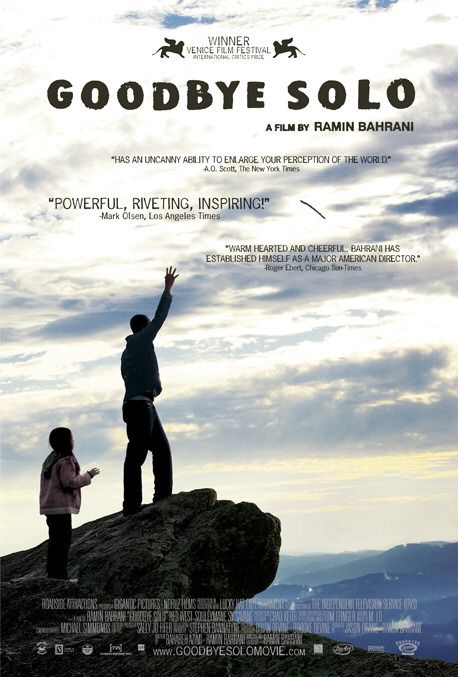
Ramin Bahrani’s Goodbye Solo is a quietly powerful film with two absolutely astonishing performances from its leads. Bahrani, who also directed the excellent Chop Shop, Man Push Cart, and the underrated At Any Price, currently has a new film out in limited release called 99 Homes, which centers on the financial crisis and home mortgage disaster of 2008. He’s interested in social commentary and human-scaled dramas which can thematically speak to anyone, a naturalist filmmaker with a style similar to Kelly Reichardt (Old Joy, Meek’s Cutoff, Wendy and Lucy, Night Moves), utilizing a deliberately slow pace, simple but effective camera set ups, limited artificial musical score, a noticeable lack of showy lighting techniques, all in an effort to achieve slow-burn and honest to the core dramatics. Goodbye Solo is about a North Carolina cab driver named Solo (the amazing Souleymane Sy Savane), a Senegalese immigrant, whose girlfriend is about to have a baby. One day, an old, sad looking man named William (Red West, incredible) gets in his cab and makes him an ominous offer: In one week, for $1000 cash, Solo will drive William to the highest point at a nearby mountain range, drop him off, and never look back. What develops over that week is an unlikely but exceptionally moving friendship between the two vastly different men. Bahrani’s emotionally taxing screenplay gives West and Savane some powerful scenes to play off of each other, with a finale that is perfectly understated but deeply felt. I was taken back by the honest and natural performances of both West and Savane, and probably because I wasn’t familiar with them before seeing the film, I was able to become invested in a way that might not have occurred had more baggage-laden talent been given the two roles. West is a guy who has been doing bit parts in movies for years (his personal story is fascinating…do a google search…) and he’s got one of those made-for-the-cinema faces that dispenses with back-story without the necessity for words. It’s a face that’s seen too much throughout the years, and because of West’s grizzled look and feel, he brings a level of intensity to William that remains present throughout the entire picture. Savane is the perfect antidote to West’s hardness; Solo could give Happy-Go-Lucky’s Poppy Montgomery a run for her money in the eternally optimistic sweepstakes. Always trying to help, always thinking with his heart (when sometimes he should be thinking more with his head), Solo is determined not to let William do himself in, even if it means sacrificing things that he holds dear. Bahrani was hailed by the late Roger Ebert as “America’s next great filmmaker” and it’s not hard to see why. He’s been making important, under the radar work for years now, and it’s time that he gets the full-on attention he deserves. If you’re not familiar with his work, I urge you to get acquainted. Goodbye Solo is a great film, one that will make you think long after you’ve finished watching.

BALTASAR KORMAKUR’S EVEREST — A REVIEW BY NICK CLEMENT

1

Other than the various physical locations on display during Baltasar Kormákur’s matter-of-fact mountain climbing film Everest, the star of the show is ace cinematographer Salvatore Totino, who clearly went to huge lengths to accurately portray the harrowing conditions that the various individuals faced during that infamous summit of the world’s tallest mountain. Every single shot in this film feels authentic, if there was any CGI used its seamless, and there are some sequences that defy understanding, as it truly seemed that people’s lives were in jeopardy. You also get some vistas of overwhelming beauty, with Everest’s sense of scale never lost on the viewer; this film feels epic in scope yet intimate in the fine details. We’ve seen over the top action films set on a mountain (Vertical Limit) and there have been some great docudramas (K2 and Touching the Void come to mind), but in Everest, the verisimilitude becomes one of the key selling points, with the audience never taken out of the picture due to hokey staging or poorly constructed moments of adventure. Totino’s visceral camerawork covers the action with a great sense of danger and exhaustion, never betraying spatial geography in order to get “a money shot,” always allowing for the natural beauty of the images to take center stage over camera tricks or a generally over-stylized aesthetic. The helicopter rescue sequence towards the end is riveting, with more than one instance of “how is this being done” running through my head while watching, and the last shot of the film has a poetically haunting quality that feels very resonant in light of all that has come before it. Totino’s work is Oscar-caliber, and my hope is that his smart and incredibly composed work gets the attention it deserves.

It’s a miracle that anyone survived at all, and the film certainly reinforces the notion that the will to live is buried deep within all of us, and when put to the test, we’ll do just about as much as we can in order to keep breathing for another day. But hey, when you reach the roof of the earth, you’re bound to face some challenges, if not stare death itself directly in the face. The fact that many climbers lost their life during this particular ascent is no surprise; the details of this story were first outlined in Jon Krakauer’s bestselling novel Into Thin Air. Kormákur and his screenwriters, William Nicholson and Simon Beaufoy, effectively set the stage during the brisk first act in a very traditional fashion, as we get to know the various people who have decided to pay a small fortune to risk their lives. The cast is led by an excellent Jason Clarke, one of the various group leaders who made it their job to bring people all the way to the top of whatever mountain they were scaling, but who prided himself in always bringing people safely back down. Death hangs over this film, as it does in so many man vs. nature survival dramas, and its inescapability can sometimes feel suffocating and overly sentimental. Not here. Kormákur doesn’t over-play the sudden moments where people meet their fate; they’re simply here one minute and gone the next. Yes, you get scenes were loved ones make their final phone calls, but from what I’ve read, all of this occurred in real life, making these sequences all the more emotionally accessible and relatable. Keira Knightley destroys her one “big” scene, eliciting tears because of how honest the entire moment feels, and because you know that she’s trying her hardest to be strong in the face of all but certain tragedy. Jake Gyllenhaal, Josh Brolin, John Hawkes, Emily Watson, and Robin Wright are all terrific in their supporting roles, but it’s Sam Worthington who really surprises during the final act, becoming the film’s heart and soul, handling his scenes with a direct emotional intensity that keeps the film from ever becoming maudlin. Everest gets the job done with class and respect.

2

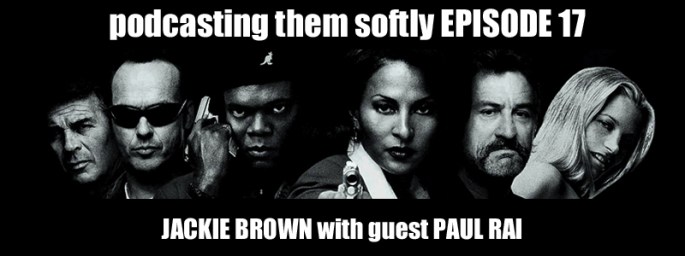
Episode 17: Quentin Tarantino’s JACKIE BROWN with guest PAUL RAI

EPISODE 17

We were joined with Facebook friend Paul Rai to discuss Quentin Taratino’s masterpiece JACKIE BROWN and Tarantino’s work in general.  It’s been a while since we’ve done a a regular podcast!  Enjoy!

NOEL MARSHALL’S ROAR — A REVIEW BY NICK CLEMENT

7

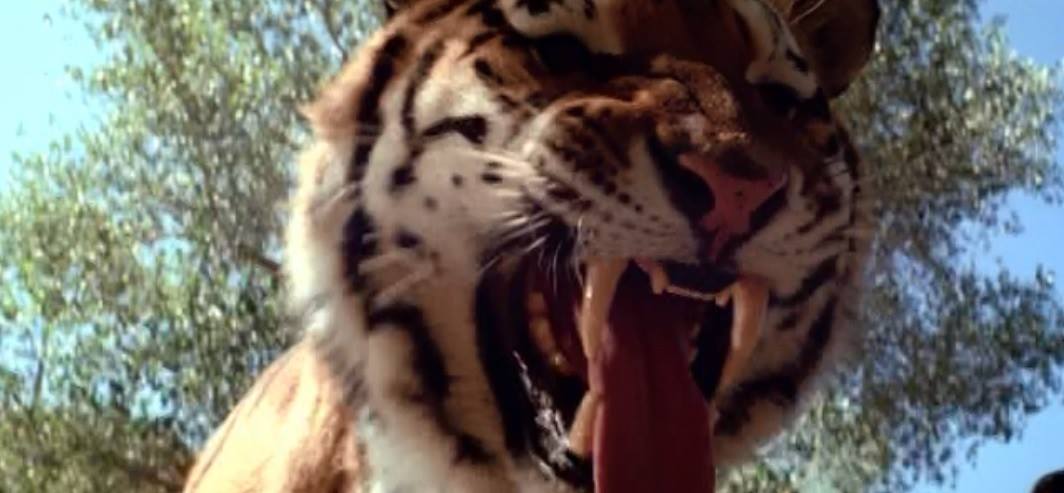
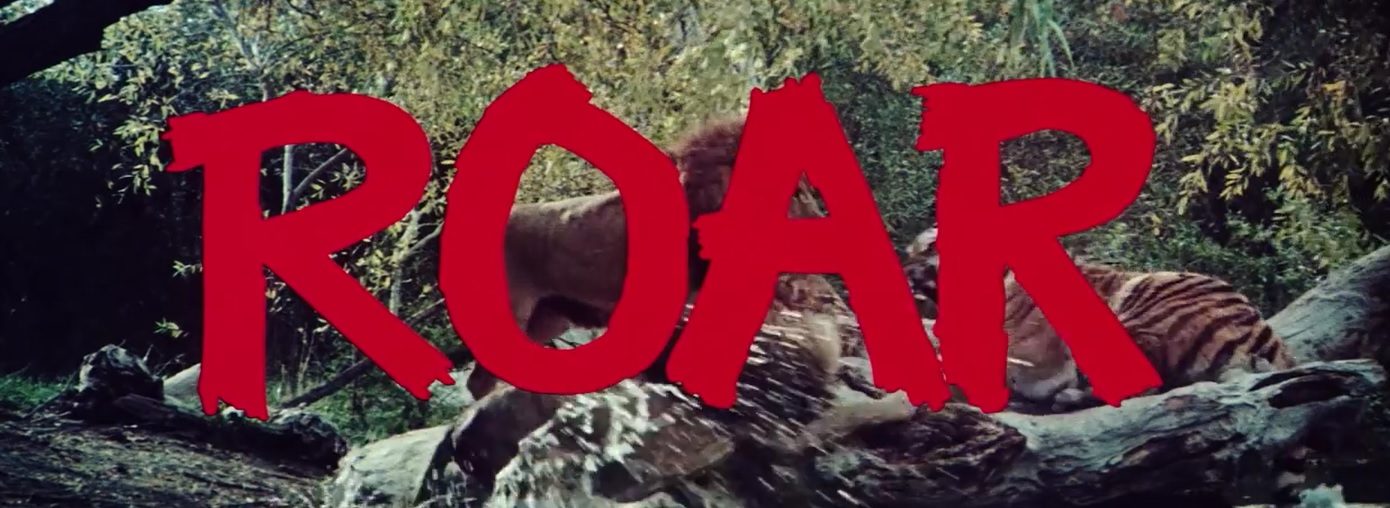
For me, the primary job of any movie is to show me something I’ve never seen and to take me to a place that I’ve never been. Well, I’ve never been to Africa, and I’ve never been surrounded by 150 lions, tigers, cheetahs, jaguars, panthers, and elephants. So you’ll have to excuse me when I say that Noel Marshall’s berserk, perverse, masochistic, fascinating, totally nuts wildlife “film” Roar is unbelievable. And I should also mention that I’m a life-long cat lover; big, small, wild, domesticated – it’s a species of animal that I’ve been intrigued with ever since childhood, and there isn’t a day that goes by where I’m not thankful to have my own little buddy, Gus, who is now looked upon differently after my obsession with this film started earlier this year. You literally feel like an outlaw while watching Roar, which has got to be the single most irresponsible piece of filmmaking that I’ve ever seen. Upon first viewing, you essentially hold your breath for 90 minutes, waiting the other paw to drop. Outside of Grizzly Man, I’m not sure that I’ve ever seen mental lunacy of this nature before captured on film. It’s a miracle that nobody was killed, but cinematographer Jan De Bont was scalped, and numerous members of the cast and crew suffered injuries, so there’s that I guess. And let me just say something about the camerawork in this movie – it’s wholly ASTOUNDING. I don’t understand how this movie was achieved. One bit. It makes no realistic sense. How De Bont was able to gather the shots he did I’ll never understand. Why anyone showed up on day #2 I’ll never understand. All I know is that you feel like a criminal while viewing this wild piece of work.

5

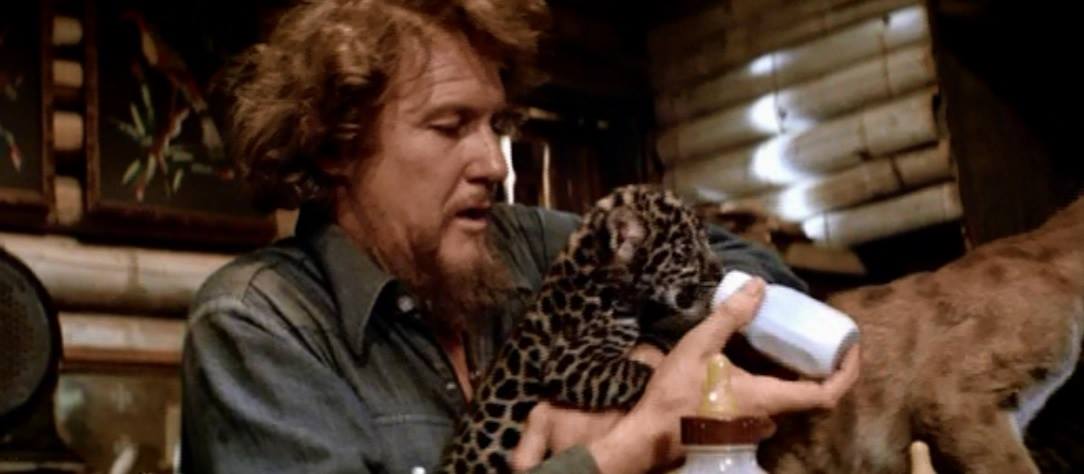
The entire thing is truly staggering in retrospect. If you’re not familiar with the premise of this movie, it seems that actress Tippi Hedren and her late husband Noel Marshall became big-cat enthusiasts after an African safari vacation back in the late 70’s. Upon returning to their Sherman Oaks estate, they started introducing lions and tigers and other exotic cats into their home life, allowing daughter Melanie Griffith to sleep with the animals, while their sons, John and Jerry, also became “friendly” with the beasts. It was customary to see a maid stepping over a fully grown male lion in the kitchen. PURE MADNESS. Marshall then had a genius if potentially deadly idea – why not make a movie that aims to highlight the plight of the wild cat, but also make a “monster” movie at the same time. So, he gathered an unhinged crew of daredevils, stuck Hedren, Griffith, his sons, and a few others into the scenery, and concocted an asinine narrative that centers on a wildlife preservationist (Marshall) bringing his wife and children (Hedren and the gang) into the jungle to visit him, only to have them terrorized by a gang of lions and tigers who proceed to trash and destroy the wooden house that they all “live” in. If what I’m describing sounds fairly psychotic, well, it is. And I don’t want to ruin any of the numerous surprises that this film has, but I will say that the sight of Hedren’s face covered in honey as a young jaguar licks it clean is something I’ll not soon forget. You can smell the fear on all of the “actors” in this film – the honest look of terror in their eyes is palpable, and despite everyone going on the record as saying that they “knew” these animals and that they were “comfortable” with them in the grand scheme of things, suggests an insane amount of hubris or a genuine, bonded relationship between human and animal that is simply extraordinary to ponder.

2

At the end of the day, it doesn’t really matter though. This movie got made (over the course of 11 years!), people went on to have prosperous careers (look at De Bont’s credits as both cinematographer and director!), and now the film is finding a second life as an oddball cult curiosity, with Special Edition Blu-ray dropping in November. I can guarantee you this – you’ve never seen anything like this movie, unless of course you were there to witness it being created in real time, or if you’ve tracked down a bootleg or the non-anamorphic DVD that’s floating around. It’s sensationally scary and almost too impractical to make sense of. Roar makes you feel like you’ve dropped acid when you absolutely know you haven’t been dosed. It’s a strangely personal piece of filmmaking that while shoddily directed (at times), is still somehow oddly coherent, a $17 million home movie that became a clear point of obsession for its makers. The unintended comedy of the mostly looped spoken dialogue only adds to the bizarre hilarity of the entire piece. Also of note: included on the straight-from-the-source-DVD that can be purchased on line is a vintage “making-of” featurette which includes some talking-head footage from “friend of the family” Richard Rush, sitting in this absurdly ostentatious living room, looking like Jack Horner’s older brother. It’s gold.

JAMES MARSH’S MAN ON WIRE — A REVIEW BY NICK CLEMENT


1

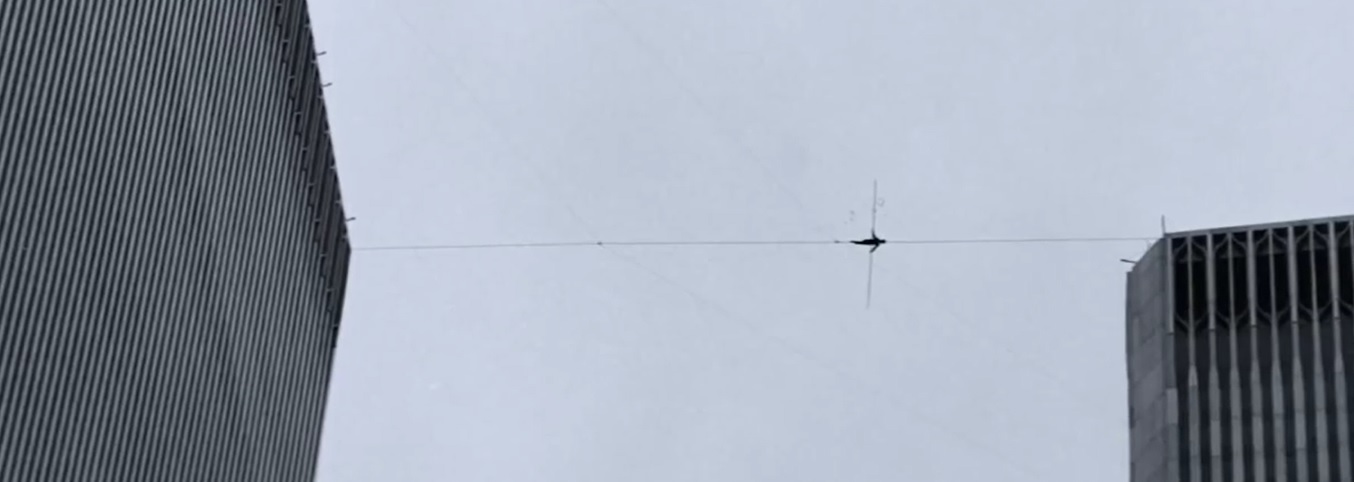
James Marsh’s spellbinding documentary Man on Wire is the sort of film that leaves you feeling queasy, enthralled, and alive. Queasy because of the physical insanity demonstrated by Philippe Petit. Enthralled because of how daring Petit was to do what he did. Alive because the film acts as a celebration of life. Petit, for those of you not in the know, pulled off what some people consider to be the “artistic crime of the century.” In 1974, along with a group of friends, he attached a wire from one World Trade Center building to the other, and tight-rope walked back and forth between the two buildings. Eight times. Over the course of 45 minutes. In this staggering documentary, which was expertly constructed by Marsh like a first-rate Hollywood thriller, the viewer is treated to video footage of Petit doing numerous other tight-rope walks (in Paris, London, Sydney) and practicing for his endeavor in NYC. Some may think that Petit is ill, a man with a certain death wish. Some may think he’s simply eccentric, a guy in love with life, unafraid of the fatal consequences that his obsession carries. And who knows, all of those scenarios could be true. It’s sort of baffling to me that Werner Herzog, the wild-man filmmaker that he is, didn’t get the rights to this story, as Petit feels as Herzogian of a character as there could ever be. In its own quietly moving way, Man on Wire becomes something extremely special: A testament to the power of one’s faith in themselves and the people around them, and how the most challenging of ideas can be realized if you have the drive and passion to accomplish it. Petit, who is considered to be one the first widely-known and publicly accepted modern street performers in Paris (he juggled, danced, tight-rope walked), is such a distinct character, that everyone else around him, no matter how interesting they are in their own respects, pales in comparison. During the course of the film, we’re introduced to all of his friends and accomplices, who divulge information about their scheme and about Petit in general. Jaw-dropping footage of his other tight-rope walks are shown throughout the film, with footage from a high-wire walk in Sydney being the most insane.

Petit didn’t just walk on the wire – he would lay down on it, bounce on it, even dance on it. When he devised his plan for walking in between the World Trade Center buildings, he knew it’d be the crowning achievement of his career. The way that Marsh amps up the tension using his framing device for the film is extremely clever, very stylish, and eerily subversive, as the film takes the form of a terrorist thriller. You see Petit and his men infiltrate the World Trade Center, wearing fake disguises and showing phony paperwork to gain access to the roof. Of course, after the world altering events of 9/11, this story takes on even greater significance, and there is a mournful quality to much of the footage we see of the World Trade Center being built. It will be impossible for us to look at photos and footage of the World Trade Center without thinking of 9/11, something that Marsh knew full well before setting out to craft this engrossing documentary. And because none of it is ever exploitive, Marsh brings out a soulful quality of New York that’s hard to describe in words. However, I wish Marsh had asked Petit about how 9/11 affected him, because it’s clear from the film that Petit was in love with NYC and the World Trade Center, and not to mention having a profound and lasting impact on his life. Maybe some questions are best left unasked? My only complaint is that nobody, for whatever reason, decided to film Petit’s walk across the World Trade Center. They snapped lots of still photos, but why weren’t they filming it like they filmed his other death-defying acts? In the end, what I loved so much about this film, and about Petit in general, is that this was a project that Marsh felt compelled to make, much in the same way that Petit just HAD to attempt what he did in NYC. He thought that the World Trade Center had been built so that he could walk in between them.

2

QUENTIN TARANTINO’S JACKIE BROWN — A REVIEW BY NICK CLEMENT

1

Jackie Brown is the most mature film from Quentin Tarantino to date. It’s the Quentin Tarantino film that’s safe to show your parents. And I don’t mean that in an negative way – all of QT’s stylistic and narrative flourishes from his previous films were still on display, except this time, rather than being obsessed with guns and the messy violence that bullets can create, he was even more interested in his usual and extra-special brand of vulgar, beautiful poetry, this time stemming from the pages of Elmore Leonard’s classic novel Rum Punch. Resurrecting old movie stars has always been QT’s favorite thing to do, and here, he brought back both Pam Grier (lovely and clearly enjoying every moment of being front and center at that stage in her career) and Robert Forster (who gives what amounts to my favorite performance from any actor in any QT film – period) from the dust-bins of the 70’s movie graveyard, and gave them tons of room to shine with an amazing supporting casting including Samuel L. Jackson, Robert De Niro, Bridget Fonda, and Michael Keaton giving them tons of colorful back-up. Chris Tucker’s cameo is an all-timer, the visual texture resembles something old and tea-stained, and the funkadelic soundtrack grooves to a fantastic beat all-throughout. When it was released, the film received plenty of critical support, but looking back on it, I feel that people were more muted than they should have been. Expectations are inevitable, and sometimes dangerous, and the fact that Jackie Brown was not necessarily a logical follow-up to Pulp Fiction might have initially thrown some people for a loop. But over time, it’s become clear that QT was up to something very special with this piece of work, which feels both cut from his moving-loving-heart and the conventions of the crime drama, with enough to satisfy everyone on both sides of the coin.

2

JEREMY SAULNIER’S BLUE RUIN — A REVIEW BY NICK CLEMENT

2

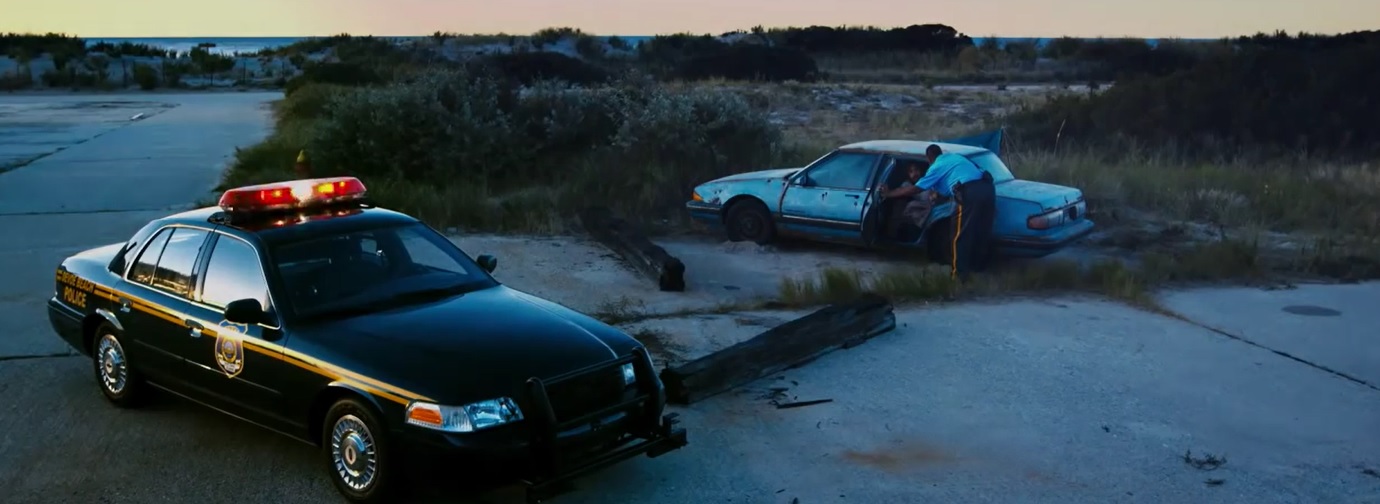
Spare. Menacing. Near constant tension. Vice-grip direction. Air-tight plotting that MAKES SENSE when you stop to think about the fine details. Graphically violent yet never exploitive. Virtually faultless. Blue Ruin was writer-director-cinematographer Jeremy Saulnier’s big coming out as a top-notch genre-buster, and I absolutely can’t wait to see Green Room, which has been kicking ass at the various festivals of late. Reminiscent of the Coen brothers with its dark thrills an…d exacting formal precision, this is a true screw-turning thriller that takes no prisoners. It’s like no revenge movie I’ve ever seen, and I admired how Saulnier used the blackest of comedy to somewhat lighten the heavy, nihilistic load of neo-noir mayhem. Macon Blair’s uncommonly focused, award-worthy, multi-layered lead performance is one for the ages and totally mesmerizing to behold – I don’t care how stiff the competition was, this guy was ROBBED of an Oscar nomination. I don’t want to spoil the plot to Blue Ruin, but I’ll allow that it’s a “man on a mission” narrative that gets turned upside down due to a series of unfortunate circumstances, each escalating in violence, and culminating in an extra fierce finale. This is a dangerous, all-consuming work, strangely beautiful, and horrifyingly bloody. I loved all 90, ultra-precise moments, and along with Ben Wheatley, Saulnier is one of the most exciting new voices on the hardcore indie scene.

1

A CONVERSATION WITH MILE HIGH HORROR FILM FESTIVAL FOUNDER TIMOTHY SCHULZ

Logo

The Mile High Horror Film Festival in Littleton, CO is just over a week away, and I’ll be covering several of the biggest screenings over the course of that weekend for Podcasting Them Softly.  Starting as a small offshoot of the Denver Film Society in 2010, it has rapidly turned into a world class destination for horror fans and filmmakers and is gearing up for its biggest year yet.  I was fortunate to speak with MHHFF founder Tim Schulz, himself a successful filmmaker (“Chasing The Shadows,” a feature length documentary on the paranormal, as well as several celebrated shorts), about this year’s events:

I’m ashamed to admit this is my first Mile High Horror Film Festival, can you tell me a few basics such as how it started, how long you’ve been involved and how it’s grown?

I am a founding member.  We started in 2010, when there was nothing like this in Colorado.  I’d been to many other film festivals such as SxSW and Sundance and wanted to see something genre-focused like that happening here in Denver.  The size of the program and attendance has just snowballed every year since then.

You just announced Jack Black and Co. will be here to premiere Goosebumps next week, it’s one of the biggest studio horror releases of the fall.  How does this fit in with the rest of the more adult-oriented programming?

We really try to do diverse programming throughout the festival, hopefully we’re offering genre films for everyone.  We’re very excited to host the Colorado premiere with the cast in attendance, it is nice to have something screening that you can take the whole family to.

MHHFF started working with the Denver Film Society but now the festival is put on in partnership with Alamo Drafthouse, how is that relationship working out?

It’s worked out very well, we’ve been working with Alamo for the last two years now.  We had some great screenings at DFS venues for the first three years, but Alamo offers the food and drink experience during the film that’s special, and they also make a wonderful fit because they cater to film festivals and special events that are unique and creative, they always think outside the box to create something tailored to the film buff.  Take the special menus:  For the upcoming screening of The Shining, they’ve created a Red Rum cocktail.  In years past they’ve done amazing pre-show menus and events, such as having Doug Bradley (Pinhead from Hellraiser) tear a roasted pig hanging from a meat hook apart to make sandwiches for fans.  The following year, Gunnar Hansen (Leatherface from The Texas Chainsaw Massacre) did the same with his chainsaw!

Is it difficult to bring this level of talent and notoriety in the horror genre to Littleton?

Like I said, it’s snowballed every year and gains more respect and credibility around the world with each successive festival.  We are extremely grateful for this.

Tim Schulz

I see you have an LGBT panel for this year’s festival, who’s involved and what can we expect?

We are glad to have writer Jeffrey Riddick, one of the creators of Final Destination and a longtime supporter of the Festival, he’s been a judge for many of the years we’ve been in business and he’ll be on the panel with plenty to say.  Bailey Jay is a transgender model and podcaster for Fangoria, she will be involved via Skype.  The panel will be moderated by Keith Garcia, a well-known fixture in the Denver film community who is currently working on a documentary called “The Heels Have Eyes.”  Discussion will be wide ranging based on some direction from Keith and audience questions, and should involve current trends in the industry, working in the genre, and plenty more.

Is the live music programming something new?

We’ve done music in the past but this is the first time we’ll have it running simultaneously with the film festival screenings.  We’ll have music running from the early screenings through to 2 a.m.  Ari Lehman (Jason Voorhees) will be there with his band First Jason, and there will be plenty of local metal bands in attendance too, like Arise in Chaos and Eye of Minerva.  We have Denvers’ Chimney Choir, more of a folk act, and Viretta, an indie rock band.  We’ll have hip hop represented with Wheelchair Sports Camp.  The Festival is really trying to provide a lot of variety for fans, and an experience that extends outside of the theaters.  We’ll have music, tarot card readings, autograph sessions, artists and other surprises.

Not to play favorites, but what are some of the events you’re most looking forward to?

I’m a huge fan of The Shining, and I’m really excited about our screening with Joseph Turkel (Lloyd the bartender) and Lisa and Louise Burns (The Grady Twins).  I believe this is the first time the three of them have been together since the original shoot, and Lisa and Louise rarely make it over from the U.K. so it will be a special night.

Even Lambs Have Teeth has its world premiere at the Festival on Thursday, have you seen it?

I have seen it, and really enjoyed it.  Excellent production values and some over the top gore…I don’t want to give any spoilers but it’s got some great twists and turns.  We’re very excited to have the lead performers, Tiera Skovbye and Kirsten Prout, as well as the filmmakers in attendance.

Finally—Freddie or Jason?

I have to go with Jason since we have two in attendance!

The Mile High Horror Film Festival runs from October 1-4 at the Alamo Drafthouse in Littleton.  For ticketing information please visit http://milehighhorrorfestival.com/ or http://drafthouse.com/calendar/denver

CHRISTOPHER NOLAN’S INSOMNIA — A REVIEW BY NICK CLEMENT

13

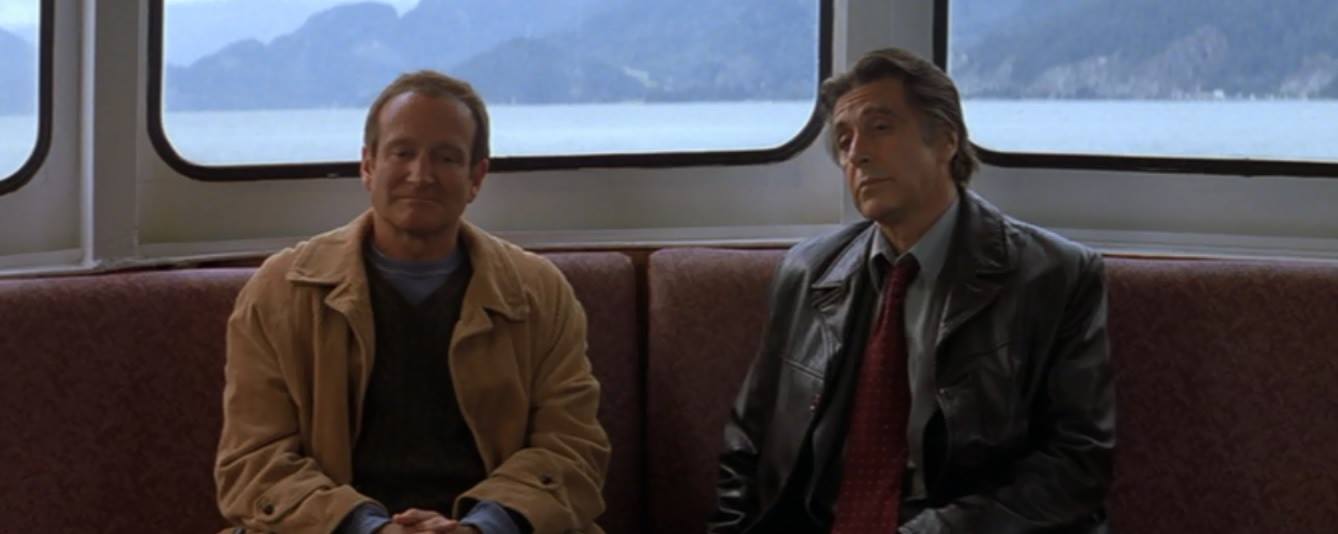
Attempting a remake of any great film is always a questionable endeavor. I can remember seeing Erik Skjoldbjærg’s terrific Norwegian psychological thriller Insomnia at the theater on my college campus back in 1998 and thinking that an American remake would be rather pointless. The themes would never travel (especially the underage sexuality), how could one outdo Stellan Skarsgård, and how could a filmmaker capture that eerie atmosphere in a new and unique way? It was never going to be an easy task, but Christopher Nolan continued his hot streak with his stylish and underrated 2002 updating, which felt like the next logical step for him as a filmmaker after his breakout indie success Memento. Al Pacino gave a tired and tortured lead performance as a cop struggling with intense inner demons not to mention the inability to get any sleep; this is a film that touches on noir (daytime noir!) and the serial killer genres but still remembers to load the narrative with interesting character beats and small bits of surface details that all add up to a riveting mystery. Robin Williams gave one of the best performances of his career as a chilling psychopath who always seems to be one step ahead of Pacino and the authorities – that chase sequence he has with Pacino across those drifting logs in that chilly river is spellbinding stuff, with Nolan using incredible sound effects and expert spatial geography to heighten the tension. Williams brought a devilish smile to numerous scenes, and his unpredictability always kept you guessing, even within the relatively predictable confines of studio based genre entertainment. Martin Donovan, Nicky Katt, Hilary Swank, and Maura Tierney all offered solid support. This was a nervous, jittery piece of work from Nolan, who would later fashion a more controlled, rigid aesthetic in Inception and The Dark Knight trilogy (The Prestige looks even more unique these days) before moving on to his magnum opus, Interstellar. Wally Pfister’s slick yet gritty cinematography worked in perfect tandem with David Julyan’s haunting music and Dody Dorn’s taut editing. Remakes of already excellent films are rarely this effective.

2

DAVID FINCHER’S SEVEN — 20TH ANNIVERSARY REVIEW — BY NICK CLEMENT

1

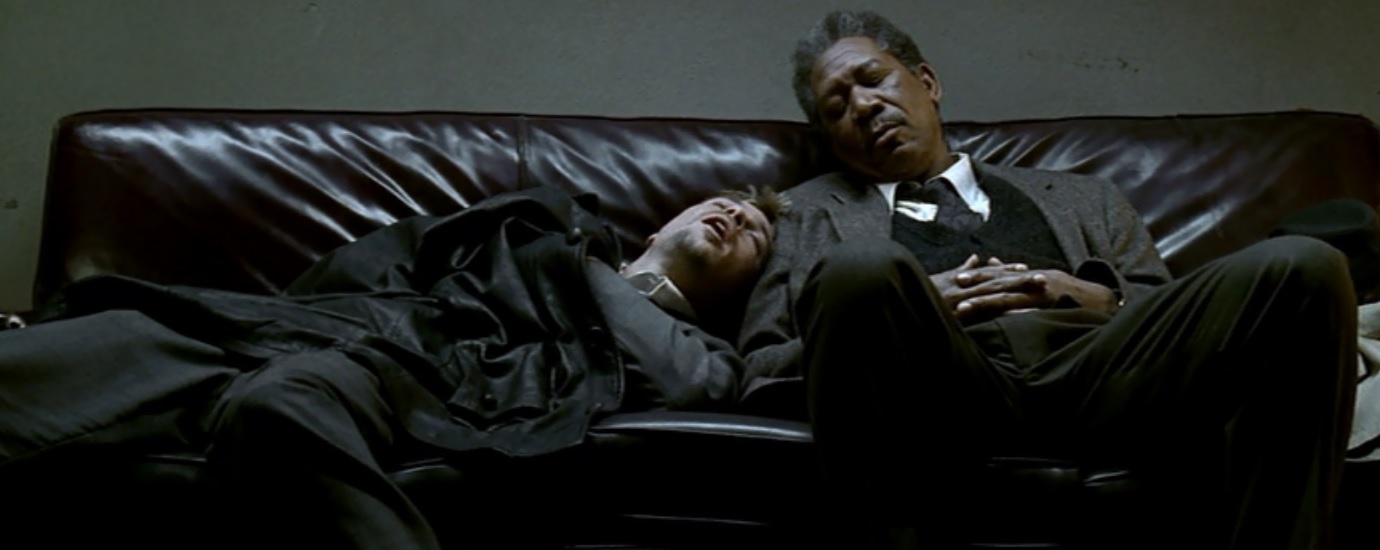
20 years ago, New Line cinema dropped a dark hearted cinematic wake up call in the form of David Fincher’s immortal serial killer thriller Seven. It made a legitimate star out of Brad Pitt, giving a nervously twitchy and playfully cocky performance as a young cop who thinks he knows what he’s getting himself into, and it further cemented Morgan Freeman’s status as a premiere acting force, giving him the chance to riff on the sage, retiring detective character made famous by so many genre offerings. And rather importantly, Seven boldly announced Fincher as a serious directorial talent to contend with, affording him the chance to take material that was directly up his casually cruel cinematic alley, and put his own distinct and rigorous aesthetic stamp all over it. To this day, the film remains frightening and startling to watch, as the twists and turns still feel fresh and diabolical, even when you know how it’ll all finish up. I vividly remember seeing this film on opening night in the theater, at the age of 15, on the same weekend that Showgirls opened, and I can still feel the unease that settled in over the sold-out crowd during those final moments, when we all realized what exactly was in that box out in that field.

2

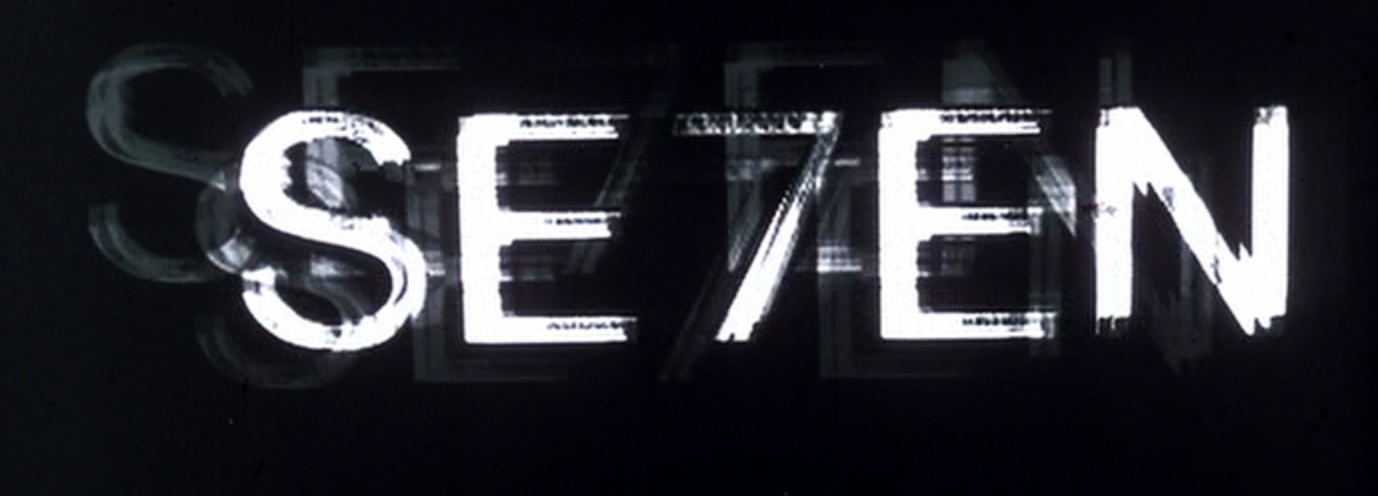
Screenwriter Andrew Kevin Walker’s brilliantly constructed screenplay withstands the utmost scrutiny, and demands total respect; this is a perfect cinematic onion, revealing layer upon layer of themes and narrative implications as each section is peeled off and removed. One of the most fascinating aspects of the entire film is that while it’s a crisply plotted procedural, the psychological undercurrents were never glossed over, with the film exploring the true root of evil, with explanations that feel scarily honest and all too believable. And the fact that the ending remained in tact, after much deliberation and wrangling and ultimatums, is still one of those “Thank The Cinema Gods” moments where the money people and the creative entities could all come to terms with exactly how they knew a film should finish. Darius Khondji’s elegantly nightmarish cinematography is the stuff of legend, each shot museum worthy, while also displaying a sense of grit and atmospheric dread and danger that immediately pulls the viewer into this hellish world on display (wisely, the exact city in the narrative is never explicitly mentioned). Arthur Max’s haunting production design evoked urban decay in ways that few modern films have ever done; this movie feels like it’s rotting at the core. The exacting editing by Richard Francis-Bruce knew exactly how to accentuate each and every scene for maximum impact, while the unnerving score by Howard Shore filled the background, never overpowering, always accentuating. And it goes without saying that the opening credits sequence is one of the most dynamic and influential bits of title design ever put on screen (this is an area that Fincher has always excelled at in all of his incredibly stylish feature films).

3

When Kevin Spacey shows up at the top of the final act the movie somehow gets even more sinister than it had already demonstrated, and the way he needles both Pitt and Freeman during that infamous car ride is a full-on demonstration of how Spacey knows exactly how to own a scene with total command. While attending California State University at Northridge, I had the insane opportunity to view Seven on a frame-by-frame basis, and studying how Fincher controlled his filmmaking was more than eye opening. Close to 98% of the film is shot with a stationary camera, only going hand-held in a few key instances (the hall-way shoot-out near John Doe’s apartment; portions of those climactic moments out in the field), and it was thrilling to see how Fincher and his team were able to heighten fear and suspense more with camera set-ups and pacing than anything else. Seven leaves more up to your imagination than it was credited for doing, as way too many people complained of excessive violence, which, to be honest, just isn’t there on the screen. Yes, clearly, there are more than a few gruesome sights on display, but in comparison to some other genre entries, Seven feels carefully and intelligently restrained in every single area, while always allowing for the idea of horrific human behavior to be lurking in every corner. This is a great and influential piece of filmmaking that ages like a fine wine.