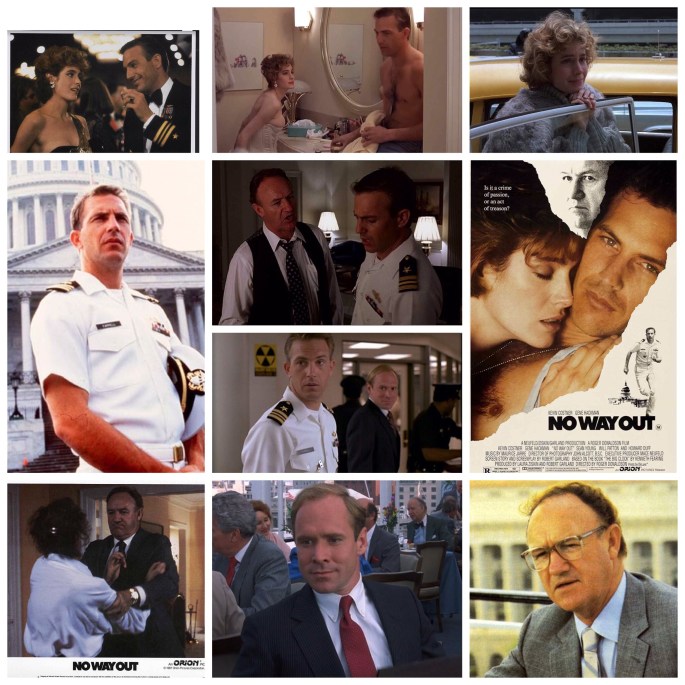
Roger Donaldson’s No Way Out

Roger Donaldson’s No Way Out is a prime example of how to stage an effective thriller, every step of the way and even when things get twisty in a time before every other film had a thunderclap twist midway through. Kevin Costner plays a navy officer operating out of the Pentagon and reporting to the secretary of defence, played by a shady Gene Hackman. He has a stormy affair with mysterious Sean Young, not knowing she is also Hackman’s side chick, and when she turns up dead a whole nightmare of a situation escalates for everyone involved. It’s great fun to see events spiral out of control until everyone is a frantic wreck and we’re just as lost for clues as they are. Then, the pieces slowly fall together and we are blessed with gradual revelation, a few delicious ‘aha!’ moments and one mother of a midway plot twist that lands in the narrative like a screeching cruise missile. Costner is subdued but keen, Hackman is his usual fired up charismatic hotshot, and the film benefits greatly from their crackling collaborate star-power. A knockout supporting turn comes our way from Will Patton, who is unnervingly twitchy as another operative doing his maniacal best to perpetuate a cover up. Maurice Jarre whips up a great score to accent the intrigue, while Donaldson’s direction is surefire skill. A premier 80’s political thriller, one of several launching pads for Costner’s career, and a bitchin’ great time at the movies.

-Nate Hill

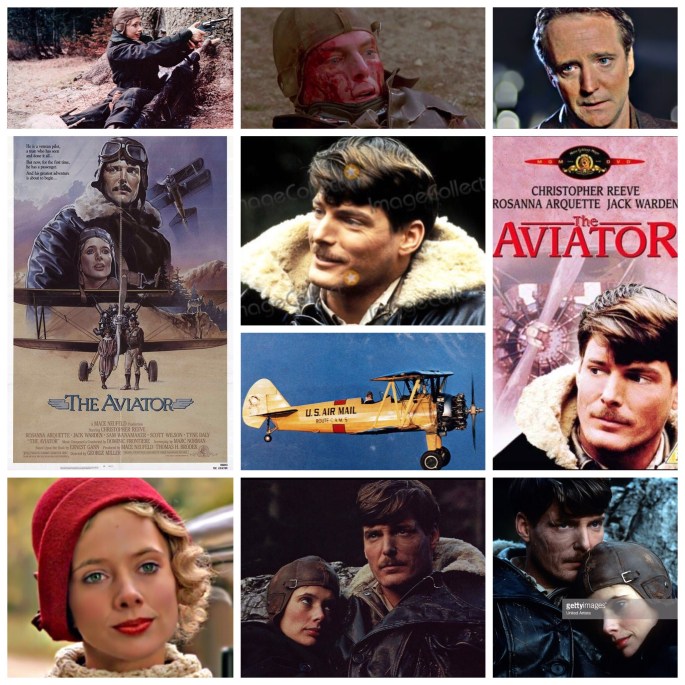
George Miller’s The Aviator

George Miller’s The Aviator (not the Mad Max George Miller, before you ask) is a fantastic piece of melancholic escapism, a simple and resonant story set during the formative decades of human flight, when planes were a lot more picturesque, and ironically far more flimsily built. This one is very special because it showcases Christopher Reeve cast way against type; he’s the guy I remember as Superman from my childhood, a sterling beacon of heroism, but here he plays a moody, haunted Air Mail pilot who is damaged both physically and emotionally from a tragedy years before. This is the only time I’ve seen him take on a role like this and let me tell you he rocks it uncannily well, from the anguished blue eyes glowering out past that crop of windswept hair to the introverted stasis he grounds his mood in. He’s tasked by his US air mail boss (Jack Warden, a pillar of well spoken gravity) to transport a wayward teenage girl (Roseanna Arquette) across the mountains to live with her aunt. When the aircraft develops mechanical failure, they make a forced crash landing in a vast, remote mountain canyon and must rely on each other for survival. I don’t mean that lightly either, he later on tells her that if it wouldn’t have been for her with him, he probably would have gave up and surrendered to the elements the first night. This is fascinating because at first they can’t really stand each other, he has shut himself off from human connection and she is young, still learning how to properly engage, and the arc they embark on together is really affecting. Arquette plays the role like a lost puppy with a fragility under all that snappy talk. There is of course a gradual romance between the two, but it’s treated with far more restraint, subtlety and realism than Hollywood can usually muster up. Their only hope for rescue lies with Reeve’s fellow pilot (Scott Wilson), who flies high above them on Warden’s orders, trying to spot the wreck. I really like how de-glamorized this is as far as survival stories go, the whimsy and adrenaline you’d often find here is replaced by a straightforward, almost downbeat mood. The script is character based, thoughtful and full of well written human interaction instead of an action sequence every few minutes. Set in the American Northwest but filmed in lush, rugged Yugoslavia to give the landscape a beautiful look that’s speckled with golden deciduous trees and craggy, snow dusted mountain walls. A fitting combination of elements that make for a wonderful film.

-Nate Hill

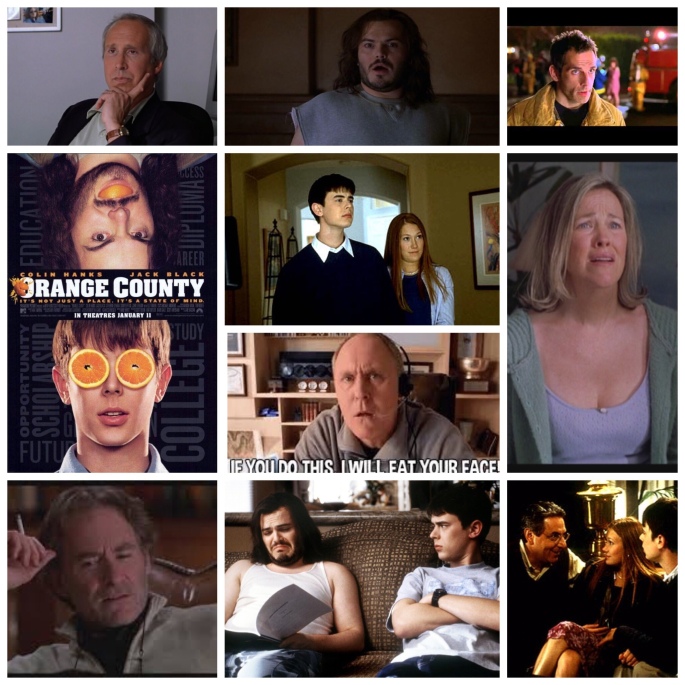
Jake Kasdan’s Orange County

Jake Kasdan’s Orange County is comedy gold that has since gone platinum, and one of the best examples of basket case comedy blending together with heartfelt moments I’ve ever seen. Kasdan is the son of legendary Lawrence Kasdan, and it stars Colin Hanks (Tom’s spawn) and adorable Schyuler Fisk is Sissy Spacek’s kid which is interesting, but any snarky remarks about nepotism can be shut down simply by how terrific the film is, they went out on their own, showed talent and made something genuinely good. Hanks plays a California surfer bum who has an epiphany and decides its time to go to college, Stanford in particular. Scoring admission proves a challenge when he’s saddled with his deranged family including hopeless druggie brother (Jack Black), emotionally stormy mother (Catherine O Hara, priceless) and manic nutjob dad (John Lithgow, equally priceless). Hijinks ensue as he tries to win over a tight assed Dean (Harold Ramis), hold on to his loving girlfriend (Fisk, the spitting image of Spacek) and babysit big bro. There’s a kind of full moon looniness on display here, an offbeat, near abstract style of comedy that won me over almost immediately, it’s lighthearted, raunchy when it needs to be and almost effortlessly enjoyable. Cameos abound, including Chevy Chase, Ben Stiller, Jane Adams, Leslie Mann, Lily Tomlin, Lizzy Caplan, Nat Faxon and a superb Kevin Kline. A winner.

-Nate Hill

Steve McQueen’s Widows

Ever heard the expression ‘trip over your own ambitions’ ? That applies in full force to Steve McQueen’s Widows, a film that doesn’t have half the time needed to nurture, juggle or resolve the nebula of plots, twists, sub plots and sub-twists it tries to throw out there. That’s not to say that it isn’t a valiant effort; this is a film that tries a lot of things, is very innovative and engages often, but ultimately it’s just not enough and feels more like a running start without the follow through of flight. In the opener we see a heist that goes about as incredibly wrong as it could: cops hunt down a crew of high stakes robbers led by career criminal Harry Rawlins (Liam Neeson), gunning them all down. Viola Davis is his wife Veronica, left to pick up the pieces when thuggish wannabe politician Jamal Manning (Brian Tyree James) and his sociopathic brother Jatemme (Daniel Kaluuya is a beast) come looking for money he owed them before he died. That’s when she gets the idea to carry out the plans for his would-be next heist, joined by the other widowed women of his crew. There’s also an overarching subplot involving corrupt electoral candidate Tom Mulligan (Colin Farrell), his racist, old-money prick of a father (Robert Duvall with fire n’ brimstone mode activated) and others in both low income and Ivy League Chicago, which aren’t as far apart as you think, as McQueen shows us in an all too obvious extended shot of a car ride. There are aspects I loved; the opening heist, shot mostly POV from the back of the van, is a whiz banger, taut and packed with adrenaline. The performances are excellent all round, from Michelle Rodriguez and Elizabeth Debicki as other wives of the fallen robbers to memorable supporting turns from Jacki Weaver, Garrett Dillahunt, Jon Bernthal, Carrie Coon, Kevin J. O’Connor, a quietly scene stealing Lukas Haas, the most excellent Cynthia Erivo and many more. The narrative encapsulates the heists themselves with ongoing conflict including racism, urban politics, interracial romance, low income versus filthy rich, nepotism and everything in between, and this ambition to explore many avenues in one go is where the film fatally falters. The widow’s heist, when we finally come around to it, is brazen and impactful but blares by too quick for the payoff leading up to it. Hans Zimmer’s score echoes stuff like Heat but seems to only really show up now and again instead of being a prominent presence. At two hours and nine minutes, McQueen just didn’t leave himself enough time to properly cultivate relationships, build enough tension, explain his narrative fluidly or develop the characters that he clearly loves. It’s unfortunate because the guy is one hell of a director, both with his actors and his camera, he knows how to tell a story and make it feel fresh, unpredictable and just spontaneously offbeat enough to seem like real life as opposed to a story that obviously works within the parameters of script. He’s a thoroughbred, but he didn’t leave enough track to run on with this one, and I almost feel like he would have been better off going the episodic route here, as it would have had way more space to breathe and audiences far more time to ruminate on the events. Worth watching to see everything cascade by like a parade in fast forward, but don’t expect to be satisfied with wrap ups or conclusions.

-Nate Hill

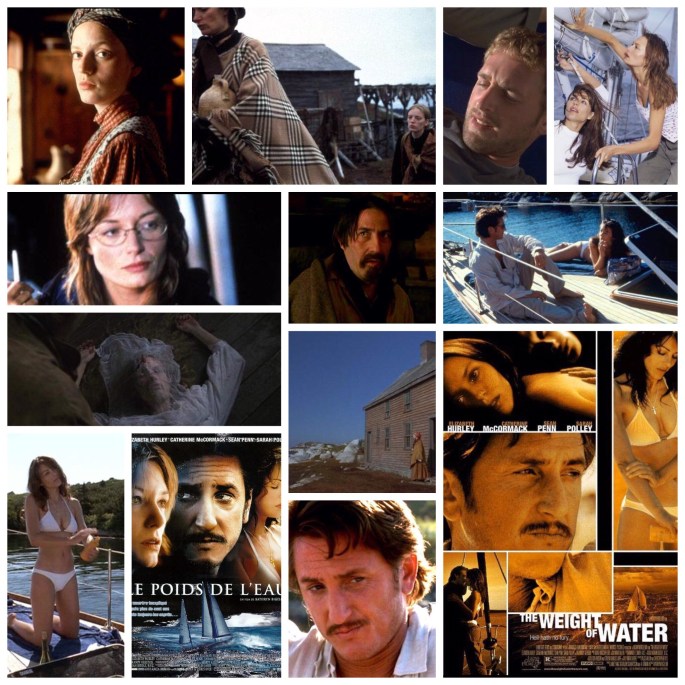
Kathryn Bigelow’s The Weight Of Water

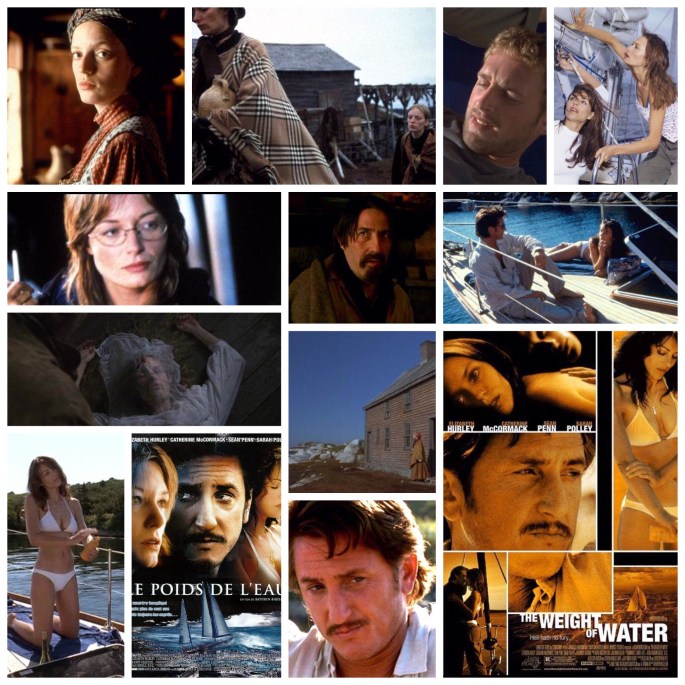
I love Kathryn Bigelow’s early films from the 80’s and 90’s, she’s such a fantastic storyteller when she sticks to genre stuff, but I’m not quite sure what went down with The Weight Of Water, a muddy, confusing doldrum of a thriller that drifts by heading nowhere, with no real rush to get there either. I’m assuming there’s a level of clarity and coherence in the source novel by Anita Shreve that just didn’t translate onto the screen too well, but what the film lacks in discernible themes and substance it at least makes up for a bit in the production design and visual department. Two stories unfold simultaneously here: sometime in the 1800’s, restless housewife (Sarah Polley is all kinds of creepy) lusts for her brother in a rural township on the blustery New Hampshire Coast. A mysterious stranger (Ciaran Hinds) enters their lives and bears witness to a violent, romantically motivated double ax murder that culminates in a freakish storm and ends their story, becoming infamous throughout the centuries to follow. Meanwhile in present day, a keen photojournalist (Catherine McCormack) peruses that very same coast on a yacht, researching the long past events that led to the horrible crime. She’s joined by her listless husband (Sean Penn), his brother (Josh Lucas) and foxy girlfriend (Elizabeth Hurley). They start to forge an equally tense romantic triangle that is somehow supposed to mirror the past in profound or symbolic ways but doesn’t feel like anything deeper than narrative coincidence. The two stories have little to do with each other beyond happenstance and are constantly at odds in tone and intent. The Sarah Polley one works better but only just, having a more specific atmospheric mood, also because she’s just a terrific actress who puts on a dangerous, unnervingly introverted show. I’d like to read the novel one day and see if there’s more to be found there or some lynchpin of content that missed the boat from paper to celluloid, but as it stands this film is a hollow blast of nothing, and the only weight to be found is in the title.

-Nate Hill

Roger Donaldson’s Species

Roger Donaldson’s Species is a trash infused Sci Fi horror yarn that’s clearly inspired by stuff like Alien and Body Snatchers right down to the scaly, jagged title font, but oh man did they ever take the silly, run of the mill route here. Scientists including Alfred Molina and Ben Kingsley have successfully moulded human and extraterrestrial DNA sequences to create a hybrid creature called Sil, but as in any film like this it soon becomes apparent how ill advised such an experiment will come to be. Sil, played by an excellent Michelle Williams at preteen level and later by eye catching supermodel Natasha Henstridge, is an endlessly fascinating character with so much potential, but this being nothing more than a Schlocky B flick elevated oh so slightly by the presence of an ensemble cast with considerable pedigree, she is sadly relegated to pedestrian movie monster archetype, and the premise falls short of fruition as a result. Using the seductive powers of her human form (Henstridge is a babe) she evades recapture and seeks an earthling mate to perpetuate her species and probably cause a full scale invasion via systemic procreation, while the doctors and a team of experts including zoological guru Forest Whitaker and big game hunters Michael Madsen and Marg Helgenberger pursue her all over a metropolitan area while she looks for Mr. Perfect to make slimy babies with. Sex is treated in a very lurid, shallow and unpleasant way here, like with the budget and firepower behind a film this big you’d expect a modicum of maturity and respect for the female form, but they’ve thoroughly exploited the concept to sickening levels that probably looked fun on paper, but don’t translate very nicely on screen. Worth it for Sil, for both Williams’ and Henstridge’s take on the character and to think about what might have been had they written her character with more class, care and depth, but other than that this is just cheeseball slime without a brain or heartbeat. Followed by two sequels that pretty much go the same route of disappointment.

-Nate Hill

Jeffrey Reiner’s Trouble Bound

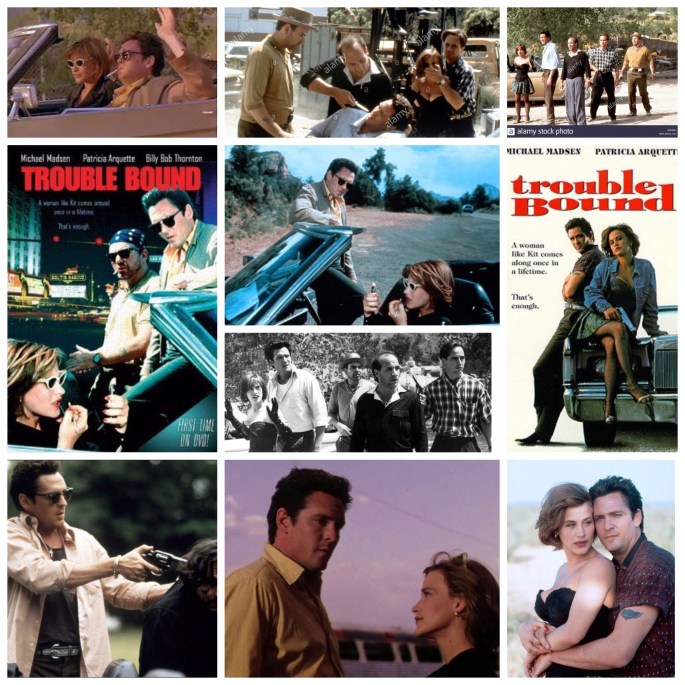
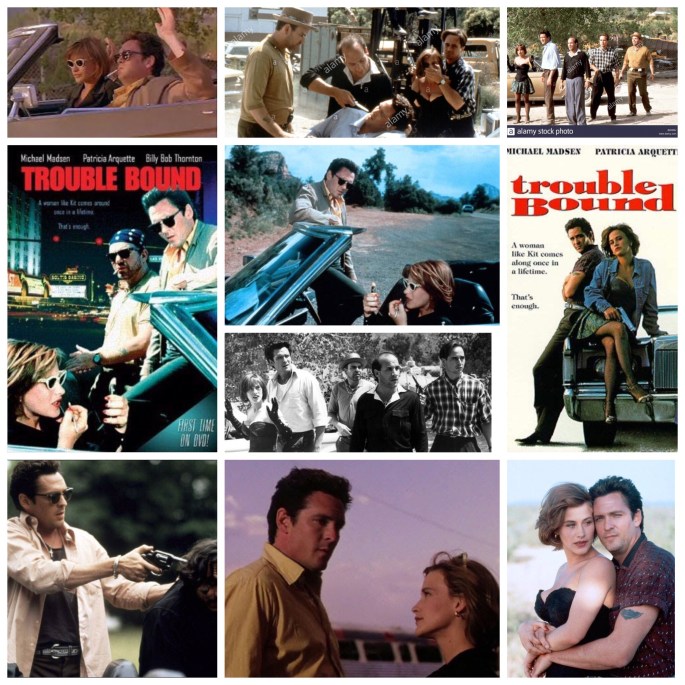
Trouble Bound is like a low rent, dysfunctional, meandering Bonnie & Clyde, a laid back crime drama with a dry wit and slight romantic angle, and while it can’t really focus on any of the above aspects either individually or as a group, it still sort of has a lost puppy charm to it, thanks in part to Michael Madsen and Patricia Arquette in engaging performances as our leads. It’s a kind of ‘lovers on the run surrounded by crime’ thing like Tony Scott’s True Romance or Lynch’s Wild At Heart but they only really had enough money and creative juice for a half mast little exercise like this. Madsen plays a thief fresh out of prison trying to go straight, until a gaggle of thugs he used to take up with plant a dead body in the trunk of his car before he takes off. Then they decide they need it back, and start following him all over the country. Meanwhile he picks up Arquette, who is the daughter of a mafia kingpin and wants vague revenge on someone for needlessly complicated reasons. It’s all a bit over elaborate for something of this girth, the strongest element being the chemistry between Madsen and Arquette that’s somewhere south of charming, as they grow on each other while keeping that edge between them. Billy Bob Thornton is hilarious as one of the buffoonish thieves pursuing him, and there’s scattershot work from Paul Ben Victor, Gregory Sporlader, Mark Pellegrino and Seymour Cassell. Entertaining enough and a good time if you’re a fan of the leads, both of whom I love a lot. Kino Lorber released a DVD at some point, which is no doubt the way to find this as the relic of a disc I rented years ago had more grain than a box of shredded wheat.

-Nate Hill

Renny Harlin’s The Long Kiss Goodnight

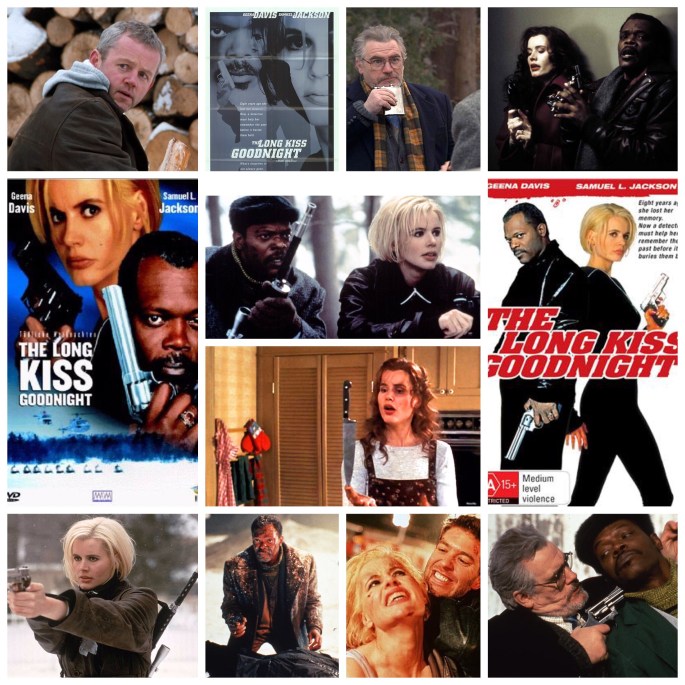
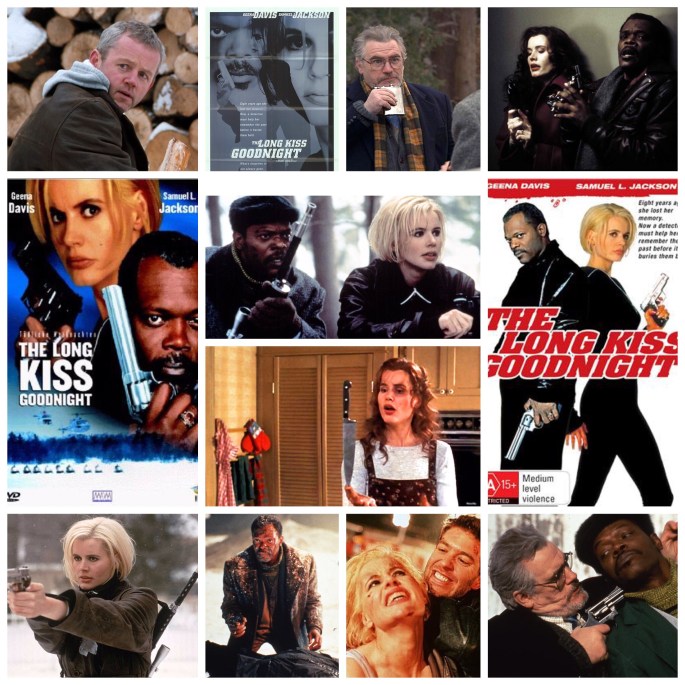
If you’re suffering from a deficiency of satisfying action in your action movies (a common ailment these days) then Renny Harlin’s The Long Kiss Goodnight is just the pill. Harlin loves his practical combat scenes, death defying stunt work and blunt, frank violence without frenetic movement or trickery, and what he pulls off here is what the genre should be. Working from a screenplay by Shane Black, the pairing is kind of a delirious match made in heaven for fans of either artistic maverick. All of Black’s favourite motifs run amok here: stingingly funny verbal beatdowns, sharp and culturally aware characters, a Christmas setting, children in extreme danger, you name it. Geena Davis pulls a Jason Bourne as amnesiac schoolteacher and loving mother Samantha Cain, whose violent past comes back to haunt her in several ways when she discovers she’s actually a maladjusted CIA assassin named Charley Baltimore. The bad guys come fast and heavy at her, including perky Craig Bierko as a terrifying yet somehow hilarious sociopathic freak, David Morse as a vengeful former target and lovable Brian Cox as her dodgy ex handler. She’s aided by a fast talking, slightly seedy private investigator played memorably by Samuel L. Jackson, and the whole pack of them prance through this terrifically entertaining spy yarn with enthusiasm and old school Hollywood charm. The action scenes are so brazen and willfully cinematic they’re almost comical, but that’s Harlin and I love the guy to bits, the genre just wouldn’t be the same without him. The very first encounter Sam has with massive thug One Eyed Jack (Joseph McKenna) is showcase material, I’ve never seen a shotgun do to a wall what Renny stages here, but it works in fully charged, high comic book fashion. It’s popcorn bliss, a buddy flick, a mystery, a rollicking black comedy, a great spy flick and a treatise on what action films should be all about. Fucking great stuff. Chefs do that!

-Nate Hill

The Glimmer Man

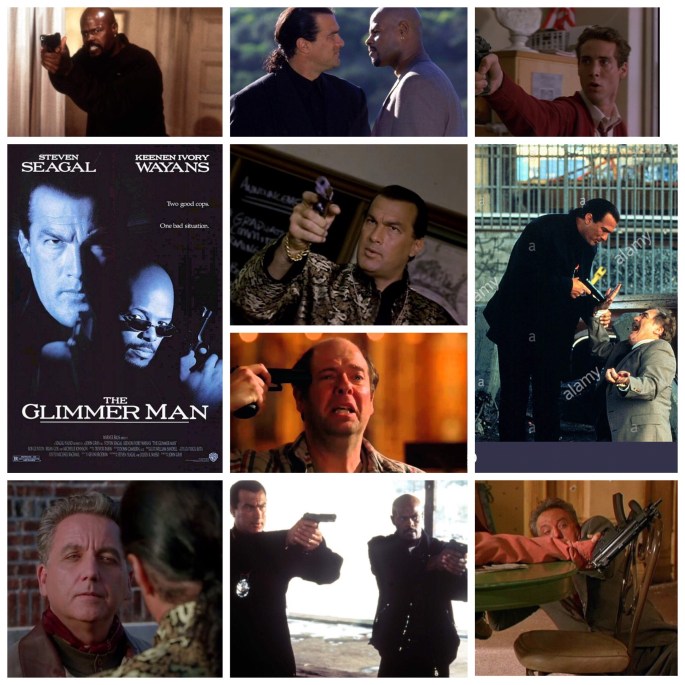
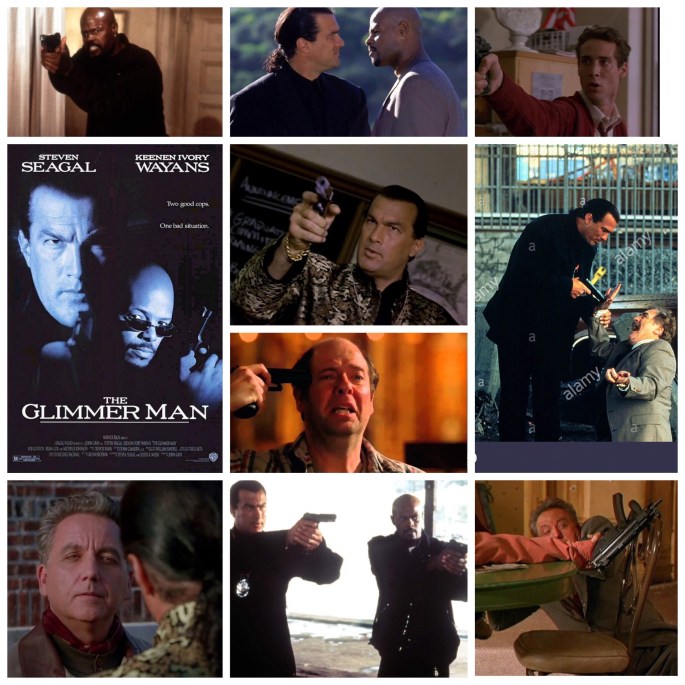
Steven Seagal, eh. The guy has had one rocky road of a career ranging from great stuff to wilful self parody to full on lazy garbage, but The Glimmer Man has to be one of my favourites, and one that doesn’t get mentioned too often. A spooky urban buddy cop flick, it sees Seagal as an esoteric NYC detective and Keenan Ivory Wayans as his more traditionalist partner, the two of them hunting down a ruthless serial killer nicknamed The Family Man. After they arrest and gun down a disturbed suspect (Stephen Tobolowsky is creepy as fuck) who seems like a surefire culprit, the case goes deeper and they uncover a net of corruption, cover ups and further villains including Johnny Strong, Bob Gunton and a smarmy Brian Cox, naturally named Mr. Smith. The dynamic between Seagal and Wayans works well enough, but what I really like is that this is less centred on constant action as with many Seagal flicks, and rather has a slower, sort of horror/thriller pace instead, with a neat ‘big city thriller meets big time killer’ vibe like Seven. The atmosphere is dark, hellish and free of any heavy camp too, just focused on producing a twisted, gory tale. Love Seagal’s jacket by the way, looks like he stole drapes from an old age home and stitched them up for new threads.

-Nate Hill

Louis Leterrier’s Unleashed

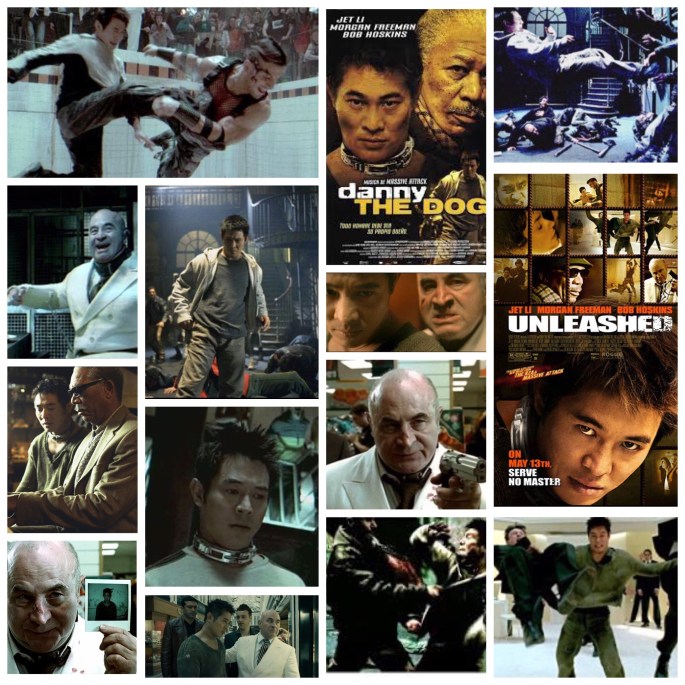
The rumour mill recently informed me that Jet Li is going through some rough health issues lately, so let’s send loving thoughts his way and take a look back it one of his best, Louis Leterrier’s Unleashed, aka Danny The Dog. Scripted by Luc Besson, this is a gruesomely entertaining fight club style action gong show set in Glasgow’s shady underground, co-starring the late Bob Hoskins as Bart, a maniacal mobster with a serious god complex. Li is Danny, the orphan he has raised basically as a dog and transformed into a vicious killing machine who does his bidding. Bart straps a metallic collar on him that keeps him docile, but when he needs someone taken care of, that collar comes and fuck… better hope you’re nowhere within Danny’s vicinity because he basically lays waste to anything that moves. The film is chock full of absolutely breathless, tooth and nail action sequences with a washed out, desaturated visual flourish that’s edgy and menacing. Eventually Danny runs away, then the film takes a softer tone when he’s given shelter and companionship from a blind piano tuner (Morgan Freeman hiding behind Stevie Wonder shades) and his daughter (Kerry Condon), this is where his dormant humanity is awakened and he’s essentially given both something to live for and stakes to finally stand up to Bart’s cruelty. Hoskins goes for broke and plays it like a dog more than Li does really, snarling and setting ferocious Danny on anyone who looks at him wrong. The Glasgow criminal underworld has a snazzy, stylish way about it here, each new adversary Danny goes up against seems to have leapt in from a comic book and the fights are detailed, elaborate and grisly as all hell. The film is strongest when Li breaks out the choreography and takes on hordes of monstrous thugs, while getting to show off his subtler, softer side in between. I hear he’s going to appear in the new live action remake of Mulan next year, it will be nice to see him on the big screen again and I wish him easy recovery from whatever he is dealing with.

-Nate Hill