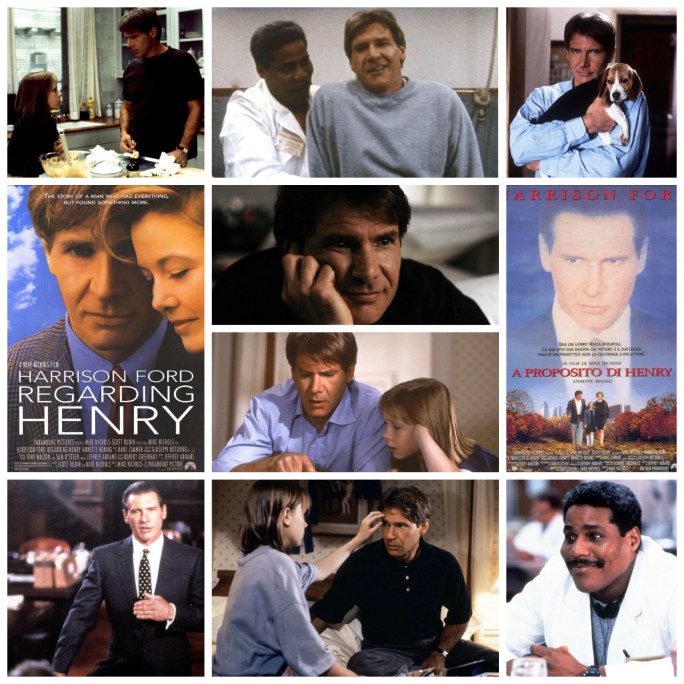
Mike Nichols’ Regarding Henry

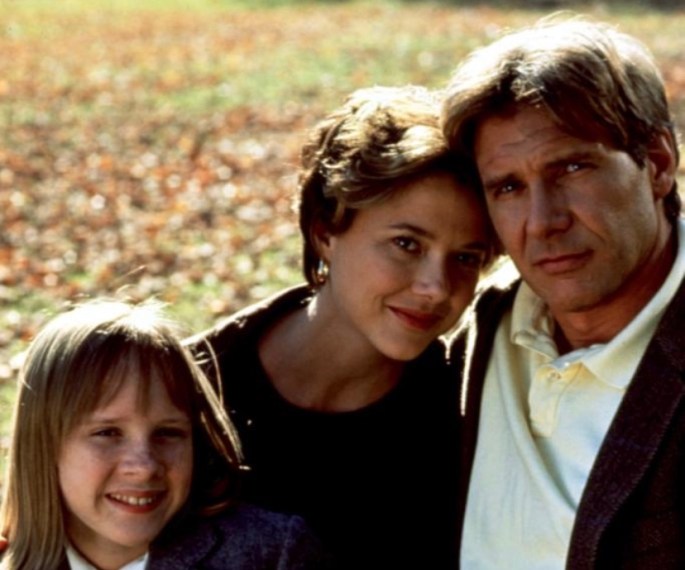
I really love it when actors step outside their comfort zone and try something that they’re not traditionally known for, it’s a difficult and courageous thing to do. Harrison Ford is a square jawed, attractive, alpha type dude, from Han Solo to Rick Deckerd to Indiana Jones. Seeing him become utterly vulnerable for a film like Mike Nichols’ Regarding Henry is something wonderful and let’s you observe a quieter, gentler side of this iconic actor.

Ford is Henry here, a brash, egotistical slick lawyer who cons innocent clients out of their settlements to line the pockets of his firm, cheats on his wife (Annette Bening) and when asked to apologize to his daughter (Kamien Allen, sad eyed and soulful) for an outburst, manipulates the conversation to further blame her. One night he pops over to the convenience store and interrupts a robbery, after which the twitchy burglar (a very young John Leguizamo) shoots him twice. The wounds leave him fighting for his life and with permanent brain damage, re-learning how to speak, walk, eat and piece together his fragmented memories with the help of a kindly physical therapist (the great Bill Nunn in possibly his greatest performance).

This is the ultimate case of ‘my dad went out for a pack of smokes and never came back’ because in a sense he doesn’t. For his daughter the cruel, unsympathetic father she watched him become is now gone forever and in his place a man she doesn’t recognize but now relates to, cares for and in return gets love she never experienced before instead. Henry has all the faculties of a child or adolescent at first, forced to forge a new moral compass and and patch over the damage that he and his amoral boss (Donald Moffat, smarmy as ever) have wrought. Ford makes low key yet deeply affecting work of Henry, his eyes have a meditative observance and his voice a shaky, emotive timbre, qualities I find to be often wasted on hero roles without a ton of depth (see The Age Of Adaline for another terrific example of him being used properly). He actually gets to play a human here, one who goes through one of the most taxing experiences anyone could live through, and the colours Ford paints this performance with are something to see. This film gets ragged on and sure it can come across as a bit gloss, a bit ‘Heartstring Hollywood.’ That may be so in instances but at the core it really cares, truly examines this man and what makes him who he is, then slaps him with a factory reset and reimagines who he is all over again, and how he must reconcile with what came before. Great film in my opinion.

-Nate Hill

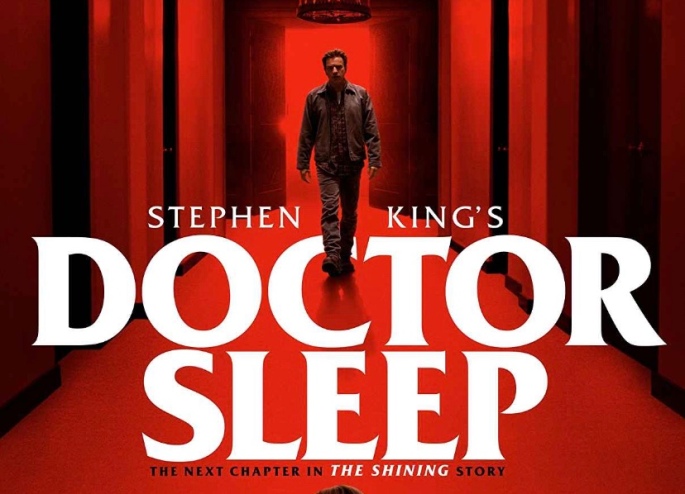
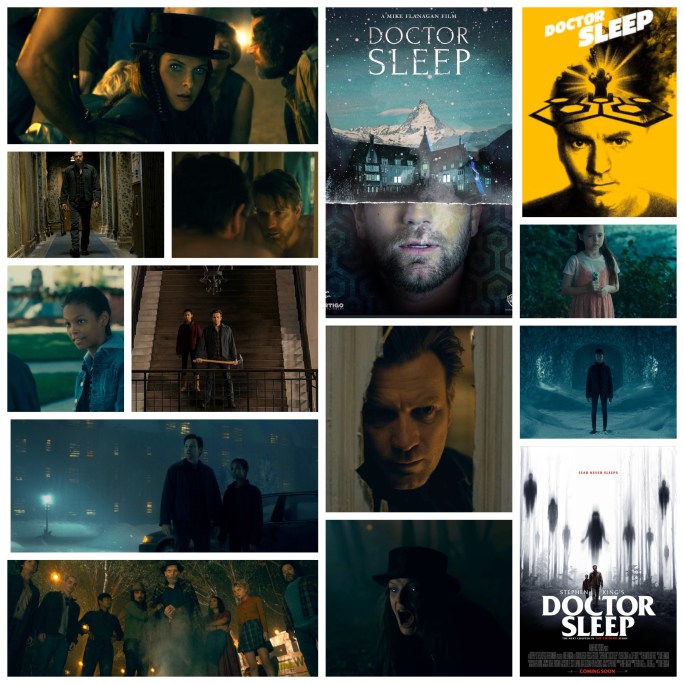
Mike Flanagan’s Doctor Sleep

I read a thing recently that Stephen King’s The Shining and Doctor Sleep, although two sides of the same coin, are very much in different places thematically. The Shining deals with isolation, confinement and madness whereas Doctor Sleep explores escape, pursuit and redemption. This could be the reason that I loved Mike Flanagan’s Doctor Sleep a lot more than I did Stanley Kubrick’s The Shining, which felt so much richer, wider in scope, ambition and rewarding in story. The Shining is a cold, hard and admittedly brilliant horror film but going from that aesthetic to Doctor Sleep is like holding your breath until you almost faint and then letting out one monumental exhale that feels a lot better than what came before. Sleep is the exhale, a flowing, horrific, cathartic and gorgeous dark jewel of a horror film that stands as loving homage to Kubrick’s film but just does so much more on a wider canvas.

Flanagan spends the first half of this story establishing setting, characters and history in economic yet leisurely fashion, as this runs for a delicious two and a half hours. Dan Torrence (Roger Dale Floyd) and his mom Wendy (Alex Essoe, not quite a dead ringer for Shelley Duvall but she finds her own essence and I liked her work) survived their nightmarish stay at the haunted Overlook Hotel and did their best to carry on with life. Fast forward all the way to 2011 and Dan is now a haggard looking and near homeless Ewan McGregor, bus hopping his way across the states and arriving in a small county to find help from AA and work at a hospice for dying elderly folks. Elsewhere, a roving band of vampiric creatures calling themselves The True Knot search for kids like Dan who possess the ‘Shine’, and consume it for sustenance. Also out there is young Abra (Kyliegh Curran), a girl with maybe the biggest reservoir of Shine within her and the power to defeat the Knot and their evil leader Rose The Hat (Rebecca Ferguson). This power struggle of course eventually leads them back to where Dan’s story originally began, the now derelict and rotting Overlook, fast asleep and waiting.

I loved this film. It’s so much more comprehensive and on fire than The Shining’s chilly aura gave us. Characters are sharply drawn, performances are wonderfully shaped and there are so many ideas, references and nods to the King Dark Tower multiverse that positively gave me chills. Ferguson is a tornado of pure malice as Rose The Hat, embodying shades of Stevie Nicks and playing this evil supernatural gypsy bitch to the absolute height of performance. Curran is a brilliant find as Abra, she radiates the resilience of this kid while clearly showing the fear, uncertainty and vulnerability of someone with such powers. McGregor is gruff and haunted as Dan, a casting choice that seems simultaneously out of left field and fitting like a glove. There are other familiar faces across this landscape including Cliff Curtis, Bruce Greenwood, Henry Thomas, Robert Longstreet, Zahn McLarnon and Carel Stryucken who we fondly remember as The Fireman from Twin Peaks and The Moonlight Man from Flanagan’s Gerald’s Game. Room’s Jacob Tremblay also shows up as an unfortunate young victim of The Knot who gets slaughtered in a sequence of raw evil that will send a shiver down spines en masse. At the heart of this story is compassion though; Dan, with the help of an adorable cat, eases numerous elderly folks across the threshold of death with kindness and these scenes affect overall and add warmth to his character, while hitting me on a deeply personal level given my experiences with such things this past year. He’s forced to go back and confront the evil that he prayed he’d never see again and it’s a strong ray of redemption, for him and his now dead father who fell victim to such horrors. There is a lot at work here, it blows this world right open and finds connective tissue to King’s universe where Kubrick kept things close to the chest and contained. One of the best horror films, King adaptations and pieces of storytelling I’ve seen in some time.

-Nate Hill

Bill Forsyth’s Local Hero

If you’ve never seen Bill Forsyth’s Local Hero, drop whatever plans you have this evening and get on it. This is a curious one to review because no description could adequately impart its exact timbre. A hangout film, a low key culture clash dramedy, but more than anything specific or definable it’s just about a few Americans, a few Scots and one hard drinking Russian chilling out together in a small coastal village somewhere in Scotland.

Director Forsyth doesn’t so much construct a thought out script to screen here as he does take an anthropologist’s eye in telling the tale of an American oil conglomerate who sends their top fixer (Peter Riegart) to a small beach community in Scotland with hopes of buying up much of the coastline for an incoming refinery project. This would of course make the townspeople very rich, yet on the other hand take away their homes that have been in the family for generations and leave the natural environment bleeding. This isn’t so much an ‘us vs. them’ thing or any kind of struggle in any way though. Riegart (who is a fascinating dude and who I can only recall in two other projects, the cop opposite Jim Carrey in The Mask and a tiny cameo in Steven Soderbergh’s Traffic) and his aloof assistant (Peter Capaldi) simply blend into the local scenery, chill out and get to know these folk on a naturalistic, believable scale of behaviour. Making friends with the local innkeeper (Dennis Lawson) who doubles as the town accountant and pretty much mayor too, singing songs, talking philosophy to the stars and basically unwinding. The oil company’s CEO (Burt Lancaster) has hilariously little interest in developing a refinery and would much rather sit on the beach with a telescope observing the heavens.

Films this subtly pleasant grow on you and are honestly a balm for the soul, an oasis for perception to vacation in for an hour or so when things can get rough, which for the past year has basically been the story of my life. Forsyth sees these people as not just characters in a script, there to serve story, but just that: people, human beings. Riegart’s oil man is nothing like the brash, cocky big city slicker that some filmmakers would have turned him into. He’s gentle, open to new experiences and ultimately in awe of the way of life he finds in this community. The townsfolk aren’t hostile, protective or scornful of him again like some films would paint them, they’re quaint, wrapped up in their elegiac daily rumination and see him simply as another dude they can have a pint with at the end of the day. I love and admire artists who have what they takes to make a film stocked with actual people instead of cardboard characters, and you don’t see that all the time. A wonderfully eccentric microcosm of two factions of society and not so much how they clash, but more how they cordially find themselves in the same place by circumstance and simply make the most out of it. Great film.

-Nate Hill

Actor’s Spotlight: Nate’s Top Ten Dennis Farina Performances

Who knew that a Chicago ex-cop would go on to become one of the most recognizable and talented presences in Hollywood? Michael Mann did when he cast buddy Dennis Farina in Thief way back in the day, after which the actor went on to give us an absolutely captivating, scene stealing body of work in cinema and a career particularly in crime and comedy genres that is now legend. He could be funny as all hell and then turn downright dangerous at the drop of a hat, your affable best friend or grim worst enemy in any given scene and often simultaneously. Dennis is no longer with us but his epic career lives on every day, and here are my personal top ten characters he crafted!

10. Maurice Cantavale in Randall Miller’s Bottle Shock
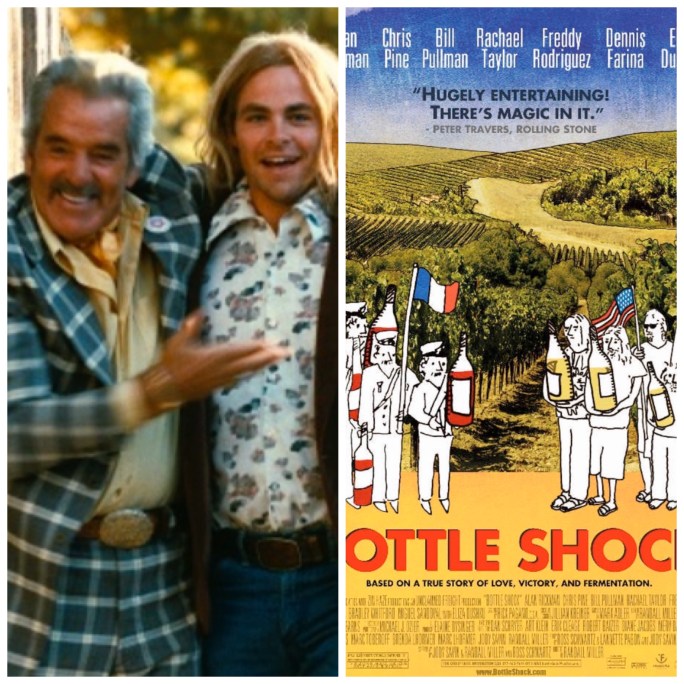
If you haven’t seen this lovely little film then get on that right away, because it’s an absolute charmer through and through. So basically Alan Rickman is a British wine connoisseur who travels across the pond to Napa valley for a competition to enter his wines. Farina is his neighbour, a travel guide entrepreneur who accompanies him for camaraderie, companionship and moral support. He’s a lovable teddy bear here who has adorable chemistry with Rickman and adds to an already terrific ensemble cast.

9. Henry DeSalvo in Barry Sonnenfield’s Big Trouble
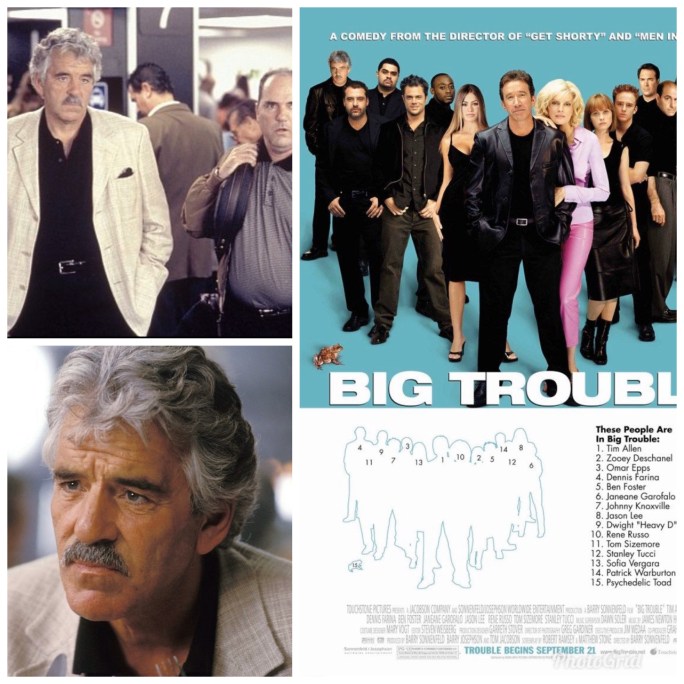
In an ensemble cast that’s just about as packed as one 90 minute comedy can handle, he stands out as a super cranky hitman called into Miami to kill a asshole corrupt business exec (Stanley Tucci). He finds every obstacle possible thrown in his path though from rambunctious football fans (“we got gator fans!”) to overzealous security guards and everything else the city has to offer. His mounting exasperation and deadpan frustration is one of the highlights of this hilarious, underrated screwball comedy.

8. Lt. Mike Torello in Michael Mann’s Crime Story
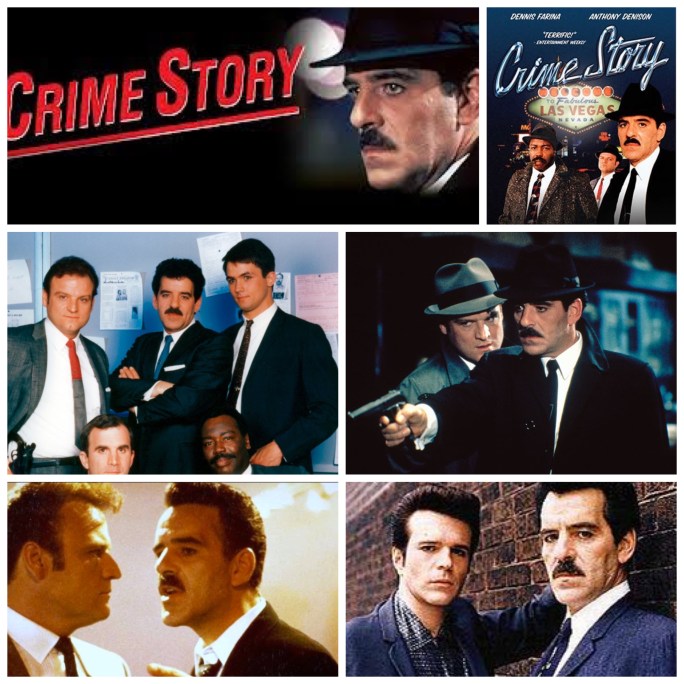
Here he gets to channel his real life roots in playing a tough Chicago police detective trying to prevent an up and coming wiseguy (Ray Luca) from ascending to power in the city’s dangerous criminal underworld. A companion piece of sorts to Mann’s more popular Miami Vice, this is a fantastically produced crime epic that’s packed with guest stars, many of which went on to A-list fame. Dennis is grounded, angry, violent when he needs to be but imbues the character with compassionate hues as well, it’s a beautiful lead role in a career that’s mostly stocked with supporting turns.

7. Joe May in Joe Maggio’s The Last Rites Of Joe May
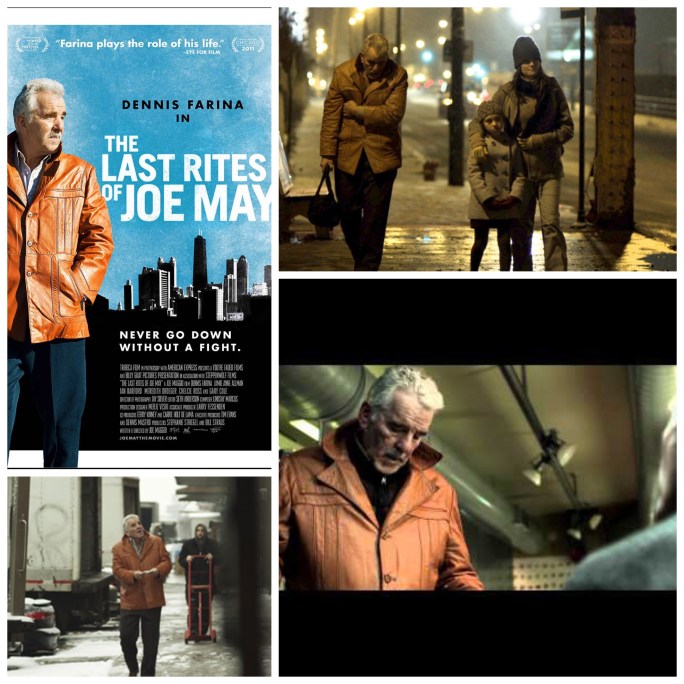
Another lead role yay! This is a fantastic little seen indie drama about ex Chicago hustler Joe May who is released from prison in his twilight years and discovers the streets, along with his capabilities, aren’t what they used to be. Farina sadly passed away a few years after this was released and as such it kind of stands as a swan song of sorts. It’s about age, the passage of time and ultimately redemption in the face of one’s own mortality, and he nails every aspect of theme/character flawlessly, and should have been nominated for all the awards.

6. Dick Muller in Jon Bokenkamp’s Preston Tylk aka Bad Seed
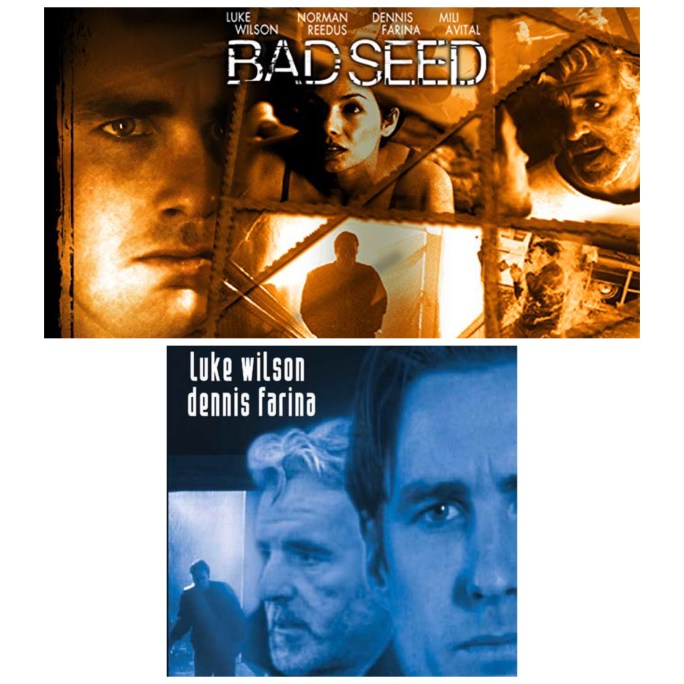
This little seen indie drama sees widower Luke Wilson in a disquieting game of cat and mouse with his deceased wife’s lover (Norman Reedus), both blaming each other for her untimely death. Dennis is the world weary private investigator Wilson hires to help him through the whole mess and it’s in their dynamic that a touching interaction is formed. This is a depressing, sad story that can only end messily overall but he finds the humour, pathos and uplifting notes to his performance and it’s one of my favourite of the lesser known ones.

5. Jimmy Serrano in Martin Brest’s Midnight Run
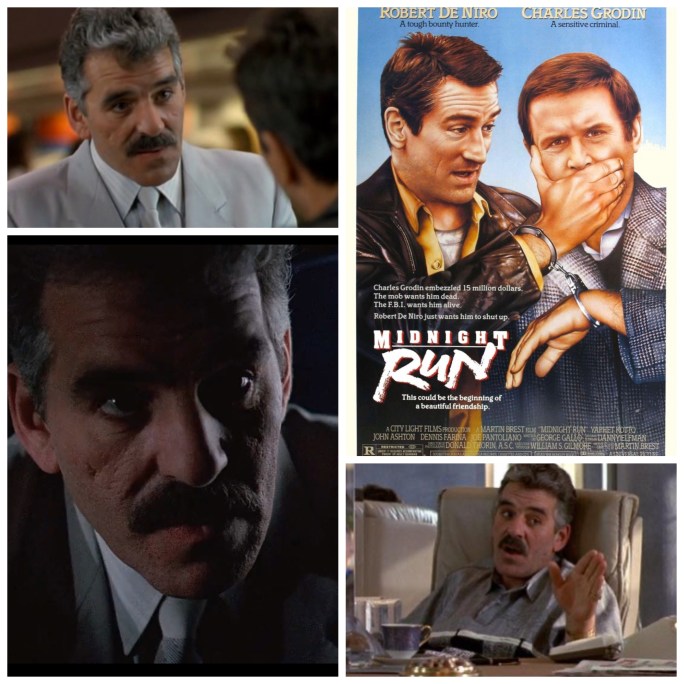
This guy is a piece of work, but a hilarious one. The grumpiest Chicago mobster you could ever find, he’s a violent, corrupt, short tempered prick who spends most of his scenes threatening his poor lawyer (Phillip Baker Hall) with extreme bodily harm and trying to track down Robert De Niro’s elusive bounty hunter with whom he has a decades old grudge with. It’s a flashy, really funny and engaging bad guy turn that manages to scare and I still laughs in equal measures.

4. Gus Demitriou in HBO’s Luck
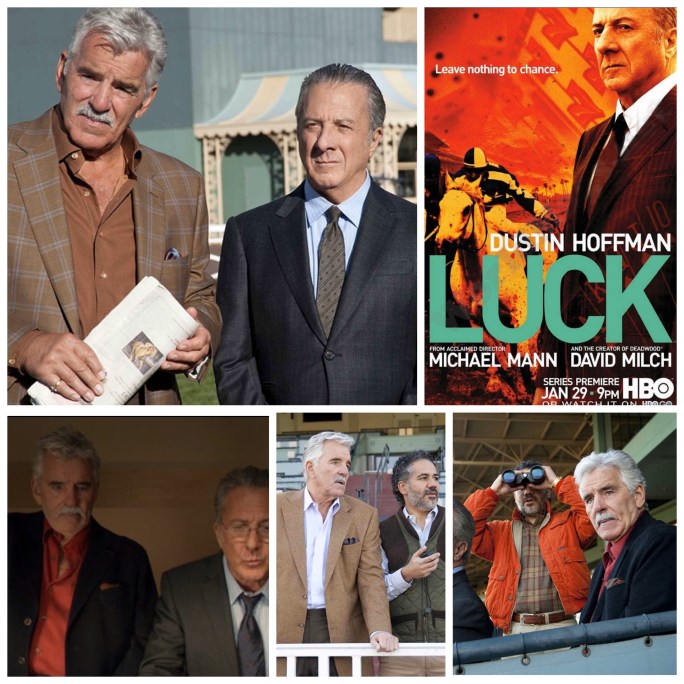
This was a sadly short lived but magnificent series set in and around an LA horse racetrack and focusing on all sorts of individuals whose lives revolve around it. Dustin Hoffman is Chester, a parolee who walks a fine line between businessman and mobster, while Farina’s Gus is his driver, assistant, sounding board, business partner and overall good friend. The dynamic between these two is communicated brilliantly by the two actors and we get a real sense of Gus’s moral standpoint, goals and outlook on life.

3. Jack Crawford in Michael Mann’s Manhunter
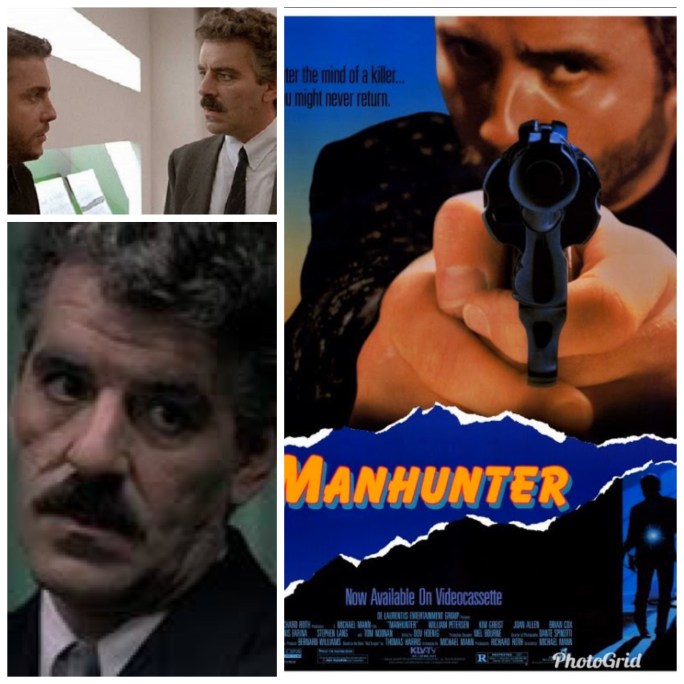
A few guys have played the FBI’s head of behavioural science and while Scott Glenn’s turn will always be my favourite, Dennis made a fascinating version. In a career filled with intense and exuberant work he made his Crawford into an understated guy who works well with William Petersen’s equally inward Will Graham.

2. Ray ‘Bones’ Barboni in Barry Sonnenfield’s Get Shorty
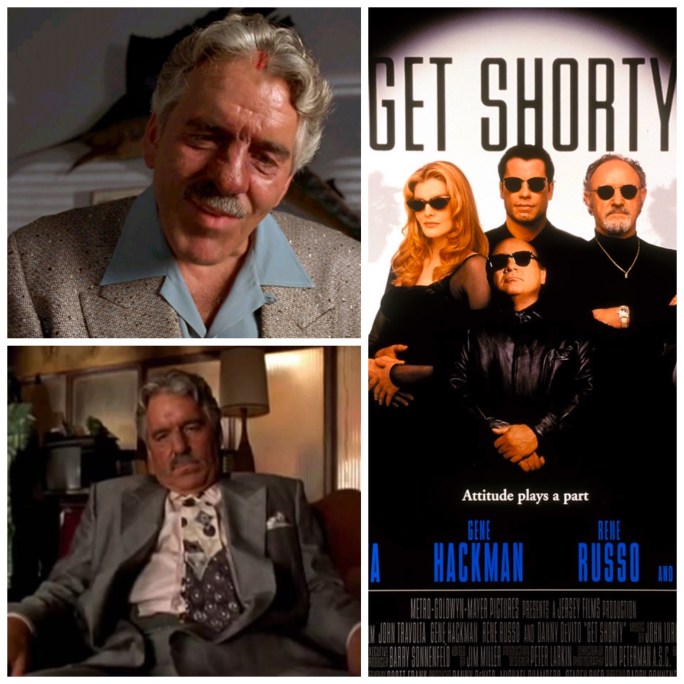
One pissed off Miami gangster who is none too happy to get called to LA on business, he gets the film’s best line when he begrudgingly proclaims to a taxi driver: “They say the fucking smog is the fucking reason you have such beautiful fucking sunsets.” Dennis was a staple in film adaptations of Elmore Leonard’s work and this is one of the pithiest, funniest in both his and the author’s rogues gallery.

1. Cousin Avi in Guy Ritchie’s Snatch
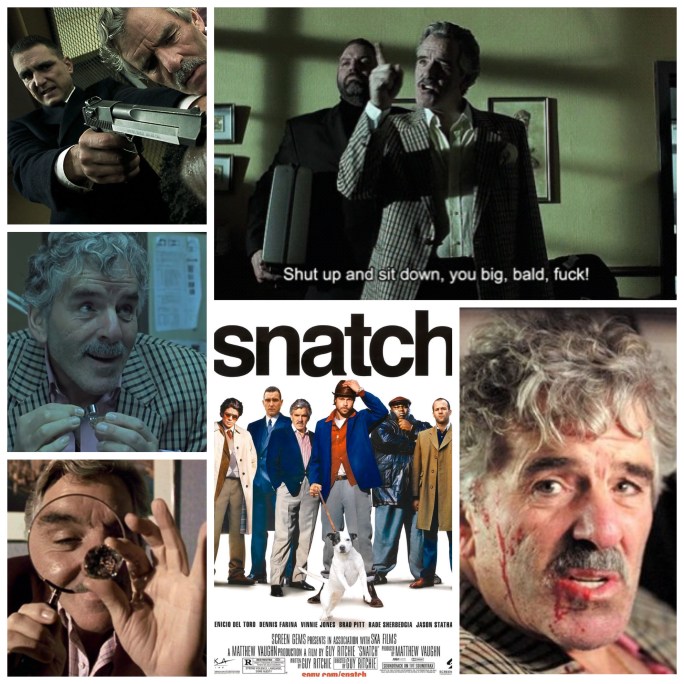
In an ensemble cast full of eclectic underground whackadoos, he *really* steals the show as a supremely sassy NYC gangster reluctantly dragged to London (which he hates) to track down a stolen diamond. Dennis’s energetic Chicago twang and Ritchie’s stylized flair for dialogue make this character sing, he gets many of the film’s funniest bits and is clearly having a ton of fun.

Thanks for reading and stay tuned for more!

-Nate Hill
Indie Gems: William Fichtner’s Cold Brook

Oh hey another top ten of the year film for me. I love a good passion project, especially when the two artistic forces behind it are a couple beloved character actors who have spent much of their career in Hollywood playing villains, criminals, weirdos, bikers, aliens and all kinds of heavy stuff. William Fichtner’s Cold Brook sees the consistently brilliant actor team up with equally fantastic buddy Kim Coates for a charming, wonderfully simplistic tale of two small town dudes who make an incredible discovery.

Fichtner and Coates are Ted and Hilde, two lifelong pals who work as maintenance men for the college museum in their sleepy upstate NY town of Cold Brook. They each have a loving wife (played by Robin ‘Calamity Jane’ Weigart and Mary Lynn ‘Chloe O Brien’ Rajskub), kids and pretty much as cozy a life as anyone can hope for, complete with the kind of bromance that makes it obvious these two actors are tight in real life. Then one day a mysterious and deeply confused stranger (Harold Perrineau) shows up in the museum exhibit after hours and seems to follow them around after that like he has some purpose that even he doesn’t understand, and only our two boys can see him. It’s up to them to find out why this restless spirit has chosen them, what he wants and how to put him to rest while juggling the curious eyes of their wives, bosses and one campus security guard (Brad Henke) who takes his job just a bit too seriously.

This is low key, whimsical indie fare through and through and I downright fell in love. I’ve been following William and Kim’s career since I was a kid, they are two endlessly talented scene stealers and I can’t tell you how lovely and cathartic it was to see them just play a couple bros living and loving the small town life. They both shine brightly in their work here and Fichtner shows a steady hand in writing and direction here too, telling a story that clearly means a lot to him in broad, loving strokes. Perrineau is really effective as Gil the wandering spirit, seeming somehow perpetually lost but also pointedly soulful in each appearance. If you’re at all a fan of these two artists then I’d very strongly recommend this as you get to see them do the kind of work that Big Hollywood just doesn’t usually ever hire them for, something very personal to each and something that allows them the kind of freedom in expression that we as artists always dream of. Even if you’re not a huge fan it’s a beautiful little indie to watch on a cold rainy morning to warm the heart. Brilliant film.

-Nate Hill

B Movie Glory: Savage Dawn

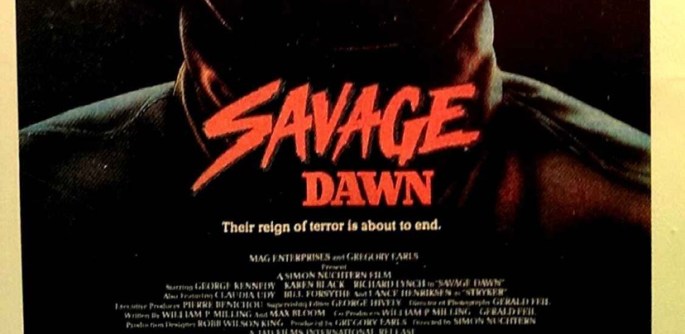
It’s time for some schlocky 80’s biker trash. Savage Dawn is a cheap, sleazy, exceedingly noisy, obnoxious piece of dustbowl highway exploitation and I love every minute of it. Lance Henriksen is stoic ex green beret Stryker who drifts past a small town to visit his old army buddy (George Kennedy). Also blowing through the area is a pack of evil, vicious bikers led by sadistic Pigiron (William Forsythe, living up to that name and then some). Stryker just wants to chill out and have beers with his ol’ bud but Pigiron & Co. have other plans and the film is basically a loose, untethered series of ultra-violent run-ins with the gang, while other weirdo backwoods locals run in and out of the scenes all silly billy. Henriksen is the only actor here to play it remotely seriously, keeping that stone faced glare stolidly in place and dishing out beatdowns left and right. Forsythe is downright maniacal here, doing one of the best versions of his ‘psycho snarling hick shtick’ and chewing scenery like an evil tornado of redneck rambunctiousness. This was the first time these two tussled in a biker picture and would reunite again for Stone Cold in the 90’s, but that’s another story. The late Richard Lynch shows up as a feeble, horn-dog local preacher who gets in the way and the great Karen Black has a memorable turn as the loopy local slut. This ain’t nothing but bottom of the barrel street grease, there’s no way around it. But the actors sell it and there’s enough of them letting off steam to make this enjoyable, albeit fairly WTF in places. Gotta keep in mind that gnarly little nuggets like this were commonplace back then and sometimes I miss em.

-Nate Hill

Edward Norton’s Motherless Brooklyn

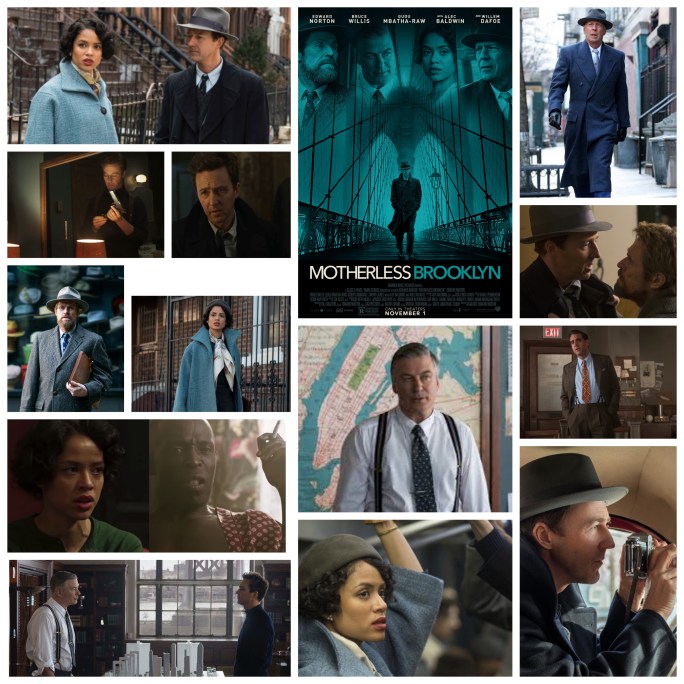
It’s always cool for two of my top ten films of the year to find their way to me inside a week. A few days ago it was The Lighthouse and yesterday it was Edward Norton’s Motherless Brooklyn, a brilliant, sprawling noir epic that sees this accomplished artist behind the camera for only the second time in his career and in front of it for the first time since I can remember… I think the last thing I saw him in was that fourth Bourne film that didn’t even have Jason Bourne in it. He roars back into action commendably here as both writer and director in a passioned period piece that has a lot to say and one of those old school two plus hour runtimes to say it in as well as the kind of jaw dropping, star studded ensemble casts they just don’t bother to assemble much anymore.

In adapting Jonathan Lethem’s novel, Norton rewinds a 90’s setting back into the 50’s and comes up a winner playing Lionel Essrog, a private detective whose friend, mentor and father figure Frank (Bruce Willis lingers in a cameo you wish was more) is murdered by shady thugs whilst investigating the kind of lead that can only end in bloodshed. Lionel suffers from Tourette’s Syndrome in an era where medication, compassions and science are sorely lacking and has thus sadly earned the moniker ‘freak show’ by his peers. That doesn’t stop him from using gut intuition to continue Frank’s work, leading him down the obligatory NYC noir rabbit hole of Harlem jazz clubs, red herrings, betrayals, corrupt government officials and bursts of sudden violence meant as warning but there to juice up the intrigue. It’s a fairly serpentine web of lies and decades old secrets involving many characters brought to life by one hell of a cast. Gugu Mbatha-Raw scores soulful points as an activist whose involvement runs far deeper than even she knows. Alec Baldwin gives a terrifying turn as an impossibly evil, truly bigoted mega city planner whose agenda to bulldoze poorer communities shows little remorse in character and allows the seasoned actor to provide what might be the best villain portrayal of the year. I didn’t think I’d be raving about Willem Dafoe two times in one week (he crushed his role in The Lighthouse) but the guy is on fuckin fire, bringing cantankerous warmth to a vaguer role I won’t spoil. Also in the mix are Michael Kenneth Williams as a mercurial trumpet player, Bobby Cannavle, Dallas Roberts, Ethan Suplee, Fisher Stevens, Cherry Jones, Robert Wisdom, Josh Pais, Peter Gray Lewis and Leslie Mann.

Considering that Norton’s director debut was a Ben Stiller romcom, its fairly heavy lifting to pivot over towards a two and a half hour period piece adapted from a revered novel but he pulls it off and then some. He directs the actors with snap and ease so we get organic, underplayed yet lasting impressions from each performance including his own, a very tricky role that never comes across as a gimmick. His affliction is never conveniently absent when the scene requires it and he makes sure to find the frustration, humour and lived-in aspects of Lionel’s personality. Baldwin’s character serves to represent the callous nature of real estate development conglomerates these days and the tendency to gloss over less fortunate folk like invisible downtrodden, or downright see them as lesser people. Norton, as both actor and director, gently explores this world with a compassion for areas in which some have more than less and focuses on themes until we get to see a powerful morality play unfold within the already tantalizing central mystery. This film sort of came out of nowhere (I don’t remember any marketing outside like a month before release?!) and isn’t making huge waves yet but it’s a powerful, funny, touching, detailed, beautifully acted and directed piece, one of the best thus far of the year.

-Nate Hill

The Wachowski’s V For Vendetta

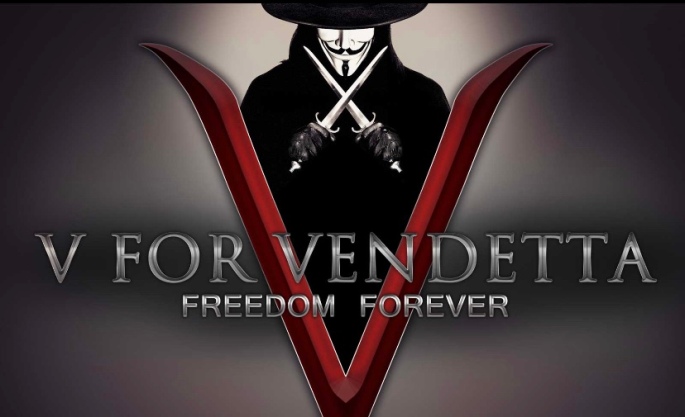
As far as comparing The Wachowski’s V For Vendetta to its source material by Alan Moore, I may be one of the only few who feels like the film is an improvement. The graphic novel is beautifully written but bleak and drab in many instances where the film adopts a rich, full bodied and ever so slightly hopeful tone in the adaptation forage. I know Moore is somewhere out there in his yurt on the plains, reading my review on a 3G tablet and cursing my name, but oh well. Fierce political commentary, blitzkrieg action picture, careful interpersonal drama and more, this has aged well (scarily well depending on the angle one views it from) and holds up gorgeously fourteen November 5ths on since its release.

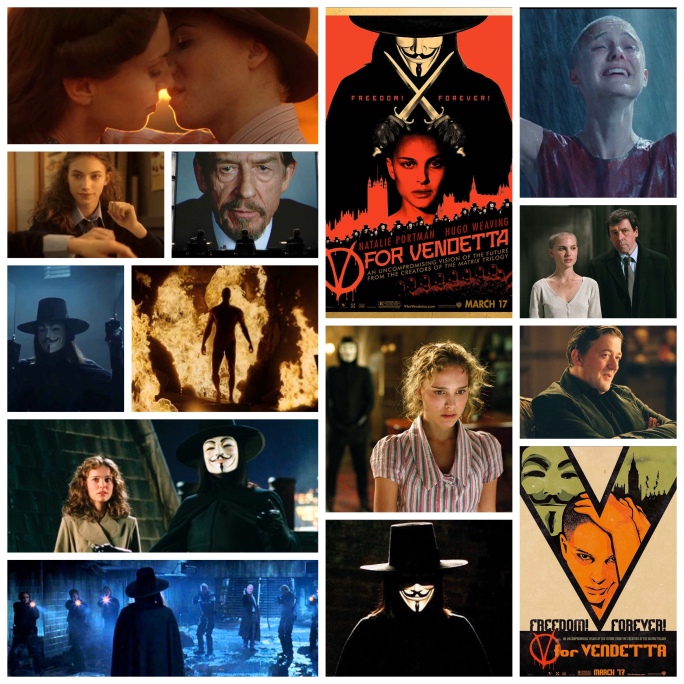
Natalie Portman and Hugo Weaving make Stockholm Syndrome sexy again as Evey and V, two very different individuals whose lives have both been upended by the tyrannical, fascist British Government. He’s a vicious vigilante freedom fighter with scars on the outside and inside, she’s a wayward civilian swept up in his brutal quest to overthrow an evil dictator (John Hurt in beast mode), first as witness and later as accomplice. This involves a complex laundry list of various betrayals, sieges, escapes and terrorist acts, all brought to life in breathtaking spectacle. An underdog secret policeman (Stephen Rea, a study understated excellence) doggedly pursues them and questions his own loyalties, while the chosen date of Guy Fawkes day (hey, that’s today!) looms ever closer and with it V’s promise to blow the shit out of the parliament block.

V says it best when he growls: “People shouldn’t be afraid of their governments, governments should be afraid of their people.” There are large scale, prescient ideas at work here and despite being based on a graphic novel it feels eerily akin to our own world. V is a product of this damaged, corrupt system who has become a monster and is now ready to administer horrific dark justice on those who wronged him, working his way up an increasingly grotesque chain of despicable politicians with grim resolve. There’s a righteous fury to his quest and no other actor could have better captured the fire and brimstone behind that mask like Weaving does, he works wonders with his voice alone. There’s a lot more action than in Moore’s novel but can you really blame the Wachowskis? They are incredible at staging set pieces and the character of V suits the swooping, knife throwing, roof leaping, swash, buckle and bloody bodily harm on display here. There’s a strong undercurrent of compassion and humanity here to, as seen in my favourite sequence of the film: Portman’s Evey is locked up in a government prison and ready to wade into despair before she finds a rolled up scroll detailing the story of the cell’s former roommate and her struggles during the rise of this horrible regime. It’s in this short flashback scene alone we see all that’s worth fighting for in the microcosm of one girl’s life and feel the justification of not just V’s violent rampage but the collective uprising it stirs in the people. Great film.

-Nate Hill

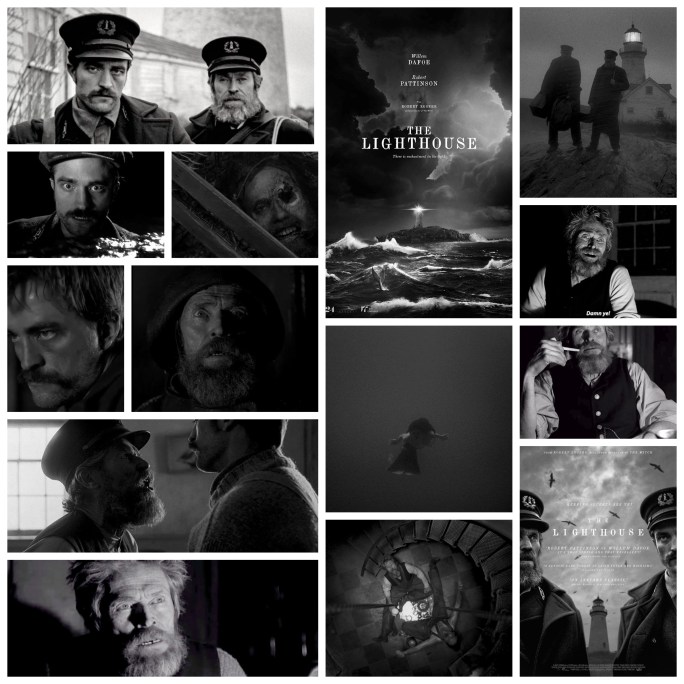
Robert Egger’s The Lighthouse

I don’t really have a clever lead-in line to Roger Egger’s The Lighthouse for this review, partly because I’m still not sure just what the fuck I watched and partly because I’m processing the giddy traumas this thing inflicts on a viewer. One thing I’m sure of is the sheer elemental wonder of this film, it’s an intimate experience of immense power, a loving ode to black and white films overall, a pulverizing experience in off the wall horror, a terrific dose of briny black comedy, a dual character study for the ages, a gooey Lovecraft homage and one of the most hysterically intense viewing experiences of the year and perhaps ever.

From the moment Willem Dafoe’s Thomas Wake and Robert Pattinson’s Ephraim Winslow set foot on the rock that is to be their home for months, there is an oppressive maritime aura like no other, made so by several key factors. The haunting black and white photography by Jarin Blaschke is at once chilly, gorgeous and all encompassing, the creaky original score by Mark Korven has retro sensibilities and practically leaks dread off the screen and Eggers chooses to frame his story in the 1.19:1 aspect ratio used by early B&W filmmakers like F.W. Murnau. These aspects combined craft one unforgettable, deeply disquieting package, and I haven’t even raved about the performances yet. Dafoe and Pattinson give the kind of towering, monumental, thunderous turns that make you scared for them and want to yell cut before they’re lost to the maelstrom of their own mania. Dafoe is a creepy, crusty, brittle old salt who bellows, farts, berates and abuses Pattinson’s Winslow, a greenhorn who quickly loses his keen edge to the drink and the intangible, perhaps supernatural forces surrounding them. It’s a macabre treat watching these two poor sods race each other headlong towards madness helped by copious amounts of rum, the gnawing reality of isolation and the ever present wailing of seagulls which, as Dafoe makes clear, are bad luck to kill.

Word of warning with this one though: this is very much a bizarre, knowingly fucked up arthouse film and worlds apart from Egger’s hailed previous effort ‘The Witch,’ which for all its insanity actually had a coherent and decipherable story. With The Lighthouse he strives more for abstract, surreal and often impenetrable imagery and has no interest in providing concrete reasons or resolution for what’s seen, heard and felt. I myself prefer this style much more than conventional storytelling but it’s not for everyone and for better or worse there will be no viewer, however thick-skinned, left undisturbed. In any case this is one unique and impressive piece of work; Dafoe and Pattinson howl their way through impossibly long and intricate monologues (cue the original script and acting Oscars), the wind shrieks through the gorgeously designed set, a beautiful but terrifying mermaid (Valeriia Karamen) screams like a banshee out on the barnacle stained rocks and the ever present beam of the lighthouse (sometimes seeming eerily similar to the projector beam within the cinema itself) pierces the New England fog and sees all. A masterpiece and one of the very best films of the year thus far.

-Nate Hill

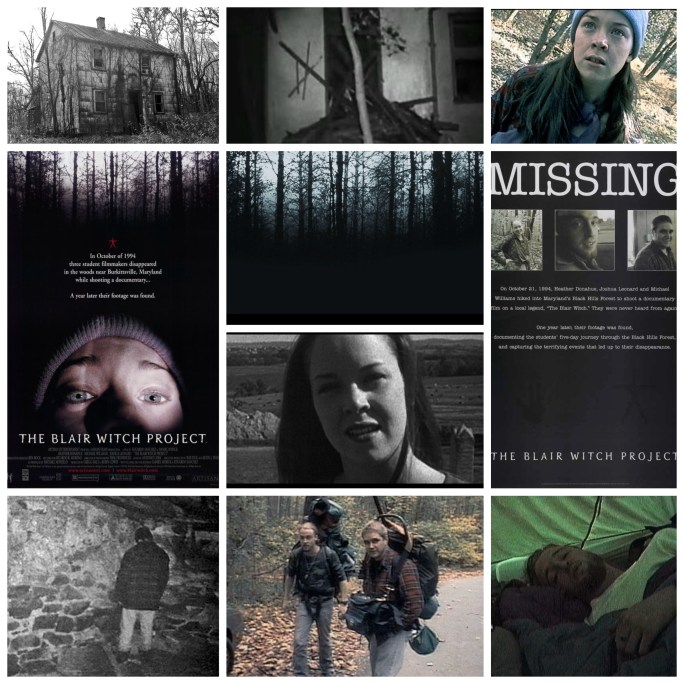
Eduardo Sanchez & Daniel Myrick’s The Blair Witch Project

Ask me what the scariest movie I’ve ever seen is and time after time I’ll answer The Blair Witch Project. Sure it has it’s skeptics, cynics and badasses who aren’t phased but they’re the houseflies of the genre, constantly buzzing to one up each other. It’s much more fun to embrace when something scares the shit out of you and give it credit where it’s due. The most interesting thing about this film is the sheer amount of money made versus spent, it’s the ultimate minimalist experiment that swept the nation, landscaped the horror genre for decades to come and scared the fucking piss out of millions of people, myself included. So why is it so scary? Nothing completely descriptive happens, you never even see the witch and the ending is opaque.. but it’s exactly those reasons that make it so effective. Picture yourself in the woods at night; you’re already scared by the threatening elemental magic that only forests at night can offer, then you hear something in the trees, something overtly and obviously creepy. But you never see it. If a werewolf, witch, goblin or politician came barreling out of the woods then that once nameless fear is now right in front of you, and you are now faced with the prospect of overcoming it, the unknown element vanished. All this film gives you is that unknown element, for the entire 85 runtime, and ends on an ambiguously pitched note. It’s the withholding of what exactly is out there, along with other aspects, that makes this so haunting and a point that most horror movies inexplicably can’t seem to grasp. From the moment that documentary crew sets out there’s a cursed feeling because you know they’re headed for no good, then when they get hopelessly lost you feel the same panic they do. As the night wears on and they are forced to set up camp, they can hear eerie noises down by the river, babies crying and discover weird occult stick figures placed around their vicinity. This is when the true blood freezing terror sets in because now they are they so lost they’re not even sure what county they’re in anymore and whatever’s following them gets in their faces with increasing regularity and terrifying methods of approach. Much of the film happens at night, shot on shaky home video (this is bar one for found footage horror, the best there is) and the three actors playing these doomed guerilla auteurs are fantastically believable in their descent into panic, dread and mania. The final five minutes have since become legend and rightly so but the whole package is an impossibly terrifying nightmare from which it feels like there is no escape, and indeed for these poor people there ultimately is not. Masterpiece.

-Nate Hill