James Gray’s Ad Astra

James Gray’s Ad Astra. It’s difficult for me to get my thoughts out on this one while still dodging spoilers but here goes. This was kind of a disappointment for me, not because it’s a particularly weak or mediocre film but rather it was something wholly different from what I was expecting. That too isn’t necessarily a cardinal sin but when your trailers and marketing campaign suggest one thing and your film blatantly does another, that’s a problem. In any case this wasn’t the ‘reach for the stars’ mysterious, ponderous SciFi epic that I got the impression of off the bat, but perhaps that’s just me.

Brad Pitt gives a grounded, meditative, cleared eyed performance as Roy McBride, earth’s most accomplished astronaut save for his missing father (Tommy Lee Jones), who has taken up residence somewhere near the rings of Neptune and caused quite a bit of trouble in a decades long campaign to contact extraterrestrial life. So begins Roy’s voyage out past the moon, Mars and towards the edge of our solar system to locate his dad’s research project, put a stop to the havoc it’s causing and set to rest the personal turmoil raging inside him, which is my fancy way of saying considerable daddy issues. There’s many diversions and they’re all handled nicely including an attack from vicious baboons in swooping zero gravity, a politically fuelled mutiny aboard a transport craft and a moon rover chase that feels comfortingly like Mad Max. Others provide supporting talent including Donald Sutherland as his dad’s ex pal hired to babysit part of his journey until that arc is cut disappointingly short. Liv Tyler is wasted on the thankless wife role that has no depth or vibrancy beyond looking worried, while Ruth Negga, Loren Dean and John Ortiz fare better as others he meets along the way.

So where does this falter? There’s a type of science fiction film that expands outward as characters explore their universe and reach for the great unknown while also feeling inward, finding themes of love, relationships and intimacy through something so grand as a journey into space. Christopher Nolan’s Interstellar and Steven Soderbergh’s Solaris are probably the best example of this. This one ultimately fails at that, or at least going all the way and achieving something as profound as the examples I’ve given. Many elements work, including Pitt’s impressively centred, soulful performance, a beautifully atmospheric original score by Max Richter, stunning visuals and clever world building (somehow the fact that Virgin Atlantic does commercial flights to the moon in the future seems hilariously on point). But there’s an absent nature to the overall arc that can’t be overlooked. It’s sadly ironic that a film whose title translates to ‘To The Stars’ falls so, so far short of actually reaching them. You take this trip with Roy, experience everything he does and just when the penultimate moment approaches and you prepare for some soul nourishing pay off… your grasp closes on emptiness, and what’s worse is that was what Gray was actually intending, in a way. I get what he was going for and appreciate the effort this is the wrong film to pull a stunt like that with. Didn’t work for me overall.

-Nate Hill

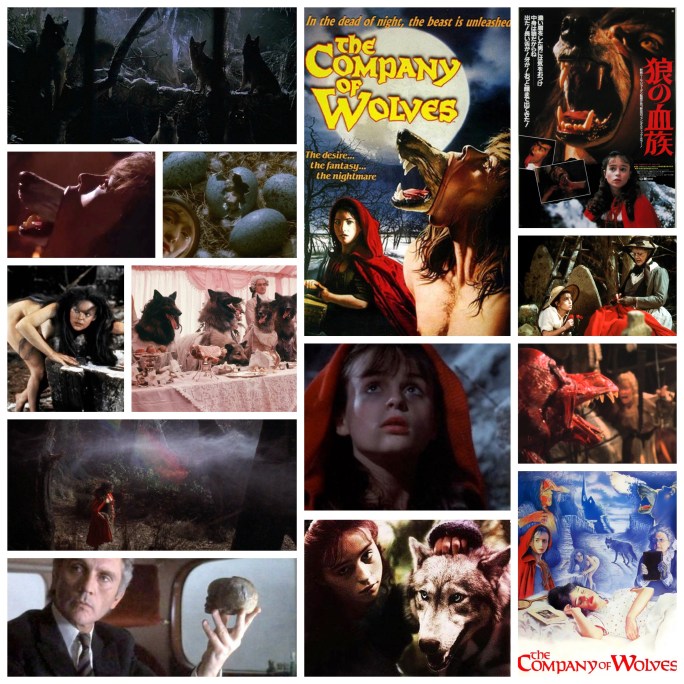
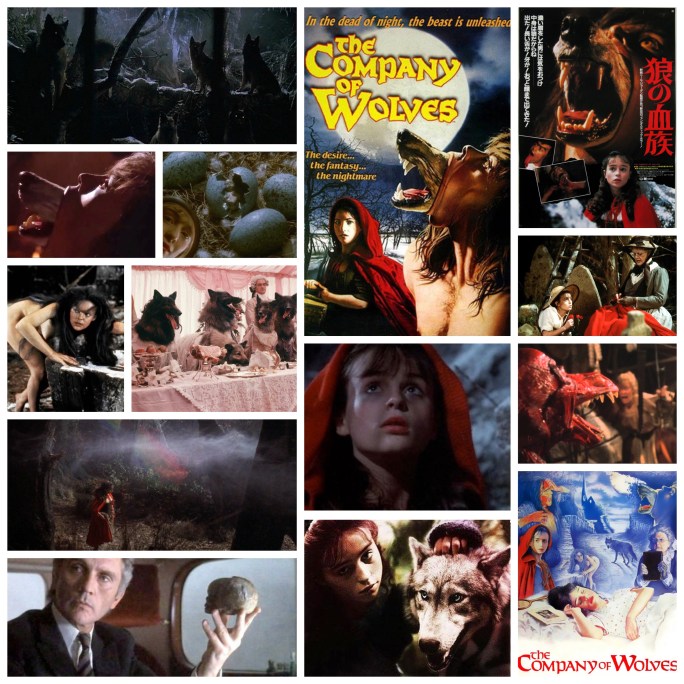
Neil Jordan’s The Company Of Wolves

Hollywood loves it’s dark, R rated takes on classic fairytales and Little Red Riding Hood has gotten the treatment a few times, the latest being an ill advised, awful attempt with Amanda Seyfried and Gary Oldman. To cleanse the pallet of that mess you could check out the gorgeous, creaky, atmospheric hidden gem that is Neil Jordan’s The Company Of Wolves, a lyrical, mesmeric take on the folklore that combines traditional elements with nastier psychological subtext and some terrifying werewolf mythology with effects so gooey they make The Howling look like Balto.

Somewhere in a drafty English countryside manor a young girl (Sarah Patterson) tosses and turns in her sleep as some unknown force beckons her from outside the walls. As we are literally drawn into her subconscious while she slumbers we see her exist in a dream world, living in an enchanted forest with her parents (Steven Rea and Tusse Silberg) and sister. Also with them is her persnickety granny, played with plummy mother-hen fussiness by the great Angela Lansbury. Granny warns her not to venture too far outside the village because werewolves have been sighted, and that the worst kind of wolf a young girl can encounter is one whose fangs are hidden on the inside. This is of course an apparent theme that would fit right in in today’s cultural climate and could teach people a bit about subtlety and restraint when exploring the subject matters. She’s just at that stage between childhood and adolescent that is confusing, alluring and oh so dangerous, and the film uses the fairytale elements to uncover something darker and closer to home lurking beneath. It’s also just a fantastic werewolf flick too, there’s stories within stories told by Lansbury and you can really get lost and swept up in this fantastical world like the dream it ultimately is.

Jordan is a director who clearly cherishes the complexities and challenges of the medium, not one single film he’s released has felt hollow, compromised or candy coated for the masses. This one has absolutely knockout production design, creature effects that will have you covering your eyes (that poor crying toddler when buddy turns into the wolf) and a musical score by George Fenton that’s achingly melodic and threatening in equal doses. As much as all this style is on point though so too are the themes and substance in storytelling, carrying a dense weight that justifies all the visual grandeur. This feels like an important film, albeit absorbed through the scattered prism of a breathless, sweaty nightmare because after all, it is all inside a dream. Until it’s not. One of the best horror films of the 1990’s, nab a Blu Ray if you can but they’re probably scarce. Oh and watch for a diabolical cameo from Terence Stamp too as the Devil himself.

-Nate Hill

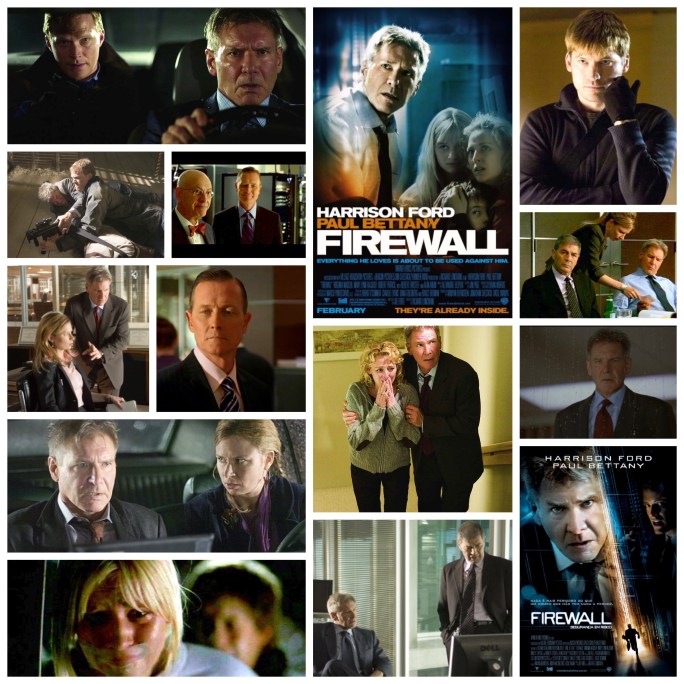
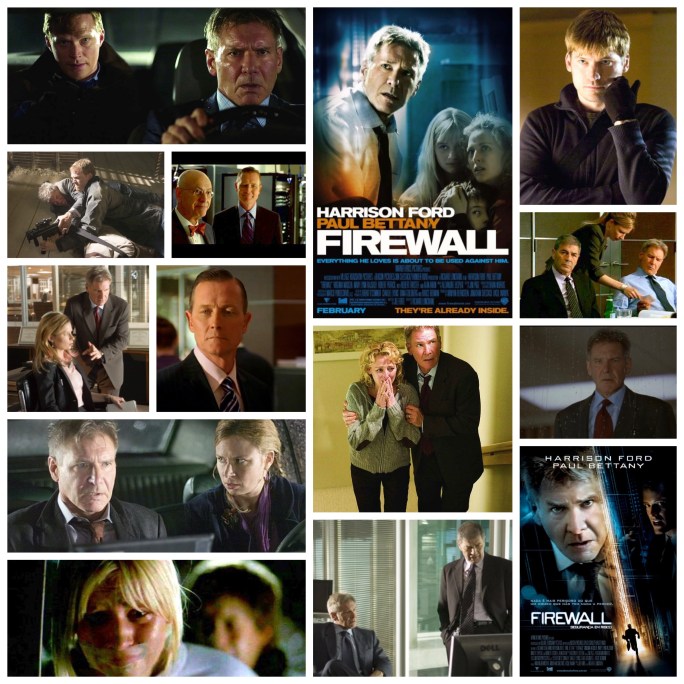
“Get off my server!”: Richard Loncraine’s Firewall

Harrison Ford does his best to carry a few duds throughout his career, and while Firewall is definitely on the mediocre end of his output, his presence plus a game supporting cast saves it from being a total misfire. He plays a hotshot security expert who designs a foolproof automated protection system for Big Bank, which icy evil mega criminal Paul Bettany and his team of assholes plan to rob the shit out of. Of course Ford didn’t put a feature in that deals with kidnapping, extortion and murder, but no one can see everything coming. Bettany & Co. hold his family (Virginia Madsen, Jimmy Bennett and Carly Schroder) hostage while forcing him to work his magic, break into the servers he designed and leave the proverbial back doors. Naturally, he covertly tries to subvert every tactic they use, doing everything from embedding secret code in the firewall to full on physically attacking them when no one is looking. It’s a pretty routine thriller that serves well as popcorn entertainment without breaking too much new ground. Ford is appropriately all scowls and snarls as he fights tooth and nail for his family, but there should be a clause in his contract that he gets to use the line “get off my airplane” in every film, but just slightly tweaked for circumstances. “Get off my server” it would read here, and somehow his grave delivery would sell it. Bettany is especially nasty in that soft spoken, clear eyed way that he’s patented, finding unique ways to torment this family involving peanut allergies and.. you can guess. The supporting cast is nicely stacked with people like Robert Forster, Alan Arkin and Robert Patrick as suspicious colleagues of Ford who don’t necessarily get to do too much performance wise but their presence always carries a weight in anything. Mary Lynn Rajskub aka Chloe O’Brien of 24 shows up as Ford’s trusty computer expert and hilariously just does exactly what Chloe does, parked in front of a computer hacking into shit, just in another film. Oh yeah Jaime Lannister also randomly drops by as one of the bad guys and gets possibly the best line of the film as Ford’s daughter laments “why do you hate us so much?!”, to which he almost sympathetically replies “I don’t hate you Sarah, I just don’t care about you.” It’s nice little touches like that that save this from being an entirely stale cracker.

-Nate Hill

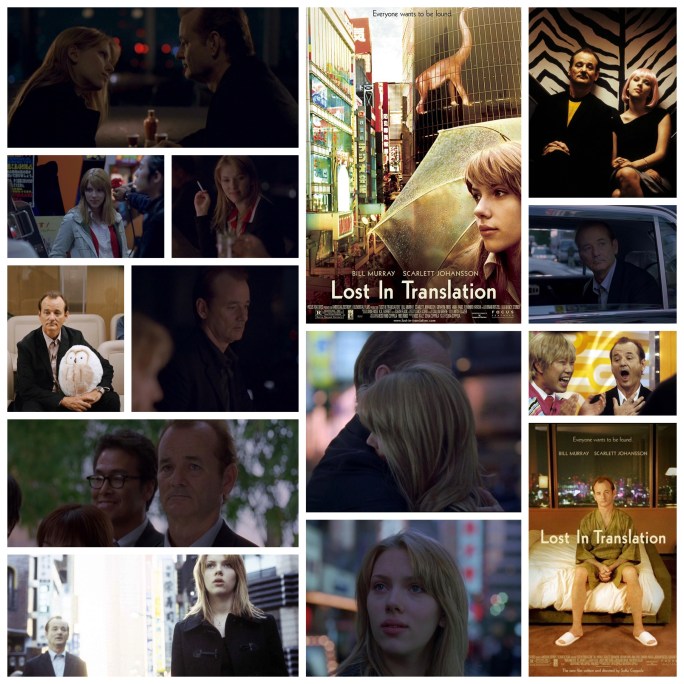
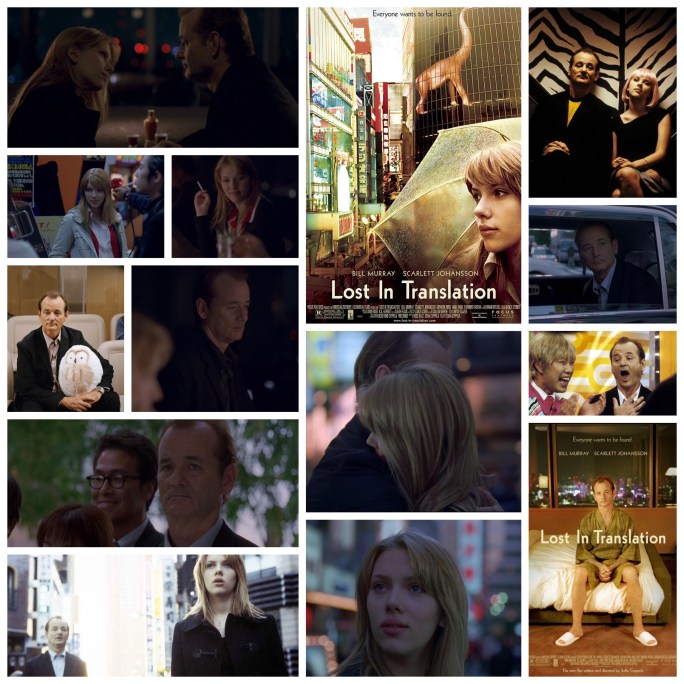
Sofia Coppola’s Lost In Translation

Ever been alone in a foreign hotel, city or entire country? There’s a mournful feeling of simultaneously being saturated in another culture and also being terminally disconnected from your surroundings, it’s a curious sensation. In Sofia Coppola’s brilliant Lost In Translation the two main characters find themselves awash in nocturnal Tokyo and marooned in a sea of aching unfamiliarity. Add to that the fact that both of them are at a place where they feel sort of stalled on the freeway of their lives and you have a sadly hued romantic drama that feels like no other.

Bob Harris (Bill Murray) is a washed up movie star who’s in town to endorse a Japanese whiskey label, constantly harried by superfluous phone calls from his wife (Nancy Steiner) who he’s clearly growing apart from. Charlotte (Scarlett Johansson) is a newly married girl whose husband (Giovanni Ribisi) neglects and almost seems to resent her, tied up in his own work while she wanders aimlessly from her hotel room to the bar and back each night. It’s there that these two find each other, find companionship, conversation and yes, romantic chemistry but that is something that Coppola handles in an infinitely more realistic and mature fashion that one usually gets with Hollywood scripts.

Last night was my first ever viewing of this film so I’m a bit late to the party and still basking in the warm glow of the initial first impression but I can already tell I’m in love with and will revisit many more times. Translation is definitely the key word here; Bob and Charlotte speak very little Japanese and as such must find other ways to converse with those around them, be it body language, a laugh or other. But they also kind of need to get used to their own personal vernacular and how it relates to the other. There’s a fairly sizeable age gap between them and they come from different backgrounds so they must adapt to each other, and watching these two actors do so is a joy. Murray is quiet, soft spoken and his comedic edge is almost reined in of his own volition, like he wants to be funny but he’s just too sad to pull it off other than the occasional ironic flourish. Johansson is quiet, contemplative but blessed with a keen intellect and intuition, it’s the perfect role for the actress who, lets face it, sometimes gets cast on her looks and we forget what beautiful charisma she has as well. Coppola lets the friendship between them happen as it probably would in real life: awkwardly at first until they’re comfortable with each other, then with easy and enthusiastic abandon. My favourite scene of the film is where they attend a karaoke party and we get to see them at their happiest and lowest of inhibitions. They sing their hearts out, laugh, steal glances at each other and live in the moment. It’s the most romantic scene of the film and they don’t even touch each other, but the energy is there, carefully guided by their performances and Coppola’s direction. Few mainstream films get the complexities and ethereal realism of this type of situation right, but this one nails it for a dreamy, hypnotic, bittersweet story that you don’t want to end, until it does on a questioning note that we as the audience were never meant to know the answer to. Amazing film.

-Nate Hill

Atom Egoyan’s The Captive

There’s a pattern I’ve noticed in films that were booed off the stage at Cannes. Often they are just movies that can’t quite be processed yet and haven’t found their audience due to challenges, dense themes or unconventional execution that simply isn’t received well off the bat. They’re usually rich, deep pieces that just need a little time to settle into the landscape before reaching deserved status, whether cult or beaten path. Atom Agoyan’s The Captive is one such film, a masterful meditation on loss and unrest following the kidnapping of a young girl whose parents simply cannot put her memory to rest.

On a remote, snowy stretch of Ontario highway, landscaper Ryan Reynolds stops at a diner for a quick second and in that second, his ten year old daughter vanishes without a trace. The film shows several sides of the whole scenario but chooses to display them non-sequentially so we end up as confused and disoriented as the characters must feel in such a situation. Reynolds and his wife (Mireille Enos) do their best to grieve but the event drives a wedge in between them. The two cops assigned to the case are an impatient hotshot (Scott Speedman) and an intuitive specialist (Rosario Dawson) but even they grasp desperately at straws in their ongoing investigation into child abuse. What’s interesting is that the film shows you pretty much in the opening scene what happened to their daughter and who took her. In the present time she’s eighteen and has been held captive by an unnervingly calm weirdo (Kevin Durand) and used as an online lure to catch other children for the pedophile ring he runs. So the suspense here isn’t really about ‘what happened to her’ and more like ‘how does it affect the people in her life and what comes next?’

So then, why was this received so badly? Well, I’d imagine it’s the structure and overall information passed to the audience, or lack thereof in cases. The events of the film are shown completely out of order, some sequences even split up so you don’t get the impact of the latter half of a scene until later on in the narrative. Additionally, when the end rolls around there are still many questions left unanswered and we get the sense that a great deal of the story is left out of our sight and minds, buried under the proverbial snowbanks that blanket the breathtakingly gorgeous visual palette of the film. It’s often tough for audiences to make do when left with a difficult, opaque and incomplete story, and the natural reaction can often be frustration or open hostility (just ask David Lynch, who has a film of his own that was verbally bashed at Cannes and is now considered his masterwork). Narratives like that are like protein for my senses though, and the gut reaction I have is always good, which often results in me being on a hill somewhat alone in enjoying divisive films. This is one of my favourite thrillers in recent years because of how unique it is. Reynolds has never been better displaying the raw anguish of a father who both blames himself and rages at the forces of darkness around him, while Enos embodies desperate grief in heartbreaking fashion when tormented by her daughter’s captors. Dawson grounds her cop role in empathy and dignity, while Durand looks like a vampire slinking from room to room observing unspeakable things on video monitors and somehow seeming like both a moustache twirling villain and a restrained one. Alexia Fast is haunting as the eighteen year old incarnation of their daughter, she plays it strangely lucid and does a beautifully eerie cover of Jennifer Castle’s ‘Remembering’ that echoes across the snowy landscape and bookends the film in grave but gorgeous ambiguity. As for Egoyan, he isn’t interested in pleasing the crowd or eliciting pleasant reactions, he wishes to tell a difficult, tragic story in an appropriate fashion. He could have made it straightforward, satisfactory and easy to digest, but where’s the fun in that? A masterpiece in my eyes.

-Nate Hill

Scott Frank’s A Walk Among The Tombstones

These days when a film with Liam Neeson comes down the pipeline you can generally have a good idea what it’ll be about in our post-Taken era. Revenge, chases, gunfights, he’s usually in his old dude action pic groove but there’s the odd one that strays from the flock. Scott Frank’s A Walk Among The Tombstones, although encasing a few quick, breathless action scenes in its narrative, is far from the kind of film we’re used to seeing from Neeson and as a result is one of my favourites he’s done since Joe Carnahan’s The Grey.

Chilly, brutal, bloody, realistically violent and unrelentingly dark are the energies this thing traffics in. Neeson plays Matt Scudder, a shambling ex cop turned private eye with some demons in his past that don’t quite hold a candle to the outright malevolence he must face this time round. He’s contacted by a shady mid level drug baron (Dan Stevens) whose wife has gone missing, and who chooses him over the cops because of their collective unique business ventures. This leads our antihero down an increasingly dangerous and suffocatingly scary on the hunt for two serial killers (David Harbour and Adam David Thompson) who are the distilled definition of pure evil.

I’ll be frank and upfront here: this is not a pleasant viewing experience or an uplifting film, in fact it’s downright oppressive in tone and for the most part emotionally desolate. However, there’s a stark beauty to this tale and I wouldn’t let the darkness deter you from experiencing one of the best and most atmospheric and suspenseful crime thrillers in recent years. Neeson is grim, haunted and adept at doling out graphic bodily harm on anyone who prevents him from getting to the truth. The two killers, Harbour in particular, are unrepentant, sadistic monsters who you just pray will be stopped before committing another murder and making you sit through the specifics of it which the film does make you do in one instance. Stevens comes from a Downton Abbey background but there’s a fierce, implosive aura to him that works great in darker roles like this (check out his work in The Guest too). This is based on one in a series of books by Lawrence Block that all focus on Scudder’s character. Jeff Bridges played the role once back in the day in another adaptation too, but Neeson makes a fierce predator out of him, with a hidden humanity that comes forth in interactions with a street kid (Brian Bradley) who becomes his sidekick of sorts. A very overlooked film in Neeson’s filmography and just in general as well. Oh and how about those eerie, sinister opening credits for setting the tone ?

-Nate Hill

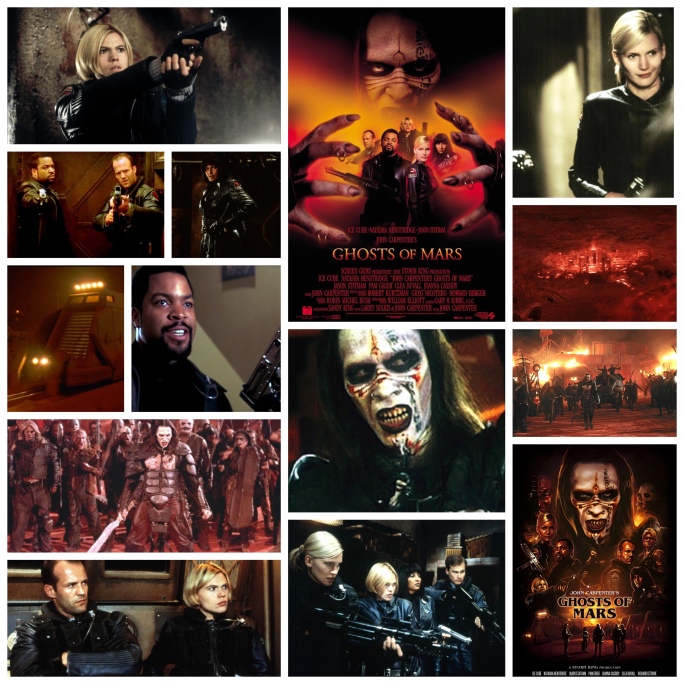
John Carpenter’s Ghosts Of Mars

Ghosts Of Mars, there’s a title that better get lived up to with the film therein. John Carpenter has stated himself that he never meant to make something for people to take seriously and one need only look at the title to surmise that brainpower won’t be mandatory here and you essentially get an escapist space opera set to bangin’ heavy metal music without much of a brain in its head. I feel like had this been made back in the 80’s when most of the filmmaker’s flagship stuff came out it would have been received better. I mean, all of his films have headline grabbing, B movie titles and are essentially genre driven entertainment, but this being released in 2001, maybe people expected something a little different. Anyways I had a ton of fun with it, I mean how can you not enjoy a flick called Ghosts Of Mars for fuck sake.

As a nearly deserted freight train rolls into the Martian city of Chryse, Lieutenant Melanie Ballard (Natasha Henstridge) is the only survivor and recalls in flashback how she and her team encountered something nasty out there that crawled out of a mining tunnel and wreaked havoc on the surrounding towns. After some trigger happy demolition work a door was opened to an ancient tomb, awakening a red cloud of what can only be called John Carpenter’s The Martian Fog. In it are evil, restless spirits who take over dead bodies and reanimate them with all the style and energy of something like Uruk Hai Orcs crosses with Cenobites by way of Rob Zombie fans. Hordes of self mutilated, angry goth punk undead storm the deserted mining camps and Ballard is forced to team up with convict Desolation Williams (Ice Cube) to survive. They’re joined by other Martian PD including Pam Grier, Jason Statham and rookie Clea Duvall who was one of my first crushes in cinema, is always low key awesome and always steals the show. Her playing a Martian Cop with uniform and gun is the height of cool and attractiveness for me and I suspect half the reason I have such a soft spot for this film.

Anyways, call it what you will but don’t expect serous entertainment here and if you do and end up disappointed you’re only letting yourself down and shouldn’t blame it on this blast of a flick. Henstridge and Sir Cube actually have pretty good chemistry whether running around blasting guns or taking a few moments of downtime. Statham gets an overwritten, goofy horn-dog role but his presence is enough to justify such hammy characterization. Grier isn’t around for long unfortunately but her very name in the credits alone is enough to land some cool points. This film has a score that sort of rips through your sound system like a bat out of hell and feels nothing like Carpenter’s usual brand of ominous, rhythmic synths. The director does do part of the composing but most of the work is delegated to NYC heavy metal band Anthrax and the result is a balls out composition that really accents the film with an edge and fits right in with the costume/set dec work, all spikes, nails, piercings and rusty sharpened melee weapons flung about. This film apparently caused Carpenter to shun the Hollywood vibe and go into exile until he made 2010’s The Ward. I wish audiences had had their heads a little less up their asses in going into it and remembered why Carpenter is so special and prolific in the first place. He makes high concept horror/action/SciFi for dedicated fans of all genres, and Ghosts Of Mars covers all bases just damn fine, no matter what years of bad press or Ice Cube himself had to say about it. It’s pretty rich for someone to go on record saying this is the worst film they’ve been involved with when they also did hot garbage like Are We There Yet, Ride Along, XXX 2, Torque and I could go on. Get real. Anyways I digress but as you can tell I love this scrappy little gem, consider it highly undervalued and would definitely recommend it. Good times.

-Nate Hill

Thrill of the Hunt: Nate’s Top Ten Cop Vs Serial Killer Films

An obsessed, tormented renegade detective tracks down a disturbed, lone wolf maniac who kills innocent citizens for pleasure, compulsion and perhaps to agitate his pursuer and deliberately instigate a game of cat and mouse. This is an ages old motif that has permeated the thriller genre of Hollywood and beyond for eons, providing complex villains, self destructive protagonists, keen Agency profilers, blustery police captains, angsty mayors and no shortage of chases and carnage. Here are my personal top ten favourites!

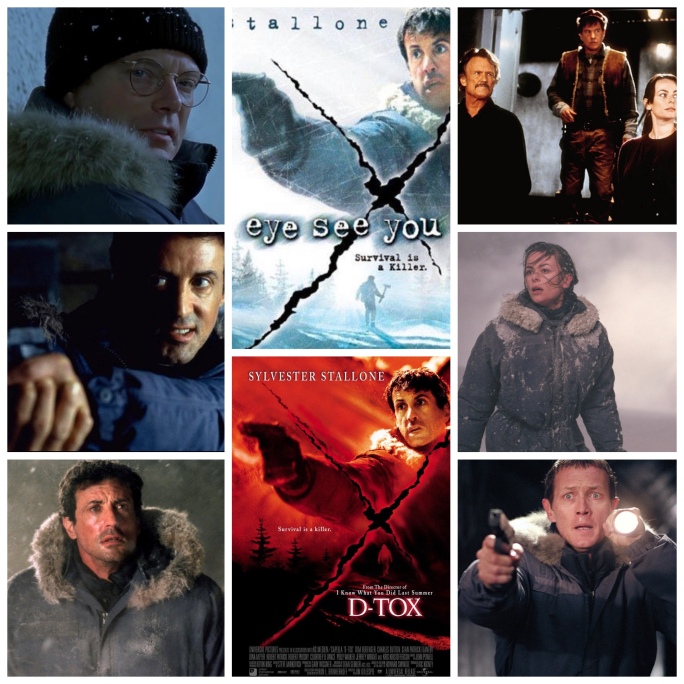
10. Eye See You aka D Tox

This is commonly known as ‘that one shitty Sylvester Stallone film that no one saw, and I’ll be the first to admit it has its issues. However, I still enjoy it greatly, I love putting it on on a lazy rainy weekend day. Stallone plays a distraught big city FBI Agent whose girlfriend (Dina Meyer) was slaughtered by a vicious serial killer. After heading north into the mountains to a remote rehab facility for damaged cops (run by Kris Kristofferson no less) he soon begins to realize that the killer may have followed him there when people begin to turn up dead. This is a slightly cheesy, predictable thing but I really like the snowy Agatha Christie vibe and the cast is absolutely stacked with interesting talent including Tom Berenger, Robert Patrick, Jeffrey Wright, Stephen Lang, Charles Dutton, Sean Patrick Flanery, Robert Prosky, Chris Fulford, Polly Walker and more. But which one is the killer?

9. Scott Walker’s The Frozen Ground

Another snowy one, yay! This fantastic film follows Alaska State trooper Jack Halcombe (Nicolas Cage) as he hunts down nasty real life killer Robert Hansen (John Cusack, chilling) who abducted and killed countless girls back in the 80’s. This film is overlooked and works as a thriller, stern police procedural and affecting interpersonal drama. An eclectic supporting cast surrounds Cage and Cusack but the heart of the film for me is Vanessa Hudgens in a brilliant performance as a wayward teenage prostitute who winds up in Hansen’s crosshairs and eventually Halcombe’s protection.

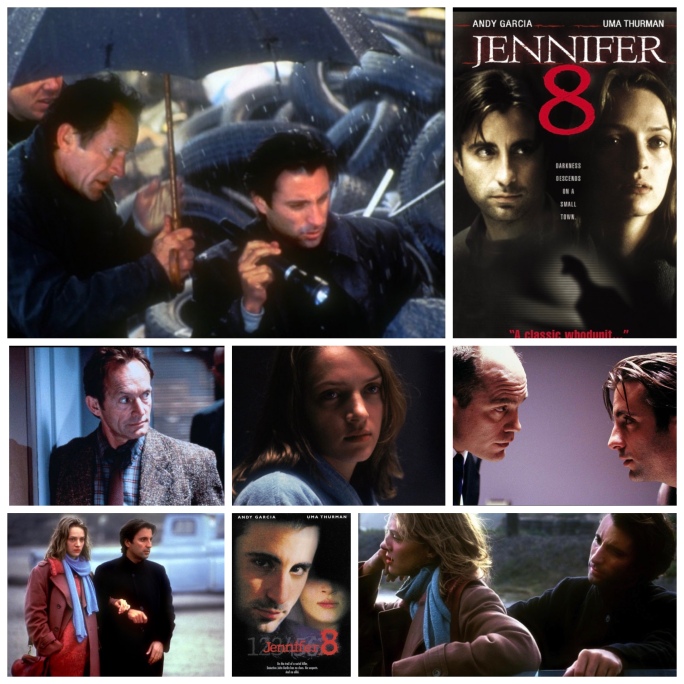
8. Bruce Robinson’s Jennifer 8

There’s a killer loose in an eerie Pacific Northwest town and its up to big city detective Andy Garcia and local sheriff Lance Henriksen to stop them. This is one of Uma Thurman’s first roles as a blind girl who may be next on the killer’s list. Nothing groundbreaking here, but it’s tense, freaky and the rainy setting provides lots of dark groves and ominous alcoves where anyone might be hiding. Also John Malkovich shows up for like five minutes as some weirdo FBI interrogator and chews more scenery than the rest of his collective career combined.

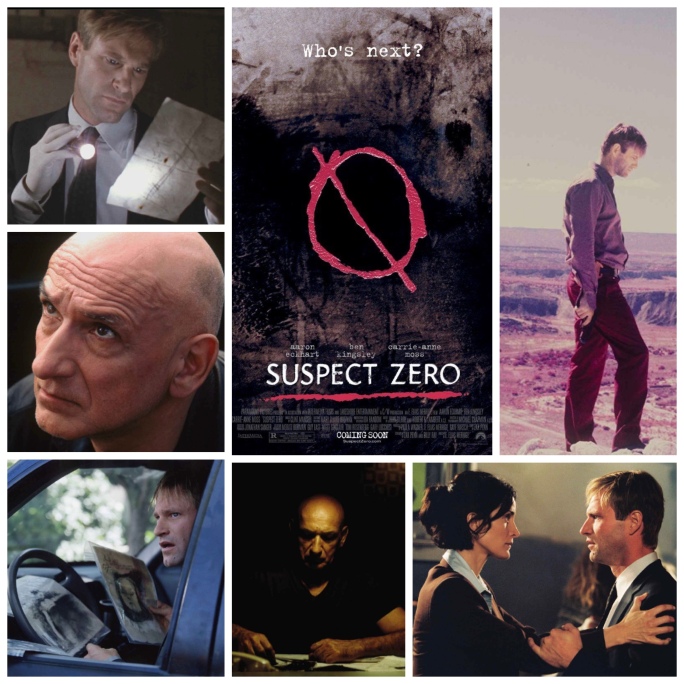
7. E. Elias Merhige’s Suspect Zero

Not one you’d find on many top ten lists, but my aim with these blog posts is to shed light on unfairly maligned films or hidden gems that need a good dose of re-evaluation. Ben Kingsley plays a mysterious serial killer who is praying on other killers for murky reasons that relate to an ages old FBI program that tried to harness the power of clairvoyants. Aaron Eckhart and Carrie Ann Moss pursue him while stylistically fascinating filmmaker Merhige (remember Begotten?) gives an otherwise routine tale some stark, elemental visual horror elements that chill the spine, and Clint Mansell’s nervous score warbles on in the fringes of our awareness.

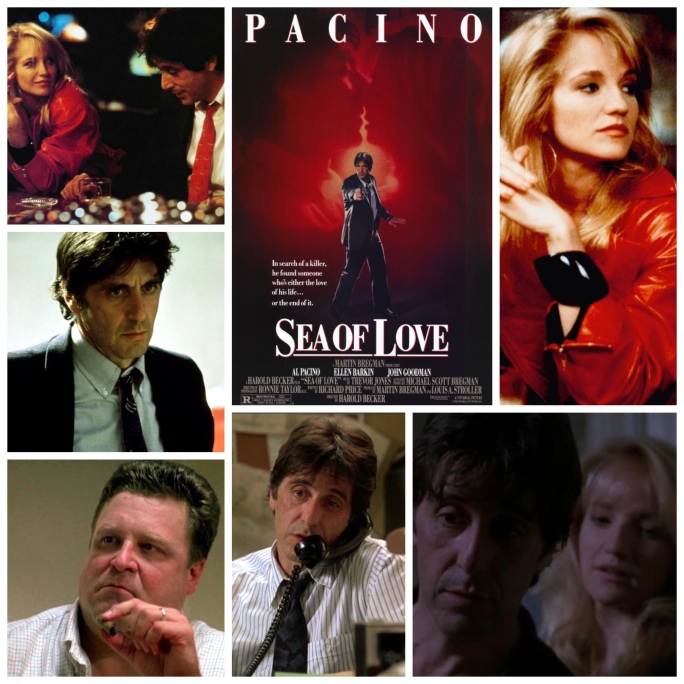
6. Harold Becker’s Sea Of Love

Al Pacino investigates a series of murders and gets into a sweaty affair with mysterious Ellen Barkin, who may have an involvement in the crimes. The killer here uses unique MO in luring people in via the personals section of the newspaper, which gives Pacino and partner John Goodman some hilarious ‘hands on’ stakeout opportunities. This is sexy stuff but the real danger lurking throughout is never smothered by too many steamy encounters, there’s always balance and when the killer does finally show up in person they’re played by a reliably scary familiar face.

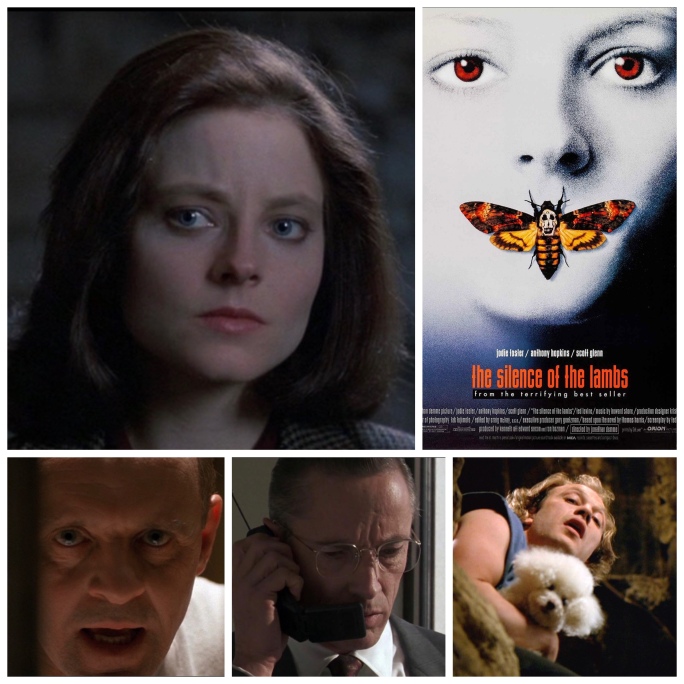
5. Jonathan Demme’s The Silence Of The Lambs

This made waves upon release and holds up wonderfully to this day. Anthony Hopkins’s articulate, sophisticated Hannibal Lecter and Ted Levine’s perverse nut-job Buffalo Bill are still one of the most terrifying duo of killers to ever grace the same film with their collective presence. Jodie Foster ultimately steals the show as Agent Clarice Starling though and hers is a performance you get more out of each time you view the film, full of hidden hurt, dutiful observation and a keen survivor’s instinct.

4. David Fincher’s Seven

Kevin Spacey plays maybe the most heinous killer on this list and at least the most prolific and inventive in ways you’ll wish you didn’t see or hear. Weary veteran cop Morgan Freeman and eager rookie Brad Pitt are assigned to track him down, the hellish investigation inevitably leaking over into their personal lives. Atmosphere is key here and although Fincher never specifies where the bleak, rained out and despairingly lived-in city is located, one gets a darkly ardent sense of place all the same. Sheets of rain pour down, body after body is unearthed, each slain in increasingly gruesome ways and the uncanny feeling that the killer is just steps away haunts every scene like the constant darkness in the visual palette.

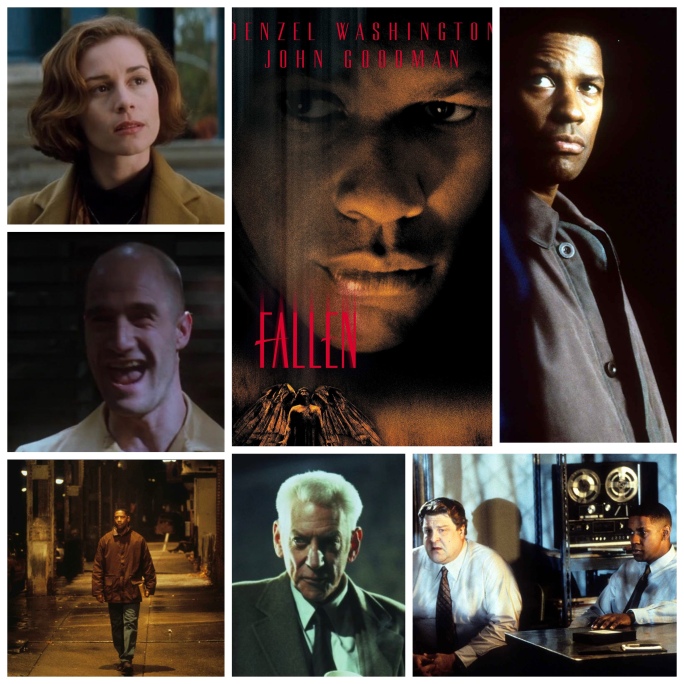
3. Gregory Hoblit’s Fallen

The killer isn’t quite human in this noir and supernatural tinged horror flick that finds homicide detective Denzel Washington searching for a killer who has resurfaced to strike again after being executed. Or has he? Or is it a copycat? It’s a conundrum that causes Denzel to question everything he knows and begins to wonder if this monster is something from another world. It’s a brilliant piece with burnished, gothic cinematography and lively supporting work from John Goodman, James Gandolfini, Embeth Davidtz, Donald Sutherland and a terrifying Elias Koteas.

2. David Fincher’s Zodiac

Score two for Fincher! Good on him, this is a sprawling, hyper realistic, meticulous examination of the murders that sent cops, journalists and civilians alike into a panic back in 70’s San Francisco. The film is constructed to follow the real life events as closely as possible and, as most already know, they never caught this guy which makes for a an eerie, dread soaked trip into paranoia and unease. Jake Gyllenhaal, Robert Downey Jr. and Mark Ruffalo play the dogged, determined professionals who work tirelessly to snag this monster while Fincher expertly crafts some of the most flat out suspenseful, terrifyingly tense scenes ever put to film.

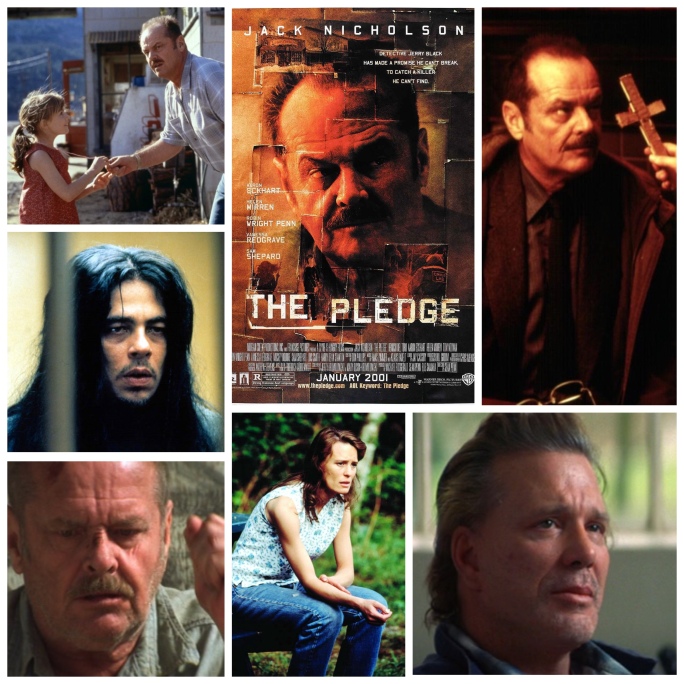
1. Sean Penn’s The Pledge

Jack Nicholson’s ex cop Jerry Black sits alone at a run down, remote Northwest gas station. There’s a haunted air about him as he rambles on to himself and if you’d just been led on the chase of a lifetime by an extremely elusive killer of young girls and then arrived at the excruciatingly unsatisfying conclusion he has, you might be a might frazzled too. Penn’s discomforting, unearthly film is a haunting meditation on obsession, what it does to a person, their choices and mental state when the ultimate result of a quest like this is essentially failure. Many were frustrated by the narrative but that’s where the real beauty lies for me. Penn beautifully illustrates a dark, oblique tale, Nicholson takes on one of his most challenging roles and wins the day, Hans Zimmer creates moody, atmospheric bliss with his score and the cast is peppered with exceptional talent including Benicio Del Toro, Robin Wright, Aaron Eckhart, Sam Shepard, Helen Mirren, Tom Noonan, Lois Smith, Vanessa Redgrave, Costas Mandylor, Patricia Clarkson, Dale Dickey, Harry Dean Stanton and a sensational cameo from Mickey Rourke in one of his very best roles.

Thanks for reading! Please share your favourites in this interesting genre as well!

-Nate Hill

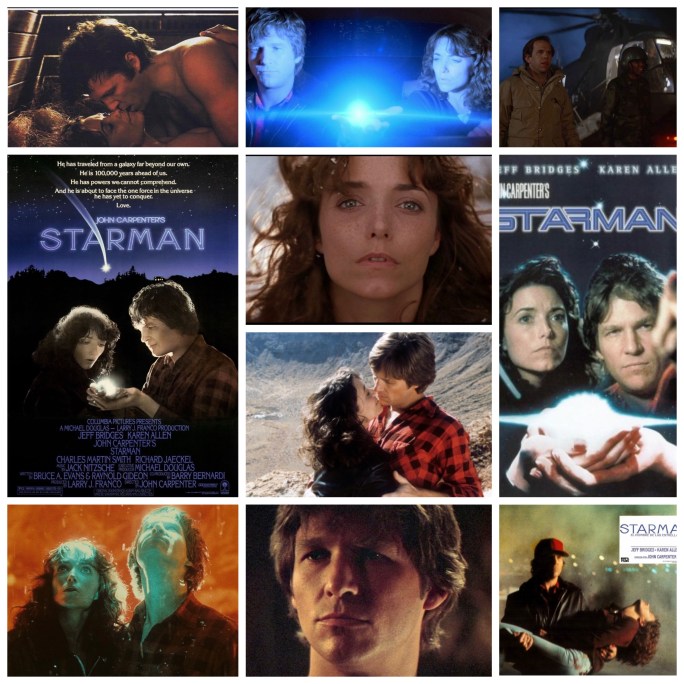
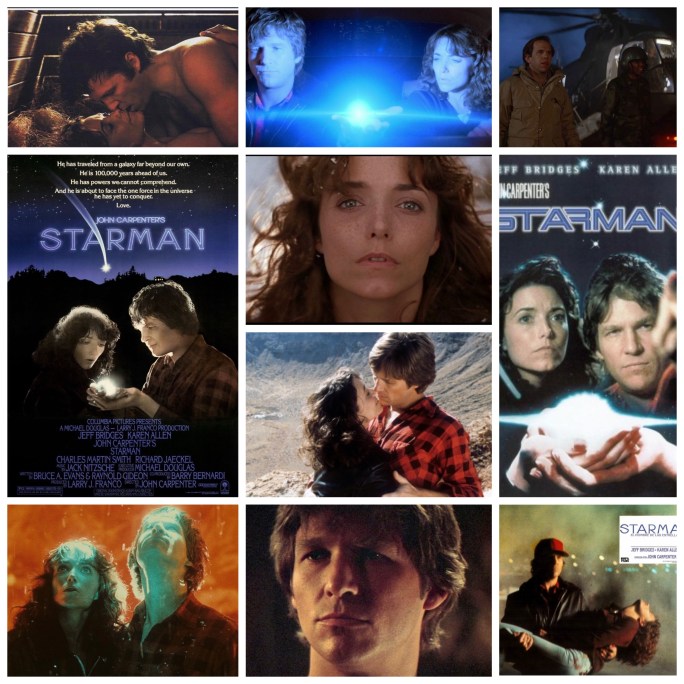
John Carpenter’s Starman

John Carpenter usually has a flair for the macabre and the darkly mysterious forces that our world and others have to offer, but such is not the case with Starman, a touching, tender science fiction story showcasing one knockout of a performance from Jeff Bridges.

When an extraterrestrial spaceship crashes somewhere in the Midwest, the being living inside wanders out and takes the form of a woman’s (Karen Allen) deceased husband to make her a little less jumpy, which is an interesting strategy. So begins a road trip to an extraction point in Arizona with her sort of held hostage but quickly warming up to this curious, childlike extraterrestrial who slowly learns what earth life is all about. Meanwhile various factions of the government including an amoral NSA asshole (Richard Jaeckel) and a pacifist scientist (Charles Martin Smith, terrific) pursue them all over the region but mostly just trip on their shoelaces. Bridges is absolutely brilliant as the alien, infusing a truly otherworldly quality into his gentle, restrained performance full of distinct mannerisms, expert physicality and beautiful subtleties. The chemistry between the two of them is so good you can practically feel it sparkling around the in the air. Allen’s performance works wonders too, beginning on a sorrowful note and eventually opening up to hope and happiness once again.

This is essentially a story of loss, and how one can deal with it. Granted there’s not a lookalike space alien out there for everyone who has lost someone but Bridges’s presence feels like an essence that could be any type of good, helpful quality that enters someone’s life following such an incident. This is the type of compassionate, heartfelt film that leaves a warm glow in the living room when the credits dim, and Carpenter blesses it with his trademark touch while giving it a slighter, brighter atmosphere than usual. The score by Jack Nitzsche is also a brilliant composition that adds to everything I’ve outlined above. Great film.

-Nate Hill

All That We See or Seem: Nate’s Top Ten Films on Dreams and the Subconscious

What happens to us when we sleep? How does our collective and individual subconscious influence the way we exist both awake and dreaming? It’s roughly half our lives, so time spent in the subconscious realms, land of the dead and places beyond mean a lot to our existence as a complete life cycle. There are many films out there that explore these concepts. Some visually, some emotionally but always with a good deal of creativity and imagination. From virtual prisms to nocturnal demons to tangible alternate realities and the deities that dwell therein, it’s a complex, mysterious sub-genre! Here are my personal top ten..

10. Neil Jordan’s In Dreams
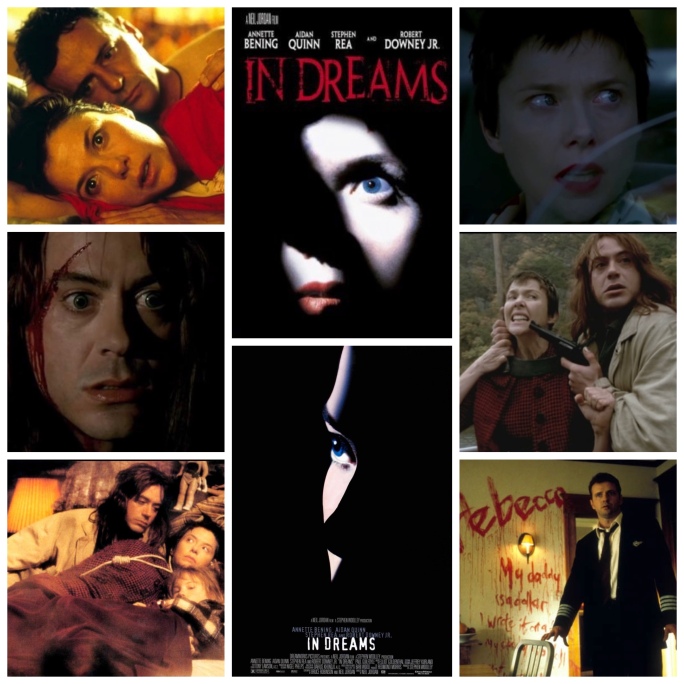
A psychic link is established early on between a small town housewife (Anette Bening) and a bizarre, elusive serial killer (Robert Downey Jr). But why are they connected? What do the visions she has even mean, manifesting to her in vague images and abstract impressions that only suggest the evil lurking out there? Jordan is a filmmaker obsessed with mood and style but also dutiful in making sure that such things serve that story and have weight. This is a gorgeous looking psychological fairytale with an avant-garde performance from Downey, breathtaking visuals and excellent supporting work from Aiden Quinn, Stephen Rea and Paul Guilfoyle.

9. Calvin Reeder’s The Rambler

This abnormally surreal piece of midnite movie madness sees a stoic Dermot Mulroney as the titular Rambler on a post-prison meander through a version of America’s southwest that’s been poisoned by abstract qualities and turned on its head. It isn’t explicitly about the subconscious other than a subplot in which a bemused scientist (James Cady) records people’s dreams onto a VHS doohickey, an endeavour that goes wrong in the most hilarious of ways (think Scanners except bloodier). However, I’ve rarely seen a film that captures nightmare logic like this gnarly little piece does. It isn’t ever said whether the Rambler’s journey is all a dream or not, but the feeling one gets as he ambles dazedly from one bizarre encounter to the next, the nonsensical fashion of language used and the overall feeling that one has been lost in some threatening netherworld where sensory input has been scrambled and people are indistinct grotesqueries is overpowering. Be warned with this one, there’s nothing pleasant about it, it exists purely to shock, disgust and disorient, areas in which it thoroughly earns its keep.

8. Joseph Ruben’s Dreamscape
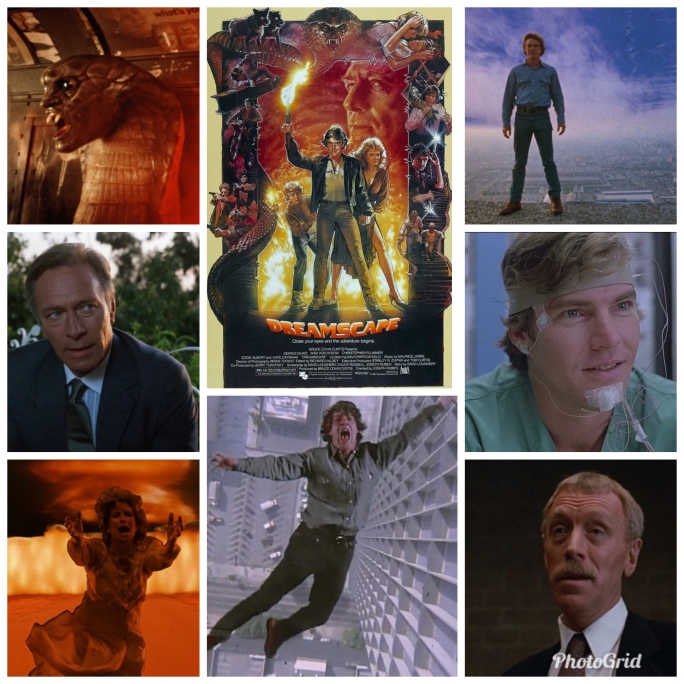
The most playful film on this list sees Dennis Quaid as a young psychic recruited by government scientist Max Von Sydow to enter the dreams of the US president (Eddie Albert), who has been having some disturbing nightmares. There’s a conspiracy afoot involving a shady government big-shot (Christopher Plummer) and time is running out to decipher the mystery. This is a colourful kaleidoscope of a flick with dazzling special effects, especially in the impressive dream sequences. A giant cobra rears it’s head, mutants leer out from a nuclear wasteland, an eerie, endless staircase descends into darkness and the visual aspect overall is exceptional.

7. Wes Craven’s A Nightmare On Elm Street
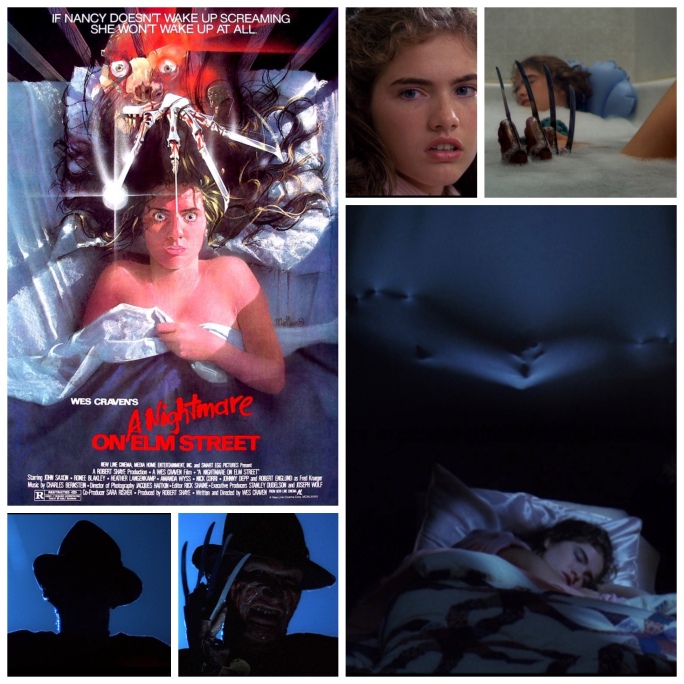
Dreams get the slasher treatment with lucrative and legendary results in this lean, mean horror flick that would go on to span a mammoth franchise. Using clever practical effects, an ambient score and Robert Englund’s now iconic performance as dream demon Fred Krueger, Craven sculpts an atmospheric aesthetic for the ages. Johnny Depp’s first role in cinema as well, and he gets eaten by a bed no less. I dare you to google the true story that inspired Craven to write this film, you might just have some nightmares of your own.

6. Satoshi Kon’s Paprika

Dreams as a collective and quite literal parade come tumbling into our world when a therapist’s machine to enter them is stolen by a terrorist. This film truly breaks some boundaries in what storytelling can do and show with animation, and requires several viewings to appreciate the full scope of vision. Kon and his animators thoroughly paint in all the corners and write a dense, chaotic script full of moving parts and wild ideas in telling the story of dreams run amok, with a deft subplot about cinema itself thrown in seemingly just for fun.

5. Jamin Winans’s Ink
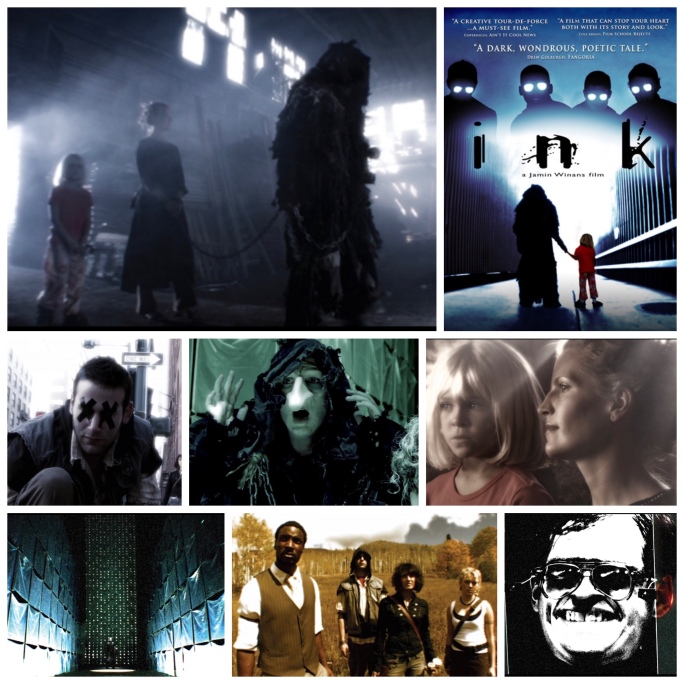
This is one I’ve been championing for years, a low budget indie that defies description in ways that you won’t see coming. The multifaceted story is free from the bonds of time and space and sees a mysterious supernatural demon named Ink kidnap a young girl (Quinn Hunchar) and drag her off into the dream realms for some vaguely nefarious purpose which soon becomes appallingly clear. Meanwhile, the forces of light and darkness that rule over our unconscious bodies while we sleep both race to track Ink down and engage in a furious war for the girl’s soul. That seems like a chunk of exposition, doesn’t it? Well it doesn’t even hint at the wonders, revelations, trips to alternate dimensions, flashbacks to several different pasts and narrative twists to come. This is a gorgeously moving fantasy film that works wonders with a scant budget but also gets surprisingly deep and psychological in exploring its human characters, a mini masterpiece that I will recommend until the end of time.

4. David Lynch’s Twin Peaks: Fire Walk With Me
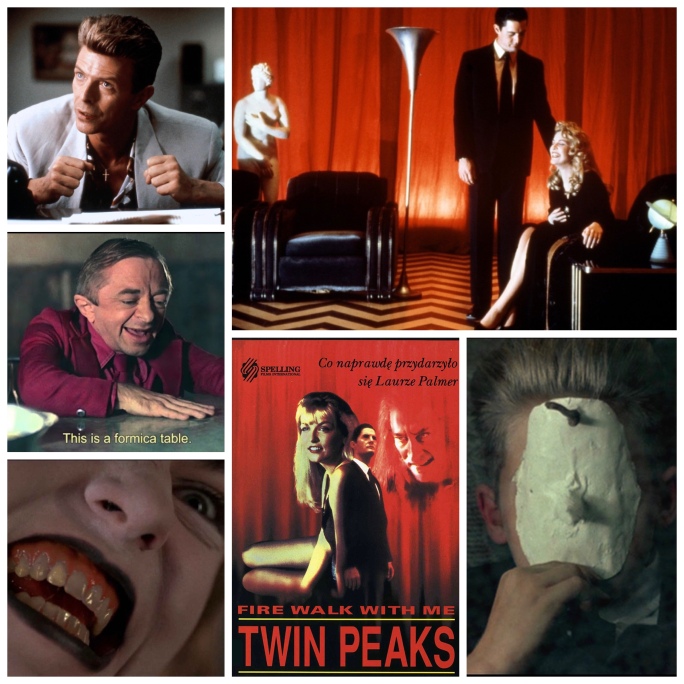
This is technically my favourite film of all time but I’m trying to gauge this list on which films provide a provocative and comprehensive view of dreams and the subconscious, so here we are at #4. Lynch’s challenging masterpiece involves many aspects and moving parts, but a big influence on narrative is the creeping presence of mysterious spiritual beings that reside in the mythical plane of The Black Lodge and manifest in dreams. Protagonist Laura Palmer has harrowing nightmares that present an illogical, fractured view of the dark forces amassing against her and others who live in the Pacific Northwest town that is filled with secrets. David Bowie also shows up, literally escaping a tangible nightmare very briefly to incoherently warn his FBI buddies about something before being dragged off back to the netherworld.

3. Cameron Crowe’s Vanilla Sky
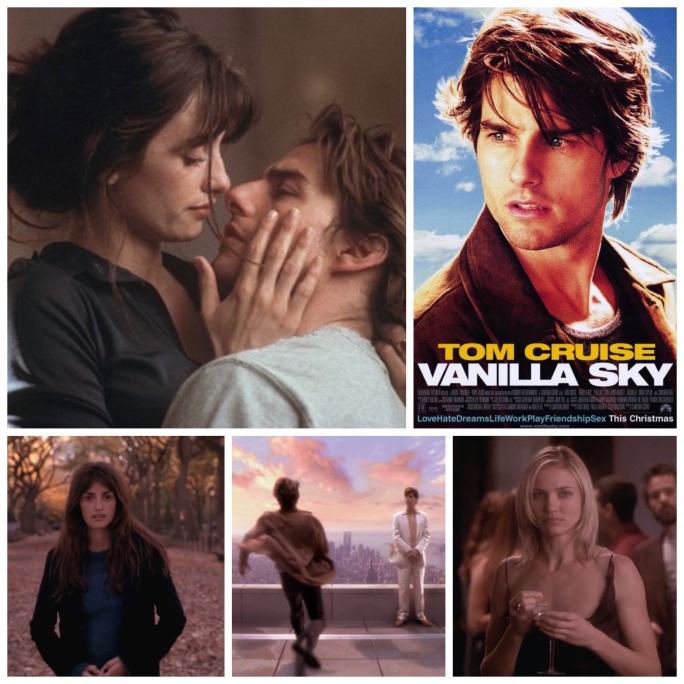
Yes this is a remake of a Spanish film that also starred Penelope Cruz in the same role she plays here, and I’ve had the discussion many times on which film is better. This one speaks to me far more than the original though, Crowe’s hazy hued, autumn in New York aesthetic is gorgeous and don’t get me started on the amazing soundtrack. Tom Cruise is a bratty publishing heir who discovers the danger of his ways in encounters with two very different women, angelic Cruz and unstable Cameron Diaz. The story is about much more of course but to say too much here would be to ruin it. It’s a fantastic piece of heartbreaking filmmaking with a haunting conclusion and solid supporting turns from Jason Lee, Tilda Swindon, Michael Shannon, Timothy Spall, Jason Lee, Noah Taylor, Alicia Witt and Kurt Russell.

2. Christopher Nolan’s Inception
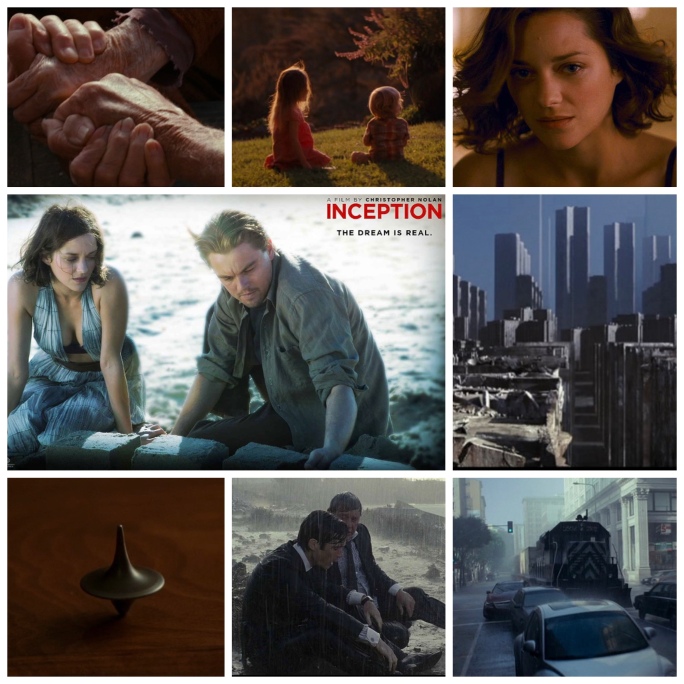
An obvious choice no doubt, but this is every bit the magnificent game changer its reputed to be, and a blockbuster with a brain in its head. Combining elements of corporate espionage with dreaming, Nolan tells a magisterial, hugely ambitious tale of Leonardo DiCaprio’s thief of the subconscious and his crew in pulling off a dangerous, near impossible task. What really makes the film work for me though is the relationship with his deceased wife (Marion Cotillard) and how it highlights the toll that entering dreams would take on your psyche as the forces that sculpt reality begin to crack and there’s danger of getting lost in these realms. It’s so much more than just a pseudo heist flick that happens to take place inside a dream world, there’s psychological depth, a rubik’s cube of a narrative to feast on and some truly heartrending moments when we discover just how much power the unconscious mind has over our souls.

1. Tarsem Singh’s The Cell
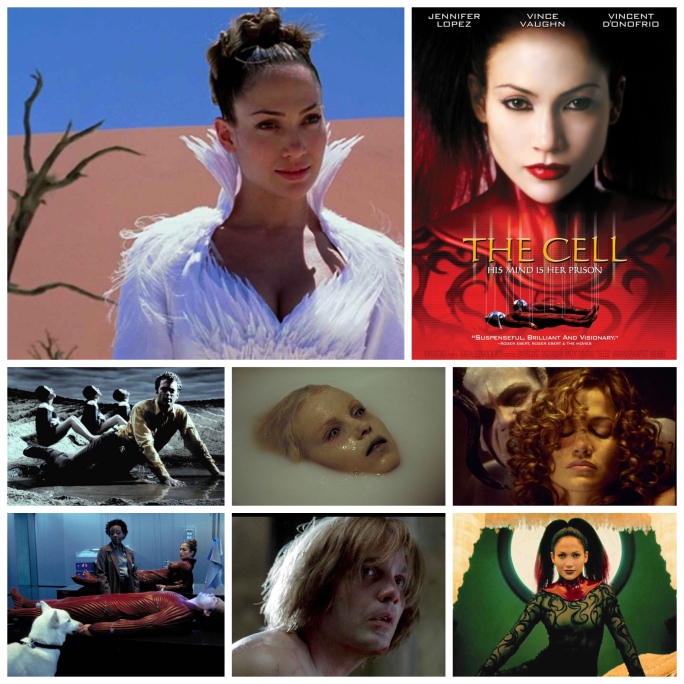
The hunt for a heinous serial killer ends with his dramatic capture in a spectacular FBI raid. End of story? Not so much, as he’s in a permanent coma and his last victim is still out there somewhere in captivity, with time running out. Jennifer Lopez is a compassionate child psychologist who uses futuristic technology to enter the man’s terrifying subconscious and look for clues, as well as appeal to the side of him that still retains innocence. Singh is a master stylistic storyteller and the images, sound, costumes and visual dreamscapes on display are like eye candy for the spirit and tell this story in an otherworldly fashion that I can’t even describe here. Vincent D’Onofrio is hauntingly complex as the killer, Vince Vaughn grounded and intense as the agent spearheading the search and the eclectic cast includes Patrick Bauchau, Dean Norris, Tara Subkoff, Peter Sarsgaard, Jack Conley, Dylan Baker, Marieanne Jean-Baptiste, Jake Weber, Pruitt Taylor Vince, scream queen Musetta Vander and the late great character actor James Gammon. This is top of my list and one of my favourite films of all time, partly for the gentle yet arresting way it dives into the psyches of several characters, also the pure artistic innovation present in the visuals that are constantly changing, shaping and mapping out the subconscious using picturesque poetry, startlingly graphic horror and an ever present, bewitchingly ethereal score from Howard Shore.

Thanks for reading! Please feel free to share some of your favourites of this genre in the comments!! More to come as well!

-Nate Hill