B Movie Glory: Stephen Norrington’s Death Machine 

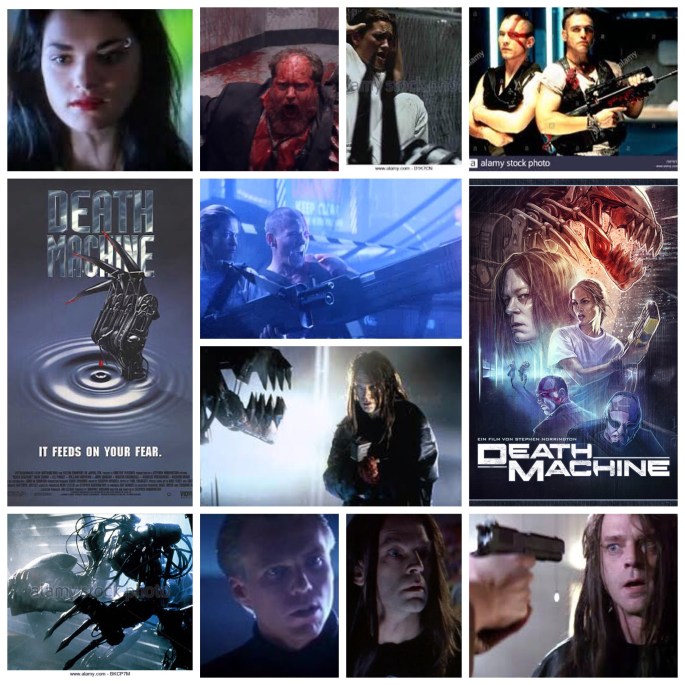
Stephen Norrington’s Death Machine whips up a knowing, near meta grind-house schlocker that harvests names, ideas and actors from other well know horror classics and churns out a wonderful little pastiche that’s clearly in love with every project influencing it, as well as the genre. In a giant m, imposing corporate high rise, the collective minds of future tech enterprise brainstorm the next best thing, but all of the are bested by creepy, psychotic designer Jack Dante (Brad Dourif) an antisocial lunatic who has designed an appropriately razor-adorned monster equipped with cunning AI, primed to tear the building, and everyone in it, to shreds. This includes the looney board of directors who all bear names lovingly similar to that of various creative minds in the horror/sci-Fi industry. Scott Ridley (The always maniacal Richard Brake), Sam Raimi (The Machinist’s master of everything unsettling, John Sharian) John Carpenter (William Hootkins) and even a pair of characters called Weyland and Yutani, all references are here and they’re not subtle whatsoever, part of the film’s charm. Dourif’s moniker is no doubt based on Gremlin’s pioneer Joe Dante, and speaking of Brad, he’s a flat out beastly delight as he turns loose a mechanical nightmare of a creation for all to be sloppily slaughtered by at some point. Bureaucracy is lampooned between decapitations and corn syrup gore, the film is never short of dark humour to garnish it’s violent pandemonium. The film is displayed a lot like Alien, and the creature itself looks not unlike a bionic xenomorph with the ability to change into all sorts of elaborate shapes, all the better to hunt you down through the tight crawl spaces and narrow ducts that made up most of 1989’s cinematic architecture. Director Norrington would go on to make his own horror classic in 1998’s Blade, and here he earns his stripes as both a vetted disciple of the genre and a thrifty low budget wizard. Watch out for Rachel Weiss, of all people, as a random board member who’s seen briefly. A howlin’ good time. 

-Nate Hill
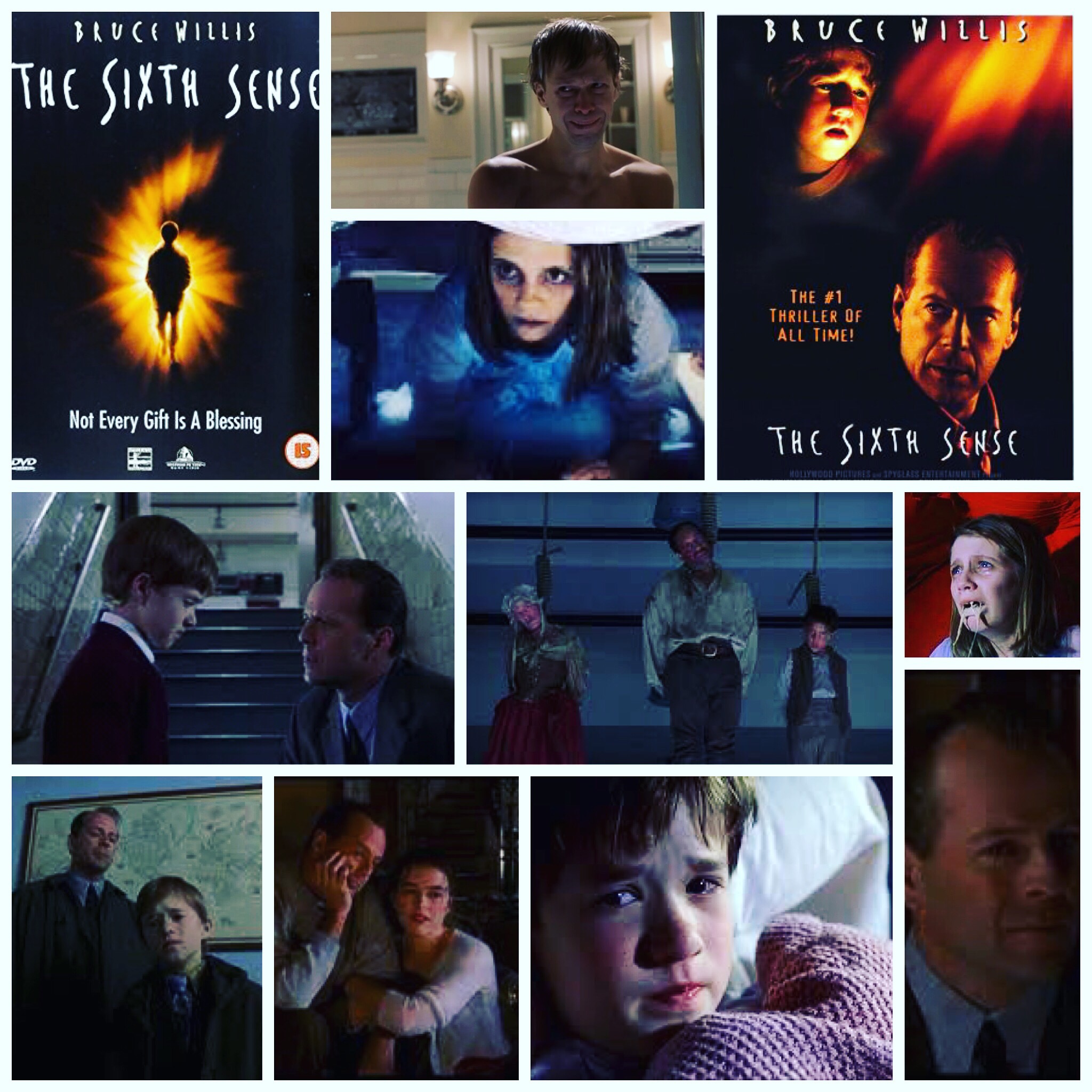
M. Night Shyamalan’s The Sixth Sense

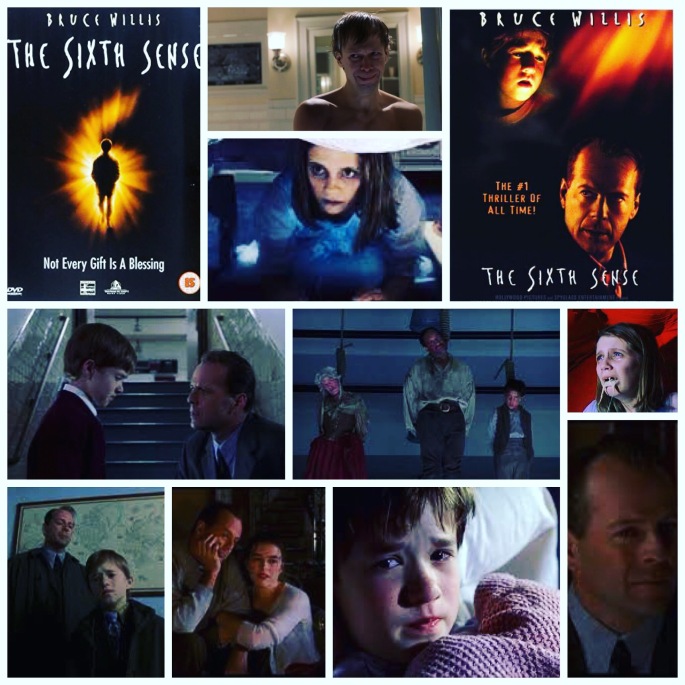
M. Night Shyamalan’s The Sixth Sense produces the kind of rarely attained fear that we always seek out in this genre, that creeping cold dread that has you clammy and your nerves jagged, where you know you’ll be looking over your shoulder as you walk down the dark hallway to your room later that night. That’s the best kind to me, stemming from well made, atmospheric ghost stories as opposed to all this gore-hound nonsense you see these days (can you believe they’re making another fucking Saw flick? Actually from a dollar sign perspective I can, but still). This one is a veritable haunted house of apparitions and phantasms, all witnessed by a disturbed Haley Joel Osment, who would look even more worried if he could see himself now as a twenty-something walking play-dough potato. He can see dead people, as he intensely whispers to Bruce Willis’s lonely child psychologist in the film’s now showcase moment, and not all of them like to keep their distance. Willis is traumatized from a tragedy years before involving an unstable former patient (Donnie Whalberg), and treads hesitantly with this new kid. A bond is formed, however, and with it comes the desire to help. The frequent paranormal sightings range from grisly, bemusing, shocking, tragic and often downright terrifying, especially one involving a very young, gaunt Mischa Barton invading a couch fort Osment has made to try and get some peace and quiet. The plot is carefully composed and directed by Shyamalan in a magician behind the curtain fashion, the veil gradually drawn with every beat until we’re presented with a staggering twist ending that has become legend since the film’s release back in the days before such a conclusion could be found in every fourth title on the thriller shelf of Blockbuster. Such is the power of storytelling though, and the potency of innovation to inspire others. It’s also great fun to watch the film multiple times and spot the breadcrumb trail of clues leading towards the outcome, clues that you wouldn’t have picked up on before. Along with Barton, who is terrific, there’s nice work from Toni Colette, Trevor Morgan, Kadee Strickland and Olivia Williams as well. You may know the ending even if you haven’t seen the film before, as we do after all live in the age of spoilers, snitches and online hoo-hah, but there’s more to be had than the shock of that, it’s a mesmerizing journey there with a darkly enchanted aura from start to flabbergasting finish. Remains Shyamalan’s best to this day. 

-Nate Hill

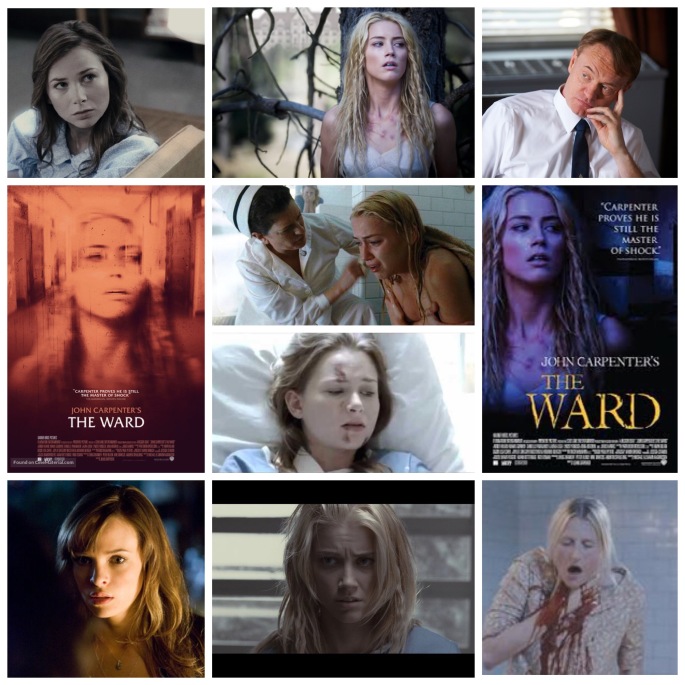
John Carpenter’s The Ward


John Carpenter’s The Ward isn’t a particularly remarkable film, and it’s certainly not a very scary one, but there are aspects that I really enjoyed, one of which being the excellent original score, which Carpenter actually didn’t compose himself, for once. The film gets off to a great eerie start with opening credits that are the most evocative sequence of the whole thing, leading into the tale of one seriously disturbed chick (Amber Heard) who finds herself in a whacko mental institution, plagued by the ghost of a restless former patient. A befuddled Doctor (Jared Harris) knows more than he let’s on, of course, and her fellow patients are similarly tormented by the phantom. Here’s the thing: it’s well plotted, acted and executed, save for one thing: it’s never scary. Not once do the hairs on the back of your neck stand to attention, and a horror film should have that. I loved the psychological sudoku of an ending, but even there there was no creep factor to be found. Her fellow patients all have parts to play, including Danielle Panabaker, Laura Leigh Claire, Mamie Gummer and a standout Mika Boorem who steals the show from Heard right in the final act. Works as a thriller, padded with atmosphere here and there, but could have done with a better dose of chills to sweeten the deal. 

-Nate Hill

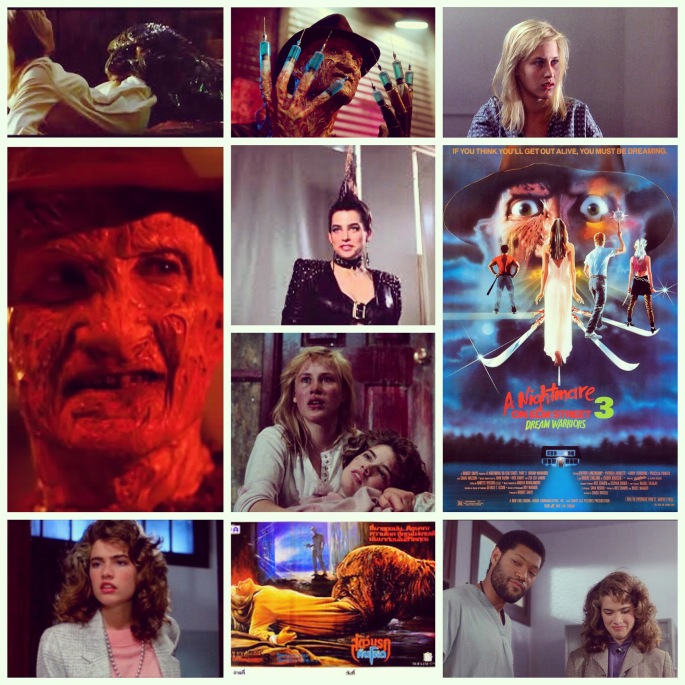
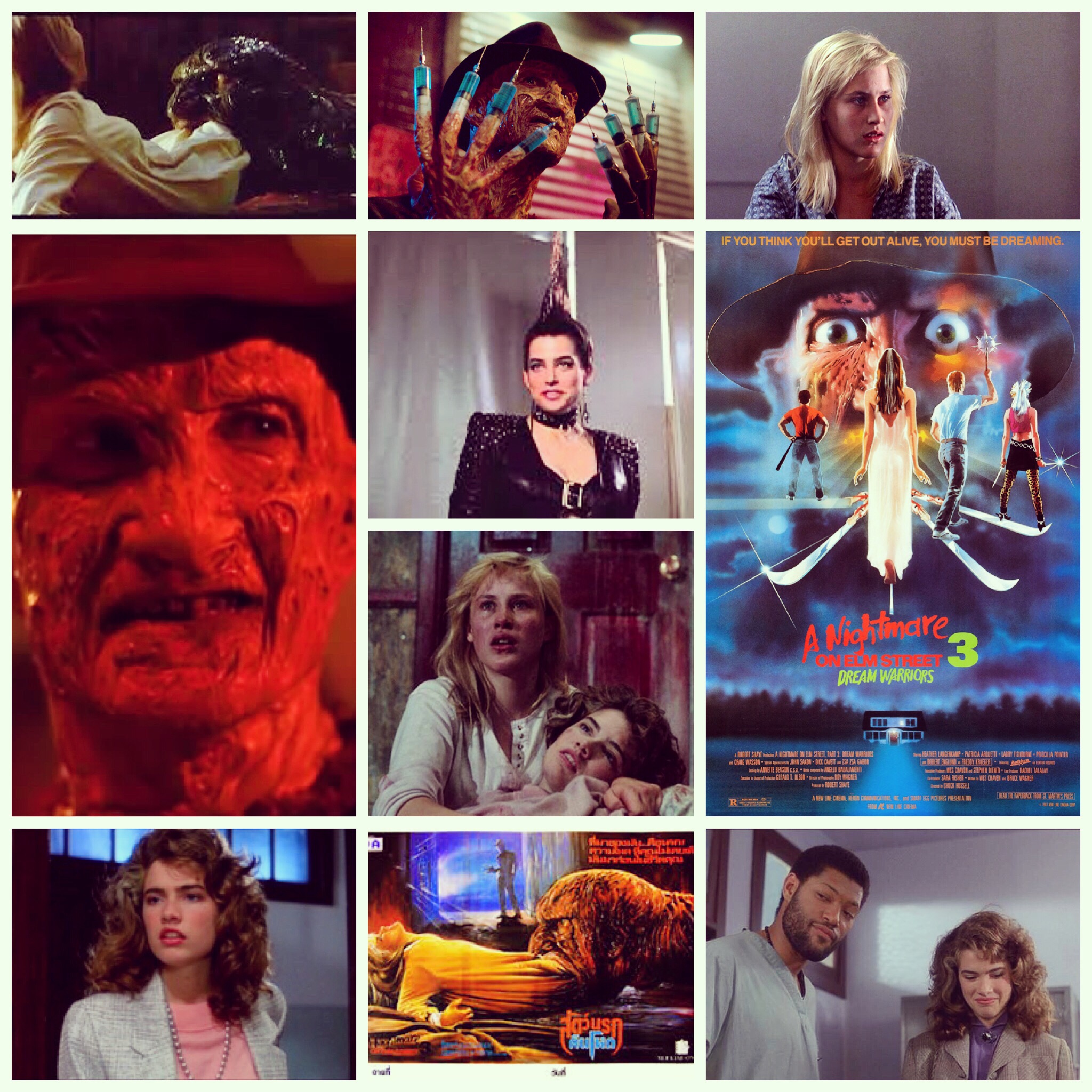
A Nightmare On Elm Street 3: Dream Warriors


Although billed as pure horror, A Nightmare On Elm Street 3: Dream Warriors strays into fantasy as well and is a pure blast of fantastically diabolical special effects when it’s working in either genre. Around the middle of the franchise marks the place where Freddy Krueger began to turn into more of a cartoonish wise-guy from his original mainly silent phantom, but he’s still pretty foreboding here, as Robert Englund puts energetic work into both his funny and frightening sides. The cool thing about this flick is it’s ‘Goonies’ style aesthetic; several youngsters, committed to a mental facility for their insomniac ‘delusions’, do dream battle with Freddy, and it’s one of the few instances in a slasher film where victims get to fight back in some capacity, and as a unit. Patricia Arquette is wonderful as Kristen, leader of the pack and a fiercely vulnerable spirit, while a young Laurence Fishburne plays the kindly head nurse. It’s also a treat to see Heather Langenkamp return as brave Nancy Thompson, still out for Freddy’s head. The effects are dazzling, from Freddy’s remodelled syringe needle glove in one scene, to a giant pac-man version of his head attempting to eat a live person whole in another, it’s just imagination run wild in dreamland. The kills are still sufficiently gory too, if punctuated by his now classic growling one liners (“Bitch!”). It’s safe to say this is the best in the franchise barring the first film, it’s quite a bit of fun. Oh, and for a good hearty laugh, nothing beats the Dick Cavett/Zsa Zsa Gabor cameo featuring a priceless interruption from Freddy. 
-Nate Hill

John Carpenter’s Prince Of Darkness

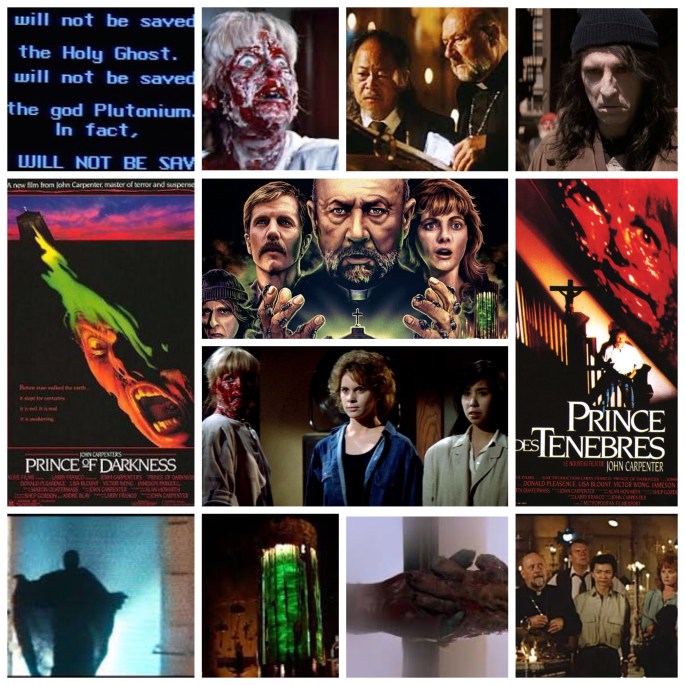
Trust John Carpenter to constantly subvert expectations, aim for innovation and simply just please the crowds throughout his career. Prince Of Darkness is, at first glance, a creaky ol’ fright fest, and it is that, but there’s also a cheeky little irreverent streak to it as well, a borderline atheist flourish that you wouldn’t normally find in a flick about summoning up the devil. Carpenter lays the atmosphere on thick, especially with a reliably spooky electronic score and a pace that burns slow and steady. Deep in the crypt of a church there lies a large glass vial containing swirling green matter, a pseudo scientific/spiritual cocktail that contains the “anti god”, a denizen composed of backward atoms that wants to break out and raise a little hell. Grim faced priest Donald Pleasence will prevent this at any cost, and hires a team of underpaid undergrads led by a crusty professor (Victor Wong) to research it, camping out in the church for kicks. You can imagine how this goes, and there’s a refreshingly old school ‘Body Snatchers’ vibe as various characters fall victim to the creeping dark forces. There’s also mind-stimulating, sci-fi ideas at work too though, including an intriguing time travel prospect and a deft little jab at religion via the story’s trickier elements. Carpenter, although hailed as a master of horror, is no simpleton when it comes to ideas, and he flexes his cerebral muscles nicely here. Ambient, gooey, smart, provocative, a terrific little fright fest that leaves you wanting more. 

-Nate Hill