White Noise 2: The Light

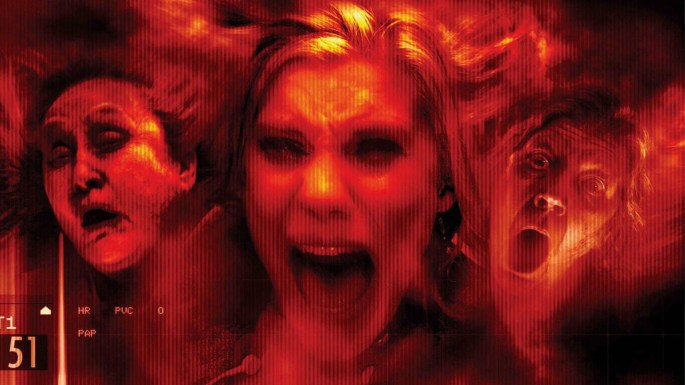
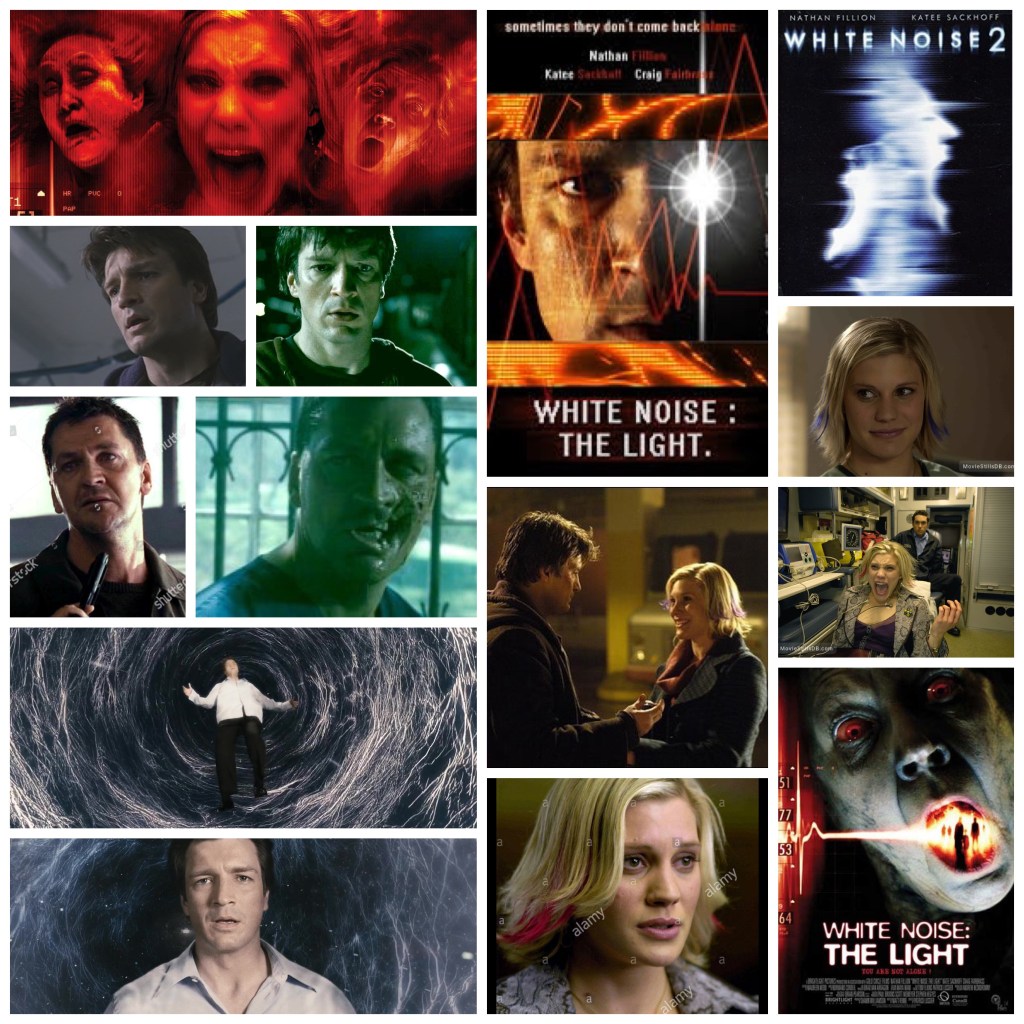
It can be jarring when horror sequels do something almost entirely different with their concept but still use that same franchise name as the first one, it either means bravely pioneering new ground or gravely deviating from an already solid blueprint into a morass of sideshow muck. In the case of White Noise 2: The Light I couldn’t tell you which of those two categories it fits into because it was such a confounding, nonsensical story I really didn’t make too much sense of any of it, so I suppose the second one if I had to say. Following the exploits of the excellent first film in which we saw Michael Keaton communicate with the dead, including his wife, via spooky VHS tape static, this one goes in a drastically different direction. Nathan Fillion plays a guy whose wife and child are murdered in the opening scene of the film by a disturbed, gun wielding maniac (perennial UK tough guy Craig Fairbrass) before the man blows his own head off. Lost in a pit of despair, Fillion attempts suicide himself and has a brief trip to the afterlife (cue the XBox 360 cutscene effects) before returning to make it a near death experience and discovering he has certain… abilities. Premonition, foresight, the power to sense impending catastrophes and save those in their path and the clairvoyance to know when certain seemingly benign people are going to perpetrate horrible acts of their own, kinda like the guy… well you can see where this going. He meets a friendly nurse played by the wonderful Katee Sackhoff and I must admit that their pairing is pretty much a casting match made in Heaven and the best thing the film has going for it, even if the script doesn’t do all that much with them together. The cast beyond them aren’t people I recognized except for a hilarious early career cameo from Jared Keeso, who Letterkenny fans will be just tickled to see here and may even do a double take. The film is set in Vancouver again and as always it adds a lot of atmosphere, but you can only do so much for a story that’s told as loosely and unconvincingly as this. There’s no real reference to the first film or it’s premise, this for sure didn’t even need to be called White Noise at all, it’s more a sequel to that Sandra Bullock flick Premonition than anything resembling a tie-in to the Keaton one, and it’s just not gripping, interesting, scary or affecting enough to recommend whatsoever. If you must give it a look to see Fillion and Sackhoff gently flirting for a few scenes then go for it, I don’t blame you, but just don’t expect anything close to an involving thriller here.

-Nate Hill
White Noise

I’ll start with the Thomas Edison quite that this film opens with because I just love it:

“Nobody knows whether our personalities pass on to another existence or sphere, but if we can evolve an instrument so delicate to be manipulated by our personality as it survives in the next life such an instrument ought to record something.”

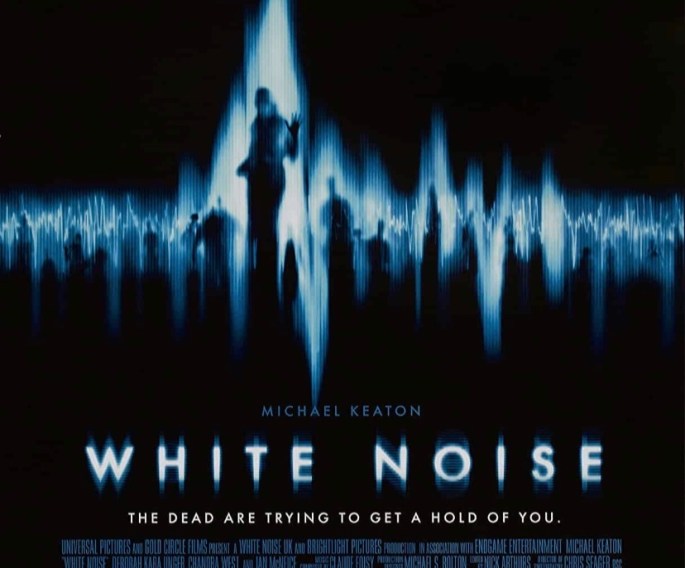
I’m not sure what film critics were watching back in 2005 that caused such a knee jerk reaction of overall negativity, but the White Noise I saw was a chillingly effective, moodily atmospheric and very well done horror with a solid lead performance from Michael Keaton and one hell of a central premise. I mean it’s a bit low key, favouring hovering room tone and slow paced suspense over frenzied thrills or jarring shocks but that tends to be what I gravitate towards in horror anyways, so here we are. Keaton plays a Canadian construction CEO in Vancouver whose recently pregnant wife (Chandra West) doesn’t come home one night. A few days pass and her body is found near her crashed car, vaulted over a seawall gorge. As he begins mourning her, a mysterious gentleman (Ian McNeice) approaches him and claims that she has been contacting him via a phenomenon known as EVP, or electronic voice phenomenon in which the spirits of the dead can speak out across the gulf between worlds using electronic equipment, in this case a VHS recording system and a screen full of the titular white noise. Keaton is skeptical at first but it soon becomes clear that this is very real and with the help of another grieving woman (the great Deborah Kara Unger) he sets out to communicate with his wife and discern whatever message she has for him. Problem is, the VHS system is an open receiver and she isn’t the only spirit out there who can hear or talk, which sets the conflict in motion. I won’t say more but it’s a tense, brooding thriller and the Vancouver setting provides that classic rainy day, chilly PNW feel while much of the action is shot through these muted blue grey filters and accompanied by unnerving, otherworldly cues from the score by Claude Foisy. The scenes of communication over the VHS equipment are the film’s strongest attribute and fill the visual auditory realm of the film with a stark, creepy sensory dreamscape of fuzzy movement, shadows around the corner and wailing souls crying out from the abyss. Like I said, I’m really not sure what the issues were with this film from a critical standpoint other than the fact that they play fast and loose with plot a bit, but even then there’s a clear answer and resolute final act, while overall they focus on atmosphere and tone, which is my jam anyways. Great film.

-Nate Hill