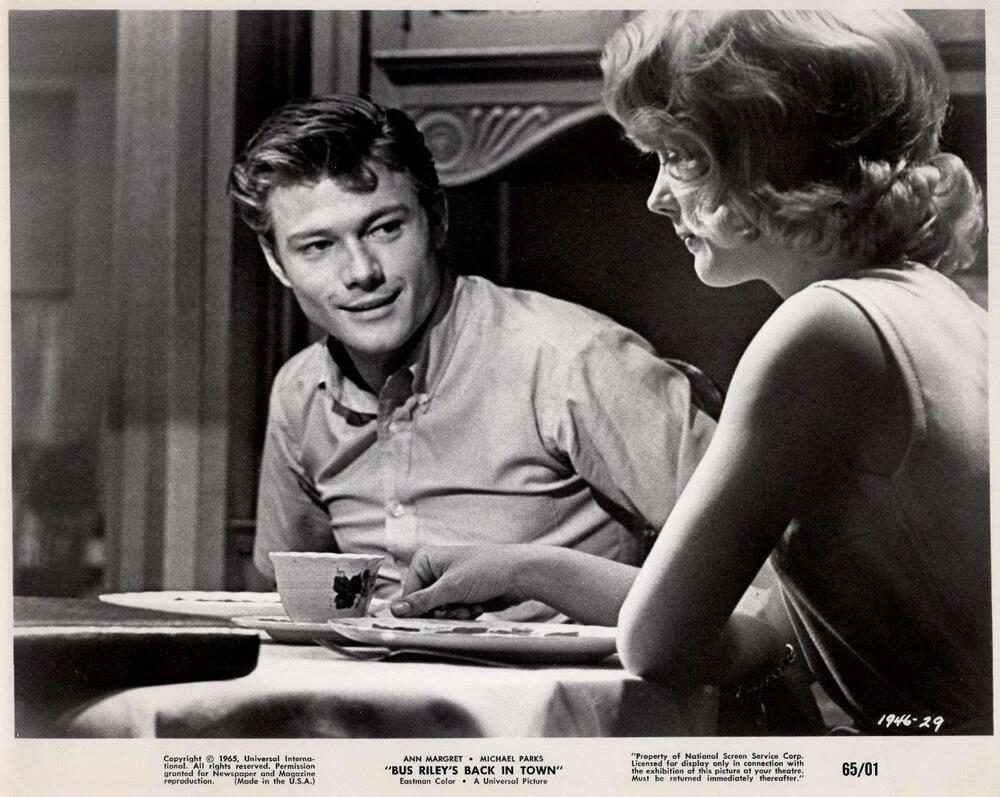
Harvey Hart’s BUS RILEY’S BACK IN TOWN

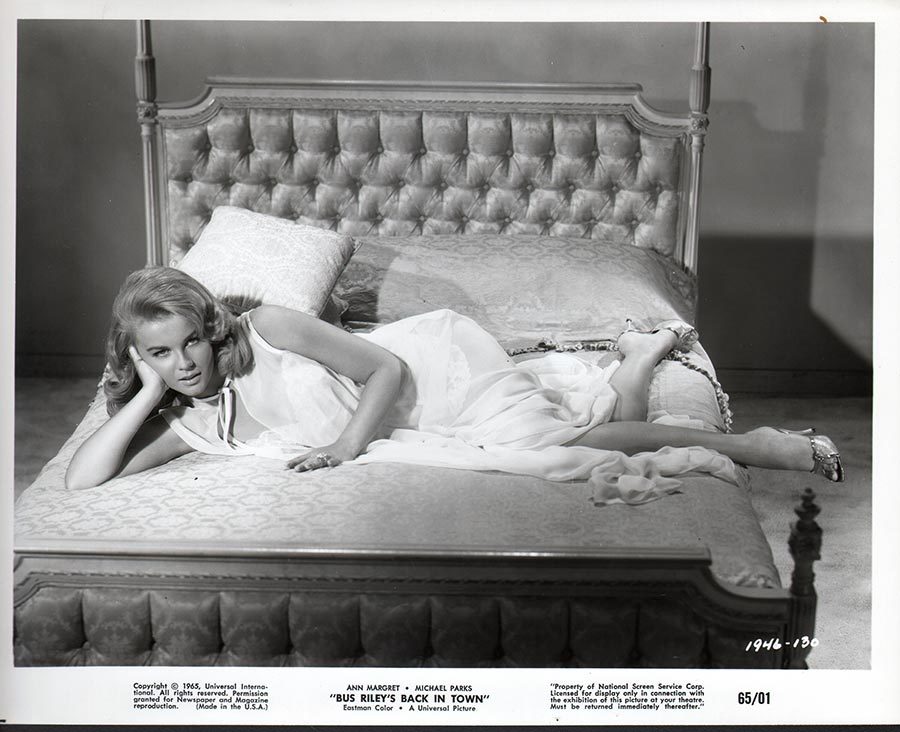
If the Eagle’s LYIN’ EYES was a film, it would most certainly be Harvey Hart’s BUS RILEY’S BACK IN TOWN. The perverse and transgressive drama features an exceptional cast led by Michael Parks and Ann-Margret with supporting turns by Kim Darby, Brad Dexter, Brett Sommers, and David Carradine. The film has the Old Hollywood look of silky black and white, sharp camera work, and two beautiful movie stars, but with New Hollywood themes; homosexuality, adultery, apathy, and a man’s penchant for underage girls. 

Michael Parks brings his all as a young man recently returned from a two-year stint in the Navy, tattooed with his love for Ann-Margret on his forearm, only to find that she had married a rich old man. Angst and apathy engulf Parks has he walks the streets of his old town, smoking cigarettes and drinking beers with David Carradine, he drifts in his home town, as he zigzags between jobs, all the while trying to avoid the nostalgically emotional traps Ann-Margret lays for him. 

The more “controversial” themes of the film are mainly left to not just the viewer’s interpretation, but their intellect. It is not that Parks’ fondness for high school girls comes off predatory or aggressive, it is difficult to dissect if it something that is consciously doing or subconsciously. He isn’t a sexual predator, but it certainly is not a coincidence either. 

Ann-Margret is wickedly fun in this film. She knows exactly what she’s doing, and my oh my, does she know how to arrange things. She’s the best kind of femme fatal; sexy, alluring, yet deep down inside of her lay a turmoil with no resolution, no end in site – she is destined to be vapid and hollow for eternity. She is magnificent in this role in a beautiful showboat of a performance. 

BUS RILEY’S BACK IN TOWN is the epitome of a “sleeper”, it’s a film that is underseen, and due to its racy subject matter, is a film that more than likely did not find its proper audience upon its release, and still has yet to find home video distribution in any region. While the film is tame, by today’s standards and those of other late 60s and 70s films – given the context, the film is well crafted and features a young Michael Parks whose on-screen charm and aesthetic would give James Dean a run for his money any day.

Peter Fonda’s The Hired Hand

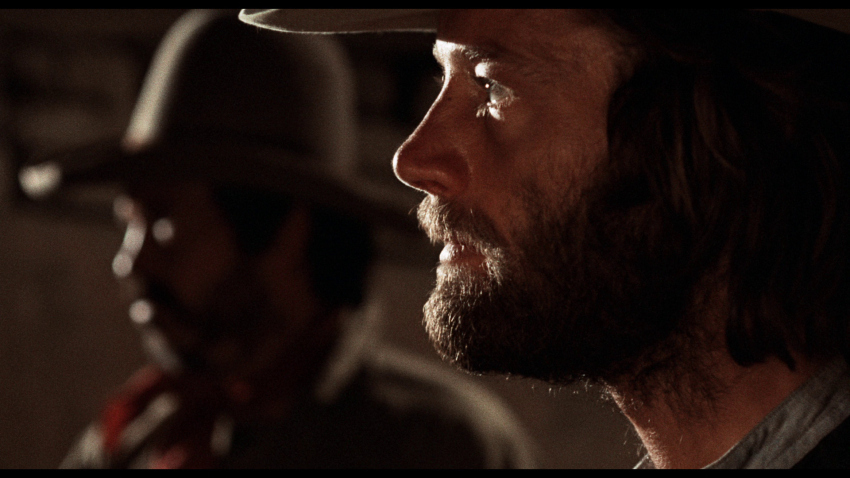
In the wake of EASY RIDER reinventing the cinematic wheel, Universal Pictures made a five-picture deal with young filmmakers, offering them each a million dollar budget and final cut, one of these films was Peter Fonda’s THE HIRED HAND. In his directorial debut, Fonda captures an intimate portrait of friendship and identity and foregoes the ultra-violence of Sam Peckinpah and embraces the melodrama of Douglas Sirk

What is most striking about the film is the technical achievements, the cinematography by Vilmos Zsigmond is without a doubt, absolutely astounding. He captures life, which at no point seems staged, as if it is happenstance that he just happened to be there to document the story; it all just seems so effortless. Bruce Langhorne’s score further laminates the remarkable visual beauty, with serene musical numbers that accompany Fonda and Warren Oates as they travel back to Fonda’s homestead. 

The two men head back, in hopes that Fonda’s wife (played by the remarkable Verna Bloom), ten years his senior, will accept him back after he left unannounced years ago. The pair was originally a trio, and the third, a young hand, gets murdered under a mysterious cloud in the first town they stop in, those are the events that lead to Fonda’s awakening of needing to go home.

Once the pair reach the homestead, many revelations lead to an introspective crisis for all involved. Fonda forcing himself back into a life he left behind, Bloom and her transgressions while Fonda had been away, and Oates and his silent love for Bloom. The performances are as magnificent as one would think. Fonda gives a sleeper performance, very understated yet quietly raw and vulnerable. He doesn’t speak much, he doesn’t do much; yet every single frame he is in, one cannot help but be completely captivated and enamored by him. Bloom is just as wonderful, showcasing her range by providing grit with deep vulnerability. And then there is Warren Oates, and in this film, he is as expected, Warren Oates playing Warren Oates. He is remarkable.

Technically, the film is a hybrid of its time, much like EASY RIDER, the film looks and feels like it takes place in the time it is set, yet it is absolutely apparent when the film was made, the freeze-frame psychedelic aesthetic is used just enough, without wearing itself out, and the editing by Frank Mazzola is out of this world. THE HIRED HAND fits perfectly with the cinematic output of the late 60s and early 70s, and is absolutely the conventionally unconventional western much like the films of Sam Peckinpah and Sergio Leone. 

Elliot Silverstein’s THE CAR

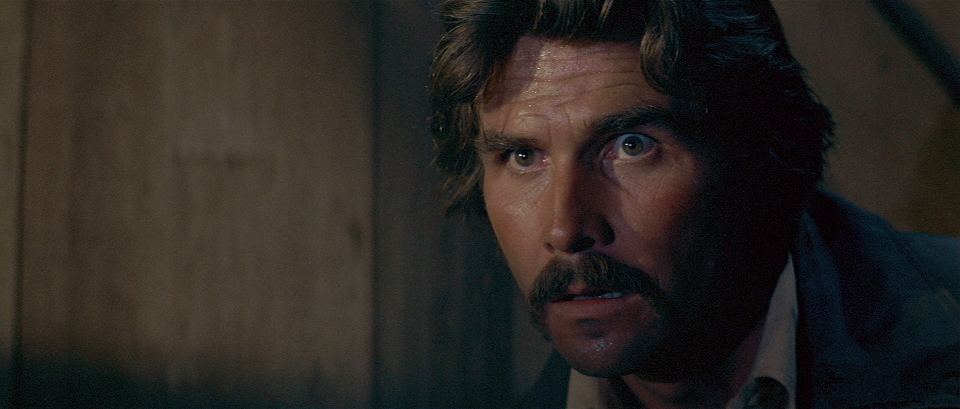
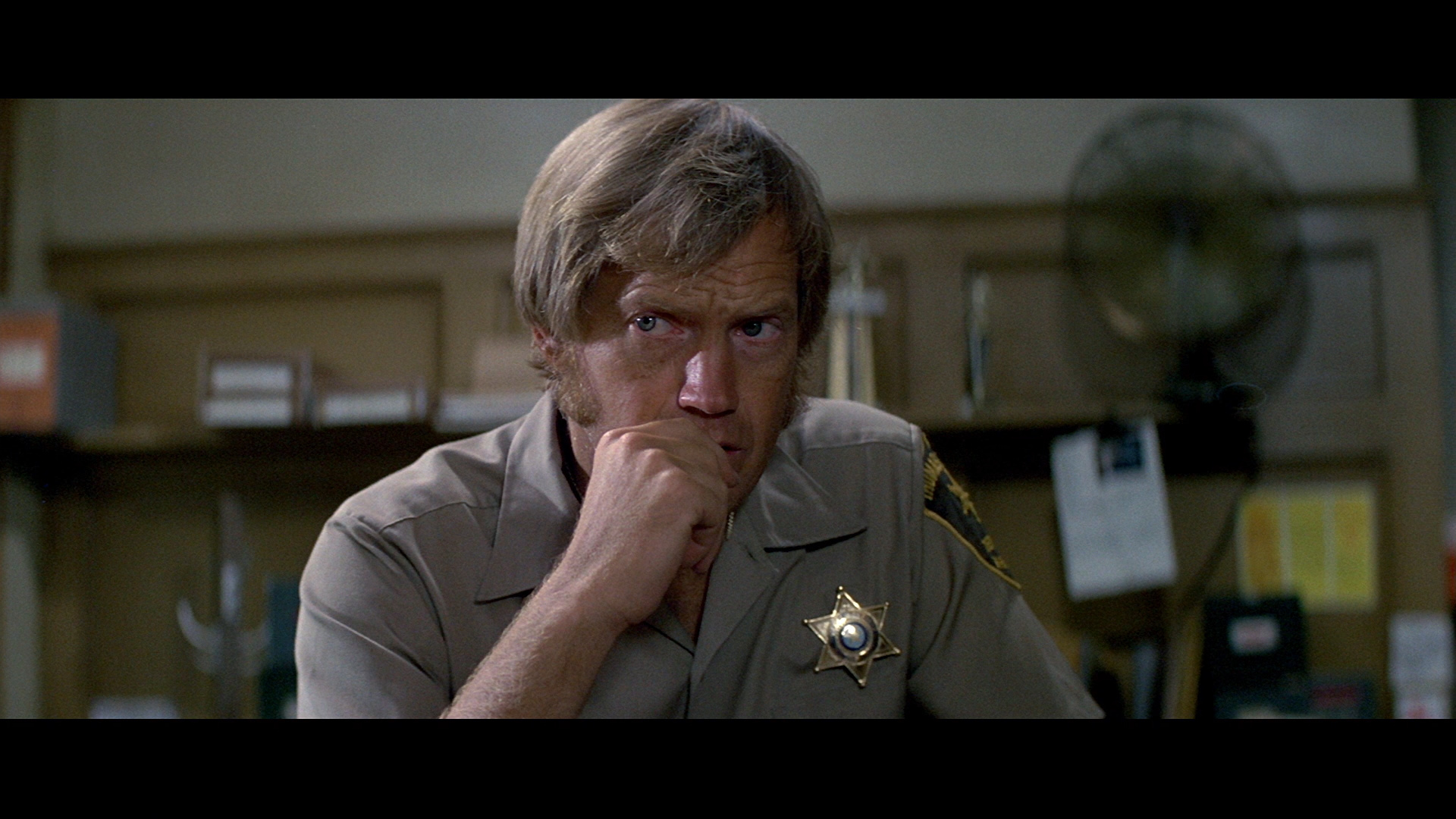
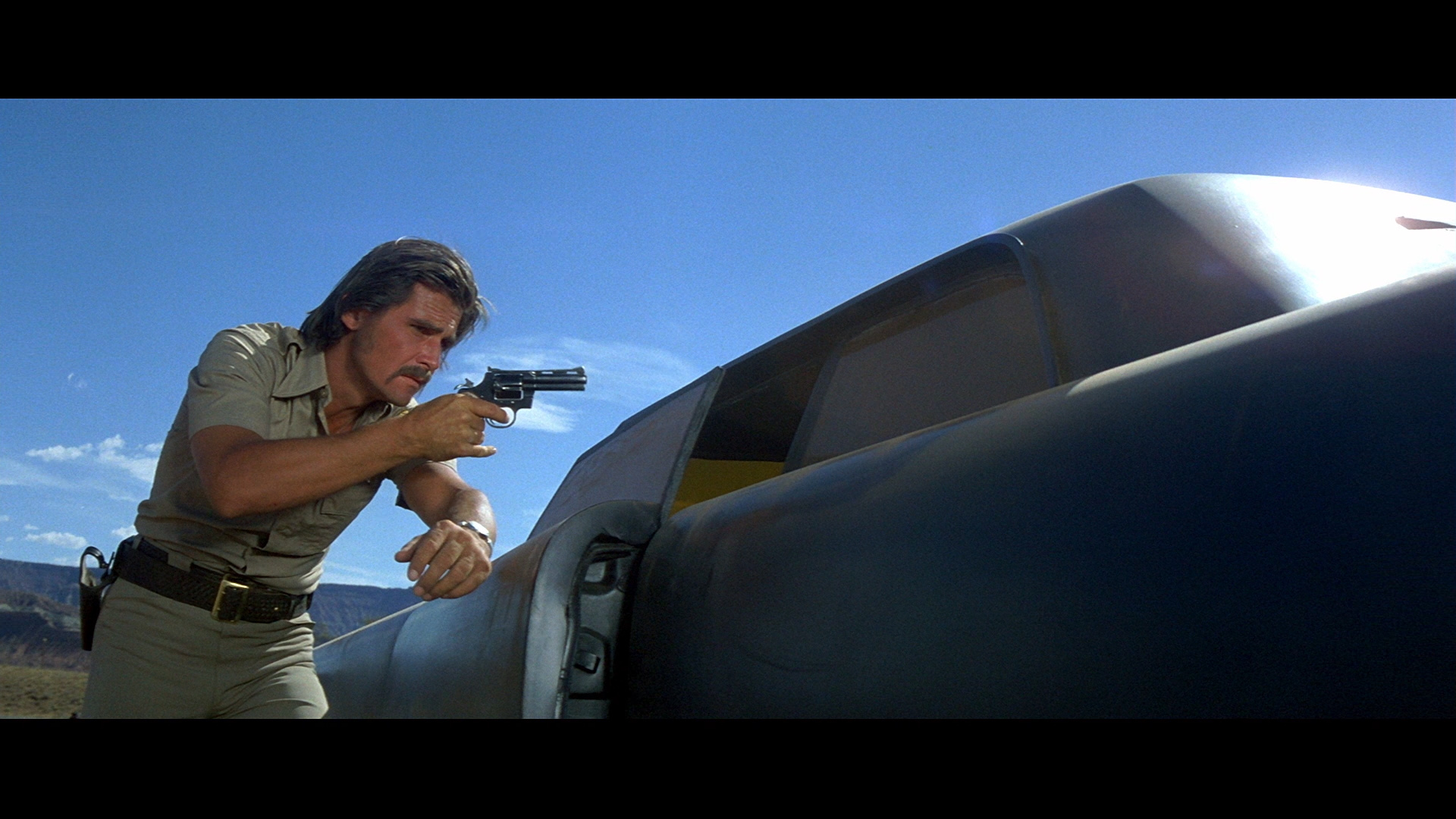
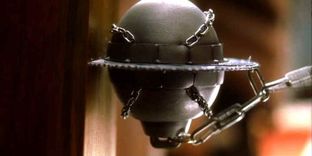
A sharp and witty script along with cracking performances is what keeps Elliot Silverstein’s THE CAR above the fray of the below-the-line grindhouse inspired cult films of the 70s. James Brolin, who in his younger days is a dead ringer for Christian Bale and sounds like Matthew McConaughey, is the lone sheriff in Santa Ynez who must stop a demonic car from killing people. Whilst not a direct inspiration,  there are elements and similarities to Quentin Tarantino’s DEATH PROOF, and would be near impossible for this film to not be an influence. This flick is a lot of fun. 

The supporting cast populated by a wickedly fun R.G. Armstrong, a playful Kathleen Lloyd, stoic John Marley, and a vulnerable turn from Ronny Cox. The principle characters are given a bit more to do than they normally would in a film like this. Brolin is raising two daughters on his own while courting a local school teacher; Marley’s first love is in an abusive relationship with Armstrong, and Cox is the closet alcoholic who puts the pieces together about the demonic car.

The Car itself is a lot fun. It is matte black, indestructible, and terrifying. One of the many highlights of the film is the point of view of The Car, which is cut to during key moments of the film and adds a heightened sense of reality to the situation this dusty California town finds itself in.  The practicality of the effects is another aspect to not only admire but respect about the film. The stunts are wonderful, and the Car brings the action, especially in the third act where the Car literally gets airborne and drives through a house to take someone out. It is rather awesome.

The strengths of this film surely out way any slight aspects that potentially hinder the film’s enjoyment factor. James Brolin is quintessentially cool in this film, and carries the weight of the lead perfectly – if this film had been made in the 40s, Gary Cooper most certainly would have played the role. The menacing score, the remarkable set pieces and expansive cinematography are all factors that showcase what a wonderfully fun picture this is. A minimalist approach is very effect in horror, and THE CAR is a prime example.

Quentin Tarantino’s kill bill volume i

“You know, I bet I could fry an egg on your head right about now, if I wanted to.”

What was once a film that would star Warren Beatty in the title role, wherein Bill would have been more James Bond and less David Carradine, tensions mounted as production stalled due to Uma Thurman’s pregnancy. Beatty grew impatient with not only the delay in production, but the constant reference to Beatty playing the role like Carradine would. Beatty inevitably left the picture, imploring Tarantino to cast the only actor alive or dead to play Bill, David Carradine.

The film marks one of Tarantino’s most dynamic screenplays, a soundtrack featuring score tracks only used in other films films, Robert Richardson’s richly fulfilling cinematography, and an ensemble bread from his most organically diverse cast.

What is encompassed within is his most seminal and homage laden film to date is referencing everything from Mark Goldblatt’s THE PUNISHER, to the STREET FIGHTER films, with a ONCE UPON A TIME IN THE WEST capstone.

This isn’t just some hardcore, stylishly sexy revenge flick (which it is), at its heart is a story about a scorn lover whose hubris sets a deadly chain of events in motion. Bill, who is only heard and whose hands and boots are only seen, loves the heroine so much, he would rather kill her than to be without her. Potent stuff.

What ensues is a tale of bloody revenge where Tarantino’s most ass-kicking character stops at nothing to exact a near equal measure of revenge to those who killed what was supposed to be the greatest day of her life, marrying “some fucking jerk” and leaving behind her life of being a member of the Deadly Viper Assassin Squad.

In the Tarantino-Verse, things get much more colorful and downright self indulgent, but baby, it is absolutely glorious.

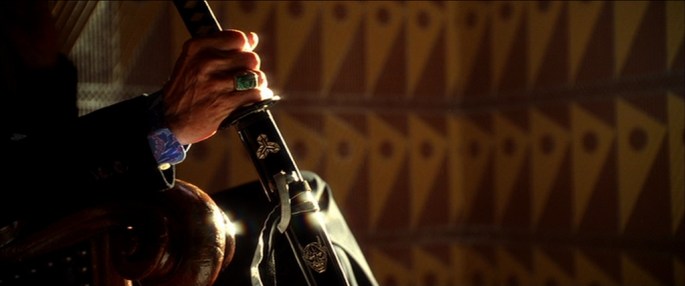
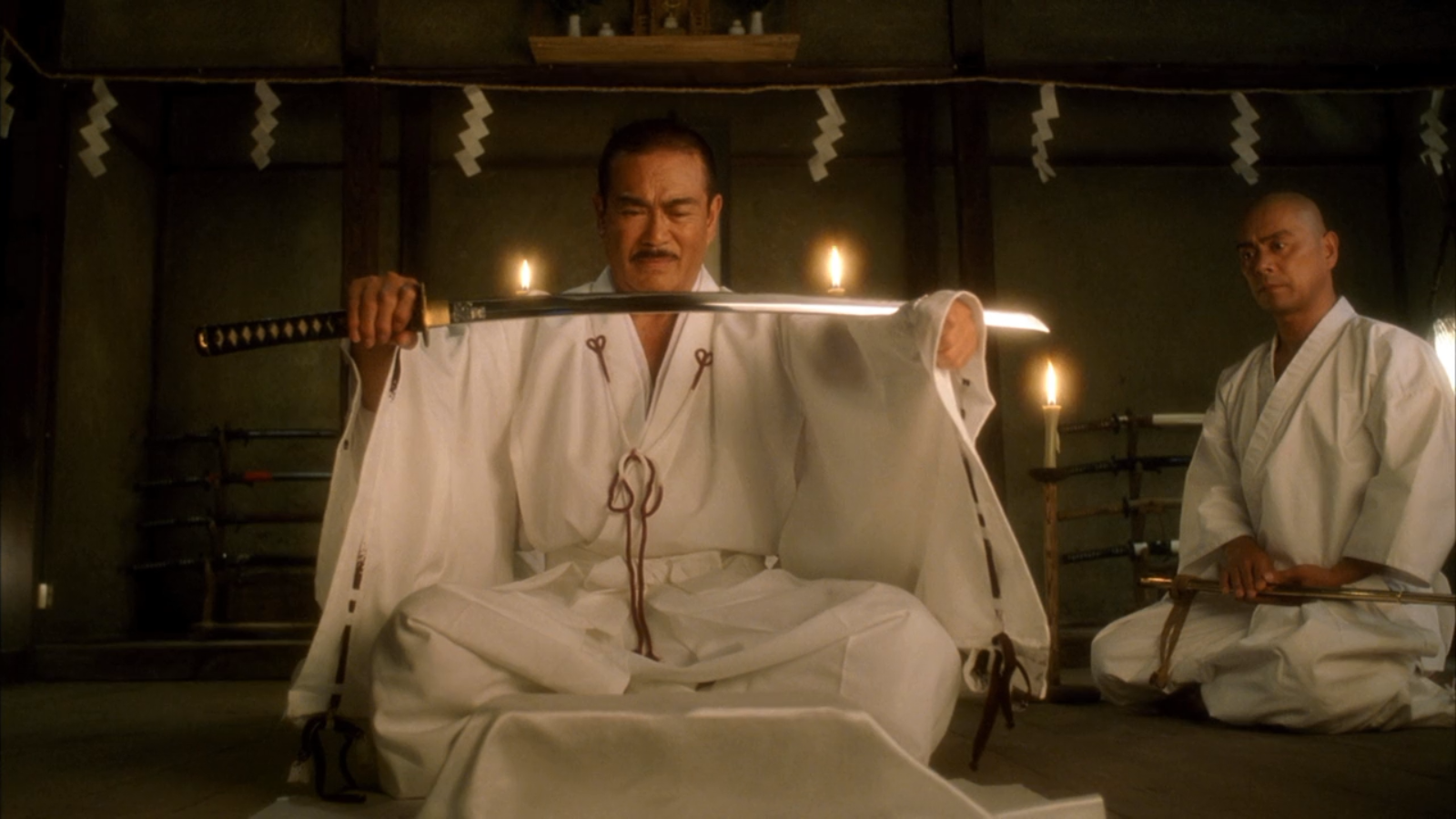
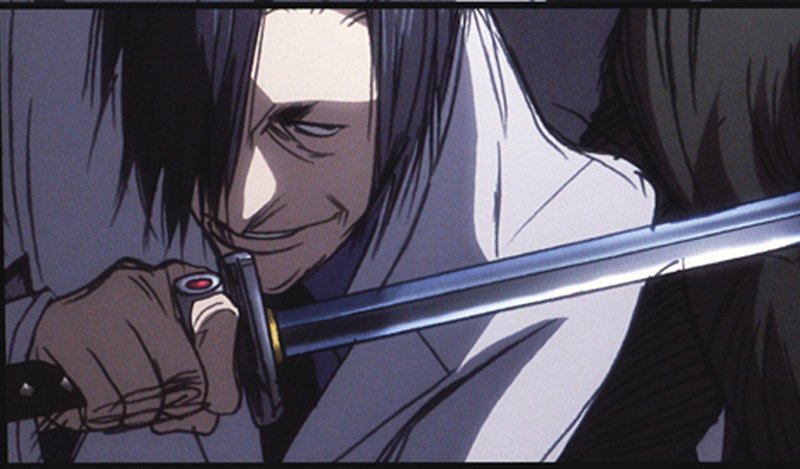
Uma Thurman gets shot in the head, Daryl Hannah is featured in the best Brian De Palma homage ever, Michael Madsen acts as the thread that directly leads into the second volume, Production I.G. came in and did an amazing animated segment, RZA supplied the sound effects, Lucy Liu gets a reintroduction sequence that any actor would kill for; not to mention getting scalped, Sonny Chiba gives an encore as Hatori Hanzo, Michael Parks returns as Sheriff Earl McGraw, Vivica A. Fox delivers one of the most memorable on screen deaths in a QT movie, and David Carradine is the man.

None of that even begins to scratch the surface.

The first volume of KILL BILL is what rebirthed Tarantino into an acutely self righteous auteur. Making films for not just his rabid and loyal fanbase, but most importantly films that he, as a passionate fanboy of cinema, would want to see on screen.

For Your Ears Only: Lewis Gilbert’s MOONRAKER

IMG_1069
Artwork by Jeff Marshall

After a brief hiatus, Frank and Tom are back with Podcasting Them Softly’s James Bond series, For Your Ears Only. They discuss at length the 1979 film that cascades into James Bond fighting in space, arguably the franchises answer to STAR WARS. They also briefly discuss BOND 25, but this recording predates the recent casting announcement and new theories surrounding the film. Frank and Tom will return with FOR YOUR EYES ONLY and as well as a BOND 25 update.

Artwork was supplied to us by the very talented Jeff Marshall. Please visit his website here to view his other works.

34th Annual Santa Barbara International Film Festival Wrap-Up Podcast

SBIFF (1)

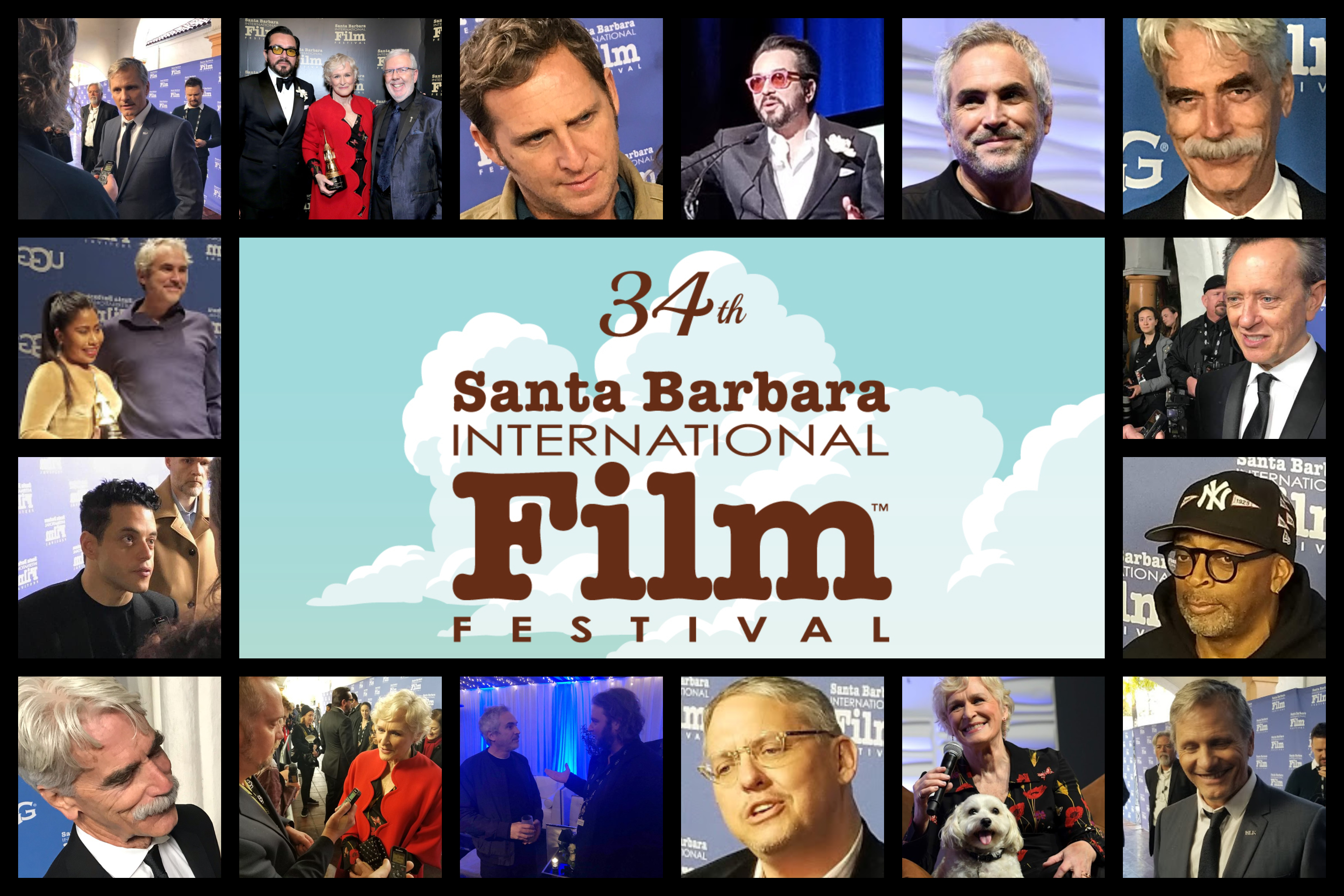
Welcome back to our annual Santa Barbara International Film Festival podcast! Tim and Frank recount their experience at this year’s festival. Included in the red carpet interview portion of the podcast is Roger Durling, Rami Malek, Adam McKay, Spike Lee, Viggo Mortensen, Richard E. Grant, Glenn Close, Josh Lucas, John David Washington, and Sam fucking Elliot.

SBIFF: Sam Elliot on his first Oscar nomination and being texting buddies with Bradley Cooper.

34th Santa Barbara International Film Festival -Virtuosos Award Presented By UGG
Photo Credit: Getty Images for SBIFF

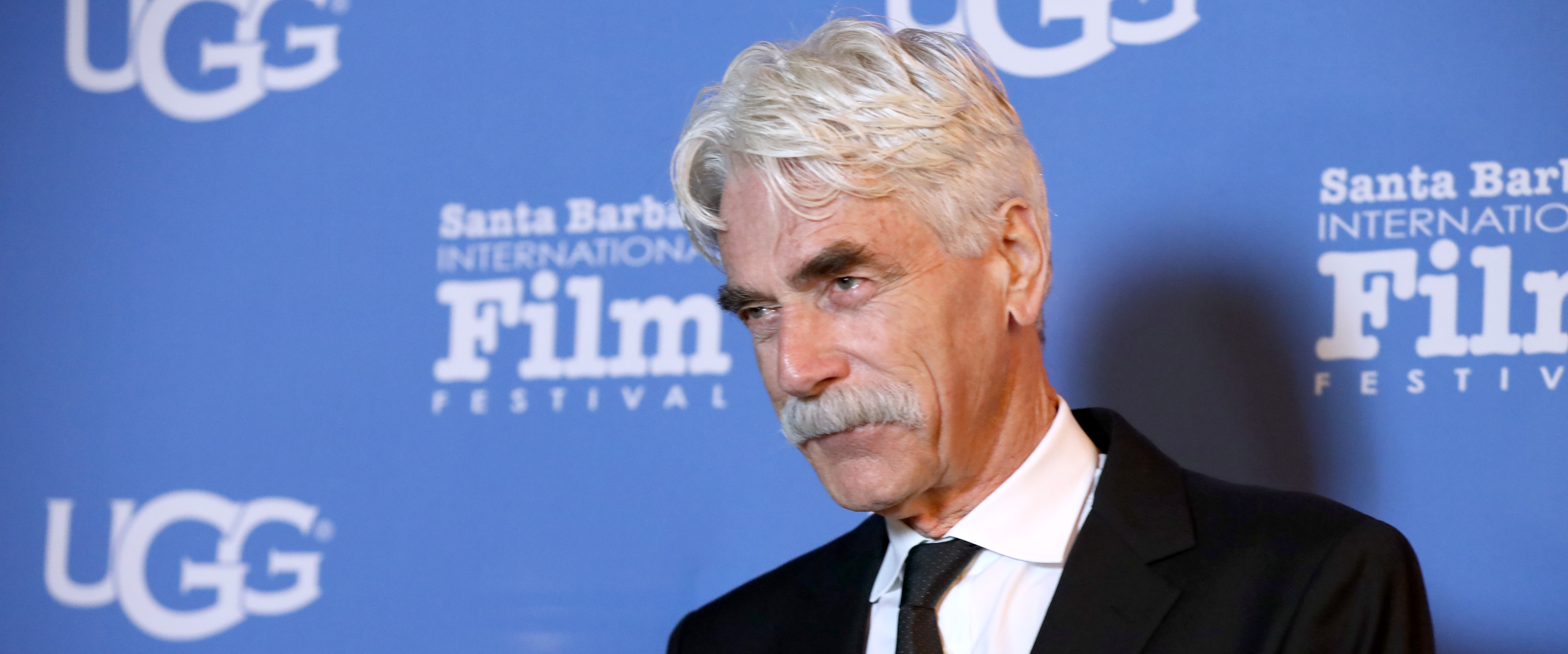
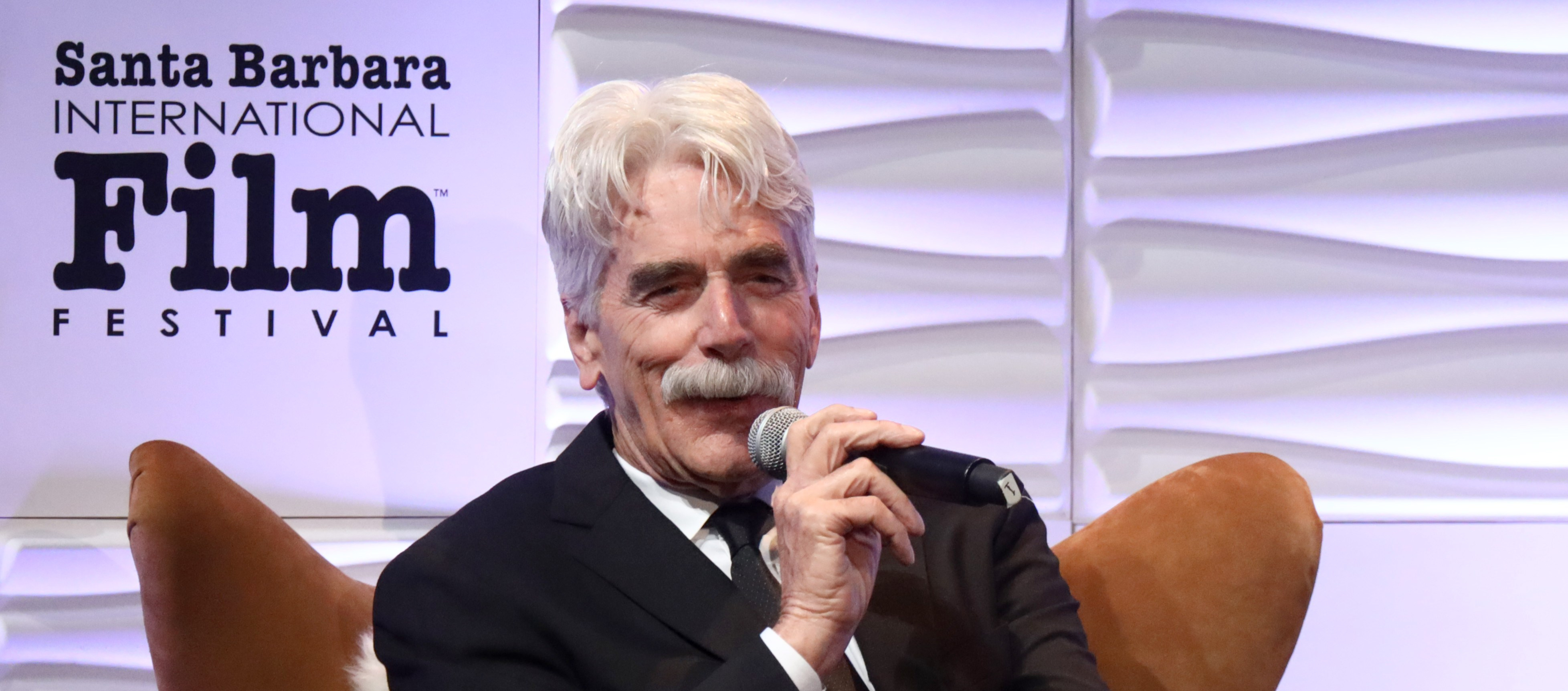
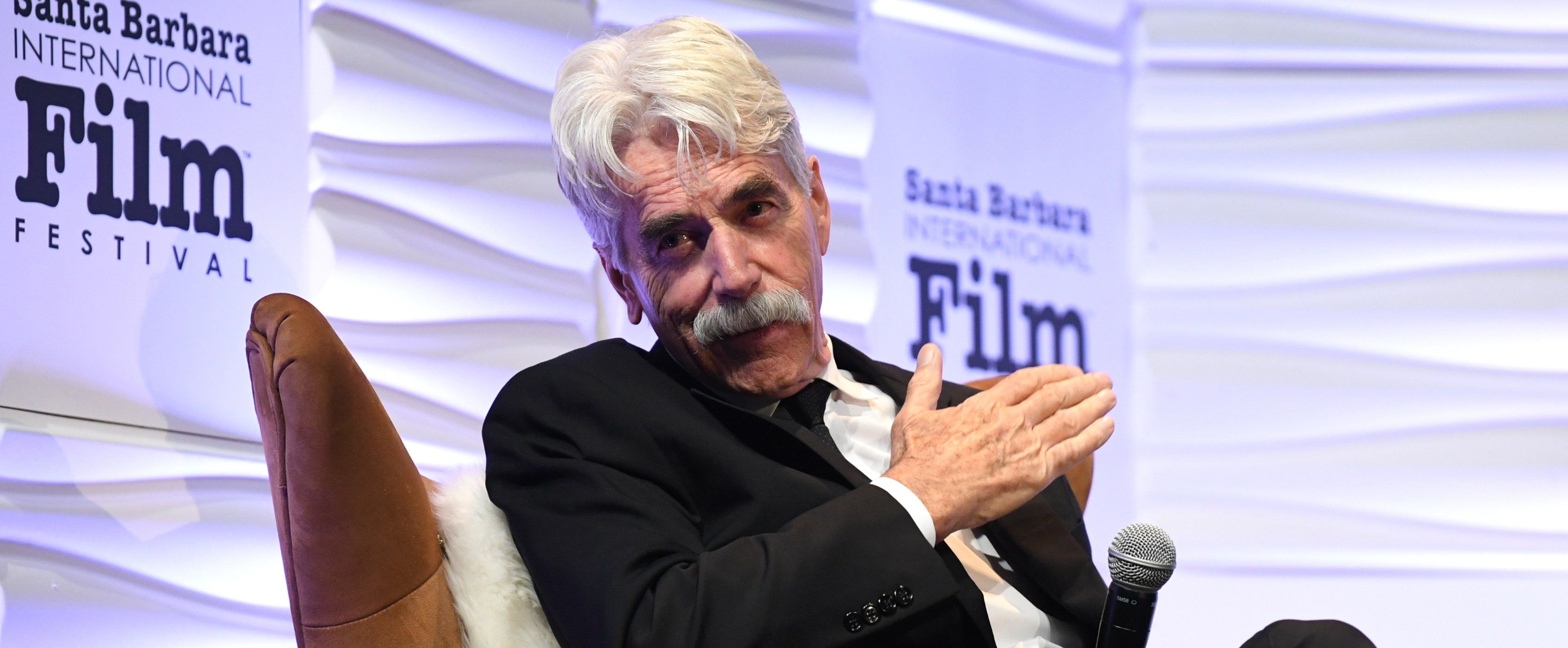
“I’m most intrigued by how you remember all that shit? It is just astounding to me,” joked Sam Elliot with his token southern drawl to TMC’s Dave Karger who moderated the Virtuoso awards at the 34th annual Santa Barbara International Film Festival. Elliot, along with John David Washington, Claire Foy, Richard E. Grant and many more were honored with the prestigious award as the awards season campaign comes to a close. Elliot was the flagship honoree, saving his Q&A for last.

“He’s the most brilliant director I’ve ever worked with,” he said speaking of Bradley Cooper, who after their initial meeting, became text message buddies and that is how the two communicated all the way up until filming. Elliot was concerned that he was going to be unable to film his role in A Star is Born, due to his commitment to Netflix’s The Ranch, a four-camera sitcom that is filmed before a live audience that has a lot of moving pieces. Elliot expressed his concern to Cooper via text message and Cooper instantly replied: “I’m not going to let you go. We are going to work it out.”

Filming for The Ranch ended on a Wednesday and the following Friday Cooper arranged for a set to be constructed in the parking lot of the Greek Theatre in LA, where they filmed their first scene together, the emotional brother v brother moment where Cooper punches Elliot and knocks him to the ground. Elliot did not once say “Lady Gaga”, instead he referred to her as “Stefani” and spoke of her very affectionately.

34th Santa Barbara International Film Festival -Virtuosos Award Presented By UGG
Photo Credit: Getty Images for SBIFF

The first time he saw the film in its full cut was at its premiere in Toronto, recalling how he was weeping throughout the film and was surprised at how much screen time he had in the final cut because when he had seen the rough cuts prior, his role was reduced substantially. Backstage, before the Q&A at TIFF, Stefani came up to him and asked if he was okay because he was still crying because he was so affected by the film.

“I’ve wanted this for so long,” Elliot candidly said about his first Academy Award nomination as the audience of over two thousand people erupted in thunderous applause. “Awards are great. Awards are a wonderful thing, but it’s all about the work.” Elliot turns his phone off at night and was awakened by his wife, Kathrine Ross, at seven-thirty in the morning the day nominations were announced. When asked by the moderator what it was like for his wife to be the one to tell him, Elliot instantly responded, “it was pretty cool.”

At the close of the evening, Elliot was asked what film came out this year that he thought that everyone should see, after thinking for a moment he said Spike Lee’s Blackkklansman and said that the film is very important and more relevant now than the period for which it took place. He was also asked what accent he thinks would be impossible for him to do, where he quickly quipped “anything that isn’t a south-western accent.”


34th Santa Barbara International Film Festival -Virtuosos Award Presented By UGG
SANTA BARBARA, CA – FEBRUARY 05: Sam Elliot speaks onstage at the Virtuosos Award Presented By UGG during the 34th Santa Barbara International Film Festival at Arlington Theatre on February 5, 2019 in Santa Barbara, California. (Photo by Emma McIntyre/Getty Images for SBIFF)

Sam Elliot is effortlessly cool. He’s been a cinematic mainstay for five decades. He’s been a lifeguard, the President’s chief of staff, and countless cowboys and military brass. After all this time Elliot has been awarded a Screen Actors Guild and Academy Award nomination for his finest role to date. He may not win the gold, and that is okay because Sam Elliot will always be Sam Elliot.

SBIFF: Glenn Close on The Wife, Fatal Attraction, and Bill Hurt.

34th Santa Barbara International Film Festival - Maltin Modern Master Award Honoring Glenn Close
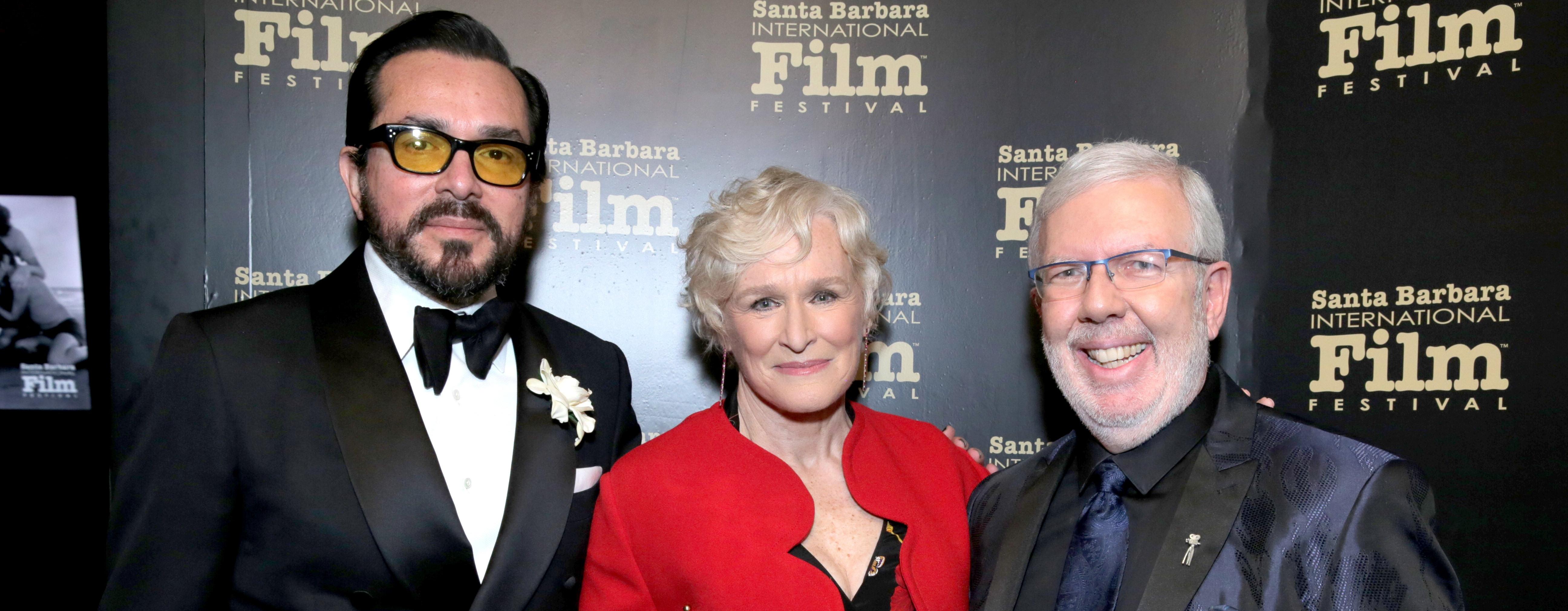
Roger Durling, Glenn Close, and Leonard Maltin. Photo Credit: Getty Images for SBIFF.


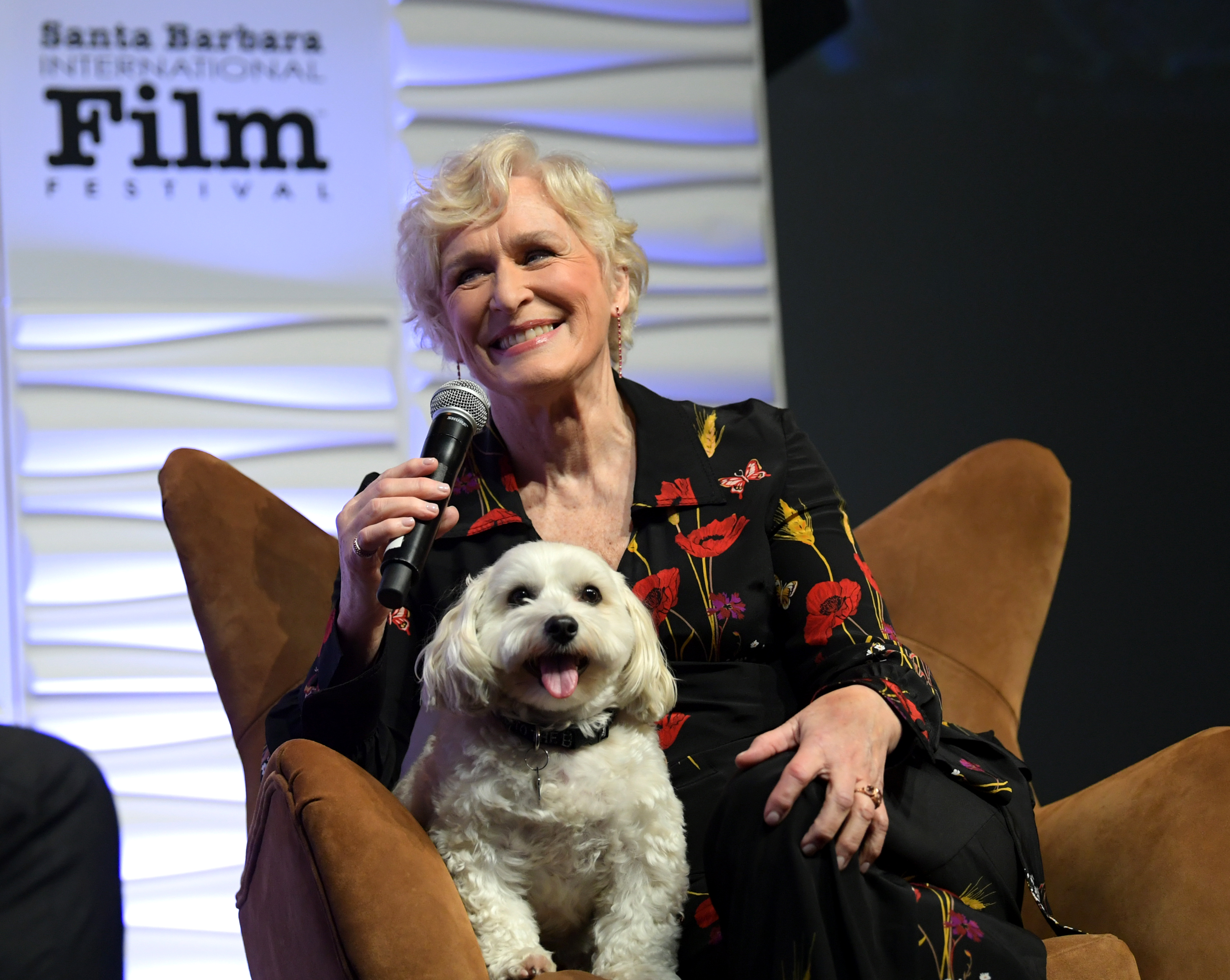
Bounding across the stage during Leonard Maltin’s marvelous career-spanning discussion with Glenn Close was Sir Pip Close, the most adorable Havanese you have ever seen who, without question, stole the show. He also has his own Instagram account. Moments prior Sir Pip and Close draped in a crimson coat spent their time with each member of the press, speaking of her current film The Wife which bestowed to her numerous awards (the Golden Globe, SAG) and her seventh Academy Award nomination. Both on the carpet and with Malden, she spoke fondly of her bountiful career that is richly stocked with colorful and daring performances.

“Babe, I’m a whore,” Close giggled while recounting what Michael Douglas said to her when she lobbied for the original ending of Fatal Attraction to not be reshot and screamed at him; demanding to know what he would do in her situation. The film, but more importantly the character of Alex Frost, is important to her. She spoke at length about the deep backstory of abuse and incest that Close created for Frost, not only explaining but sympathizing with the characters motivation.

34th Santa Barbara International Film Festival - Maltin Modern Master Award Honoring Glenn Close
Photo Credit: Getty Images for SBIFF.

The World According to Garp was her first “big break”, which led to her being instantly cast in Lawrence Kasdan’s magnificent The Big Chill. There, is where her relationship with Bill (William) Hurt grew into an everlasting friendship (Close would later seek Bill’s counsel regarding the ending to Fatal Attraction being reshot) and made note of how she had dated Kevin Kline, and how he was then dating William Hurt’s ex-wife, Mary Beth Hurt which led to the reason for her not getting cast in the role of Sarah, Kline’s onscreen wife and central hub of the film. Most of the cast had been friends prior to filming, but she said it was Kasdan’s month-long rehearsal where the entire cast shared a house in Atlanta is what truly attributed to the ensemble’s chemistry.

She has always believed in the medium of television, stating it was something that Judi Dench and Maggie Smith took seriously in the UK, appearing on numerous BBC specials. Sarah, Plain and Tall (her first behind the scenes production), The West Wing, The Shield are all miniseries and television shows that she had appeared on, but it was not until FX’s Damages where Close made her mark. It not only was a show with two female leads but also reunited her with Bill Hurt. The show had a rabid fanbase, and when FX canceled it after the third season, diehard fans petitioned and then the series found a second life as a DirectTV exclusive for two more seasons.

Albert Nobbs was her passion project, taking nearly twenty years to get off the ground and for cameras to start rolling. Same can be said for her current film, The Wife co-staring Johnathan Pryce, but the limbo period wasn’t as long for her personally, she had only been attached to the project for five years. She absolutely loved working with Pryce, called him one of her finest acting partners, and how much he believed in the film.

1093451932.jpg
Photo Credit: Getty Images for SBIFF

As she accepted her Maltin Modern Master Award from Roger Durling, an admirable stand-in for Jeff Bridges who could not make the event, gave an impassioned speech that touched Close in a beautiful moment of many that night. As Close accepted her award and was midway through her speech, Sir Pip Close once again found his way to the middle of the stage and began to roll around and scratch his back. Close began to laugh and said that Sir Pip did the same thing during the filming of the Nobel Peace Prize scene in The Wife. As the final days of Oscar season come to a close, Glenn Close is on her way of finally taking home the gold on the seventh nomination for a performance that is very quiet, very subdued yet it is a wonderful showboat of a performance from one of cinemas finest actors.

SBIFF: Viggo Mortensen on David Cronenberg, Green Book, and putting Coca-Cola in The Road.

Vladimir Putin was an inspiration for his character in Easter Promises, he owned his two horses from the Lord of the Rings, and then T.J. from Hidalgo, and he thinks it is total bullshit that David Cronenberg has never been nominated for best director. Viggo Mortensen is an accidental movie star who is fluent in seven languages, has his own publishing house, and never tires of people walking up to him on the street to talk to him about Aragorn. The 34th Santa Barbara International Film Festival’s American Riviera Award was presented to Mortensen by his two-time co-star and one-time director, Ed Harris, which was preceded by a delightful two-hour Q&A with Deadline’s Peter Hammond.

Mortensen is currently making the rounds for his third Academy Award nomination for one of the year’s best films, The Green Book, knowing full well that he’s going to be three and out but continues to champion a film that he truly loves and believes in. He and Harris were about an hour late to the event, a serve storm prolonged their trip up from LA, diverting to take a private plane to a local airport and eventually hitting the red carpet and taking his time along the way promoting his latest feature.

“Coke doesn’t do R rated films, and then I asked if I could call the guy,” Mortensen continued, “I can’t remember his name, but I called the rep from Coca Cola and asked him if he had read The Road. He had not but his wife or someone he knew had. I told him to read pages, I don’t know, eighty-six through eighty-seven. And then to speak to his kids or his wife or whoever, and then in a few days he called back, and we could use Coke.”

His first on-screen appearance was in Peter Weir’s Witness, which came right off the heels of his scenes being cut from Woody Allen’s The Purple Rose of Cairo. He was in his very early twenties when he decided to become an actor, there was not a specific film or an actor who inspired him, but the theatre experience was an emotional enlightenment that was woven with curiosity about how film could evoke reactions from laughter to tears.

The Lord of the Rings series is a part of his life that remains incredibly special to him. Not only did he love making the films, but he also speaks to what that afforded him to achieve not only professionally, but also personally. He started Percival Press, a publishing house that produces works of poets, musicians, and photographers as well as his own music, poetry, art, and photo books.

The Extended Cut of The Fellowship of the Ring is his favorite of the trilogy, reasoning that it was the film with the most human to human interaction. As the films went on, there was more CGI, more green screens, creating less and less interaction with other people. That was not a slight towards the other films, he warned because he has stated the same prior and he has been taken out of context.

Mortensen has a flip phone and has gotten better at emailing since he launched his website, but he’s just not all that interested in modern technology and frankly doesn’t find an interest in it. He is more interested in bringing stories to the screen that would not otherwise have a voice. He finds unique narratives and uses his movie star cache as a vehicle to shine a light on compelling characters and writer-directors whose visions would not be told.

Green Book is a special film to Mortensen, he loves it and the character of Tony Lip. He is very aware of the campaign against the film, especially how some are citing that the real Tony and Dr. Shirley were not friends and the film is a false representation of factual events. Firstly, Mortensen noted that Green Book is a movie, and only covers a span of two weeks and that Tony Lip went on to drive Dr. Shirley for another two years, and moderator Peter Hammond noted that Deadline has published audio tapes of Dr. Shirley speaking of his friendship with Tony and how the two remained friends for the rest of their lives.

He spoke very highly of the cast of Captain Fantastic and especially Mahershalla Ali, and how Ali was the greatest acting partner he’s had. He made not of Ali’s reactionary acting to him, and how so much of Ali’s performance is store within his reactions and economy of movement. He also spoke of his fondness for Ed Harris, who was there to present Mortensen with the award.

Dressed in cowboy boots and a red vest that looks like something William Holden would have worn in a genre-pushing western, Harris gave a rather straight forward yet emotional tribute to Mortensen, conveying that their friendship was built on a foundation of loyalty. Mortensen thanked Harris, SBIFF, and executive director Roger Durling for an award that he was not just a nominee for, but the outright winner. Mortensen is the strong silent type who is fiercely intelligent, and a man made up for passion and raw talent that elevates every single project that he touches.

SBIFF: An Evening with Alfonso Cuaron

At the emotional core of Alfonso Cuaron’s seminal works is sacrifice. Take his latest film ROMA, where he not only secured his second Academy Award as a director but also legitimized Netflix as a game-changing powerhouse. Within the fertile layers of the background, middleground, and foreground is a woman who is bound by servitude, putting the wellbeing and lives of the children she cares for above her own, as well as her unborn child. Clive Owen, Julianne Moore, and Michael Caine all selflessly end their lives for the greater good in CHILDREN OF MEN, and same could be said for George Clooney in GRAVITY.

Alfonso Cuaron SBIFF

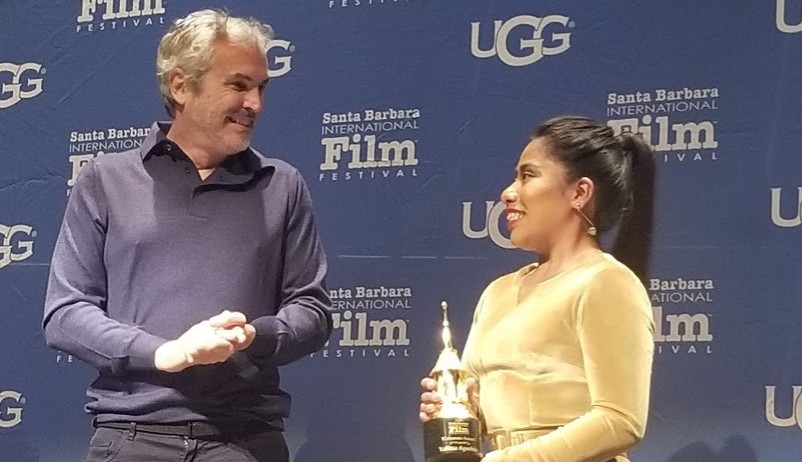
Speaking at a Q&A with Yalitza Aparicio after a free screening on ROMA at the 34th Santa Barbara International Film Festival, Cuaron spoke to memory and how for one to truly understand a memory, in particular, one of a deep personal meaning, they have to understand the present and where they currently are in their life. He then went on to caution how “memory is the biggest liar” and indirectly stated how memory creates a false sense of the past, allowing us to not just romanticize it, but also how we condition ourselves to be selective and allowing nostalgia to trump the continuity of our past. To quote Cormac McCarthy’s THE COUNSELOR, “reflective men often find themselves at a place removed from the realities of life.”

CHILDREN OF MEN is Cuaron’s most important work. It is not just some dystopian future shot by the remarkable Emmanuel Lubezki with tracking shots stacked atop one another; it is a premonition and it is a film that becomes all too real as we embark into the unknown future of humanity. Not only does is champion the current plight of migrants fleeing their warzone homeland and being put into cages, but also government propaganda strategically laced with a populous message of population control; all of this orchestrated by an overbearing and overreaching government to sew seeds of discontent in a power-grab that is designed to numb the minds of the people with the ultimate goal of total and complete control.

Upon a fresh viewing of the film, presented on the big screen by SBIFF as apart of the director’s showcase, what was striking was Michael Caine’s character Jasper, the once renown zany political cartoonist who has since become the voice of reason in a world that hasn’t just been forgotten and abandoned, but been erased. His glasses were circular shaped, he listened to music that came from a time and place of deep meaning and philosophical importance. His hair was long but parted perfectly, and his lexicon and accent were remarkably striking.

Michael Caine, Children of Men

“I don’t know if this is off base, but I could not help but think that Michael Caine’s character was John Lennon if he had not died.”

Cuaron’s eyes got big and smiled as he threw his head back.

“Yes! That was all Michael. He said, “I want to play it like John.” I said, “John who?” And then he said, “Lennon!” and then I thought to myself, oh but of course that is who Jasper is! It was all Michael’s idea. From the glasses to the wig with that was parted just like Lennon’s hair.”

1091968250.jpg

Cuaron is enigmatic, he is a stone cold auteur; a maverick filmmaker who constantly changes the formula of cinema, producing a pristine mosque with each new picture. His eye for detail is painstaking, birthing films that are so atmospheric that one can smell the cigarette smoke, feel the sweat, and obsess with the phantom ring in their ear. His films are unique, they tend not to string together aesthetically or thematically, yet with each one of his seminal works lies and unapologetic and selfless acts of sacrifice.