Steven Soderbergh’s Out Of Sight


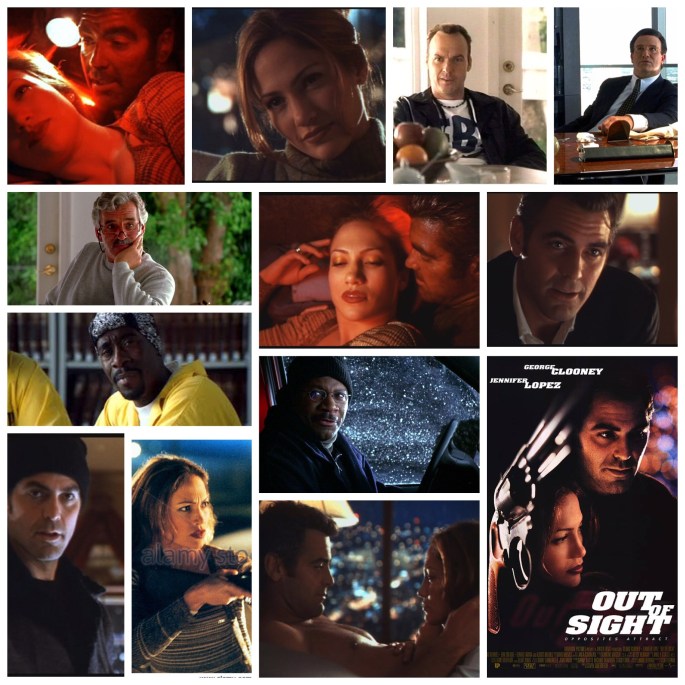
No one does the breezy, goodnatured crime drama like Steven Soderbergh, and after rewatching his 1998 romantic caper Out Of Sight, I’ve realized it’s my favourite of his films by a mile. The easygoing love story between George Clooney’s hapless career criminal Jack Foley and Jennifer Lopez’s feisty federal Marshall Karen Sisco is a pairing for the ages, and the two not only smoulder up the screen with their obvious presence, but have effortless chemistry in spades and know how to sell the romance until you feel that tug on the ol’ heartstrings when the stakes are raised. It doesn’t hurt that cinematographer Elliott Davis beautifully frames each encounter with them, the best being a gorgeous airport dinner where the two croon out Elmore Leonard’s savoury, measured dialogue against a snow laden Tarmac outside, the perfect romantic ambience. Foley is a trouble magnet, embroiled in scheme after scheme with his older, wiser partner Buddy (Ving Rhames). After their dipshit pal Glen (a stoned Steve Zahn) gets them mixed up in a plot to rob a pompous Wall Street millionaire (Albert Brooks) via some truly nasty jailbird thugs from their collective past (Don Cheadle provides the film’s only true dose of menace amongst the charm), all hell breaks loose and against odds, Jack and Karen find themselves falling in love. Elmore Leonard’s scripts always seem to find their way to great directors (Barry Sonnenfield made magic with Get Shorty), richly varied casts (Jackie Brown is an ensemble for the time capsule) and end up as films that are simply timeless. Dennis Farina mellows out as Karen’s concerned ex-cop father, Luis Guzman does his grimy cholo rat shtick, and watch for Catherine Keener, Nancy Allen, Isiaah Washington, Paul Calderon, Viola Davis, an uncredited Michael Keaton playing none other than his Jackie Brown character (an Elmore Leonard cinematic universe!) and a surprise cameo right at the end that I won’t spoil except to say it sets up any potential sequels nicely. The whole deal rests on Lopez and Clooney’s shoulders though, and they’re nothing short of mesmerizing. It’s a rag tale romance, classy but down to earth, two beautiful souls from very opposite sides of the tracks who generate sparks and circle each other like cosmic magnets. Stuck together in the trunk of a speeding car, they discuss life, love and films, reminding us that no romance is alike to another and the best way to start off something like that is perhaps on the wrong foot and in the least imagined circumstances possible. Like any love story it knows that a pinch of sadness is necessary to balance the bittersweet recipe and tweak our emotions just right. A career best for George, Jennifer and Steven and a film worthy of classic status. 

-Nate Hill

Encore’s The Take 


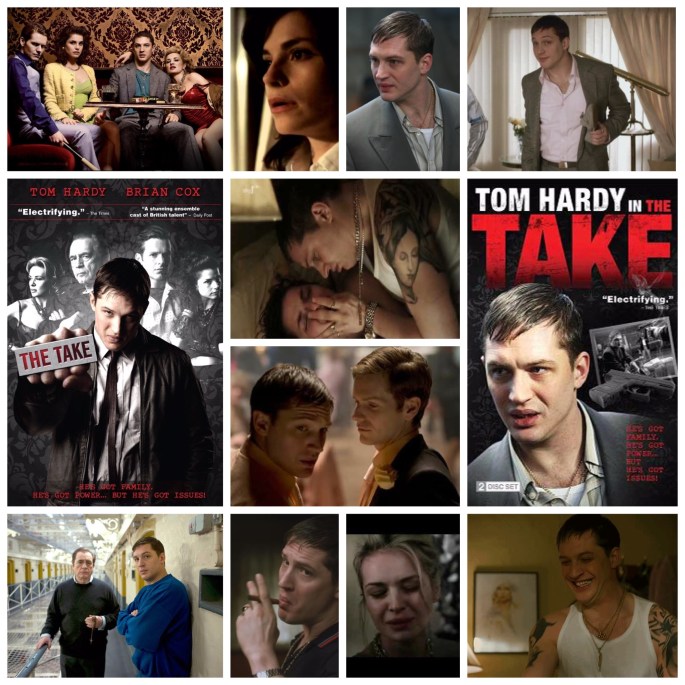
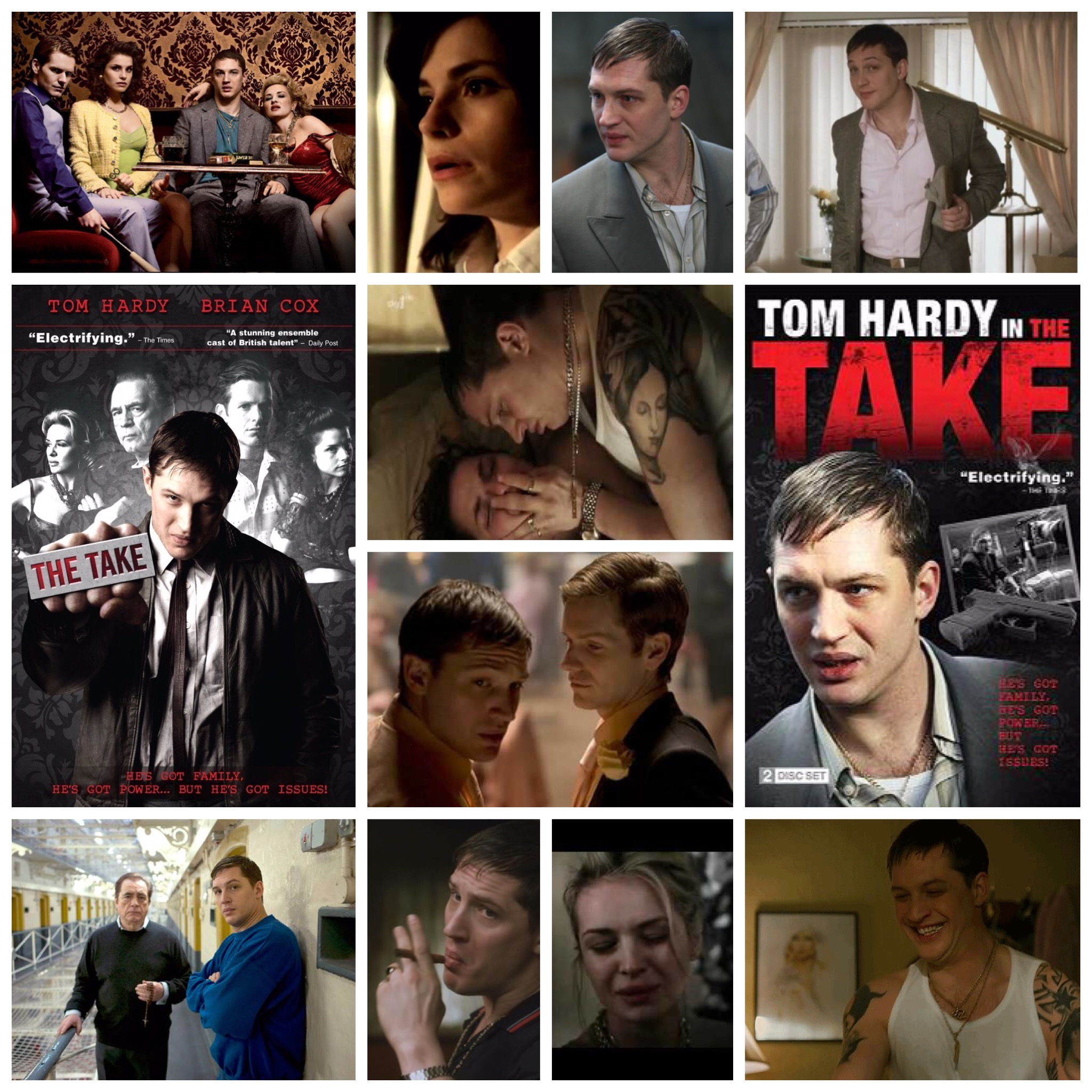
If you’re like me and were a fan of Tom Hardy before he blew up on the front page of Hollywood (I’ll willingly don the hipster mantle for certain areas of film), you’ll know about The Take, a brutal British produced miniseries chronicling the fall from grace of a severely dysfunctional London crime family. Hardy is Freddie, a sociopathic freak fresh out of the joint and ready to wreck havoc whilst the clan’s nasty patriarch (Brian Cox, never not a scene stealer) remains locked up. Freddie’s younger, more timid brother Jimmy (Shaun Evans) gears up to seize the reins of the ol’ family business, but the biggest obstacle in his path is Freddie, who seems intent on soaring down a violent path of self destructive, damaging behaviour, lashing out at friends, enemies and even family until the whole deal resembles some Macbeth-esque family showdown. Their two respective wives (Charlotte Riley and Kiersten Wareing are pure dynamite) get caught up on this unholy mess and it soon becomes clear that no one will make it out on top. It’s a nihilistic piece that exists seemingly as a dark, misanthropic soap opera or an instruction manual on how to fuck up everything in one’s life, and in that luridness it succeeds brilliantly. Hardy showed continuous sparks of budding talent early in his career, and his work here rivals even that of his heralded turns these days, his Freddie is truly a rotten bastard and a sadistic no good monster who brings death to all around him. A beatdown and a half of a watch, but worth it for lovers of tough, thoroughly downbeat crime television. 

-Nate Hill

Disney’s The Journey Of Natty Gann


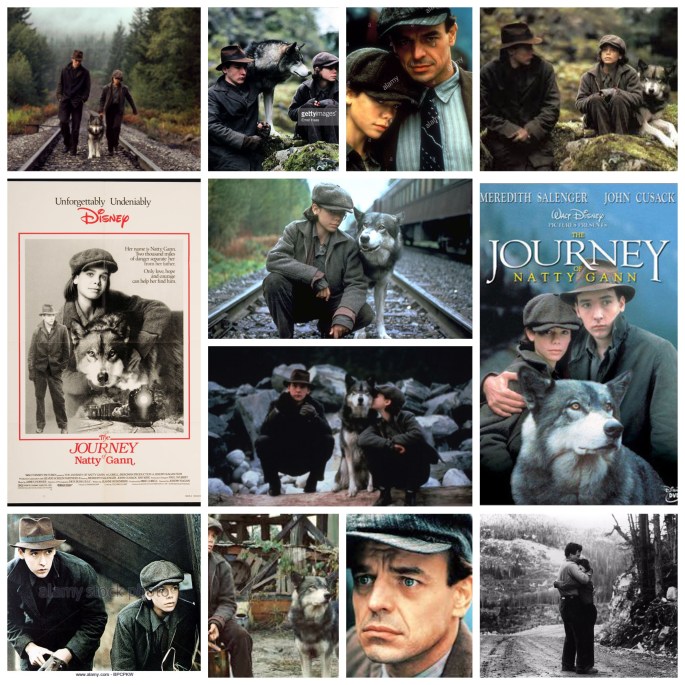
It’s neat to think that Disney would take a chance on something as grim and risky as The Journey Of Natty Gann, but they green-lit it and allowed a wonderful story to come alive. Set during the Great Depression and focusing on themes of abandonment and loss, it’s hardly the studio’s milieu, but they’ve proudly stamped their seal on it and I consider it to be one of the best amongst their live action output to date. Starring a terrific Meredith Salenger, it tells the tale of a young girl who’s separated from her father (Ray Wise, brilliant as ever) after he takes off to a logging job elsewhere in the country. Faced with life as an orphan or worse, Natty makes an epic trek across the dilapidated, economically gutted states to find him. It’s got all the trappings of a syrupy, run of the mill Disney outing: dog/wolf cross sidekick etc, but it really manages to find the danger, fear and loneliness she faces in a country that has gone to all hell everywhere she looks, and let the pathos come naturally out of how she fights her way through each new situation. John Cusack is great as a train hopping rambler who joins her here and there, his mopey doglike visage fitting right into the 30’s hobo shtick uncannily well. Salenger is a strong and fierce leading lady, the strife she sees around her echoed in her haunted face, emblazoned also with hope for the future. Filmed entirely in my home province of British Columbia, the film is beyond gorgeous to look at, the sooty grime of a looming industrial wave accented by the burnished greens and crystal waters of the region. This is sort of a forgotten Disney film, it wouldn’t be right up there on someone’s collection shelf or sitting near the front of the rental queue online, but it’s more than worth checking out, and considered a classic by me. 

-Nate Hill

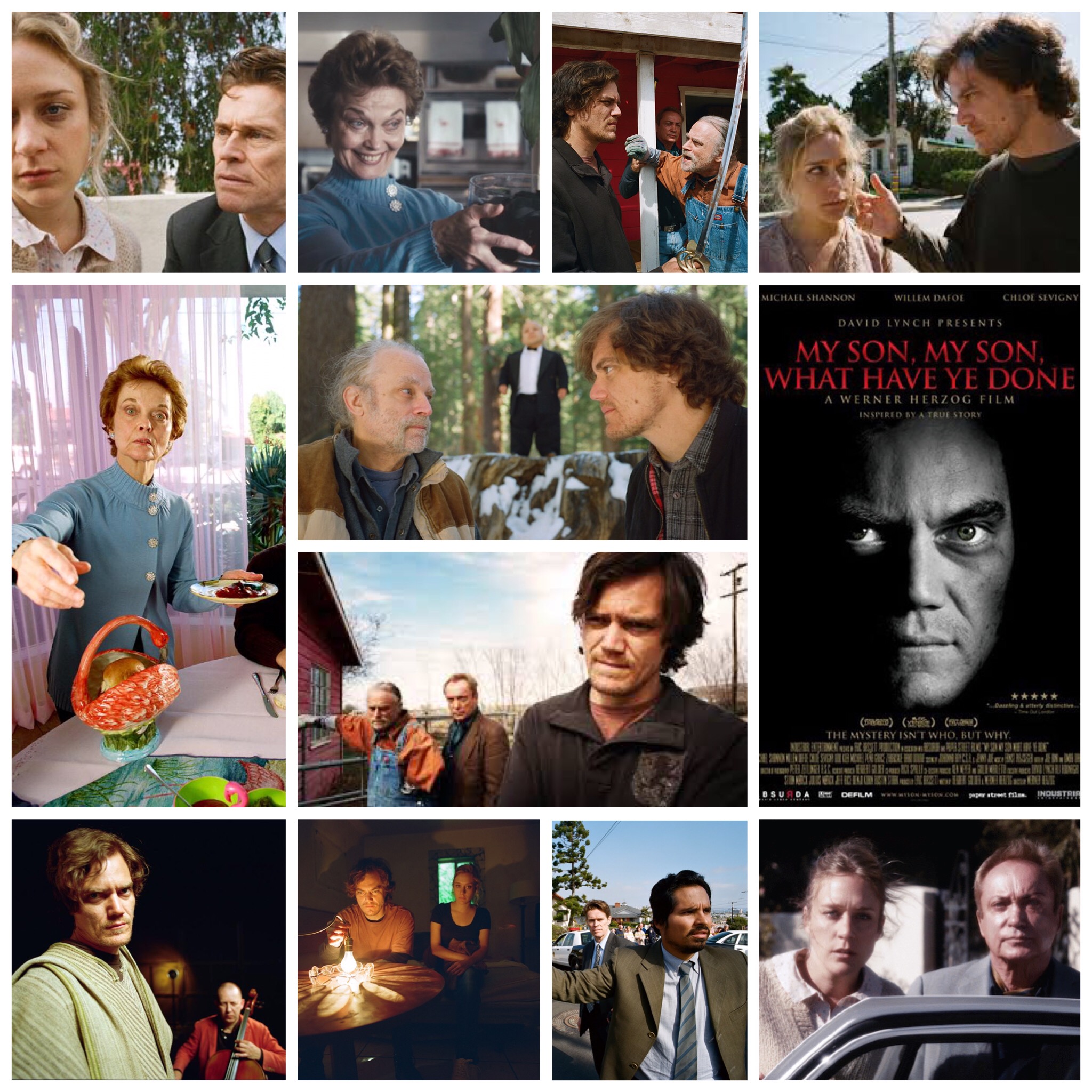
Werner Herzog’s My Son My Son What Have Ye Done


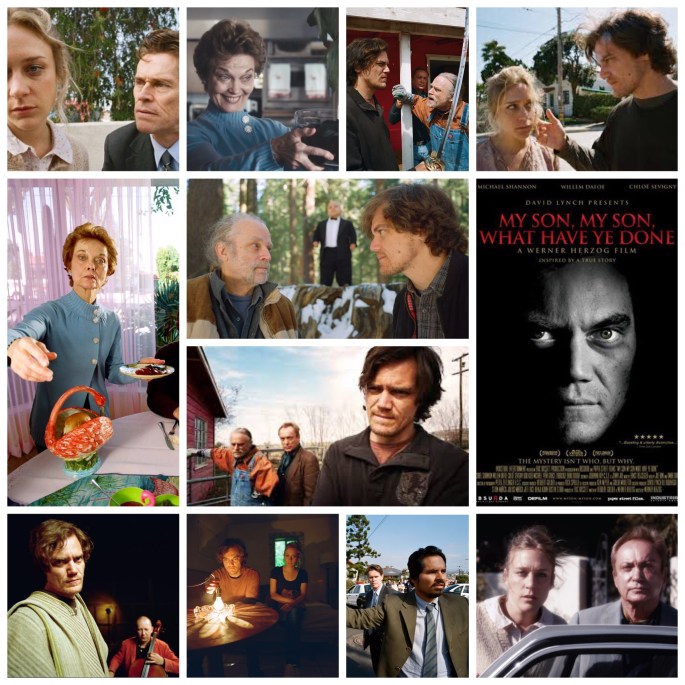
Werner Herzog’s My Son My Son What Have Ye Done, although not quite congruent with what you’d call my cup of tea, is an impressively bizarre little foray into… well, something. Michael Shannon plays a disturbed stage actor who, in an offscreen fit of violence, slays his mother (the great Grace Zabriskie) with a sword. Now, whether by mental illness, strange Peruvian spirits that piggy-backed on his psyche after a trip down there or reasons unknown, he slowly unravels throughout the rather short yet obstinately molasses paced film, until the final act solidifies his exodus into the realm of total bonkers lunacy. Shannon is an expert at all things in the circle of mental unrest in his work, and even when playing innocuous supporting characters or stalwart leads, there’s always a glint of menace in the whites of his eyes. It’s an impenetrable character study though, giving us not much to go on other than obtuse clues and the weird, wacky troupe of people in his life, portrayed by an appropriately zany bunch of cult actors. He has an uncle (Brad Dourif, a Herzog regular) with an ostrich farm and some, shall we say, interesting views on life. His quiet girlfriend (Chloe Sevigny) looks on in unsettlement, and his mellowed out drama instructor (Udo Kier) tries to make heads or tails of everyone else’s strange behaviour. You know you’re in the twilight zone when Udo Kier is the most well adjusted character in your film, but such is the territory. As Shannon descends into whatever internal eye of the storm privy only to him, he takes his mother and her two friends hostage, and the obligatory salty detective (Willem Dafoe) and his rookie partner (Michael Pena) show up to add to the clutter. David Lynch has an executive producer credit on this, and although the extent of his involvement is hazy to me, simply having his moniker post-title in the credits adds a whole dimension of bizarro to go along with Herzog’s already apparent eccentricities. It’s well filmed, acted and looks terrific onscreen, and I’m all for ambiguous, round the bush storytelling as a rule, but this just wasn’t a dose that sat well with me or tuned into my frequency as a viewer. Worth it in spades for that cast though, and their individual, episodic shenanigans. 

-Nate Hill

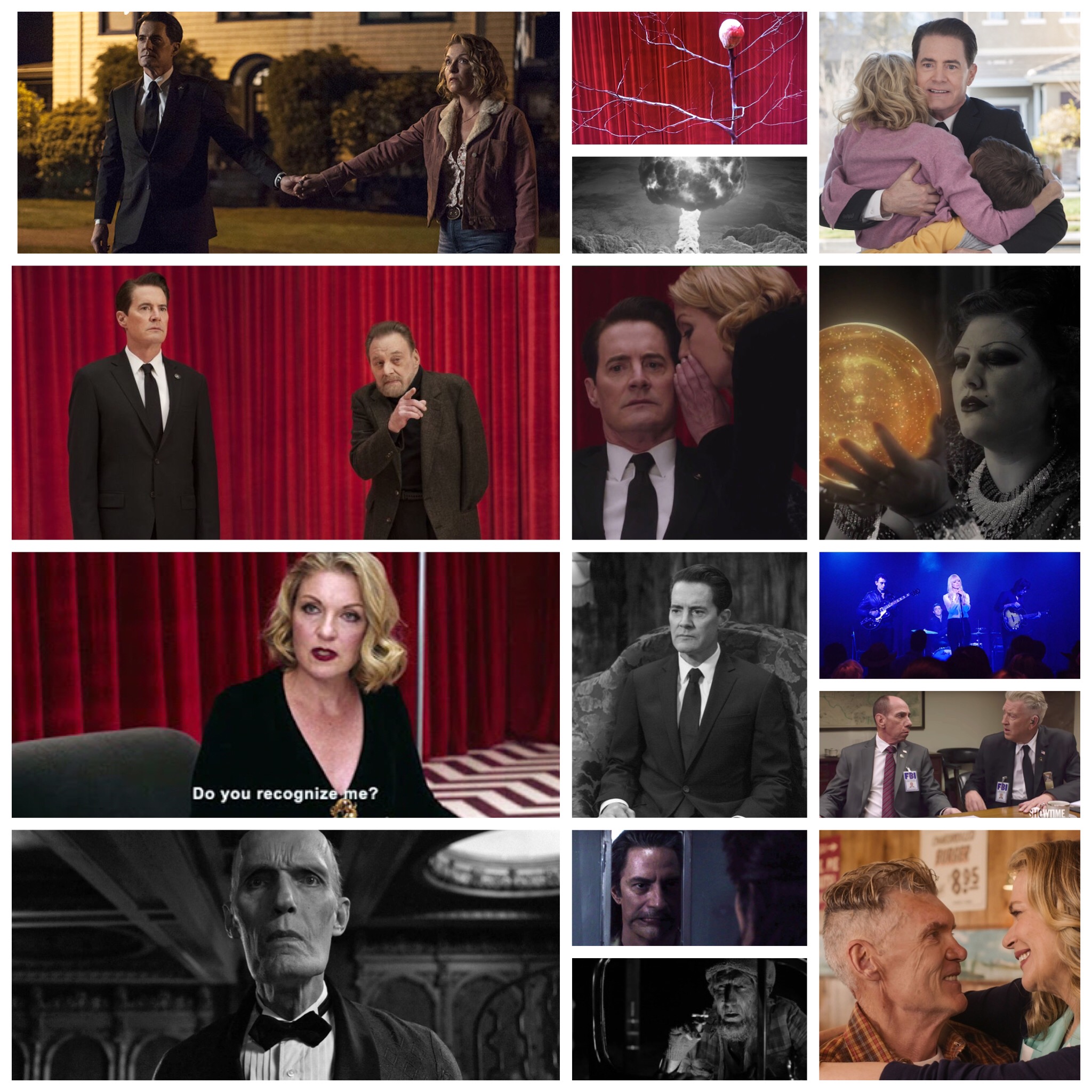
Two Wolves, a snake eating its tail and a secret- A review of Twin Peaks: The Return by Nate Hill 


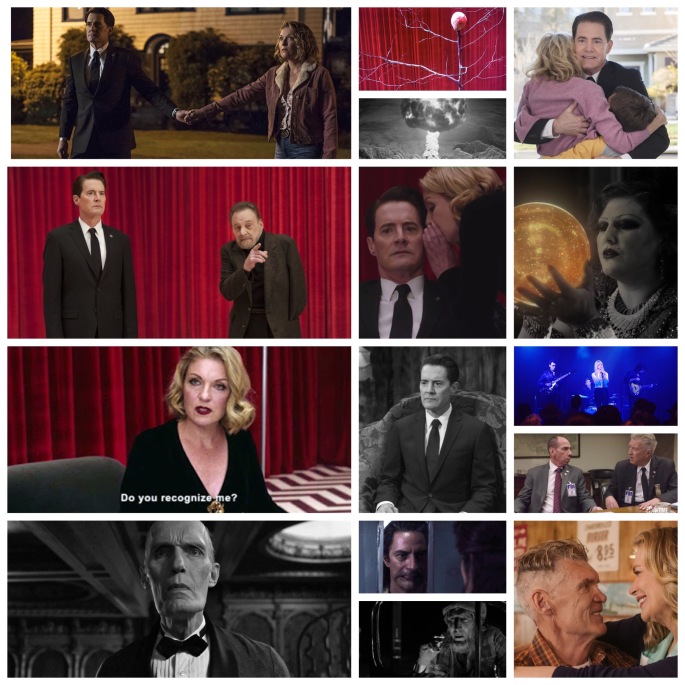
Twin Peaks: The Return has come full circle, and I mean that quite literally. Carefully, lovingly and maddeningly orchestrated by David Lynch, who has proven himself to be nothing short of a brilliant mad scientist of the cinematic arts, this is an endlessly deep, fiercely creative vision that refuses to compromise or meet anyone halfway, and it’s all the better for it. Showtime gave the man full and total control over every aspect, a decision they most likely didn’t fully understand at the time, but one which will have a beautiful ripple effect upon the landscape of serialized television and art itself in the decades to come, just as the original series did until now. 
  As the show unwinds in elliptical, rhythmic kaleidoscope fashion, it arrives at what can be called an ending only for the fact that there must be a last episode, but it’s not really an ending at all, there never was one in Twin Peaks, and likely never will be, a quality that has given it it’s vitality since day one. Many are having trouble accepting Lynch’s open ended, haunting finale, and that’s alright, considering human beings are simply wired to seek answers, and engineered to get frustrated, hostile even, when they aren’t provided. If one sits at a table with a jigsaw puzzle spread out, how would it be if the puzzle were quickly, neatly solved? The very quality that makes it a puzzle evaporates, the mystery gone, and one would simply lose interest, get up from the table and walk away. Now, if a handful of pieces are missing and never found, if the puzzle remains unsolved indefinitely, it feeds the observer with the fuel to pour thought, attention and care into continuously pondering how they might fit the pieces together, if ever at all. In short, the mystery lives on, and on. Lynch understands this, and it’s a wondrous gift to give fans, who no doubt will have Twin Peaks on the brain until the day they move on to the white lodge. It is quite literally the gift that keeps on giving. Like a snake eating it’s own tail, like the never ending, billowy curtains of the labyrinthine Red Room, like the portentous infinity symbol that the Philip Jeffries teapot warns Cooper with, this is a story that has ends, beginnings, middles, alternate timelines, repetition and, thanks to the intangible forces constantly at work, will never truly be at rest, at least not in any way that we can comprehend. 
  The themes which have fascinated Lynch his whole career are in full bloom here like never before, but one that takes centre stage after being deftly touched upon in the show and Fire Walk With Me is that of duality, light versus dark and the uneasy realization that the line between them isn’t as stark as we’d like it to be. Leland Palmer was always thought to be possessed by Bob, unbeknownst of his heinous atrocities, a babe in the very dark woods. Fire Walk With Me blew that comforting certainty right out of the water with some very dodgy scenes implicating Palmer himself, blurring the lines to show that although good and evil may indeed occupy opposite sides of the fence, they most certainly hop over and tread on each other’s lawn, a truth that has been shied away from in cinema quite often, but one which Lynch won’t let you tune out so easy. As we see a mullet adorned doppelgänger version of Cooper engage in a tirade of crime and violence across the states, the real Agent Cooper, or at least that part of his soul that’s trapped in the embryonic limbo of a pastel phantasmagoria Vegas, seems lost in a sea of characters we’ve never met before the Return. When it comes time for that inevitable showdown, it’s quick, and the surface level battle is skimmed over so Lynch can dive into a disorienting rabbit hole in which Cooper is stoic, uncharacteristically violent, a concentrated prism of all the qualities that were separate in the worlds that came before, his psyche in narrative nursery school until Lynch hurtles past that 430 mile marker into territories with ugly truths and revelations that are hard to swallow. Two wolves fight inside every one of us, one light and one dark, but they’re only two sides of the same coin, rival essences within a single beast, and although they run along side by side, tussle occasionally and appear to be separate entities, they’re one and the same when they look in each other’s eyes, as we see in the mirror, or when we come face to face with our doppelgänger against the backdrop of a shimmering red curtain. 
Twin Peaks has always been about secrets, from the very moment that Laura Palmer’s body washed up on those shores, wrapped in plastic (or did it?). Who killed her? That one secret lead to many, and as a story unfolds that’s scope vastly captures realms far beyond the sleepy little northwestern town it began in, we see a story at play that’s so much more, one that is very much filled with secrets, a motif we were warned about almost right off the bat. “She’s filled with secrets”, the Arm gleefully imparts to Cooper. That she is. The hollow screams of a shell shocked Sarah Palmer. The haunted, weary eyes of trailer park supervisor Carl (the beloved Harry Dean Stanton). Audrey Horne sharply awakening in the frightening unknown. Cooper and Laura being foiled yet again by the powers that be (those darn Chalfonts). An empty glass box that isn’t so empty. Coordinates that nestle between shrouded mountain glades. Heartbreakingly gorgeous melodies from the maestro Angelo Badalamenti. Pages from a secret diary that document horror, madness, joy, bravery, vulnerability and an odyssey through time, space, love, evil and of course good, the secrets that keep us coming back for more each time. Lynch has spun his magnum opus here, a tale where every piece is important, even the ones we may likely never find. A testament to the power of storytelling, a treatise on the mystery genre, everything I could have hoped for in a return to the town of coffee and cherry pie, and a full on bona-fide masterwork. See you in the trees, and whatever kingdoms lie beyond them in the glow of the red curtain, the purple seas, the hum of electricity in the dreams of a homecoming queen and a lone FBI Agent on a road trip to…
Sebastian Silva’s Magic Magic


Sebastián Silva’s Magic Magic is a terminally bizarre little experimental film that simultaneously fascinates and prompts the viewer to wonder why it was ever made in the first place. Starring a posse of young, uber famous Hollywood talent that usually draw crowds in numbers, Magic somehow managed to slip under the limbo bar and avoid everyone’s radar undetected, no doubt a result of any marketing being smothered by a studio who wouldn’t have been able to sell the thing as it was presented to them. Jarring, aloof, persistently weird and frankly all over the place, it’s worth a look just for the sheer novelty, I suppose. A trip to Chile turns into some kind of nightmare for a group of youngsters played by Juno Temple, Catalina Sandino Morena, Emily Browning and an apparently mentally challenged Michael Cera, when one of them starts to display unpredictably odd behaviour, feverish delusions and violent outbursts that would give Father Lancaster Merrin the willies. Temple, an actress who admirably always takes risks, goes full on whackadoo here as the disturbed girl, plagued by restless mental instability caused by who knows what, subjecting her friends to her unsettling monkeyshines. Cera’s performance is so odd and tonally oblong it’s like he’s in a school play and his lines have been dubbed over by someone who’s first language is not English, I honestly don’t know what he was going for, while Browning does her pale and sultry thing dimly in the background. Is Juno just off her rocker? Are there invisible spirits at work that have latched onto her? Did the filmmakers even know when they made this? My guess is no, and sometimes that can work, but you have to present a final product that at least flows through it’s ambiguous arc naturally, and this one just feels off where it should draw us in. Neat camera work, Temple is engaging as she always is and makes a vivid, if ultimately perplexing impression, but overall it’s an unlit tunnel of a film that we emerge from and go “huh?”, and not in a good way.

-Nate Hill

Atomic Blonde 


Atomic Blonde is the annual adrenaline shot the action genre gets every year, if we’re lucky. Amidst carbon copy superhero extravaganzas, increasingly ridiculous Fast/Furious hemorrhages and head scratching animation ventures, the multiplex is a frustrating realm these days, but sometimes we are blessed with a good old fashioned hard-R action blitzkrieg that turns out to be a pure banger, lighting up the summer movie roster like neon fireworks. Blonde rides the wake that John Wick left behind, a refreshing, stylistic, no-holds-barred form of action storytelling that cheerfully pisses in the face of all things glossy and PG-13. Set in a frenzied Berlin days before the wall comes down and the Cold War freezes over, Charlize Theron is a breathtakingly sexy super spy with a very particular set of skills and a borderline nihilistic approach to espionage, as well as a massive bone to pick with certain factions of the enemy, who stay fairly hidden until the wicked chess game of a plot rounds it’s final curves. Tasked by a sneaky British intelligence honcho (Toby Jones) and a mysterious CIA Agent (John Goodman, excellent as always) she’s caught between all kinds of warring assets including the KGB, roaming German euro trash punks and a British rogue agent (James Macavoy) playing all sides at once. The plot serves action, to be sure, but it still takes itself seriously amidst all the punches, flying kicks, icepicks to the jugular and careening vehicular destruction. Theron is a primal piston of wanton violence and slinky sexual virility, throwing herself headlong into every action sequence with the kind of reckless abandon that makes you believe those bruises for real (apparently she busted a few ribs for real filming this, the absolute champ). The highlight is a bone shattering one take wonder of a staircase fight, a hapless Eddie Marsan bandaging a bullet wound with swaths of duck tape while Theron furiously dispatches several enemies using any means within arms reach, a spectacle that leads to glorious cringes once the hits get hard and critical and sharp objects start getting close to eyeballs and major organs. The soundtrack must be noted too, the filmmakers employing nostalgic melodies straight out of the 80’s to evoke time and place nicely, with everything from Nina’s 99 Luftballoons to The Clash’s London Calling and Queen’s Under Pressure coming into play. There’s also pretty much the hottest movie sex scene I’ve seen in years, as Theron and a bombshell of a French agent (Sofia Boutella) get slippery under the sheets in a neon soaked Berlin hotel room. This is an action film made by folks who are head over heels in love with the genre, and the passion shows. We never feel cheated, chaperoned or short changed, every ounce of this piece charged up to please the crowd and keep pulses thundering. 

-Nate Hill

Xavier Gen’s Hitman 


How to put this: if none of the classic video games featuring Agent 47 were ever made, and Xavier Gen’s Hitman was a standalone film, it wouldn’t be a half bad little B-movie type actioner, with a few gnarly set pieces and a level of acceptable energy kept up throughout. As a film version of these beloved games, however, it just just crashes and burns. Here’s why: the games were very specific, stealthy and designed to be atmospheric, slow burning tactical missions carefully built upon each other like a precarious house of cards, each mission more complex, difficult and risky than the last. The film? A standard Hollywood-ized action narrative that blatantly ignores every structural piece and character quality of the games. When will they learn? What’s more is, the film would have been unique, something memorable, had they followed the blueprint which the games pioneered, but they always just insist on cheapening the formula with boring old movie tropes instead of revering an already charted course which made the source material popular enough to get a film version green-lit in the first place. Ironic. Anywho, this ones your standard globetrotting cheeseball outing, with a bald Timothy Olyphant doing his best yet coming nowhere close to being a solid 47, stuck in a mucky plot involving corrupt Eastern Europeans, double crossing fellow agents and pursued by a hyped up Dougray Scott as some Interpol bigwig and Robert Knepper as a shady Russian (dat accent tho) secret police dude. 47 is betrayed by his own organization and tossed to the dogs, forced to go rogue and, in the film’s most grave plotting misstep, saddled with babysitting duty to a Slavic damsel in distress (Olga Kurylenko). They seriously just gotta hurl a Bond babe into every flick that remotely resembles a 007 venture, don’t they, which is a major offence when you look at what a ruthlessly mythic, near inhuman creature 47 is in the games, and what a manipulatable chump he becomes when pinned under the yoke of this painfully silly script. The 46 I know would just as soon as bury a bullet in this chick’s head as let her tag along and become a liability, let alone start to develop (cringe) human emotions. Such are the dollar signs in the eyes of studio execs though, and any hope of a faithful adaptation suffers as a result. The few sequences that work, including a hotel escape and a subway car Mano á mano between 47 and his genetically altered fellow killers, just don’t feel remotely inspired by, or in the spirit of the video games. The film has a few muted notes of originality, but any action piece that feels the need to pilfer John Powell’s Bourne Identity score instead of hiring a composer to whip up something fresh just can’t be taken seriously. Big ol’ meh from me, think I’ll rent out a PS2 from the pawn shop and settle in with Hitman: Blood Money again, because this shit doesn’t cut it. 

-Nate Hill

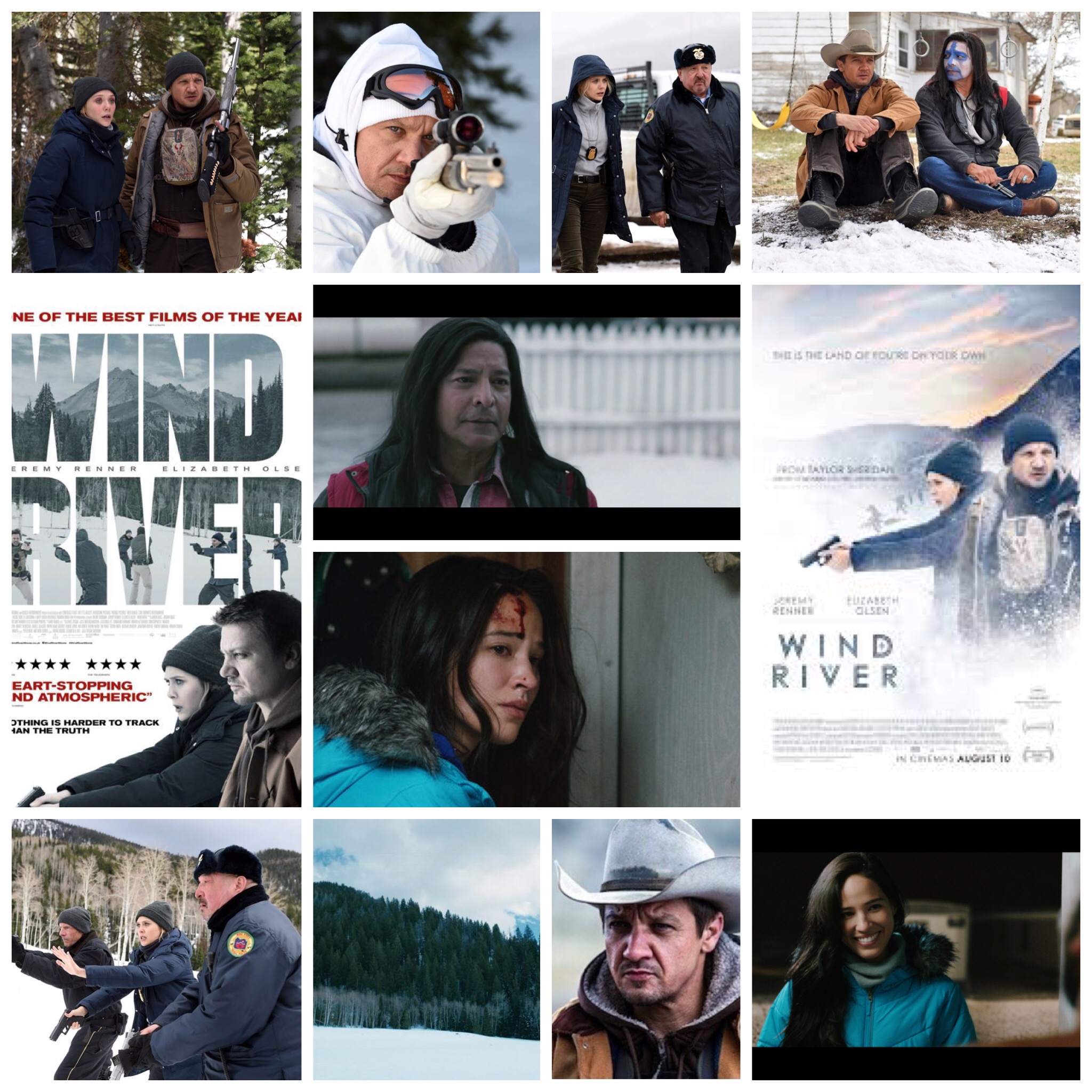
Taylor Sheridan’s Wind River


“I knew this girl, and she was a fighter. However far you think she ran, I can promise you she ran farther…”
I couldn’t find an exact verbatim quote, but that’s the kind of affecting, succinctly written dialogue to be found in Taylor Sheridan’s Wind River, a deeply moving knockout of a film. The third in a so far brilliant stateside saga dubbed the ‘frontier trilogy’ (following Sicario and Hell Or Highwater), River is the beast of the bunch, a surprisingly emotional, fully engaging murder mystery set in yet another harsh, weather beaten vista where life struggles to survive, namely a desolate Indian reservation in the heart of Wyoming. We open with life in jeopardy right out of the gate: as Nick Cave’s haunting original score howls across the snowy plain, a terrified young girl flees through the landscape, alone and injured. She doesn’t make it through the night. This sparks an investigation from the scant law enforcement the area has to offer (Graham Greene is wonderfully world weary as the tribal Sheriff), a rookie FBI Agent (Elizabeth Olsen) and a veteran game tracker (Jeremy Renner in hands down the best work he’s ever done) who’s rocked by his own personal tragedy. Their task is anything but easy, stalled on all sides by criminal activity, uncooperative suspects and that ever present, ruthless winter climate. The mystery, although not quite as elaborate as one might imagine going in, is an unfortunate and infuriating situation that fires up the blood, as well as Renner’s dogged hunting instinct and need for retribution, an act he solemnly promises to the girl’s broken father, played by Gil Birmingham in the kind of show stopping, heartbreaking performance that pretty much demands a best supporting nod. Renner is just… so good, and it’s jarring to see him out of that glossy Hawkeye getup and in a role with some real heft, but he carries himself with grave charisma, especially in a monologue that will have eyes, ears and hearts rooted to the screen. This is Sheridan’s first time in the director’s chair and the guy proves he’s just as uncannily gifted as he is with writing, especially when it comes to action, his rendition of the classic Mexican standoff/shootout is queasily suspenseful and the best sequence of it’s kind that I’ve seen in years. He’s also got a knack for finding just the right musical talent for his pictures as well. Sicario saw Jóhann Jóhannsson whip up an audible nightmare of a score, and Hell Or Highwater also had the benefit of Cave and Warren Ellis, whose compositions here echo out through the desolation like laments for those lost, dead and buried under the snow. Tightly paced, emotionally rich, suffocating in it’s scenes of tension, cathartically invigorating when it needs to be, all of the best things a story should be are on display here. If Sheridan’s output continues to ascend the way we’ve seen so far, he’ll singlehandedly save ol’ Hollywood. 

-Nate Hill

B Movie Glory- Mirror Wars: Reflection One 


Mirror Wars: Reflection One is a miserably bad, slipshod Russian produced Top Gun/Bourne Identity clone that seems to exist only so three genre heavyweights can collect a nice little paycheque. The fellows in question are Malcom McDowell, Armand Assante and Rutger Hauer, and the trio grimace their way through grade school dialogue plus a nonexistent, comatose plot line, surrounded by Russian no name ‘actors’ who do anything but perform decently. Everyone here is some sort of clandestine spy or cloak n’ dagger federal heavy, all out to get a cutting edge self flying aviation AI program implemented in fighter jets, or at least that’s what I got out of it. McDowell is a sinister nutjob who plans to steal it or something, with surprising stunt agility for a dude his age. Assante is some bumbling, overzealous law enforcement pazzi who traipses all over Eastern Europe doing not much of anything, while Hauer is a mystery man literally credited as ‘Mysterious Man’, some all powerful spook who pulls the strings on everyone. The main flub here is dubbing, as in whoever they brought in to lay English voices over those of the Russian actors, because they sound like deaf people with mouths full of maple syrup, and that’s no exaggeration. At least hire a few competent VO artists to lay in some English bars so the pitiful few people who actually give this thing the time of day (myself included, sadly) can understand the badly written dialogue. But no. Aside from the three legged table of wasted talent that Hauer, Assante and an especially gamy McDowell provide, this ones for the dogs.