24 years old from Vancouver, Canada. Loved movies since I can remember. I do reviews on Instagram and Facebook as well, and after being harped at by my friends to start a blog as well... Here I am. I try to give obscure, overlooked films a day in court, ones I feel are hidden gems, that deserve to get some love.
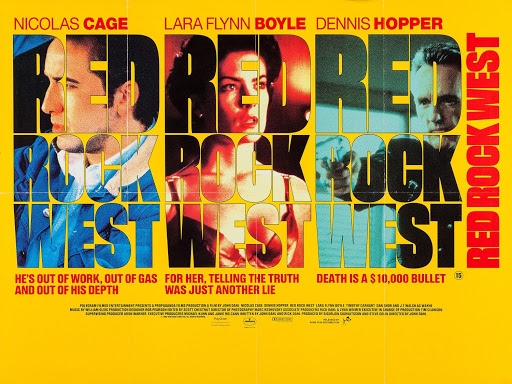
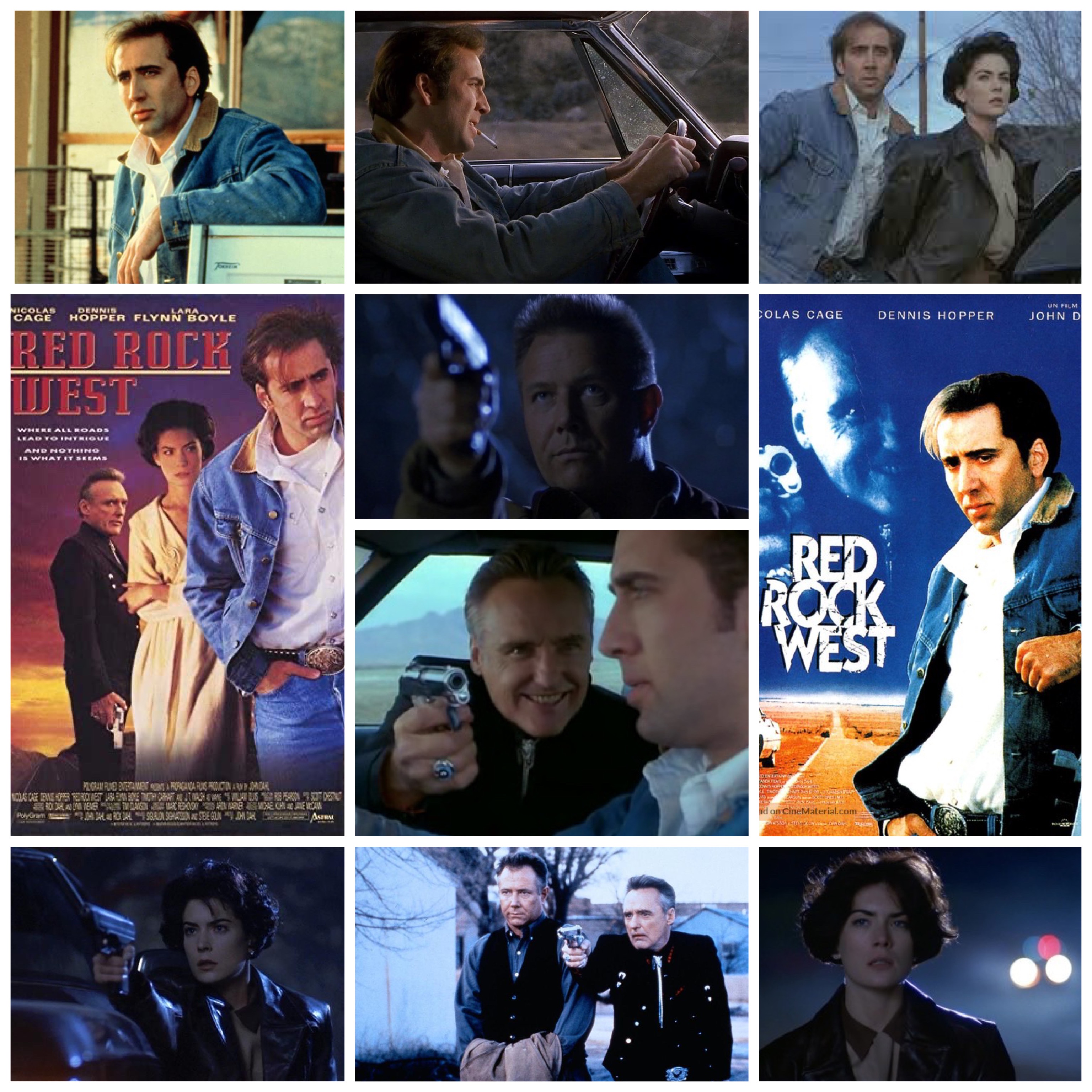
Ever drive past a dusty one horse town on the edge of some forgotten interstate in the middle of nowhere and wonder what kind of crazy shit the shady locals get up to with too much time on their hands? So does John Dahl and his terrific neo-noir/Western hybrid Red Rock West is a diabolical good time at the movies. It’s one of those deliciously twisted narratives where everyone is out to kill each other, they all are angling for the Money McGuffin buried somewhere out there (in this case a graveyard) and everyone is a deeeitful, sociopathic piece of work. This differs from other such similar noirs out there because Nicolas Cage’s forlorn, weather beaten protagonist is a fundamentally decent guy, a righteous dude who has a terrible case of ‘wrong place wrong time’ syndrome. After meandering around looking for work to no avail he wanders into the town of Red Rock and more specifically into the local bar owned by Wayne (J.T. Walsh), a man who looks perpetually suspicious and nervous at the same time. Wayne has called in a contract killer from Dallas to murder his wife (Lara Flynn Boyle) and inadvertently assumes that Cage is the guy before, you know, checking his ID or something but in a town that sees like one drifter or newcomer a year we can forgive his oversight. Cage becomes hopelessly embroiled with Wayne, his wife, the rest of the local police force and even the actual hitman who shows up a week late like a tornado in the form of Dennis Hopper, having a scene stealing blast in Frank Booth Lite mode. There’s double crosses, murders, hidden identities, shootouts, sexy seductions and all manner of naughty fun as only a noir can provide, given low key yet somehow terrifically pithy verve by Dahl and his wonderful quartet of actors who are all clearly having a party. Cage smoulders yet ultimately is a force of conscience and reason amongst such wanton bad behaviour, Boyle does the same slinky, sly sexpot thing she’s done in other hard boiled flicks, Walsh was just so damn good at playing contemptible scumbags and Hopper is off the chain as ‘Lyle from Dallas.’ I enjoyed how he and Cage are two of the many, many US veterans scattered to the wind following any given war, left to their own devices and somewhat abandoned by the system, and they both have tread very different paths that have somehow led them into each other’s orbit once more. Cage is decent, low profile and hard working, Hopper is a rowdy, morally bankrupt assassin and it’s quite fascinating to see the two clash royally. If you like your short, sweet and offbeat, this is the ticket, one of the most fun crime films the 90’s has to offer.
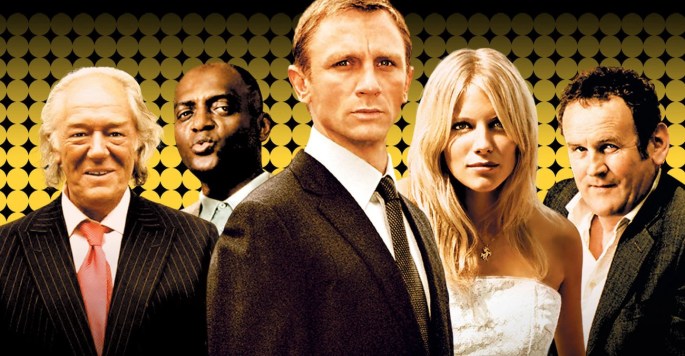
Layer Cake is a British gangster flick whose posters say ‘from the producer of Snatch and Lock Stock & Two Smoking Barrels’ and indeed director Matthew Vaughn did work on those sub-genre defining films but it’s a bit of a sneaky ploy to splash that across the poster because this film is galaxies away from those two in terms of tone, style, pacing and overall fibre of content. Guy Ritchie’s Brit crime films (which I adore) are akin to Wonka’s factory all colour, swirl and flash but this one exists in something more like an upscale steakhouse and provides solid, grounded content to digest and work over later on. That’s not to say it isn’t without flair or flourish, there’s a lot of propulsive mayhem, cheerful dark humour, peppy British dialogue and menacing extreme violence but it just somehow feels… more down to earth.
Daniel Craig is a London coke trafficker credited simply as XXXX, a wry gesture that hits the mark because this guy, although far from anonymous, could be any one of us: a strait-laced, level headed dude who thinks he can tread around dangerous waters without getting his feet wet. Well there be dragons in those waters, dragons who have big plans for him in the form of various London underworld figures from brain dead, peacocky underlings to Machiavellian figureheads of immense, baroque and frightening power. His operation is funded and mother goosed by a wealthy thug called Jimmy Price (Kenneth Cranham in a study of pigheaded volatility), who scoffs at Craig’s plans of early retirement and tasks him with two seemingly simple tasks: 1) mediate a sizeable ecstasy transaction that is in danger of flying off the rails and 2) babysit the wayward druggie daughter of his own boss Freddie Temple (Michael Gambon basically playing the devil to the point of self referential glee), a man with whom you never want to fuck. Of course neither of these errands are cakewalks and things begin to viscously spiral spectacularly out of control in ironic, deliciously karmic fashion until it ain’t readily clear who’s betraying who, who wants what and who is simply wandering about in a narrative haze wondering what they did to deserve such a conniption fit of cacophonous roundabout shenanigans.
I don’t want to give the impression that this is an overly confusing or messily told tale because it’s not, it makes perfect and clear sense (like all these mad dash crime flicks) if you’re paying rigid attention or spin it through the DVD player more than once, it’s just refracted through a stylistic prism whose purpose is to befuddle, but that’s half the fun. Craig’s character is a terminally busy guy once things all kick off, so much so that not even getting to third base with a gorgeous lady friend (Sienna Miller) can stop him getting hauled out the door back to work (been there). He’s a smart guy in a sea of other guys who are either way smarter than him or way dumber, both species proving equally as dangerous. There’s his two mates Clarkie (a boyish Tom Hardy) and Morty (George Harris is superb) who race to keep up, Jimmy’s hotheaded righthand man Gene (Colm Meaney, who can’t sit still for two seconds, love his energy), one very angry Serb (Marcel Iures), a dirty cop (Dexter Fletcher) who comes in quite handy and all manner of other cretins and oddballs for our hero(?) to contend with. At the end of it you kind of sit there, in a daze and in the dust, wondering what kind of speeding locomotive just hit you, and kind of wishing it would turn 180 degrees on the tracks and come back for more as it was so much fucking fun. And the end? Well, let me just say that no American studio film would have the balls to pull a stunt like that and I was admittedly stung by it at first but when you think back to what kind of lifestyle Craig’s character leads, who he associates with (on purpose or by circumstance), his profession and exactly the kind of thing all these seasoned criminals warned him of, it makes sense as a sort of brutally poetic final thunderclap to his arc. Brilliant film.
It’s always neat when a filmmaker gets to direct a feature for the first time and gain traction with their debut, one can sometimes get a sense of a fascinating career to come from an artist’s initial output. German director Fritz Böhm scores huge points in this arena with his debut feature Wildling, a wonderful concoction of folk horror sensibilities, a coming of age tale, lycanthropic creature effects, moody ethereal atmospheres and odes to Grimm Fairytale lore. It’s a lot to take on but never feels like too much for him or his accomplished cast of actors who all give beautiful performances.
Ana (Bel Powley) is a young girl who is raised alone in a remote cabin by a man she knows only as Daddy (Brad Dourif). He tells her her she cannot go outside for fear of the Wildling, a monster who eats children and hunts for her as she is the last of her kind. When she becomes a teenager things get complicated and through circumstance she finds herself in the outside world, a small town whose Sheriff (Liv Tyler) takes her in. She’s changing though and as the encroaching Northwest wilderness surrounds the town like an elemental spirit, so too does her emerging true nature haunt these people and cause fear and hatred, especially in a few folks who have hunted her race in the nearby mountains for generations while a mysterious, silent woodsman (cult actor James LeGros is right at home in this type of thing) hover around the woods around them.
This is an absolutely gorgeous film and hits hard for a number of reasons. Powell is a great find and turns confused naïveté into fearsome, raw primal power in a very physical performance. Brad Dourif is legendary and pretty much incapable of work that is not astonishing, and here too he provides a tragic, violent, conflicted and very intense portrayal of a man whose actions and decisions follow him like a storm. The film is beautifully shot, fluidly edited, the story is rich, deep yet never over complicated or stuffed with any stale exposition. Paul Haslinger, formerly of Tangerine Dream, composers an earthy, ambient and altogether classic original score full of nature’s essence, the danger of forests at night and the visceral thrill of discovering ones very own identity for the first time. It’s drama, horror, folklore and more in one seamless package and I love it.
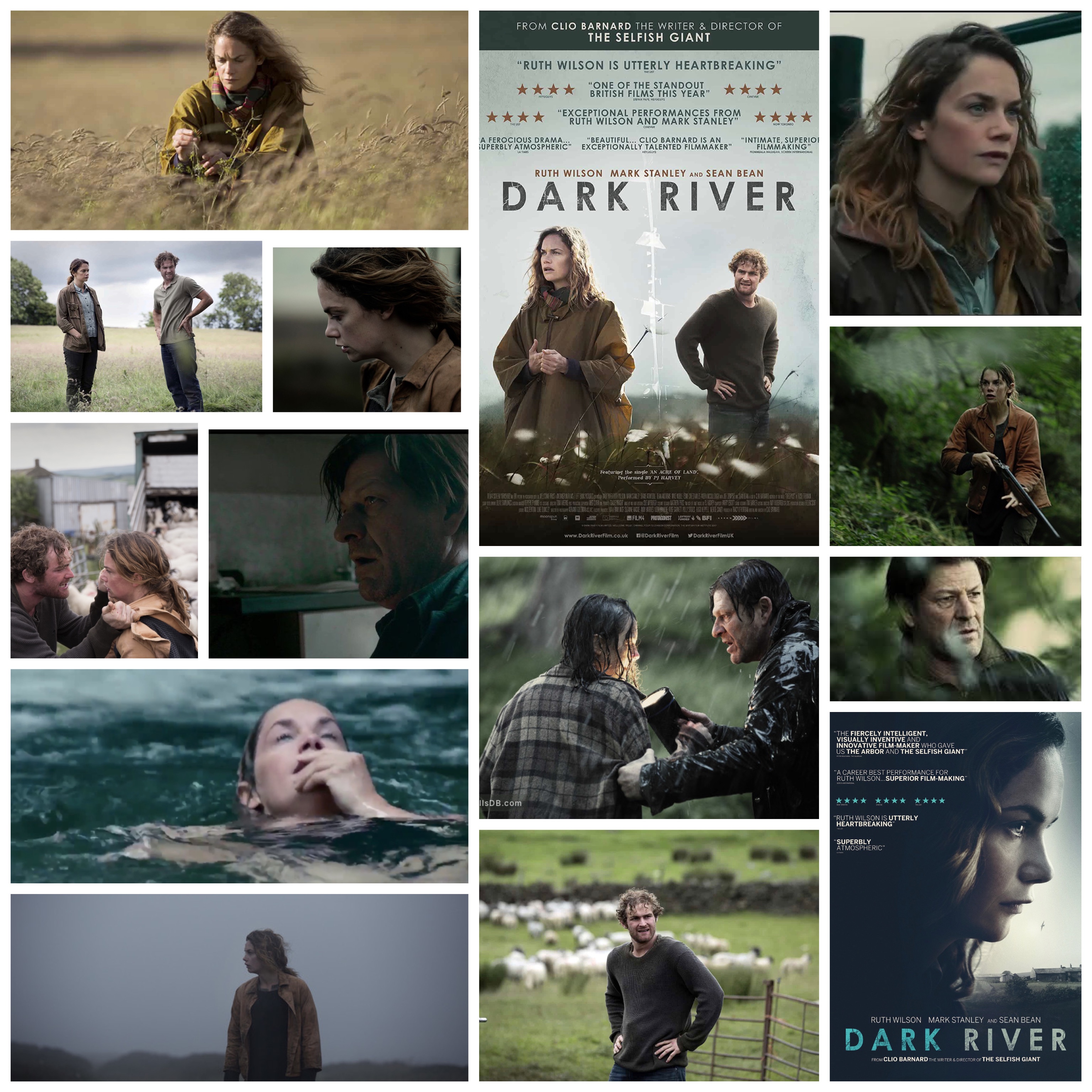
Isn’t Ruth Wilson incredible? I think so, and I haven’t even seen her in all that much but she makes such a vivid impression each time and fills the screen with her presence, like this generation’s s answer to Meg Foster. She stole the show in Gore Verbinski’s underrated Lone Ranger update and made a terrific Marissa Coulter in BBC’s impressive His Dark Materials but her work in the quietly devastating Dark River from filmmaker Clio Bernard is my favourite thing she’s done so far and is an uncommonly good, intuitively calibrated piece of organic acting.
Dark River sees her play Alice, a guarded, introverted woman who returns home to the farm near Yorkshire where she grew up after learning that her father has passed away. There she finds ghosts that linger in the squalid air, the half remembered recollections of sexual abuse at the hands of her own father, events that the homestead seems to somehow hold in the space like memories out of place and time yet still languishing about the place just to haunt her. She clashes with her troubled brother (Mark Stanley) over who will inherit the property as her father seemed to want her to keep it, and they both have different ideas on both how to run it and what to eventually do with it. This film didn’t go over with some people because of how ambient and naturalistic it is but if you need your thematic and narrative sustenance spoon-fed to you in an accessible form you’ve really picked the wrong film. This is a story about the things unsaid, the pauses between words, the feelings that sensory recall evokes and the way a place, so specific in setting and atmosphere, can dredge up memories never thought to be felt again.
Ruth is transcendent and heart wrenching as Alice, who harbours deep trauma from her father’s abuse and confused resentment towards her brother for never intervening. Her path is a tragic one, full of rain soaked sheep pastures, introspective turmoil and dread laced flashbacks. Yet despite all this gloom and sadness there’s a brightness and vitality to her performance, opposite notes found in a sea of woe that provide blooms of hope and retribution if only she can put the past to rest. Her story is an immediate, intimate and deeply affecting one, provided one has the proper attention to invest as it is meditative and not readily spelled out for us, the viewer but rather felt on a deeper level.
Her father is seen fleetingly in fragmented impressions of the past and is for some reason played by none other than Sean Bean in a sombre, cloudy cameo that really could have been played by anyone but I’ll never say no to an appearance from him, however brief and ghostly. Director Clio Barnard shows uncanny skill around the camera, giving us melancholy, sustained pictures of the English countryside resplendent with misty hillsides to mirror the restless mental fog that Alice must wade through on her journey home, a journey taken both inward and external. PJ Harvey’s absolutely gorgeous, elemental song ‘My father left me an acre of land’ plays ethereally in the opening and exodus of the film to appropriate effect. An acre of land unfortunately isn’t the only thing he left her and seeing her grapple, overcome and try her best to move on from it is one of this story’s great gifts. Phenomenal film.
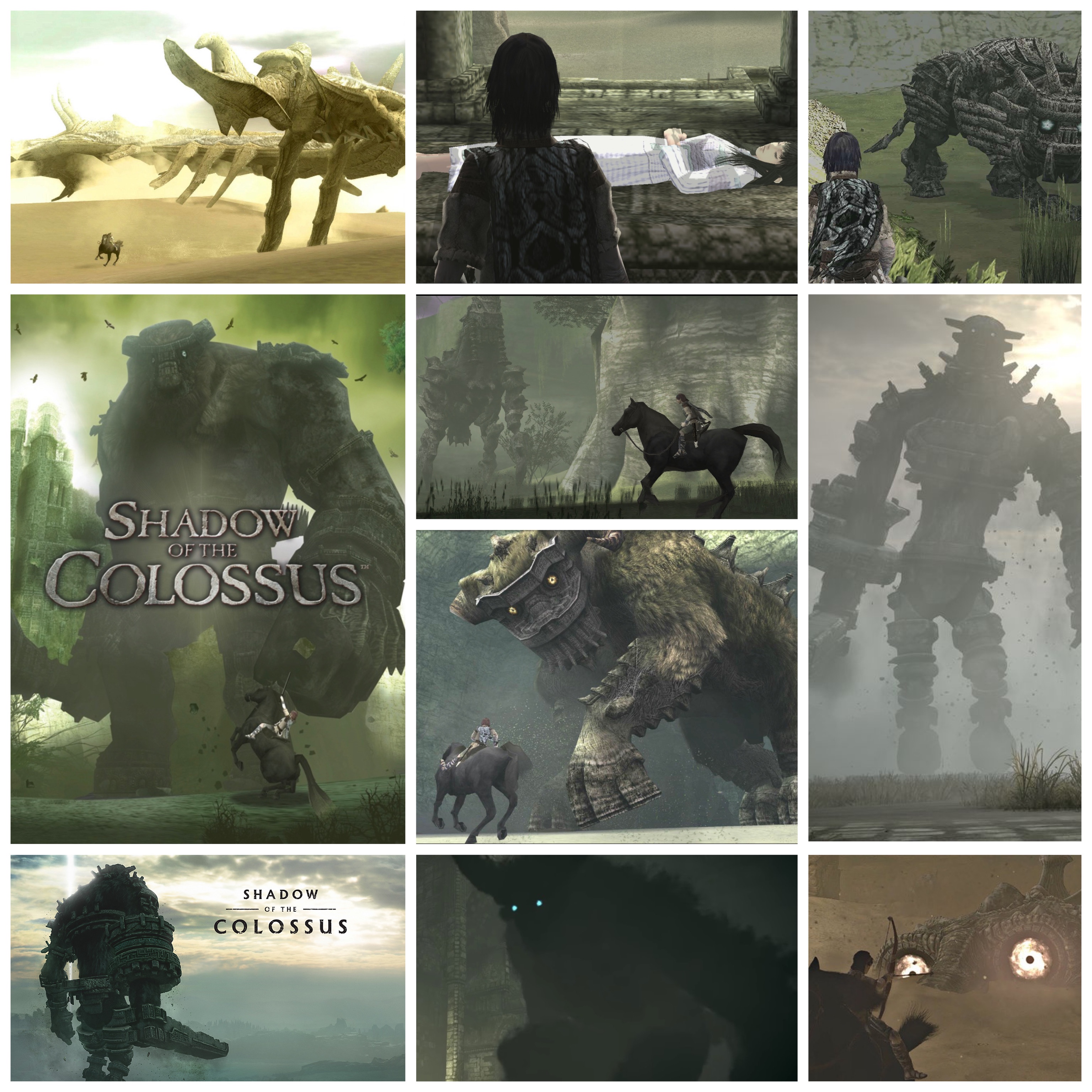
Shadow Of The Colossus is a strange and beautiful game, surreal to the point of subconscious imagery and about as ambient and unconventional as they get without going full on experimental arthouse on us. I only knew about it in the last five years or so when I was crashing on my buddy’s couch one night and he loaded it up to play long into the wee hours. I was so tired I watched him play it through that sort of half awake half asleep filter of awareness and for awhile I thought that I did *actually* dream it until months later when I brought it up and he goes “nope that was a real game, I played all night and beat it at like 4am.” I think that the reason it has that kind of power (besides the combination of alcohol in my system and being awake at the witching hour) is that it’s such a ‘different’ game. You play as a young man named simply ‘Wander.’ He certainly lives up to the moniker when he brings his deceased true love to a mysterious dimension full of rugged landscapes and giant shadowy stone giants who inhabit them. He’s directed there by a metaphysical being called Dormin and told that if he ever wishes to see his love alive again that he must fight and destroy each of these colossal entities. And that’s basically it. The game is spent wandering this breathtaking yet desolate land. Every once in a while you come across a Colossus, do battle, claim it’s life and move on further into this land. Each new giant has different a anatomy, weak points, defensive maneuvers and overall personality traits to keep each confrontation feeling new, yet part of the same collective quest. I’ve seen people rip into this game and post memes spoofing it as an experience of ‘16 bosses and nothing else’ but I feel like those people are kind of missing the point and would be much happier playing something louder and more kinetically involving. I myself have only played about five actual minutes of it and spent most of the experience watching my friend play as I drank it in like a hazy cinematic experience, but that offbeat quality is exactly what I gravitate to and this hit home. Atmosphere over action, ambience over logic and exposition, it’s the exact same way I approach film when picking what to absorb and store in my memory bank, and this thing was so good it was able to procure real estate in my subconscious. Brilliant game.
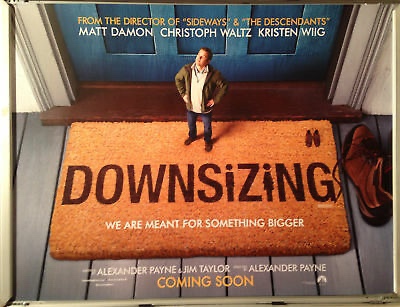
I really don’t understand the bad mojo this wonderful film gets. There’s a handful of films out there where humans either shrink themselves or are subspecies that are already small and many approaches have been made from wacky Big Hollywood comedy (Honey I Shrunk The Kids) to quaint whimsy (the varied adaptations of Mary Norton’s The Borrowers) to glib SciFi (InnerSpace) and beyond. Alexander Payne achieves something unique to its being in Downsizing though, a film that doesn’t fit any pre-existing template and sits squarely in unexpected terrain.
It’s the future, but there’s still Longhorn Steakhouses and as Matt Damon’s Paul picks up dinner from one he sees a world changing new broadcast: scientists have successfully shrunk a human being down to tennis ball size. Fast forward a few years and it has become an institution in which people undergo the treatment and live at their itty bitty size in utopian bliss to reduce impact on the environment. Paul goes for it, his wife (Kristin Wiig) has second thoughts and he’s now alone in the world at roughly the size of a rodent. He makes quaint friendships with the two adorable Eastern European hedonists (Christoph Waltz and Udo Kier sheepishly steak the show) who live next door to him as well as the Vietnamese maid (Hong Chau) who cleans their pad. The film meanders, and refreshingly so as we languidly get to know this ragtag team of tiny folk and join them on a wistful international voyage to explore the origins of this strange breakthrough. Others breeze in and out in a surprisingly eclectic supporting roster that includes Laura Dern, Jason Sudeikis, Rolf Lassgard, James Van Der Beek, Neil Patrick Harris, Don Lake, Margo Martindale and Joaquim De Almeida. I love Damon’s character because he’s just this naive average dude and, as Waltz sneakily puts it, kind of a schmuck but in an endearing way. The relationship he blunders into with Hong Chau’s Ngoc is simultaneously bizarre, touching, hysterical and heartfelt. Theirs pasts are both terminally tragic in different ways and they couldn’t be more mismatched but it somehow works, and Chau’s fiercely funny performance is a thing of affecting beauty. It strikes me as odd that this film didn’t get received better and I don’t know what to chalk it up to other than it perhaps being pretty unconventional in terms of narrative and style. It feels like a cult classic in the making, it’s fresh, unpredictable and works in every venture it tries and trust me there’s a few. Everyone I’ve watched this with has left enchanted and I really hope it’ll endure as time goes by.
Every director at some point is encouraged to challenge the aesthetic they are known for, traverse terrains beyond the thematic and stylistic comfort zone they are accustomed to and bless new lands of genre and tone with their talent. Some don’t and stick with what they know, which is fine, while others break free as David Cronenberg did with his fearsome psychological horror story A History Of Violence. Cronenberg is a horror old-hand who loves his prosthetic body parts and buckets o’ blood, albeit always accompanied by strong themes and pointed subtext. Here he trades in the schlock (but not the gore, there’s still plenty of that) for a different sort of horror, the arresting mental climate of violent criminals and the roiling psychological unrest that goes hand in hand with such vicious behaviour, no matter how hard one might try to asphyxiate dark impulses with methodical conditioning. Viggo Mortensen is Tom Stall, small town Everyman, husband, father, greasy spoon diner magnate and pillar of a bucolic slice of Americana. Or is he? The film opens as two ruthless psychopaths (Stephen McHattie and Greg Bryk are so good they deserve their own spinoff film) barge into the idyllic sanctuary of his restaurant and terrorize patrons and staff alike. Tom reacts with uncharacteristically lithe force, quickly and frighteningly dispatching both to the lands beyond with a few quick moves, several gunshots and a pot of hot coffee (one brutal fucking way to die). He’s lauded as local hero and chalks up his heroic reaction to pure instincts… and that’s when the film gets really interesting. Back in the mid 2000’s before social media it would take making international news to dredge up any sort of long buried, sordid past one might have, but sure enough the press comes a’hounding and soon trouble comes a’knocking in an ominous black Chrysler containing one very pissed off Ed Harris as ‘organized crime from the east coast’ who is sure Tom is actually a fellow named Joey, who he once shared a scuffle with over some barbed wire. So who’s lying and who’s not? I mean it’s obvious Tom has a past, the fascination lies in both uncovering it and watching him try to reconcile it with the man he has become since then. The film gets positively Shakespearean when yet another Philadelphia wise-guy played by William Hurt enters the picture and pretty much steals the fucking film from everyone, the skill that dude has is amazing and what he does onscreen in about five minutes not only demonstrates his wry, diabolical control over a scene but completely justifies the Oscar gold he went home with, fucking bravo. The film starts where many other crime/noirs would end: a man with a violent past has found a way out, a proverbial light at the end of the viscera tunnel, and lives not necessarily happily ever after… but free from the din of his former incarnation anyways. Until two punks stir the long dormant reflexes, he ends up on the news and it all comes full circle. I think this film is so brilliant because of what is left unsaid, unexplained and unexplored; it’s barely over ninety minutes long but contains enough thematic implications to fill up or at least catalyze a half dozen films. But it never feels a moment longer or shorter than it needs to be. Mortensen’s performance is about dead on flawless, full of so many veiled notes that are conjured into view with multiple watches, which the film begs of any viewer. Equally spellbinding is Maria Bello as Tom’s firebrand of a wide who finds herself at odds with her own loyal nature when the shards of truth start to eviscerate their family. She’s an actress that Hollywood inexplicably doesn’t entrust with dramatically heavy roles too often but it’s their loss because when she lands a golden egg of a character like this she practically moves worlds. Harris has a ball as the bulldog on low simmer baddie who wishes he was as big of a bad as Hurt, who almost brings down the house and start his own fucking franchise before… well, I won’t spoil it that much. I would have loved to have ‘put it simply’ in my review and not drawled on in adoration like this but it’s just that kind of film. In a way it does the same as I have: it’s barely over an hour and a half and any film of that length could just ‘put it simply’, but in that brisk runtime there’s galaxies of psychological depth and treatises on human nature to unpack. Gotta throw a late hour bone to Howard Shore’s impeccable original score as well, an austerely baroque yet somehow evocatively Midwest composition that calls to mind everything from B&W classics to his work on Lord Of The Rings, which somehow suits the mood. A stone cold classic.
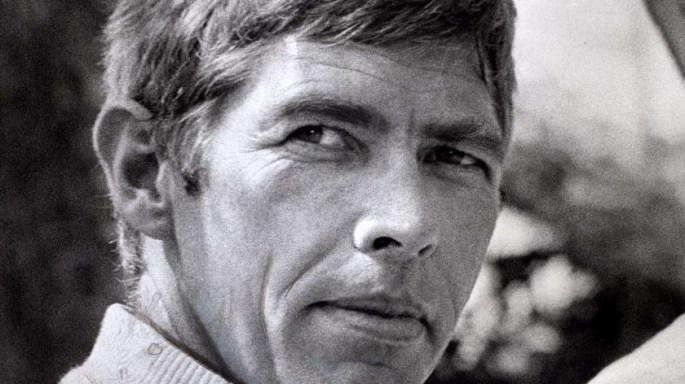
James Coburn was an interesting actor for me because he flawlessly jumped the gap between old school silver screen Hollywood and the post mid 90’s Hollywood we know today, so you’re just as likely to spot him in a Turner Classic western flick as you are to hear his deep, comforting voice in a colourful Disney/Pixar film. He had a rumbling intensity that lent itself to alpha tough guy roles early on in his career and later on blossomed into a winking joviality that saw him land many roguish old rascal types. He was one of the greats, and these are my top ten personal favourite performances of his!
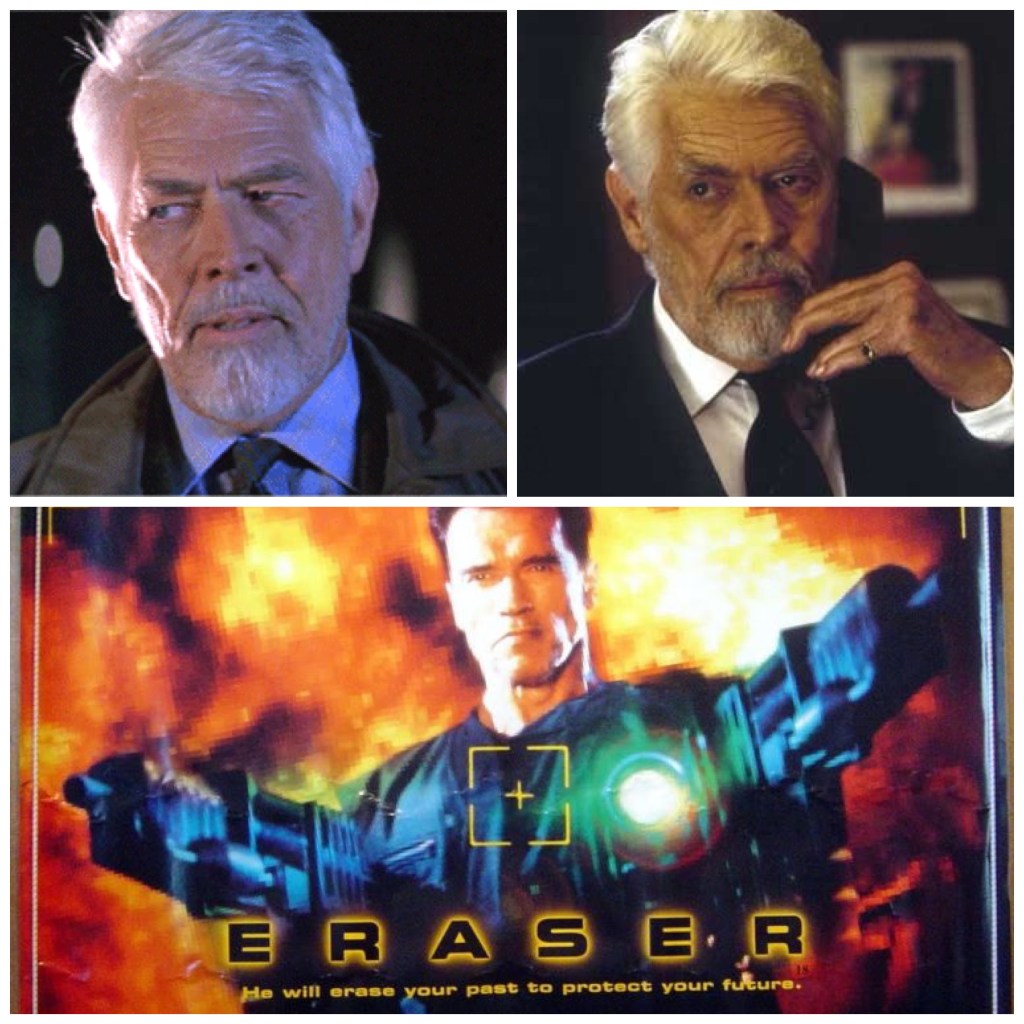
10. WitSec Chief Beller in Chuck Russell’s Eraser
He turns a quick extended cameo into something fun and memorable in this underrated Arnold Schwarzenegger SciFi romp. Arnie spends the whole film battling his treacherous former boss (James Caan) and just when Coburn’s big shot CEO shows up we think he’s going to be an even *bigger* bad than Caan but he turns out to be a pretty solid dude, acting as a Deus Ex Machina of sorts to bail the entire situation out.
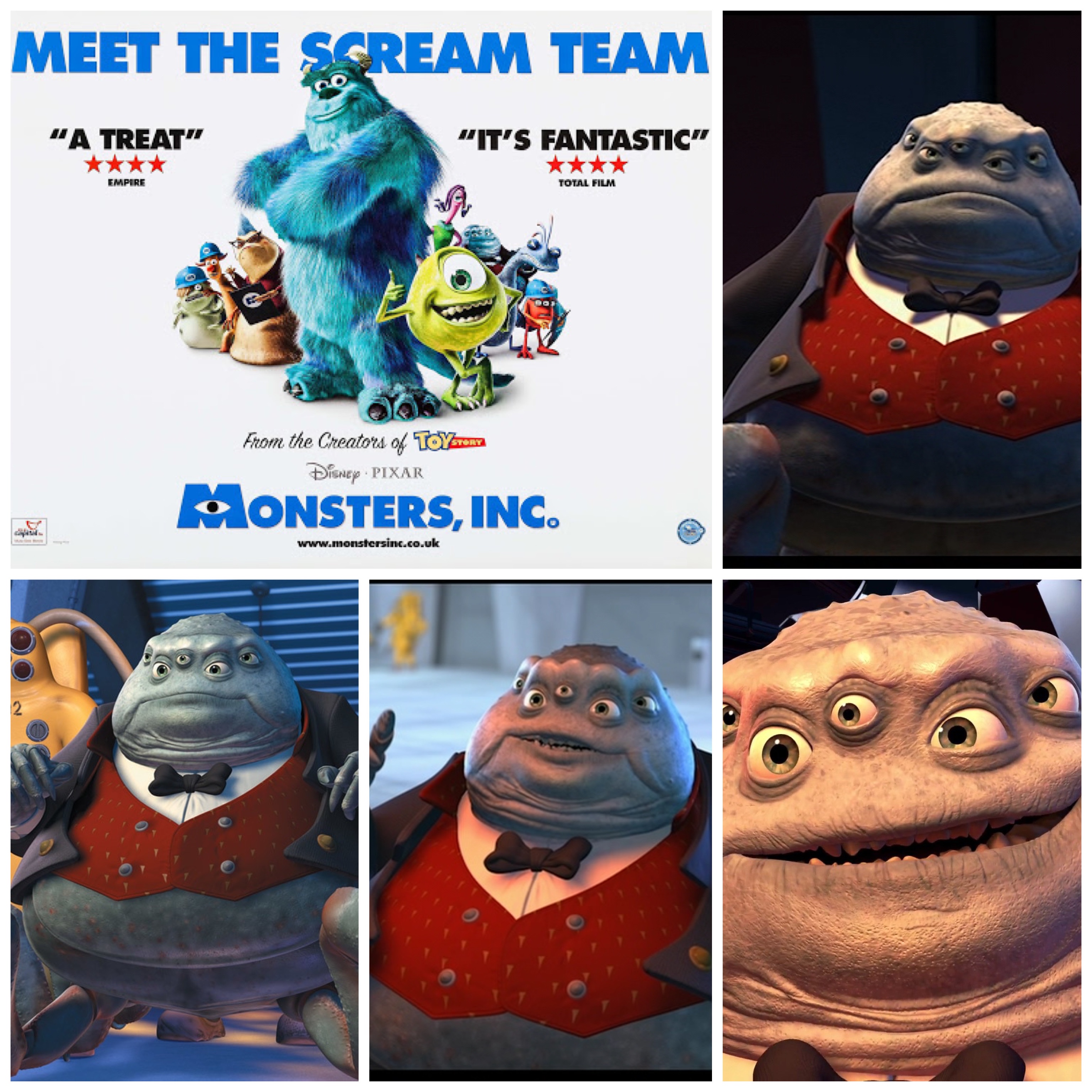
9. Mr. Waternoose in Disney/Pixar’s Monsters Inc.
Here he explores his playful side as one of the antagonists of this animated classic. Waternoose is CEO of Monsters Inc., a cranky spider-crab thing who only has the company’s interests at heart and acts in a callous, unforgiving manner given blustery gusto by James and his baritone boom.
8. Thunder Jack in Disney’s Snow Dogs
Another Disney one! This is admittedly not the greatest film, a silly city slicker in the Arctic vehicle for Cuba Gooding Jr. James is a curmudgeonly surrogate father who whips him into shape and gives him a good dose of tough love along the way. I have a soft spot for this since it’s one of the first films I ever saw in theatres as a kid, James is terrific fun in it and the squabbling banter he has with Cuba is a treat for kids.
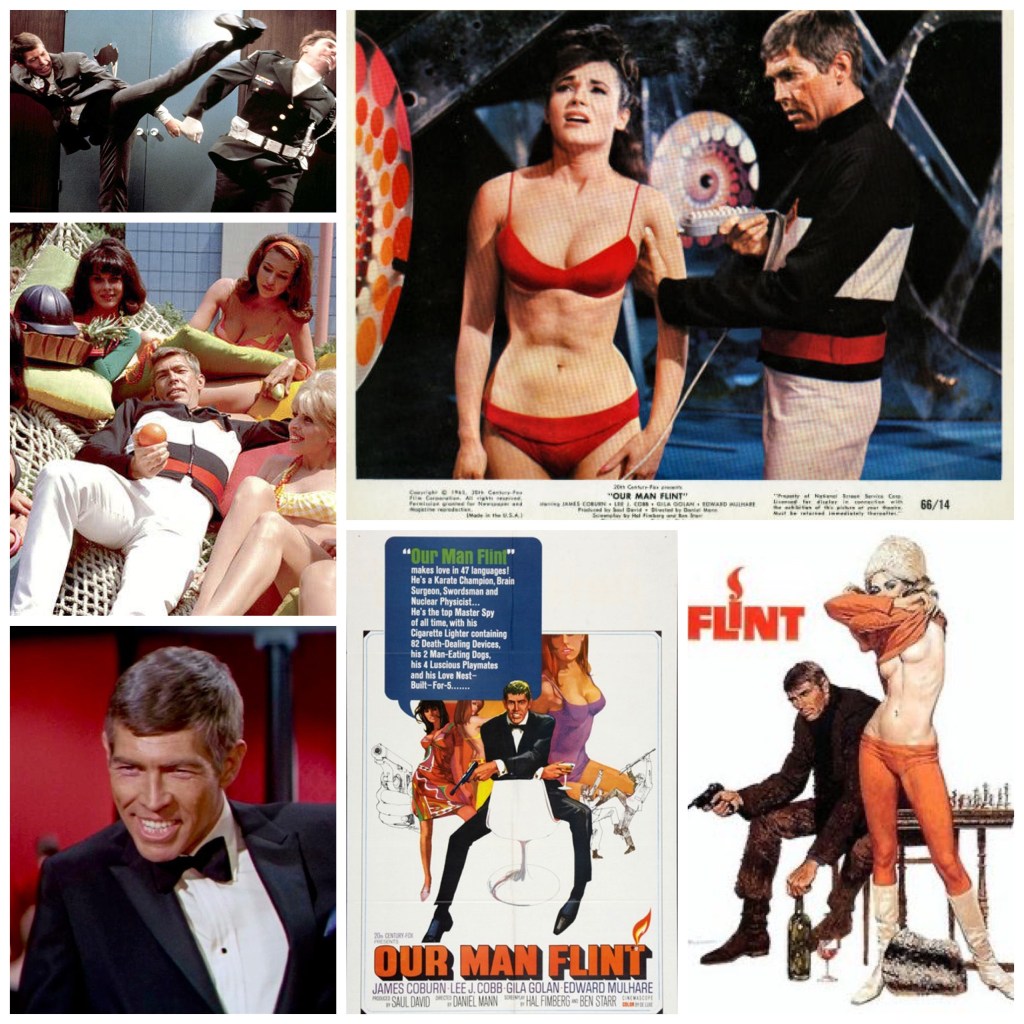
7. Derek Flint in Our Man Flint and In Like Flint
Long before Mike Myers ever spoofed James Bond in Austin Powers, Coburn starred as slick super-spy Derek Flint in these films and they are kind of all over the friggin place. Super 60’s vibe, full of sexy chicks and dastardly villains and James makes a simultaneously klutzy and suave parody of 007.
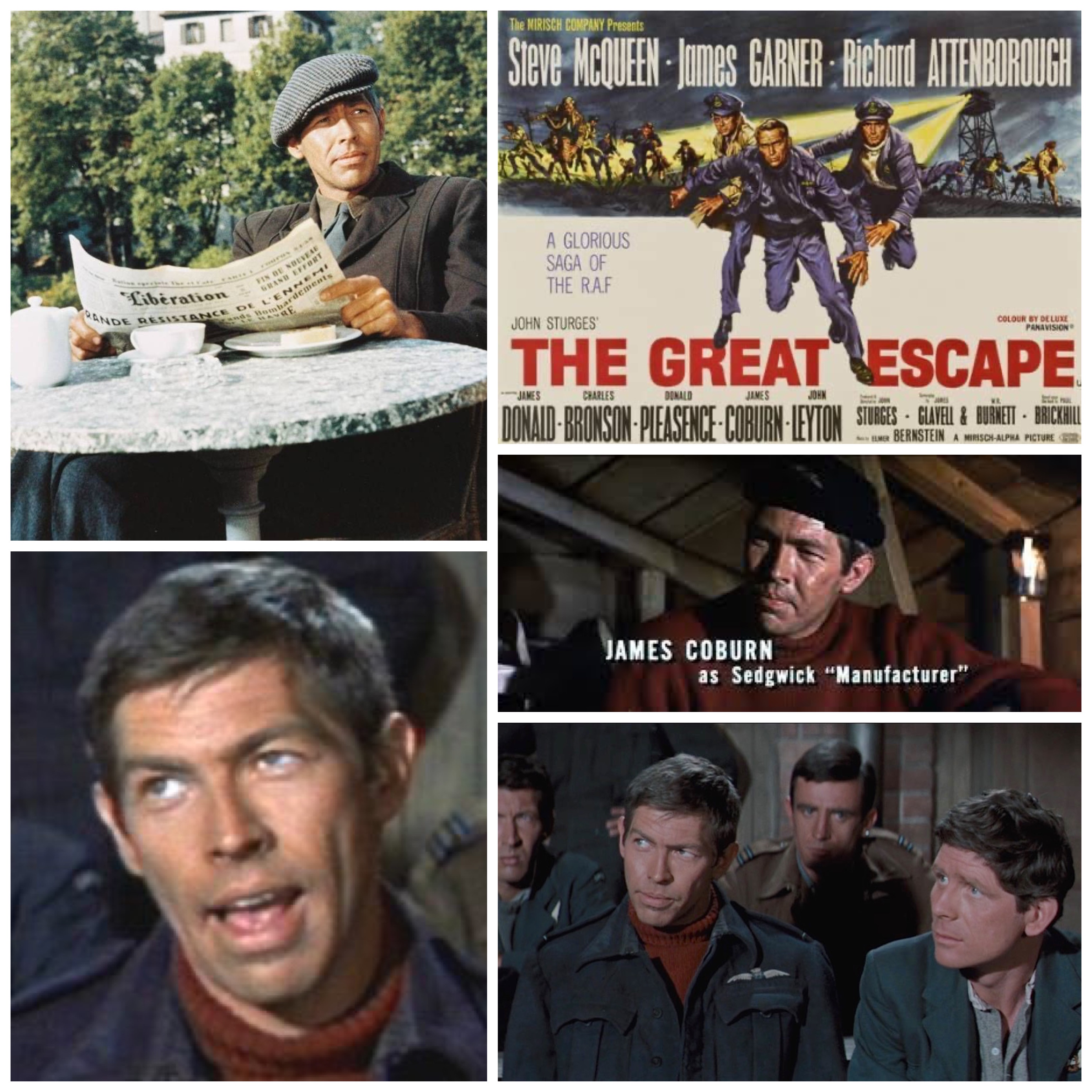
6. Sedgwick‘The Manufacturer’ in John Sturges’s The Great Escape
This classic WWII flick sees a gigantic ensemble cast full of multiple big names try and get out of a German POW camp with James playing a logistical expert and tools provider with that classic sly glint in his eye.
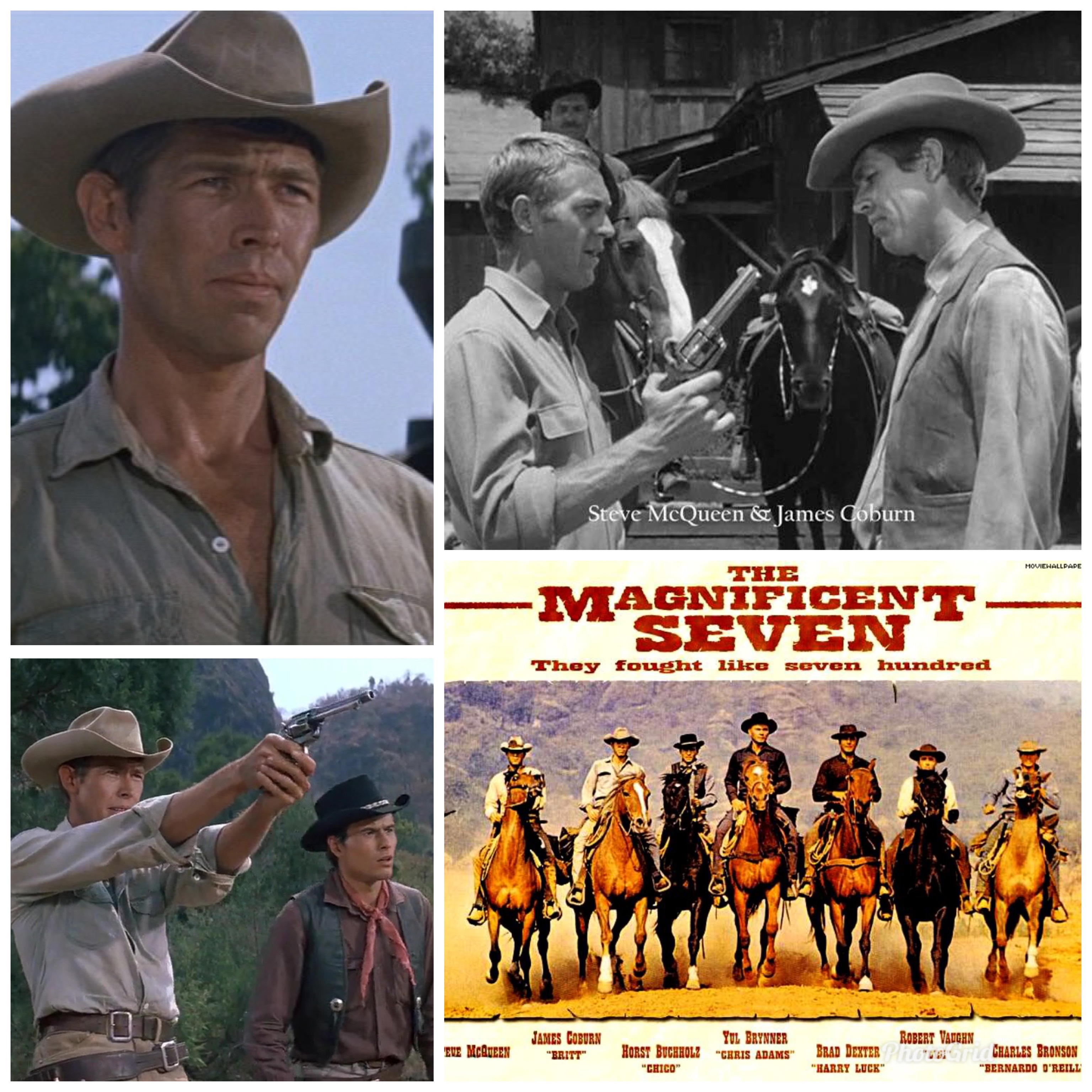
5. Britt in John Sturges’s The Magnificent Seven
Strong silent type and expert knife thrower, Britt is one of the less show-boaty and understated among this classic band of antiheroes, but definitely one of the most memorable. James looked like he had some First Nations background which adds to the rugged western flavour here. He’s kind of like the Mads Mikkelsen knife throwing character in Antoine Fuqua’s (who also coincidentally directed the Magnificent Seven remake) underrated King Arthur (a film I will always champion) : low key, man of few words, but deadly as all hell and super charismatic.
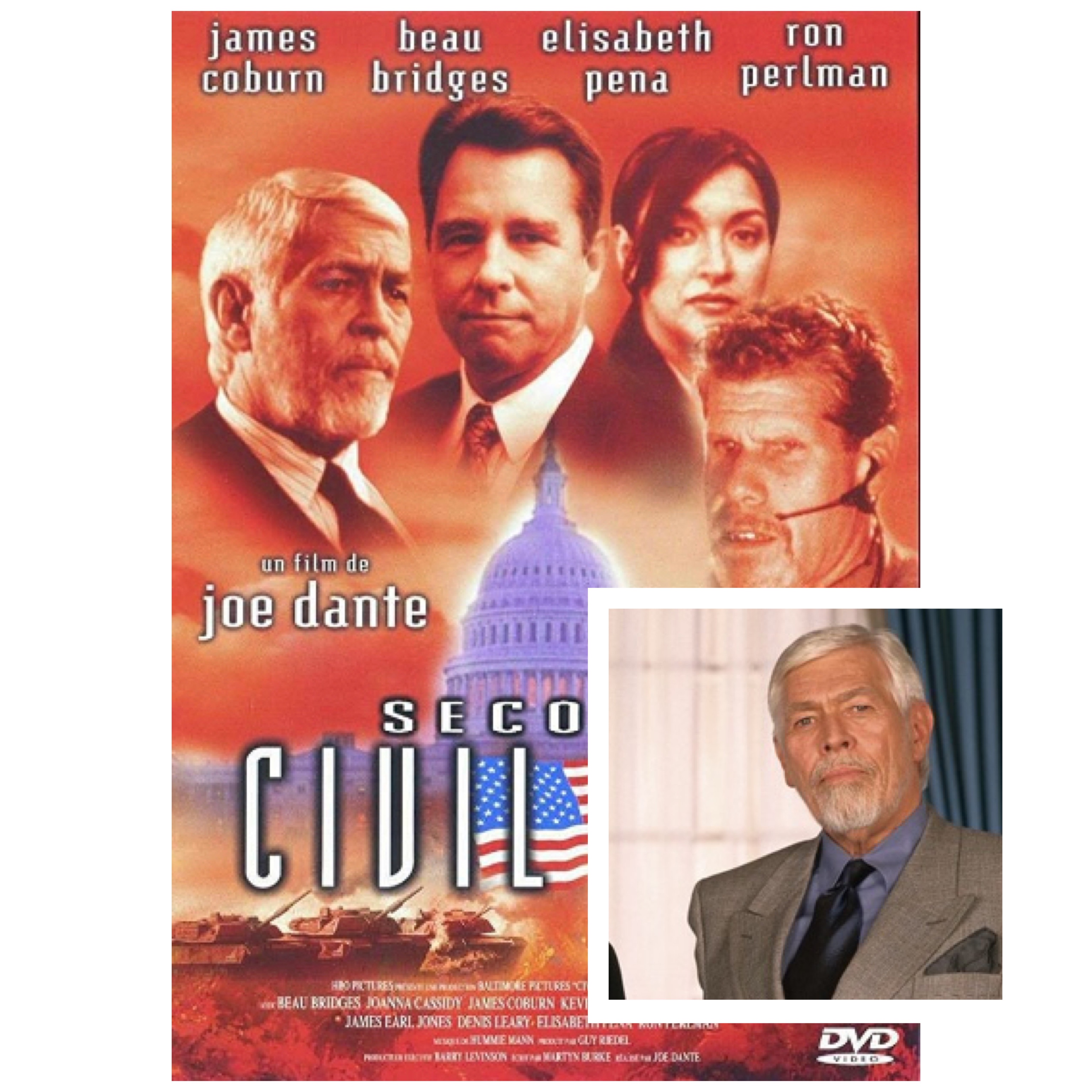
4. Jack Buchanin Joe Dante’s Second Civil War
Alongside Barry Levinson’s Wag The Dog this is one of THE most criminally overlooked political satires of all time, and I imagine that both films were deliberately buried in terms of marketing because they’re just a *bit* too close to the way things sadly actually work in the world and those in charge didn’t want too many people exposed to such dead-on, accurate material. James plays advisor to the president during a time of ludicrous crisis and his perpetual exasperation at having to rationalize postponing executive decisions because they interrupt POTUS’s favourite soap opera is priceless, as an actor he truly understood comedy and had a gift for it.
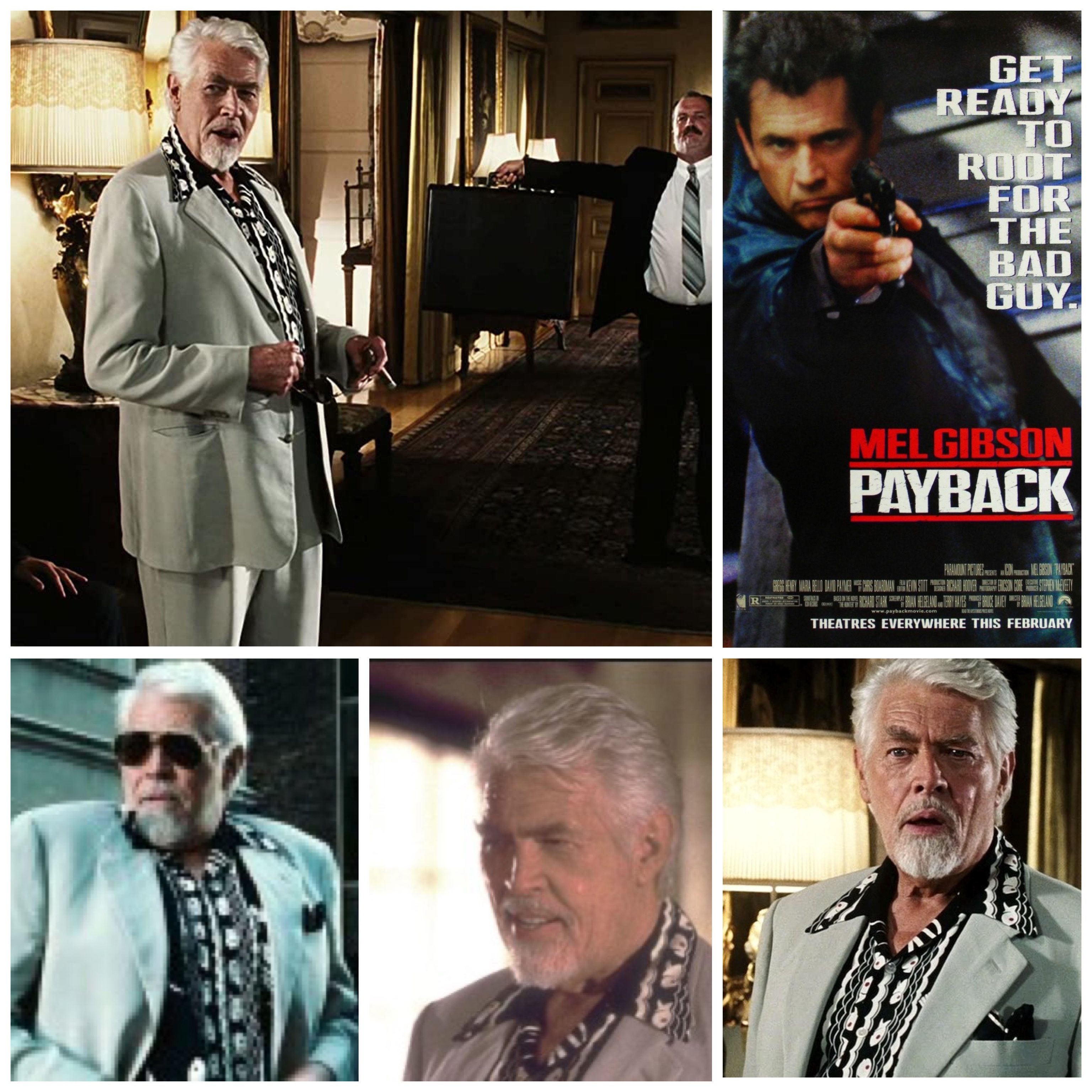
3. Justin Fairfax in Brian Helgeland’s Payback
This wry neo noir sees Mel Gibson’s career criminal Porter going on a cynical rampage to get some money he was jewed out of, and Coburn is one of the powerful underworld bosses in his way. Fairfax hilariously seems to have little interest in Porter or the serious situation though, he’s just returned from vacation and is more concerned about his fancy luggage than any intruders with guns. James makes hysterical work of line delivery like “That’s just mean, man!!” When Gibson blows a bullet hole through his suitcases. It’s a juicy, eccentric cameo and brings some comic relief to the table.
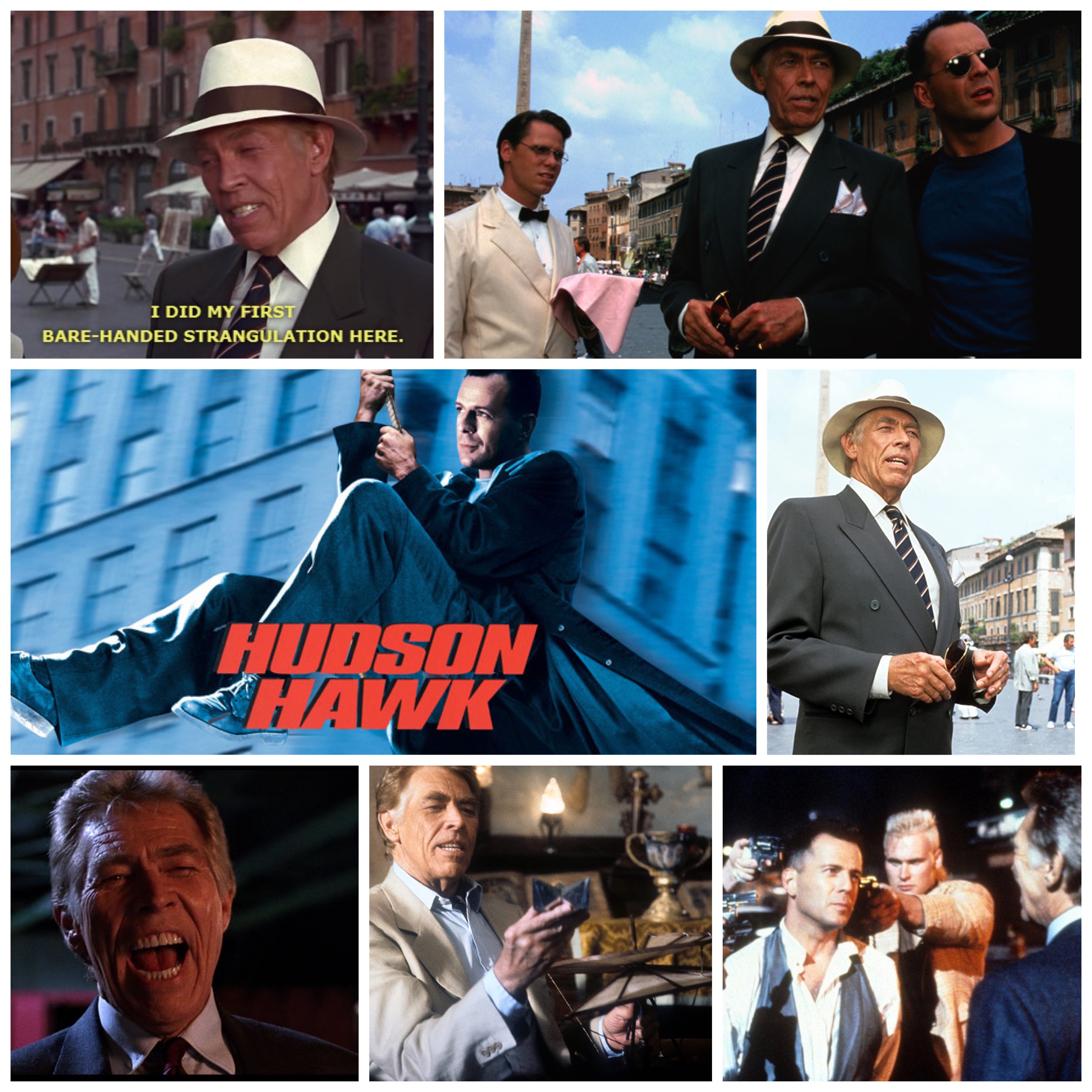
2. George Caplan in Michael Lehmann’s Hudson Hawk
Talk about an underrated, misunderstood gem of a film. Bruce Willis is Hawk, the worlds greatest cat burglar on his craziest mission yet and up against all kinds of kooky cartoonish villains. Coburn’s Caplan is an ex military prick with a huge attitude problem, a mercenary for hire who commands a private unit of weirdo operatives named after candy bars like ‘Kit Kat.’ James understands this bizarre material and turns George into a rapscallion of a villain, whether he’s terrorizing local town folk or reminiscing about his Cold War spy days where he was ‘getting laid every night.’
1. Glen Whitehouse in Paul Schrader’s Affliction
This is the role that landed him an Oscar and it’s well earned. Affliction is the bleak, difficult tale of the Whitehouse clan, an ill fated New England family presided over by Coburn’s volcanically abusive, black hearted patriarch, a man who seems to reap poisoned soul food out of terrorizing his own family. He’s a mean, crass, violent old fucking rotten bastard but James is too good of an actor to play him one note. Glen is a monster but there’s shades of humanity when his wife passes, albeit briefly. There’s gnarled self hatred, a booze soaked, misanthropic nature to him and many other carefully calibrated aspects that make this one of the best pieces of acting in film.
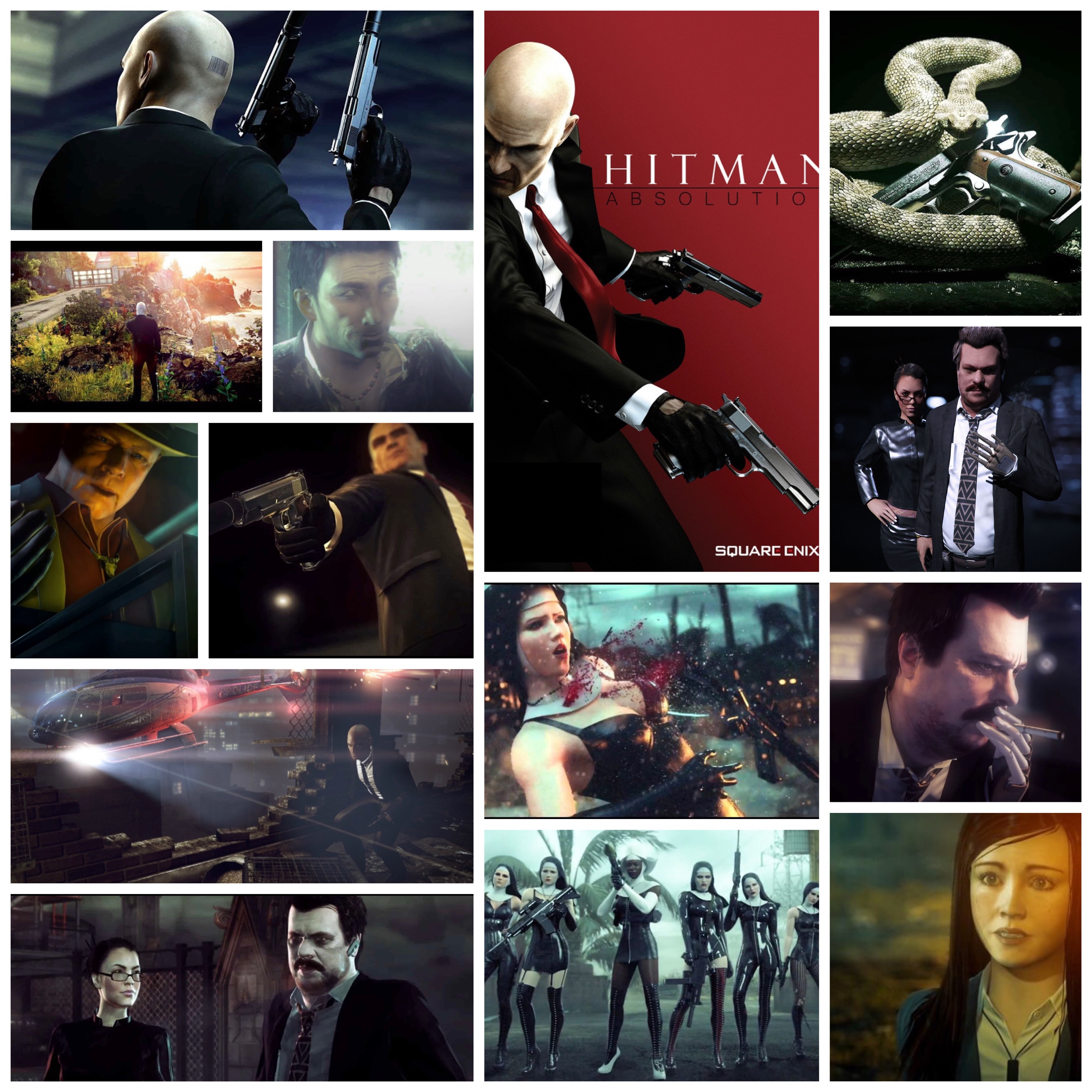
Right off the bat I consider all the games in the Hitman franchise to be fantastic in different ways but if I had to pick a favourite it would definitely be 2012’s Hitman: Absolution, a gorgeously produced, star studded update on 2006’s Blood Money that draws us further into Agent 47’s shadowy world by adding new graphics, well drawn supporting characters and paying far more attention to storytelling as well as the trademark intricately structured missions. Some people felt (weirdly) that the in depth nature of story and larger than life villains here took away from the overall aesthetic, like made the vibe less atmospheric or something but for my money it just breathes so much life into the mythology and spurs on the evolution of these games from quiet, guarded and strictly atmosphere-based to verbose, witty and full of personality in every corner of the frame. The game opens as 47 finally tracks down and eliminates his former handler, that treacherous bitch Diana (Marsha Thomason), which he does and listens to her last dying wish as she begs him to protect a mysterious girl who holds the keys to his own past. This puts him on a dangerous ditch effort and collision course with his former agency, other clandestine factions and countless freelance killers for hire including and unbelievable army of sexy nuns with enough firepower to blow up a bridge. The big bad here is scumbag billionaire industrialist Blake Dexter, voiced by Keith Carradine in the kind of peacocking, purple-prose drenched, scenery chewing performance that demands the slow clap and has you hating him when you’re not laughing hysterically at his impossibly arch dialogue. He’s after the girl 47 is harbouring and he ain’t the only one. Powers Boothe (who really took advantage of video game work over the course of his epic career) is Benjamin Travis, an agency kingpin with a prosthetic arm, a nasty temper and the iron will of a megalomaniac. He’s assisted in his unholy quest by slinky head operative Jade, voiced by the underrated Shannon Sossamon. The cast is wonderfully dense and eclectic, with appearances from Vivica A. Fox, Adrienne Barbeau, Traci Lords, Jon Gries, Isabelle Fuhrman and the great Steven Bauer lending his leathery pipes to the role of Birdie, a terrifically untrustworthy underworld operative. The gameplay and graphics are flat-out fucking gorgeous, immersive and layered, perfectly speckled with lens flares where appropriate and crisp, tactile and detailed environments that feel lived in and carefully rendered. The actors here would usually find themselves sitting in their PJ’s in a cozy recording booth but here they’ve gone the extra mile and had them do actual motion capture work so that the performances feel authentic, fluid and dynamic. This for me is the pinnacle of the Hitman legacy so far, and hasn’t been topped since. Oh and as for the movies, they’re both so terrible and miss the mark of what makes this story so wonderful in the first place, Absolution is ten times more cinematic that both films combined.
It’s always best when the character you play as in a game is voiced by someone super cool with genre ties to the subject matter, whatever it may be. In Area 51 you descend into a top secret military base in response to a nasty viral contamination as Ethan Cole, a covert badass played by David Duchovny who cements the SciFi X Files vibe nicely, although the game is obviously more in shooter territory rather than investigative federal intrigue. Cole must navigate a dangerous subterranean environment as the contamination spreads and mutates the soldiers around him. No soldier game would be complete without dissension in the ranks and another sketchy team moves in headed up by hotshot Major Bridges (Powers Boothe), as well as a pesky doctor (Ian Abercrombie, who was Alfred Pennyworth in the old school Birds Of Prey cable show) who gets in the way. I’ve always thought that Marilyn Manson looks kind of like an extraterrestrial and apparently so do the makers of this game because they cast him as an alien defector named Edgar who has been held captive by the government and is none too pleased about it. I have only hazy memories of this game as I was perpetually stoned when I played it and I can’t remember if I ever made it to the end. I do recall the voice acting, Manson is cool and spacey, Boothe is his classic tough guy persona but it’s just a real treat having Duchovny play the lead, he’s got such a casual affability to his line delivery that feels both comforting and nicely nostalgic for The X Files. Cool game.











 Podcasting Them Softly