Christopher Nolan’s Batman Begins

These days we take the abundance of DC/Batman films and TV series for granted, but back in the first half of the 2000’s there was a massive drought left on the land thanks to Joel Schumacher’s Batman & Robin, which we won’t go into here. Then Christopher Nolan came along and changed that forever, not with necessarily a bang, but the thoughtful, moody, introspective Batman Begins, a film that served as catalyst to one of the most celebrated motion picture trilogies of today. That’s not to say it didn’t blast into the scene with a bang, this is one seriously fired up action film that left iMax screens reeling and sound systems pumped. It’s just that Nolan gave the Batman legacy the brains and psychological depth that it deserves to go along with the fireworks, while Schumacher & Co. were simply making live action Saturday morning cartoons, which isn’t necessarily a bad thing either but after two films seemed a bit beneath the potential of what Batman could be.

Nolan bores into the roots of Bruce Wayne’s anguished past to expose themes of fear, not only facing his childhood fears but eventually becoming them to release the anger he’s harboured since that night in the alley. Christian Bale finds both the cavalier flippancy of Bruce and the obstinate, short tempered dexterity of Batman and yes, he makes an impression with a voice that has perhaps since become more well known than the films. Trained in the heartlands of the Far East by mysterious Ducard (Liam Neeson), Bruce returns to Gotham years later to find it rotting from the inside out with crime, corruption and poverty. Nolan shows the rocky road he sets out on and the failures he endures in his first few ventures onto the streets in costume, crossing paths with Cillian Murphy’s dangerous Dr. Jonathan ‘Scarecrow’ Crane, uneasily aligning forces with Gary Oldman’s stalwart Jim Gordon and assisted at every turn by Michael Caine’s Alfred Pennyworth and Morgan Freeman’s Lucius Fox. Nolan assembles a cast full of roles both big and small including Richard Brake, Mark Boone Jr, Ken Watanabe, Linus Roache, Rade Serbedzija, Joffrey Lannister, Rutger Hauer and more. I have to mention Katie Holmes because she gives one of the most underrated performances in the whole trilogy. I’m not sure what went on behind the scenes when recasting her with Maggie Gyllenhaal for the next film but it did no service to the character, Katie made it her own, is full of personality and will always be the real Rachel to me. Special mention must also be made of Tom Wilkinson as mob boss Carmine Falcone, who is only in a handful of scenes but scares the pants off of everyone with his off the cuff blunt dialogue, violent tendencies and shark-like personality.

I can’t say this is my favourite film in the franchise or even the one I’d call the best (Dark Knight holds both those honours), but it is definitely the one that stands out to me the most when I think of the trilogy as a whole. Why? Visual aesthetic and production design. With the next two films Nolan cemented a very naturally lit, real world vibe that became his signature touch on the legacy, but Begins is different. There’s a burnt umber, earthy, elemental, very gothic tone he used here that just isn’t there in the next two, and whether intentional or not, it sets this one in a Gotham slightly removed from Knight and Rises. The mood and story are also rooted far more in mysticism and the fantastical as opposed to the earthbound, economically minded, concrete edged sensibility of what’s to come. Just a few observations.

In any case Nolan pioneered an arresting new Gotham for Batman, his friends and foes to do battle in, he injected the smarts, philosophy and character development that the franchise had been thirsting for a long time before. Wally Pfister’s swooping cinematography, Hans Zimmer’s cannonball original score, Nathan Crowley’s spooky, cobwebbed production design and every performance in the film work to make this not just one hell of a Batman film, but an overall excellent fantasy adventure that truly transports you to its world, the mythology, development and destruction of which leaves a lasting imprint on the subconscious. Brilliant film.

-Nate Hill

Wayne Kramer’s Running Scared

On the DVD DVD cover of Wayne Kramer’s Running Scared, Pete Hammond of Maxim raves that it “makes Kill Bill look like Sesame Street.” That’s one way to put it. I’m sure he didn’t mean to blunt the edge of Tarantino’s film, he was just trying to articulate what a balls out, terrifying, kick-in-the-nuts experience this is. It’s one of the most brilliant pieces of crime filmmaking from recent years and one of my all time favourites, a dark, bloody urban fairytale that surges through a nocturnal ballad of explicit violence, mob war-games, monstrous characters and a performance from Paul Walker that has to be seen to be believed, and I mean that in the best way possible.

He plays Joey Gazelle here, a Jersey mob soldier who loses a very important gun left in his possession following a rigorous shootout with a gang of corrupt narcs who raided their drug deal. The kid next door (Cameron Bright) has snatched the pistol from his basement, used it to plug his heinously abusive Russian stepfather (Karel Roden) and disappeared into the night with it. This presents Joey and everyone else with no end of problems; if the surviving narcs, the Russian mafia or anyone else manage to get ahold of it, he and his colleagues are done for. It’s one of those hectic, delirious, ‘run all night through the city films’ where seemingly anything can, and does happen. It’s a mad dash through a town filled with freaks, monsters, corruption and the hum of barbaric nighttime activity. Poor Oleg, after stealing the gun, is launched from the frying pan into a city on fire with danger around every corner, the cops relentlessly on his tail headed up by Chazz Palminteri’s devilish Det. Rydell, plus both Joey and his wife Theresa (Vera Farmiga) looking for him too. Among the threatening figures he meets are a nasty, cartoonish pimp (David Warshofsky), feral crackheads, a sympathetic hooker (Idalis DeLeon) and two horrific child abusing kidnapper/murderers (Bruce Altman and Elizabeth Mitchell, forever in my head now as these characters) who are so messed up that the mid film sequence devoted to them is the ultimate barometer in discerning whether you can take what this film has to offer or wish to tap out of the chokehold it locks you in. One thing that’s always apparat: this isn’t just commotion flung at a wall, despite feeling that way some of the time. This is intricate, well spun storytelling that’s shot, edited and colour timed in ways that vividly bring all of this to life. One need only look as the unsettling, surreal animated credits to see that this isn’t just your average action crime film, but very well thought out, very specific and a piece that pushes the envelope to bring us something special.

Walker gives the best work of his sadly short career here, he’s energetic, in the moment and completely fired up to the edge of mania where he quite literally has to stop and take a breath at one point. Farmiga is the same, fearsome in the maternal instinct she has for Oleg, she reaches a level of scary when encountering the aforementioned pedophiles that will leave your adrenal glands in go mode. The film is chock full of outright dastardly motherfuckers, as if Kramer plumbed the depths of Hollywood hell for the worst of the worst villain stock in the stable, removed their leashes and muzzles and turned them loose in his film. Warshofsky is Joker material as the pimp, clad in an immaculate white suit and cheerful in threatening both women and children with a shiny switchblade. Johnny Messner is pure evil as Joey’s gangster boss Tommy, Arthur Nascarella channelling his inner Goodfellas as his dad and the Don of their operations. Roden is a sinister force of nature as Anzor, the nasty Russian stepfather with a meth habit and one unhealthy obsession with John Wayne, while Lord Of The Rings’s John Noble is impossibly sadistic as Ivan, head of the Russian syndicate. The women in the film are all an angelic and comforting presence, from Farmiga to the hooker (pay attention to the colour of her dress) to Ivana Milicivec as Oleg’s tragic mother, they serve as refuge from the night’s storm as best they can. It seems like I’ve described a lot here or spoiled some things but really I’ve only scratched the surface of this piece. It’s so fresh, potent and full of life that experiencing everything I’ve just laid out for yourself will feel absolutely new and invigorating, if daunting at the sheer titanic level of unpleasant human behaviour on display like a twisted circus trundling by, showcasing the dark underside of urban Americana.

Kramer has stated that he wanted to make the kind of gritty film you might have seen playing in the 70’s, and if anything he has fiercely committed to the adage ‘they don’t make ‘em like they used to.’ This film is unique in excess, style and atmosphere, from the assured yet riotous direction to the pitch perfect, profanity laced performances to the eerie, pulp infused score by Mark Isham. I don’t think people were quite ready for this film when it came out because it earned itself some very hostile reviews. I think that comes with the territory in a story this extreme, it’s just not going to be everyone’s thing, but many confuse personal taste with quality, and this is in no way a bad film but perhaps just ahead of its time. For me it’s already a classic, a film I’ve probably seen over thirty times since being awed and slightly scared speechless after the first round in theatres. I think I didn’t know what I was in for based on marketing, and the experience I got both humbled and terrified me at what is possible through visual storytelling. I think that’s one of the best effects a film can have on you. Masterpiece.

-Nate Hill

Richard Pearce’s No Mercy

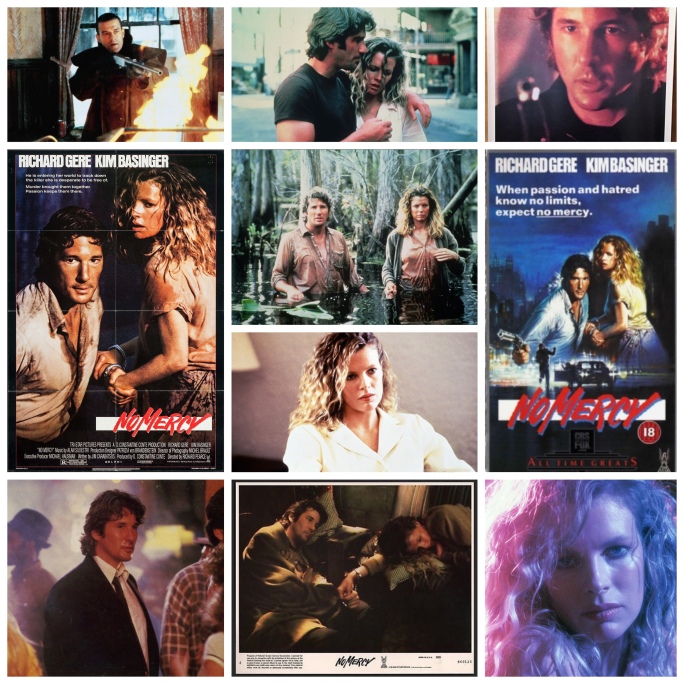
Richard Pearce’s No Mercy is essentially a formula cop/revenge flick with all the recognizable elements visible, but it’s done so damn well that any generic beats don’t even really matter when you’re treated to atmosphere, action and chemistry this good. Richard Gere is an actor who gets cast as the affluent business guy or clean cut hero often, but he’s most effective when they let him fly his freak flag a bit and show some edge, he’s scary here as an unhinged Chicago detective out to avenge the savage murder of his partner following a botched sting operation that wasn’t even sanctioned to begin with. He’s led from the grey urban sprawl of the Windy City to sweaty, jazz soaked backroads of New Orleans in pursuit of a really nasty local kingpin (Jeroen Krabbe) responsible for the bloodshed. There’s naturally a blonde bombshell (Kim Basinger) who belongs to this monster since she was sold to him at age thirteen, and naturally sparks fly between the two as they fall in love amidst a rain of bullets, standoffs, chases and shootouts. You might be rolling your eyes and I’ll admit that the plot is well trodden soil but honestly this thing is so well made and engaging I didn’t care that I knew how it would all turn out because after all, the fun is in the journey there. Gere and Basinger have a natural rapport that isn’t rushed or forced and for a good two thirds of the film they hate each other in realistic fashion so that when passion eventually ignites it feels warranted. Plus the romance is so secondary to them simply meeting as two people that it never feels silly nor soppy and there’s somehow something sexier about her teaching him how to eat crawfish than the two of them actually getting it on. Gere is a live wire here, out of his element in the Bayou but determined to avenge his partner’s at any cost, including his own life. “If I die it’ll be on Chicago concrete!” He barks stubbornly, and we believe it. Basinger always brings a wounded nature to her work, she’s fantastic here as someone he believes to be a planted seductress until he learns that she’s just another victim. There’s a painful scene where she has to sign a lawyers form and when the attorney (perennial 80’s asshole William Atherton) announces that she can’t read, you can see the sympathy unclouded on Gere’s face. Sparks fly between these two and I’d love to see their other collaboration Final Analysis at some point. George Dzunda makes a fiery appearance as Gere’s wrecking ball of a precinct captain, a dude with a thousand yard glare who’s standing less than a foot from you. Alan Silvestri outdoes himself with a smokehouse of a score that accents Louisiana nicely and cues Krabbe’s bad guy in creepy fashion. This dude is one nasty piece of work, and the character can be forgiven for being one-note simply for how scary he is, a greasy haired, sadistic French bastard who enjoys gutting people with a knife and lords over the Bayou with a reign of ice terror. I’m not sure why this has amassed such a lukewarm overall reaction. It’s nothing innovative but everything it tries to do it does excellently. Stylish, immersive romantic crime thriller with a hot blooded central romance, well staged action scenes and atmosphere to spare.

-Nate Hill

Opening the doors of perception: Netflix’s brilliant and undefinable The OA Part II

When season one of Netflix’s The OA aired back in 2016, it went by largely unnoticed. This was due to the network doing little to no marketing, fanfare or ads and it kind of just attracted its own little fan base without creating the whirlwind that say, Stranger Things has. It’s sort of a shame and sort of not, because it’s by far the best original content that Netflix has produced and one of the most intricate, challenging and cosmically investigative pieces of storytelling out there (with an emphasis on ‘out there’). Season 2 has recently aired, again with little hubbub surrounding it, and the leaps, jumps and creative epiphanies that series creators Brit Marling and Zal Batmanglij have made in the three years since are both staggering and revolutionary in the SciFi/fantasy genre.

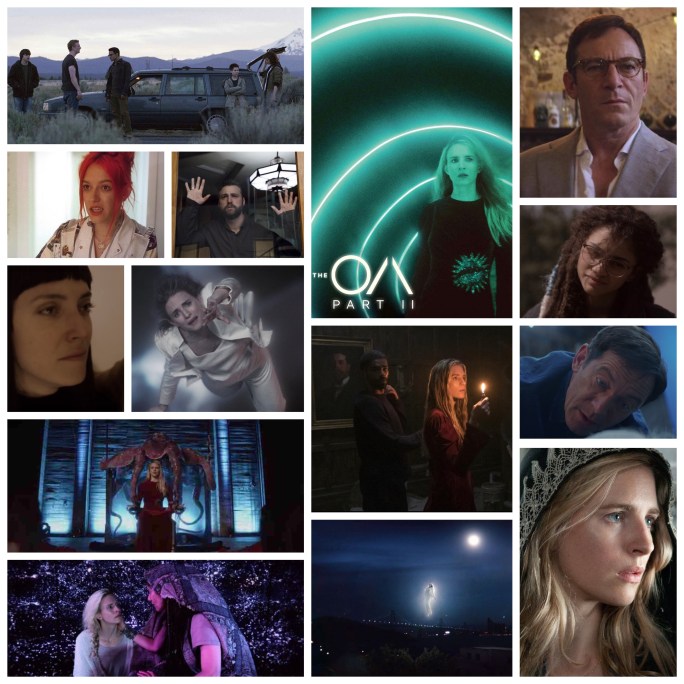
Anyone who isn’t caught up should heed a spoiler warning regarding Season 1 right about here and stop reading as I’d like to discuss certain story beats. When we left our characters after the ambulance chasing cliffhanger of S1, we weren’t sure what became of The OA/Prairie Johnson when the school shooter got her and she seemingly died. S2 opens with a slow burn episode as we follow a gruff ex FBI private detective (Kingsley Ben-Adir, phenomenal) as he searches for a missing girl in a version of San Francisco that’s just a bit removed from the reality we know. This is the reality that Prairie has travelled to after dying in the dimension she came from, for the Movements related to near death experiences explored in the first season are a gateway to endless parallel dimensions and subsequent travel between them. Confused? That’s nothing, I’ve barely described the season opener so far. This new dimension is a fascinating one, full of futuristic tech, underground ‘games’ ruled over by an unseen force and even more intangible metaphysics that we got the first time around. Prairie is stuck in this new plane with Dr. Hunter Percy, the unorthodox rogue scientist played with startling compassion and chilling resolve by the great Jason Isaacs, who is just wonderful here in a role that lets him flex his talents. Prairie leaves her friends in the previous dimension behind to wonder where she went, including Steve (Patrick Gibson), Buck (Ian Alexander), Betty (Phyllis Smith), French (Brandon Perea) and Jesse (Brendan Meyer). The new reality thrusts her forth into a frightening situation with her old friends Will (Scott Brown), Renata (Paz Vega), Rachel (Sharon Van Etten) and Homer (Emory Cohen) the love of her life. It’s a ton of characters to keep track of, each playing at least several versions of themselves and there’s even more new additions that show up for this part of the story including The Florida Project’s Bria Vinaite and an appearance from Zendaya as a mysterious girl with ties to the forces around all of them.

Marling and Batmanglij are light years beyond most artists writing original content right now, their level of storytelling and drive is sort of unparalleled in the sense that they reach out to ask questions that are difficult in the context and boundaries of television, or any filmed medium. The first season hinted at life beyond death and took its time getting to the initial breach between worlds that might open up new possibilities. This season dives headlong into the implications and ripple effect of what came before, has no patience for laggers and hurtles along at a sonic pace, blasting us with ideas, emotion, tricky concepts, psychological labyrinths, new wave cyber software, bizarre biological phenomena, a rose stained glass window with untold power and a telepathic Octopus named Old Night. This is either a show that is ‘too weird’ for most who aren’t open to unconventional thinking or have no capacity for abstraction or it will be the favourite thing out there for those of us that eat this stuff up. Prairie says of her travels and revelations that she’s ‘looking for a border’ that’s hard to define, and the same can be said about the show itself. This isn’t something that is just SciFi or just fantasy or even both, it’s an organic piece that feels like elemental forces at work rather than constructed artifice spin for entertainment.

With this story, all the creative forces work together to open the doors of perception and stretch the nature of what is possible in storytelling. Brilliant characters abound who we care about, are funny and seem like genuine, fleshed out human beings, a specifically distilled visual aesthetic that Sci Fi lovers will go gaga for, fantastic original music by multiple artists including Danny Bensi, Saunder Juuriens and Van Etten herself, haunting complexity in narrative arcs and an overall desire to strive for something new, something we haven’t seen before and that may expand our perspective on the world around us, and those beyond. I’m hooked on this and can’t wait until we get a Part III.

-Nate Hill

Tony Gilroy’s Michael Clayton

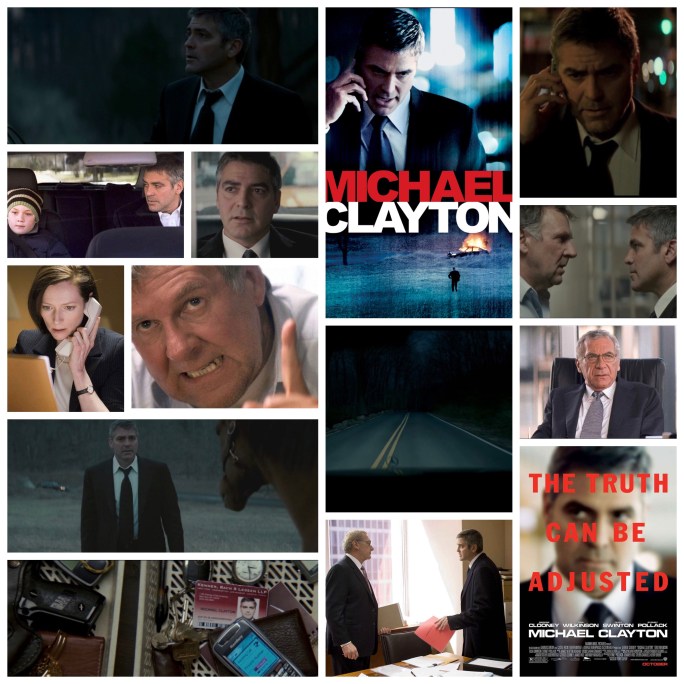
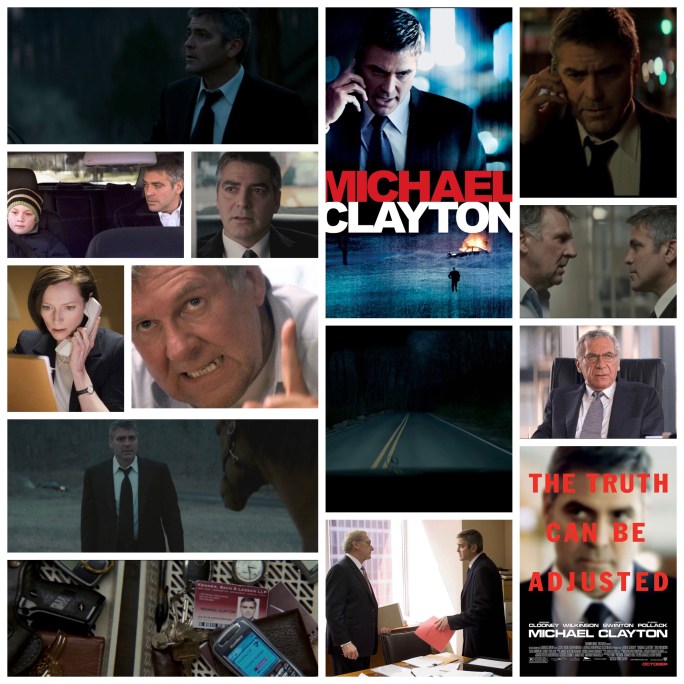
Usually when George Clooney shows up in a film, you get to see that smile. That mile wide, slightly mischievous grin is one of the chief reasons he’s such a charismatic onscreen presence, but in Tony Gilroy’s Michael Clayton it’s nowhere to be found. This allows other aspects of his personality to come forward in playing the stressed out, introspective titular law firm fixer in what might be his best performance so far in a brilliant drama. His face is drawn and worried, his wide eyes taking in the ruthless corporate environment around him with taciturn angst and survival instinct of a cornered jungle cat. Michael has every reason to be worried not only in a general profession like this but also because of recent events. One of the firm’s top lawyers (Tom Wilkinson) is having a royal mental breakdown whilst in the thick of a high profile class action lawsuit putting billions against a chemical giant who are almost certainly guilty of what they’re being accused of. This is not good, not good at all and the the firm’s most senior partner (Sydney Pollack, so serious he’s scary) throws everything he’s got at the wall to remedy the situation, including Michael. Clooney plays the man almost as a guy who has chosen the wrong profession; to be a fixer like that I feel like you’d need a certain sort of cold detachment and near sociopathic level of apathy when dealing with such moral quagmires, but Michael is a man who, despite obvious efforts to stay one step removed, let’s his humanity seep through with every sympathetic glance and wounded exchange. Perhaps it’s Clooney’s inherent affability or a deliberate character choice, but in any case the contradictory portrayal works wonders and makes for such a fascinating protagonist. Wilkinson isn’t capable of giving a bad performance even in the worst films, his darkly comic unravel from learned man of law to unhinged mad scholar is a beautifully tragic arc and one of the tethers holding Michael in the swirling gale of tricky decisions and do-or-die chess moves he must navigate. Another is icy, robotic Tilda Swinton as a shady lawyer hired by Big Chemical to try and patch up things on their end. She unravels too, albeit in a less theatrical way than Wilkinson, but the noiseless, implosive confrontation she has with Michael in the third act is enough to knock anyone flat and stands as my favourite scene of the film. Michael is a family man with a young son who dreams of escaping this cutthroat netherworld and starting up a restaurant, a goal that the audience sees glowing on the horizon as clearly as he does thanks to the empathy inspiring performance. After all is said and done we witness some of the most simply unique end credits out there on a hypnotic car ride where both Michael and the viewers decompress and meditate on everything before, it’s a brilliant bit of the pacing puzzle here. This isn’t really a political thriller and can’t very well be called courtroom drama either, really it’s own thing. I suppose the closest is character study, but even that doesn’t provide a legible menu option for the meal to follow. Unique in atmosphere and character interaction, crisply written and directed by Gilroy, and acted to the absolute nines by Clooney without ever showboating or chewing scenery. Great film.

-Nate Hill

S. Craig Zahler’s Dragged Across Concrete

Dragged Across Concrete is exploitation auteur S. Craig Zahler’s third feature film, and so far stands as his best. I use the terms auteur and exploitation vaguely here because neither can completely encapsulate what the man is doing with his work, the flavour he strives to bring us is so specifically distilled and perfectly see-sawed a recipe that there are really no pins to drop on the cinematic landscape or existing terms for it, and he may have pioneered something new entirely. He blared onto the scene with primal horror western Bone Tomahawk and followed it up with brutal flick Brawl In Cell Block 99, but Concrete is his most deliberate, suspenseful, heavily charismatic, thoughtful and entertaining piece yet.

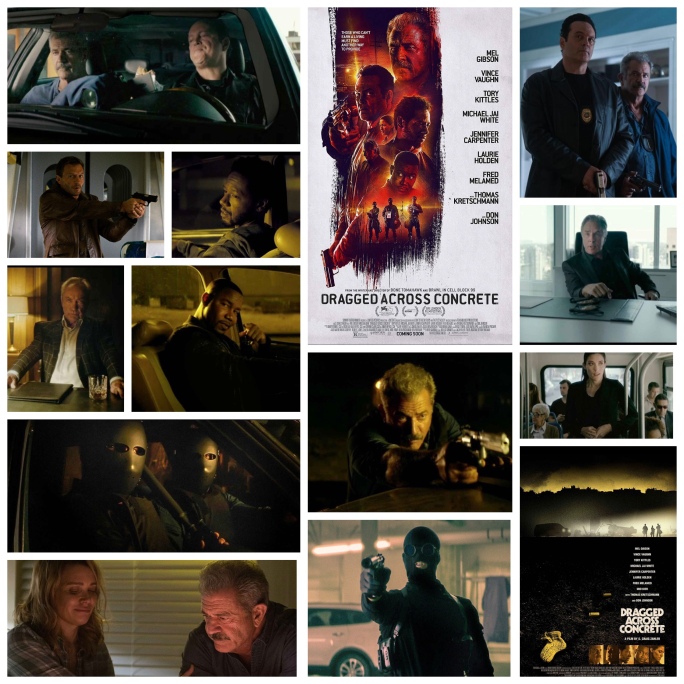
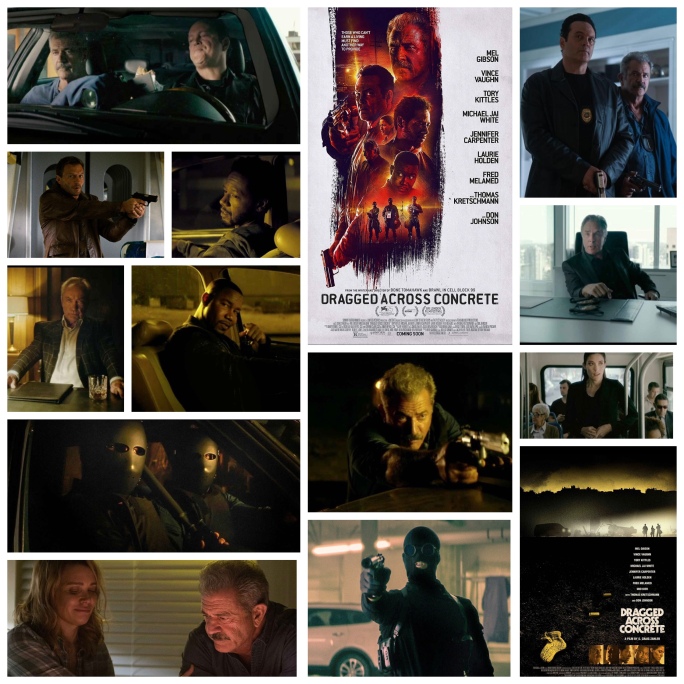
Mel Gibson and Vince Vaughn are Ridgeman and Lurasetti, two sinewy older detectives prone to excessive force and bitter attitudes, until a particularly violent arrest lands them on a viral video and an unpaid suspension from their captain (Don Johnson in a delicious extended cameo). Feeling slighted by both the department and the civilians they’ve served for decades, they decide to tap into underworld contacts and win back some currency as they both have family problems that unemployment wouldn’t serve well. “We have the skills and the right to acquire proper compensation” growls Gibson through a muskrat ‘stache and eyes clouded with anger, and it’s easy to see why he’s miffed. The film is under vague fire for showing us two racist asshole antiheroes and while their actions in the opening collar sequence are extreme and not very nice, they’re not as played up, hateful or heinous as I’ve read some whiny reviews claim. These two are hard bitten jerks, but when the anvil comes down and we see the moral core of each laid bare, they are essentially decent guys who won’t stand by when real injustice rears it’s ugly head. It does too, in the form of nasty arch criminal Vogelmann (an icy, evil Thomas Kretschmann) after a tip off from an underworld contact (Udo Kier, all too briefly). They decide to try and score some mob loot just as ex con Johns (Tory Kittles) and his childhood buddy Biscuit (Michael Jai White) gang up with Vogelmann to do some criminal shit.

This film has its action scenes and close encounters but what really enthralled me is the patience it takes to show us stakeouts in real time and set up incident on its own clock. The two cops post up in their car, eat snack food, nap, banter and compare world views as they simply wait for their quarry to make his move. This is the kind of character cultivation and pacing that leads to investment in the story, so that when the payoff comes we are riveted. I’ve already spoiled too much because I just saw this and want to gab about it endlessly but it’s essentially a long, measured surveillance game followed by a chase and one knockout of a confrontation scene that’s insanely suspenseful and ducks many expectations we have given what we’ve seen so far. Gibson and Vaughn are just so great here, they eat up the dialogue like fast food served with fine wine, it’s Mel’s best performance in years and he owns it. Zahler has a way of writing that is like protein for the ears, a poetically rich timbre as if every character has several thesaurus’s on hand and uses rich, offbeat dialogue to place you right in the scene. Some will inevitably find it too purple or pretentious a script, but I love the way this guy writes. Further down the cast lineup we get turns from Zahler regulars Jennifer Carpenter and Fred Melamed as well as Laurie Holden, Cardi Wong, Matthew MacCaull and others.

My only one gripe is the ongoing and blatant use of Vancouver as other cities when it’s very clearly not. It’s supposed to be Bulwark here but they’re sat up there in Don Johnson’s office on like the twentieth floor somewhere in Coal Harbour with the whole Burrard Inlet visible and it’s like… get real, it’d be nice to see things filmed where they’re set for personality instead of just lazily using my city, but oh well. Probably not a gripe for most, but having grown up here it takes me out of the story just a bit when everything under the sun is recognizable. This has to be Zahler’s most complete and streamlined creative vision so far, a nasty gutter-ball genre piece that shows life in the inner city boiling over the pot into street violence, heists gone up in flames and good intentions shot to ribbons by high powered artillery. The best film I’ve seen so far this year.

-Nate Hill

Roger Donaldson’s The World’s Fastest Indian

Anthony Hopkins has an acting style that I wouldn’t describe as speedy or that of an adrenaline junkie, in most roles anyways. He’s laconic and measured, which makes him an interesting choice to play Kiwi motorcycle enthusiast Burt Munro, a real life dude who made it his mission later in life to break the elusive land-speed record with his bike on Utah’s Bonneville Flats. He rocks the role in Roger Donaldson’s The World’s Fastest Indian though, a charming dramedy that follows him as he faces every obstacle getting there and is then told his bike isn’t up to safety standards to compete. This is one dude who will not be deterred though in the face of any odds, and Hopkins finds the quiet passion and resilience in him on his journey. He meets others along the way including lonely widow Diane Ladd, but this is ultimately his story, a tale of persistence that winds from New Zealand to the flatlands of the States with breezy optimism and faith in the general decency of human beings. Director Donaldson is no stranger to shooting in distinct desert locations of the US, having helmed the early 90’s thriller White Sands. He once again finds himself in a rugged, unconventionally picturesque landscape and makes the most out of it with well staged photography and editing. Hopkins is the spirit of the piece here, a trailblazer who makes history and the lives of those he meets a bit brighter on the way there. This is a sunny film, no one is villainous or deviant and it serves to show the good natured behaviour we’d all like to find in ourselves and each other, as well as the kind of determination and strength of spirit it takes to achieve a goal this impressive, especially in one’s golden years. Great film.

-Nate Hill

André Øvredal’s The Autopsy Of Jane Doe

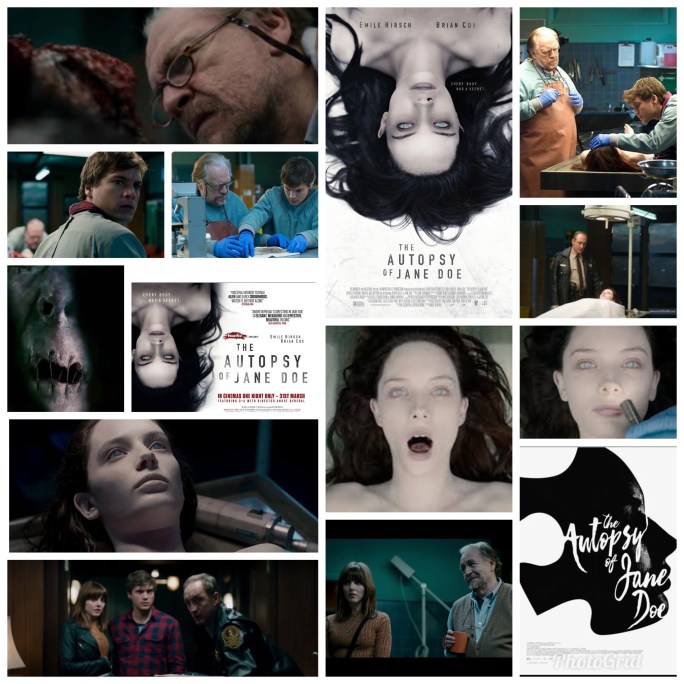
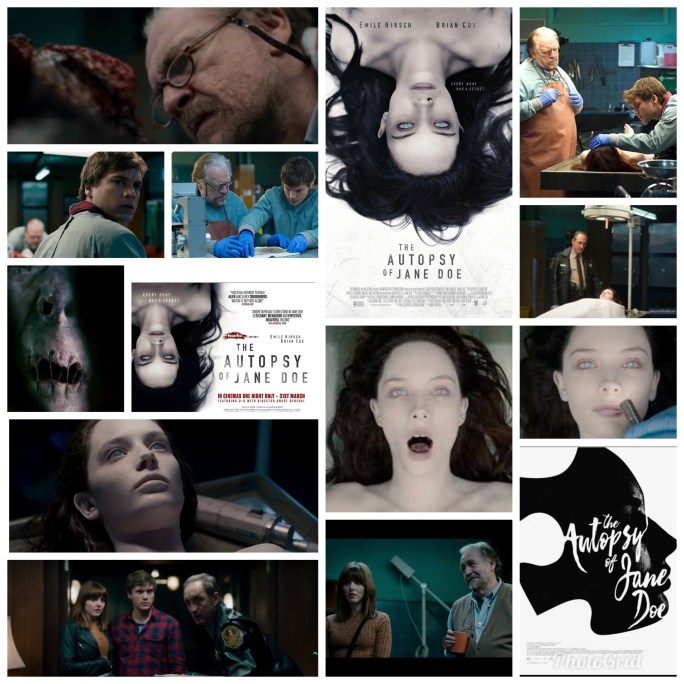
It’s always a good barometer to use Stephen King’s praise when it comes to horror films, and he had nothing but great things to say about André Øvredal’s The Autopsy Of Jane Doe, a gruesome and very scary little chamber piece with quite the unnerving story to tell. Set in a spooky underground morgue, a father son duo of coroners (Brian Cox and Emile Hirsch) get one last corpse sent their way by the county sheriff (Roose Bolton from Game Of Thrones) just as they’re about to shut down for the night. Labelled a Jane Doe due to lack of any identification, she’s one in a series of bodies found at a boarded up house, but cause of death is eerily unclear. These two toil away looking for clues as the night wears on and her corpse gets steadily weirder with every layer of skin, bone and tendon peeled back, but something isn’t right with her and soon our heroes hear creepy sounds, see bizarre things in the hallways and realize that the last place they want to be is stuck down there with her, especially while a raging storm prevents them from leaving. It’s a terrific setup for a nightmarish horror story, and all the elements make it work quite well. Cox and Hirsch are two great actors who sell both the father son drama and the burgeoning fear as each moment gets scarier than the last. Jane Doe isn’t a dummy or CGI but played by real actress Olwen Catherine Kelly mostly the whole time, adding an uncomfortable depth and realism to their predicament as we search her body for signs of movement or remaining sentience and squirm in our seats. The photography here is crisp and concise, the scenes lit to effect and the score drives them neatly too. There’s plenty of gore and look-away moments involving the autopsy (unless that’s your thing, ya sick fuck) but the real fear lies in story and suspense as we gradually learn who Jane Doe was and what is now happening around her, while poor Brian and Emile are stalked by all kinds of freaky shit and their apparently haunted radio starts to spaz out on them. I can see why King liked this so much as it greatly reminded me of his work, it’s smart and not too predictable with perverse attention to detail in the body horror and a slick, immersive premise. Highly recommended.

-Nate Hill

Jordan Peele’s Us

The idea of doppelgängers has been explored before in film, but never in a fashion quite as twisted as Jordan Peele’s Us, a furiously entertaining horror show that gets weird, wild and so refreshingly unpredictable in a genre where the climate tends to flatline with endless Conjuring universe carbon copies and what have you. There’s a ton of ideas at play here and it makes the film hard to pin down as one thing or the other, but it works beautifully as a breathless, streamlined home invasion shocker with deeply unsettling undercurrents and implications that can be read many different ways. When Adelaide Wilson (Lupita Nyong’o) was a young girl, she had a terrifying encounter within a shadowy hall of mirrors on Santa Cruz beach, an encounter which will herald the arrival of feral versions of her, her husband (Winston Duke) and two children (Shahadi Wright Joseph and Evan Alex) as they vacation at their summer house a stone’s throw away from that very same beach. The prologue with her as a kid is set in the late 80’s and has a retro horror feel as Peele uses his favourite scary movies as both fuel and inspiration for the style on display here. The home invasion of these shadow selves is a brilliantly staged piece of white knuckle suspense and impressive physical acting, especially by Lupita as both shellshocked Adelaide and her other self Red, a growling fiend who is the only one of them that can talk. She rasps enigmatically about stuff that seems like both straightforward exposition and cryptic allegory, hinting at the secrets in store for the third act. Elizabeth Moss and Tim Heidecker are flat out hilarious as the Wilson’s bickering neighbours, bringing uproarious comic relief before confronting their own set of homicidal visitors. Lupita gives the strongest performance here in both her characters, a frantic dual role knockout that holds the film in panicky distress with her wide eyes and instills deep terror with what she does to her voice, she’s a consistently brilliant actress and I love her work in this. This is clearly a passion project for Peele, the imagination on display is something else and fresh new scripts like this are always welcome for me. Some may have issues with certain things in the third act like explanation and climactic resolution, but he deliberately leaves a lot of it for us to ruminate on instead of telling us every detail about what we just saw. There is a scene where Lupita’s Red imparts some of it but it’s still somehow told in a roundabout way and not laid open bare in spark-notes fashion. Some may find this frustrating, but I loved it. This is probably the best horror film I’ve seen since 2014’s It Follows, and definitely one of the most original. A shock inducing siege thriller, an acidic jab at personal identity and a quietly discomforting look at the rifts you can see beginning to form in the world today. Great stuff.

-Nate Hill

DJ Caruso’s Taking Lives

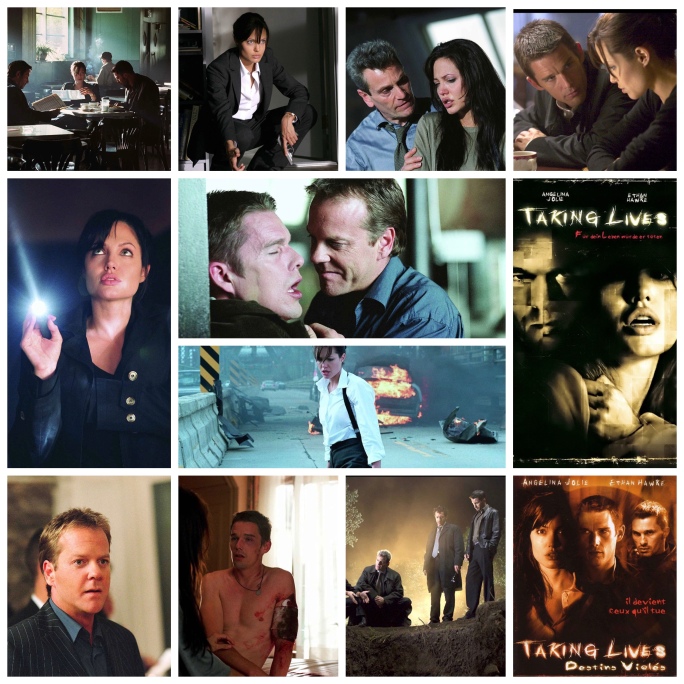
Angelina Jolie as a cop hunting down a ruthless serial killer who uses especially grisly methods is a great premise for a film, but you may as well skip DJ Caruso’s Taking Lives and just go revisit Phillip Noyce’s The Bone Collector, a great film that did the concept way better. Lives is a poor excuse for thriller material, a drab, dank and musty slog through a narrative that doesn’t seem to give two shits about its characters and frequently makes little to no sense, not to mention fails heavily at holding interest. Jolie plays a hotshot FBI profiler who is consulted by French Canadian police when their efforts to nab an elusive murderer fail. This is a guy you never really see because every time he kills, he takes on the identity of the victim, blending in and leaving few clues. Jolie searches back through records from decades ago and tried to piece together this guy’s past to find him, but he himself has noticed her and taken an interest. This all sounds terrific on paper but the film they’ve made is a messy, overwrought lump, like a particularly bloody episode of criminal minds without the ‘mind’ part to give the criminal activity any weight. Jolie is joined by Ethan Hawke as a colleague as well as Olivier Martinez, Gena Rowlands, Tcheky Karyo, Paul Dano, Justin Chatwin and more, but none make a huge impression. Kiefer Sutherland shows up as a nasty piece of work who is so obviously a red herring it hurts to see his painfully limited arc come and go like a breeze. Don’t even get me started on the final twist either because it’s too ridiculous. This has the grungy, incisive visual aesthetic of David Fincher’s Sev7n but with none of the pace, doom laden atmosphere or brains to back it up. The only cool thing is the title, which of course refers to the killer’s penchant for both murdering and assuming the lives of those he targets. Neat premise, wicked title, dope cast… shit awful film.

-Nate Hill