STEPHEN FREARS’ DIRTY PRETTY THINGS — A REVIEW BY NICK CLEMENT

2

Writer/director Steven Knight has a list of aggressively amazing credits in either capacity (Locke, Eastern Promises, Peaky Blinders, Pawn Sacrifice, Burnt, Closed Circuit, creator of TV’s Who Wants to be a Millionaire) but his script for the 2002 thriller Dirty Pretty Things might be his best overall effort. Combining his writing with the effortless direction from Stephen Frears, this is a creepy and unsettling story of the illegal organ/body-parts trade on the black market, and how two very different immigrants living in the UK (Chiwetel Ejiofor as a cab driver/hotel desk clerk and Audrey Tautou as a hotel maid) get mixed up in some decidedly dangerous and potentially fatal criminal activities, while trying to figure out just what the hell is going on around them. With sinister cinematography by the incredible Chris Menges, extremely fluid editing by Mick Audsley, grubby-gorgeous production design by Hugo Luczyc-Wyhowski, and a devilish musical score by Nathan Larson, the film seriously scores as a majorly stylish and always clever thriller that benefits from Knight and Frears’ inherent intelligence as storytellers, and from the committed performances by a great, ethnically diverse cast of characters who amp up the unknown factor into some very sketchy realms of unpredictability.

1

Red: A Review by Nate Hill 

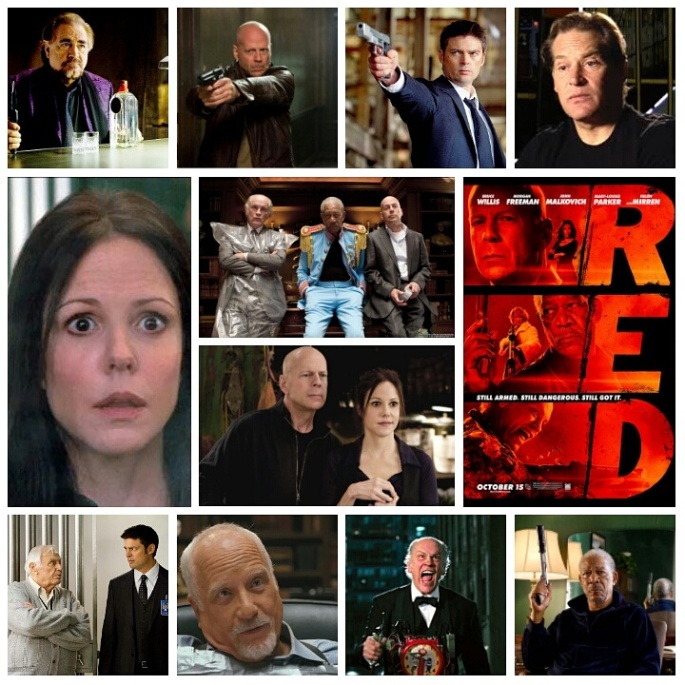
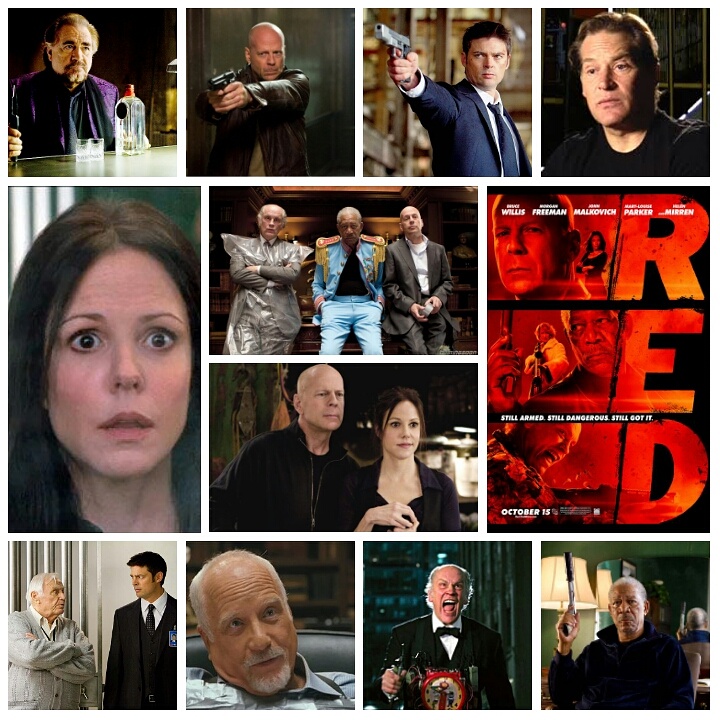
Despite being somewhat neutered by the ever present annoyance of the PG-13 rating, Red is some of the most fun you can have with in the glib assassin subgenre of action comedy. Bold, hilarious and just a little bit demented, it jumps right off the pages of the graphic novel it was based on for just under two hours of wiseass popcorn movie nirvana, hosted by a cast that’s almost too good to be true. ‘RED’ stands for ‘Retired Extremely Dangerous’, a moniker given to aging ex contract killers who have laid down the guns, but are still closely watched by the CIA. Frank Moses (Bruce Willis) is one such person, languishing in the doldrums of forced retirement, bored out of his mind and chatting endlessly with a cutey call center girl (Mary Louise Parker). Things get freaky when deranged former associate Marvin Boggs (John Malkovich) pays him a visit, belting out wild theories about the CIA sending operatives to terminate him. Before he knows it, Frank is swept up in espionage and intrigue once again, pursued by a slick, ruthless agency man (a deadly Karl Urban doing the anti-007 shtick nicely), with Parker in tow, whose terrified reactions to the escalating violence and deadpan sociopaths around her get funnier and funnier as the film progresses. Helen Mirren is regal gold as a well spoken ex MI6 spook who dissolves corpses in bathtubs full of acid, right before afternoon tea, I presume. Watching this dainty waif rock a Barrett 50 caliber and make red mist out of her enemies is one of the many mental pleasures one can get from this flick. Morgan Freeman takes it easy as another former buddy of theirs from the older, and I imagine, more agile days. As for the supporting cast, hell, take your pick. Richard Dreyfuss is a slimy Trump-esque politician lowlife, an underused James Remar shows up for a very brief cameo, as does that old toad Ernest Borgnine, Julian McMahon once again shows that no one wears a suit like Julian McMahan, and that lovable imp Brian Cox almost walks away with the film as a sly devil of a Russian agent who woos Mirren with the silver tongued virility of a fox. What works so well the dynamic between the three leads; Malkovich is mad as as hatter, Willis plays exasperated babysitter and Parker looks on in horror that starts to turn into amusement with every outlandish scenario. Action comedies are tricky recipes, and it’s easy to let too much of one ingredient slip into the pot. This one keeps a steady trigger finger that’s locked onto the funny bone and positively sails. 

RICHARD LINKLATER’S BERNIE — A REVIEW BY NICK CLEMENT

1

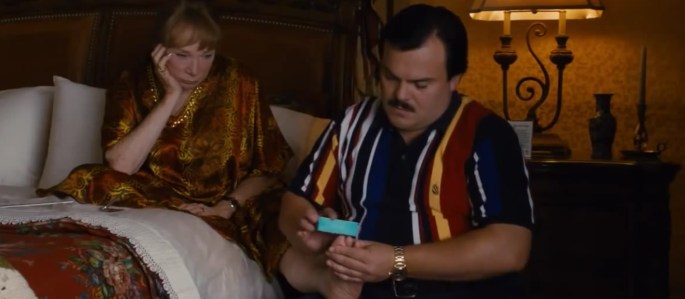
Bernie is one of those movies that not enough people have seen. Richard Linklater often makes under the radar gems, and I think this is one of his best feature films, which also happens to contain Jack Black at his absolute best.  Pitch-black-dark and viciously funny, this is an inventive piece of true-crime cinema, filled with tons of incredible supporting performances, and spotlighting a story so bizarre and twisted that no screenwriter could have ever conjured it up. Co-written by Linklater and Skip Hollandswoth, the film centers on a quirky assistant funeral director named Bernie Tiede (Black), who happened to be one of the most well-loved members of a small Texas community called Carthage. The film pivots on his strange relationship with an older widow, a truly nasty piece of work named Marjorie (an amazing Shirley MacLaine), and how Bernie is literally the only person in town who can tolerate her. But things get crazy when Marjorie turns up dead (and folded into a freezer) and Bernie is prime suspect number one. It can’t be stressed enough how brilliant Black was in this film, and while I’m typically more of a fan of him when he’s in a supporting capacity (Tropic Thunder and The Cable Guy are faves), this is easily his greatest overall on-screen effort.

2

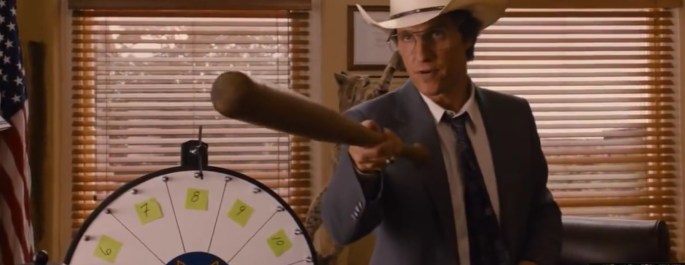
Released in 2011 to mostly supportive reviews but not much in the way of box office receipts, Bernie becomes something strangely hilarious through the use of a faux-interview framing device, with all of the townspeople rallying to support Bernie, even if they truly know he’s guilty. Linklater’s sense of the satiric along with just general ha-ha comedy is in full effect all throughout, with moments that are both laugh out loud funny and slyly hilarious. Matthew McConaughey was superb as the local district attorney trying to make sense of the chaotic mess, sporting an awesome cowboy hat and total laconic charm, while all of the naturalistic performances from the various Carthage residents sealed the black comedy with a devious kiss. How this film is able to shift back and forth between tragedy and comedy is also extremely interesting, as Linklater always employs a subversive touch to whatever material he tackles. Dick Pope’s unassuming but extremely effective camerawork never intruded on anything, while the fleet editing by Sandra Adair kept the comic timing sharp and the pacing brisk; the films feels modest yet still consistently creative. I have long been a fan of Linklater, and this is definitely one of the best movies of his unique, varied, and often underrated career.

3

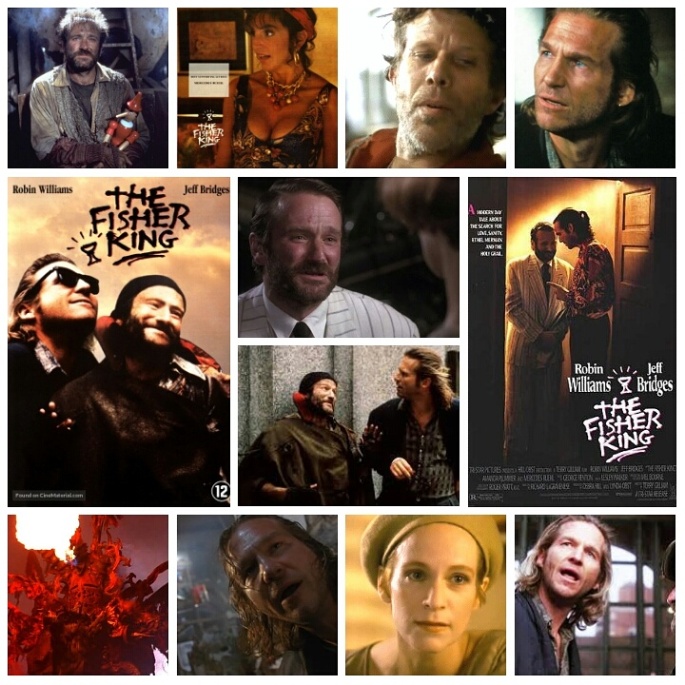
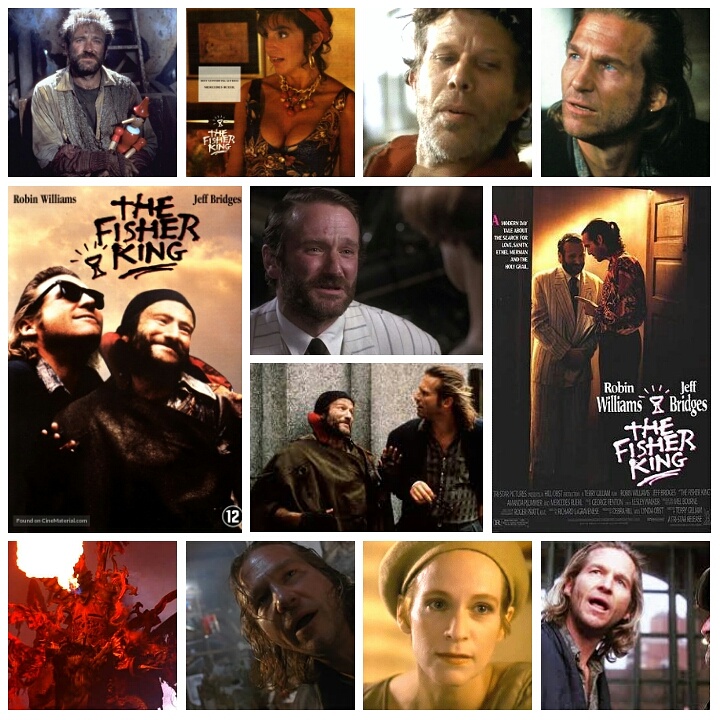
Terry Gilliam’s The Fisher King: A Review by Nate Hill 

Tragic. Uplifting. Comical. Bittersweet. One of a kind. Terry Gilliam’s The Fisher King takes on mental illness by way of a fantastical approach, an odd mix on the surface, but totally fitting and really the only way to put the audience inside a psyche belonging to one of these beautiful, broken creatures. Sometimes an unlikely friendship springs from a tragedy, in this case between a scrappy ex radio DJ (Jeff Bridges) and a now homeless, mentally unstable ex professor of medieval history (Robin Williams). Bridges was partly responsible for an unfortunate incident that contributed to William’s condition, and feels kind of responsible, accompanying him on many a nocturnal odyssey and surreal journey through New York City, an unlikely duo brought together by the whimsical cogs of fate that seem to turn in every Gilliam film. Williams is a severely damaged man who sees a symbolic ‘Red Knight’ at every turn, and seeks a holy grail that seems to elude him at every turn. Bridges is down to earth, if a little aimless and untethered, brought back down from the clouds by his stern, peppy wife (Mercedes Ruehl in an Oscar nominated performance). They both strive to help one another in different ways, Williams to help Bridges find some redemption for the single careless act that led to violence, and Bridges assisting him on a dazed quest through the streets to find an object he believes to be the holy grail, and win over the eccentric woman of his dreams (Amanda Plummer). In any other director’s hands but Gilliam’s, this story just wouldn’t have the same fable-esque quality. Straight up drama. Sentimental buddy comedy. Interpersonal character study. There’s elements of all, but the one magic ingredient is Gilliam, who is just amazing at finding the way to truth and essential notes by way of the absurd and the abstract. Watch for fantastic work from Michael Jeter, David Hyde Pierce, Kathy Najimy, Harry Shearer, Dan Futterman and a quick, uncredited Tom Waits as well. The hectic back alleys and silhouetted trellises of NYC provide a sooty canvas for Gilliam and his troupe to paint a theatrical, psychological and very touching tale of minds lost, friendship found and the past reconciled. 

Hard Eight: A review by Patrick Crain


The screen is black and the opening credits begin. The first thing we hear is a dirge called Clementine’s Loop, composed by Jon Brion. The mood it pitches is stark and foreboding. The audience is immediately keyed in to the notion that the next 102 minutes will probably not be a reflection of the life-affirming highlights of the characters’ lives.

When the image comes up, we’re outside a Denny’s. Well, a reconverted Denny’s. The world of Hard Eight is one of unshakable reputations; it can say Ray’s Cafe on the sign but it’s still a Denny’s that has been broken down, sold off, and is quietly functioning in its new skin. Walking towards this cafe is Sydney, a shadowy, yet direct man who, seemingly at random, offers to buy a poor stranded soul named John a cup of coffee.

It seems appropriate to note that, once upon a time, Peter Yates directed Robert Mitchum in a film called the Friends of Eddie Coyle which was not too dissimilar from Hard Eight. Set in the less-cinematic parts of Boston, that film chronicled the lives of the lowest-level functionaries in the organized crime business; bottom feeders who would feed on each other if need be. And in that film, everyone spoke with a clarity that ensured that whoever was listening understood what was said and what was not being said.

Hard Eight is very much like this world. In the earlier film, Robert Mitchum got to put the fear of God into a hot shot gunrunner by explaining why you never ask a man why he’s in a hurry. In Hard Eight, Sydney helpfully reminds John never to ignore a man’s courtesy. In both scenes, the veteran looks dog-tired and slow but you never once doubt his wisdom and respect the commanding way he delivers it.

In Hard Eight, Sydney is played by Philip Baker Hall and John is played by John C. Reilly. During the course of the opening scene, we will learn just enough about each character to want to tag along with them; Sydney is a well-dressed, professional gambler and John is a sweetly dim loser who only wants to win enough money in Vegas to pay for his mom’s funeral. Fifteen minutes into the film, we’re hanging on Sydney’s every word and John’s receptiveness to them. By the time sad-eyed cocktail waitress-cum-prostitute Clementine (Gwenyth Paltrow) and reptilian casino security manager Jimmy (Samuel L. Jackson) are added to the mix, we slowly begin to see the ingredients of disaster come together and, like John, we look to Sydney for his guidance and trust his every movement. For there’s no doubt he’s seen disaster before.

What’s most astonishing about the debut film of Paul Thomas Anderson is how subdued it is, Made by a young man of 26, Anderson refuses to fall into the trap that 99% of nascent filmmakers do which dictates that one must be as flashy as possible by jamming in as many cinematic references and tricks that they can. In his first time out as a filmmaker, Anderson shows a real maturity in his restraint and his ability to approach material correctly and there is an amazing wisdom in the dialogue.

The film’s setting is interesting, too. Like Robert Altman’s California Split, Hard Eight takes place in the unglamorous world of daytime nightlife. Garish hotel rooms, eerily desolate roads, and the sparse, Wednesday afternoon crowd in dumpy Reno casinos are all writ large on cinematographer Robert Elswit’s wide canvas. And John Brion’s Hammond B3-laced score injects the right amount of lounge-lizard sleaze into the atmosphere. The characters and plot, a potent blend of a Jean Pierre Melville’s Bob Le Flambeur, Louis Malle’s Atlantic City, and an Elmore Leonard novel, mix with its harsh, cinematic world in such a way that you can smell the stale cigarette smoke on every frame of film.

To achieve this, a film has to be extraordinarily observant and meticulous in its details. Take, for instance, a scene in which Clementine, who has to leave town with John in a hurry, gives Sydney instructions for feeding her cats and how to unlock her apartment door with a key ring we never see, but can hear is ridiculously overloaded with keys and trinkets. It’s not played for laughs and it doesn’t even call attention to itself. It’s simply a detail that serves as a reminder that Anderson knows characters like Clementine; someone who sadly, and in the name of basic survival, gives so much of herself away that overloading her keychain with goofy charms and ephemera seems like one of the few remaining frontiers of self-expression and individuality.

As well-realized its world and well-written its dialogue, Hard Eight is, above all, an actor’s film.

Philip Baker Hall, an actor who before Hard Eight was mostly known as Richard Nixon in Robert Altman’s film adaptation of Secret Honor, got one of the biggest gifts from the gods with a role for the ages. Stoic and precise, Hall gets the immense actor’s pleasure of both being able to express himself with his stoney face and the right to spit hot-fire lines of dialogue like “You know the first thing they should have taught you you at hooker school? You get the money up front.” It’s a performance of masterful skill, immense control, and sheer perfection. I’ll fight the man, woman, or child that disagrees.

John C. Reilly can never get enough credit and is one of the finest character actors working today. In Hard Eight, he turns in one of his greatest performances as a truly pitiful lug who needs a hug and an emotional anchor. While Hall is tasked with the heavy lifting during the scenes of severe gravity, Reilly gets a few astonishing moments of emotional counterbalance, most especially during a telephone conversation in a key scene in the film’s third act. Also bringing the lumber is Gwenyth Paltrow who summons up the depressing cheapness that runs through her character while also making her vulnerable and human. It helps that her character is the hooker with a heart of despair and loneliness, not gold and half of the time her smeared lipstick makes her look like a clown that escaped a black velvet painting.

Fourth-billed Samuel L. Jackson brings fire to the film as the charismatic yet crudely loathsome security manager who knows everything that goes on in, and out, of the casino. With his wide grin, his maroon leather jacket, and his driving gloves, Jimmy is a study in someone who wouldn’t know class if he fell into it, yet is supremely lethal and projects a menace that, once he’s introduced, hangs like a pall over every remaining second of the film.

Looking back on how Hard Eight was marketed, it must be said that the trailer for the film is ridiculous. Obviously cut to capitalize on the then-red hot Samuel L. Jackson and Quentin Tarantino vibe, the film was marketed as a explosive fire of witty banter, cool Vegas shenanigans, and gritty gangster action. To give the film more of that post-Rat Pack fetish vibe that washed all over indie cinema in the mid to late 90’s, the trailer assigns face-card titles to the characters (Gwenyth Paltrow is the Queen!). That the film had none of the aforementioned elements probably surprised the few that were able to overcome the distributor’s shameful mismanagement and see it in a theater. For some, the surprise was likely a let down. Regardless of quality, there was an audience that ate up every single post-Pulp Fiction-ish film indiscriminately. This, by the way, is how the noxious Boondock Saints, the Sublime of the Pulp Fiction wannabes, ever became the hot property it did. If a film didn’t have that same pop, slash, and burn, it was chucked as boring. And Hard Eight doesn’t have that pop. Despite the use of a quick pan here or there and one tremendous tracking shot of Sydney moving like a shark across the casino floor, the film’s dynamism comes solely and bravely in its silences and what it doesn’t say. The electricity it emits is a slow burning charge that feels confident.

But, finally, Tarantino fashioned the mood of Pulp Fiction after those deliciously chosen pop tunes, Anderson fashioned Hard Eight after a Tom Waits song; a broken boulevard of heartache and misery where, after an evening of carnage, one can merely adjust their coat sleeve to cover up the bloodstains and move about their day unmolested.

hard-eight-poster

THAT THING YOU DO! – A REVIEW BY J.D. LAFRANCE

the-wonders

That Thing You Do! (1996) is Tom Hanks’ tribute to the slew of rock ‘n’ roll bands that followed in the wake of the Beatles’ phenomenal worldwide success. Record companies in the 1960s were desperate to find the American equivalent in the hopes of making the same kind of profit. The result was a lot of one hit wonder wannabes. Hanks’ film (his directorial debut) is a fictionalized account about one of these bands.

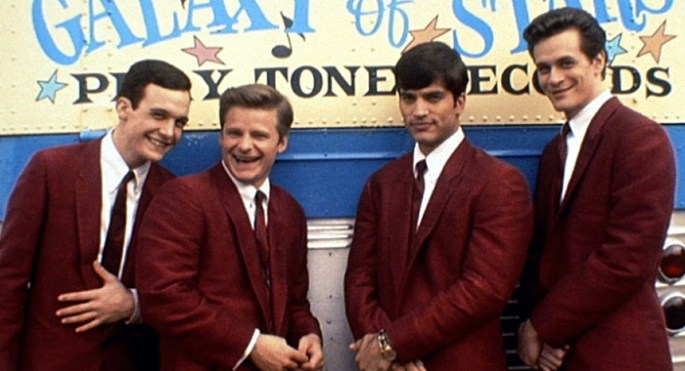
After their regular drummer (Giovanni Ribisi) breaks his arm, a band approaches one of their friends to fill in. They rehearse for a talent show, playing the one original song, “That Thing You Do,” a slow ballad-type deal. However, at the show, the overly enthusiastic drummer speeds up the tempo and the crowd eats it up, breaking spontaneously into dance. They easily win the show and realize that they are onto something. Guy (Tom Everett Scott), the drummer, becomes a permanent member of the band and they call themselves the Oneders (bad idea) and start playing gigs in their home town of Erie, Pennsylvania. Jimmy (Jonathan Schaech) is the good-looking singer and primary songwriter. Lenny (Steve Zahn) is the wisecracking guitarist who is interested in picking up girls. The bass player (Ethan Embry) doesn’t say much and is content to go along with what everybody else wants to do.

Guy uses his family connections to allow the band to make a record, a single of “That Thing You Do” and it transforms them into a minor local sensation. The Oneders soon get their song played on the radio and their popularity only increases. They meet Mr. White (Tom Hanks), a slick executive from Play-Tone Records, who signs them to his label. He changes their name to the Wonders, changes their look to smart-looking suits and takes them on a whirlwind promotional tour across the country. Along for the ride is Jimmy’s fun-loving girlfriend Faye (Liv Tyler) and, to a lesser degree, Guy’s uptight girl, Tina (Charlize Theron).

Hanks does a nice job of recreating the time period, complete with vintage cars, outfits and hairstyles but doesn’t dwell on them too much or draw unnecessary attention to them. Best of all, is the music. The band’s hit song is indicative of the era’s pop music (think of it as the whitebread flipside to the Dreamgirls’ music), a catchy three-minute ditty that sticks in your head. Hanks also captures the youthful energy of these young guys – the rush of playing in front of an appreciative audience that loves their music and the excitement of hearing their song on the radio for the first time. He is also successful in conveying the dynamic between the band members and how it changes over time, especially after they enjoy national exposure and success. Predictably, it affects them in all kinds of different ways. Hanks shows how success can spoil a band. Egos get inflated and this often leads to conflicts within the group. There is also the pressure to follow up a hit with another and another so that the record label continues to make money.

For his directorial debut, Hanks wisely doesn’t try to bite off more than he can chew. He keeps his ambitions modest and isn’t too flashy with the camerawork. He understands that nothing should get in the way of the story or the characters. However, his script does show a lack of experience as little things, like a repeating gag of Guy proclaiming, “I am Spartacus,” wears thin very quickly.

That Thing You Do! is an affectionate, nostalgic look back at simpler, more innocent times, just before the country became mired in the Vietnam War and the social and political climate changed radically and with it the music. Hanks recaptures a time when hundreds of screaming teenage girls would mob the bands that they worshipped, a time before the Internet so that music was promoted via the radio which had the power to make or break a band.

Ten Actors Who Are Perfect For a Quentin Tarantino Film

Many of us love Quentin Tarantino films for a multitude of reasons; the story, his use of popular music, his dialogue, and especially his casting.  He resurrected the careers of John Travolta, Pam Grier, Robert Forster, Jamie Foxx, David Carradine and introduced Michael Fassebender, Christoph Waltz, Samuel L. Jackson, and Uma Thurman into the mainstream of cinema.  Along the way he has also brilliantly used Kurt Russell, Michael Parks, Michael Keaton, Robert De Niro, Michael Madsen, and many other great actors that have given some of their best performances in a Tarantino film.  There are so many actors that Tarantino should work with, so making a list of just ten is nearly impossible.  But this is my dream list.  Some are more realistic than others.


bisset-qt

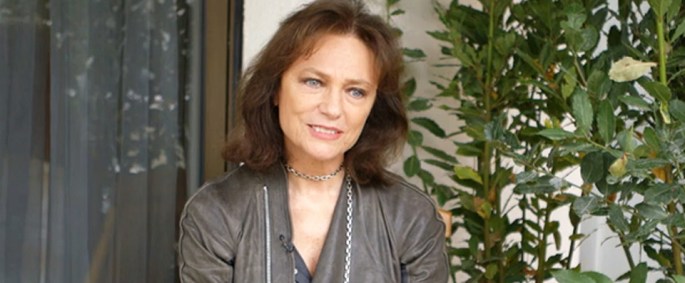
Jaqueline Bisset

                Most recently, Bisset gave a show-stopping performance in Abel Ferrara’s WELCOME TO NEW YORK.  Not only was it great to see her work with such compelling material, but it was also incredible to see her work with Abel Ferrara, a director that’s transgressive works wouldn’t normally attract an actress of that clout and cinematic reputation.  She gives a fierce performance in the film, and I could only imagine what she would be capable of in a Tarantino film.

crowe-qt

Russell Crowe

                Russell Crowe is in prime career transition.  His days of the young, muscular cinematic asskicker are long gone.  He’s currently floating between the mentor, the heavy, and the middle-aged leading man.  His performance in THE NICE GUYS is one of his best in recent memory, and his turn in LES MISERABLE is one of the most underrated performances within the last ten years.  He’s more than suited to headline or sidestep back into a Max Cherry-esque role.

ddl-qt

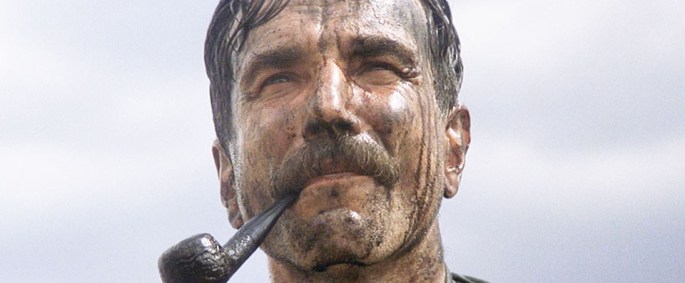
Daniel Day- Lewis

                It’s widely noted that one of the only roles that Day-Lewis has ever sought out was the role of Vincent Vega in PULP FICTION.  First of all, I can’t imagine what DDL would have done with that role, and secondly, I can’t imagine Tarantino, hot off his indie hit of RESERVOIR DOGS telling the studio and DDL no, I’m going with John Travolta.  Day-Lewis can take a role, even in some of his more mediocre films, and knock that role out of the park.  He’s showy when he needs to be, and knows when to reign in a performance to make it so slight and subtle.  Imagine what he could do with the colorfulness of Tarantino’s dialogue.

 fonda-qt

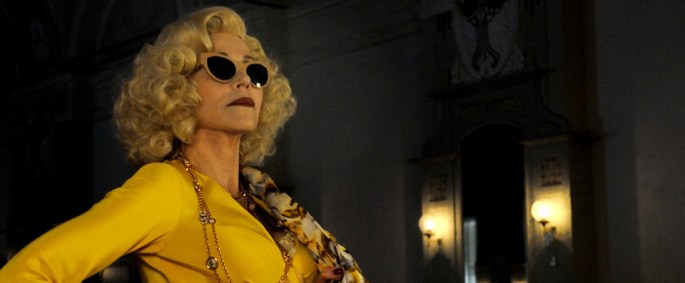
Jane Fonda

                Whatever is left of cinematic royalty, it’s Jane Fonda.  Throughout the years, she has continued to stay relevant in both film and not television with Netflix’s GRACE AND FRANKIE.  Recently, she gave a briefly pulverizing performance in Paolo Sorrentino’s YOUTH.  Casing Fonda would not only be a callback to some her earlier performances, but she would also bring an air of golden movie star cache that we rarely see on film anymore.

ford-qt

Harrison Ford

               Let’s face it, Harrison Ford is one of the biggest movie stars of all time.  He is Han Solo, Indiana Jones, Rick Deckard, Jack Ryan – yet for the past twenty years or so, he hasn’t been as compelling as he used to be.  Yet, his return as Han Solo in THE FORCE AWAKENS is one of the best things he’s ever done.  The return was phenomenal, thrilling, and heartfelt.  His performance was organic, and there wasn’t one moment in the film where it felt as if he were phoning in the performance.  Ford has had quite the ride as a movie star, and his persona would go a hell of a long way inside of a Tarantino film.

gibson-qt

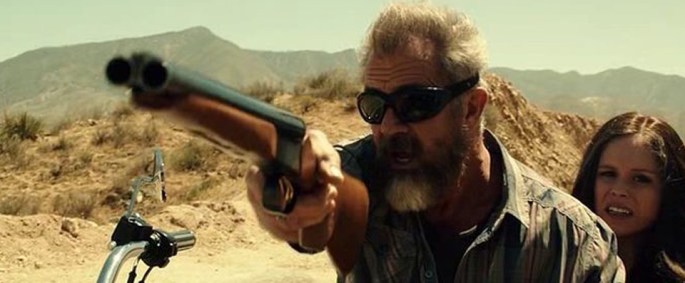
Mel Gibson

                If there is any actor at this moment in time who is due to make a cinematic resurrection, it is Mel Gibson.  His most recent leading turn in BLOOD FATHER shows, without a doubt, that his screen presence is still an unstoppable force to be reckoned with.  His smaller roles in MACHETE KILLS and THE EXPENDABLES 3 further prove that he and Tarantino are a perfect match.  Regardless of how outlandish or low key that theoretical role would be, Gibson would absolutely kill it.

slang-qt

Stephen Lang

                Stephen Lang is much like Daniel Day-Lewis.  He’s a cinematic chameleon.  Decade after decade the guy has disappeared into so many memorable roles in so many memorable films.  Most recently, Lang has taken a career transition as a muscular badass in James Cameron’s AVATAR and this year his gives a tour de force performance in Fede Alvarez’s DON’T BREATHE.  He owns Michael Mann’s PUBLIC ENEMIES, outshining both Johnny Depp and Christian Bale.  Mann knew exactly what he was doing casting Lang, bringing in a skilled actor to bring the film to an absolute stop during the final moments of his epic gangster saga.  The merging of Tarantino and Lang is a cinematic match made in heaven.

mendelsohn-qt

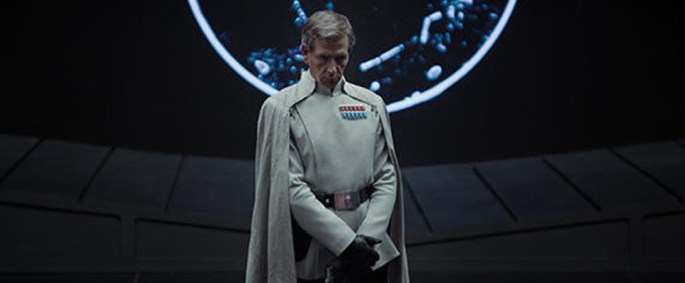
Ben Mendelsohn

                I can’t think of many current actors who has been in so many great films in such a short time span.  KILLING THEM SOFTLY, THE PLACE BEYOND THE PINES, ANIMAL KINGDOM, SLOW WEST, and his next two films are polar opposites: UNA based off of the transgressive and acclaimed Broadway play, BLACKBIRD and ROGUE ONE: A STAR WARS STORY where he is cast as the evil Imperial Director Orson Krenick, the man in charge of the Empire’s military.  A lot of Tarantino’s work is cast in moral ambiguity, and there isn’t anyone better at playing that, than Ben Mendelsohn.

vaughn-qt

Vince Vaughn

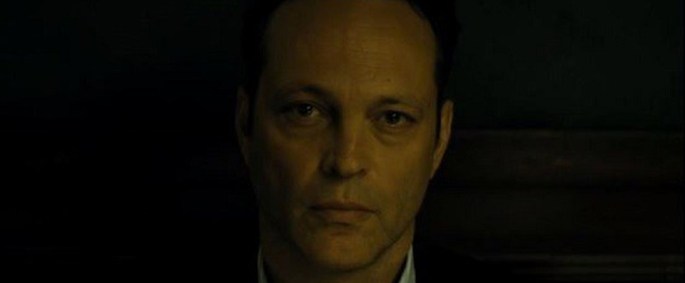
                Thankfully, Vince Vaughn has successfully shaken off his prolific comedic career and has heavily vested himself back into dramatic works.  The amazing second season of TRUE DETECTIVE reset Vaughn’s path as an actor.  His next film is Mel Gibson’s long anticipated World War II film, HACKSAW RIDGE where Vaughn plays a rough and tough commanding officer.  After that, Vaughn is going to be in BONE TOMAHAWK director S. Craig Zahler’s  BRAWL IN CELL BLOCK 99 that sounds as dark and gruesome as BONE TOMAHAWK did.  Vaughn, who can play both humor and drama would be an excellent mesh with Tarantino’s words and look of his films.

weaver-qt

Sigourney Weaver

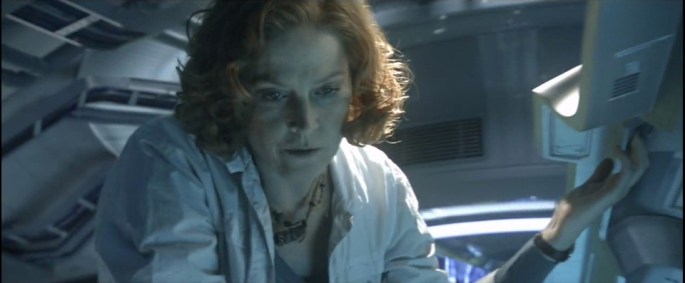
                Whether she’s killing aliens or emotionally breaking Kevin Kline, or romancing Bill Murray; Weaver has always had a unique and powerful presence on screen.  Her work is always solid, regardless of the end result of whatever project she is working on.  She belongs to the same class of actresses like Pam Grier, Daryl Hannah, and Jennifer Jason Leigh – those actors who had at one point were A list actors due to not only their sex appeal, but also their carefully crafted performances.  Whether she’d be a femme fatal, or a badass hero – she would fit perfectly into Tarantino film.

CLINT EASTWOOD’S SULLY — A REVIEW BY NICK CLEMENT

1

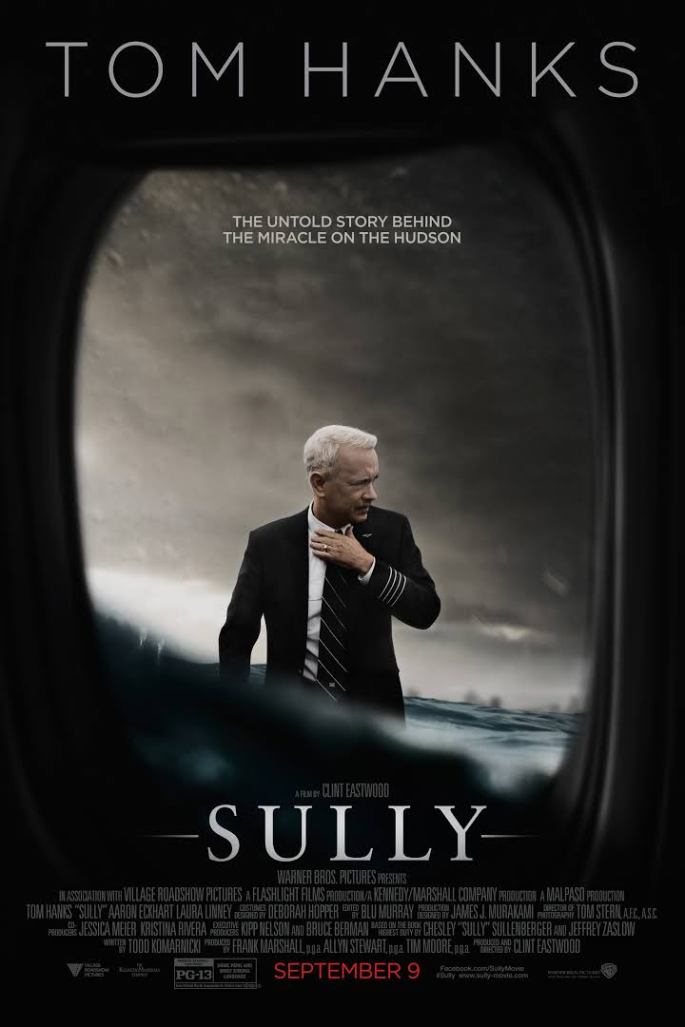
It’s too good to be true, the mere notion of what Captain Chesley Sullenberger did on that particular day in January 2009, but due in large part to pure movie magic, we’re now able to get a first-hand glimpse of the terror, confusion, heroism, and stroke of miracle that took place on the Hudson River. Clint Eastwood’s bold new film, Sully, is a monument to humble American professionalism, a tribute to a man and to a city in general that feels both modern and old-fashioned in equal and appropriate measure. As written by Todd Komarnicki, the film wisely places a narrow focus on its narrative, never overreaching, concentrating mostly on the immediate aftermath of the event, while allowing for some smart uses of flashbacks in order to bolster the notion that Sullenberger was just about the only man fit for this particular emergency. And of course, the entire film is anchored by the amazing Tom Hanks, who yet again crafts a compelling portrait of a regular man thrust into circumstances beyond his control; this is a companion piece, of sorts, to his intense performance in Captain Phillips, and similar to that great piece of true-story entertainment, Hanks’ confident work informs every aspect of the film, allowing himself to become consumed by the material. What is it like to have 35 seconds to make a decision that will affect the lives of 155 people? What’s it like to sit in that cockpit and see the Hudson River a few feet underneath the gear of the plane? What is it like to be faced with the unprecedented, the seemingly impossible? That’s what’s at the heart of this emotionally gripping and soul-stirring film, and because the ending is a happy one, we’re able to bring that knowledge to the cinema as a comforting device. And yet the film still destroys you on an intrinsically human level, because when you boil it down, any one of us could have been on that plane on that day, making one last phone call or sending one last text message, and coming to terms with our fate.

2

Komarnicki’s tight script keeps a sense of discipline that feels in line with its subjects; he was able to balance the humanism of the story while still respecting the miraculous nature of the entire event. We’re not hard wired to wake up in the morning, and be expected to glide-land a commercial airliner on a massive body of water. So, it was smart of Komarnicki to let his script document the incredulous responses that waited for Sully after the event. Eastwood’s no frills directorial style is actually more visually flamboyant than usual, with some incredibly bold individual shots, while it’s very clear that he wastes no time with any aspect to the process. And I wish I could understand how the CGI was done in this film. Taking a page out of the Michael Bay playing field of the photo real image, the audience is treated to numerous shots of the plane that you know just can’t be real. And yet in every sequence, it never looks anything but thrillingly tangible; why does this movie look flawless at $60 million when every week some lumbering $200 million+ CGI-laden monstrosity is thrown up on screens looking like Playstation 2 leftovers? And the way that the technicians recreated that chilly morning on the water with wrap around green screens while filming in a flooded parking lot in Burbank with the hull of a plane dropped in the water – utterly spellbinding while feeling totally authentic. I am a firm believer in only doing this sort of effects work if you’re going to pour over each element, each detail. This is something that was clearly done by Eastwood, his estimable cinematographer Tom Stern, and many other visual consultants.

1

And when it comes to the cinematography of Sully, Stern and Eastwood did something nobody had done before, by shooting in 65 mm IMAX for the duration of filming. The depth of field and striking level of clarity in certain moments is breathtaking. The overcast January skies were perfectly recreated, with an excellent use of desaturated color. This is one of those movies that just grabbed me by heart and mind from the opening seconds (which are startling and absolutely horrifying to consider…) and had me in its grasp for 95 minutes. The fleet editing by Blu Murray, a longtime Eastwood associate, keeps a pace that’s quite different from recent Eastwood efforts; there’s a bracing and direct quality to Komarnicki’s script that’s amplified by the measured directorial style and the extremely precise timing of each scene and moment. And to end the film on the note that it does, well, that moment of levity really hits hard and is a welcome relief from all of the stress and anxiety experienced by all of the characters. It should be noted that Aaron Eckhart is quietly fantastic in his role as the co-pilot; I was amazed by the grace under pressure that both men exhibited during the ordeal, and because this film was clearly designed around lots of research, it all feels totally believable. Hanks should be considered a national treasure at this point, always bringing a steady and sturdy level of gravitas to his roles. Of late, by taking on high profile men of action in films that aim to report the facts, he’s become the go-to-guy for unassuming efficiency with a dedication to doing one’s job. It’ll be a while before I can totally shake this movie out of my system, as the images have seared themselves into my cerebral cortex, and the feeling of overwhelming compassion that one feels for all of the first responders who came to the rescue is something I wasn’t prepared to take on. Recalling Oliver Stone’s vastly underrated World Trade Center, Eastwood’s film pays tribute to everyone who came together on that day, and who helped to save a group of strangers that never expected to be in the position that they found themselves in. Sully is a film that feels vital and important, and a reminder that human beings are still capable of greatness in ways that could never be predicted.

3

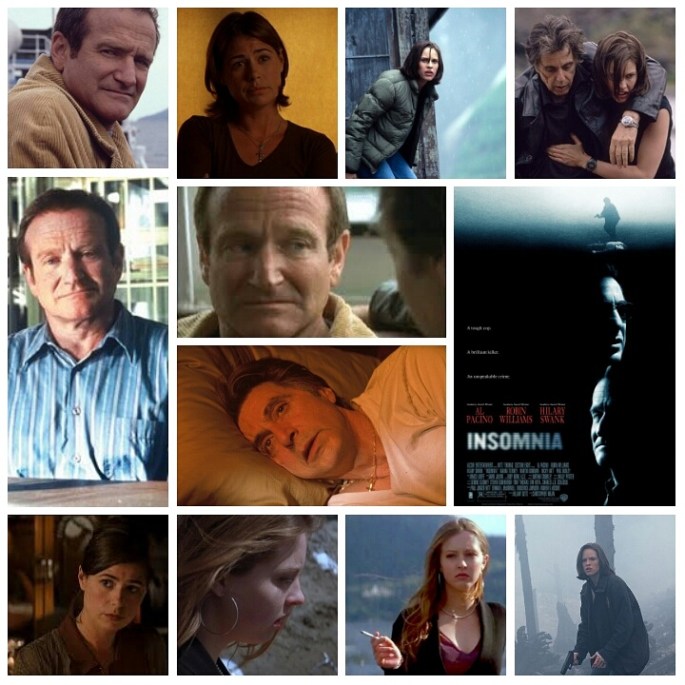
Christopher Nolan’s Insomnia: A Review by Nate Hill 

Christopher Nolan has a monumental filmography full of lofty cerebral ideas, superheroes mythic in nature, and incredibly complex morality plays. The one time he hit the road in a straight line is Insomnia, a fairly standard cat and mouse thriller given the obvious boost of having Chris at the helm, as well as two actors who get dangerously out of control, in the best possible way. Al Pacino plays Will Dormer, an L.A. cop who treks out to small town Alaska to solve the mystery of a murdered local girl. The twist: they’re in the region where it’s daylight for a month straight, and if that’s something you’re not accustomed to, it’ll throw you way off. It’s fascinating to watch Pacino roll in sharp as a razor and completely in control, then observe his lack of sleep eat away at the frills of his perception and start to play tricks on his weary mind. The film has one of those narratives that gives us a heads up as to who the killer is nearly right off the bat, in this case personified by Stephen King esque novelist Walter Finch, played by a vastly creepy Robin Williams. He and Pacino do an eerie dance through the foggy local geography and small, gaunt townscape, Pacino looking for clues and proof while trying to hold onto his sanity, and Williams unnervingly playing a macabre mind game, perhaps only for his own amusement. There are shades of Vincent Hanna in Pacino’s work here, the extremely stressed out LA detective from Michael Mann’s Heat. One gets a sense of the same world weariness and feral ferocity of that character, especially in a heartbreaking monologue to the local innkeeper, played by underrated Maura Tierney, who is brilliant in the scene that requires her mostly to listen, a much harder task than delivering any page of dialogue. As for Williams, he’s never really done anything this specific before. I mean, he’s played freaks and villains all across the board, but none quite like Walter Finch. He’s detached in a way that still clings to a humanity he may have lost through so many years writing stories that only happened in his head. He’s both dangerous and rational, and when those two are fuelled by emotional trauma… watch out, because there’s damage to be done. There’s further work from Hilary Swank as Will’s partner, Nicky Katt, Emily Perkins, Martin Donovan and edgy Vancouverite Katherine Isabelle, who just excels in anything, here playing the murder victim’s troubled best friend. 

 Now, this film is based on a chilly Swedish thriller of the same title, starring Stellen Skarsgard in Pacino’s role, and Williams nowhere to be found, naturally. I connected with Nolan’s version far more, the original seeming rather bland and lacking personality, but it’s got a huge following and a Criterion release, so what the hell do I know, go see for yourself. I do know that nothing stands up the hairs on my neck quite like the portentous back and forth between Pacino and Williams here, the icy inaccessibility of the central mystery and the feeling that there’s always something bubbling just below the surface of a seemingly civilized interaction. Barring Memento, which even rose to flights of fancy, this is the most down to earth Nolan has ever been in his exploration of the psychological landscape. Dreams, outer space, damaged memory and morality are for another day here. It strips away any of that, leaves it’s characters stranded in a misty, threatening environment that mirrors their own starkly layered perception, and sits back to observe. Rats in a maze of the human mind, if you will. It’s an important film in Nolan’s career for this very reason; a departure from ambitions grandiose in nature, a vacation from fantasy, and a forceful glimpse at two men with minds holding on by just a thread, like a spider’s web, beaded with dew in perpetual sunlight that refuses to set and give them solace. A masterwork of tension, with few instances of release. 

OTHER PEOPLE: A Review by Joel Copling

Rating in Stars: **** (out of ****)
Cast: Jesse Plemons, Molly Shannon, Bradley Whitford, Maude Apatow, Madisen Beaty
Director: Chris Kelly
MPAA Rating: NR
Running Time: 1:37
Release Date: 09/09/16 (limited)

Its almost clinical mastery of tone is captured in the opening sequence of Other People, in which the mother of a family of five has, just seconds previous, succumbed to the human curse known as cancer. Her husband, son, and daughters are sprawled across her body, weeping openly for the loss they have just suffered, and then the phone rings. No one, of course, answers it, just as no one would capture this moment with a camera, because courtesy dictates the death must be treated with respect, but it does eventually go to voicemail. The caller is a friend, just checking in after years of not having heard from the woman now lifeless in bed, until the call is interrupted by a menial drive-thru transaction. I’m sorry, says the friend, for the inconvenience of hearing that interaction.

Director Chris Kelly’s screenplay hypothesizes a lot, both good and unintentionally humorous, about human nature in that opening sequence, and he spends the remainder of the film’s 97 minutes, which rewind to the makeshift beginning of the story, confirming those hypotheses. This is a film about the kind of good in people that is inherent, that is not always apparent on the surface, and that is shared by everyone (and anyone) who has had this shared experience. Losing a parent is a universal occurrence, except that for David  (Jesse Plemons) it comes as just one awful thing about the awful year he’s been having.

He’s a comedy writer on staff for Saturday Night Live (an autobiographical element of Kelly’s life that makes one wonder what else might have been borrowed for the purpose of this drama), but he’s also been trying to sell a pilot spec script for a comedy program that will be shown on one of the big, prime-time channels. That thread resolves itself in exactly the way one might expect from the news that this is shaping up to be the worst year of his life. Not only that, but he and his ex-boyfriend Paul (Zach Woods) have called it quits, with David’s part of the lease on their apartment about to end. Some resentment about David’s close-knit, traditional father Norman’s (Bradley Whitford) inability to accept David’s sexuality and choice of partner seems to have led to this.

And then David’s mother and Norman’s wife, Joanne (Molly Shannon) announces her illness, which is an inoperable cancer. Focus shifts onto David’s attempt to help his only major support system before the inevitable. Plemons is terrific as David, never offering an affectation of a queer individual or becoming anything less than completely authentic in his portrayal of a man under the heaviest strain, and Whitford, in the film’s trickiest role, must build a portrait of a confused man intimidated by his wife’s condition and his son’s “lifestyle” until a particularly heated exchange levels the playing field. Kelly’s screenplay has compassion for both men, refusing to make Norman a broad caricature as thoroughly as Whitford does.

Shannon is heartbreaking as Joanne, a woman who successfully puts on an air of strength she musters from her very intestines, even as she loses her hair and voice. The most painful scene here is a PTA meeting in which she must either use another person to speak louder than she can, the woman’s sense of dignity evaporating all the slower as the exchange goes on and then moves to the outside. Shannon is at the film’s aching but beating heart. This is a phenomenal film about family, about the strength of the bond within that family, and about the understanding that, through thick and thin, blood is blood. It is a great film.