PODCASTING THEM SOFTLY PRESENTS A VISIT WITH THE STANLEY KUBRICK ARCHIVES


SK-PosterPano

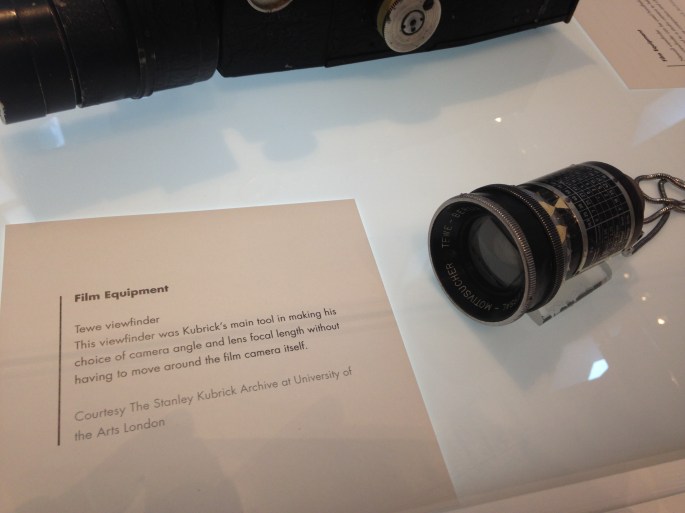
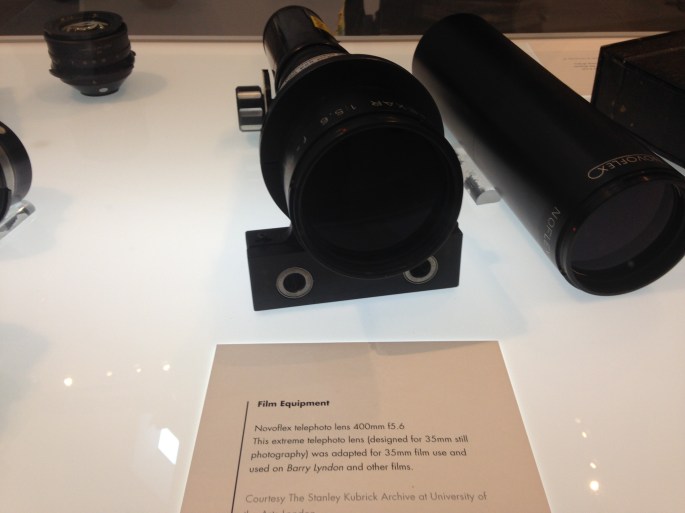
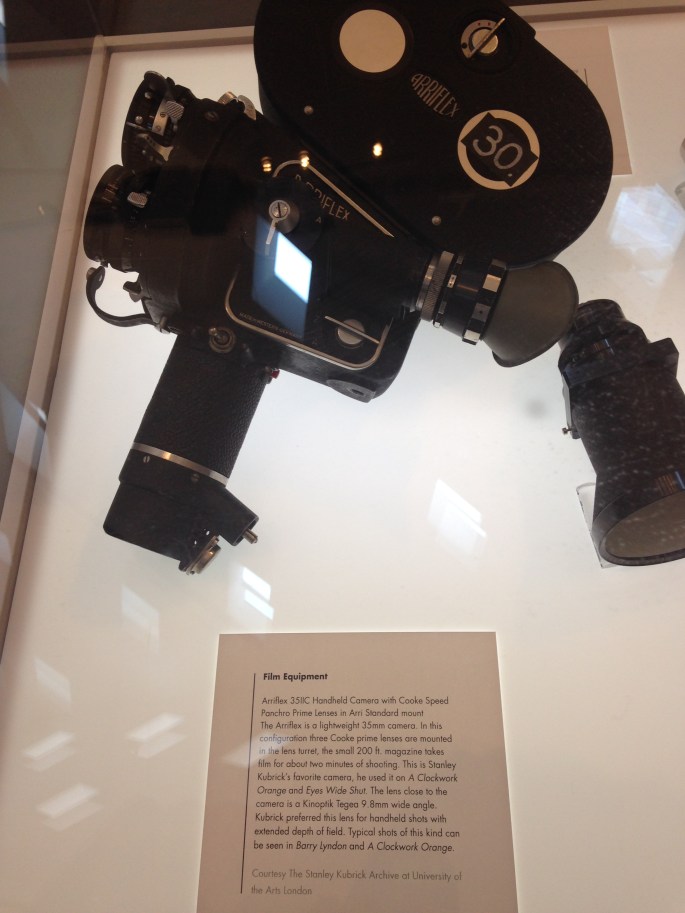
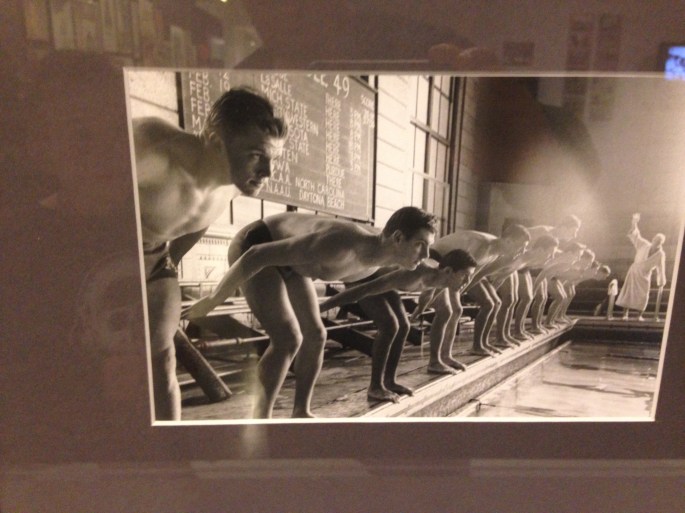
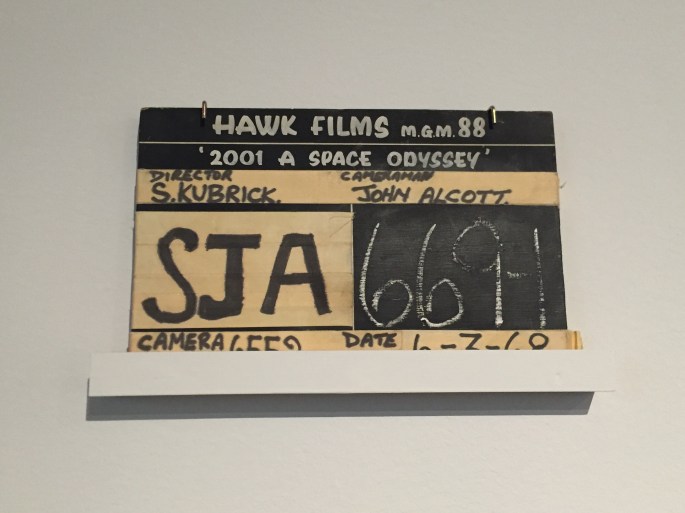
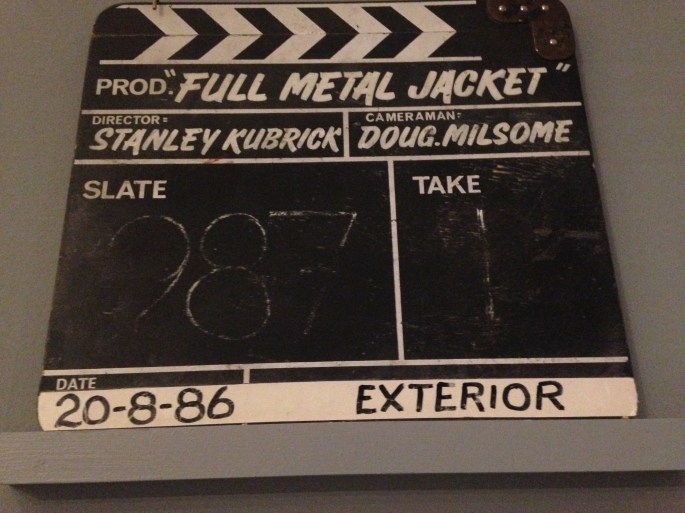
The Contemporary Jewish Museum in San Francisco, CA is offering a stunning treat for cinephiles through October 30, 2016–a large swath of the legendary Stanley Kubrick Archives is on display for the public to enjoy.  Your humble correspondent, camera in hand, recently had the opportunity to spend some time with this monument to the work of a man many consider the greatest filmmaker of all time.  We begin our visual tour with some of Kubrick’s most beloved camera equipment, move on to several early shots for Look Magazine, and then finish with the invaluable memorabilia from the movies themselves.

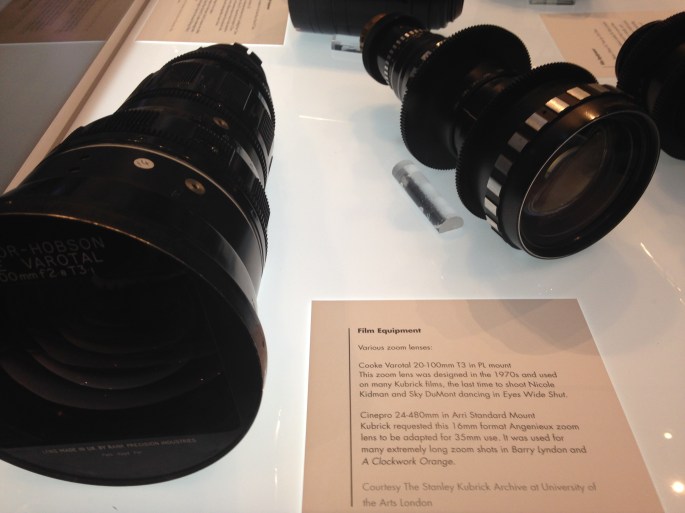
SKZoomLensesEWSBLCO

SKTeweViewfinder

SKNovoflexLensBL

SKArriflexCOEWS

SKArriflexCloseup

SKLookCamera

SKLook1

SKLook2

SKLook3

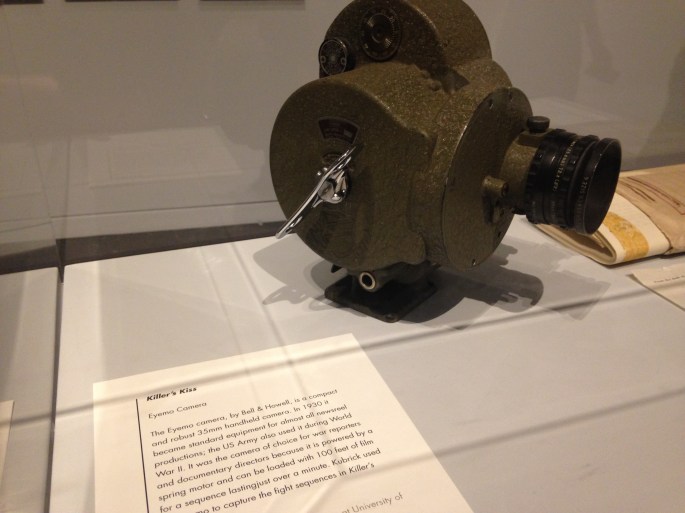
SK-KKEyemoCamera

SK-TKillingScriptpage

SK-PoGProductionSchedule

SK-PoGCartoon

SK-SpartacusCostumes

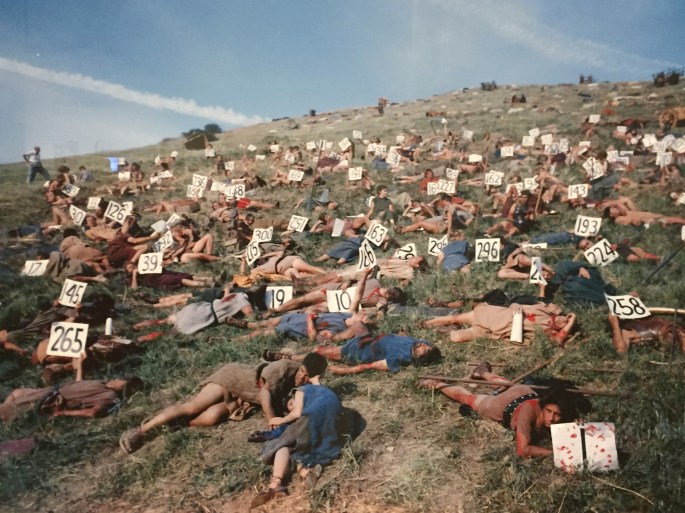
SK-SpartacusDead

SK-Lolita1

SK-Lolita2

SK-Lolitarecord

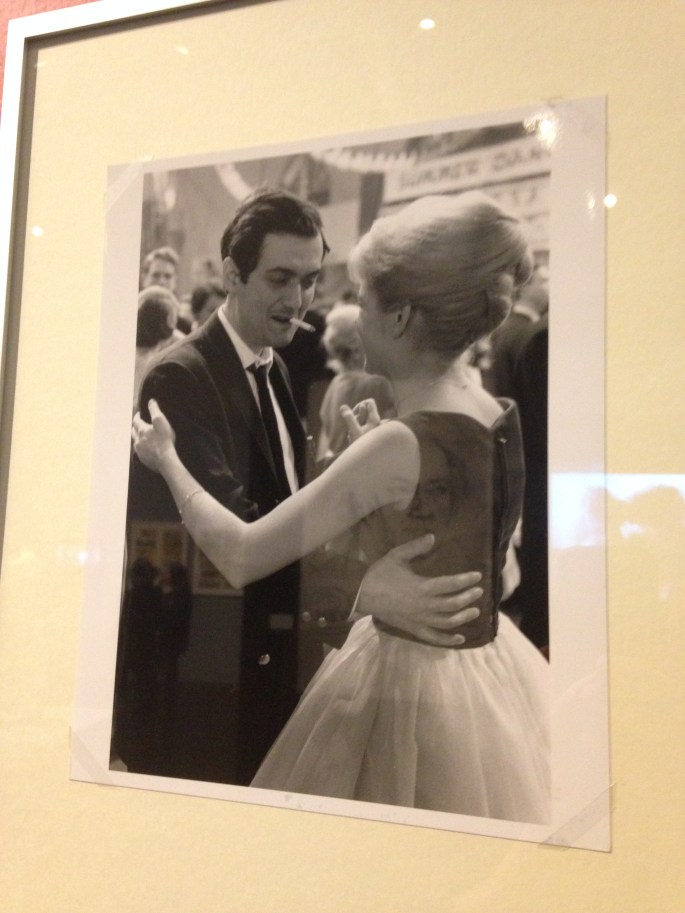
SK-LolitaDance

SK-DrSKubrickSellers

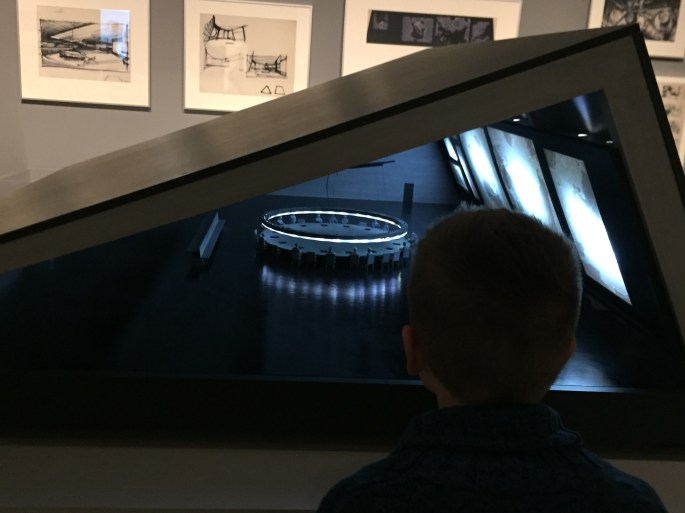
SK-DrSMiniaturewarroom

SK-DrSsurvivalgear

SK-2001 Title card

SK2001ship

SK-2001MaskHelmet

SK-2001Hal9000

SK-2001StoryBoard

SK-2001StarChild

SK-COcane

SK-COstatue

SK-COdiagram1

SK-COLudwigVan

SK-BLcamera1

SK-BLstoryboard

SK-BLcostumes

SK-Shining title card

SK-ShiningSweater

SK-ShiningAx

SK-ShiningMaze

SK-ShiningKnifePicture

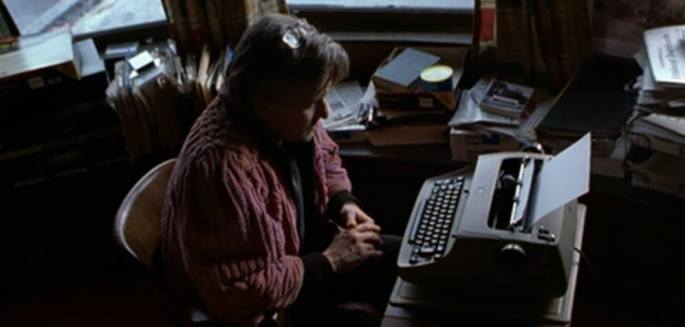
SK-ShiningTypewriter

SK-Shining Dresses

SK-FMJ title card

SK-FMJ BTK1

SK-FMJ BTK2

SK-FMJ BTK3

SK-EWSCruiseCostume

SK-EWSMasks2

SanFran 128

SK-NapoleonCardIndex1

SK-NapoleonCardIndex2

SK-NapoleonLibrary

SK Chess Set

SKDirectorChair


O.C. AND STIGGS – A REVIEW BY J.D. LAFRANCE

ocandstiggs1

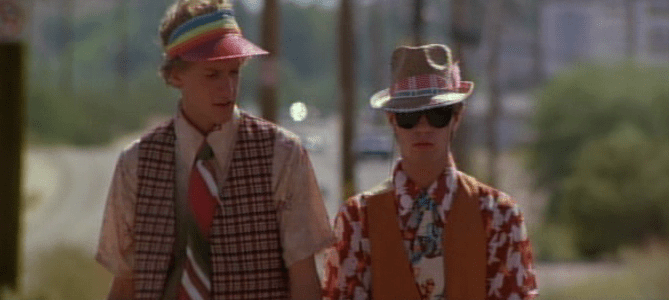
After Popeye (1980), Robert Altman had effectively alienated himself from most of the Hollywood studios and took to adapting stage plays for the big screen through independent financing. In the early 1980s, National Lampoon magazine published stories about two troublemaking teenagers named Oliver Cromwell ‘O.C.’ Ogilvie and Mark Stiggs written by Tod Carroll and Ted Mann. When Altman made O.C. and Stiggs in 1984 (it wasn’t released until 1987), teen comedies were all the rage but he hated them and so, instead, he made it into a biting satire of these kinds of films. Not surprisingly, nobody liked it and the movie quickly disappeared. Even among Altman fans it has few supporters and was eventually quietly released on DVD.

O.C. (Daniel Jenkins) and Stiggs (Neill Barry) are suburban teens and avid practical jokers who live in Phoenix, Arizona. The main target of their gags is the Schwab family, a decadent, materialistic clan headed by Randall Schwab (Paul Dooley) who sells insurance. The mother (Jane Curtin) is an alcoholic, their son (Jon Cryer) is a gullible idiot while their daughter is about to get married.

In some respects, O.C. and Stiggs are like teenage versions of Hawkeye and Trapper John from M*A*S*H (1970). Both feature clever hipsters but the latter were also brilliant surgeons whereas the former are only good at one thing – staging elaborate practical jokes. In M*A*S*H, the two surgeons were fighting against authority and the absurdity of war while O.C. and Stiggs are fighting against materialism and mediocrity as represented by the Schwabs with their bad fashion sense and gaudy décor – the epitome of the “ugly American.”

The problem with O.C. and Stiggs is the central characters. They aren’t particularly interesting. Their obsession with pulling endless practical jokes on the Schwabs seems mean-spirited at times. Another problem lies in what O.C. and Stiggs are rebelling against, which isn’t as clearly defined as the war in M*A*S*H. The teen pranksters are rebelling against the mind-numbing banality of suburbia and the “Greed is good” era of Reaganomics. There is an attempt to provide some kind of motivation for why these kids do what they do. Stiggs’ dad is cheating on his wife while O.C.’s dad (grandfather?) is unemployed and possibly senile. No wonder they spend all their time together devising elaborate schemes. It is a form of escape from their mundane surroundings.

This movie sees Altman in an extremely playful mood with the same kind of fast and loose structure as California Split (1974), which also features two freewheeling pals careening from one crazy encounter to another. A crazed, babbling Dennis Hopper even pops up as a burnt out Vietnam vet. It’s as if his photographer character from Apocalypse Now (1979) had somehow made it out of Kurtz’s compound and came back to the United States.

There are some nice moments, like when O.C. dances with a beautiful girl (Cynthia Nixon) at the Schwab wedding that is a nod to classic Hollywood cinema by way of Fred Astaire and Ginger Rogers. But it is not enough to keep this uneven film together.

Altman flips the ‘80s teen comedy on its head. He even refuses to populate the film’s soundtrack with trendy New Wave music, instead opting for the catchy African music of King Sunny Ade. No wonder people hated this movie when it came out. Clearly Altman did not grasp the original source material (or didn’t even bother to read it) and just did his own thing. The results are, at times, amusing and at some point you either surrender yourself to the goofiness of the whole enterprise or resist this maddeningly frustrating effort.

MARTIN SCORSESE’S THE WOLF OF WALL STREET — A REVIEW BY NICK CLEMENT

3

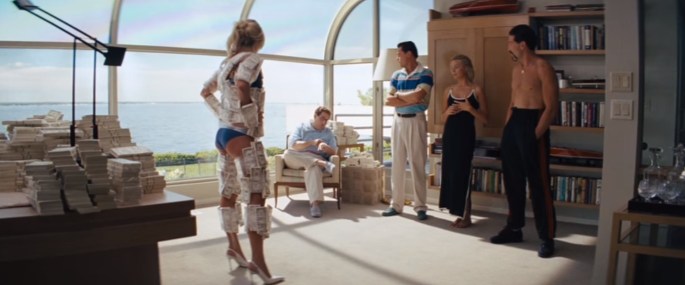
The epic, excessive life of notorious Wall Street huckster Jordan Belfort got epic, excessive cinematic treatment by one of the most epic, excessive of directors, Martin Scorsese, in The Wolf Of Wall Street. Leonardo DiCaprio was completely and utterly on fire from frame-one, giving it his all in every sense of the phrase. It’s also, most crucially and surprisingly, the funniest and loosest he’s ever been on screen, revealing new, comedic sides to his personality. On the complete opposite side of things, the enormously gifted comedic actor Jonah Hill again severely impressed in a dramatic role after doing stellar work in Cyrus and Moneyball, while also landing some of the heartiest laughs in this blackest of comedies. Littered with tons of familiar faces, spot-on character work, and the alarming presence of alluring Australian bombshell Margot Robbie (doing a terrific New Joisey accent, it must be noted), The Wolf of Wall Street races through its three-hour running time like an out of control freight train being driven by a lunatic mad-man.

2

No movie since Terry Gilliam’s hedonistic tour de force of drug-fueled shenanigans Fear and Loathing in Las Vegas has embraced on-screen drug-use for both dark humor and for appalling dramatic effect the way The Wolf of Wall Street did. But that’s why Scorsese continues to be the most important, vital voice in modern cinema – he’s always up to a challenge, always pushing the limits, always going for the filmic jugular. Along with the gifted screenwriter Terrence Winter, they painted a sprawling, troubling portrait of a morally decaying society – the American dream run amok, perverted and corrupted by ultra-success and zero consequences. And the last shot of the film – possibly the best single shot of its year – casually and brilliantly indicts everyone, not just the despicable characters in the film and the zombie-eyed audience members that Belfort is preaching too at his seminar, but anyone who was in the audience or watching at home who has missed the point of this outrageous and masterful piece of storytelling. And one last thing: Never call Rob Reiner during The Equalizer!

5

The Truman Show: A Review by Nate Hill 

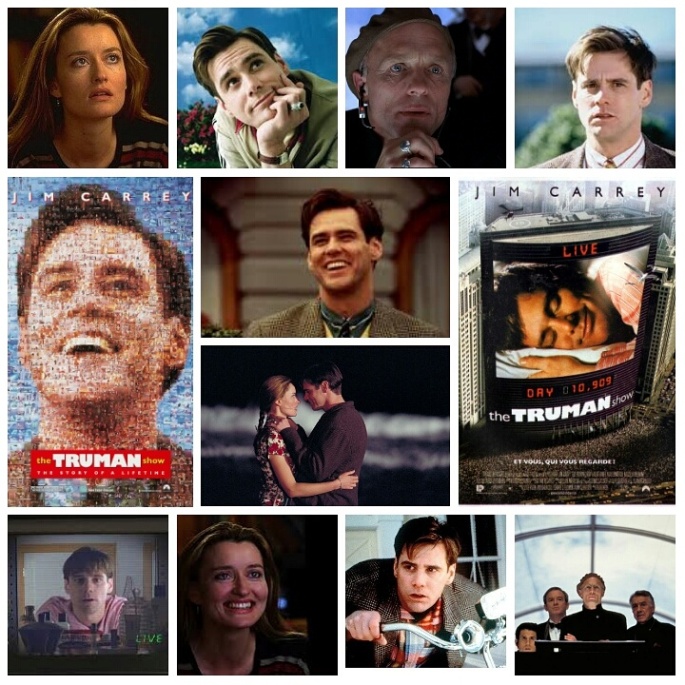
Everyone at some point in their lives has been bothered by the notion that their surroundings are all an elaborate prank, that somehow every single human being but them is in on some giant impossible joke, watching their every move for strange and unthinkable purposes. What if my life isn’t real? What if all my friends and family members aren’t who they say they are, and I’m just part of some ungodly social experiment? What if my life as I’ve known it just isn’t.. real? For Truman Burbank (Jim Carrey) these concerns are very pressing, as he discovers throughout one of the most thoughtful, touching, creative and insightful films ever made. Director Peter Weir works with a script by Andrew Niccol to bring us this now timeless tale of a man existing in a patented pastel world that was never his own and always destined for him. Truman is the unwitting star of his own television show, inducted into its gargantuan studio set since the day of his birth, and conditioned to believe all his life that the people, places and events around him are in fact his real life. Cruel? Perhaps, but the film never takes sides, instead favoring wonder over analytical dissection, a wise move. Even the conductor of this whole absurd symphony, a prolific filmmaker played by Ed Harris, gets his moment of sympathy which can be read as preening ego or the desire to connect with his leading actor beyond the pixelated jumbo-tron he sits behind, depending on how you view the situation. Truman has a lovely wife (Laura Linney), a salt of the earth best friend (Noah Emmerich) and the perfect little white picket fence life. But none of it is real, or at least organic in the sense that every person deserves out of the womb. Truman is a rat in a very elaborate maze, but like anyone who’s had the wool pulled over their eyes, eventually he begins to see lights of authenticity piercing the seams. Gradually he begins to sniff out the ruse, like a child losing their innocence, and questions the eerily idyllic life he has been given. The people, or rather, actors in his life react in different ways. Some panic, others stick to the script, and Harris sorrowfully watches his controversial creation awaken beyond his control. Carrey is a starry eyed revelation as Truman, in one of the most overlooked performances of the century. His arc is the stuff of dreams, spanning the lengths of naivete trapped in a bubble that bursts into affecting, starry eyed realization and wonder. Every moment is owned by him, every beat is resoundingly hit in flawless fashion. When a mysterious and beautiful defector (the luminous Natasha Mcelhone) enters his life to play the part of whistle-blower, it’s the first geniune and non-puppeteered interaction he’s had with a human being. Sparks fly high enough to reach the heavens, and it’s the catalyst for a journey to find the self, the reason for his predicament, a world beyond the Lego brick suburbia he has known and the next step in his impossibly unique life. There’s a piece of Truman embedded in every viewer beholding, and I believe that’s why the film has held up for so long, and been beloved by so many. Every human being has insecurities as large as the fake sound stage that raised him from a pup. Every one of us has at one point felt the alienation he must have gone through upon realizing the truth. In a story so larger than life, we find the answers, or at least a modicum of such, to what it means being a person in this world. Carrey’s Truman is an achingly relatable avatar of this and a direct conduit into the essential. Couldn’t have picked a better actor to bring all of this to life. Couldn’t have made a better film about it. A classic. Good morning, and in case I don’t see you: good afternoon, good evening and goodnight. 

Indie Gems with Nate: Darkness On The Edge Of Town 

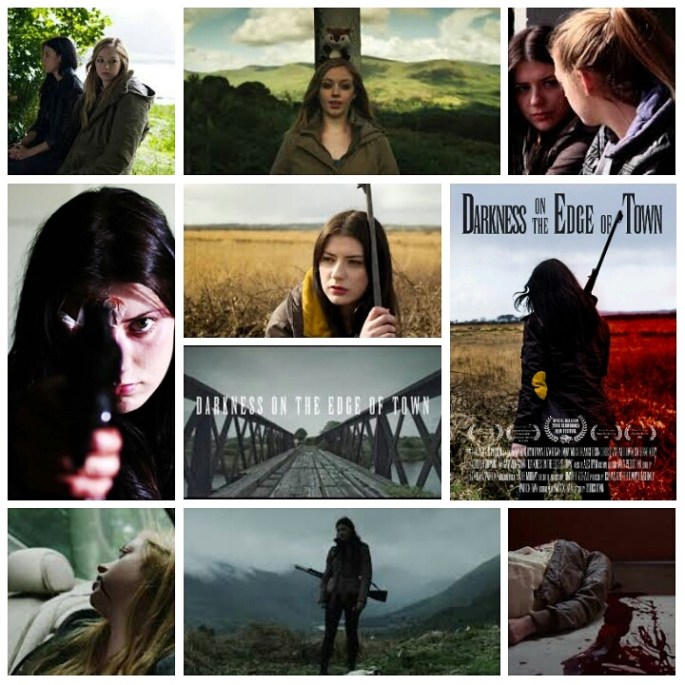
Every once in a blue moon I take a look in the independent section of netflix, scan the message boards on imdb or do a little bit of research I order to find something I have no idea about, to blind watch something obscure and little heard of. Often I get saddled with head scratching bilge water, but sometimes there’s that perfect film out there, just waiting to be taken in and appreciated by more people.  Darkness On The Edge Of Town (is that not a wicked title?) seemed like what I was in the mood for, so I gave it a shot. Blew me away. Like an intoxicating mix of Straw Dogs, Thirteen, Mystic River and others, all set in atmospheric Ireland, and absolutely brilliant. It opens with one of the most beautiful wordless prologues, in which we witness a murder being carried out, and are privy to the perpetrator right off the bat. The victim is young woman Sophie (Maura Foley), leaving her estranged sister Cleo (Emma Eliza Regan) and her best friend Robin (Emma Willis) to put the pieces together, while both navigating broken foster homes, dangerous Travellers and a suspicious police detective. Cleo & Emma are problematic, near feral waifs who grew up as best friends, but with not much other companionship from anyone else. Even Sophie was an absentee sibling with her own problems, as revealed in flashbacks that fill in gray areas. The two have spent a shared childhood and adolescence running wild, and as such see fit to take on their own investigation into the crime, leading to places of darkness, confusion and revelations which will threaten to tear them apart. The film carefully examines the relationship between the two leads, as well as each one’s connection to Sophie and how it affects their choices and outlooks. There’s an ethereal magic to it all, a fairy tale timbre to the soundtrack and photography, hinting towards a shred of innocence still left in these two, despite how bitter life has made them both. Music plays a big part too, especially in the muted opening, a stark, striking way to usher us into the story and an evocative blend of otherworldly suggestion and blunt frankness. The three girls are superb in their roles, and I look forward to seeing more work from them in the future. My only gripe is with story structure, as some of the finer plot turns could have been more precisely pronounced. However, it’s evident these people are fledgling filmmakers still getting a feel for their technique, so all is forgiven.  The misty locale of Northern Ireland takes on it’s own portentous sentience here, as you can guess by the title, which nearly brings the horror genre to mind. The only horror to be found here is in sickness of the mind, and the actions it can lead to amongst people, even those who love each other. Darkness is key here, with but a few rays of light and beauty amidst a thicket of trauma and violence. Check this one out while it’s on netflix, because I doubt it can be found anywhere else at this stage. A gem. 

CARLITO’S WAY – A REVIEW BY J.D. LAFRANCE

release_carlitosway

There was a lot of anticipation when Carlito’s Way was released in 1993. Director Brian De Palma had just come off a lukewarm reception for yet another Alfred Hitchcock homage, Raising Cain (1992) and was in need of a hit to appease the studios. And so, a re-teaming with Al Pacino in an effort to recreate the magic of Scarface (1983) made commercial sense. Carlito’s Way was much more somber in tone than the cinematic shotgun blast that is Scarface. It is a tragedy about how a criminal tries to go straight but is ultimately doomed from the get-go.

Carlito’s Way features one of the oldest chestnuts in the world. Narrating his story during the last moments of his life, Carlito Brigante (Pacino) is a veteran criminal recently released from prison and intent on leading a normal, law-abiding life. Of course, it isn’t going to be that easy and when he returns to his old neighborhood, his reputation precedes him. Local gangster Benny Blanco from the Bronx (John Leguizamo) is a cocky, up and comer who sets his sights on Carlito after he is shamed by him in public. Carlito, however, barely notices him as he’s torn between reuniting with an old flame, Gail (Penelope Ann Miller), a struggling Broadway dancer, and keeping his lawyer friend, David Kleinfeld (Sean Penn) out of trouble.

As a personal favor to David, Carlito runs a nightclub so that he can raise enough money to start his own business renting cars in a tropical paradise with Gail. However, Carlito’s loyalty to David will be his undoing because his friend has become so corrupt during the time that Carlito was in prison.

As always, De Palma injects the film with his trademark bravura action sequences, including one early on when Carlito accompanies his cousin on a routine drug deal that turns into a violent blood bath. One look at the set-up and, like Carlito, we know that something is not right. De Palma prolongs the violent confrontation for as long as possible, gradually building the tension as we feel Carlito’s apprehension. The director orchestrates the entire scene like a pro, knowing just how long to build things up before the inevitable eruption of violence.

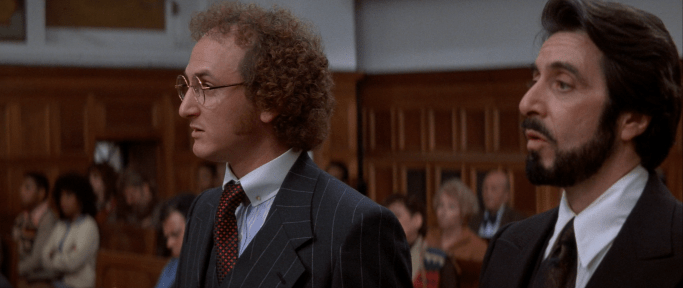
Carlito is a role tailor-made for Al Pacino, allowing him to essay another larger-than-life character. Carlito is a smart guy who cannot escape what he is no matter how hard he tries and Pacino conveys the melancholy that lurks behind the bravado of his character. The real scene stealer, however, is Sean Penn’s sleazy, coked-up lawyer. The actor reportedly did the film to help finance his second directorial effort, The Crossing Guard (1995). For a paycheck role, Penn does a great job as he disappears into the character, complete with a frizzy afro and cheap suits. It’s almost as if Pacino’s presence inspired Penn to step up his game. And this makes Penn’s memorable turn so much fun to watch.

The rest of the cast is filled out by solid character actors like John Leguizamo, who plays Benny as a pushy little runt with a motor-mouth, and the always reliable Luis Guzman as Carlito’s right-hand man. The only miscasting is Penelope Ann Miller as Pacino’s love interest. She looks out of place and just doesn’t have the chops to hold her own against Pacino.

Despite the cliched premise, Carlito’s Way works so well because of the caliber of actors, David Koepp’s screenplay with memorable dialogue (“You think you’re big time?! You’re gonna fucking die big time!”), and De Palma’s stylish direction. This film is proof that given the right material, De Palma can still make a hell of an entertaining movie.

ABDELLATIF KECHICHE’S BLUE IS THE WARMEST COLOR — A REVIEW BY NICK CLEMENT

1
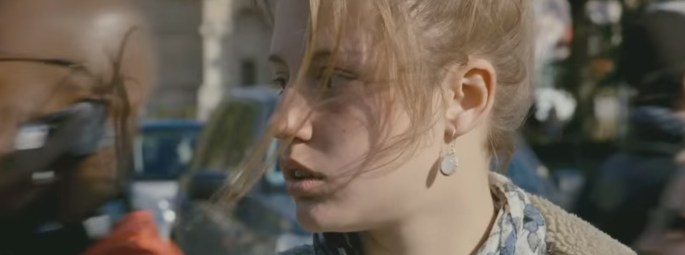
Blue is the Warmest Color is one of the most romantic movies I can think of, often times transcending what we normally expect from a “love story,” and on numerous occasions becoming something else entirely – a direct peek into another person’s soul. The film operates as a raw and incredibly open glimpse of a woman experiencing a sexual and spiritual awakening filled with both her innermost desires and deepest uncertainties, while unfolding with aesthetic grace and narrative simplicity, and is guided by two of the most fearless performances that I’ve ever seen from any actor or actress in my lifetime. Adele Exarchopoulous and Lea Sedoux are absolutely astonishing in Blue is the Warmest Color, allowing the audience to get to know them in ways that are rarely allowed, and letting their love affair blossom in a way that feels both unexpected and strangely familiar.
 
2
Writer-director Abdellatif Kechiche favors naturalism above all else, and he’s clearly fascinated with the daily minutiae of everyday life. As his camera fixes its stare on his characters, you get the sense that he’s a filmmaker who’s constantly searching for that perfect moment of clarity, that one particular beat where you can say to yourself that you’ve captured life at its purest on camera. This film reminds you that love is irrational and unexpected, and hits us in various forms and shapes and sizes, at any moment that it chooses, and that when we’re least expecting it, our lives can forever be altered by just a glance at the right, or wrong, person. Blue is the Warmest Color is also a well-observed study of human behavior, and how we act and react in a variety of situations and contexts. What does it mean to love and what does it mean to know when your love isn’t enough for another person? Are we allowed to choose how we feel, or is everything predetermined no matter how spontaneous we try to be?
la_vie_dadele_ver2_xlg
Every kiss in this film is felt, every bite of food or sip of wine is tasted, and every moment is savored as if it might be the last. The sexuality on display will leave many people speechless; you become privy to two people exploring the boundaries of themselves and one another, and in those deeply personal moments, you feel as if you’re in that room with them, a curious observer to something private and extraordinary. Everything in Blue is the Warmest Color feels real, which is why I immediately responded to it, and have found myself drawn back to its various mysteries and charms, despite the leisurely pace and hefty run-time. There’s a lover’s quarrel that feels as scary and as intense as any cinematic fight has ever felt, or at least that I’ve seen, and it’s shockingly believable and phenomenally sad because every verbal sling feels like an honest dent in the armor. This is a heavy duty piece of cinema, a work unafraid to go to some emotionally draining places, but because all of it feels so honest and refreshingly alive, even the most harrowing moments are counterbalanced by something uniquely graceful and optimistic. Available on Criterion Blu-ray.
3

Excerpt from Conquest of the Planet of the Tapes: Straight to Video III : When hell came to Frogtown by Randall Frakes

Some wise screenwriter once said, “Most of what follows is true.” I am here to dispel the myth about the making of one of the most bizarre B-movies ever put out on video or shown to death on USA Cable network.  I am a screenwriter who has worked successfully in the industry for the last forty years, collaborating with James Cameron on most of his movies, most especially TERMINATOR, TERMINATOR 2, ALIENS, TRUE LIES, and on all the AVATAR sequels, mostly as a story consultant.  But how I got my start is with a well-regarded B movie from the late 80s that had a torturous birth.

Cast your mind back to the ancient days, just post STAR WARS, I know, an eon ago! I had just finished being a story consultant on the first TERMINATOR script, helping James Cameron get his grounding on the story.  I had visions of following in the footsteps of Howard Hawks (as did John Carpenter), and Stanley Kubrick (as did Christopher Nolan), and Edward G. Ulmer (as no one deliberately did!)  I wrote several scripts, one of which Mr. Cameron decided was going to be his next movie after TERMINATOR.  But it turned out that my very unique and unusual sci-fi epic was too similar to a movie that had just been made and was about to be released (“Enemy Mine”) and therefore that deal vaporized.

A friend of mine who made zero-budget movies, a wild and crazy guy named Donald G. Jackson (responsible for a truly insane series of movies called ROLLER BLADE) had worked with me on his first movie, and had just sold his wrestling documentary I LIKE TO HURT PEOPLE to New World Pictures.  It was the day of the mom and pop video store where they would pay nearly a hundred bucks for a movie to put on their shelves.  I LIKE TO HURT PEOPLE was tremendously successful, making nearly a million in profit for New World, so naturally, they asked Don what else he had in his bag of tricks.

He hemmed and hawed, and then said let me get back to you.  He raced over to my house and explained.  He had a one page menu list of what he thought New World was looking for in a zero-budget movie: wrestlers, tits, ass, action – the usual formula for direct to video action movies.  I studied his menu list of story elements and all of a sudden, I saw the whole movie, complete in my head, like from a zap of lightning.  That had never happened before or since.  So I told Don I could write this script in less than a week.

Amazed, he said, “Okay, I’ll pay you five hundred dollars if you can do it in less than a week.  New World wants an answer right away.”  “You’re on,” I said, and sat down and started writing what became HELL COMES TO FROGTOWN.  He sat next to me day by day, until on the afternoon of the sixth day, I pulled the last page out of the typewriter (yes, it was typed on an IBM electric typewriter—the kind with the replaceable balls!).

He rapidly read it and said it was good enough to take to New World, which he did that afternoon.  A few days later, they rang him up and told him he had a deal.

They wanted to have him direct the script I wrote, made for $300,000, to be shot in 16mm, with no stars, for direct to video release.

Hooray!  Break out the beer and dance around the room power punching the air, right?  Not right.  This was just the beginning of my nightmare.  Because as co-producer, we now had to actually make the movie from the script I had written, and for a paltry sum, calling in all the favors we could from other people we knew who were rising up in the industry from the days of working special effects with Roger Corman.

We got the kid who had helped design the Predator suit for PREDATOR to create the frog masks and suits for a tiny sum.  We got a guy who built movie vehicles to create a fantastic motorcycle with a roll cage for next to nothing.  The bike could be flipped and would always come upright.  And we got a contract with the stunt rider who could make this cycle fly, slide, flip and roll for the major action set piece at the beginning of the movie where main character Sam Hell is captured.  We certainly earned our right to produce this low-budget weird movie.

But the first thing New World did is assign a co-producer to watch how we spent the money, and he had several ludicrous and pointless changes to the script he thought we should make.  This guy was younger and less experienced than us, so we had to get him out of the mix.  To do it, I challenged him to a coin toss.  I told him if he won, I would drop out as producer and he could take over and be sole producer.  He thought about it real hard, and then chickened out, and refused to flip.  I told him that was a forfeit and, humiliated, he dropped out as producer.

We started casting the movie.  A remarkably beautiful actress with little experience but a strong screen presence was cast for the lead role of Nurse Spangle.  But the head office, home video division, said no.  We needed a known star.  On our budget?  Really?  I called a meeting with the executive in charge and went over the budget again, asking if they would up it if we could get a known commodity to play Spangle.  They said yes, so we went after Sybil Danning (who was deservedly hot at that time) and even Pam Grier, who would have elevated the movie with her on screen charisma.  But the head office didn’t like those choices either.

Meanwhile, the script was being passed from New World Division secretary to secretary, and because of the way I wrote the male lead, as vulnerable and romantic, instead of a robotic killing machine, they thought it was funny and charming, despite its crass exploitational elements.  These wise women all realized this was a comedy send-up of Mad Max and the Planet of the Apes movies, with a trace of disguised feminism as well.

So, finally, the head of New World Pictures, who was Robert Rehme at the time, asked his secretary why she was laughing so hard.  She explained she was reading this really hilarious script from the video division that was being passed around.  He asked to see it, took it home where his wife read it and found it worthy, and then he read it.

The next morning we get an ominous call from the President of New World Pictures.  I’m thinking it has something to do with the coin toss challenge to that kid producer, and that they were going to assign us a new guy, probably someone worse.  In a way, I was right.

Don and I walk into the somber offices and sit across the large mahogany desk where the imposing Mr. Rehme (producer of HUNT FOR RED OCTOBER and THE OMEN, and dozens of other iconographic Hollywood hits) starts talking to us about our little project.  “I’ve got good news, boys,” he began, and then informed us that he had decided that the script was too good to be tossed off as a direct to video feature and that they wanted stars and a bigger budget for a national theatrical release.

I was staggered, not expecting that at all.  I could say nothing.  Don was fidgeting in his seat, because he was smarter than me about the real world of Hollywood power plays and knew what was probably coming.  And then it did come…

After telling us that our budget was going to be increased by a factor of five, an unheard of event in Hollywood history (the budgets usually get decreased just before going into production), he added his insurance policy.  “Of course, we are going to have to assign an experienced line producer to watch how you spend the money, and a co-director to ensure you stay on schedule.”

Don just glanced at me.  I said we needed to think about this before consenting to this alteration in our deal, which surprised the heck out of Mr. Rehme. It was his turn to be staggered.

Walking away from Rehme’s offices, Don and I muttered our misgivings to one another.  I asked Don if we could renegotiate a substantial hike in our pay, would he accept a co-director on the project he had initiated.  He thought about it for a few minutes, and then said yes.

So the next few weeks saw me in a contentious negotiation with the head of business affairs at New World.   I kept pushing our fees up and up, while giving little in return, which frustrated the Business Affairs lawyer, who kept threatening to cut off all negotiations and cancel the deal.  For some reason, I was young, dumb and courageous back then, and didn’t really care if they canceled the deal.  In fact, I almost wanted them to, because producer Brandon Chase had somehow gotten a copy of FROGTOWN from a spy at New World and was making overtures to us to buy the script outright.  We wanted to stay on as producers, and New World would agree to that, Chase would not.  Chase was the producer of several excellent low budget movies at the time, such as the successful and beloved SWORD AND THE SORCERER and the less-admired but profitable ALLIGATOR.  FROGTOWN probably would have been made better by Chase.  But then, we would have no control over the content.  So we stuck with New World Pictures, through more weeks of contentious back and forth with their lawyer, until finally, they agreed on a substantial pay hike and some other concessions.  In return, we agreed to become pay or play producers, which essentially meant that we were producers will no real power, reduced to advisors, who could influence the film making process only by argument and inspiration, but not by contractual authority.  However, no matter what, we still had to be paid our full fee, which at the time was substantial for first-timers.

Pre-production began in earnest, with several producers added on top to slow things down and muddy up the creative waters.  The line producer was more than competent, but not very creative, all his ideas designed to lower demands on the budget, rather than what I was doing, which was find cheaper ways to achieve the same screen effects.

And then a “friend” of Arnold Schwarzenegger came on board as a “production executive” which in this case meant adding stupid and unnecessary complications to the project, and cutting out the B-movie heart of the project, bending it more toward an ABC afternoon special.

All during this, my pot was beginning to boil.  So I wrote a memo to Robert Rehme and cc’d it to all the production heads.  The memo went through all the divisions of New World Pictures like crap through a goose.  What I wrote, in the most polite terms mind you,  is that the current producers and co-director were inefficient, uncreative and ruining the movie and that Rehme should make radical changes to correct the problem or we would have a turd instead of a good movie on our hands.

Rehme thought about it and did make a radical change… he fired me off the picture.  I was banned from the set as a troublemaker and so I walked away from the production, wiser for my mistakes, and smarter because I was already developing alternate methods of negotiating to defend the content of my scripts.

A week after that, I get a call from Don, telling me they want me to come back and shoot some second unit footage because they are so far behind.  All right, I cared about the movie and thought that in some small way, my contribution might help save it.  So I came back and shot some second unit footage the way I imagined the entire film should be shot: hand-held, down and dirty, Robert Rodriguez style.

So all my footage winds up in the movie, but looks out of place because it doesn’t match the TV movie style of standard master shot/over the shoulder close-ups, etc.

I had little input on the editing or the scoring of the movie. Two things that I think killed any chance for the movie to be an impressive piece of B-movie making.  And then the ultimate blow… the film is screened for cast and crew at the Cary Grant theatre on the old MGM (now Sony) lot.  Grant must have been turning in his grave.  It was worse than I thought.  The film just laid there like a smelly egg laid by a constipated dinosaur.  Slow, tedious and boring, rather than funny, fast and delightful.

One of my closest friends, who had been suffering through my momentary elevation from unknown struggling writer, like him, to a writer co-producing his first movie, summed the evening up best by coming up to me and whispering, “Sorry, Randy, that they fucked up your script.  Better luck next time.”

Now completely depressed, I couldn’t even have fun spending the large fees I had gotten for co-producing and writing, because I was too depressed to buy anything.

I wasn’t completely ungrateful, because the trailer guys managed to cut together a really funny preview that sold the movie very well, and had the kind of energy and pace the film itself lacked.  I could see how the film could have worked with a more inspired and energetic director and crew.

But another kick in the pants was waiting for me… the next day I was told that not only is New World not releasing the movie to a thousand theatres as promised before the screening, but that it was not going to receive any theatrical distribution at all.  Straight to video.  Didn’t surprise me. I wouldn’t have released it to a thousand theaters either.  But it wasn’t because the film was so bad.  It was because Rehme and his minions had run New World Pictures into the ground and were declaring bankruptcy.  Therefore there was no money for prints and advertising.  They couldn’t afford to release the movie in a thousand theaters!  Still, I was convinced we could have made a better-looking and faster-paced movie for $300,000 (which was indeed proved out when Don later co-wrote and directed the first sequel to FROGTOWN for less than $100,000 and it had just as recognizable actors in the cast, and looked like it had more production value… although it was almost totally incomprehensible storywise, it at least proved we could have made a better looking film for five times less than what was spent).


Then, an odd thing happened that truly surprised me.  Although the execution of the film was not good, the ideas, the concept, was so outrageously insane and silly, that FROGTOWN began to become a cult hit.  First on home video, and then when an edited version was shown endlessly on USA Cable Network.  Over the years its reputation has grown.  Rotten Tomatoes gives it a good rating.  Most reviewers get that it is a send-up of other cheesy rip-offs of Mad Max and the Apes movies.

And strangest of all, talks are afoot to remake the movie!  Go figure.  The audience is the final arbiter of any film.  They will love it or hate it no matter what formula you use to make it.  And although no one is ever going to confuse FROGTOWN with a work by David Lean, or even David Cronenberg, it still has its enthusiastic fans for being one of the weirdest post-apocalyptic movies of the late 80s.  An Australian rock band calls itself HELL COMES TO FROGTOWN, and the animated FAMILY GUY TV show’s third episode in their fifth season was titled HELL COMES TO QUAHOG.

All this is to celebrate the recently deceased Rowdy Roddy Piper, who I initially did NOT want to play Sam Hell, but whose performance made me eat my words and embrace him as one of the few things about the completed film I actually liked.  And his performance in my film led to him starring in John Carpenter’s THEY LIVE, and continuing making at least a dozen passable B movies.

All this is in tribute to Roddy, may he rest in peace, and to show you how difficult and soul-searing it is to make even what a lot of people think is a piece of crap movie.  And this also salutes Don Jackson for coming up with the initial outrageous concept, and for trying his best to save the movie from the Coneheads who flubbed the opportunity to make something that could have been better executed, and also a way for me to thank the loyal fans who saw past the errors and compromises and flabby filmmaking to see the fun and frolic of the ideas in the movie and embrace it as one of their favorites.  Pray that if there IS a remake, that it far exceeds even my humble vision for it.  You fans, man, you really rock, and thank you for seeing past the creative limits of many B movies and giving them a chance to entertain you in their own clumsy fashion.  I’ll tell you one thing, out of lack of creative vision and desperation, a lot of your favorite B movies are currently being remade by Hollywood, pumping obscene amounts of money into them and killing their low budget charm in the process.  But there are always the originals.  Vive la Originals!

Read more great filmmaker commentaries in Straight to Video III, as well as great fiction from hot new authors who have created there own ultimate B movies. Straight to Video: Collect them All. Visit Amazon.com!

 

Yes Man: A Review by Nate Hill 

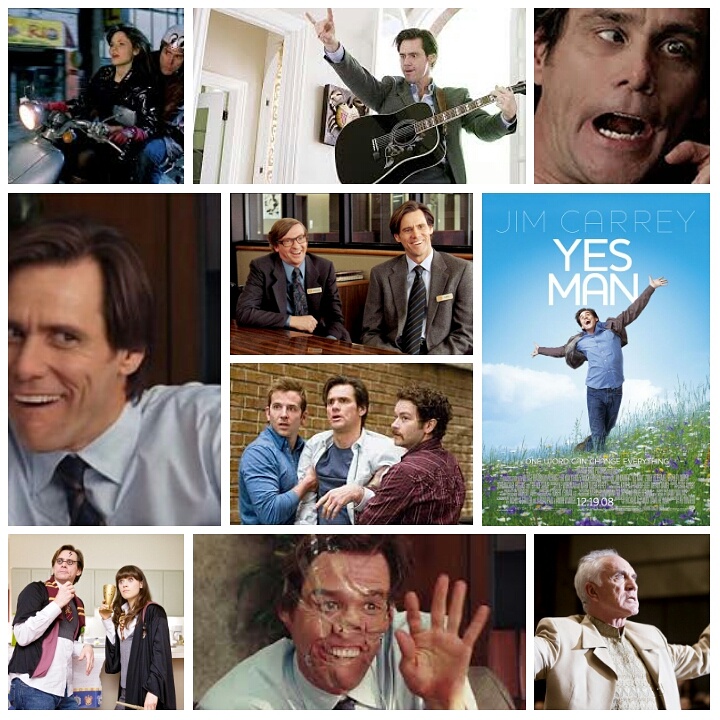
Yes Man is a loaf of fluffy, inconsequential Wonderbread amidst a career of denser comedic pumpernickel  for Jim Carrey. Most of what he does has weight to go along with the laughs, and if it doesn’t it still has a raunchy bite that always hits below the belt. This is one of the few times he treaded lighter, a tone which can also be found in Fun With Dick & Jane, but that’s just not a good movie. Yes Man has merit in fits and starts, and it’s harmless fun for most of the ride. Carrey plays the consummate negative Nancy here, a guy who spends the better part of his time turning down offers, cancelling plans, avoiding people and saying no to everything. This all changes when he goes to a dodgy seminar preached by batty self help guru Terence Stamp. Inspired by his slightly odd teachings, he challenges himself to say yes to everything, and I mean everything, for one whole year. This gets him into all sorts of trouble, and steers him to the obligatory 180 shift in his character arc, and his own enlightenment. Guzzling red bulls after an all night club bender, guitar lessons, sexual favors from his experienced elderly neighbor (Fionnula Flanagan), driving a homeless dude (Brent Briscoe) to the middle of nowhere and giving him like two hundred bucks, life is just more fun when you say yes to everything, as Carrey quickly finds out. He also meets cutie pie Zooey Deschanel, whose initial amusement towards his lifestyle quickly turns to exasperation when his affirmative nature gets just a biiit too crazy for her. It’s all in good fun, and while most of it isn’t memorable or super noteworthy, there is one particular scene that makes the entire film worthwhile: Carrey has an awkward kiwi of a boss (Rhys Darby) who is constantly inviting him to cosplay parties. The moment he accepts is a symphony of quirky mannerisms, scotch taped facial grimaces and absurdity that is pure Carrey and could be used to sum up his career in half a minute. Watch for work from Danny Masterson, Spencer Garrett and Bradley Cooper. Like I said, it ain’t gonna rock your world like many of the iconic, beloved Carrey films, but it’s an amusing diversion with some scenes that do bring it home. 

CURTIS HANSON’S WONDER BOYS — A REVIEW BY NICK CLEMENT

1

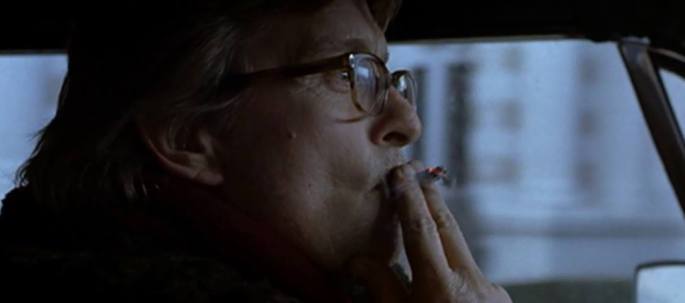
I love the lived-in beauty, the quiet tranquility, and the super stony vibe of Curtis Hanson’s terrific drama Wonder Boys, which features one of the all-time best performances from Michael Douglas as a pot-smoking college professor/writer’s blocked novelist whose younger wife has just left him. He’s having an affair with the Dean’s wife (the lovely and pointedly funny Frances McDormand), there’s a lustful young student who has him in her sights (eager and adorable Katie Holmes), he’s got a hounding, unfocused, rapscallion of an agent to contend with (witty and charming Robert Downey Jr.), and the closeted writing prodigy who is looking for a mentor needs to be broken out of his tightly wound shell and comes looking for help (Tobey Maguire, rarely better). Based on Michael Chabon’s novel, Steven Kloves’ generous, warmhearted, and deeply funny screenplay is filled with fabulous literary allusions, and perfectly balanced all of these fantastic characters, giving them all a chance to shine, while providing Douglas with the opportunity to be vulnerable and scruffy and sloppy and affable — an all-around good guy — a side to him as an actor we rarely get a chance to see, because let’s be honest – he’s a terrific cinematic prick!

2

Hot off the critical and commercial success of L.A. Confidential, Hanson probably had the pick of the litter when it came to a follow up project, so it speaks volumes to his humanistic character and as a sensible filmmaker and honest storyteller that he went with something as low-key and unassuming as Wonder Boys. This film, released in 2000, is one that’s constantly filled with surprises, and while a critical favorite, it died a terrible and tragic death at the box office. I’d like to think that over time people have caught on to this film’s odd, specific, and brazenly marijuana-infused charms, as it’s one of those small gems that gives off that contact high feeling while you watch it. Cannabis is a character in this film, not something that’s to be giggled over by immature dopers with nothing interesting to say. The linkage of pot to the process of writing – and how it can both help and place a burden upon an artist – is explored to great, subtle degree in Wonder Boys. The film also features an absolutely incredible soundtrack, with Bob Dylan’s fantastic and melancholy tune “Things Have Changed” rightfully taking home the Oscar for Best Song. Everything about this movie makes me smile, and I really, really hope that it gets the Blu-ray treatment that it deserves, because Dante Spinotti’s beautifully hazy cinematography deserves better.

3