This slideshow requires JavaScript.
Mike Mendez is like the filmmaking equivalent of Harry Nilsson – you’ve either heard of him or you haven’t. I was still peddling videos to the cinematically ignorant in the happy hamlet of Bumfuck, Nowhere, when I happened across Mendez’s first feature Killers. It was an audacious debut, in this dude in the audience’s opinion, and it made me want to see more from Mike.
Of course the road to success in the film business is plagued with many pitfalls and perils and as you’ll read in our interview, Mike has seen his share of peaks and valleys, of floods and droughts. Still he remains a filmmaker with a style and his work reflects the sense of fun that he gets from watching the films that have inspired him to his trade, as well as the fun that he has in the actual crafting of his movies.
From spooky convents to the exploits of the a demon-hunting Dolph Lundgren, Mike Mendez is a survivor and has fought to earn the recognition that he, again in this dude in audience’s opinion, richly deserves. He is a seasoned independent voice that you just can’t pigeon hole and whether he is directing bimbos or big ass spiders, it’s all making movies – and Mike loves making movies
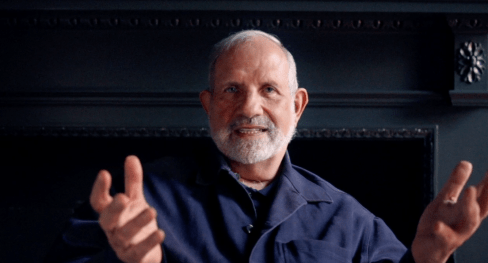
It is my pleasure to introduce Mike Mendez…
KH: So Mr. Mendez, can I call you Mike?
MM: Sure, Mike is super-fine, that’s great.
KH: Mike thank you for talking to me on behalf of podcastingthemsoftly.com. I am a big fan of your work so it is a real treat. I’ll try not to geek out till the end.
MM: Well thank you – no please geek out all you want, I really appreciate it, I’m a pretty obscure filmmaker so I’m super appreciative when anyone’s even heard of me, so that’s great.
KH: Well it is long into the whole Sharknado thing that my wife, knowing I have penchant for B movies, said hey you are going to love this, there’s a movie called Lavalantula. What’s it about I asked? Oh it looks like giant spiders that spit lava so I was like, gotta check it out. Not only was it fantastic but I loved how you assembled the cast of Police Academy to be in it?
MM: Yeah. When did you see that, how was it released in Australia?
KH: We bought the DVD.
MM: Okay, because that one was a weird one for me cause it was like, it’s a TV movie so it was like I don’t necessarily think of it as my movie, it’s just sort of like the first time a TV network had said hey, we like what you do, can you do that for us and a little bit of a marriage between my independent filmmaking and the powers that be that make Sharknado, so I was a little bit of them and a little bit of me, but ultimately that was like to serve the network, to give them what they wanted, but I’m happy that people reacted to it. For me, I wasn’t really sure if I wanted to do it because I just made a giant spider movie but, you know, it’s one of those decisions where I could hang around my apartment all summer long or I can reunite the cast of Police Academy and have them fight lava-spiders, and that seemed like a fun thing to do. So once Guttenburg got involved it was like okay, I think I can have fun with this.
KH: I must have done really well cause I know there’s a sequel in the wind?
MM: Arh, they made it, it already aired here in the US, 2 Lava 2 Lantula. I have nothing to do with it, I must confess, but a wonderful filmmaker Nick Simon took the reins and Guttenberg and Michael Winslow came back and they did their take on the very serious subject matter.
KH: No, I was great, cause I had seen your other movies and I thought arh, it’s great you were directing it cause I loved the premise and thought you would make something great of it, which you did.
MM: Oh, thank you.
KH: So now, let’s set the way-back machine, if you will, and talk about your journey Mike – have movies always been your thing?
MM: Yeah, yeah – I’m mean, I love movies are more and more as my life went on I realised how much I love films and it’s sort of like a lot of people would love to be out partying or drinking, and there’s nothing wrong with that, that’s always a good time too, but I find in some ways I’m that much happier in a dark room watching movies maybe with a beer or two, but I have always loved film and I started making movies with my friends when I was really young, I was like 10 years old, just started playing around with Dad’s video camera and that turned into just sort of a hobby, I went to an all-boys school, all-boys Catholic School and there were no girls, no drinking or nothing to illicit in those days, so that was my entertainment, that’s how I passed the time making these silly movies with my friends, and that kinda continued through college and pretty soon it was kinda clear to me that that was the only thing I had any – the slightest ability to do, cause if I didn’t do that I didn’t know what I was going to do, so I had to focus and try to get my first independent film off the ground.
KH: So you studied in film in college or did you go to a film school?
MM: Well, I mean, I use the word college in a very loose term, we have community colleges here which pretty much anyone can go to, the idea is kinda to get your basic education before you go to a proper school, so I went the local school called Pasadena City College and, but that was okay I mean Robert Rodriguez has a quote that everything you need to learn about filmmaking you can learn in 10 minutes and you know, that’s a slight exaggeration but the basic principle of that is true, so I felt I didn’t need the fancy school or college, or maybe I should have I don’t know, but I figured I just need to learn the basics and learn how to use the equipment, how to expose film and all that kinda stuff, and we just sort of continued making our independent gorilla stuff and then from there you just sorta learn by experience.
KH: Did you read his book, Rebel without a Crew?
MM: I did. Sure, Rebel without a Crew sure, absolutely, it was very inspirational at the time when I was going out to make my first feature.
KH: Yeah, I was the same. I remember reading it coming out of high school, not knowing how the hell I was going to get anywhere, cause there are not a lot of film schools out this way and there weren’t any universities that offered film at the time. So it was great. I read it and thought, we don’t need film school, we just need lawyers, guns and money.
MM: Right, totally.
KH: I do remember from my days working in a video store, the cover of your early film Killers?
MM: That was my very first feature, that was something we did by just pooling a little money together, and credit cards and whatnot and we just shot that, completely gorilla, and that was our attempt at a first feature and we were very lucky that we got into the Sundance Film Festival which I think, I tell people, I don’t think you can do that now, I don’t think, I mean maybe, but I think festivals have become so much more about who’s in it and what are the odds you’re going to get acquired at the festival and what kind of prestige does it bring and you know, and I’ll give Sundance a lot of credit and they still are to a certain degree, interested in discovering new talent and new voices and so I think at that time it was very true and we made or VHS tape and put it in the mail, sent it away, and by some miracle we got in, so that was pretty spectacular.
KH: So you went from there to Bimbo Movie Bash?
MM: Yeah. In between, while being in post on the first movie, I had a friend who worked at Full Moon Films and that was the first time I could make like a real pay check, that real pay check was $300 a week, but I was like 21 so, it like was like oh my god, I’m getting paid and the movie is a piece of shit but, it didn’t go our way at all cause ultimately there’s no movie in there, we didn’t film anything, it was an editing job and the idea was to kind of take – I was inspired by Woody Allen’s What’s Up Tigerlily? – which is a movie that they had purchased and was redubbed, and that was the approach I wanted to take with this, and then Charlie Band decided after seeing the first week of our cutting, you know, I can’t really sell it if you guys dub it so you have to use the original voices and that made it like a million times harder now, so now we’re stuck with clips of a bad movie kind of strung together and so we did it and, you know, I gotta be honest I wish my name was not on it as a director but you know whatever, we were young and paid and I was excited to be working on something at that time but it’s anything I’m not particularly proud of or happy with, but those are humble beginnings.
KH: From there we move to The Convent and Gravedancers?
MM: Yeah, The Convent was something that came after Killers, that was the same company that purchased Killers, who needed to make an independent horror film, they had a horror film and they allowed me a lot of leeway, me and the writer Todd Anderson, they kinda gave us leeway to do what we wanted and it just seemed fun to me to do a demonic nun movie. So that was fun, and I had a really great time and again, that got into Sundance, and that was the one I kinda consider that put me on the genre map. I feel Killers was a little too small, some people were aware of it, but The Convent was picked up by LIONSGATE and that sort of made an awareness for me, and Gravedancers sadly was – I was trying to get a bunch of movies made at that time and it wasn’t for another six years before I could get something done and it was something I was very excited about, to attempt to do a more serious horror movie and so it was an incredibly long, painful process to get it made and you know, some movies go well and some movies don’t but I unfortunately count that one, you know, nothing went our way, everything was a struggle, everything was a fight and, you know, I had a movie in mind, we didn’t really get there, you know, I’m okay with it, I think its fine, but it’s not quite what I wanted it to be and more frustrating is that it just kinda brought my career to an absolute standstill, it put the brakes on and, you know, I could not move out of there for another six years cause no one else would give me a chance…
KH: Really, that’s a drought?
MM: Yeah. But what really hurts is it’s six years before Gravedancers and six years after, that’s twelve of me not me not making movies, wanting to make movies and not being able to and so it wasn’t until these producers that I knew, that had recommended me for this project at the time that was called Dino-Spider and I was like FUCK! I really don’t want to be doing this kind of thing, it’s not really the type of movie – and I went out and had a really long hard think and had to really realise where I was – and was sort of like look, you know, if someone gives you a chance to make a movie it’s an opportunity, and just because in my mind it just sat as a direct-to-video, lowbrow movie, something that is crappy, it doesn’t mean it has to be, and that’s largely up to me and so I really kind of dug deep and really tried to think about okay how, how would I make a SyFy Channel type movie, how would I make it different, how – what is the type of movie that I want to see and from that was born Big Ass Spider and it’s funny how these things that you expect, like okay, I’ll do this and no one will know about it and whatever, and end up, in a lot of ways, changing your life. And so Big Ass Spider kind of gave me that jump start back into making movies again.
KH: I’ve gotta ask, you’re in California, the epicentre if you will – you went through that big drought – it doesn’t seem as though, being close to the action as you are, that’s it’s any easier to get films made?
MM: Yeah I am in the epicentre of where they make moves, and I couldn’t be any further from the industry it felt like, you know, when no one cares, when no one wants to make movies with you, I mean, you’re stuck in the phantom zone, you’re essentially invisible. I mean, I do encourage people who want to make movies, yeah, LA’s a good place to be, but when you’re starting out and making independent films especially, with technology the way it is now, I mean you really can be anywhere. I just came back from an amazing festival in Austin called Fantastic Fest and they just premiered a movie today called Bad Black which was made in Uganda, you know, made by the villagers in Uganda and they’ve been doing stuff from a while now, and you know what’s crazy is the budget of this film was like $60 and apparently, I wasn’t there today but I was reading on Twitter, everybody loved it, everybody thought it was absolutely crazy so, that is like inspirational and man you can be anywhere in the world, I mean we’re talking about guys who erase their old movies cause they can only afford a thirty gigabyte drive, as they make new ones they have to kinda get rid of the old stuff, we’re talking bare bones, they have to make their own guns, they’re doing their own effects and doing their own stunts, you know, that more than anything I can say or talk about is the true independent spirit of making movies.
KH: So Big Ass Spider marked a return to prominence for you. Often I find, when I mention your name folks go, Oh yeah he’s the Big Ass Spider guy.
MM: Yeah. It seems like I’ve had a few careers, you know, like the Killers/Convent/Gravedancers guy, and now I feel like I have a whole new career and some people, like yourself, are aware of all of it, and they’re like no, no, he’s been doing this a while, so now I’m on like leg 2.
KH: I remember when I informed the lads at the website that I was going to interview you, having posted some of the posters from your movies; one of the comments was, I didn’t know he’d made anything since Big Ass Spider, so I guess it must be one way or the other, people either know your catalogue or single films?
MM: It’s sort of fascinating cause I feel like I have a fan base for each movie like Killers has its own following, Convent has its own following, Gravedancers has its own following, Big Ass Spider has its own following, Tales of Halloween has its own following so it’s weird in that it’s sort of segmented and there aren’t many people that come up to me about the whole body of work, they come up going, hey I love that movie, I love this movie, they love, you know, it’s kinda weird – I mean, I don’t mind, just love that people are reacting to it and liking it, that means the world to me and so – but it is odd you know, but I’m happy people are seeing the stuff.
KH: You seem to do well, for my money, with this whole comedy/horror thing. Looking at Big Ass Spider and Lavalantula, though you were a gun for hire on that one, you seem to have found a niche with this stuff?
MM: It’s my true voice, you know, that’s the thing, that’s just me you know, I don’t want to say that, obviously it’s hard work, but I’m not trying to do it, that’s just sort of what comes out. So now I’m in a little bit of an existential crisis because I just premiered my newest movie literally a few days ago at Fantastic Fest, which also falls into the comedy/horror kind of thing. So do I think, do it stick with or do I really try to challenge myself to do something really scary or something really straight, action or whatever you know, and I don’t know.
KH: So what were the films that influenced you as a young man – what are your default movies?
MM: Well my favourites are, you know, I don’t know, everyone says picking like your favourites is impossible, your top 5, but I can do it: my favourite movie is Raiders of the Lost Ark, Evil Dead 2, The Exorcist, this is where I throw people, Pink Floyd’s The Wall, then I run into a problems cause it could go any number of ways, I could go Jackson’s Dead Alive, or if we go with musicals and go Baz Luhrmann, you know, Moulin Rouge, I love experimental filmmaking to a certain degree, I love kind of bold filmmaking. So all those kind of things are my big influences.
KH: So Raiders was the movie that got you hooked?
MM: I was probably, I was already hooked already, it’s just something – that movie is sort of perfection, even for Spielberg, I don’t think he could even replicate it, there are movies like Blair Witch Project or Texas Chainsaw Massacre that I kinda think are lightening in a bottle, all the timing kinda worked out, and those movies are special cause everything worked out. Spielberg is an incredibly talented filmmaker but I kinda think he also caught that lightening in a bottle; the right moment in his life, the right actor, you know, the combination of Lucas, in my opinion they never even came close again to capturing that . . .
KH: Well Crystal Skull pretty much affirms that?
MM: Right, yeah, totally and I think everything just lined up, I mean Harrison Ford was the perfect age and looked the perfect way and Spielberg had something to prove cause he was coming off of 1941 and it was a flop and, you know, there’s just a manic energy to it – that movie’s just fucking perfection, it’s just great and I think, it’s probably weird that I feel this way and I wonder if it will continue but I think in everything I do, there’s a little Raiders of the Lost Ark and a little Evil Dead 2, which to me, I’m okay with that, that’s fine.
KH: Hey that’s a pretty sweet blend, the best of two worlds.
MM: Yeah I feel – the new one with Dolph Lundgren Don’t Kill It is very much an Indiana Jones meets Evil Dead 2, you know, I don’t have the budget or the schedule that they do but that’s the closest I’ve come to doing an Indiana Jones type character in an Evil Dead 2 type world.
KH: Great. So, then we come to Masters of Horror, a documentary you worked on. What was that like?
MM: That was amazing, you know, that helped a little bit in the break between Convent and Gravedancers those six years, I did do that documentary which was something like a movie in itself. It was something that we did for Showtime, a channel here, and Universal and it just kinda fell in my lap you know, it was supposed to be a DVD but the partner kinda got shut down and we had shot all these interviews with all the greats and for me it was, I mean, I was getting paid to have deep, long talks with all my heroes and with one of my good friends Dave Parker. So we were able to talk to pretty much everybody we wanted – we didn’t get to talk to Argento one on one, I mean we did interview him, but we had to send someone to Italy to interview him. There’s a few that I would have liked to have gotten, I would have like to have gotten Raimi and Cronenberg perhaps but who we got means so much now cause some of these people are no longer with us, you know, we got to spend an afternoon with Wes Craven, we got to spend a lot of time with a lot of our heroes, we got to spend some time with John Carpenter – before, as he was emerging we sort of called, we think Guillermo del Toro going to be something one day – at that time he was doing Blade 2, he was coming off of Mimic, but we felt like he was going to be something special. So we talked to Guillermo del Toro, we talked to John Landis, we talked to Rick Baker, we talked to Tobey Hooper, so we really kind of took the essentials of who are the masters of horror, and again yes Cronenberg and Raimi should have been in there too, but they weren’t interested in participating, but, other than that I think we got the giants, you know, Romero, Tom Savini, we got the giants of the genre, and we got to spend time, and it was a great time making that documentary, it’s really special to me. If anything I’m a little sad that the best place to find it is YouTube, because the company we made it for became defunct and no one really cared, and all the film clips in it you had to license every two or three years, so it would be a fortune to relicense all that stuff so it’s kinda drifting out there in the ether, you know, and even though I’m against piracy and downloading stuff, if you can’t find a movie and that’s the only way to get it, I think that’s okay.
KH: That’s a shame cause it’s a great document, cause like you mentioned, we don’t have Craven anymore and you got del Toro before he exploded – so it’s a shame it’s not widely available, not to say that stuff on YouTube isn’t widely available but still . . .
MM: Yeah, but no one thinks to go there and look for it, people would rather have it streaming or downloading, sadly it will never happen, you know, the best we can do is attempt to remaster it one day or something, but it would be illegally you know, cause I think at the time they spent a lot of money licensing those clips cause it was for Universal so, I know we’ll never be able to get that again.
KH: Now we come to Tales of Halloween which you had a part in?
MM: Yeah, a big part really, cause that was me and friend, Axelle Carolyn, we kind of made that film together, even though it’s an anthology and even though it has ten filmmakers, I still feel like I put all the work I would into one of my features into it, cause we did it from top to bottom, we got all the funding for it, we got all the filmmakers together for it, now that was very easy because, you know, living here in Los Angeles, one of the wonderful things is that through networking and things of that nature, you start to meet each other and you start to become friends with people whose work you admire so really, essentially, the people in Tales of Halloween are just close friends and spirit of comradery and the spirit of hey, we’re young, we can do this, let’s do it just because – it wasn’t financially profitable for any of us, we all did it for free – but we all did it because we love the genre and because we love making films and because we all cared about each other as friends and we wanted to work together and kinda the logic behind it was kinda the Justice League or Super-Friends. We would stand stronger together, than any of us would by ourselves and, at the end of the day; it’s something I am immensely proud of. Again, it’s a very niche film, you know, it’s not for everybody, but we made it for a very particular audience and that audience is hard-core horror fans you know, because there are so many shout-outs to other movies, there are so many cameos by horror icons, you know, it’s kinda like a horror film festival in a movie, like a little 90 minute Halloween party on your television screen you know, so that was a lot of fun, that was something we finished last year, it just came out last year, we just here, here in the US released a beautiful 4 disc Blu-Ray that is pretty cool. It’s got a lot of special features and a lot of our other short films, just cause it was like a showcase and we thought let’s put stuff on here and see if people dig it.
KH: Then there was Lavalantula which I told you I was alerted to by my wife. The premise was enticing as it was and then you throw the Police Academy thing into the mix – but the other little addition I liked, and I only remember seeing him in flicks as a kid, but he was in Son in Law and the Sandlot Kids . . .
MM: Yeah Patrick Renna.
KH: Yeah. I was like, that’s great, that’s the kid from Son in Law.
MM: Yeah. I’ll tell you a very quick, funny story of why he’s in the movie. I would see him at my local Starbucks and I was like, IT’S THE KID FROM SON IN LAW and, you know, Sandlot, and we were looking for someone for the role and I did and random stab in the dark and we contacted his agency and had him come in – but it’s all because all because I would see him at Starbucks.
KH: (laughter) That’s fantastic. That’s great.
MM: (laughter)
KH: So you had a bit of fun on Lavalantula as a hired gun and then we come to The Last Heist?
MM: Yeah, and The Last Heist sadly is rock bottom for me, it is by far the worst movie making experience for me, and I’ve said what a bad time I had on Bimbo Movie Bash and un-proud I am of that – that’s nothing compared to how much I fucking hate The Last Heist. Yeah, cause it’s funny, you know, how sometimes things don’t go your way and this was, you know, a case where, it’s weird cause I couldn’t make a living just directing for a long time with the big gaps in between movies . . .
KH: I noticed among your credits you’ve done a lot of editing?
MM: Yeah I kinda got in the habit of editing for TV but largely it was so I wouldn’t have to (A) be poor and (B) I won’t have to make movies because I had to make movies, but I was on such a roll between Big Ass Spider, Tales of Halloween and Lavalantula and the Dolph Lundgren was coming up, I had like a hole in my schedule, I had free time there – and I love to work and I love making movies, so I got a call from these producers saying hey, you know, we have a three picture deal and we’re doings these movies and we doing one in 4 weeks, and I’m like really, 4 weeks, and they told me the storyline, and I really liked the storyline. It was about a bunch of bank robbers that rob a bank and there’s a serial killer in there, and the serial killer starts taking out the bank robbers and I’ve always wanted to make a movie like that, like I legitimately had a story in my head that was similar to that. So I okay, this is an opportunity, what’s the budget, and they’re like $200,000. Now $200,000 is about what I made my first feature for that we all pooled together money as kids twenty years ago, you know, now technology is more advanced and you can do a lot more with it, and I’m like, are you fucking kidding me, $200,000, you’re going do it 4 weeks with $200,000. So they kinda threw up a challenge, oh you don’t think you can do it, and I tend to, sometimes it really helps, but sometimes it really hurts me, I have a very positive, can-do attitude, and I’m alright, alright let’s do it, I’m excited, let’s do a movie like guerrilla-style and try and make it the coolest and bloodiest and rawist thing we can, and they had Henry Rollins for it, and that was cool to me – so two weeks into it, and there was only four weeks preproduction – two weeks into preproduction it becomes very evident that they can’t afford to get a bank, and it’s a bank robbery movie. And I’m like, are you kidding guys, what the fuck, that’s the minimum, it’s like that’s the base thing you need for a bank robbery movie. So they’re like no, no, we got this great deal on this building and we can dress it up, make it look like a bank, or we can say it’s this security facility and here’s my mistake and what I will regret forever – the next words out of my mouth should have been, that’s great, I quit – but I didn’t cause I had a can-do attitude about it, and I went to the location and I kinda saw it in my head how it could work and I heard this kinda music in my head and saw how it’s all going to come together so I thought okay. So we went and shot the movie in 15 days and, funnily enough, the experience of shooting the movie was actually fun, like we had a really great time and, you know, playing cops and robbers for three weeks, and I said okay, this is cool, didn’t say a lot, and this is partly the reason that infuriates me so much; I put in a lot of my money, well not a lot of my money, but you know – they couldn’t afford decent masks, so I paid for those, they couldn’t afford Steadicam, so I paid for that so I was putting in, and they were paying me a joke of money anyway – so it’s like, if you’re doing something for this low you’re really doing it for just artistic satisfaction, but these motherfuckers I will say, when I did my edit, they just took it and felt that just because they had the right as producers they could do whatever they wanted to it, and they recut it, and they took out all the violence, and they took out all the blood, and they took out the music and they put in the shittiest fucking score they wanted and the shittiest colour correction, the shittiest effects and they cut it weirdly so it has no rhythm anymore and I don’t recognise it. I think it is an atrocious fucking train-wreck of a movie, and I hate that my name is on it, and to this day I’ve only seen twenty minutes of it, and just from watching the twenty minutes of it, and I fucking hate this and I can’t stand it and comes as no surprise to me it has a zero on Rotten Tomatoes and if you go to IMDB and look you at the messages of how people refer to it as a student film or give it a one out of ten, and they’re right, they’re 100% right, that’s a piece of shit and I absolutely hate it, but, what can you do about it. I asked, I told them in a not-so-nice way, that I didn’t want my name on it, I’m not, in the US we have a thing called the Director’s Guild of America which kinda protects you, I make such low budget movies I am not a member of that, I do not have that protection, so they were like whatever, your name is going to help us sell it to some territories in Germany and stuff, so we’re going to keep it on here. So it is an embarrassment that I, you’ll note, you can look, other when we started production and like pictures of me on set, like on my Facebook stuff, I have never done any promotion for that movie or any, you know, any press for that movie and this is probably actually only the second time I’ve talked about it publically, I’m about to get warmed up to do all my Don’t Kill It press soon, so I will tell the story again, so it’s one of the those ones, if I could erase anything off my IMDB, it used to be Bimbo Movie Bash, but this one hurts me more and is the one I find far more offensive.
KH: Wow – that’s an incredible story. That’s why I love to talk to you guys cause there is a lot folks just don’t know, or don’t consider that goes on behind the scenes.
MM: Yeah, and it’s my own fault for doing it and saying yes to it, and it will always be on my resume and people will go, what the fuck happened to him? What the hell is this?
KH: I definitely get a sense from following the careers of filmmakers that there is definitely that old adage at play, you know, some animals can sense evil, and watching the movies sometimes, you, knowing the director’s work well, get the feeling that other hands have been at work?
MM: Yeah that’s the thing. Any time you see edited by me and somebody else, that probably means that somebody else came and cut it, you know, because I like to edit my movies and not have anyone touch them, you know, and so this was a case where I was really unhappy with what they tried to bring, and they were telling me, we’re making it better Mike, it’s better, and of course then you get a zero on Rotten Tomatoes, and it’s like yeah, wow, you guys really showed me. But I’m the one that has to suffer for it, the one that has to live with it. So that sucks. Did it come out in Australia?
KH: It did, and this goes back to what I was saying. Knowing the style and the qualities you inject into your movies and then seeing something that is completely alien to those qualities but it has your name on it, you know that something must have been rotten in Denmark.
MM: Yeah, and what really bums me out is that it didn’t have to be that way, you know, it’s such a small movie and it’s such a small thing, it’s like, what did you have to lose by letting me make it, and by no means again, it was a super low budget movie with a short schedule, it was never going to be a masterpiece but I was okay with it. There’s a version that existed that just had a certain rhythm to it, I was kinda trying to do the opening of The Dark Knight for like the whole movie, it had a certain pace to it and a certain cutting style, it had a very electronic score, and so a lot of stuff was cut to that electronic score, but they just put like shitty action movie over it, so it looks like its badly edited, so again, and I’m not exaggerating, in those twenty minutes that I’ve seen there’s no less than fifty things I never would have said fucking okay to, whether it’s a shitty voice-over or shitty stock footage or just the way its edited, and those twenty minutes I’m like, I wouldn’t do that, I wouldn’t do that, I wouldn’t do that. And so, at the end of the day, I know I was there and I know I said action and I know I had a lot of sway as to what this movie is –but I don’t feel like I directed it, I don’t recognise it, I don’t know what that is. The only way I know I had something to do with it is cause my name’s on it.
KH: And Joe Multiplex doesn’t take all of this into consideration, indeed, why should he, but, I watched that Warcraft movie the other night, I couldn’t get over how many producers were on it, and it still turned out to be a clusterfuck since we’re being honest.
MM: Right, right. The director seems very proud of it, and I don’t know if he’s just toting the company line, but he seems very proud of it. In my case I felt that the best thing was not to talk about, not to promote it, let it come out, let it get shitty reviews and then hopefully it would just fade away – but now that it’s been out a little while, now I feel I can yeah, that piece of shit aint mine, you know, and I don’t know if that’s the right thing to do, I know that it was on Netflix and I know that is now starting to fade away, so I hope that movie fades away to the bottom of the ocean and no one ever sees it again, and if anyone has seen it, then I apologise again from the bottom of my heart.
KH: Anyway, we’ll move away from something unpleasant and onto something I’m very excited see and that’s Don’t Kill It!
MM: Alright!
KH: I don’t know if we’ll get to see it in theatres here?
MM: Realistically it is a Dolph Lundgren demon-hunting movie; I would expect you’ll find it on VOD or on Blu-Ray in the first quarter of next year, but, you know, I’m hoping that a lot festivals will pick it up and that it will at least get to be seen in the big theatres that way, cause still, even though we live in a kind of VOD world, I still like to make movies for a theatrical experience and I like to make movies that are for an audience so people can get into it and cheer and that kind of thing – and we just had first screening at Fantastic Fest in Austin and that was a blast and we’re about to do it all again in Spain at Sitges in like two weeks and yeah, I’m really excited about it all.
KH: Yeah, I’ve been following it, and once I saw the early photos and then the trailer I was hooked. I also loved that picture; I think it was from round at your house with Dolph standing next to Castle Greyskull?
MM: Right yeah, I’m a big toy geek or a big geek in general, and so part of the fun of it was I could have set up a screening for Dolph at some office or something or like that but, you know, fuck it, he’s coming here and he’s gonna play with his Ivan Drago action figures and, you know, he’s a good sport about it, I think he was like “what the fuck!” (laughter) I got a big kick out of it.
KH: And Dolph, he’s a nice bloke is he?
MM: Yeah, yeah totally, he’s a good guy, we got along great. I hope we will do it again soon either as a sequel to this movie or do something else but I’m more than happy to work with Dolph again – we get each other. Or let me put it this way; we respect each other enough to let each other work and do their thing.
KH: How did you manage to get him for the movie?
MM: We went after him yeah, there’s a couple of people that we had in mind because the character was kind of an older, grizzled guy and you had to look for someone that’s been around the block instead of looking for a young guy, so that kinda opened it up to some interesting possibilities. So we thought about Ron Perlman or someone like that, then the idea of Dolph came up, and I really liked the Expendables, I thought he was a stand-out in it and I think, you know, that reminded me there’s a screen presence to him, that there was still something very cool about him – I’m not going to say I necessarily agree with some of the movie choices he’s been making of late – but I still felt no, he’s still got it man, and I felt if we did it together it could kinda be something special and something exciting and I think it seems to be working , I think people are kinda liking the combination of the kinda horror/comedy of me and Dolph Lundgren kind of playing against type sort of. He’s not the crazy psycho, he’s not the tall, silent type, he actually never shuts up, you know, and I think that was a lot of fun for him.
KH: Well it’s a break from the straight to DVD actioners he’s been doing?
MM: Yeah, and he’s never done a horror thing really, you know, the closest he’s done to it was I come in Peace, which is a little more sci-fi but, you know, he’s never really done a horror thing so that’s cool.
KH: Well, I mean, for our generation he’ll always be He-Man?
MM: Right, sure, absolutely or the original Punisher.
KH: Sure. But I’m looking forward to Don’t Kill It I gotta tell ya, but like you said I might have to wait for Blu-Ray or a festival might pick it up here?
MM: Yeah, I hope so, I would very much like that to happen, I would like as many festivals as possible to pick it up as they can, but we’ll see. That would be groovy.
KH: Well sir, as a fan first and foremost it has been a pleasure talking with you today.
MM: Hey thanks so much man, it’s been fun, and you have a good day.
That was Mike Mendez ladies and gentlemen; a really cool filmmaker and equally cool guy. I trust, if you’re a fan as I am that the impending release of Don’t Kill It is firmly centred in your mind, but, if you are new to the cinema of Mendez, then I urge you to get out there and take advantage of his awesome catalogue. As you would have noted, Mike’s fantastic doco on the masters of horror you’ll find over on YouTube, but from his early films to is latest (Mike might want you to avoid The Last Heist, but it’s your call), you’ll find them on VOD or DVD & Blu-Ray. So do yourself a favour and get out there and see what a Big Ass Sensation Mike Mendez truly is.







 Podcasting Them Softly