
Carl Schultz’s The Seventh Sign

There are religious films that are faith based preachy garbage (anything Kirk Cameron makes) and there are religious films that are fiction based and just happen to be structured around theology like that (The Omen, End Of Days). I can’t stand the former, but the latter has made for an interesting sub-genre in Hollywood, mostly horror centric but sometimes otherwise. Carl Schultz’s The Seventh Sign is one that carefully and delicately walks the line between these two types, but because it’s so atmospheric, well made and acted it works on any level including the religious themes.

Demi Moore and Michael Biehn play a young couple who rent their laneway house out to a mysterious stranger (Jurgen Prochnow) who isn’t who or what he says he is. Moore is expecting her first child, but there seems to be complications with the pregnancy and Prochnow shows a suspicious amount of interest in the child. Coincidentally, scary apocalyptic signs start showing up around the world like storms, dead fish in the sea and a blood moon, heralding some sort of widespread cataclysm. There’s also a sinister Vatican priest (Peter Friedman) wandering around getting in people’s business too.

The plot itself is essentially just your standard end of days gobbledygook, but that’s not what matters anyways. Moore is fantastic here, soulfully embodying a mother’s love coupled with mounting depression and making you feel for her character strongly. Biehn shows the same fierce charisma he did in The Terminator and this time brings on even more emotion to his role, particularly in the final minutes of the film that could be his best work. Prochnow has had a long and consistent career playing all kinds of nasty terrorists, crime bosses, nazis, poachers, pimps and any other kind of asshole you could imagine. It’s really rare to see him in a non villain role let alone one where he gets to show such grace and subtlety, he nails it and I won’t say much about the character except that it’s a tricky balancing act of shadowy portent and compassion that he deals with wonderfully. Watch for a quick, lively cameo from John Heard as well.

The atmosphere here is so well done that you often forget about story and get lost in the dreamy scenes that flow into each other in an almost subconscious way. The way the ambience lingers in the filmmaking reminds me, of all things, of A Nightmare On Elm Street. Odd comparison and this is by no means a horror movie but the two share the same sort of elongated, off kilter aesthetic that seems removed from reality, helped a lot here by journeyman composer Jack Nitzsche and his score. The third act brings the narrative to an affecting close and lets the three leads land their arcs on a quiet, sorrowful note, it’s the key sequence in making this a great film.

-Nate Hill
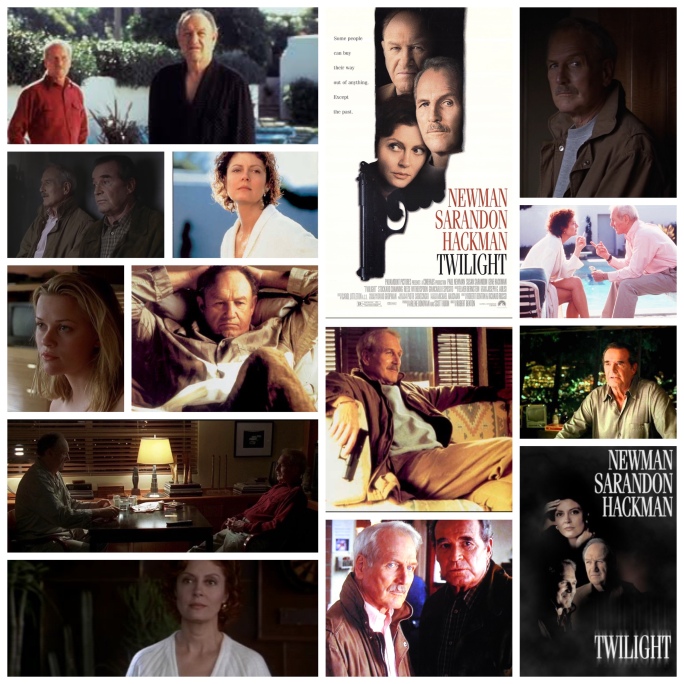
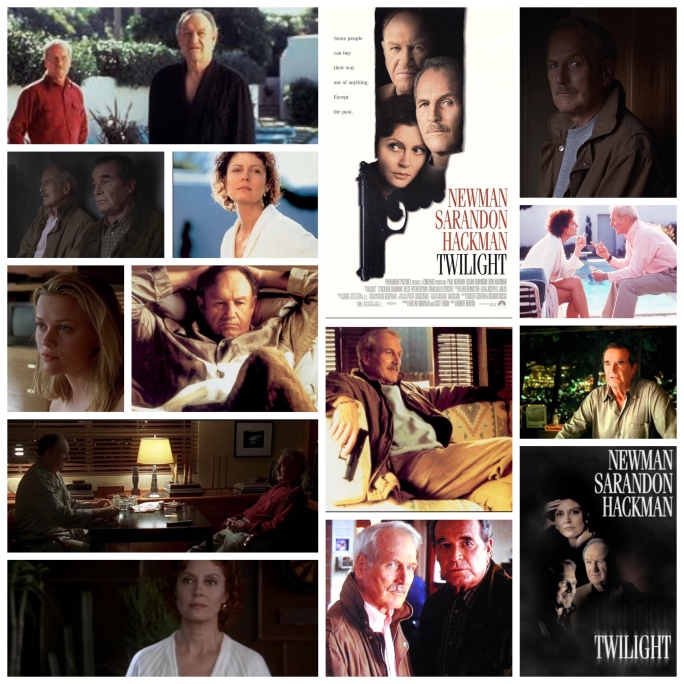
Robert Benton’s Twilight

The title Twilight obviously brings up bad memories of a franchise we’d all like to forget, but before that abomination ever entered the fold, the moniker belonged to a laconic, brightly lit yet darkly intoned LA film noir starring Paul Newman as an aging Hollywood private investigator. He’s a guy who was was never famous himself but seemingly behind the scenes of stardom and scandal and making a career out of it until his golden years find him living on the lavish estate of a fading starlet (Susan Sarandon) and her husband (Gene Hackman), also an actor of former stature. He’s always been in love with her but is also Hackman’s good buddy and it makes for a love triangle that is never too tense or melodramatic, but just as uncomfortable as it needs to be. He sort of serves as their homefront security officer and sorta just spies on Sarandon languishing by the pool and you can tell that the three of them are just mournful ghosts of what they probably were decades ago, haunting their surroundings like echoes rather than living in them.

Things get heavy for them once again when Newman takes on a shady job that involves delivering blackmail money, a situation that quickly snowballs into deceit, old wounds torn open and, of course, murder most foul. Something nasty is going on that dates years back into the collective past of these three individuals and has come back to bite them all squarely on the ass, and although it might not be the most innovative mystery narrative and certainly aspects are predictable, it’s just so much fun watching these master actors play it out in sunny Hollywood enclaves. Speaking of old pros, James Garner has a nice supporting role as an ex cop pal of Newman’s who helps him out with intel and backup. Watch for early career work from Liev Schreiber, who now stars on Showtime’s Ray Donovan, another LA noir story that I’m almost positive drew inspiration from this film. A very young and very naked Reese Witherspoon also shows up briefly, as well as Stockard Channing, Margo Martindale, Giancarlo Esposito, Jason Clarke, John Spencer, Clint Howard and M. Emmett Walsh. Newman is terrific here in one of his older dude roles, his blue eyes lend just a hint of optimism to the downbeat noir archetype. Hackman and Sarandon say a lot with little dialogue and plenty of body language, embodying damaged souls with grace and grizzle.

I recently heard a character in Amazon’s Goliath (yet another LA noir- can you tell I’ve cultivated a fixation on the sub genre?) say that murders in LA and Hollywood are especially tricky to solve because anybody could know anybody or be connected to anything. That gives ample freedom to intertwine characters and set up strange encounters or resolutions to plot, which is always fun and evident here too. It’s a slow, sunny burn of a crime flick that isn’t designed to be particularly flashy or lurid, but unfolds at its own pace alongside Newman & Co. Good stuff.

-Nate Hill

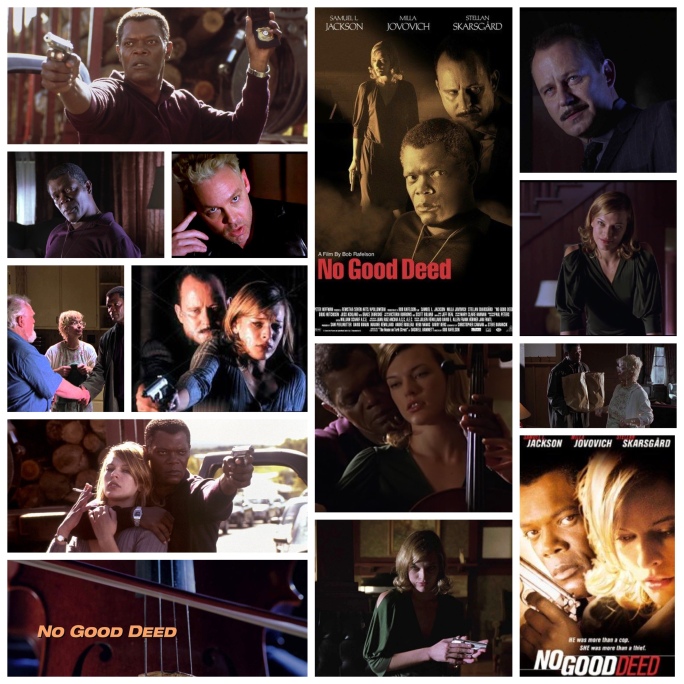
Bob Rafelson’s No Good Deed

It’s kind of rare for rambunctious actors like Samuel L. Jackson and Milla Jovovich to sit still for something as dramatic and dialogue heavy as Bob Rafelson’s No Good Deed, but it’s nice to see. This is a thriller of sorts, but it’s more low key than that and ends up being a chamber piece about two characters getting to know each other that just happens to take place against a criminal backdrop. Jackson plays a police detective on a routine investigation who turns up at the wrong place at the wrong time and gets drawn into a weird bunch of felons all hiding out and planning a bank job. Stellan Skarsgard is Tyrone, their volatile, violent leader, Jovovich is his quiet but intuitive and underestimated girlfriend, left alone to watch Jackson, now their hostage. This leaves acres of script space for Milla and Samuel to play, manipulate each other, bicker, banter, become close and twist the situation to both their ends while gradually catching feels for each other. It’s interesting that Rafelson casts these two because they’re usually to be found in action heavy stuff, shooting guns, swinging swords and tasked with stylized dialogue. Here they are laid back, oddly but nicely paired and the most quiet I’ve ever seen them, and it… kind of works. Skarsgard is mean and nasty, which he’s always been great at, journeyman oddball Doug Hutchison plays another lowlife in their gang, while Joss Ackland and Grace ‘Sarah Palmer’ Zabriskie play the senior faction of the crew, a strange husband wife duo who can still wield a shotgun when the situation calls for it. This is based on a Dashiell Hammett story which probably means it was sitting in someone’s desk drawer for decades before being found and reworked for this century. Rafelson gives it the pacing of something by Elmore Leonard and eccentricities to spare. It’s not a super memorable thing or a great film by any standards but works well enough as a sleepy, romantic crime thriller. Oh yeah, this is the legendary Rafelson’s final feature film before apparent retirement, so it’s worth checking out for that reason too.

-Nate Hill

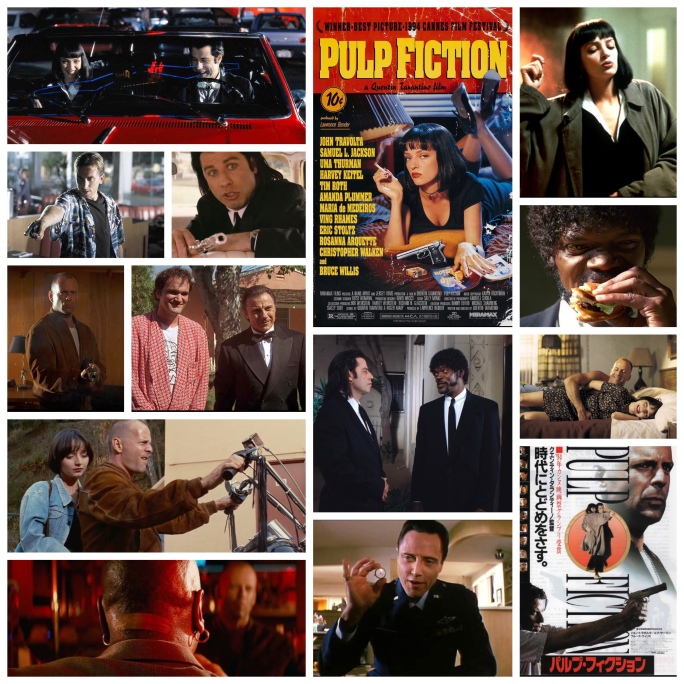
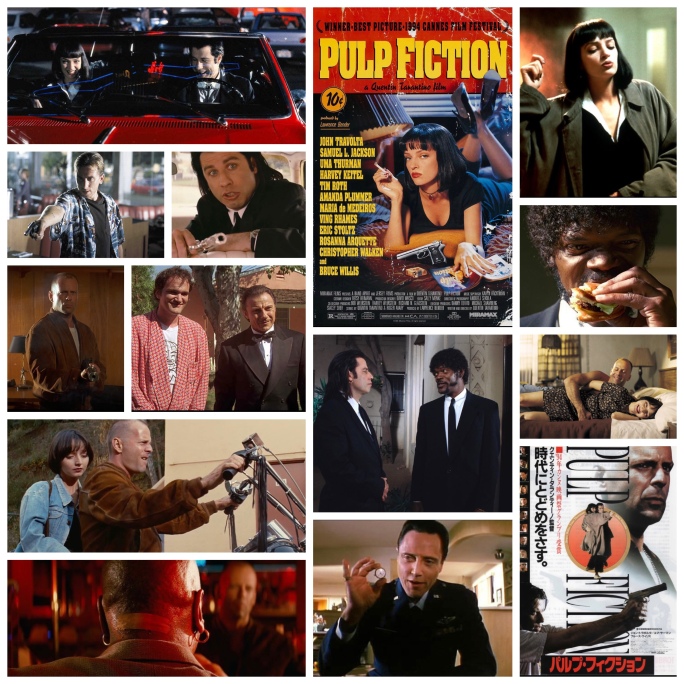
Quentin Tarantino’s Pulp Fiction

You ever been to one of those house parties that turns out so well, is so full of awesome, entertaining people and so much fun that you kind of wish it wouldn’t end? Quentin Tarantino’s Pulp Fiction is like that, for nearly three hours you wish would extend into three more. It’s one of those urban mosaic stories that chucks slices of life into a pan, fries them up and hurls the resulting delicious recipe right at your face. I’ve read a lot about how this revolutionized narrative structure in Hollywood or changed the way characters are written and that may be the case for the crime genre, but the mosaic motif was present in many areas before QT, namely in the films of Robert Altman, a filmmaker I’ve never seen compared to our Quentin before but the parallels are there. In any case everyone knows, loves and agrees that Pulp Fiction is a fucking badass flick, an enduring barnstormer of outlaw cinema that is every bit as potent, catchy and kinetic as it was when it blew the pants and panties off of Cannes in ‘94.

Tarantino gave us an appetizer with Reservoir Dogs, and with Pulp he produced a ten course meal that’s more polished, structured and assured than we had seen before. His mosaic concerns the lives of several LA individuals all directly or indirectly related to the criminal underworld. Samuel L. Jackson and John Travolta are two hitmen who dressed like Men In Black before Men In Black was a thing, out to retrieve the ever mysterious briefcase for their omnipotent gangster overlord (Ving Rhames), whose sultry wife (Uma Thurman) Travolta is to entertain while the big man is out of town. Elsewhere a disloyal prizefighter (Bruce Willis) and his bubbly girlfriend (Maria De Medeiros) hide out from Rhames’s wrath too until Willis goes from the frying pan into one terrifying fire. Tim Roth and Amanda Plummer are two liquor store bandits who branch off into the diner scene and royally fuck up everyone’s day in the process. Christopher Walken gives arguably his greatest and definitely his most bizarre monologue in a scene out of place and time from the rest of the film but somehow right where it needs to be in the narrative. Harvey Keitel suaves it up as LA’s resident 007. Others make vivid impressions in the mosaic including Eric Stoltz, Rosanna Arquette, Steve Buscemi, Paul Calderon, Frank Whaley, Angela Jones, Duane Whitaker, Stephen Hibbert, Tarantino himself, Julia Sweeney and perennial bad guy Peter Greene.

By now the story is secondary to those iconic moments we all know and love. Zed’s dead. Samuel’s terrifying bible session. A wristwatch up Walken’s ass. Pride only hurts, it never helps. That needle to the heart. The dance competition. The Gimp. The exploding head. These are all now hallmarks of one of the greatest stories ever put to film. What makes it so great? Tarantino has the time for his characters, and wants to converse with them. The dialogue isn’t just about plot or characters intimidating each other. It’s about life, music, personal taste, culture and cheeseburgers. These are people who remind us of many others we know, and the relatability is what has turned this into a platinum classic. That and other factors, including a killer soundtrack, brilliant performances round the board and editing that brings LA out of the gloss, down to earth and just as dirty. It may not be my ultimate fave Tarantino film, but it is definitely his flagship outing so far, in its epic scope. We’ll see if this year’s Once Upon A Time In Hollywood perhaps dethrones it as his magnum opus, who knows. Either way it’s a masterpiece and will remain so for all time.

-Nate Hill

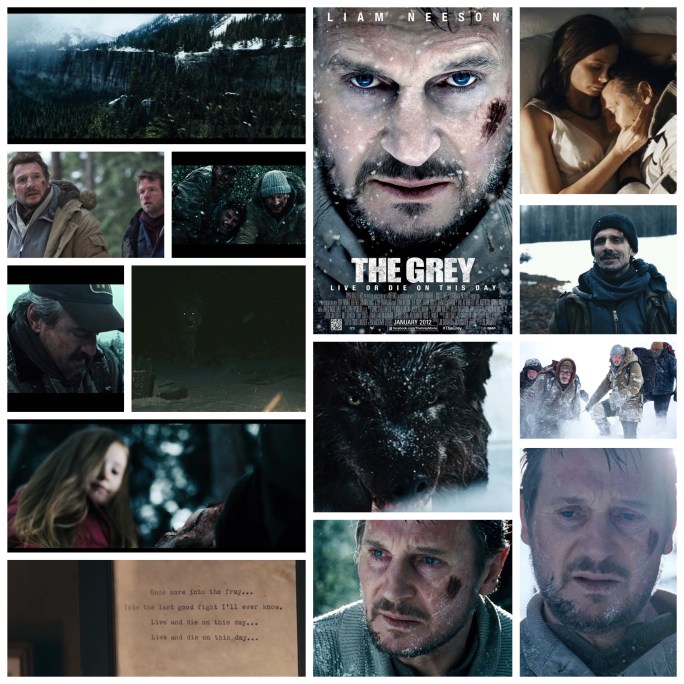
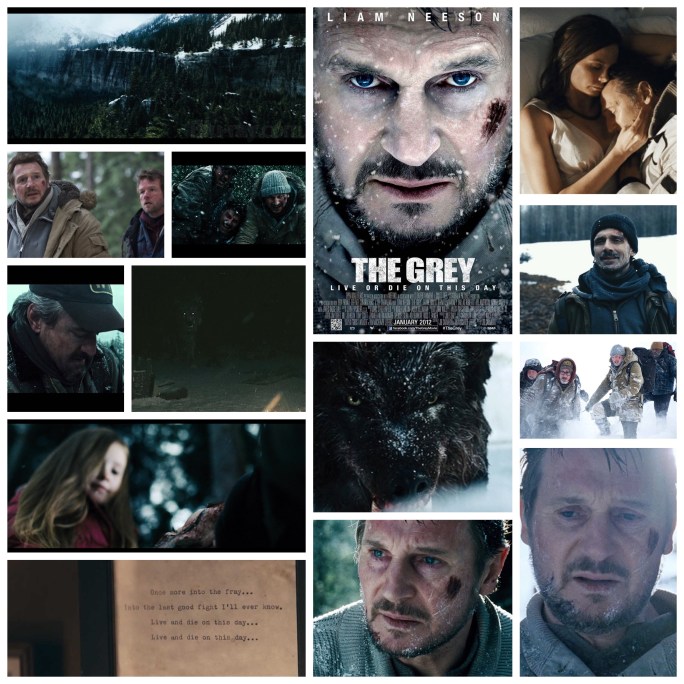
Joe Carnahan’s The Grey

When the marketing campaign came along for Joe Carnahan’s The Grey, they really tried their hardest to make it look like ‘that Liam Neeson movie about punching wolves.’ It’s understandable, because what we really got was a heartbreaking, human survival story rooted in character, streaked with sorrowful existentialism and so far from the rugged action film advertised. That kind of film is hard to sell in Big Hollywood, but it’s always better as filmgoers to receive something this thought out, carefully made, entertaining and deep when visiting the multiplex, and it’s gone on to become one of the best films of recent decades as well as a personal favourite.

Neeson is scary good as Ottway, hired gun for an oil company and resident badass at the remote Alaskan rig where hordes of rowdy labourers chase that paycheque they’re just gonna blow on booze the same night. On a routine transport back to Anchorage their plane crashes horrifically, scattering the tundra with bodies and leaving a handful of survivors to fight their way across the desolation. Led by Ottway, they soon realize their path has cut right trough the hunting ground stalked by a hungry pack of wolves, and they are now in the crosshairs as well as at odds with the cruel indifference of Mother Nature. The wolves here are never really seen clearly and don’t mimic what you might see on BBC’s Planet Earth, instead we get snarls, gristle, sinew and nasty unseen phantoms growling out there in the dark until one of them lunges for a kill. They serve not so much as literal wildlife but rather as harbinger of inevitability, a spectral reminder of one’s mortality in a situation like that, and the ever present fear of death.

Carnahan has a background in what you might call ‘manly movies,’ previously helming the excellently gritty Narc, the fabulous and underrated Smokin Aces and the silly reboot of The A Team, but The Grey is a brand new bag. Deadly serious, deeply thoughtful and surprisingly emotional, this is a film that loves its characters despite putting them through icy hell. Neeson is uncannily good, his character goes through sadness in ways that mirror real life tragedy the actor has been through, events we can see echo in his haunted, career best, primal howl of a performance. Dermot Mulroney makes brilliant work of Talget, a pensive man who just misses his daughter and holds onto that as will to live. Frank Grillo brings down the igloo as Diaz, a macho, hard bitten jerk-off who quickly discovers that such abhorrent behaviour is something both his fellow survivors and the wolves have no time for. Other fantastic work comes from James Badge Dale, Joe Anderson, Dallas Roberts, Nonzo Anozie, Ben Hernandez Bray, Anne Openshaw and more.

Roger Ebert said that the only time he ever walked out on a film was the next one in line after seeing this, and that sort of encapsulates the almost profound effect this one has. The first time I saw it was a bleary bootleg version on a laptop and I sat there stunned in silence after. There’s many aspects that went into attaining that quality, but what resonates and makes it work so well for me is how much it respects, loves, and treats its characters like actual human beings instead of cannon fodder victims for the wolves. They are all well developed, non-archetypal individuals, and it’s that that pulls you right into the story. There’s a scene where Neeson eases the passing of a fatally wounded man with comfort and grace, it’s easily the most devastating death scene I’ve ever seen filmed, made so by blunt realism and uncomfortable truth. My favourite scene has to be the remaining survivors sitting around a campfire, simply talking. They banter, Neeson shares a poem his father wrote, Mulroney tells a story about his daughter he misses so much and Grillo lightens their collective mood with a bit of humour. You feel like you’re sitting right there with them. A masterpiece on many levels.

-Nate Hill

Avengers: Endgame

review-avengers-endgame-2

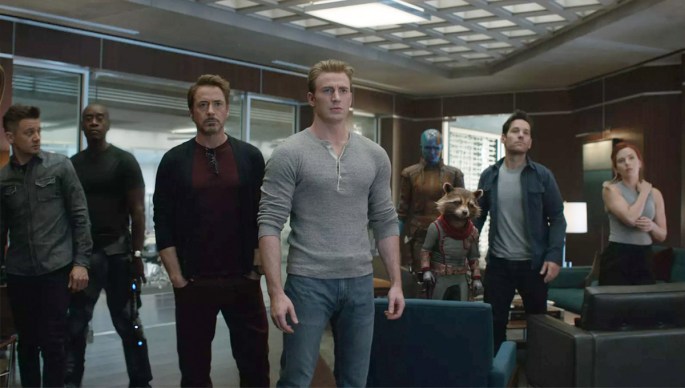
Much has been made of the Marvel/Disney money printing machine; they started with a scrappy set of b-list heroes, co-producing a mixed to positive bag of introductory films with Paramount, and really found their footing with Joss Whedon’s Avengers in 2012.  The teamup went better than most expected, both creatively and financially, and since then it seems their 2-3 releases per year are the easiest guarantee that people will put down Netflix and actually get out to the theater en masse.  It’s not all a love fest, though; some see their popularity as a death knell for serious cinema (despite an increasingly diverse set of offerings mirrored in the wide variety of Oscar nominees, not to mention the multiple platforms on which serious dramas appear in endless supply), a commoditization of childish nostalgia, and an assembly line style of storytelling.  Regardless of the fact that there are plenty strong examples of writer/directors bringing their own unique voice to different properties, from James Gunn’s sassy and surreal Guardians to Ryan Coogler’s whip smart racial commentary in Black Panther, the hate is simple to find in various corners of criticism and internet comment sections.  Still, what seems to be missed in the back and forth is that Marvel have crafted an extensive cast of characters that millions of viewers around the world relate to, look up to, and even love.  The fights are fun, the effects often dazzling, but viewers wouldn’t spend so much time with these films if they didn’t care about the struggles and successes of the likes of Steve Rogers and Tony Stark.

Joe and Anthony Russo, and their frequent collaborators Christopher Markus and Stephen McFeely, cash in every bit of goodwill towards these heroes with Avengers: Endgame, the longest and easily most self indulgent film in the much ballyhooed Marvel Cinematic Universe.  Tripling down on the notion of fan service, this movie isn’t made for the casual observer or the fly-by film buff.  Unlike most of the other stories knocking around in the studio’s catalog, Endgame has no time for catching anyone up on current events.  If you’re in the theater, you’ve likely seen every single film that preceded it, and of course are looking for some retribution and healing after the events of its predecessor, Infinity War.  That film did a fairly marvelous job of bringing together a vast cast to do battle against the rare compelling Big Bad in the MCU, a mocapped Josh Brolin on a dark, twisted version of a hero’s journey.  Our remaining protagonists—the original Avengers all survived, plus a few more good guys to round out the team—are looking for the same things as the audience, but have some competing views on how to go about them.  It’s a very different film from a pacing standpoint than Infinity War:  A dour, mournful opening, appropriate to the fallout from the villain’s success, takes its sweet time getting to the inevitable action and explosions.  But we do get to them eventually, as the Avengers’ plan kicks into action, ostensibly to save the day but seemingly with the primary cause of redeeming a cross section of less than beloved sequels in the canon.  It’s a trick that almost works on that front, and of course drives our heroes ever closer to success.

In the interest of skipping the ever-despised spoilers—and yes, there’s plenty to spoil, especially in the third act—we’ll circle back to character.  It’s the bedrock of any good yarn, and uber producer Kevin Feige and his many collaborators understand this deeply.  Some of these superheroes have only been around for a movie or two, but the main focus is of course on the original team and whether or not they can truly pull off a miracle or two.  These are the ones Marvel fans have now spent many hours adventuring with, the characters whose strengths and weaknesses we know the best, the ones who’ve been there since the beginning.  Watching the likes of Chris Evans and Robert Downey Jr. rally in the face of their greatest challenge yet feels like a family reunion to those viewers who’ve been with them all along, and while the filmmakers lean into these feelings heavily in the face of some clumsy plot mechanics and pacing from time to time,  Endgame does ultimately provide payoffs both surprising and expected to longstanding fans.  No matter what defiant detractors may say about Marvel and Endgame, it’s more than likely Stan Lee is nodding down on this capstone to his cinematic empire in gleeful approval.

thanos endgame scarecrow

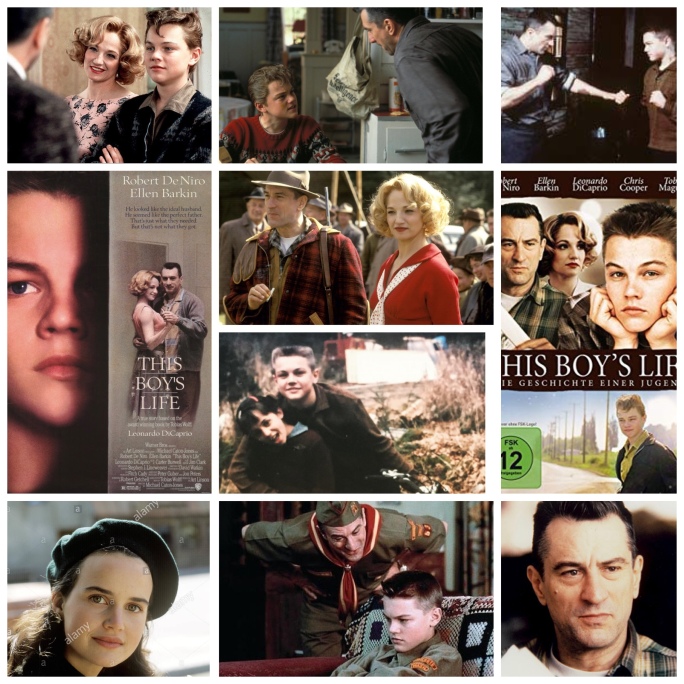
Michael Caton-Jones’s This Boy’s Life

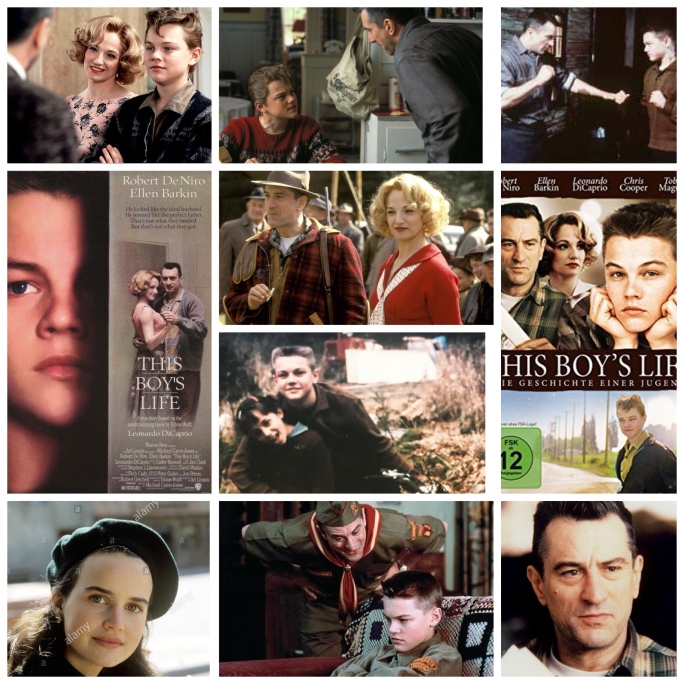
Michael Caton-Jones’s This Boy’s Life is based on a true story of abuse, of which there are thousands every year, many heard and many unheard. This one doesn’t end up as bad as some or as good as others but I liked that it didn’t make the abuse a centrepiece for the film and rather used it to show a fascinating character dynamic between 50’s teenager Tobias (Leonardo DiCaprio) and his nasty stepfather Dwight (Robert DeNiro). Tobias and his mother (Ellen Barkin) come from a free spirited background, abandoned by his birth father and left to roam the States looking for a new provider. She meets and marries Dwight pretty quick, and Tobias also figures out what he’s made of real quick too. Dwight is a nasty, bitter, violent, pathetic piece of human garbage whose self esteem is so low he’s just gotta take it out on others around him, often in a cartoonish way. He’s the type of guy that if you fronted on him in a bar or he got in your grille, you’d just laugh and brush him off rather than fight because you just feel sorry for the guy. Tobias is a teenager though and can’t actually stand up to him in a brawl, making him a prime target for years of physical and psychological abuse which his mom refuses to be a referee. This isn’t a sad or depressing film because we realize that this can’t go on forever, the real life man it’s based on grew up to be a successful professor of literature and the film is never downbeat, just desperate. This is Leo’s debut lead role and he kills it, finding that anger and resilience that will go on to be building blocks in his now legendary career. DeNiro is very anti DeNiro here if you catch my drift. Used to playing extroverted alpha males, he switches it up for an extroverted weasel who thinks he’s hot shit. The only thing I would have eighty-sixed is the Fargo style Minnesota accent he tries on for size as it doesn’t suit him and he’s never been an accent savvy actor. Watch for an uncomfortable appearance from Chris Cooper as well as striking early career work from Carla Gugino, Tobey McGuire and Eliza Dushku who is so young here she’s unrecognizable. This film feels loose and episodic at times but remember these are someone’s memories here and those can be tricky, illusory beasts. I love the way it feels, like several slices of life during adolescence, a point where life can be at its most tempestuous and confusing, therefore making for excellent material. Set in the lush Pacific Northwest and attuned with production design that is studious to the 50’s aesthetic, this is a great film for any actor to find their debut in.

-Nate Hill

Amazon Prime’s Goliath: Season One

Amazon Prime has sneakily started to put out some incredible original shows in the last few years, it’s really worth signing up (way cheaper than cluttered ass Netflix) to see the exciting directions they’re headed in. One such show is Goliath, which on the surface appears to be a slick, spotlight showcase for Billy Bob Thornton in another one of his now platinum alpha male loudmouth roles. It is that, to an extent, but it’s also a detailed, densely written mosaic of Los Angeles life viewed through a prism of classism, corruption, dishevelled family values and high powered corporate war games.

Thornton is Billy McBride, a disgraced lawyer who helped found the largest and most powerful mega-firm in LA only to be barred from it years later and left in exile. He mopes around in a cheap Santa Monica hotel, wanders the beach at night with bottle in hand and gives a local stray dog some love. This is until maybe the biggest lawsuit of his career yanks him out of bleary eyed entropy and pits him against not only his old firm but the largest high tech weapons manufacturing giant in the country. The show is aptly titled and works beautifully as an underdog story. Billy is low rent, works out of motel rooms and storage units, hires whoever will tolerate him and often prepares speeches and depositions over a high ball at the local dive. The firm is clean cut, ruthless, well researched and not afraid to get extremely dirty in protecting their powerful, scary client. Atop the skyscraper’s penthouse sits co founder Donald Cooperman, a bitter old Machiavellian lunatic played by William Hurt. Hurt embodies him like Harvey Dent crossed with a Bond villain, an eccentric asshole who coldly shunts his lawyers and clerks around the firm’s checker board and communicates with a paratrooper clicky thing, making every move he can to stonewall Billy’s case.

This is Thornton’s best role in years and he does get to do that patented snarky thing that every Bad Santa fan always cheers for, but McBride is also a well rounded, very human character rooted in backstory, fuelled by emotion and dynamic in his interaction and well guarded compassion for the people in his life. His law clerk is an escort girl (Tanya Raymonde), his ex wife (Maria Bello) works for Cooperman’s firm and his daughter (Diana Hopper) resents his wayward lifestyle but loves him unconditionally. There’s an eventual loyalty and tribal feel to his ragtag entourage that I picked up on and enjoyed a lot. They have casted this thing to the nines and picked unique actors for parts you wouldn’t have pictured them in too. Molly Parker is a right cunt as the firm’s lead shark, scene stealing like a pro and positively dripping acid in court. Olivia Thirlby nails the rookie just coming out of her shell, Nina Arianada is a sharp, foul mouthed go getter as a lawyer representing the family suing this firm, and watch for appearances from Jason Ritter, Brent Briscoe, Sarah Wynter, Dwight Yoakam, Damon Gupton and Harold Perrineau as a shrewd, no nonsense judge.

This is of course only a review of the first season, but on its own I can’t really think of anything wrong with it. It’s smartly written, emotionally relatable, super exciting and looks beautiful visually. It’s a story of redemption, one of the little guy standing up to essentially the biggest bully you can dream up and even has elements of family drama as well as thoughtful romance. Thornton and Hurt lead the herd like the pros they are, but everyone in their wake gives equally as powerful work. The locations feel authentic, lived in and detailed, considering they shot in the actual Santa Monica motel and bar that we see onscreen. This tale reaches seemingly mythic heights at times but never falters in catching the little moments, the gaps in between important plot establishing scenes that show characters simply interacting casually or chatting about their favourite movies. You don’t see that kind of care put in much, but damn it goes a long way. I’m somewhat apprehensive about season two after a reported writer switch up that garnered some nasty reviews across the board, but we’ll see. As it stands, season one is its own enclosed story, works spectacularly and I’m happy we got it. Highly recommended.

-Nate Hill

Hidden Gems: Reto Salimbeni’s One Way

Reto Salimbeni’s One Way literally starts off one way and throws curve ball after left field turn after another until you really begin to appreciate a truly original script for once. Granted he produced his film in indie land where there’s considerably more creative freedom than the studio system but still, this is one unique film and I promise you it’s not the action thriller that the US market has tried to sell it as.

As the film opens, teenage Angelina is pursued and sexually assaulted by several boys alongside a riverbank. Suddenly a mysterious military general (the late, great Michael Clarke Duncan) appears out of nowhere and, after gaining her permission, positively ventilates them with a sub-machine gun. Jump cut to a decade or so later and we see hotshot advertising exec Eddie (Til Schweiger), married to the boss’s daughter (Stephanie Von Pfetten) but cheating on her every chance he gets with multiple women. Grown up Angelina (Lauren Lee Smith) works for the firm too, and they both get entangled up in a murder investigation involving the boss’s son (Sebastian Roberts), who is a sadistic rapist and very dangerous given his position of power.

I’ve done my best to somewhat describe the story so you have a vague idea of what this is all about but it’s tough to impart just how twisty and unexpected the thing gets, and that’s half the fun. Schweiger isn’t exactly an actor of dramatic heft, often appearing as stylized characters or posturing tough guys, but he does alright here as the sheepish philanderer who learns his lesson big time. Smith is fantastic as the most sympathetic character and the closest we come to a clear cut protagonist, dealing with the most tragic, yet ultimately heroic arc and nailing it beautifully. Duncan is the most striking character and is seen the least but always makes a huge impression, here in a small but incredibly key role. Watch for Art Hindle, Kenneth Welsh, Ned Bellamy and Eric Roberts in a brilliant extended cameo as a defense attorney who gets a few big dramatic moments of his own.

I can see why this film was tough to market as there is so much going on tonally, narratives weaving together at their own leisure and nothing really conventional about it at all. There’s corporate espionage, courtroom intrigue, emotional interpersonal drama and many more elements at play. Really though it’s about confronting your past, dealing with trauma particularly when it comes to sexual abuse and standing up to people who attack with impunity. Smith’s character takes front and center here, getting a gruesome revenge scene that rivals The Girl With The Dragon Tattoo in it’s intensity. She has to face the horrors of her past full on here, whilst dealing with the legal problems Schweiger has thrown into the mix and it all makes for a unique, emotionally stirring and hypnotic hidden gem of a drama that I highly recommend.

-Nate Hill

Sam Mendes’s Revolutionary Road

Sam Mendes’s Revolutionary Road is a film set in the 1950’s and decidedly so, but that is just happenstance because the story it tells could happen anywhere, in any time period. The setting, though elaborately, meticulously and unobtrusively staged, is just the gilding on this suburban tragedy of restlessness, shaky ideals and marriage at levels of disintegration that prove combustible.

Leonardo DiCaprio and Kate Winslet join forces again as Frank and April Wheeler, a seemingly harmonious white picket fence family who have achieved the American Dream. Cute little house in a sunny neighbourhood, two adorable children, he has a rat race office job while she plays homemaker. Idyllic, right? Anything but. These two are monumentally unhappy in ways that prove complex enough to haunt the viewer later on. She’s unwilling to hammer down that last corner of settled life and give up on further dreams, he simultaneously hates and depends on his worker bee employment like a security blanket. They make plans. Life, and the both of them get in the way. It’s kind of a vague premise to just read about in a review or synopsis and you have to watch the thing to get its rhythm and timbre, but what it has to say is important, heartbreaking and timeless.

Leo and Kate follow up their sweet, innocent tragedy of Titanic with a love story eons removed, a bitter tale of two people who’d love each other if they didn’t hate each other so much, and hate each other if they didn’t love each other so much. It’s a tricky, multilayered pair of performances to nail in tandem but they’re there in synergistic equilibrium and both give what might be their finest work. Suburbia is populated by supporting characters who revolve around them cautiously but never get fully sucked in to their destructive orbit. They’re played by the sterling likes of Kathy Bates, David Harbour, Kathryn Hahn, Dylan Baker, Jay O. Sanders, Max Baker and Michael Shannon in a fierce cameo as a sort of Greek Chorus type individual who comments on this couple’s plight with acidic abandon. Mendes chooses locations over a soundstage which is always tricky, but the level of authenticity you get once that is pulled off can’t be compared. 1050’s suburbia seems to come alive as we feel each breeze come in through an open window, see the tree lined street just beyond the borders of a real house they’re shooting in and watch the automobiles actually wind their way down a street. Thomas Newman provides a score that doesn’t cloy or manipulate but follows along dutifully while humming away in the wings to let Leo and Kate sing for themselves.

Not an easy film to watch, it’s essentially two people in a collective downward spiral observed in an intimate fly-on-the-wall fashion and that can become downright uncomfortable at its lowest points. But this is important stuff, a microcosm of two individuals that asks you to step outside what’s considered norm in society and examine exactly what exactly is expected of each man and woman and how that affects their actions throughout life. Brilliant film.

-Nate Hill