David Cronenberg’s The Fly

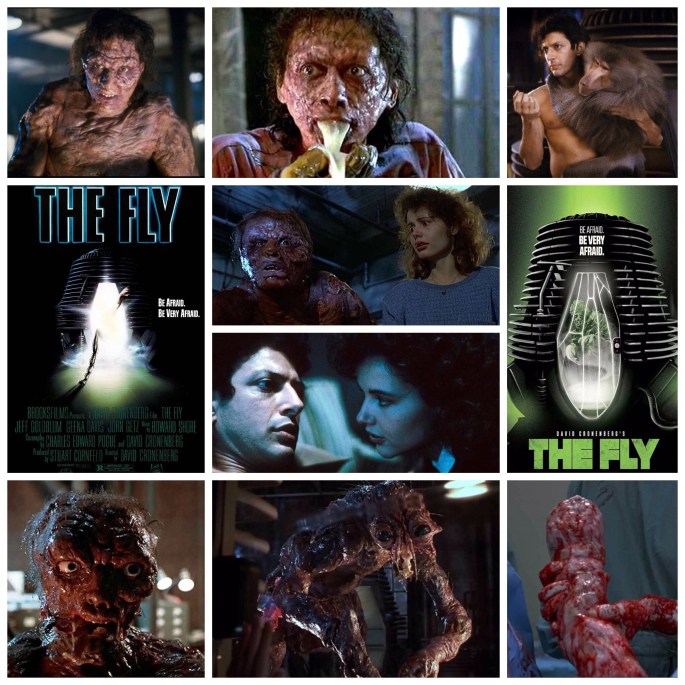
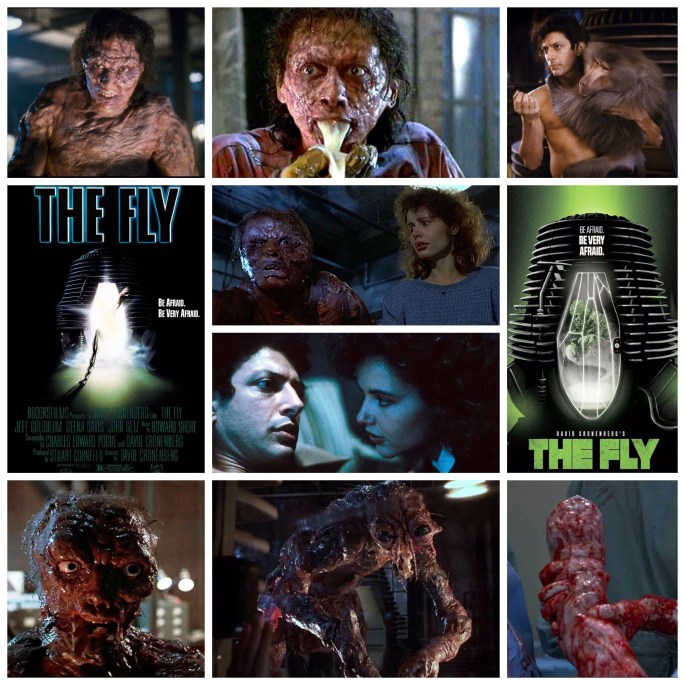
It’s taken me years to finally get around to David Cronenberg’s The Fly, but I’m glad I did as it’s a terrifically slimy gore-palooza boasting practical effects that are on par with classics like John Carpenter’s The Thing and Sam Raimi’s Evil Dead. Cronenberg is known as the prince of body horror, and has carved out a now legendary swath of schlock-tacular horror films (many of which I’m unfortunately not caught up on), but his nightmarish visions almost always have a brain in their heads or something to say about media, psychology, biology or the way things work. In The Fly he takes a look at the universal human fear of disease and decay, a collective primordial disgust that Jeff Goldblum and Geena Davis fuel their performances with. Goldblum is Seth Brundle, a brilliant but terminally awkward scientist who has developed a functioning teleportation device. Well almost, as he has trouble sending anything alive through it, and it has a habit of turning monkeys inside out. One night he drunkenly sends himself through, unaware that a tiny little stowaway has come for the ride. The computer gets confused, combines their DNA at a molecular level and, viola! Jeff Goldblum starts literally turning into a giant fly, and trust me when Cronenberg is at the helm of such a premise, no expense is spared on gallons of vile corrosive goo and repulsive glistening prosthetics, so don’t order in Pizza Hut if you have this one on in the living room. Geena Davis is effective as the journalist that falls in love with him and has to bear witness to the grotesque transformation, but unfortunately the film isn’t long enough to work as a romance, choosing instead to put the horror front and centre, which is where it’s strongest aspect lies. Goldblum is great as the twitchy doctor, and uses his physicality brilliantly once the metamorphosis begins, giving his lanky frame a staccato, animalistic rhythm that suits the character well. The effects are dazzling, if retro gore is your thing, a whole party bag of slime, pus and deformity that stands as a showcase for the FX team. I like Cronenberg’s horrors, or at least the ones I’ve seen, because no matter how schlocky they get, he never veers it totally into the sandbox and forgets his themes, he always seems in complete control of the nuttiness, following a specific recipe that doesn’t derail anything and that probably why he has become such a pedigree name in the genre. The film could have been a tad longer and a bit more fleshed out in places, but still serves as a slick, well drawn shocker that has not surprisingly stood the test of time.

-Nate Hill

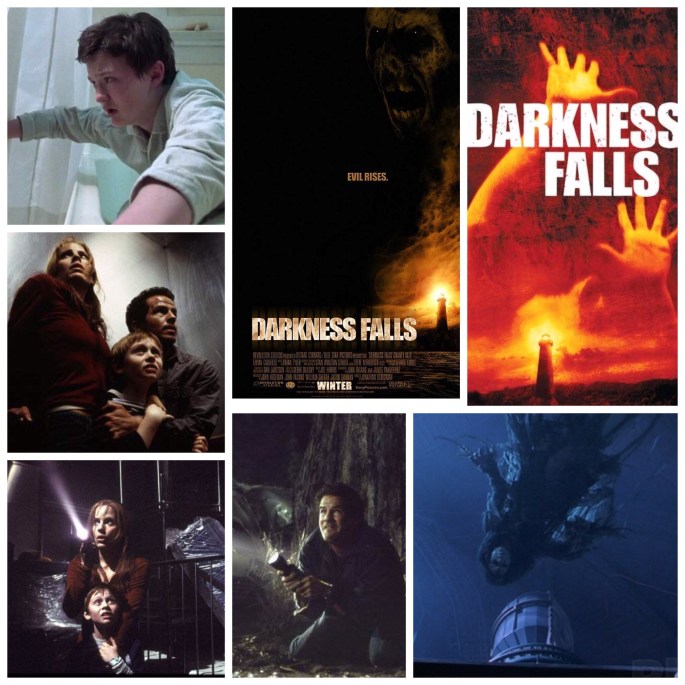
Darkness Falls

Darkness Falls is, for the most part, a cheesy little cheapie horror flick in the vein of The Ring or others, predictable as ever and doesn’t stray too far outside the box of genre convention. However, there is one sequence right near the beginning that’s so good it could be it’s own little short film independent of the rest of the thing. In the coastal northwest town of Darkness Falls (you’re pretty much setting yourself up for spooky shit if you call your town that), the monstrous ghost of a hundred year old woman has come back to haunt residents. Dubbed the Tooth Fairy when she was alive because she gave gold coins to kids who would bring her their teeth, she was killed by an angry mob when two of the youngsters went missing and there was no one else to blame. Now she’s back, and grown up Kyle (Chaney Kley) has returned to his hometown to try and stop her. Cue a tiresome parade of dimly lit, poorly edited chases, near misses and jump scares that don’t have much of a lasting impact. Now, as for the opening five minutes of the film, the whole sequence seems to be from a different, way better film and is genuinely terrifying. It opens as young Kyle is alone in bed on a particularly rainy night, and the ghost is somewhere in his room, belting out eerie shrieks and scuttling all over his walls and bedsheets, this whole part is probably what caused my lasting fear of darkness as a kid and remains one of the best spook show prologues of any horror flick, especially when he races out into the hall to find his mom and the bitch follows both of them all over the house. Sadly, after that first few minutes of quality, the rest of the film gets progressively less scary, badly written and overall starts to blow. Put it on with your friends for a good few minutes of pure unfiltered dread, and after the title credits just crack the beers and keep it going as background noise for an hour or so, because it won’t hold your attention for long. That first scene though.. fuck man, I’ve never been the same since.

-Nate Hill

B Movie Glory: After Dark Horrorfests’ Tooth & Nail

Tooth & Nail is part of After Dark Horror Fest’s 8 Films To Die For series that aired sometime around 2007, and concerns a post apocalyptic future where punk-esque cannibals roam the wasteland preying on people, but the film is a lot less interesting than that description, and is only really worth it for the presence of Michael Madsen and Vinnie Jones as two of the nastiest scavengers of the whole bunch, who call themselves the Rovers. There’s a group of peaceful folk called the Foragers, who are being hunted by these Rovers in some near deserted, nondescript city like Cleveland, Philadelphia or Denver, and that’s pretty much all there is to it. Some adequate gore and decent cinematography here and there, but ultimately it’s underwhelming given the potential in premise. Vinnie Jones is fun, if a bit underused as the scythe wielding Mongrel, he mostly stalks around and glowers as he hunts his prey. Michael Madsen is a barrel of fun though as axe wielding psycho Jackal, there’s something about seeing him wearing an epic fur coat and growling out lines like “this isn’t your lucky day friend, and guess what? It ain’t gonna get any better” right before he buries said axe in some poor dude’s spine. Too bad the rest of the film couldn’t keep up with his inspired lunacy, but oh well.

-Nate Hill

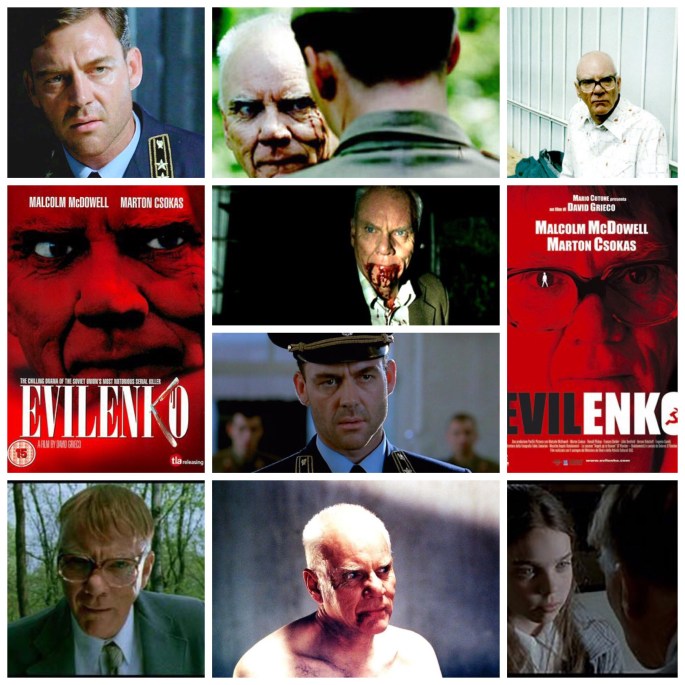
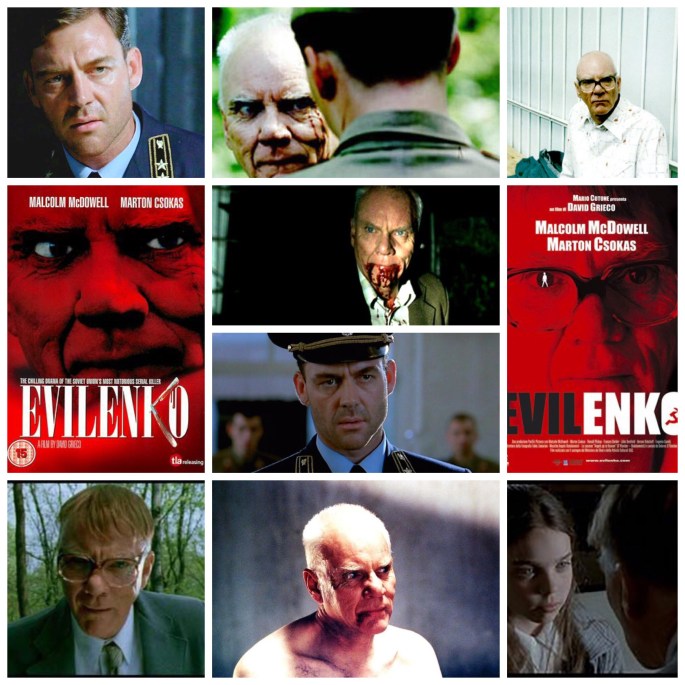
David Grieco’s Evilenko

Serial killer biopics and character studies have been all the rage since their inception in the early 90’s, but rarely do they get as earnest or serious as David Grieco’s Evilenko, an intense look at Russian serial killer Andrei Chikatilo (renamed Evilenko here), a heinous child murderer that took advantage of loopholes in the post war soviet region and preyed on youngsters for years. Malcolm McDowell is harrowing in the role and gives the character human depth and dimensions beyond just lurking, killing, evading capture and awaiting trial. I saw a documentary once on his career and apparently he turned this role down several times, which is interesting because he’s absolutely dynamic and almost unrecognizable as the guy, quite the piece of work. Martin Csokas plays the inspector on his case with his usual well spoken gravitas, hunting the man down but taking so many years to nab him that the body count went well above fifty victims. The crimes are shown with a disassociation and removed coldness, blunt but never exploitive. There’s two other film versions of this true story, an HBO original film called Citizen X that takes the police procedural route and Child 44, a recent one with Tom Hardy and Gary Oldman that was a melodramatic, unfocused mess. This one is an intimate look into the killer’s psyche, a definite cut above most serial murderer films and anchored tightly by McDowell’s committed performance. Disturbing stuff.

-Nate Hill

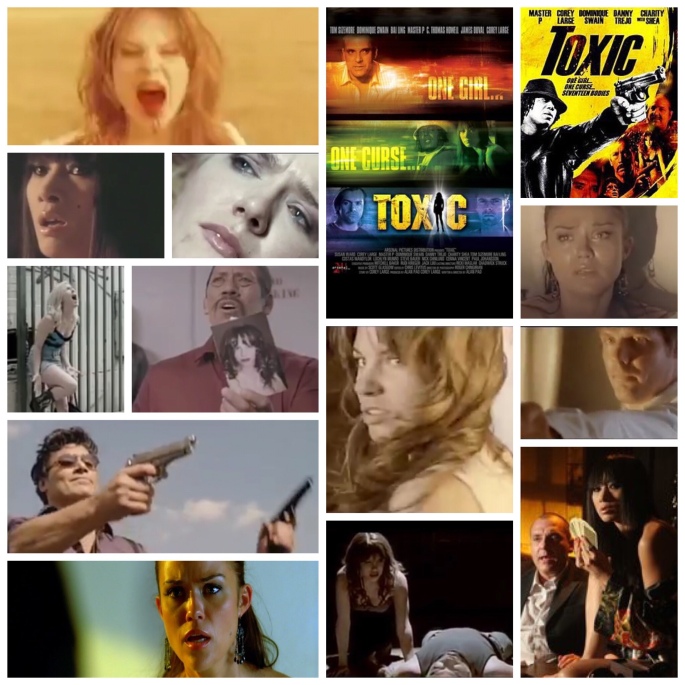
B Movie Glory: toXic

In the endless sea of direct to video output, sometimes you find one that although is rough as all hell around the edges, has potential and moments that shine, even if they’re stuck in a muddled, overcrowded narrative. Toxic is one such film, a psychological horror/crime hybrid that is so full of B level movie legends, rappers and porn stars that some are only around for a second, a whole galaxy of fringe talent caught up in a story that needs complete attention to be understood, not because it’s any kind of genius labyrinthine story, but simply because it’s edited with a chainsaw and has more dangling plot threads than an entire season of CSI. There’s two timelines it takes place in, a setup that already isn’t explained well enough off the bat, but such is the level of commotion. In one, nervous mobster Tom Sizemore (nuttier than usual as this was his first gig after a stint in jail) hires two henchman (Corey Large and Danny Trejo) to find his daughter (Charity Shea) who is apparently very dangerous, but he won’t say how or why. She ends up at a strip club run by rapper Master P and her presence seems to cause nothing but trouble for everyone there including a severely depressed hooker (Dominique Swain), an ill fated homeless man (C. Thomas Howell) and others. In another timeline we see another strip club run by pimp-with-a-heart-of-gold Costas Mandylor, in which Corey Large shows up again as a mysterious bartender and the whole berserk plot hinges on his two characters, but they really should have let him stick to producing duties and hired another actor because he’s in desperate need of some acting classes. All manner of other famous faces make cameos too including Bai Ling as Sizemore’s weird clairvoyant girlfriend, scene stealer Susan Ward as a sympathetic bartender, Steven Bauer, Lochlyn Munro in dual roles, Paul Johansson, Ron Jeremy, James Duval, Johann Urb, Holt McCallany, Cerina Vincent, Shar Jackson, Nick Chinlund and the list goes until you start to wonder if these prolific people were just hanging around the studio lot and needed extra work. Here’s the thing: there *is* actually a discernible story here that’s interesting and engaging, and upon reflection it does all in fact make sense. *But*…in a ninety minute film with this many cameos and random stuff, it’s too much to feel coherent. I will say that the final twist/revelation is handled in a top tier, musically visceral way that’s quality stuff, but so much else was kind of incomprehensible that several people I’ve watched it with could tell there was a twist by the tropes being used, but not what it actually was. With a new angle on editing, sharpening up the script and whatnot this could have been something more accessible, but I still really like it for effort put into a neat storyline, the laundry list of cool cast members, that final scene that’s done so well and the obvious, endearing homages to Tarantino and Tony Scott in style and tone. Interesting, pulpy, lurid, scattershot stuff.

-Nate Hill

Ronny Yu’s Freddy Vs. Jason

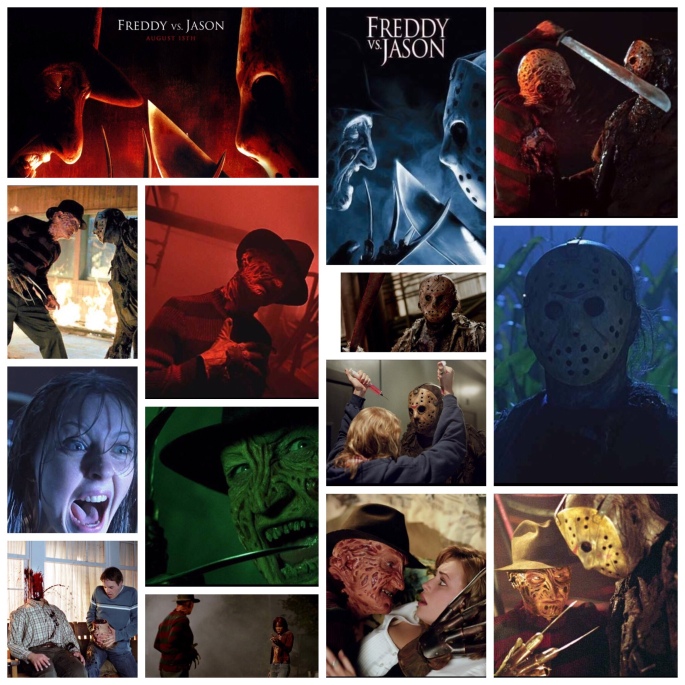
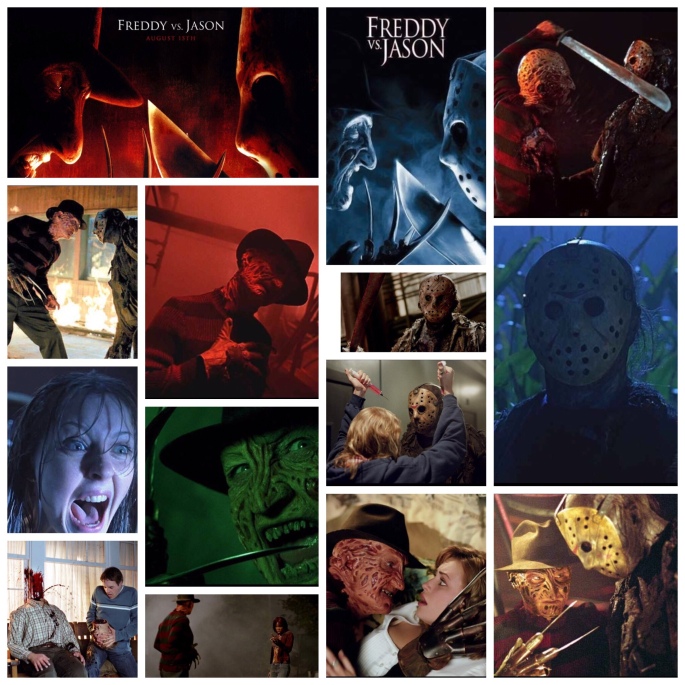
Freddy Vs. Jason was kind of an inevitable thing as the two horror franchises paralleled and then gradually veered towards each other, it was just a matter of getting it right. Did they? Well.. yes and no. It’s better than Alien Vs. Predator, in case you were wondering, but in terms of doing a satisfactory collision and Mortal Kombat session between these two horror boogeyman, they could have done a bit better. Their first mistake is over plotting it; so much time is spent explaining how they both end up in Freddy’s hometown of Springwood that it seems redundant, who cares about specifics, any telling of it is going to seem silly anyways in a crossover like this, we just want to see the two of them kick the shit out of each other. Then there’s the painfully overdeveloped plot involving two ex Springwood teens (Jason Ritter and Brendan Fletcher) who escape the nuthouse and race home to try and warn everyone. By the time the two of them actually start physically scrapping, so much nonsense has come before that it’s almost too little too late. I say almost because the fight scenes are pretty spectacularly warped, from vicious hand to hand or glove to machete to Freddy launching giant oxygen canisters at Jason like torpedos. Choreography and effects are put to good use in these scenes, even if the filmmakers show a bizarre sympathy towards Jason that seems to come out of left field and paint Freddy as somehow more of a bad guy. There’s all kinds of stuff going on here from a cornfield rave that Jason interrupts in typical bloody fashion, a stoner character that’s a shameless ripoff of Jason Mewes’ Jay, flashbacks to Crystal Lake of yesteryear that get in the way and what have you. That’s the thing, there’d be space for all this random stuff in a film featuring only Freddy or only Jason, but in this collective dust-up there’s only really room for these two cooks in the kitchen. Still, we get plenty of deranged fight scenes between the two, Freddy utilizing his freaky dream powers and Jason swinging around that blade and any other large blunt object he can find. Who wins? Wait and see, but I’ll say it does have my favourite Freddy line of any Nightmare film: “How sweet.. dark meat!” He growls, approaching Kelly Rowland with razor glove at the ready. Fun stuff, if a bit too hectic.

-Nate Hill

The Purge: Election Year

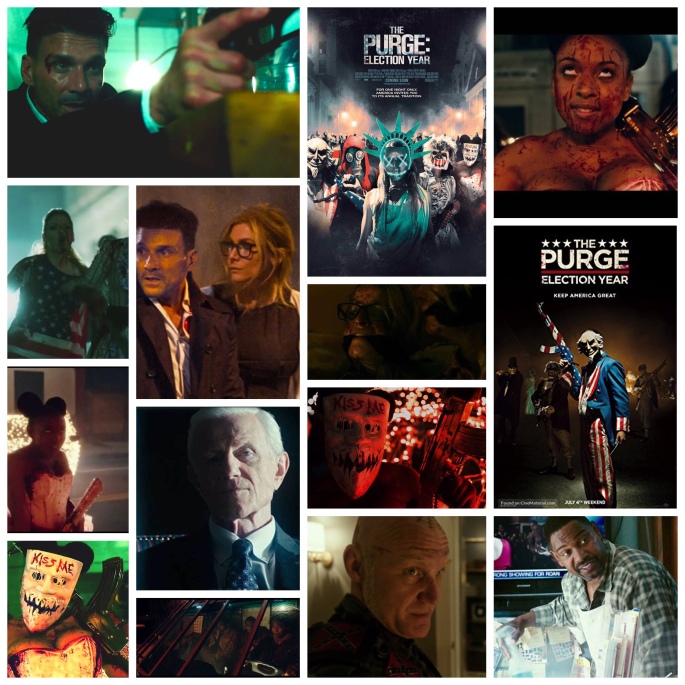
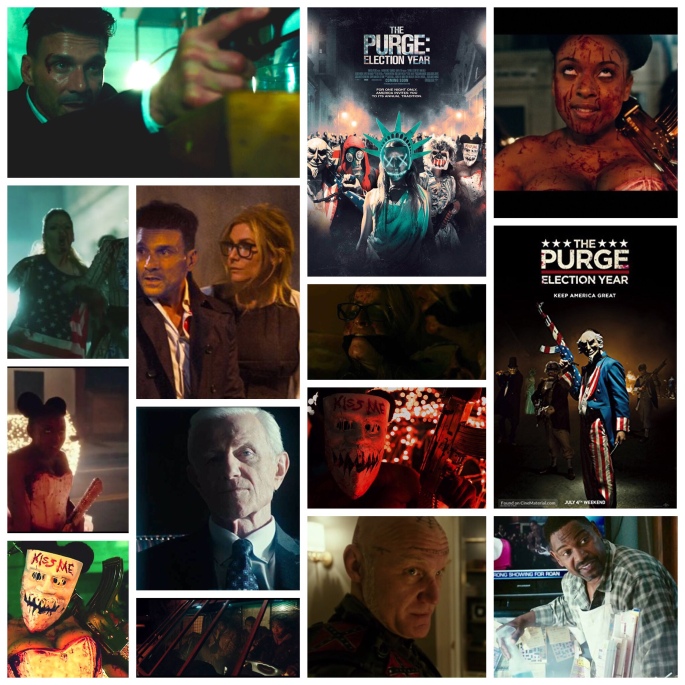
I love the Purge films, and I find the evolution of the franchise fascinating. Trust an Ethan Hawke home invasion horror show to spawn some inspired, stylish and whacked out sequels. As good as Hawke and the horror was, it’s the concept of the Purge itself that led to ignition on the rest of series. Where Anarchy broke free from the conceptual restraints of the first and burst into all out war as we got to see full scale just what a purge looks like, Election Year builds ideas upon the carnage and gets political, though no less visceral and terrifying. There’s just something so unnerving about the premise of it, the absolute extremes in human behaviour it brings out, accented by a wry, satirical edge that seems so disturbing to me and what makes these films unique from scores of other horror fare. Here we see the New Founding Fathers, originally responsible for inauguration of the purge, challenged by a fierce new independent senator (Lost’s Elizabeth Mitchell), who has survived a particularly nasty purge night years before and wants to abolish the night forever. The evil, bitter chairman of the Fathers (Raymond J. Barry, turning the creepy Machiavellian scumbag dial up well past eleven) slightly augments the newest purge night in hopes of eliminating her from the running. Frank Grillo returns as eternally badass Sarge, now on her private security detail, and they both are forced to run through the night from rabid purgers (who have now gone international, apparently) Barry’s lethal Neo Nazi special ops assassination squad and even a bunch of crips. Help comes from a salty old deli owner (Mykelti Williamson) who wont go down with out a fight and a badass anti purger (Betty Gabriel) with a triage van. It’s loud, mean, brutal stuff that, as Anarchy did, takes lurid advantage of the premise and shows some jarringly depraved human behaviour from folks in all classes and makes a strong point towards the purge being a pretty shitty idea to begin with, especially when ulterior motives of those in power become clear. Writer director James Demonaco always attracts interesting actors to these films and has carved out quite the little legacy here. This year saw another one, a prequel called The First Purge which I’m excited to see, and Amazon just announced their own small screen version, so bring it on.

-Nate Hill

Gore Verbinski’s The Ring

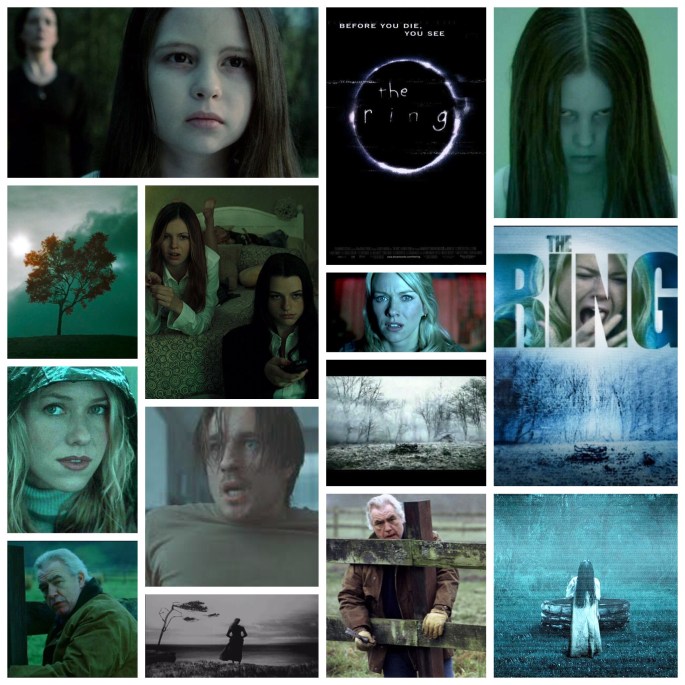
I remember the first time I saw Gore Verbinski’s The Ring back when I was eleven; broad daylight, started it at like ten in the morning, and got so scared I almost refused leave the house to go to the beach later with my family. Some films just stay with you if you see them at an impressionable age, and no matter how desensitized and thick skinned you get as your life goes on, you never lose at least a modicum of the raw terror you felt back then (don’t even get me started on The Grudge). Couple that with how beautifully dark the mood and aura of this film is thanks to nocturnally themed cinematography by Bojan Bazelli that turns Seattle and the surrounding rural areas into an eerie ghost playground, and you get something wholly memorable. By now the story is iconic; Naomi Watts plays a forlorn investigative journalist scoping out an urban legend in which people die seven days after they view a videotape apparently showing an experimental student film, which is tied to the backstory of the mysterious Samara (Daveigh Chase) a young girl with unholy supernatural tendencies. Edited together with a grainy VHS aesthetic contrasted by clearly lit, distinct nature and skyline shots, Verbinski gives the film an unmistakable visual element. co-starring talent is also provided by Martin Henderson, David Dorfman, Rachael Bella, Amber Tamblyn, Jane Alexander, Adam Brody and a haunting Brian Cox as Samara’s disconcerted father. I’m not sure how the plot mechanics of the original Japanese film play out, but here they make a wise choice by never divulging exactly *what* is wrong with Samara, just that there is something severely off about her, and it’s that ambiguity combined with Chase’s eerie waif performance that make the character so memorable. Everyone shits their pants at the infamous television scene, but for me the ultimate scare resides in the almost unbearably suspenseful opening prologue, and the quick, blood freezing scene of the aftermath, I’ll never quite be the same after seeing a certain expression on a certain girl’s face. A dime-piece of a fright flick, a fine piece of filmmaking and a horror classic.

-Nate Hill

Bradley Cooper’s A Star Is Born

My first thought a few moments after seeing Bradley Cooper’s A Star Is Born: Isn’t it so cool that one of the most poignant scenes in cinema this year is shared between Lady Gaga and Sam Elliott, two artists who couldn’t be more far flung from each other or born of different backgrounds within the industries. That’s a testament to the eclectic cast Cooper has rallied for this absolute fucking diamond of a film and as assured a director’s debut as ever. Filled with many more poignant scenes, instant classic songs, heartbreak that will have you bawling, beautiful direction, believable characters, naturalistic free flowing writing and at least three mega Oscar worthy performances, this is the best film of the year so far and will no doubt sweep said awards.

This story dates back a few versions to the 50’s, but Cooper makes the story seem so fresh and organic that one can hardly even call it a remake, especially when you consider how much brand new, totally inspired music composed and sang live. Cooper is Jackson Maine, an Eddie Vedder-esque rocker who discovers and falls in love with Lady Gaga’s Ally, a young waitress with the voice of an angel and a firebrand of a personality. While her star is on the rise with songwriting, performance and poise, Jack’s is falling from the heavens of fame due to alcoholism and drug addiction, fast approaching the nadir and eventual exodus of his career. Cooper and Gaga have chemistry that fills up every frame until it leaps off the screen, a warm, conflicted and symbiotic relationship blossoms, is put to the rest and weathers a very heavy storm as Jack drifts in a sea of his demons, struggling to hold on. They both give the kind of immersive performances that some actors strive their whole career towards; watching the film I believed that here was Ally and Jackson onscreen, two fully formed, human characters and not simply Cooper and Gaga in their respective roles. Their voices are magic too, especially in an earth shattering duet of one of Ally’s original compositions, a gorgeous tune that practically demands the Oscar for original song.

Cooper has carefully chosen his supporting cast and the result is some moving, interesting work from a troupe who are all cast refreshingly against type. I can’t speak highly enough of Sam Elliott’s work here as Jack’s older brother Bobby, a stormy yet compassionate fellow, this film gives the quintessential cowboy something to actually do with his role, the result being the best, most vulnerable work I’ve ever seen from the guy. Andrew Dice Clay is resurrected to play Ally’s father and brings both warmth and jovial comic relief, Dave Chapelle has a brief but very sweet bit as Jack’s friend and voice of reason. Even the smaller roles are brought to life well, from Greg Grunberg as Jack’s trusty driver to character actor Ron Rifkin, excellent as a kindly rehab counsellor.

Cooper should be proud of his work onscreen, and prouder still of that behind the camera. There is no showboating, no gimmickry, no bells and whistles or arbitration in his direction here, he’s crafted a passionate, heartbreaking, streamlined and beautifully character driven piece of work, full to the brim with love, music, conflict and ideas without seeming overstuffed or cacophonous. Coasting on the heights of the original music, sailing through the rivers of torment and turmoil between the two characters and walking the paths they walk through their relationship, Cooper’s eye captures this tale adeptly, doing things with the camera that seem fresh and different but never taking us out of the story. This is a film that will no doubt go down in history and, despite being one of several iterations, become a classic in cinema for generations to come.

-Nate Hill

Glenn Standring’s Perfect Creature

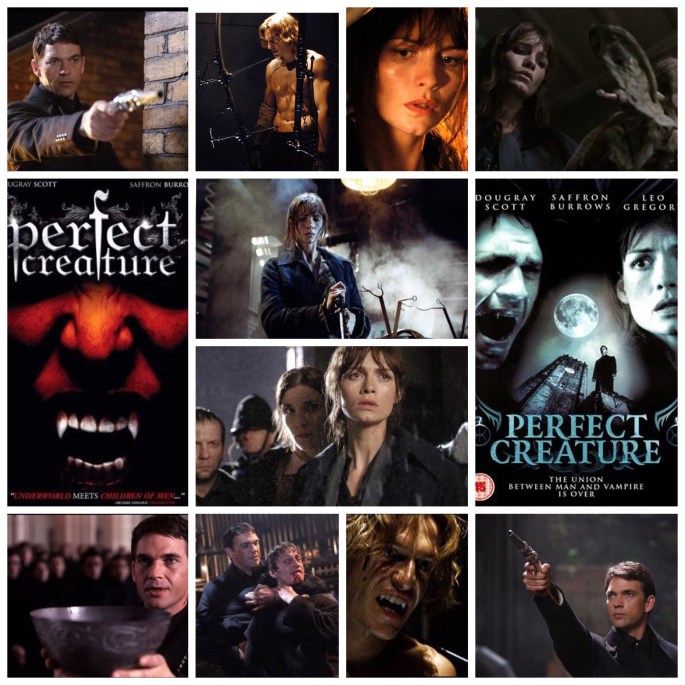
As far as vampire movies go, Perfect Creature is a virtually unknown entry, but the cool 1960’s setting and premise make it a gem buried deep beneath the radar. In an alternate future New Zealand called ‘Nuovo Zelandia’, vampires have advanced to become the next step in evolution and currently live side by side with humans in a hard won peace. Turmoil brews when a nasty rogue vampire (Leo Gregory) discovers an influenza and breaks the truce by preying on humans. This forces the powers that be to dispatch vampire operative Silus (Dougray Scott) and human police captain Lilly (Saffron Burrows) who must team up and stop the renegade bloodsucker before all out war and epidemic spread across the nation. The vampire genre has essentially been sculpted into a giant multiverse full of countless settings, timelines and concepts, and while this flick is nowhere near front and centre (while crap like the Underworld sequels get tossed heaps of money for marketing and distribution), it’s a quietly badass little piece with a well thought out concept and sly twist ending. Scott and Burrows are constantly undervalued talents whose looks and gravity always go a long way, and both of them are great here. The style is dark yet richly coloured, baroque sets with detailed chrome weaponry and lush costume design, it’s too bad there isn’t a decent BluRay, or even one at all. A solid gore fest with a brain in its head and artistic ambition to boot.

-Nate Hill