B Movie Glory: Francis Delia’s Freeway


In the vein of highway set psycho thrillers, stuff like Robert Harmon’s The Hitcher and Steven Spielberg’s Duel paved and pioneered the way, fertilizing the ground for countless other similar efforts, some terrific and others not so much. Freeway falls into the former category, an atmospheric little B movie that delivers more clammy thrills than it frankly has any right to. It’s not to be confused with the classic Reese Witherspoon trash-terpiece of the same name though, this is a different animal altogether. There’s a serial killer terrorizing the nocturnal arteries of the L.A. highway system in this, an unhinged whacko in a Lincoln of or some such automobile of equally austerity, firing off love rounds into people’s faces whilst bellowing out bible verses extremely out of context all over the overpass in the wee hours. He’s mostly heard and unseen, but he’s played by none other than Billy Drago when he does show that leering visage, and the man let’s it rip in a performance that should be legendary. He’s hunted by another cool-as-ice character actor, tough guy James Russo as a Detective of few words and tons of action, namely shooting anyone that won’t give answers or spur his leads. There’s a dark, dreamy nocturnal aura to this, love and care put into atmosphere, showing is that the filmmakers, despite working with a low budget, actually give a darn about quality in their work as opposed to a throwaway second tier genre mad dash where the lack of passion is evident. A low rent classic in the realm of homicidal vehicular themed exploitation. 

-Nate Hill

One Man’s Hero


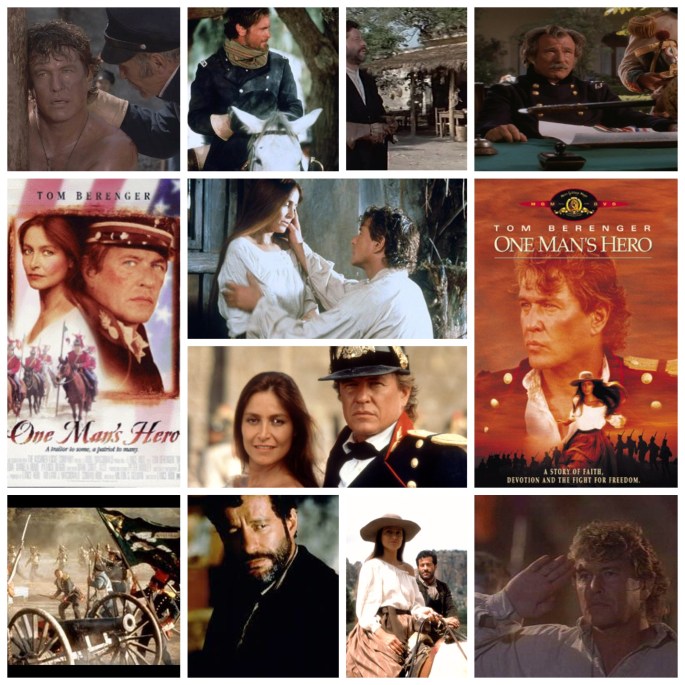
One Man’s Hero takes place during a conflict that doesn’t get all that much coverage in Hollywood, the Mexican American war. With a sweeping Patriot-esque vibe and a world weary starring turn turn from Tom Berenger, it’s an affecting tale that whether or not is based on truth, still packs an emotional whallop. Berenger is Riley, an Irish American who leads his mostly immigrant troupes through racial prejudice beset on them by their own American superiors, just one more obstacle thrown in with the already taxing war itself. Defecting from the troops, Riley is commissioned to lead his men on the opposing force, banding together with fiery, disillusioned Mexican revels leader Cortina (Joaquim De Almeida) and fight for acceptance and survival while navigating both sides of the conflict. Although there are a few impressive battle sequences staged here and there, the film is more about the private and personal wars fought amongst the ranks themselves, the notion that one army isn’t always just focused on the task and can get caught up in internal conflict, which often, including in this case, leads to unnecessary tragedy. Berenger and Almeida go at it fiercely in a love hate companionship constantly tested by the war and their mutual affection for beautiful fellow freedom fighter Marta (Daniela Romo). Underrated Patrick Bergin shows up in a severely powdered wig, Stephen Tobolowsky plays yet another one of his loathsome, letcherous roles and the late great James Gammon is the perfect embodiment of crusty yet compassionate General Zachary Taylor. Not a title that crosses many people’s vision when discussing war films, but a really solid effort despite a lower budget, a story that needed to be told and a star turn from Tom to remember. 

-Nate Hill

Peter Hyam’s Narrow Margin 


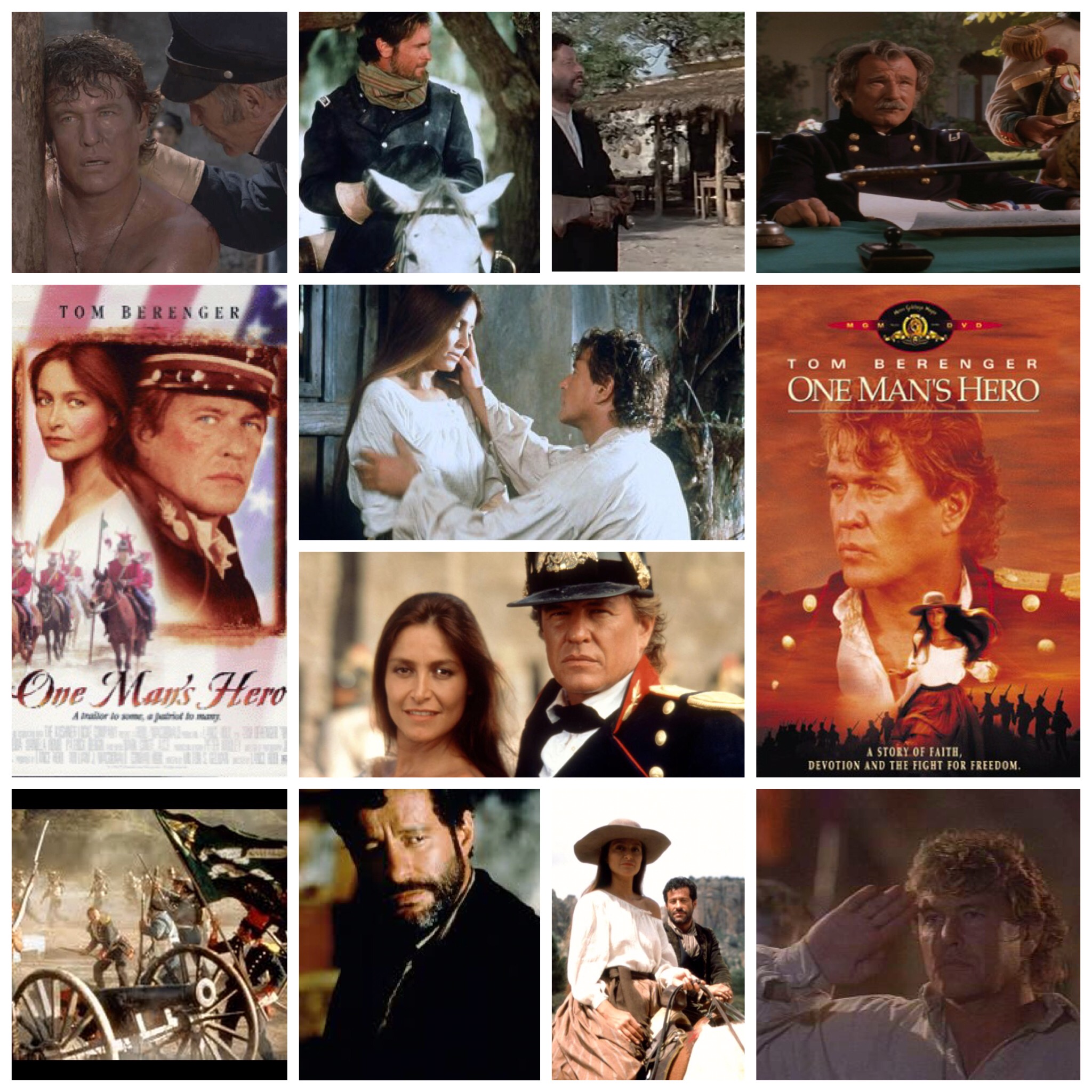
Peter Hyams Narrow Margin is a sleek thriller that attempts to blend courtroom intrigue with a single location white-knuckler, which it does.. mostly successfully. A better way to put it would be that it sandwiches a cat and mouse game set on a speeding train between an intro and epilogue both set in the decidedly more complicated realm of legal escapades. We open as an unfortunate lawyer (J.T. Walsh in a too brief cameo) is assassinated by the mobster scumbag (Harris Yulin, creepy as ever) he had shady ties too. A terrified Anne Archer hides in the shadows, witness to the murder, and therefore a valuable asset to the dogged prosecutor (Gene Hackman) who is trying to bring the kingpin down. The two of them are ambushed on a routine transport via helicopter and escape onto said train, and here’s where the narrative cops out just a little bit. Almost the entire rest of the film is spent on the train, an extended diversion of a set piece that steps in for what I thought would be a more cerebral battle of wills between these factions, in court and out. It’s not a huge deal, I was just expecting a little more, and the bits at either end of the film stand as my favourite sequences. Hackman plays stubborn like no other, having both literal and figurative tunnel vision here, the only one thing he cares about being the life of his witness. They’re harried at every turn by corrupt officials of many kinds, and pursued by a mystery woman (Susan Hogan, my acting mentor in college no less), while the train hurtles through the gorgeous Canadian wilderness, captured pristinely by Hyam’s lens as he dutifully does his own cinematography, the dynamo. It’s a thrilling little piece that benefits from Hackman’s spirited work, the photography and editing backing it up nicely.  

-Nate Hill

Dean Koontz’s Phantoms 


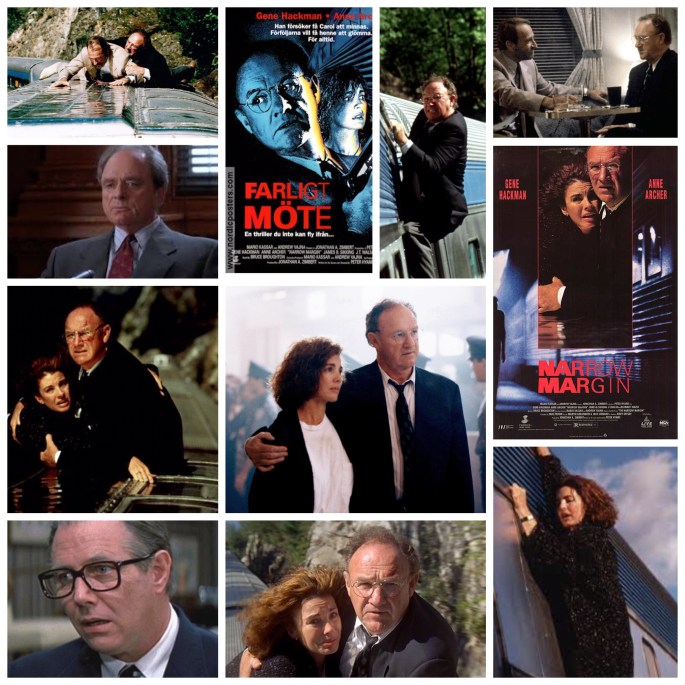
Dean Koontz’s Phantoms is one of those that I was really stoked on for years and would recommend at the drop of a hat… until I got around to reading the book. Koontz’s novel is brilliantly paced nocturnal nightmare fuel, detailed, imaginative and specific in it’s thrills and chills. This film is a brisk, truncated version of that story, not only that but it takes severe liberties and deviates quite a bit from the tale, resulting in a film that bears little resemblance to the book. It’s good on it’s own, for sure, atmospheric and freaky on terms that don’t include the big picture, but when seated alongside the novel it pales like the large number of paralyzed corpses that pop up all over an eerie abandoned village somewhere in the Midwest. Two sisters (Joanna Going and Rose McGowan) drive into town expecting to visit kindly relatives, and find only death and desertion instead. They wander about, plagued by visions and radios that play spooky old timey music of their own accord, spine tingling in this context. The only townsfolk they find are starched cadavers, killed by some unseen force that watches, waits and refuses to be defined. It’s in this first act that the film is scariest, achieving impressive levels of dread through isolation and uncertainty. As soon as Sheriff Ben Affleck and his shitkicking deputies shows up, the effect dims a bit and degenerates into schlocky survivalist gimmicks, still entertaining yet not as effective as the opening. Things get downright silly when the FBI delegates a crusty old professor of cryptozoology or some such farfetched endeavour (a peppy Peter O’ Toole) to come on over to town, analyze the mystical menace and.. well that’s about it from him. Clandestine hazmat teams are dispatched, Body Snatchers/The Thing homages ooze all over the place and the film putts along in standard horror gear, never getting near to as good as it was in the first twenty minutes or so, let alone the quality of the book. Liev Schreiber is memorable as one of Affleck’s boys who goes a little nutty, Bo Hopkins and Robert Knepper score points in cameos as cheeky G-Men, and there’s work from Clifton Powell Nicky Katt. For what it is it ain’t bad, just expect to be a little deflated if you watch this first and then go check out the book, because there’s no kind comparison to make. 

-Nate Hill

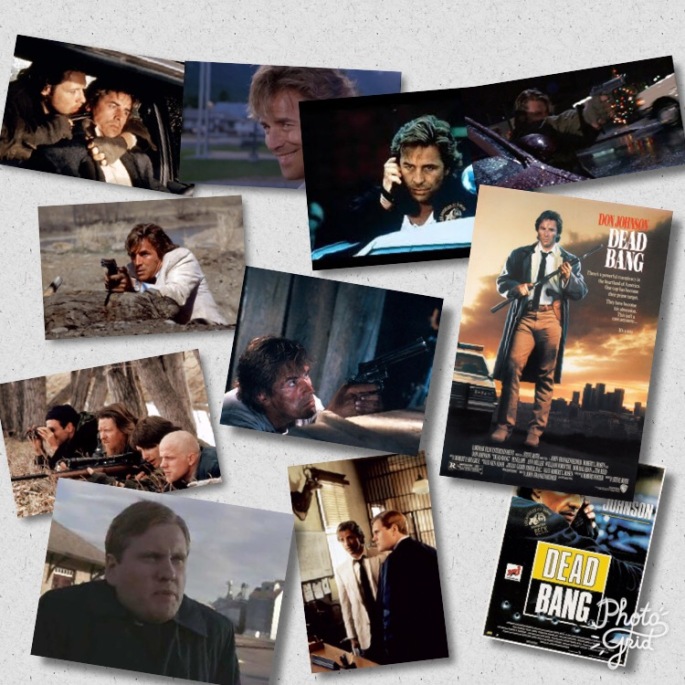
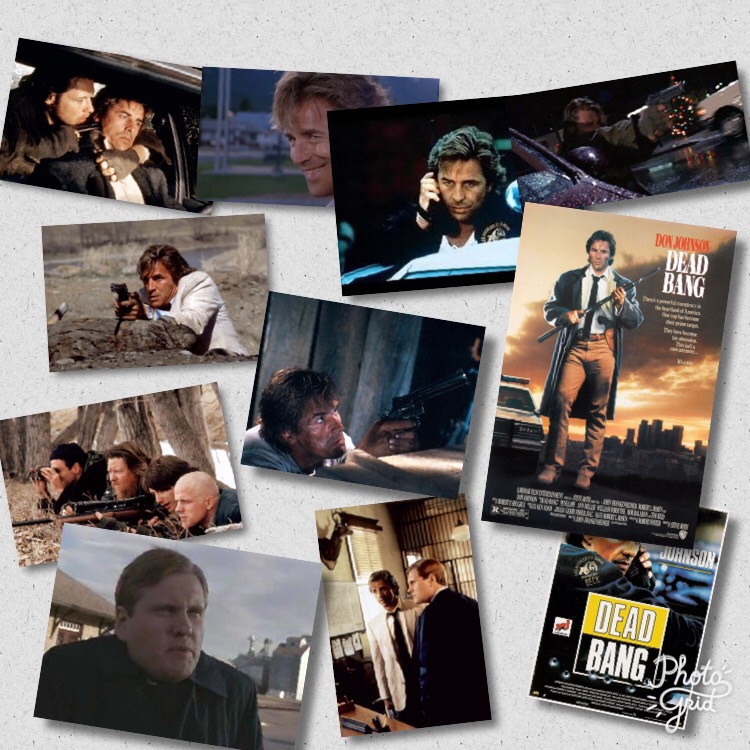
John Frankenheimer’s Dead Bang


John Frankenheimer’s Dead Bang makes no apologies for the straight up, down n’ dirty, violently obnoxious ninety minutes of rural crime mayhem it throws at you, containing no lofty subtext, tongue in cheek send ups or heady plot twists, purely and simply Don Johnson wiping out a gang of backwoods white supremacists and pissing off every superior officer along the way. A cop film to it’s roots, it’s a refreshing little diversion for Frankenheimer, who is known for taking on genre outings with ambitious undertones. Johnson is a flippant big city cop sent to the sticks to smoke out some neo-nazi assholes who are running guns, killing folks and all that fun stuff. He’s paired with a hysterically fussy FBI handler (William Forsythe, cast against type and loving it), and at odds with the psychotic ringleader of this gang (real life drill instructor Frank Military, also a solid actor), who proves to be quite a fly in the ointment. The action is rough and tumble and thoroughly R-rated, the villains are formidably nasty and Johnson’s cheeky super cop is wearily exasperated most of the time, out for the count but just gripping the edge as he hunts these yokels and deals with red tape including a department appointed shrink (Bob Balaban) who he hilariously mocks for looking like the Monopoly Guy in the film’s funniest bit, a riotous interlude. There’s scattershot work from Penelope Ann Miller, Mickey Jones, Michael Jeter, Tate Donovan and Garwin Sanford as well. Not a well known effort from firebrand Frankenheimer (I’ve heard some unbelievable stories from this set) but a really enjoyable shoot em up that deserves a far better rep. 

-Nate Hill

Aeon Flux


Before Ghost In The Shell, Dragonball (fucking shudder) and a host of other attempts at making anime content work as a live action film, there was Aeon Flux, a supremely weird dystopian Sci-Fi palooza that should have just been the first and last of it’s kind, ground zero for moving forward, lesson learned in terms of knowing that such specifically artistic material just *doesn’t* translate at all beyond the original animation versions. You’d think they would have learned with this one, but nope. Charlize Theron can practically carry any material on her own, she’s just that dynamic, and when supported by an impressive vessel of visual effects and a clinical, sleek stylistic palette she’s even better, but this beast has no heart beating at the centre of all that, and it shows. Theron is Aeon, a powerful assassin working for the Handler (Frances Mcdormand), assigned to bring down a dangerous regime in a utopian city where humanity’s last vestige of populace exists following some viral plague decades before. Of course nothing is as it seems and when she gets to the man behind the group (Marton Csokas) she discovers all kinds of secrets. There’s plenty of inventive future-world action, including a neat sequence where Aeon sends in wicked fast micro-bot marbles to blast through a door, and interesting aerobics courtesy of a character played by Sophie Okenodo, who has hands instead of feet, an anomaly the film finds little time to coherently explain. Even less explained is the sudden appearance of Pete Postlethwaite as someone who resides in a giant floating thingy far above the city, kind of like the man in the moon in the midst of chemotherapy. It all makes not a great amount of sense, through no fault of it’s own. That goes back to my thoughts at the beginning of the review though: Sometimes, a specifically drawn or written anime saga is just too much in it’s own abstract, perfectly balanced embryonic harmony, and trying to shunt it along into the very different realm of live action storytelling just isn’t possible. That’s certainly what has happened here, and with pretty much every other attempt I’ve seen to adapt the medium. 

-Nate Hill

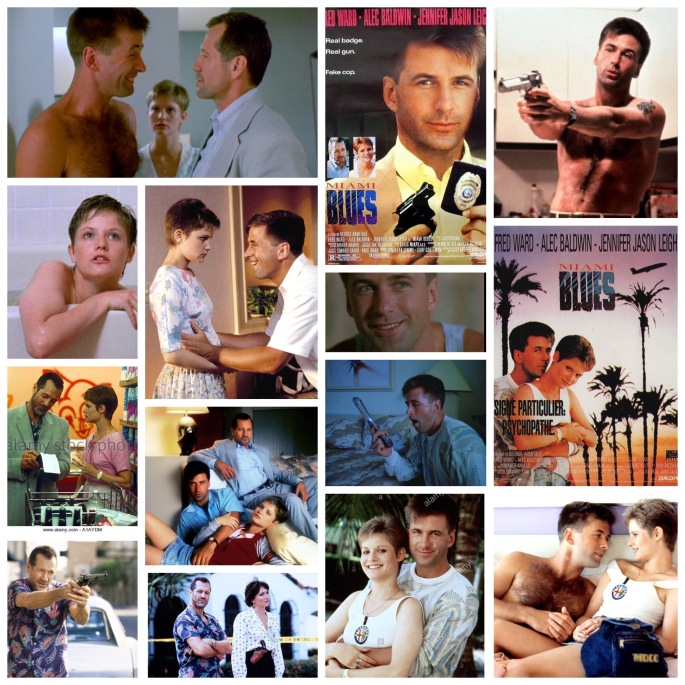
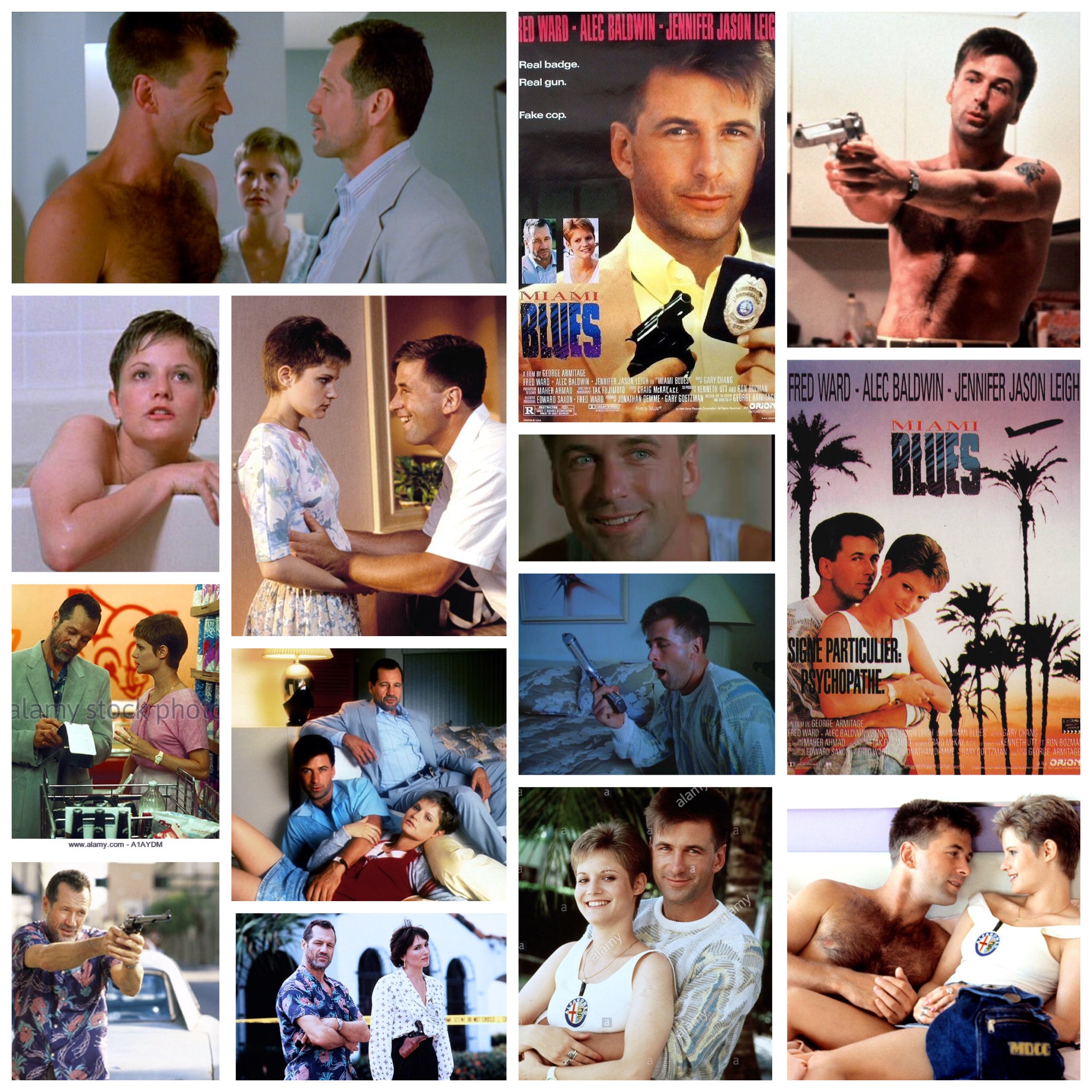
Miami Blues 


Miami Blues is a crime film full of loose ends, incompetence, wanton violence and meandering characters who seem lost within their own story, and I mean all that in the best way possible. Some pulp affairs are sharp, succinctly plotted creatures, every cog in the machine placed to serve the momentum of plot and character, while other efforts have messily dropped the cogs all over the floor for an untethered, ‘wing it’ type approach in which story and character are like aimless leaves blowing about in a restless pond. Isn’t life like that though? There’s no narrative structure to a lot of what we do, and as such there’s little to be found in the tale of highly self destructive, psychotic criminal Alec Baldwin, who has barely left the airport upon arriving in Miami before he’s already got a serious warrant out for his arrest. He’s a violent sociopath who takes what he wants when he wants and, most aggressively, how he wants. He’s also very smart, which is a dangerous mix in anyone whose moral compass has flatlined. His anarchic crime spree gains the attention of an aloof older detective (Fred Ward) whose badge he steals for some good old law enforcement impersonation, leading the poor weary cop on a darkly comical mad goose chase all over town. He also picks up an endearing dumb blonde (Jennifer Jason Leigh, excellent) who’s infatuated with him and blatantly tunes out any and all red flags, of which there are…many. That’s pretty much all there is to it, but with these three actors it’s pure gold. The knowingly audacious arch criminal, the Betty Boop wannabe wifey sidekick and the exasperated, constantly outsmarted copper, a trio of archetypes augmented slightly in favour of each performer’s stellar work. Never takes itself too seriously, knows full well how heinous the turn of events within it’s frames are, yet firmly refuses to not have fun, a cheeky, sexy, sweaty and altogether terrific little venture. 

-Nate Hill

B Movie Glory: The Alphabet Killer


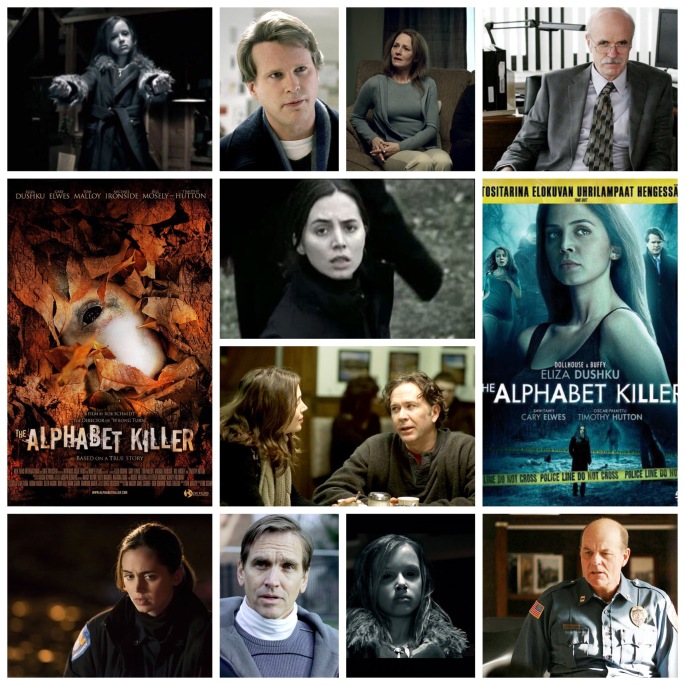
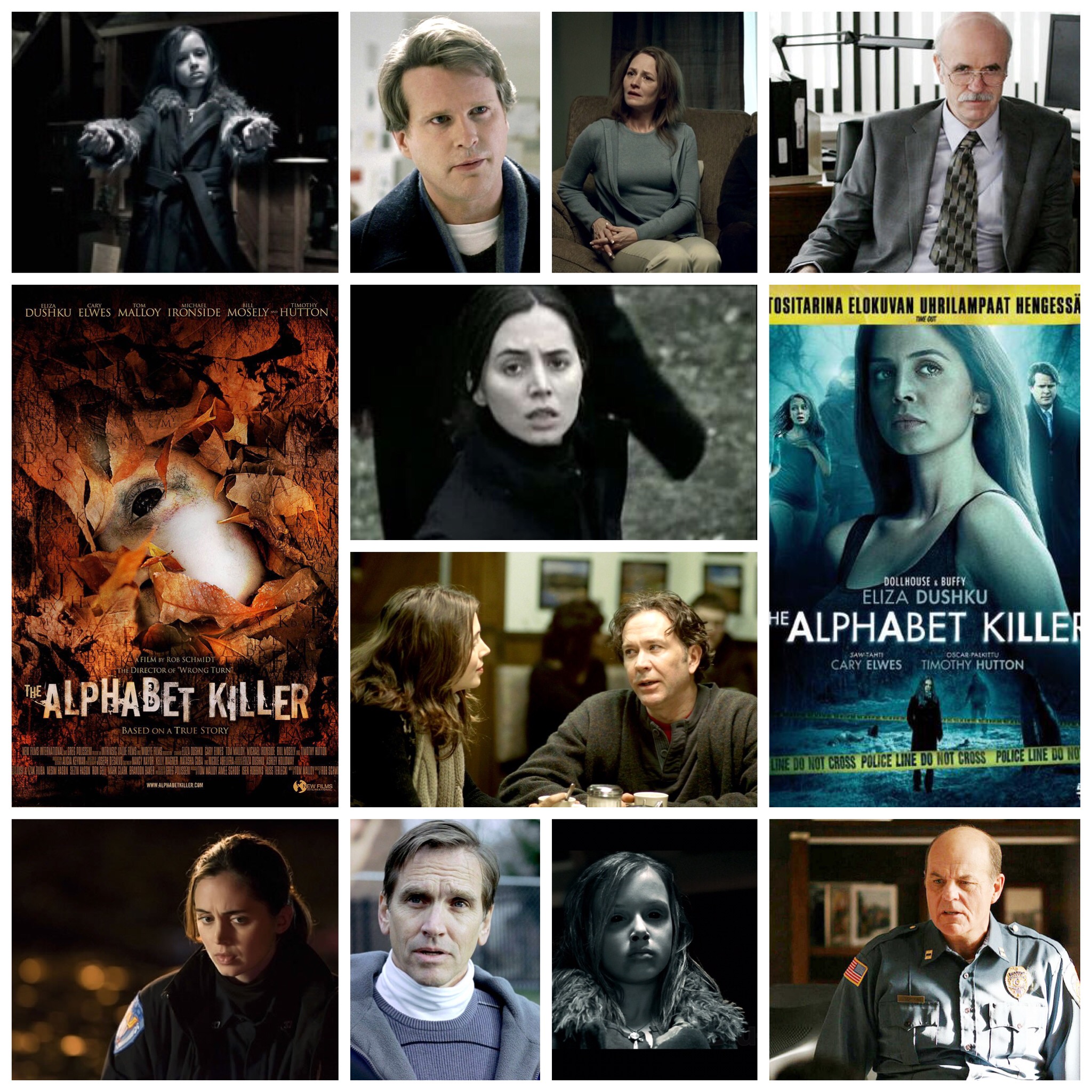
The Alphabet Killer is a silly one, a stone-serious account of some serial killer out there that tries to go the route of straightforward, down to earth fact tracking, and then deliberately messes up it’s own tone by tossing in cheap, ineffective ghostly gimmicks that seem so out of place one wonders if the editor accidentally spliced in frames from an episode of Supernatural or something. The film would have been something pretty decent without those jarring schoolyard level scare tactics tossed in, but I guess shit happens. This is very, very loosely based on an actual set of murders over in Rochester, NY, but what actual similarities to that case we see here is beyond my knowledge and, I suspect, pretty scant. What we get is Dollhouse veteran and cutie pie Eliza Dushku as a determined cop, hunting a killer of children all over upstate New York, while an impressive load of a character actors make slightly unnecessary yet well acted cameos, if only to pad the pre credit billing on the DVD cover and boost rentals. Tom Noonan, who has a running theme in his career of playing exactly the type of beast she’s tracking here, switches it up to play her stern Police Captain boss. Michael Ironside briefly plays a belligerent small town sheriff who withholds information gleefully, Bill Moseley as a reformed sex offender who’s tagged as a suspect, Timothy Hutton her wheelchair bound scholar and consultant buddy, as well as Cary Elwes and Melissa Leo. None of these actors do much but show up for a minute or two to make their presence known, and recede into the frays of supporting plot, until it’s time for one of them to resurface as the killer in the third act, the end of a whodunit guessing game we’ve seen countless times over. It wouldn’t be such a tiresome thing if they left out the spooky-dooky stuff, but there you have it. The film’s otherwise fascinating, earnest docudrama style is somewhat ruined by the occasional presence of moaning, white eyed spectres of murdered children that leer out at Eliza like minimum wage kids doing weekend shifts in the haunted house at the local county fair. Shame. 

-Nate Hill

Ron Howard’s Willow


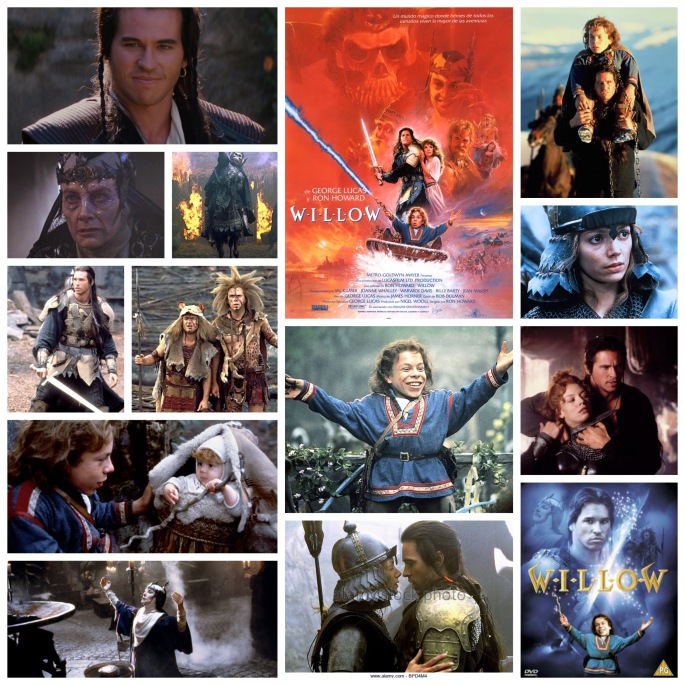
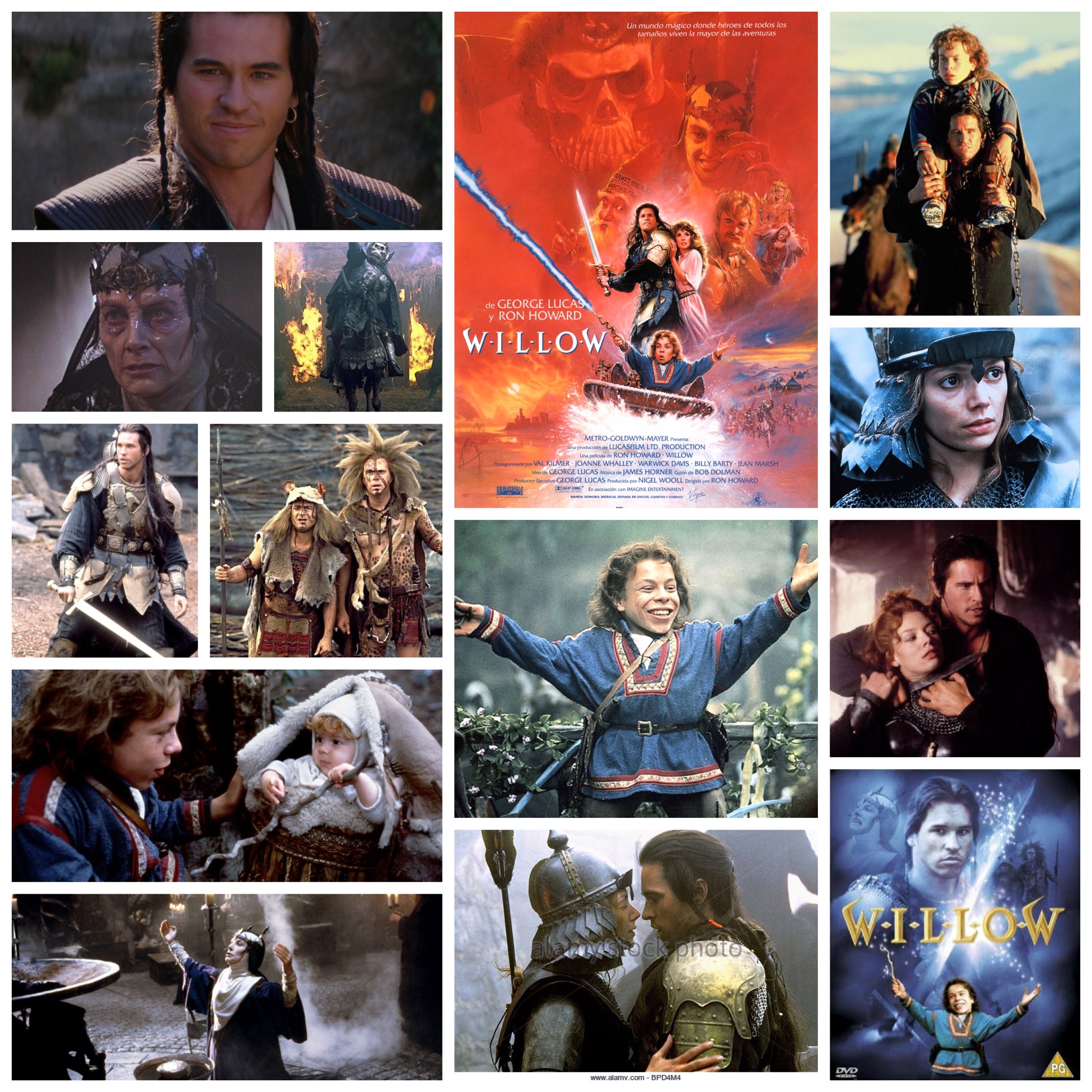
Who doesn’t love Ron Howard’s Willow? Hopefully nobody, because it’s a brilliant fantasy classic that’s aged like the finest wine. From a story by George Lucas (vague Ewok vibes abound), it’s just a rollicking picture, oriented towards the little ones whose sense of wonder hasn’t dimmed, yet eager to include a very real sense of danger and darkness, the perfect recipe to make a film like this noteworthy and nostalgic. In a village inhabited solely by dwarf-like creatures, a secret has been unearthed by the family of young would-be sorcerer Willow Ufgood (Warwick Davis). In their little Hobbitsville of a town on the edge of a vast fantastical realm, a human infant has floated down river like Moses, a special child with the power to defeat a nefariously evil witch (Jean Smart) who has terrorized the land for ages. After the baby attracts danger to their village, the council gives Willow the task of bringing the child out into the world so it can fulfill it’s potential and bring goodness back to the realm. So begins a dazzling big budget journey into the heart of sword and sorcery darkness, a well woven blend of humour, heart and magic that is never short of thrills or visual splendour. Val Kilmer steals the show as rambunctious Madmartigan, a fiercely funny rogue of a warrior who protects and guides Willow through a harsh, threatening world, while Kevin Pollak and Rick Overton score comic relief points as two pint size little pixie things with vaguely European accents, which they use to hurl many a colourful insult in Kilmer’s general direction. Val’s real life wife Joanne Whalley plays sultry Sorshia, daughter to the villainous queen and badass beautiful warrior princess with dark sex appeal for days. There’s just so much to love about this film, from the wildly boisterous score by James Horner that gets our pulses up, the gorgeous production design and attention to detail, the story itself full of wondrous magic and peril, to the reliance on practical effects as per the times. It’s adorable that the filmmakers went out of their way to cast hordes of actual little people as opposed to relying on camera trickery, right down to Willow’s tiny, impossibly cute dwarf children. Highlights I will always remember from this one are the impressively staged sled race down a snowy peak using shields as careening vehicles and the surprisingly gory attack from giant worm/gorilla hybrid creatures that seriously disturbed seven year old Nate for years after. You simply can’t go wrong with this one. 

-Nate Hill

Dunkirk: Christopher Nolan’s latest is an unforgettable masterpiece – A review by Josh Hains

“We shall not flag or fail. We shall go on to the end. We shall fight in France, we shall fight on the seas and oceans, we shall fight with growing confidence and growing strength in the air, we shall defend our island, whatever the cost may be, we shall fight on the beaches, we shall fight on the landing grounds, we shall fight in the fields and in the streets, we shall fight in the hills; we shall never surrender.” – Winston Churchill

Most, of the war films I’ve seen post Saving Private Ryan have been about American soldiers and the battles they’ve fought during World War II, Vietnam, and more recent wars, save for the war sequences of Atonement. It was refreshing to see a World War II film yesterday afternoon that was shown from the perspective of British soldiers, and with the German enemy only shown for just barely a few seconds. It’s a perspective we used to encounter often decades ago that for one reason or another fell to the wayside. Hopefully this masterfully crafted piece of cinema will encourage other directors to widen their landscapes and tell more stories from the British perspective, or perhaps even the French or another allied nation.

By now you have no doubt seen many talking up a storm about this year’s undeniable “masterpiece”, and that it should be a major Oscar contender for Christopher Nolan when the season hits its stride in a few months. I dislike using the word masterpiece to encapsulate all of my positive thoughts about any given movie, and I feel it is quite often improperly attributed toward movies that aren’t actually considered masterpieces some years after they’re released. Film culture has this odd habit of using a wide assortment of colourful, hyperbolic wordage to emphasize how good a movie is during its first couple of weeks in theatres, yet the majority of movies dubbed a masterpiece during Oscar bait season seem to fade into obscurity. But the film being heralded as a masterpiece over the last week, I believe wholeheartedly, will be regarded as such decades from now and for a worthy variety of reasons, but most of all because of the way the imagery lingers within your mind like dirt under your fingernails.

There’s an image I can’t shake no matter how hard I try, of a man looking upon a fire that’s been, for lack of a better word, burned into my mind since the moment my eyes bore witness to it. If I close my eyes, or think of it in my minds eye, I can see it as clearly as if it were happening right in front of me in this very moment. To be honest, I can see nearly the entire movie that clearly, I remember much of it so well having seen it just under a day ago, but it’s images of smaller moments that seem to have been etched into my mind with a hot knife better than others. One would think the more traditionally spectacular moments, of boats exploding and planes being shot down, would stick out in one’s mind the way they always seem to with other war movies, but surprisingly, and refreshingly, that just isn’t the case here. No, I remember the man watching the fire grow as the sun sets, a trio of young men watching a fellow soldier wade suicidally into treacherous waters, a pilot running on fumes while gliding past thousands of men on the beach as they cheer.

Dunkirk is a war film comprised of small moments such as those that, when put together in the form of a complete picture, creates the sensation of a much larger war epic without ever having to actually become one. Yes, it’s a war movie that shows us Christopher Nolan’s perspective on Dunkirk, but it’s not about the war itself, but rather these small moments within the war and the collective struggle of soldiers and common folk affected by the event, and the personal toll the war takes on every soul who had the misfortune of experiencing it.

Much has been made about a lack of a single protagonist for audiences to latch onto and invest themselves in, as if the lack of such a character is a major deprivation for audiences that’ll leave you feeling cold and emotionally detached from the movie. That’s just not true. Dunkirk is about the collective experience of the soldiers and civilians who were a part of this event, and by not choosing a single person to use as our guide through this hellish experience, Nolan allows the audience to feel like they’re right there amongst the soldiers and sailors as planes swoop overhead and bombs periodically detonate with horrific results. No one character is glorified or given the special treatment by Nolan, and thanks to his wise decision to interweave three different perspectives non-linearly together, each and every act of courage or bravery that he focuses on regardless of the immense stakes surrounding them, are treated with equal importance.

I am thankful I am not one of those people who had difficulty following the non-linear presentation of the film. While watching Dunkirk I felt that the non-linear style only amplified the suspense I was feeling, making me clench my fists tighter and my knuckles turn whiter. I enjoyed the sensation of being tossed around from one situation to the next, trying to guess what direction I’d be travelling in until the three interweaving perspectives collide toward films end, and  the pieces come together perfectly like a puzzle.

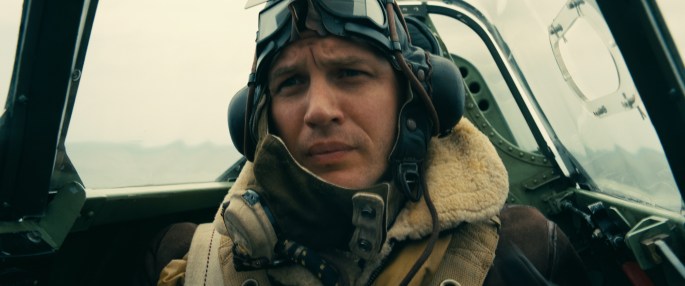
The opening scene of soldiers including young Tommy (Fionn Whitehead) running down a street trying desperately to escape enemy gunfire before finding the mole of Dunkirk harbour where Commander Bolton observes the chaotic situation while soldiers like Tommy repeatedly try to escape the clutches of the beach over the course of a week, sets the tone of the movie immediately: frantic, intense, terrifying, sudden. We spend a day upon the Sea where Mr. Dawson (Mark Rylance), his son Peter ( Tom Glynn-Carney) and their young deckhand George (Barry Keoghan) pluck soldiers like the Shivering Soldier (Cillian Murphy, and yes, that’s what he’s called in the credits) and the RAF pilot Collins (Jack Lowden) from the depths of the icy waters. Then there’s an hour in the Air where Farrier (Tom Hardy) chases down German Messerschmitt planes in his Spitfire, halting most of their attempts to bomb boats.

I’m also thankful I heard every line of dialogue crystal clear, well enough to accurately identify Michael Caine as a radio communicator for the Royale Air Force. Admittedly, I heard the explosions and gunfire so loudly I jumped a few times when the overwhelming sound caught me off guard. Many continue to emphasize the need to see this film in 70mm IMAX, but I believe that regardless of what format you choose, it’s the experience of seeing Dunkirk theatrically that is necessary, and perhaps not so much the format, though it helps if the screen you’re looking at is bigger than most. As great as our surround sound has gotten for use in our homes, nothing will ever compare to seeing this film on the biggest screen you can find. When the sound of a Messerschmitt comes roaring from behind you, then almost sounds like it’s passed overhead before screaming way out in front of you, it genuinely feels like the closest thing to actually being there that any of us will ever encounter, and it’s absolutely terrifying. When soldiers are forced into the water, typically in fleeing from a sinking vessel, you can almost feel, smell, and taste the frigid waters. And when bombs are dropped and gunfire erupts, both at near deafening decibels, you can’t help but tense up as if one of the bombs or bullets might collide with you. It’s an immersive experience you really need to experience for yourself to believe and understand the full extent of.

The actual images of the film are less terrifying than the sounds of explosions and machine gun fire, in part because Nolan leaves the film devoid of blood beyond a few cuts and scrapes, a decision that had even myself second guessing how he might make this work. Once you understand that Dunkirk is a psychological war film that asks you to ponder what you’re watching rather than simply bombard you with heaps of exposition and gory carnage aplenty, you realize there really is no need for an R rating for this picture. Dunkirk is just an hour and 46 minutes long, lean and devoid of unnecessary fats comprised of character beats, long and frequent exposition dumps, and bloody war horrors, and all the better for it. This film didn’t need to be longer or shorter than it is.

I don’t have any qualms with Dunkirk at this juncture (the qualms others have encountered I don’t have), and while I love everything I saw in the film and greatly admire the ensemble cast’s performances, from Fionn Whitehead to Kenneth Branagh, Mark Rylance, and others and the scenes they all inhabit, it was the perspective titled The Air I felt the deepest investment in. That’s not a knock against the other scenes, I just found The Air more hypnotic than anything else in the film, mostly due to the truly stunning cinematography from Hoyte van Hoytema (seriously, every frame of this film is gorgeous and should be framed and hung in a museum), and Tom Hardy’s near silent performance (he has maybe 10 lines of dialogue in total). It didn’t occur to me until today that after a certain point in the film, Tom Hardy’s Farrier never speaks again. That Hardy conveys outwardly and through his eyes (because he wears yet another mask in Dunkirk) everything Farrier is thinking in the moment is in itself is quite the accomplishment, and only goes to show just how great an actor Hardy has become. That his scenes are the most riveting and awe inducing sweetens the deal.

The first thing my mind floats to when I think about Dunkirk is still the image of a man watching the fire grow on the beach, as clear as if it happened just a moment ago. The sky turning charcoal, the flames glowing against the sands and his face, his stern expression showing accomplishment and sacrifice in the same breath, the wind snapping against his skin and tossing his hair, his story coming to an end moments before the film does. I know I’ll see Dunkirk many more times, but if I only saw it just once, I’m willing to bet I’d remember that image for the rest of my life.