Collateral is a laser-precise action thriller, that as per usual for macho auteur Michael Mann, also stops to pause for the introspective moment from time to time, certainly more than your average studio shoot ‘em up. This was a theatrical five-timer for me, and it’s a movie I’ve revisited numerous times on DVD and Blu-ray; Mann knows this rough, urban terrain better than anyone else at the moment. Breathlessly written by Stuart Beattie (with uncredited rewrite work by Mann and Frank Darabont), this was one of the key films to bust down the gate for big-budget studio actioners to get the digitally-shot treatment. Cinematographers Paul Cameron and Dion Beebe collaborated with Mann on the intensely stylish visuals, with nocturnal Los Angeles giving off a totally unique vibe that’s dangerous and exotic and alive with endless possibility; I love how digital cinematography allows the viewer to see far off into the distance. Tom Cruise gave one of his most magnetic performances as Vincent, a hitman made of steely discipline and possessing seemingly air-tight internal logic. Jamie Foxx, as Max the cabbie, made for an unexpectedly great co-star, with his initial timidity turning into reluctant bravado by the final act, in an arc that felt honest considering the circumstances. The dynamite supporting cast has showy turns from a greasy Mark Ruffalo, the always commanding Bruce McGill, a priceless Javier Bardem doing some excellent storytelling, a sharp Jada Pinkett Smith, edgy Peter Berg, the soulful Barry Shabaka Henley, and the sagacious Irma P. Hall, with awesome cameos by resident ass-kicker Jason Statham and the spunky Debi Mazar.
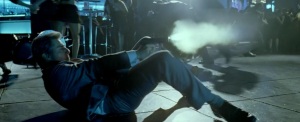
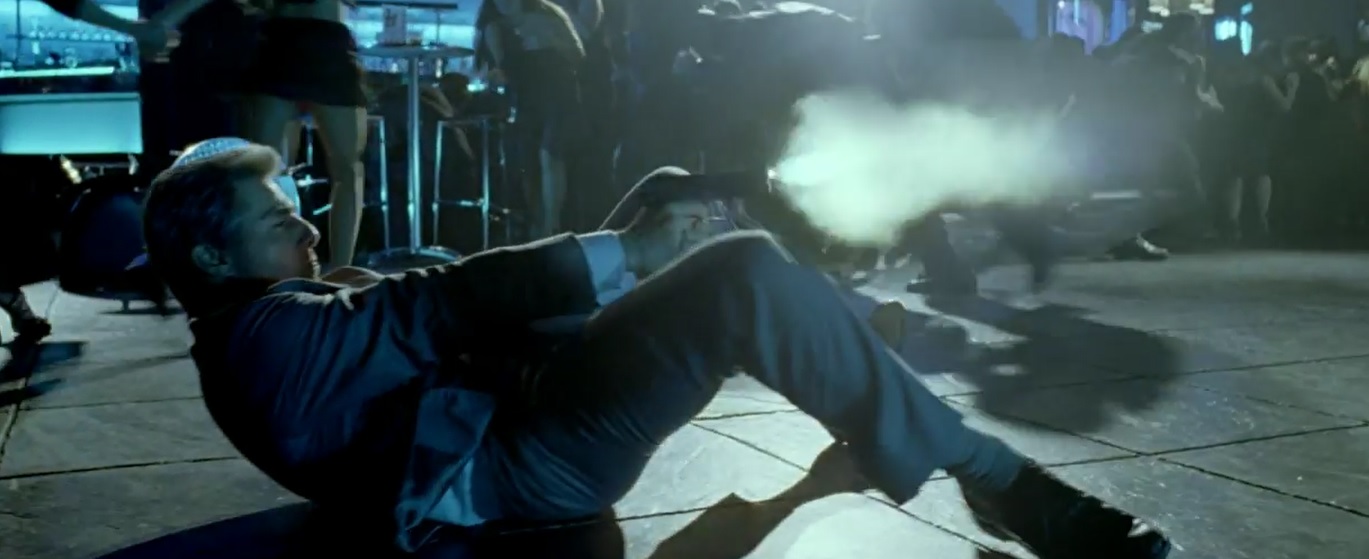
The Statham bit at the airport, in particular, is a real hoot; Mann isn’t known for being a “fun” filmmaker, and in this one wink-wink moment, you get the sense that he was enjoying himself in a way he normally doesn’t. James Newtown Howard’s moody score pulsates with electronic-synth-sexiness, with all of the physical locations choicely selected for maximum atmospheric effect. And honestly, enough can’t be said about the downright hypnotic cinematography in this film; shot after shot is absolutely striking in ways that are hard to describe. Memorable moments include a roaming coyote shambling across a lonely Los Angeles city street, a phenomenally staged and extra-lethal Korea town night-club shootout, and that fantastic encounter between Cruise and Henley at the jazz-club, which culminates in both verbal and visual poetry which highlights the chiaroscuro quality of the dimly lit interior. The back and forth dialogue between Cruise and Foxx during the various cab rides sting with acidic bite, with both actors getting more than one moment of serious emoting amidst all of the violent showdowns and confrontations. This was an extremely disciplined effort for Mann, and however minor some people may find it amongst the rest of his sensational filmography, it’s one of those endlessly re-watchable films that paid attention to all of the aspects of the medium, resulting in a rock-solid genre entry that feels a cut above from the norm.
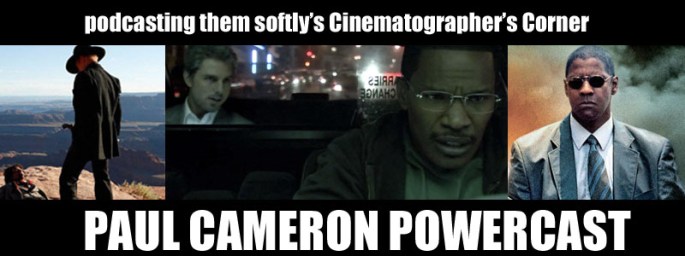
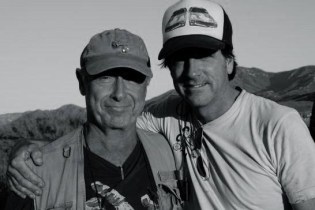 Podcasting Them Softly is extremely honored to present a chat with the fantastic cinematographer Paul Cameron. Paul has been responsible for shooting some of our absolute favorite modern action films, from his collaborations with the late Tony Scott including MAN ON FIRE, DEJA VU, and the BMW films entry BEAT THE DEVIL, to his groundbreaking work on Michael Mann’s COLLATERAL. Other efforts include the slick and gritty actioners GONE IN SIXTY SECONDS from director Dominic Sena and producer Jerry Bruckheimer, the crazy-fun cyber-terrorism thriller SWORDFISH with John Travolta and Hugh Jackman, the lens-flare gorgeous Total Recall remake, and the underrated thriller Dead Man Down. Paul has some massive projects coming up next year and beyond, with the HBO series WESTWORLD from Jonathan Nolan hitting TV screens in 2016, and he’s just wrapped principal photography on the latest PIRATES OF THE CARIBBEAN installment which is set for release in summer 2017. As most listeners of this podcast will know, we are both huge fans of Tony Scott and his artistically expressive aesthetic, so it was a real highlight to get a chance to speak with one of his key camera collaborators. We hope you enjoy!


 Podcasting Them Softly