
Aeon Flux


Before Ghost In The Shell, Dragonball (fucking shudder) and a host of other attempts at making anime content work as a live action film, there was Aeon Flux, a supremely weird dystopian Sci-Fi palooza that should have just been the first and last of it’s kind, ground zero for moving forward, lesson learned in terms of knowing that such specifically artistic material just *doesn’t* translate at all beyond the original animation versions. You’d think they would have learned with this one, but nope. Charlize Theron can practically carry any material on her own, she’s just that dynamic, and when supported by an impressive vessel of visual effects and a clinical, sleek stylistic palette she’s even better, but this beast has no heart beating at the centre of all that, and it shows. Theron is Aeon, a powerful assassin working for the Handler (Frances Mcdormand), assigned to bring down a dangerous regime in a utopian city where humanity’s last vestige of populace exists following some viral plague decades before. Of course nothing is as it seems and when she gets to the man behind the group (Marton Csokas) she discovers all kinds of secrets. There’s plenty of inventive future-world action, including a neat sequence where Aeon sends in wicked fast micro-bot marbles to blast through a door, and interesting aerobics courtesy of a character played by Sophie Okenodo, who has hands instead of feet, an anomaly the film finds little time to coherently explain. Even less explained is the sudden appearance of Pete Postlethwaite as someone who resides in a giant floating thingy far above the city, kind of like the man in the moon in the midst of chemotherapy. It all makes not a great amount of sense, through no fault of it’s own. That goes back to my thoughts at the beginning of the review though: Sometimes, a specifically drawn or written anime saga is just too much in it’s own abstract, perfectly balanced embryonic harmony, and trying to shunt it along into the very different realm of live action storytelling just isn’t possible. That’s certainly what has happened here, and with pretty much every other attempt I’ve seen to adapt the medium. 

-Nate Hill
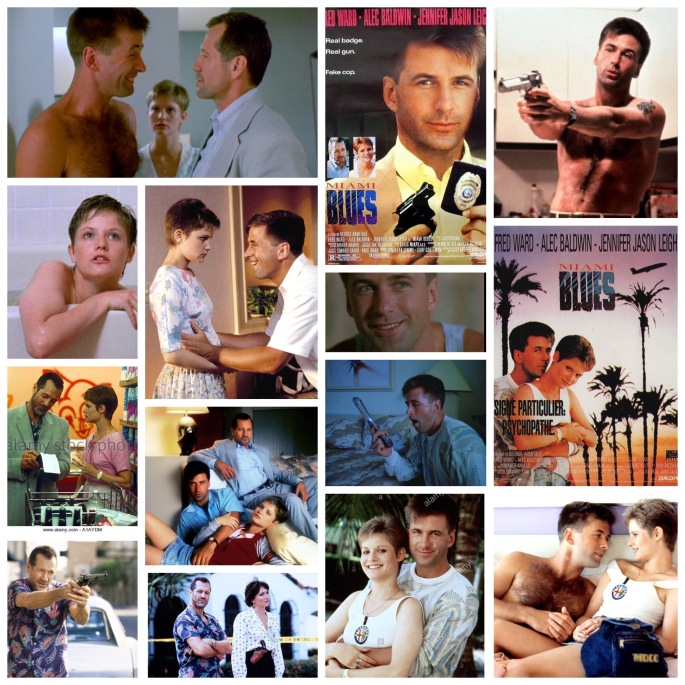
Miami Blues 


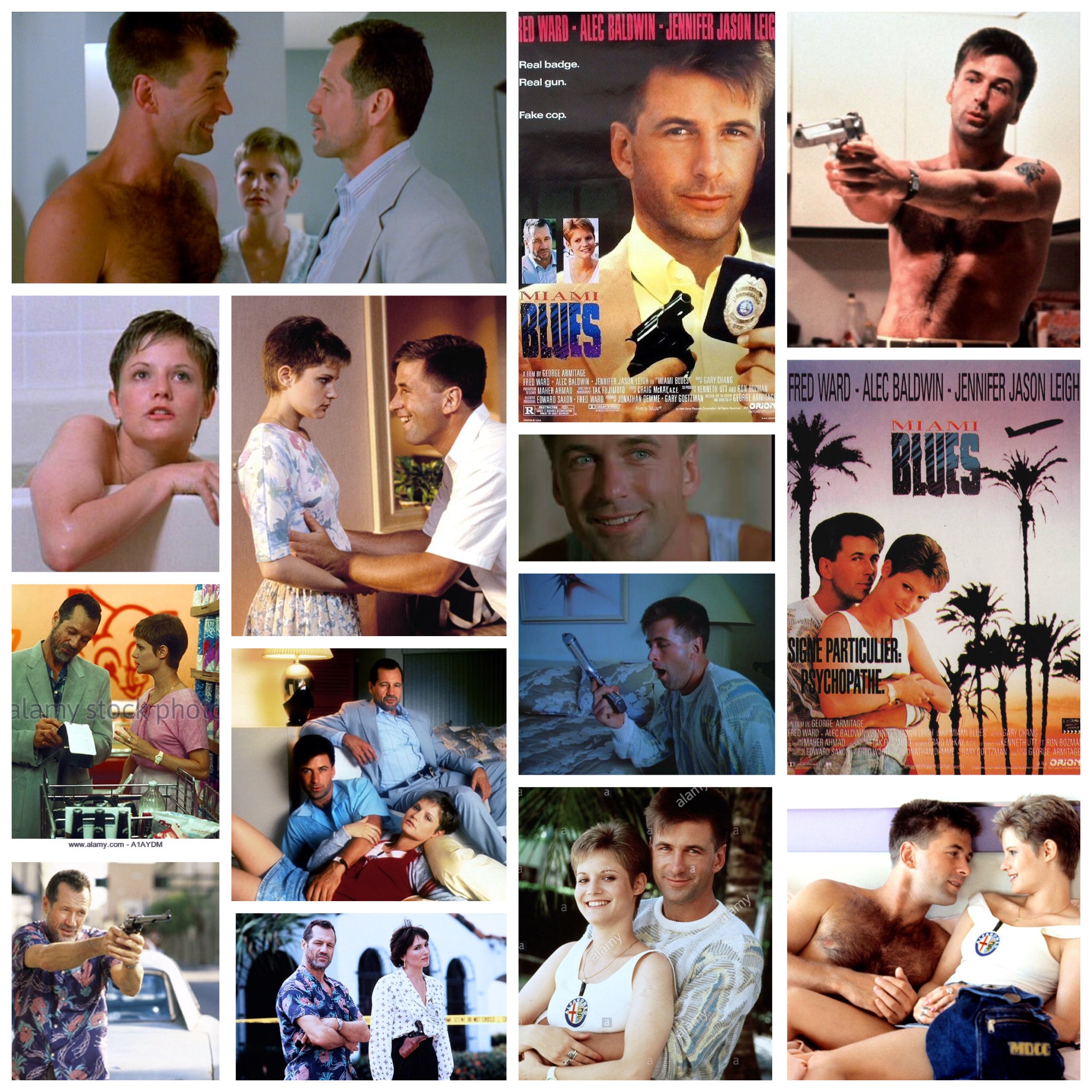
Miami Blues is a crime film full of loose ends, incompetence, wanton violence and meandering characters who seem lost within their own story, and I mean all that in the best way possible. Some pulp affairs are sharp, succinctly plotted creatures, every cog in the machine placed to serve the momentum of plot and character, while other efforts have messily dropped the cogs all over the floor for an untethered, ‘wing it’ type approach in which story and character are like aimless leaves blowing about in a restless pond. Isn’t life like that though? There’s no narrative structure to a lot of what we do, and as such there’s little to be found in the tale of highly self destructive, psychotic criminal Alec Baldwin, who has barely left the airport upon arriving in Miami before he’s already got a serious warrant out for his arrest. He’s a violent sociopath who takes what he wants when he wants and, most aggressively, how he wants. He’s also very smart, which is a dangerous mix in anyone whose moral compass has flatlined. His anarchic crime spree gains the attention of an aloof older detective (Fred Ward) whose badge he steals for some good old law enforcement impersonation, leading the poor weary cop on a darkly comical mad goose chase all over town. He also picks up an endearing dumb blonde (Jennifer Jason Leigh, excellent) who’s infatuated with him and blatantly tunes out any and all red flags, of which there are…many. That’s pretty much all there is to it, but with these three actors it’s pure gold. The knowingly audacious arch criminal, the Betty Boop wannabe wifey sidekick and the exasperated, constantly outsmarted copper, a trio of archetypes augmented slightly in favour of each performer’s stellar work. Never takes itself too seriously, knows full well how heinous the turn of events within it’s frames are, yet firmly refuses to not have fun, a cheeky, sexy, sweaty and altogether terrific little venture. 

-Nate Hill

B Movie Glory: The Alphabet Killer


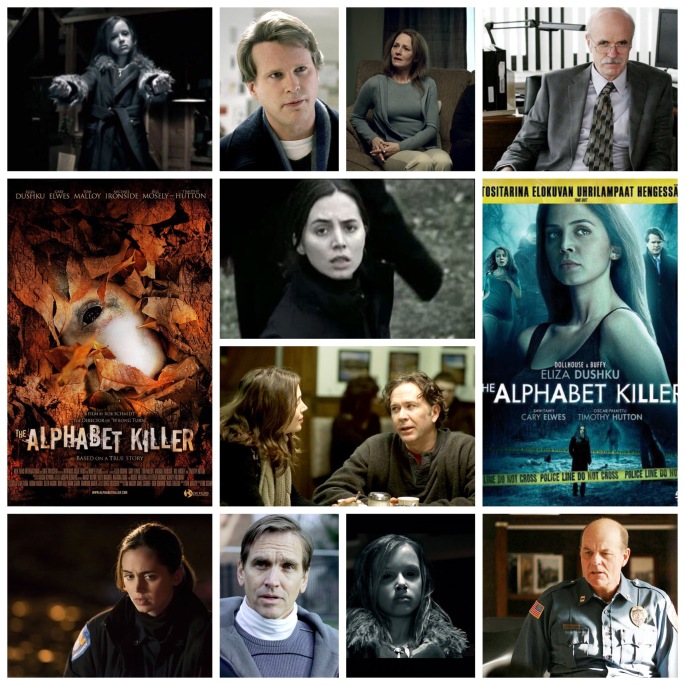
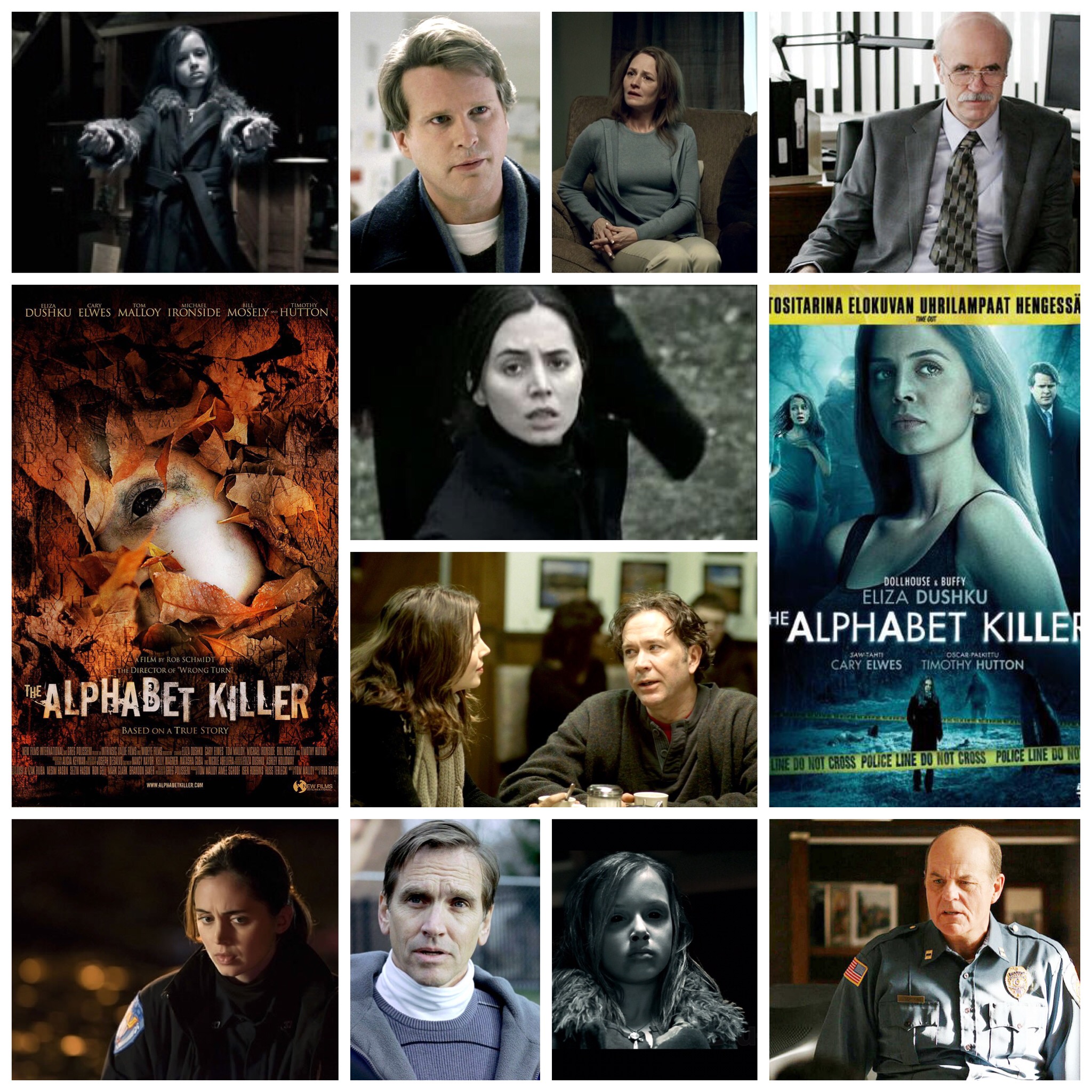
The Alphabet Killer is a silly one, a stone-serious account of some serial killer out there that tries to go the route of straightforward, down to earth fact tracking, and then deliberately messes up it’s own tone by tossing in cheap, ineffective ghostly gimmicks that seem so out of place one wonders if the editor accidentally spliced in frames from an episode of Supernatural or something. The film would have been something pretty decent without those jarring schoolyard level scare tactics tossed in, but I guess shit happens. This is very, very loosely based on an actual set of murders over in Rochester, NY, but what actual similarities to that case we see here is beyond my knowledge and, I suspect, pretty scant. What we get is Dollhouse veteran and cutie pie Eliza Dushku as a determined cop, hunting a killer of children all over upstate New York, while an impressive load of a character actors make slightly unnecessary yet well acted cameos, if only to pad the pre credit billing on the DVD cover and boost rentals. Tom Noonan, who has a running theme in his career of playing exactly the type of beast she’s tracking here, switches it up to play her stern Police Captain boss. Michael Ironside briefly plays a belligerent small town sheriff who withholds information gleefully, Bill Moseley as a reformed sex offender who’s tagged as a suspect, Timothy Hutton her wheelchair bound scholar and consultant buddy, as well as Cary Elwes and Melissa Leo. None of these actors do much but show up for a minute or two to make their presence known, and recede into the frays of supporting plot, until it’s time for one of them to resurface as the killer in the third act, the end of a whodunit guessing game we’ve seen countless times over. It wouldn’t be such a tiresome thing if they left out the spooky-dooky stuff, but there you have it. The film’s otherwise fascinating, earnest docudrama style is somewhat ruined by the occasional presence of moaning, white eyed spectres of murdered children that leer out at Eliza like minimum wage kids doing weekend shifts in the haunted house at the local county fair. Shame. 

-Nate Hill

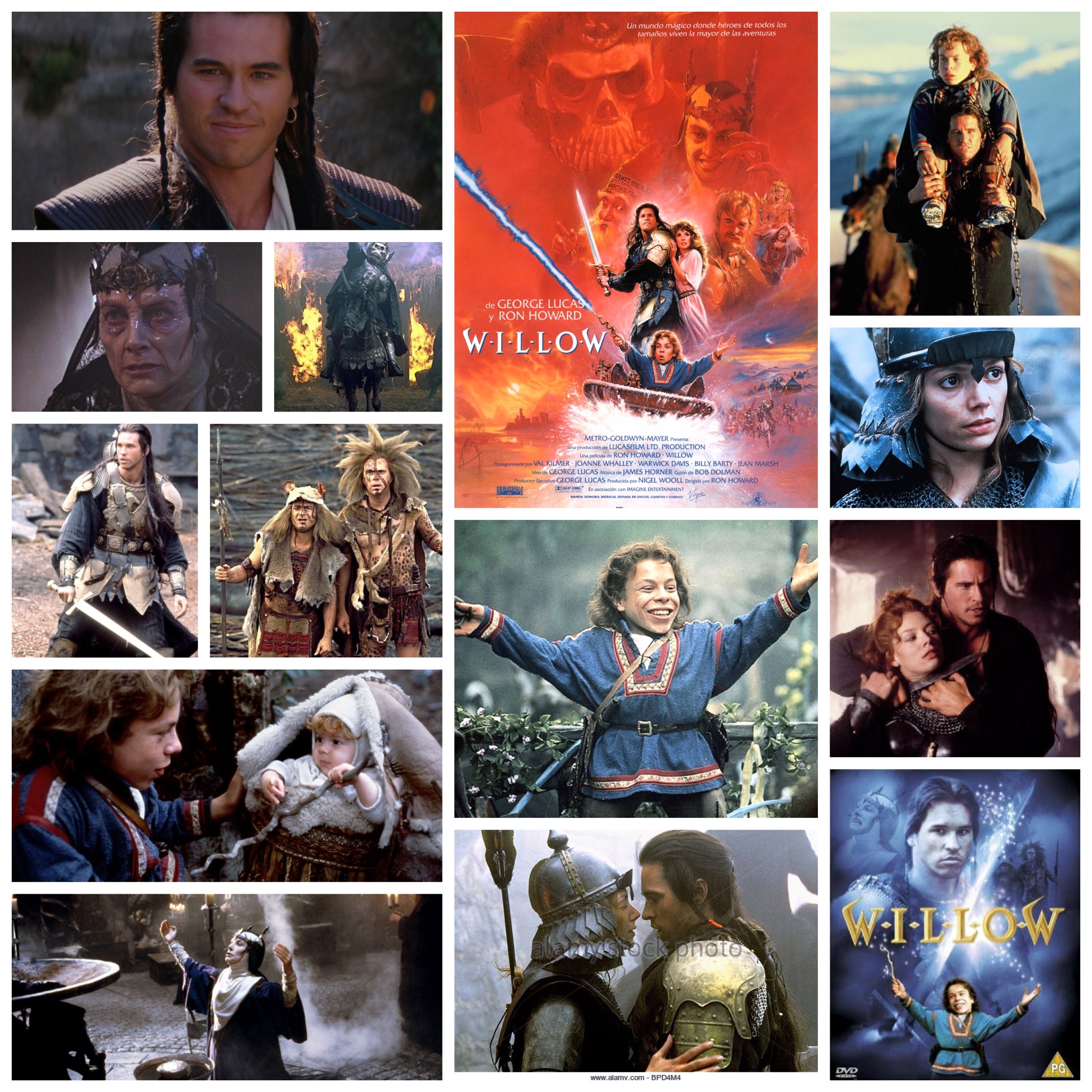
Ron Howard’s Willow


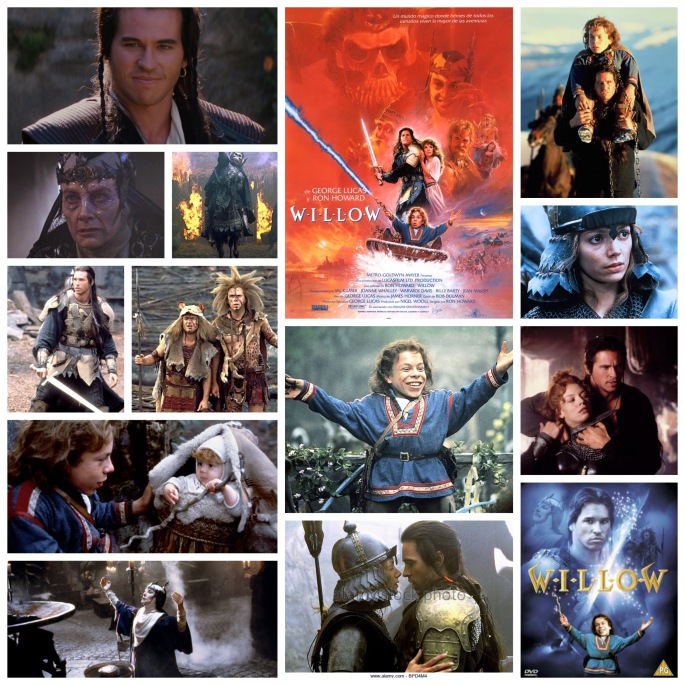
Who doesn’t love Ron Howard’s Willow? Hopefully nobody, because it’s a brilliant fantasy classic that’s aged like the finest wine. From a story by George Lucas (vague Ewok vibes abound), it’s just a rollicking picture, oriented towards the little ones whose sense of wonder hasn’t dimmed, yet eager to include a very real sense of danger and darkness, the perfect recipe to make a film like this noteworthy and nostalgic. In a village inhabited solely by dwarf-like creatures, a secret has been unearthed by the family of young would-be sorcerer Willow Ufgood (Warwick Davis). In their little Hobbitsville of a town on the edge of a vast fantastical realm, a human infant has floated down river like Moses, a special child with the power to defeat a nefariously evil witch (Jean Smart) who has terrorized the land for ages. After the baby attracts danger to their village, the council gives Willow the task of bringing the child out into the world so it can fulfill it’s potential and bring goodness back to the realm. So begins a dazzling big budget journey into the heart of sword and sorcery darkness, a well woven blend of humour, heart and magic that is never short of thrills or visual splendour. Val Kilmer steals the show as rambunctious Madmartigan, a fiercely funny rogue of a warrior who protects and guides Willow through a harsh, threatening world, while Kevin Pollak and Rick Overton score comic relief points as two pint size little pixie things with vaguely European accents, which they use to hurl many a colourful insult in Kilmer’s general direction. Val’s real life wife Joanne Whalley plays sultry Sorshia, daughter to the villainous queen and badass beautiful warrior princess with dark sex appeal for days. There’s just so much to love about this film, from the wildly boisterous score by James Horner that gets our pulses up, the gorgeous production design and attention to detail, the story itself full of wondrous magic and peril, to the reliance on practical effects as per the times. It’s adorable that the filmmakers went out of their way to cast hordes of actual little people as opposed to relying on camera trickery, right down to Willow’s tiny, impossibly cute dwarf children. Highlights I will always remember from this one are the impressively staged sled race down a snowy peak using shields as careening vehicles and the surprisingly gory attack from giant worm/gorilla hybrid creatures that seriously disturbed seven year old Nate for years after. You simply can’t go wrong with this one. 

-Nate Hill

P.S I Love You


P.S. I Love You is pretty grounded, affecting stuff as far as romantic dramadies go, a sorrowful story that’s light on sap and earns your tears. It’s sad, to be sure, but that’s a necessary element to balance out any otherwise happy-go-lucky narrative, which is something many forget when making these types of films. Jarringly soon after we meet adorable and slightly dysfunctional couple Gerry and Holly (Gerard Butler & Hilary Swank), Gerry passes away, leaving her bereft and broken, but not necessarily alone. Knowing of his illness beforehand, he’s left a series of love notes that lead her on a scavenger hunt, each new note and following action geared towards easing her pain, saying goodbye and trying to help her start a new life. Although consoled by her two caring friends (Gina Gershon & Lisa Kudrow) as well as her mother (Kathy Bates) this is Holly’s solo journey at heart, a meditation sent from the afterlife by the world’s most thoughtful husband, unconventional in his methods yet intuitive to his last breath. Losing a loved one, especially your other half, is a kind of pain one could never fathom unless, heavens forbid, we find ourselves in that situation one day. Holly and Gerry didn’t always work well, as we see in a few of the haughty flashbacks, but their love for each other was real, and the subsequent pain on her part is palpable in Swank’s performance, which must be no easy task. A trip to Ireland, an encounter with a handsome stranger there (Jeffrey Dean Morgan), flirting with a kindly potential suitor (Harry Connick Jr.), she circles many endeavours in her time after his passing, all part of a grieving process and a desire on deceased Jerry’s part that she live her life, remember him yet not fall into an abyss of chronic grief and let it stall her, which happens to some. It’s a sweet and good-natured way to tell a very grave, emotionally corrosive story, but like I said before, it’s never manipulative or deliberately mushy, it lets the story push your buttons naturally, until the floodgates on your tear ducts are opened by observing the story and characters, not connived by soap opera histrionics or tacky melodrama. A beautiful little film that makes you deeply sad, but also puts in an effort to cheer you up along the way, just like Gerry does for his Holly. 

-Nate Hill

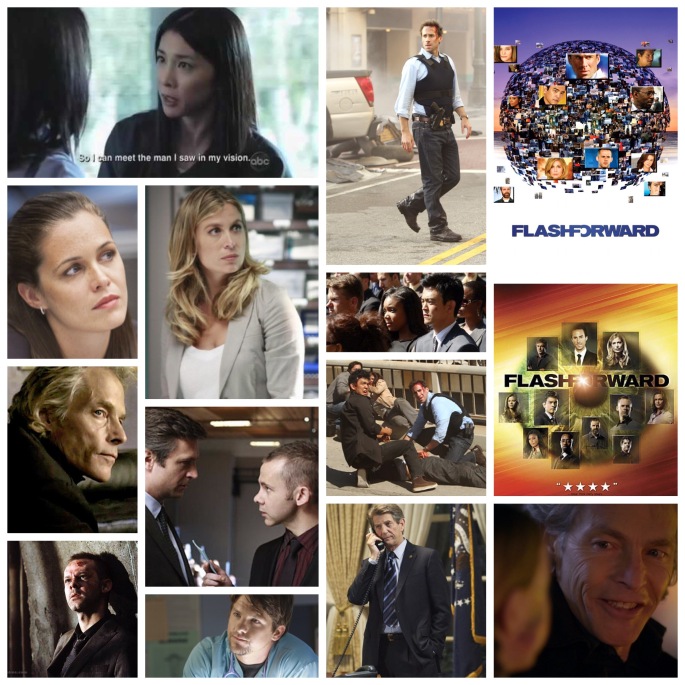
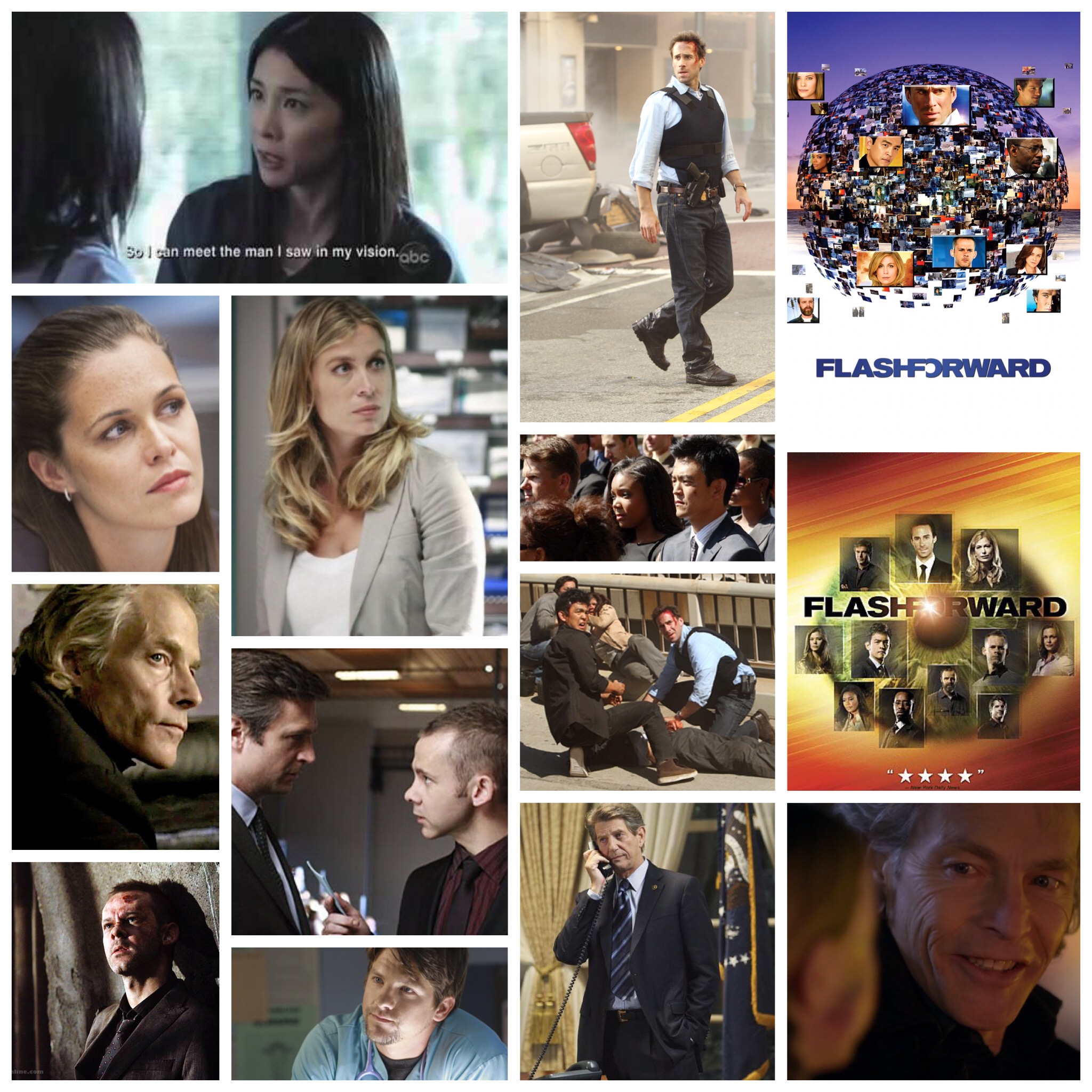
ABC’s FlashForward: here in a flash of brilliance and gone after one season 


ABC’s Flashforwad was a gripping psychological/supernatural epic with potential to run many seasons and provide us with solid entertainment for a long time a lá Lost (which it bears some similarities with), but the network mysteriously axed it after a single season, leaving a vacuum in the air as far as it’s story, and many viewers left stranded, wanting more. The show was built around a wicked concept: one day, every human being on planet earth simultaneously blacks out for a few minutes, and in that time has a precognitive vision of the future some months away from their present time, then promptly wakes up. This of course causes sheer chaos all over the globe, initially with millions of car crashes, disasters and planes falling out of the sky, and eventually the uncertainty, paranoia and confusion as to just what these flash-forwards are all about, and if it will happen again. An FBI task force spearheaded by the likes of Joseph Fiennes and Courtney B. Vance is commissioned to investigate the matter, and their mission takes them to some truly weird places, both geographically and thematically. There’s strange forces at work with this one, secrets that are kept close to the chest and gradually doled out over the expansive twenty three episode arc, a great length of run that should really be the standard for television. It’s similar to Lost in the sense that every week the mystery deepened as opposed to circling a resolution, clues and questions piled on top of the previous ones without a hint of finality or exposition to light the way, an audience tested, surefire way to keep people from flipping the channels mid episode and a great of garnering new viewers via word of mouth. The trick is to also add rhyme and reason to your bag of mysteries, provide a modicum of answers to keep the frustration just at bay, a formula which this one actually succeeds better at than Lost ever did. The scope and budget here are both enormous, giving new meaning to both the terms ‘globetrotting’ and ‘ensemble piece’, a truly vast attempt at long form storytelling. The cast is eclectic, other leads including John Cho as another hard-nosed Fed, Zachary Knighton as a doctor whose life is perhaps affected most by the incident, and brilliant turns from Jack Davenport, Sonya Walger, Peyton List, Dominic Monaghan, Brian F. O’Byrne and the late Michael Massee as nefarious, shadowy ultra-villain Dyson Frost, who serves as a sort of mcguffin during the first act of the show. Guest arcs included James Remar, Thomas Kretschmann, Rachel Roberts, Gabrielle Union, Shohreh Ahgdashloo, Annabeth Gish, Callum Keith Rennie, James Frain, Peter Coyote as the US President and so many more. The show looks amazing too, a brightly lit, well oiled mystery machine with all sorts of storytelling wizardry including nifty slow motion musical montages, trippy time jumps, non linear what-have-you and all manner of neat stuff. Gone way, way before it’s time, this one is well worth a watch and shouldn’t have been written off so soon. And remember: D. Gibbons is a bad man. 

-Nate Hill

Michael Mann’s Luck: A short lived masterpiece 


Michael Mann’s Luck was a painfully short lived HBO original series with reach-for-the-stars potential, a mind blowing cast and a terse, eccentric script from David Milch, all fuelling a brilliant ensemble storyline set in a pristine Los Angeles horse racing track. I’ll get the elephant out of the room right away: the series was cancelled due to a few of the horses dying on set, for whatever reasons. Had it been allowed to continue though, I imagine it would have gone on to become one of the network’s, and Mann’s, most hallowed and heralded works. Dustin Hoffman is the centrepiece of the cast as Chester ‘Ace’ Bernstein, a sharp witted Jewish mobster who’s recent stretch in the joint has somewhat dulled his edge. Nevertheless, he slyly takes a stab at playing his hand with horse ownership, joined by his charismatic driver Gus (Dennis Farina, reliably wonderful). There’s all kinds of other hoopla going on, and it’s cool to see the story focus on both the upper crust elite doing their shady deals as well as everyday joes tossing their money into these worshipped games. Kevin Dunn is terrific as a disabled firebrand of a gambler, joined by his two scrappy pals (Ritchie Koster and Jason Gedrick) as they try out their own brand of luck. Jill Hennessy is a determined horse trainer who clashes with a belligerent owner (Yul Vasquez), and there’s two ominous crime kingpins played by Michael Gambon and Ted Levine who hover in the shadows as well. Further still is a heartbreaking turn from Richard ‘Bing Bong’ Kind as a stressed out jockey manager, Nick Nolte as a crusty, broken-down horse trainer, Joan Allen, Alan Rosenberg, Spencer Garrett, Don Harvey, Ian Hart, W. Earl Brown, Shaun Toub, Bruce Davison, Frank Collison, Mercedes Rhuel, Tony Curran and a cameo from Jurgen Pröchnow as the stern owner of the whole track. How’s that for a cast. I must say that the dense, peculiar dialogue from Milch takes some time getting used to, but once you tune in to it’s jive, it’s pure poetry being rattled off by every character, and a gorgeously structured, meticulously layered script at that. The actors are all on a plane of pure excellence as well, many of them turning in career best efforts and bringing their roles vividly to life. The cinematography from various artists is pure spun gold too, every sparkling irrigation sprinkler, glistening horse coat, careful closeup and crop of dirt kicked up by hooves captured succinctly and smoothly. This seriously is as near to a perfect season of television as one can get, and it kills me that it got cut down before it had a chance to really get going, because just think of the places it could have gone. At least we still have this first glorious season to admire, and I recommend every minute of it. 

-Nate Hill

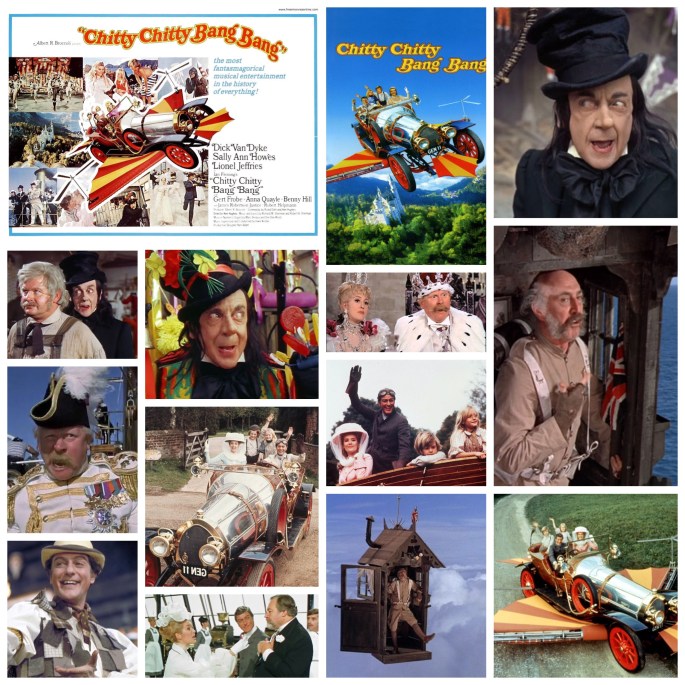
Chitty Chitty Bang Bang: still truly scrumptious all these years later 


Chitty Chitty Bang Bang is the greatest musical ever made. Fight me. In all seriousness though it stands as a nostalgic beacon of my childhood in a genre that I just never took to, save for a few others in the same boat (The Sound Of Music is class, but that’s a another story). I grew up with Chitty, watched it from a very young age when I was still impressionable, and since then I’ve probably seen the thing over a hundred times as the years passed, with new eyes each time I revisited it at a later age. It’s a miraculous marvel of visual storytelling, a film that truly employs the sentiment “they don’t make em’ like they used to.” They really don’t though, films with this much hands-on imagination, passion for storytelling and ear for music just aren’t a common thing in our newfound age of computer dominated franchise giants. This is a film that is fuelled by wonder and whimsy, a monumental undertaking when you consider it’s length and scope, a pure oasis of childlike escapism, and a thoroughbred bona fide classic. Based on a short, slight storybook by Ian “James Bond 007” Fleming, this is one of the extremely rare occurrences in which a film adaptation surpasses it’s literary source material in every way. How does it achieve this you ask? Two words: Roald Dahl. Dahl, a beloved novelist himself, concocted a scrumdiddlyumptious screenplay that let what was conserved and clipped in the book run positively wild for the film, not to mention dreamed up some achingly beautiful, endlessly catchy songs that have since become timeless. The titular machine is a souped up jalopy that has a few gizmos under it’s hood including the ability to fly and float on water, lovingly built up by master inventor and father of the year for the next ten centuries, Characticus Potts, played by Dick Van Dyke in the performance I’ll always remember him for. After a sincerely charming opening act set in rural England, it’s off to fairytale land as he, his two darling children Jeremy and Jemima (Heather Ridley and Adrian Hall) and lovely Truly Scrumptious (Sally Ann Howes) embark on a dazzling adventure to Germanic country ‘Vulgaria’ to rescue eccentric Grandpa Potts (Lionel Jeffries) and get into all sorts of mischief. Vulgaria is ruled by buffoonish tyrant Baron Bomburst (Gert ‘Goldfinger’ Frobe) and his leggy wife (Anna Quayle), but the real threat is the single scariest villain in cinematic history (don’t even dare argue with me on this one), Robert Helpmann’s Childcatcher, a demonic willy wonka who is pure unbridled nightmare fuel whenever he shows up. The mind boggles at the sheer ambition on display in terms of set pieces here, from the Pott’s gorgeously rickety, unfathomably cozy windmill castle of a home to the Baron’s ornate palace and everything in between, it’s a visual triumph in every way. Better still are the songs, which, excluding one dud from Howes, are all instant classics. Me ol’ bamboo, Toot Sweet, The Roses Of Success, the titular tune that heralds Chitty herself, and particularly a demented little number called Posh sung by Grandpa as his peculiar outhouse of a man-cave dangles on a tow rope below Bomburst’s mini Hindenburg, they’re all fuckin beauties that I’ve been singing along to since I was a wee lad. Added is the giddy presence of people like James Robertson Justice, Desmond ‘Q’ Llewelyn and Benny Hill (as a German, no less) to gild the lining of an already nutty good cast. This film is immortal for me, a jewel in my DVD collection, a nostalgic gift wrapped delicacy to come back to time and time. No matter where I am in my life, the Potts will always be hurtling through the English countryside and soaring over those white cliffs of Dover singing to high heavens about their phantasmagorical machine, and I can sit down and rejoin them any time I like, which I will do over and again as long as time permits. 

-Nate Hill

Tony Scott’s Days Of Thunder 


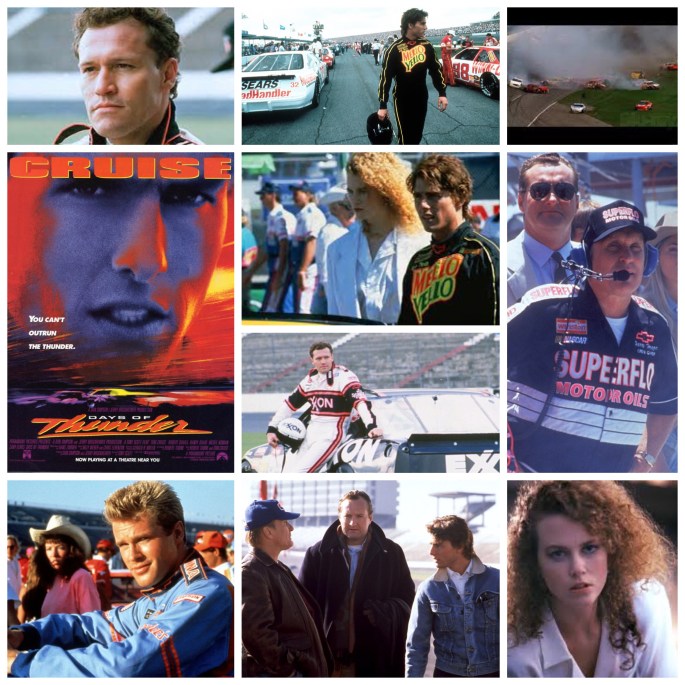
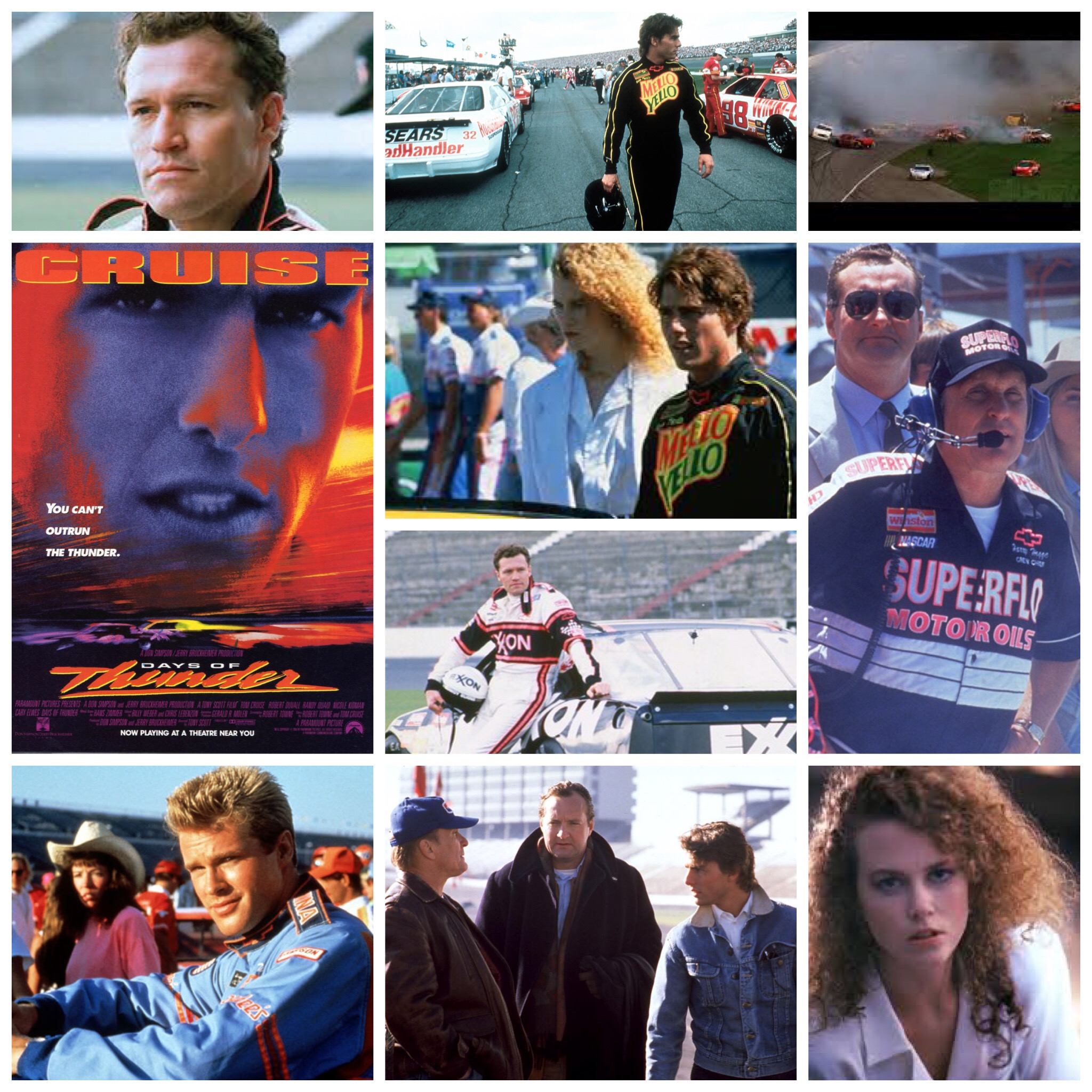
The first ten minutes or so of Tony Scott’s Days Of Thunder should be used to demonstrate the power of any new home theatre/speaker/sound system freshly harvested from Best Buy. As it opens on a piping hot stock car race-track in the midst of noonday sun festivities and preparations for the day’s events, Hans Zimmer’s explosive, patriotic thunderbolt of a score kicks in and you feel that mad rush of adrenaline reserved for only the most combustible, rabidly entertaining movie magic. It’s just too bad that the rest of the film can’t keep up with the level of energy on display in that whopper of a prologue, despite doing it’s very best. An obvious sister film and coattail hugger of Scott’s other ‘loud noises’ film Top Gun, there ain’t much to it other than screaming race cars and a daredevil Cole Trickle (Tom Cruise) trying to prove his sporting worth to various folks including the romantic interest, a doctor played by sexy Nicole Kidman and the sagely Yoda of stock car lore (Robert Duvall). He also has quite a few homoerotic run-ins with rival/partner Rowdy Burns (Michael Rooker is certainly someone I’d tag with the adjective rowdy), and of course races a whole bunch of race cars as well as crashes a few. You gotta hand it to cinematographer Ward Russell, as it can’t be an easy task to do crisply capture those vehicular torpedoes as they careen by at a zillion miles per hour, let alone immortalize the afternoon sun glancing off the Wonderbread sponsor logos so beautifully. Like I said, after that initial banger of an opening credits sequence, its run of the mill in terms of story, albeit dynamite in terms of stunts. Watch for work from Randy Quaid, Cary Elwes, Fred Dalton Thompson, John C. Reilly and mega-producer Don Simpson in a neat extended cameo. The real magic happens with Zimmer’s score though, go check it out on YouTube, as iTunes only has some weak retread by some philharmonic orchestra schmucks. Quite possibly one of the maestro’s best works. 

-Nate Hill

Once Upon A Time In Nostalgia Occupied France: Revisiting Quentin Tarantino’s Inglorious Basterds


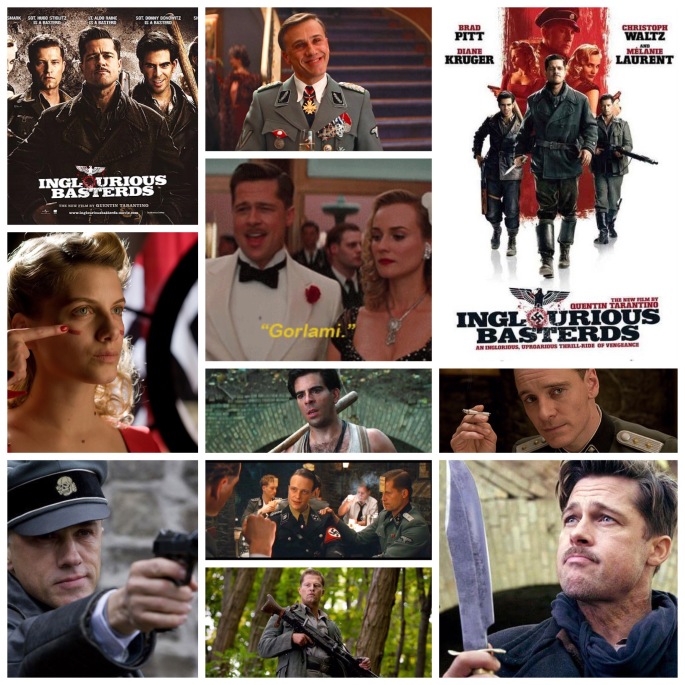
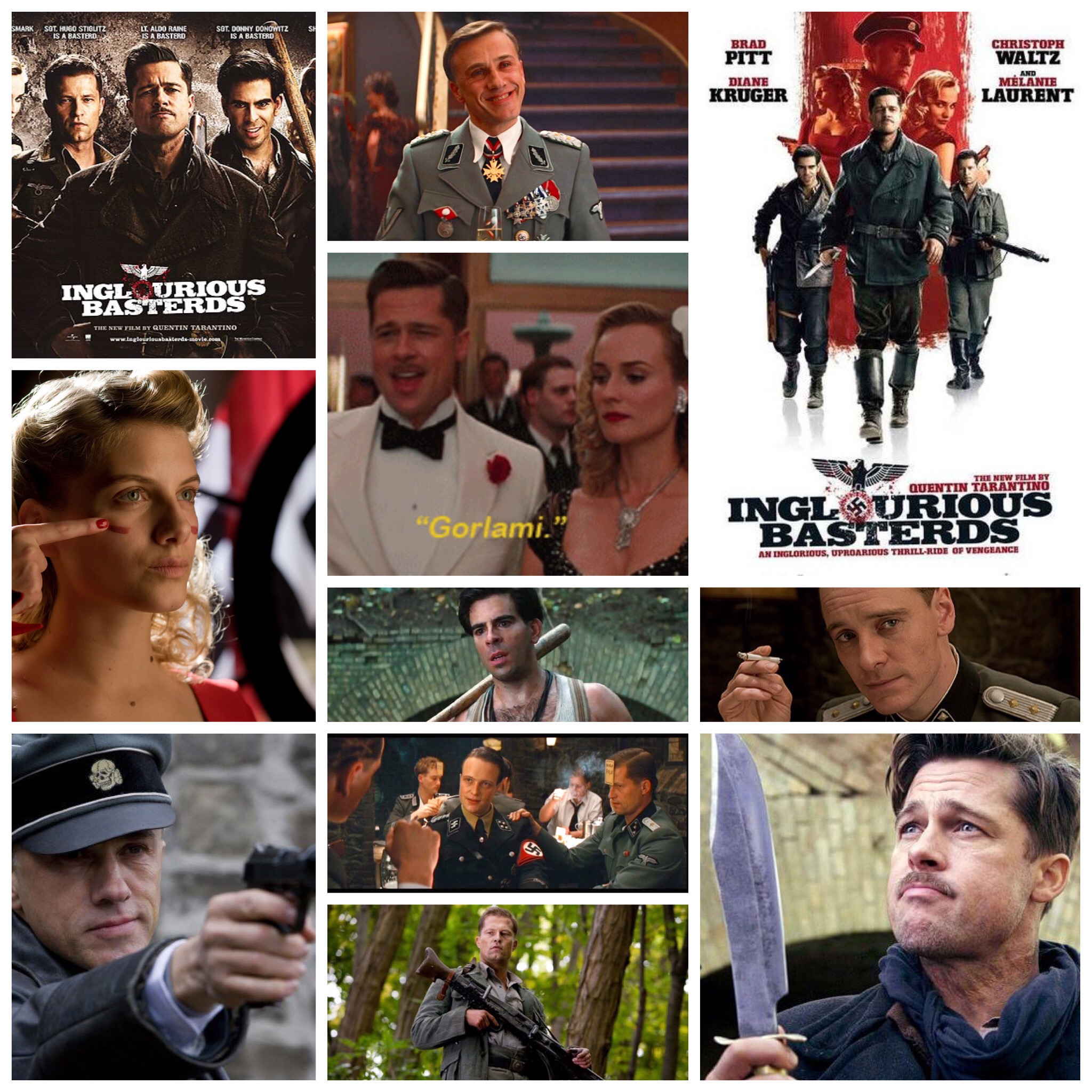
Having rewatched Quentin Tarantino’s Inglorious Basterds the other night for the first time in years, I’d since forgotten what a fuckin rip snorting good time at the movies it is. It used to rank fairly low on my Quentin-metre, but not only has it aged quite nicely since 09′, it’s even better than I remember it being in theatres. I think that one of the reasons I didn’t hold it in such high esteem right off the bat is that I wasn’t prepared for the blunt revisionist history approach, which at the time I think felt very silly and fake. I get now what he was going for and appreciate it tenfold more than I did then. From the opening chords of a Morricone piece that signals the portentous arrival of Christoph Waltz’s terrifyingly affable Jew hunting SS nutbar Hans Landa, this film is a near perfect ballet of extended dialogue, shocking musical cues and sporadic bursts of satisfying and graphic violence. It’s an episodic roundtable outing that spins around to focus intently on specific scenarios for quite a bit of time before jarringly shunting off to the next. Young Shosanna (Melanie Laurent) runs a quaint cinema in rural France that garners the attention of a pesky German war hero (Daniel Brühl). Evil Landa and his corps doggedly hunt enemies of the state whilst preparing to act as a security force for a bigwig film premiere attended by the Fuhrur himself, et al. Elsewhere in Germany, a plucky band of double agents led by Michael Fassbender and Diane Kruger await instructions on a small tavern, commissioned by Winston Churchill and Austin Powers to carry out their mission. This sequence is a textbook example on how to whip up vice grip suspense until one can barely breathe, then cut the cord loose all of a sudden, brilliantly structured, written and acted scene all round. Brad Pitt also leads his merry band of Nazi killers all over Europe creating havoc and delivering some of the best dialogue that the Q-Man has ever penned. The sequence where Aldo Raine (Pitt) and his crew must be ‘fake Italian’ to blend in at the film premiere is the single funniest thing in a Tarantino film to date. The cast is layered with all kinds of wonderful work, standouts from August Diehl, Richard Sammel, Eli Roth, a priceless Til Schweiger, as well as quick snippets from Samuel L. Jackson and Harvey Keitel. Waltz made a name for himself with the Landa character, and is a simultaneously freaky and funny villain who steals the film each time he shows up to smarm and charm the pants off of everyone else. Funny beyond words, brutally exploitive in the best possible ways, whip smart in writing and characterization and just a hell of a good time, Basterds has held up and even improved excellently since it’s release, and will likely stand as one of Tarantino’s key films in years to come. Gorlami. 

-Nate Hill