
William Friedkin’s Sorcerer

William Friedkin’s Sorcerer is less of a film than it is a visceral, ‘fly on the wall’ glimpse into the breathless plight of a rugged troupe of villains from various parts of the world, thrown into an impossible situation together, a lean, mean, anti-cinematic survival picture that has one of the most suspenseful set pieces ever filmed, now a legend and showcase in Friedkin’s rough n’ tumble career. The story focuses on a quarter of thoroughly rotten human beings who are an inspired choice to light as protagonists: a disgraced New Jersey hitman (Roy Schneider), a corrupt French banker (Bruno Cremer), a dangerous gangster (Francisco Rabal) and an Arabic terrorist (Amidou). They’re a heinous bunch, each on the run in their own way, but each’s situation is their own fault, which is the setup for the purgatorial horrors that befall them in the remote South American jungle. Each cast out into the primal ether of that region, their collective hope for a modicum of redemption, not to mention financial stability, comes in the form of a nightmarishly dangerous task: transport several giant tanker trucks across the region, each loaded with enough volatile nitroglycerin to blow a crater in the jungle. It’s low concept that pays off for high thrills, especially when monsoon season conveniently shows up right when our quartet are trying to navigate the trucks over a horrifically rickety set of of wooden suspension bridges, a sequence so unbelievably white knuckle, so deeply frightening it’s a wonder and a half it was allowed to be filmed. There’s a twisted catharsis in seeing these unsavoury fellows put through such fresh hell, but they’re so violently resourceful and charismatic that by the end of it we’re rooting for them, by both default and earned respect simply for the desperation of their situation. A simple, brawny piece of cinema that uses it’s straightforward story to tap into something more earthy and primeval, as well as a long standing, finely aged example of action/survival cinema and probably Friedkin’s best film to date.

-Nate Hill

Taika Waititi’s Thor Ragnarok

Taika Waititi’s Thor Ragnarok has got to be the most fun I’ve ever had watching a Marvel film. Trust Hollywood to make a sterling decision once in a blue moon, and hiring a deftly comic, renegade underdog subversive improv genius like Waititi to take the wheel is a smart, bold move. Now before I sing it’s praises to Valhalla, they don’t quite let him (he’s the Kiwi wunderkind behind the newly minted classics Hunt For The Wilderpeople and What We Do In The Shadows) go completely bonkers, which he clearly wants to do, and although he’s kind of bogged down by a generic villain and a recycled point of conflict in plot, a lot of the time he’s allowed to stage a zany, uncharacteristically weird (for the MCU, anyways) pseudo space opera that is a blast and a half. Thor finds himself, after a brief encounter with Benedict Cumberbatch’s Dr. Strange, carted off to a giant garbage planet surrounded by space portals (one of which is referred to with a straight face as ‘The Devil’s Anus’, which sent me into a fit) and lorded over by a certifiably loony Jeff Goldblum as the Grand Master, a demented despot who holds intergalactic gladiator matches for his own entertainment. There Thor is forced to fight his old buddy the Hulk, and somehow find a way to escape Goldblum’s nefarious yet hilarious clutches. He’s got just south of reliable allies in his brother Loki (Tom Hiddleston) and an exiled Valkyrie (Tessa Thompson) with an attitude problem, as well as rock-armoured warrior Korg, voiced hilariously by Waititi himself as the film’s most engaging character. Meanwhile back in Asgard, trouble brews when the equally dangerous and sexy Hela (Cate Blanchett, with enough authoritative, husky smoulder to make me weak at the knees) tries to steal Odin’s throne for herself, with the help of defector Skurge (Karl Urban, who gets a mic drop of an action set piece later on). Here’s the thing about Hela: Blanchett is in top form, a commanding, dark presence… but the role is as blandly written as a number of other MCU villains, and one wonders how they’ve managed to flunk out at creating engaging antagonists a few times over now. She’s stuck in a subplot that we’ve all seen before, one that’s stale and at odds with the fresh, humorous and wonderful storyline between Thor and Banner. Their side of things is like buddy comedy crossed with screwball fare and works charming wonders, especially when they’re blundering about in Goldblum’s cluttered trash metropolis, it’s just inspired stuff. Throw in a great 80’s inspired electro pop score and a cool VHS retro vibe (I’m all about the old school) and you’ve got one of the best MCU movies to date, and most importantly one that *tries something new*, which the genre needs more of, even if it doesn’t ultimately fully commit, this is still a gem we have on our hands.

-Nate Hill

The Lincoln Lawyer

The Lincoln Lawyer was the first film in the revival of Matthew McConaughey’s career after a lengthy slump stretching back to the early 2000’s, and what a banger of a pseudo courtroom drama it turned out to be. Based on the series of novels by Michael Connelly which focus on slick, morally untethered defence attorney Mick Haller (played to perfection by Matt), director Brad Furman whips up an enjoyable, razor sharp yet laid back LA crime saga that’s smart, re-watchable and competently staged, not to mention stuffed to the roof with great actors. Haller is something of a renegade lawyer who operates smoothly from the leather interior of his Lincoln town car, driven by trusty chauffeur Earl (the always awesome Lawrence Mason). Mick is ice cool and seldom bothered by the legal atrocities he commits, until one case follows him home and digs up a tormented conscience he never knew he had. Hired to defend a rich brat (Ryan Phillipe) accused of murdering a call girl, events take a turn for the unpredictable as older crimes are dug up, double crosses are laid bare and everyone’s life starts to unravel. It’s a deliciously constructed story with twists and payoffs galore, as well as one hell of an arc for McConaughey to flesh out in the kind of desperate, lone wolf role that mirrors the dark side of his idealistic lawyer in Joel Schumacher’s A Time To Kill. Let’s talk supporting cast: Marisa Tomei is sexy and easygoing as Mick’s ex wife and rival, Bryan Cranston simmers on low burn as a nasty detective, William H. Macy does a lively turn as his PI buddy, plus excellent work from Frances Fisher, Shea Wigham, John Leguizamo, Bob Gunton, Bob Gunton, Pell James, Katherine Moennig and the great Michael Paré as a resentful cop who proves to be quite useful later on. There’s a dark side to the story too that I appreciated, in the fact that not every wrong is righted, or at least fully, a sad fact that can be seen in an unfortunate character played by Michael Pena, but indicative of life’s brutal realities, something Hollywood sometimes tries to smother. One of the great courtroom films out there, a gem in McConaughey’s career and just a damn fine time at the movies.

-Nate Hill

Danny Cannon’s Phoenix

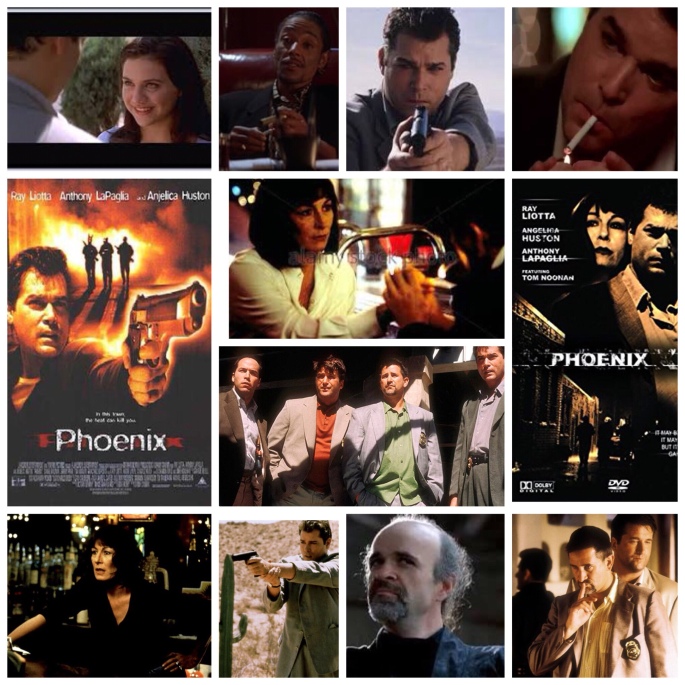
Phoenix is a half forgotten, neat little Arizona neo-noir noir that isn’t about much altogether, but contains a hell of a lot of heated drama, character study and hard boiled charisma anyways, which in the land of the crime genre, often is an acceptable substitute for a strong plot. Plus, a cast like this could hang around the water cooler for two hours and the results would still be engaging. Ray Liotta is terrific here in a mid-career lead role as an a police detective with a nasty temper, huge gambling problem and just an all round penchant for trouble. He’s joined by his three partners in both crime and crime fighting, Daniel Baldwin, Jeremy Piven and Anthony Lapaglia. There’s no central conflict, no over arching murder subplot and no orchestrated twist or payoff, it’s simply these four sleazy cops just existing out their in the desert on their best, and it’s a lot of sunbaked, emotionally turbulent fun. Liotta vies for the attentions of a weary older woman (Anjelica Huston, excellent) while he’s pursued by her slutty wayward teen daughter (Brittany Murphy) at the same time. He’s also hounded by eccentric loan shark Chicago (Tom Noonan with a ray ally funny lisp) and trying to close countless open cases in his book. Piven and hothead Lapaglia fight over Piven’s foxy wife (Kari Wuhrur) too, and so the subplots go. The supporting cast is a petting zoo of distinctive character acting talent including Glenn Moreshower, Royce D. Applegate, Giovanni Ribisi, Xander Berkeley, Al Sapienza, Giancarlo Esposito and more. I like this constant and obnoxious energy the film has though, like there’s something in that Arizona sun that just drives peoples tempers off the map and causes wanton hostility, a great setting for any flick to belt out its story. Good fun.

-Nate Hill

B Movie Glory: LA, I Hate You

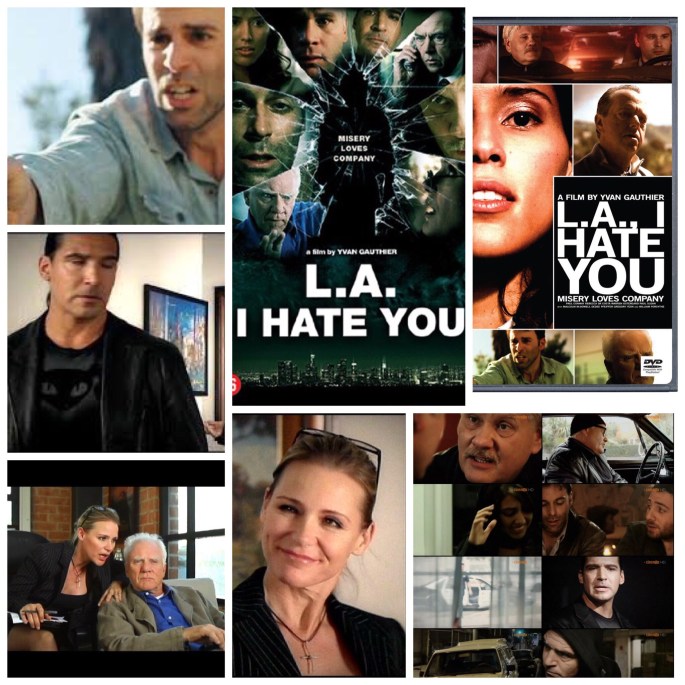
There’s this odd trend in art films these days to make a haphazard anthology thing with various actors in a string-along parade of vignette cameos, title them with the name of a city followed by the sub header ‘I Love You’, or ‘I hate You’. Examples include ‘Paris, Je T’ame’, ‘New York, I Love You’, and you get the idea.. it’s as weird trend, most of the entries I haven’t seen, but the copycat effect trickled down into direct to video town, and I did catch one called ‘L.A. I Hate You’, a strange and cheaply made noir knockoff that doesn’t have much to offer except a few decent actors in sly parody roles. It’s made in three segments, all set in Hollywood and revolving around the film industry, all three chunks of the story ultimately going nowhere. There’s a down on his luck dude with a paraplegic wife who gets sucked into a violent scheme involving his estranged, dangerous uncle (William Forsythe doing his ultra-sleazy tough guy shtick) and the wife’s morally bankrupt father (Gregory Itzin). A struggling wannabe actor (Paul Sloan) is coaxed into stardom at a high cost by a devilish movie producer (Malcolm McDowell, also in scumbag mode), and attempts are made to make these three seemingly separate narratives intertwine here and there, but neither that script, editing or acting is good enough to make us either believe or care. Oh, there’s also a really unnecessary UFO subplot too, just in case it wasn’t cluttered up with enough nonsense. A cheaply made, half assed turkey.

-Nate Hill

B Movie Glory: Killing Season

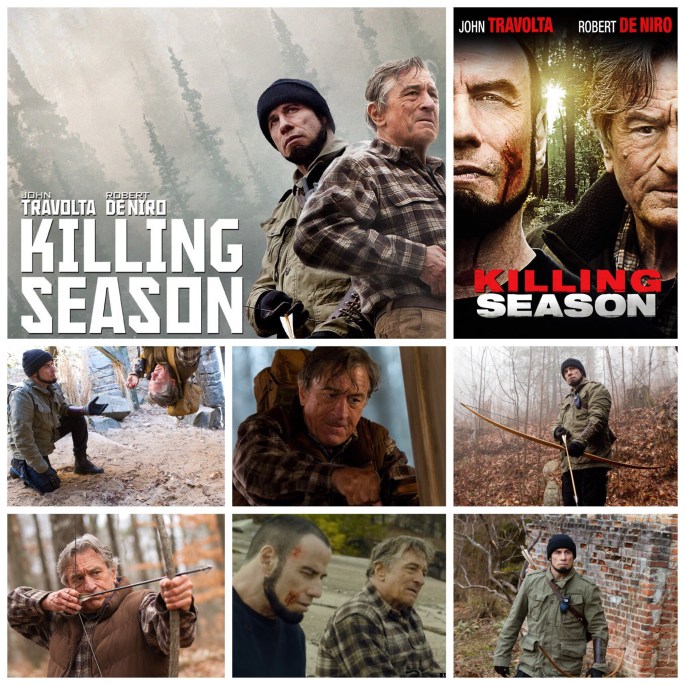
As much as Killing Season has it’s flaws, and would have been better suited to a half hour short film rather than a slightly stretched out feature, it has strong points as well and entertains as best it can as a passable genre flick. Going the rugged survival/revenge route, a low key Robert Deniro plays Ben, decorated veteran who makes his homestead in the remote isolation of the the Smoky Mountains, scarred from battle both physically and mentally, ready to rest. Down time isn’t in his cards just yet, however, as trouble arrives in the shape of John Travolta as Emil, a Serbian/Bosnian warrior with wounds of his own and one big unresolved grudge against Ben. Both skilled hunters and survivalists, the two engage in a deadly geriatric cat and mouse game against a spectacular wilderness backdrop until the pasts and intentions of both are laid bare, and that inevitable climax rolls on in. Their close quarters warfare is quite fun, surprisingly brutal and just cartoonish enough to elicit a dark laugh here and there. Speaking of laughs, Travolta is so oddly characterized here he begs the query “Are you for real?”, sporting a dime-store fake beard and warbling out the most unconvincing Eastern European accent since John Malkovich in Rounders. That aside though, his actual acting isn’t half bad, especially in the final confrontation with Deniro that contains pathos the film never knew it had. The real allure here is the Smoky Mountain scenery, and I would give a shout out to the cinematographer but honestly with a location this good, a six year old and a smartphone could point n’ shoot and it would look like something Deakins wrought. This is by no means a great film, but is it entertaining and engaging? Absolutely, and any of these critics ripping it a new one on all fronts are just bitter, it seems.

-Nate Hill

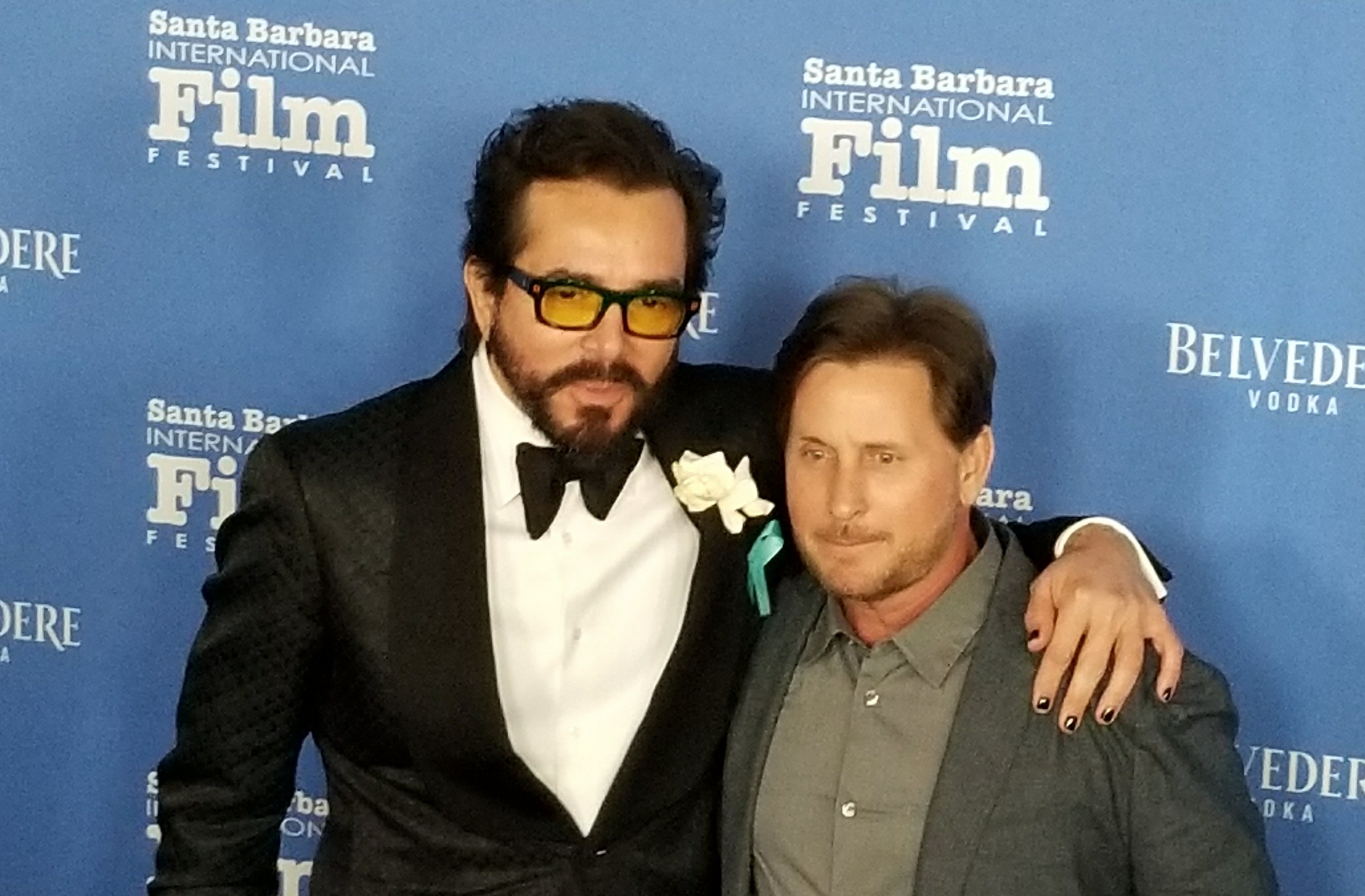
33rd Santa Barbara International Film Festival Opening Night: Emilio Estevez’s ‘the public’

Opening the 33rd Santa Barbara International Film Festival was Emilio Estevez’s new film, ‘the public’ which is set in a library deep in the harsh Midwest winter in the heart of Cincinnati where the local homeless population seeks refuge during the day, stages a sit-in to spend the night after all the local shelters reach their maximum capacity and numerous others had frozen to death.

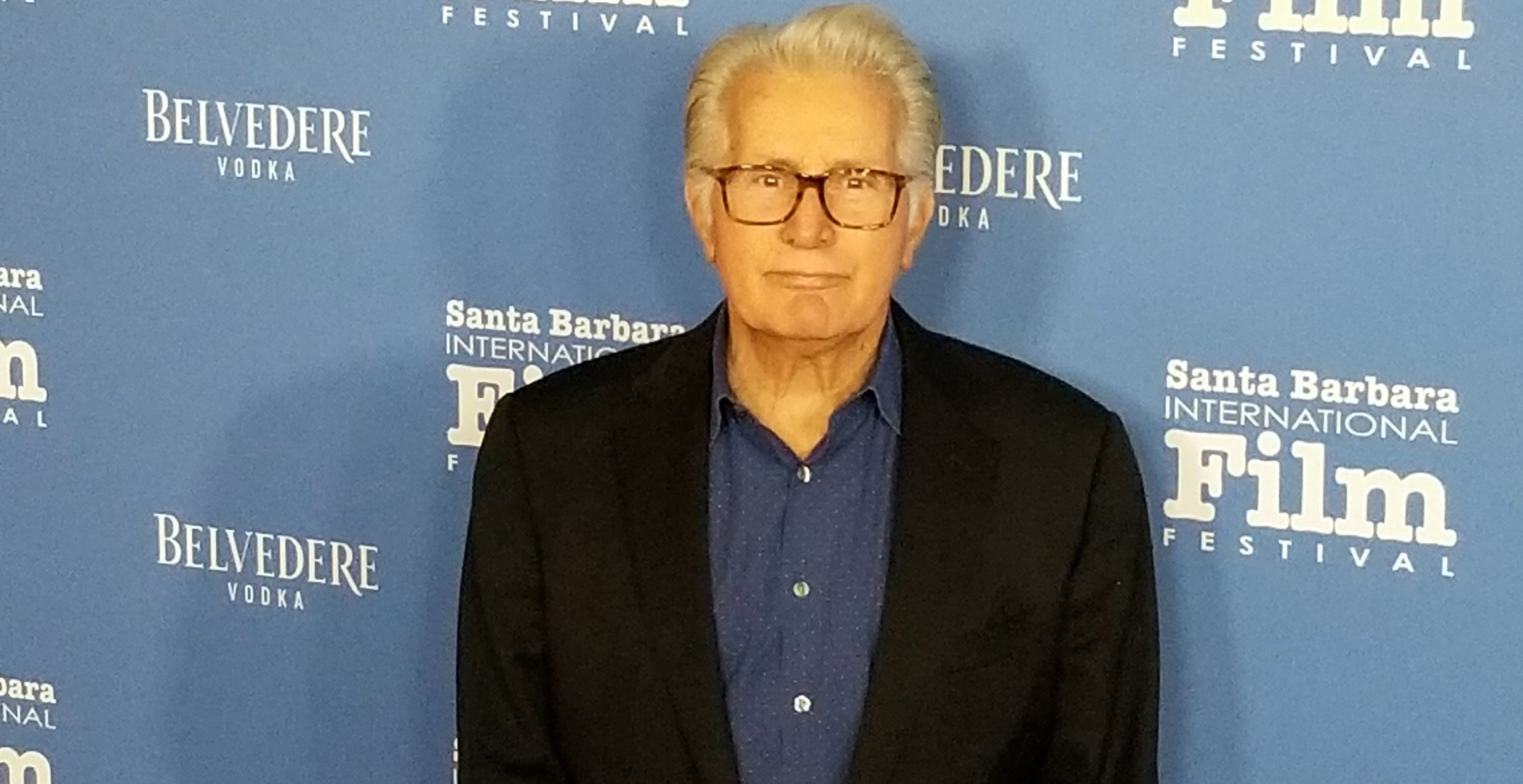
Estevez, Jena Malone, Alec Baldwin, and Michael K. Williams were among the stars of the film that took to the red carpet along with Martin Sheen who did not appear in the film, but was there to show support for his son.

Introducing the film with an elegant and impassioned speech was dashing Executive Director of the festival, Roger Durling, who spoke about the recent catastrophic mudslides that deeply affected the community.

‘the public’ is a gripping, topical film that is a reflection of the many humanitarian crisis in America, and particularly one; the homeless population. The film is incredibly cunning. The focal point isn’t solely aimed at the social and economic injustice of America’s homeless population, but also the opioid epidemic as well as mental illness and how it is currently viewed by the poisonous symbiotic relationship between window dressing politicians and manufactured news and how that information is then fed to the populous of America.

This film is a lot to absorb.

Estevez wrote, produced, directed, and starred in this feature and he assembled a remarkable cast from those who walked the red carpet premiere to those who did not including Jeffery Wright, Gabrielle Union, Christian Slater, and Taylor Schilling in a film that is a subtle recognition of one of Estevez’s most seminal films, John Hughes’ The Breakfast Club.

‘the public’ asks a plethora of serious and substantial questions whilst also pulling a strong emotional response from its audience. It is a great film that not only reflects present day America, but also exposing a problem that no one is seriously addressing in mainstream America.

Satoshi Kon’s Paprika

It’s always fascinating to me how other countries use the animation genre to do much more innovative and imaginative things than the states. Don’t get me wrong, Disney Pixar films and such are brilliant, but the potential in a visually boundless medium like that is somewhat more untapped than those studios realize. Japanese filmmakers, however, have been diving headlong into it for decades now, and Satoshi Kon’s Paprika practically reinvents the genre with it’s extreme brand of surrealistic storytelling and dense, provocative mind games. The film focuses on the R&D of a device called the DC Mini, a dangerous contraption that brings one subconscious mind into another for a dream-melding process that’s supposed to break new frontiers in psychiatry. The technology is soon hijacked by an elusive terrorist though, and used to create all kinds of pseudo-synaptic chaos in which elements from inside the collective unconscious bleed over into the real world and make the line between reality and dreams awful blurry. It’s up to lead scientist Chiba (Megumi Hayashibara), her dream alter ego Paprika, a police detective (Akio Atsua) with his own trippy demons, and the techies at their research firm to stop this dimensional crossover before existence as they know it turns into one big kaleidoscopic nightmare. That’s the over-simplified version though, for director Kon uses the template to go simply wild and ballistic with both the visual and written narrative, for an utterly confusing, hypnotic tapestry of future-shock imagery, primal forces at work and intangible mood-scapes that defy description. Once the dreams invade the conscious plane, a deranged parade of nonsensical beings marches through the film, turning people mad and making the illogical take centre stage, as the film truly manages to capture that ‘other’ set of feelings and impressions we all know of in dreams but can’t quite articulate. It’s one hell of a confusing film though, and multiple viewings are in order before one can unravel every elliptical plot point and reason behind each of the carefully constructed yet audaciously impulsive visuals. Speaking of visuals, rarely has animation been used to this mind blowing extant, a colourful, fierce blast of artistry and storytelling that fires on all cylinders. There’s a disturbing quality to it as well, a subtle doomsday vibe with the subject of technology, the human mind and the unwitting dangers we set loose when we meddle around with forces bigger and badder than us, and as playful as the tone sometimes gets, there’s a cautionary tale hinted at that gives the whole thing a grounded, ‘adult’ feel. Not to mention a haunting, endlessly catchy score by Susumu Hirasawa that adds to the film’s own vibrantly memorable personality. A classic.

-Nate Hill

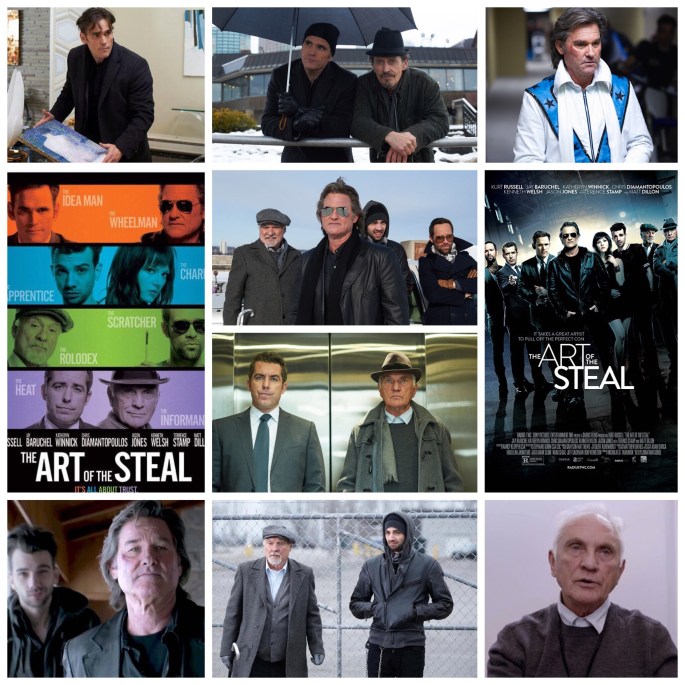
Indie Gems: The Art Of The Steal

I’ve reviewed The Art Of The Steal before, but it constantly kills me how underrated this banging heist comedy is, so here goes again. Imagine a wickedly funny, smartly written all star art thievery caper starring Kurt Russell, Matt Dillon and a host of others at the top of their game and you’ll have some idea. It’s strange that it’s so unheard of with this pedigree of actors involved, but it’s a joint Canadian production so that may have had an effect on marketing, or lack thereof. In any case, it’s the funniest, smartest heist flick since Ocean’s Eleven, and maybe tops it too. Russell is Crunch Calhoun, an Evel Kneval type ruffian who moonlights as a driver for a crew of fine art pilferers he leads. He’s hard up for cash and fresh out of a stretch in polish jail after his brother and second command Nicky (Matt Dillon, sleazy as ever) rats him out as a fall guy. Now back in Canada, he reluctantly agrees to work with brother dearest, as well as his old crew, for one last job, the theft of an obscure gospel manuscript. Their plan involves swerves, dekes, double-crosses, cons, conniving, hysterical fuck ups, roper dopes and double entendres, so much so that one marvels all that’s in this goody bag of a narrative can fit into a ninety minute film, a testament to both editing and direction. Crunch’s crew is is a roll call of varied talent, including twitchy rookie Jay Baruchel, wily old dog Paddy (Kenneth Welsh), Crunch’s sexy wife (Kathryn Winnick) and their flamboyant French forger (Chris Diamantopoulos). The real treat is Terence Stamp as a weary ex thief working with an Interpol snot-rag (Jason Jones) to lift time off his sentence. Stamp doesn’t show up too often in films these days but he’s comic gold here and has a surprisingly touching bit that brings a bit of reverence and gravity to the world of grand-theft-art amidst the mostly madcap tone. It’s sad that films like this don’t get a theatrical run anymore these days, because they end up on Netflix or wherever and the only way they get mass exposure is through word of mouth, chance or crazed cinephiliac zealots like me shamelessly plugging them on blogs. So go fucking watch it..now.

-Nate Hill

Tim Burton’s Sleepy Hollow

Sleepy Hollow

1999.  Directed by Tim Burton.


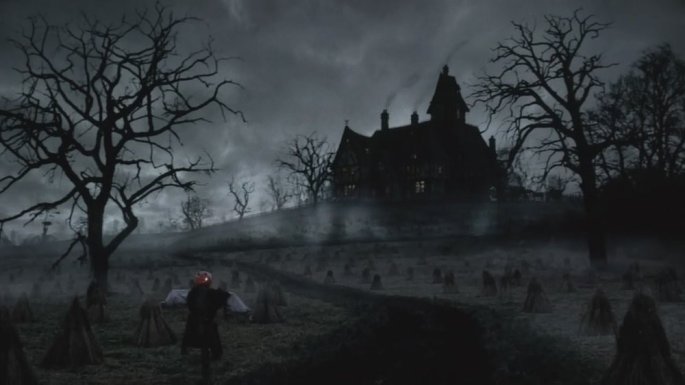
Tim Burton’s Sleepy Hollow takes a loose interpretation of Washington Irving’s classic story and infuses it with poetic Gothic visuals, a fragile Johnny Depp performance, and a heart felt homage to Hammer Film Productions, to create an artistic slasher film that defies genre conventions with its astounding art direction and beautifully captured sequences of operatic violence.

Ichabod Crane is a scientific police investigator who is dispatched to Sleepy Hollow to investigate a series of murders in which the corpses are being found without their heads.  Soon after his arrival, Crane is thrown into the midst of scheming aristocrats, malignant chicanery, a precarious love interest, and the impending arrival of the spectral Headless Horsemen.

Filmed almost entirely on set, Peter Young and Rich Heinrich’s art direction creates the town of Sleepy Hollow from the ground up, with the artificial feeling of the sets enriching the dreamy atmosphere.  The architecture has a Byzantine quality that offsets the colonial designs with a menacing undercurrent.  Young and Heinrich would go on to win the Oscar for their work.  Colleen Atwood’s Oscar nominated costume design takes Victorian tropes and uses a dash of steampunk to reinforce Crane’s outsider status, contrasting his big city cop with the town’s nobility, who cling to anachronistic ideals of pomp and circumstance.


Cinematography icon Emmanuel Lubezski uses a Stygian color palette and soft lighting to both emulate the Hammer Film ambiance and to present Sleepy Hollow as an ethereal revelry.  While the action sequences are violent, even the bloodshed has an art house quality, so much so that the viewer often forgets they’re viewing a horror film, an undeniable byproduct of El Chivo’s Oscar nominated work.  Long time Burton collaborator Danny Elfman scored the film, accentuating the Gothic vibe with droning organs and whimsical vigor.

Johnny Depp gives one of his most understated performances as Crane, the would be hero who is completely out of his element.  He’s supported by Christina Ricci, Jeffrey Jones, Miranda Richardson, Michael Gambon, Christopher Walken, Caspar Van Dien, Richard Griffiths, Michael Gough, Christopher Lee, and Martin Landau.  Yes, you read that right.  Burton assembled a well oiled machine of top shelf talent in which every participant gladly submits to the melodramatic terror with a playful sense of abandon.  While Andrew Walker’s script doesn’t allow much time for attachment, the sheer amount of talent makes each kill scene a story unto itself, with each of the formidable actors having their moment in the fog drenched spotlight.


Available now on Netflix, Sleepy Hollow is vintage Burton and a riotous horror departure.  Using amazing visual flourishes and tight cinematography to frame a well known story in a humorously violent package, this film is a welcome addition to any Halloween viewing list. Using a fable like presentation, replete with witches, demons, and redemption, Sleepy Hollow is a unique exercise in American folklore that delivers is a devilishly good fright film.

Highly Recommend.


download.png