Russell Crowe is Unhinged

The first major theatrical release since theatres have opened coincides with my first movie review in some time (been a stressful few months in many ways) and it happens to be Unhinged, a brutal, fucked up road rage thriller starring Russell Crowe emulating a pissed off pufferfish who’s had enough and is not gonna take it anymore. That doesn’t even begin to cover the heinous, psychopathic atrocities this dude inflicts on an already stressed out family in this cheerfully deplorable, extremely disturbing yet somehow sheepishly enjoyable B-grade thriller that plays like Falling Down by way of The Hitcher with a dash of Cape Fear (Crowe sports a southern dandy drawl that wavers hilariously yet is nonetheless reminiscent of Robert DeNiro’s Max Cady, except this dude makes Cady look like a kindergarten teacher). Crowe’s character here, credited as simply ‘The Man’, is an irredeemable monster from the very opening scene of the film, where he viciously slaughters his ex wife and some dude she’s with, then burns the house down around them, disappearing into the night in his big loud pickup, only to resurface the next day to make life hell for a single mother (Caren Pistorius) and her kid (Gabriel Bateman). All it takes is one aggressive honk from her and the last straw of his sanity snaps, his mission now to teach her exactly ‘what a bad day is’ and go to some very shocking lengths to do so. The opening credits adeptly show what an arbitrary downward spiral road rage can be as various newscasters and radio personalities lament the morning crawl with snippets that escalate from “gonna need that second cup of coffee” to “Oh my god!!” as barbaric (and very real) newsreel footage of actual incidents ratchets up the unease. The thing is, Crowe’s character is already long gone down a rabbit of rage, prescription meds and mental illness when we meet him and he only gets worse. As a frequent flyer on the Oscar bait express I admire his courage in taking the kind of terrifying, knowingly sadistic antagonist that we’d usually see the likes of Ray Liotta in. He’s beefed out, bulked up, constantly sweating, sneering, scowling, capable of shocking violence at the drop of a hat and utterly.. well, fucking unhinged. He makes the character work without much backstory or rhetoric, simply by being a bulldog off the chain causing chaos wherever he goes and since the guy even admits he’s got nothing to love for and he’s welcome suicide by cops, there’s literally no depths of violence he won’t sink to, which is quite an energy to sit with for an hour and a half. The film itself? Not gonna lie, it’s an unpleasant, nerve wracking, gratuitous, distressing, unrelentingly gruesome slice of mean spirited trash, and I’m not sure it’s the film we need at this juncture of a year already filled with suffering thus far. However, I’d be lying if I said I wasn’t on the absolute edge of my seat for most of the tight 90 minute runtime, and I gotta say this thing really works as a thriller, with Crowe being the key element. It’s noisy, immersive, scary as fuck, unforgivingly dour, excellently paced and excitingly edited, and I’m glad I got to see it on the big screen. Just don’t go for it if you’re in a bleak headspace already, because it’s quite the dose of pain.

-Nate Hill
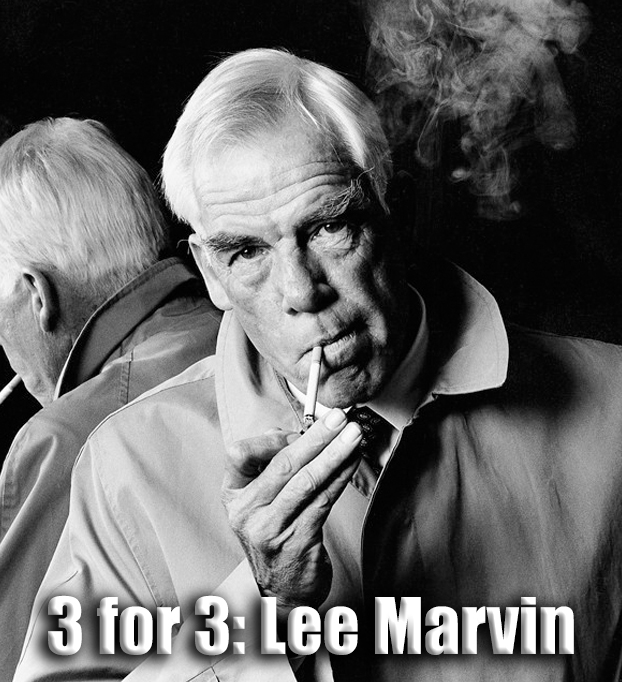
Podcast: Lee Marvin 3 for 3.

Tim Burton Press Conference

Lee Marvin is the topic of discussion for this installment of 3 for 3 with Frank Mengarelli, Tom Zielinski, and Mac McSharry. Marvin was well known for his early collaborations with John Ford, his steely persona in POINT BLANK, THE DIRTY DOZEN, and DELTA FORCE. For all things Lee Marvin, author and film historian Dwayne Epstein’s biography, LEE MARVIN: POINT BLANK is available on Amazon.

Actor’s Spotlight with Joshua Burge, Vol. I

JB Splash

We’re pleased to bring you the first volume of our chat with the remarkable actor Joshua Burge. Josh dives deep in the first installment of our extensive interview, talking about his beginnings as an actor, to his relationship with filmmaker and friend Joel Potrykus and working on BUZZARD to being cast in THE REVENANT. More to come in our second installment! You can currently see Josh in THE CURRENT OCCUPANT which is now streaming exclusively on Hulu.

Kentucky’s Ed Wood: William Girdler and the Asylum of Satan

It’ll just be a matter of time before William Girdler has his own reconsideration — or reckoning, if you will — in the history of cinema. If the blood feaster, Herschell Gordon Lewis, can get a section on the Criterion Channel, then look for Girdler’s one day. He was a prolific, guerrilla-filmmaking veteran of war who set out to start his own film production company with his brother-in-law, ended up in Hollywood making what is maybe the most successful Jaws ripoff to date, and over a six year period, directed nine features and wrote six, only to die a martyr at the hands of the cinema itself in a helicopter wreck in the Philippines as he was location scouting for his next film. As he fostered his obsession, he found his place, working with the likes of Tony Curtis, Leslie Nielsen, and Pam Grier. To this day he’s relatively unknown, generally under-appreciated by the late-night TV horror crowd, and yet persists as an underground, underdog hero, especially in the state from which he hailed, Kentucky.

Screen Shot 2020-07-24 at 10.29.36 AM
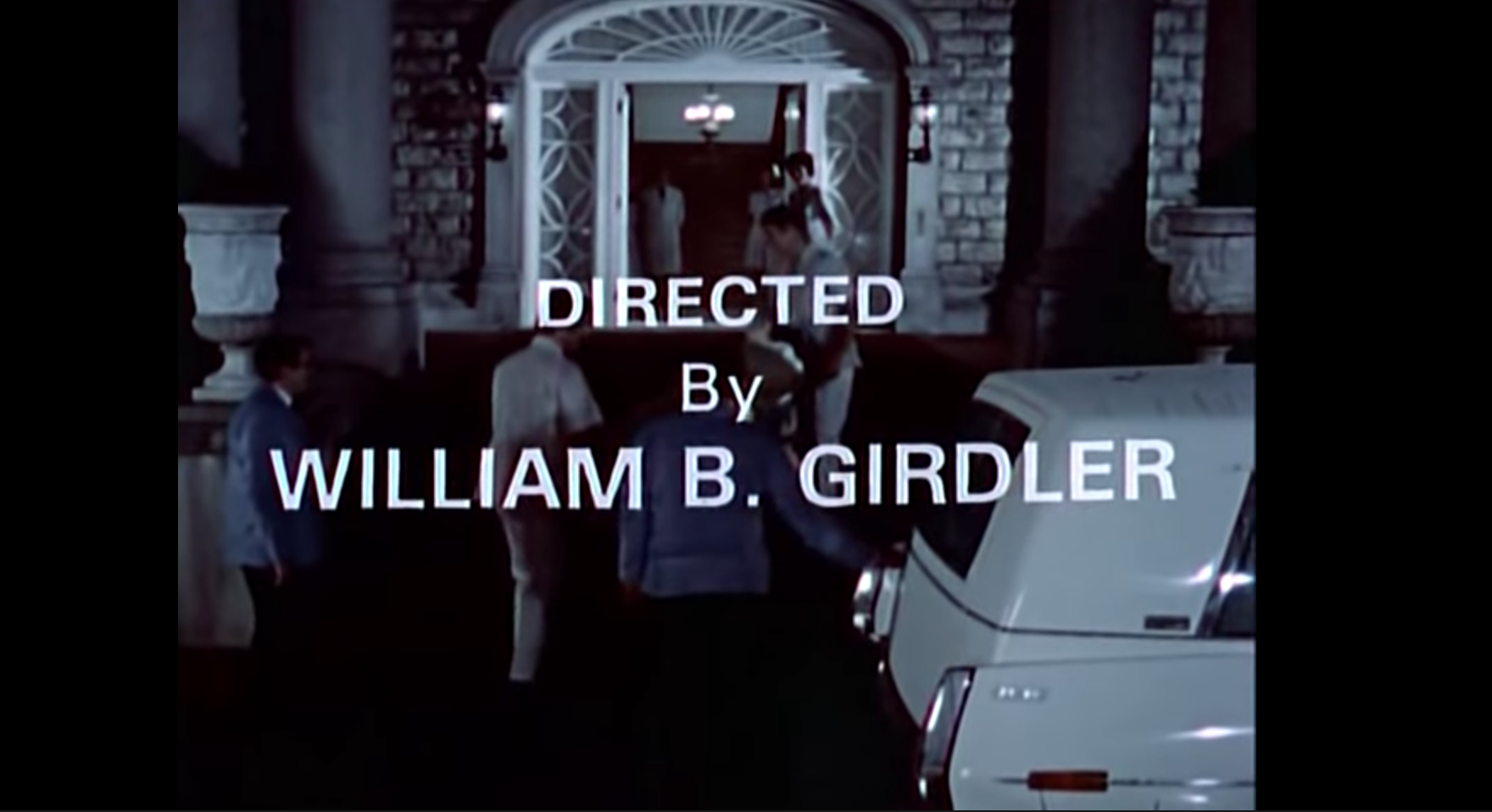
Exteriors of the asylum in the film were shot at a mansion in Glenview, while the interiors were shot in a warehouse off the Ohio River.

And a quick personal note: Perhaps I’m biased on the Bill Girdler front, given so many of my two-to-three degrees of connection to the filmmaker’s history. As a former manager who programmed midnight features at a local theater in the very town Girdler was from, I was bound to connect to a few folks who consider themselves experts on the local low-budget midnight grindhouse king of Louisville, so I’ve heard his name for years from folks who really do know a lot about the matter. My many thanks to my own personal Girdler aficionados, and former theater managers themselves, Dave Conover and Beau Kaelin, for finally making me sit down to watch his first film.

And who would’ve guessed it, Asylum of Satan might just be as definitively Louisville as it gets — and not just because Louisville around this time of year is a real-life asylum for Satan, being wedged right in the center of the hot, humid Ohio Valley — but rather the “relatively small potatoes, with a big heart, and lots of charm” appeal oozes the same charisma as the city itself. (And, hey, you want a little tour of the 1971-set cityscape? Check out all the scenes of TV-commercial-extraordinaire-turned-leading-man Nick Jolley driving Girdler’s cute, tacky, yellow 914 Porsche around town!)

Screen Shot 2020-07-24 at 10.31.18 AM
Nick Jolley, one-time leading man, driving past the Big Four Bridge, which connects Louisville to Jeffersonville, Indiana over the Ohio.

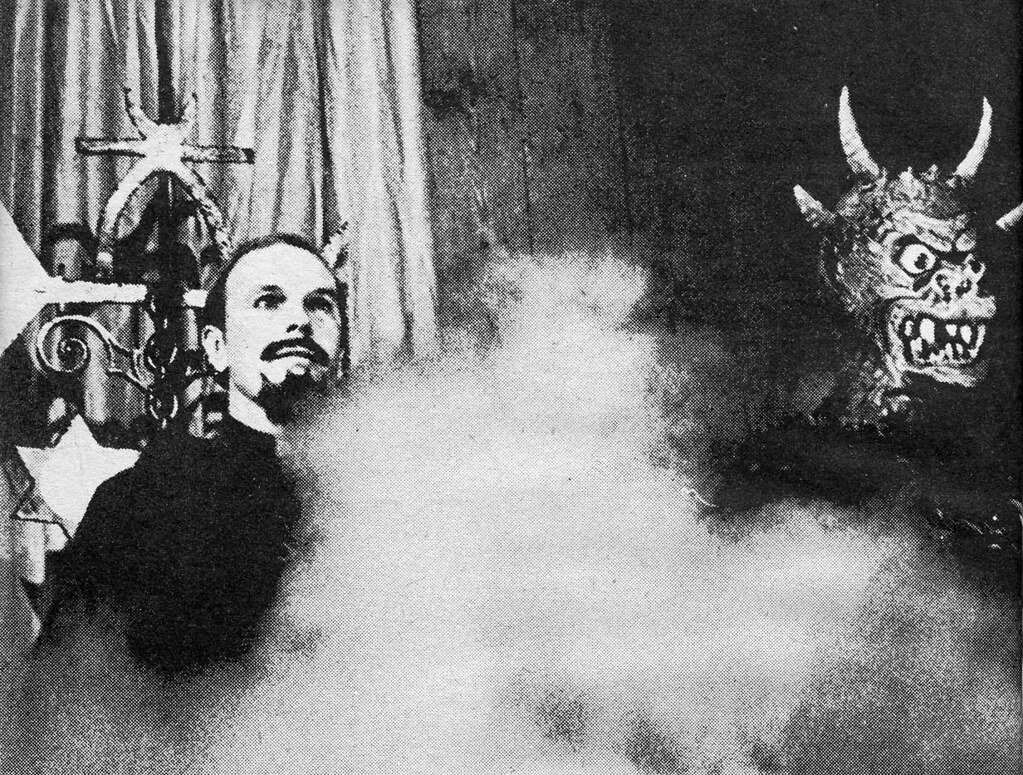
Asylum of Satan is indeed, just as the title suggests, an asylum horror flick; perhaps akin to the Amicus-produced Asylum from the same year, but less anthology-based, it feels more like Shock Corridor meets Rosemary’s Baby. Simple in premise, dirt cheap in budget, but surprisingly effective with certain scare tactics and wholesome in its cheese. The gorgeous Carla Borelli is our entrapped damsel, the victim of a Satanic conspiracy (supervised on set by the Church of Satan itself, who sent an advisor to serve for Girdler on the set) which is headed by the evil Dr. Specter, a hilariously goatee’d Charles Kissinger, a regular for Bill (and Louisville’s own years-long Fright Night host, the Fearmonger, on our local FOX-affiliate, WDRB), who comes across as a deliciously villainous, Rust Belted version of Hammer-era Peter Cushing or Christopher Lee, willing to do ham only with the utmost class and style… and not afraid of a little Hitchcockian cross-dressing either! It’s ultimately up to our leading lady’s boyfriend, who doesn’t exactly ooze protagonistic sex appeal, to annoy the police into searching the asylum in which she’s trapped — ultimately revealing the asylum’s direct connection to Satan himself.

of

Don’t get it wrong — this is cheap, low-grade, and was meant to be made for money (but don’t call it bad!) At one time or another, it was probably a heart-stopping name to speak around a wealthy Louisville investor, causing Vietnam-like flashbacks of money wasted. As one of the film’s investors noted in the Courier Journal in 1975, “[The film] was a training ground, and we paid the price.” The investors did eventually gain the rights to the film after it bombed, and after Girdler signed the rights away, so they could make their money back. (Today, it’s hardly available on DVD and is free on YouTube… great work, guys!)

A fantastic interview with Don Wrege, the then-17-year-old kid who served as the set’s clapperboard operator, reveals Girdler as a businessman first, filmmaker second. He was interested in making money and films, in just that order. It’s an assertion that ties Girdler directly to the genre’s other great “businessified” passion directors — think of the infamously budgeted Ed Wood, or the gimmick-master, ticket selling guru, William Castle — and there’s truly a great charm in that, ultimately revealed in the oddly oxymoronic, haphazard dedication on display, which grew that retrospective legend I’ve come to respect.

IMG_4355
Billy Reed, the legendary sports writer who covered Ali’s fights, the Kentucky Derby, and the World Series, apparently pulled the short straw at the office on this day.

When the film premiered worldwide at the now-closed, sadly vacant Vogue Theater in St. Matthews, my city-within-the-city (the Vogue is right around the corner from my old house, the school at which I teach is right down the street), Billy Reed wrote that the actors wore tuxedos as if they were in Hollywood and “it was not Graumann’s Chinese, but it was a worthy try.” That seems to tap directly into the soul of the movie. Amidst the mix of occasionally phony, occasionally effective horror, lined along all the fake water snakes and crawling bugs and devil make-up falsely purported to have been stolen from the set of Rosemary’s Baby, there really is heart. And there’s merit. And there’s love.

And that’s clearly the Girdler touch.


Tyler Harris is a film critic, English teacher, and former theater manager from Louisville, Kentucky. His passionate love for cinema keeps him in tune with his writing.

Simon Wincer’s The Phantom

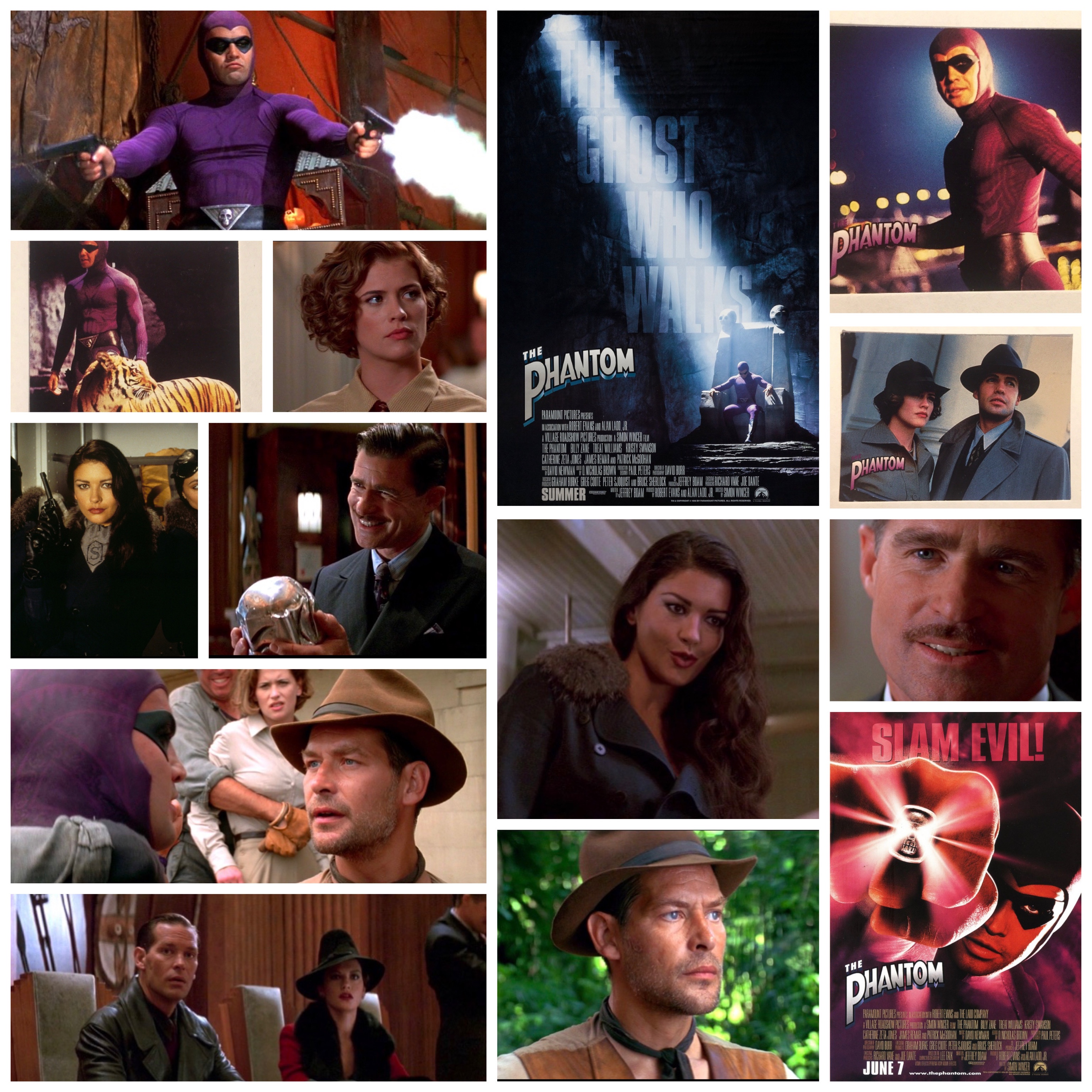
I love big, bold, colourful feature film updates of vintage 1930’s pulp comic books or radio plays and Simon Wincer’s The Phantom is just an absolute blast of escapism that’ll put a smile on your face no matter what. These days Billy Zane has become kind of a forgotten comedic totem but people forget what genuine charisma and star power he once had, and he rocks it here as Kit Walker aka The Phantom, a jungle born superhero descended from a long line of Phantoms before him, thus creating the reputation of being immortal, at least in his enemy’s eyes. Clad in a swanky purple suit with dual colt pistols and joined by a horse and a trusty wolf named ‘Devil’ at his side, he’s probably one of the most aesthetic superheroes I’ve ever seen in a film and I wish this led to sequels. Here he must protect three sacred skulls with supernatural power from power mad, psychopathic NYC tycoon Xander Drax (Treat Williams), fighting side by side with intrepid reporter Diana Palmer (Kristy Swanson) through a series of exciting adventure set pieces in incredibly exotic, gorgeous locations around the world. Zane is terrific and gives The Phantom just the right mixture of cavalier attitude, genuine empathy and swashbuckling magnetism, plus he rocks that suit solidly, which given this suit, not all actors could do and be taken seriously at it. Williams is a hammy hoot as Drax but his thunder is ever so slightly stolen by two terrific secondary villains: James Remar as Quill, a sort of evil doppelgänger version of Indiana Jones and Catherine Zeta Jones as Sala, an impossibly bad tempered femme fatale who has the hots for the Phantom and goes through a hilariously conflicted meltdown mid-film. The supporting roster is excellent and includes Bill Smitrovitch, Cary Hiroyuki-Tagawa, Leon Russom, Jon Tenney, David Proval, John Capodice and the great Patrick McGoohan as the ghost of Phantom’s father who appears to him as voice of counsel and occasionally wingman. I thought this was just a brilliant good time, a solid, beautifully retro old school adventure flick and I was disappointed to read that it was a box office flop. It’s like the Lone Rangers, the Indiana Joenses, The Rocketeers, the Sky Captains, just this rollicking old world American pulp hero aesthetic that translates so well into action adventure in cinema. Oh and watch for a sly reference to William Friedkin’s Sorcerer. Great film.

-Nate Hill

Bo Welch’s The Cat In The Hat

The Cat In The Hat is one of those movies that probably shouldn’t have been made, but it did get made and, well, it just kind of sits there nursing incisively negative reviews, nonexistent box office attention and quietly fading into obscurity. The problem is simply that Dr. Seuss’s material is so singularly, specifically eccentric that any attempts to adapt it into a faithful and successful film fail by default, like trying to accurately describe a dream in non-abstract terms hours after you’ve woken from it. The vernacular, the drawings, the poetry, it’s just not made for cinema other than the incredibly literal animated shorts they did narrated by Boris Karloff (The Grinch has one that imparted eons more in like ten minutes than the feature length Jim Carrey version could). It’s like your Roald Dahls, your Maurice Sendaks, your E.B. Whites etc.. Big Hollywood can just never seem to nail the transition. Mike Meyers hasn’t had the best luck in character work outside Austin Powers and Wayne’s World and unfortunately he strikes out here, mugging, contorting, quipping, creeping, crawling as the famed feline home invader, to little effect. The fleeting, surreal whimsy of Seuss’s book is lost on a Fisher Price phantasmagoria of admittedly elaborate and impressive yet ultimately hollow and cornea splitting production design. Dakota Fanning and Spencer Breslin try their best as the two kids but just kind of come across as awkward in a story that’s reduced from a quick, lighthearted parable into a cacophonous jumble of hijinks that posses neither rhyme nor reason, dual qualities that were abundant in Seuss’s volumes. Alec Baldwin is there for some reason, debasing himself as an oafish slob. I’m only really reviewing this for Kelly Preston and she’s lovely as the kid’s mom, but not in it nearly enough and forced to share most of her scenes with the tone deaf, excruciating Sean Hayes. I don’t want to shred Dr. Seuss Hollywood adaptations too viciously because they don’t all miss the mark completely (check out The Lorax for one that’s actually half decent) but the magic from his books will never be recreated onscreen, it’s just not a tangible, realistic alchemy. And I gotta say, this one has to be bottom of the barrel in terms of them all, it’s an embarrassment to the book.

-Nate Hill
Kevin McDonald’s How I Live Now

It still amazes me that Kevin McDonald’s How I Live Now didn’t endure to become a more widely known or appreciated film, because it’s one of my favourites and in my mind one of the strongest, most affecting pieces of work in recent decades. I guess it kind of comes across as this Young Adult Book adaptation if you check out the cover and trailer but the film therein is extremely honest, disarmingly disturbing and very, very brutally frank about how widespread disaster may hit any region and those who live within it. It’s not without poetry, authentic romance, beauty or hope though and there’s this beautiful, life affirming balance between light and dark that makes for the perfect mixture.

The always exceptional Saoirse Ronan stars as Daisy, an American girl who suffers from severe anxiety and feelings of alienation, sent overseas to rural UK to live with an aunt and a whole pile of cousins she’s never even met. Slowly, bit by bit she comes out of her shell and warms up to this family, especially local boy Eddie (George MacKay) who she begins to fall in love with. Gradually the place she’s in and the people she’s with start to feel like home… until something unspeakable happens. Hundreds of miles away in London, a nuclear bomb goes off, cataclysm sets in and oppressive foreign forces slowly invade across the land. Her Aunt is gone doing humanitarian crisis work and so herself and Eddie, the closest thing the family has to leaders, must embark on a cross country odyssey fraught with dread, misery, peril and bleakness everywhere they turn.

This film hits me hard because of how real the danger and horrific aspects feel, how potent and believable the acting and relationships are and how brisk yet dense, heavy yet wistful and dark yet light the story ultimately feels. This is not a children’s film and it is most definitely *not* one geared solely towards teenagers either, there’s scenes of abject horror (it’s got an R rating that it more than earns), children thrown into impossibly complex and harrowing situations beyond their comprehension and is steeped in the harsh reality that in life things can go horribly wrong and if you find something anywhere near a happy ending you’re incredibly lucky rather than owed one by a pandering narrative. Ronan and MacKay are incredibly heartfelt and genuine, their romance and resilience anchoring the whole family as well as the film. Few films with children and young adults in the forefront have the bravery and honesty to show that the world can be just as harsh to them as to any adult protagonist, and show in the same token how said youngsters can have a tremendous amount of survivalism, intuition, spirit and courage to overcome adversity and do the best in an unforgiving world. This film is light and dark to me; the womb-like, sun dappled meadows and rivers of the English countryside where these children play and begin to grow up and then the blackened, nuclear poisoned land they venture out into and must find their way back to the light from. Light and dark. The blossoming romance between Daisy and Eddie, a force of great light in the face of encroaching evil and callous destruction approaching them, and the decision to use that love as a weapon in order to get them through, no matter how it might change either of them. In this film, the light wins and I watch it whenever I need a reminder of that. Masterpiece.

-Nate Hill

Composer’s Corner: Nate’s Top Ten Film Scores by Ennio Morricone

I don’t know what I can say about Ennio Morricone that the maestro hasn’t already said with his unique, extraordinary and altogether legendary career in music composition, direction and innovation. He’s likely in my top five film composers of all time and the tactile, eccentric, melodious, often experimental and unmistakably singular presence he brought to the industry will never be forgotten. Ennio has passed this month but his work will live on immortal, and here are my personal top ten musical scores he crafted:

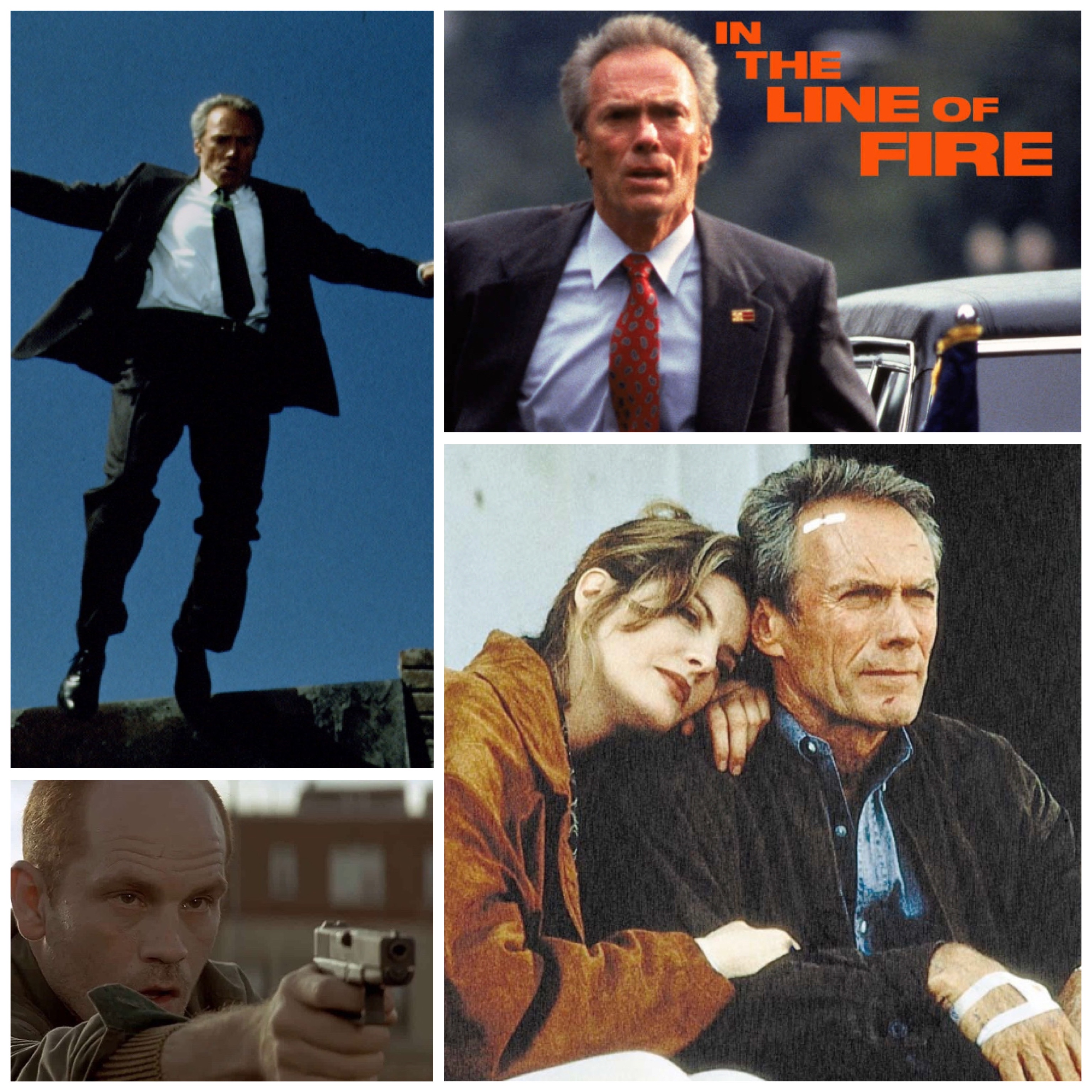
10. Wolfgang Petersen’s In The Line Of Fire

Tension and suspense are what this terrific assassination thriller is all about, and Ennio rises to the occasion for a nerve jangling yet quite beautiful piece of work. Favourite track: ‘Taking the bullet’, a propulsive entry that highlights secret service Frank Horrigan (Clint Eastwood) and the penultimate beat of his character arc.

9. Phil Joanou’s State Of Grace

This gritty neo noir sees Irish mobsters clashing in 1990’s New York City and Morricone perfectly captures the moody, smoky street aesthetic while still heavily maintaining his melodic tendencies. Favourite track: Hell’s Kitchen, a mournful urban lullaby that highlights character and setting wonderfully.

8. Sergio Leone’s For A Few Dollars More

The holy trinity of spaghetti westerns sees Ennio pack this middle chapter with iconic passages of his gorgeously eccentric, trademark composition. Favourite track: the main title, which makes full use of boings and twangs while that trademark whistle carries on in harmony.

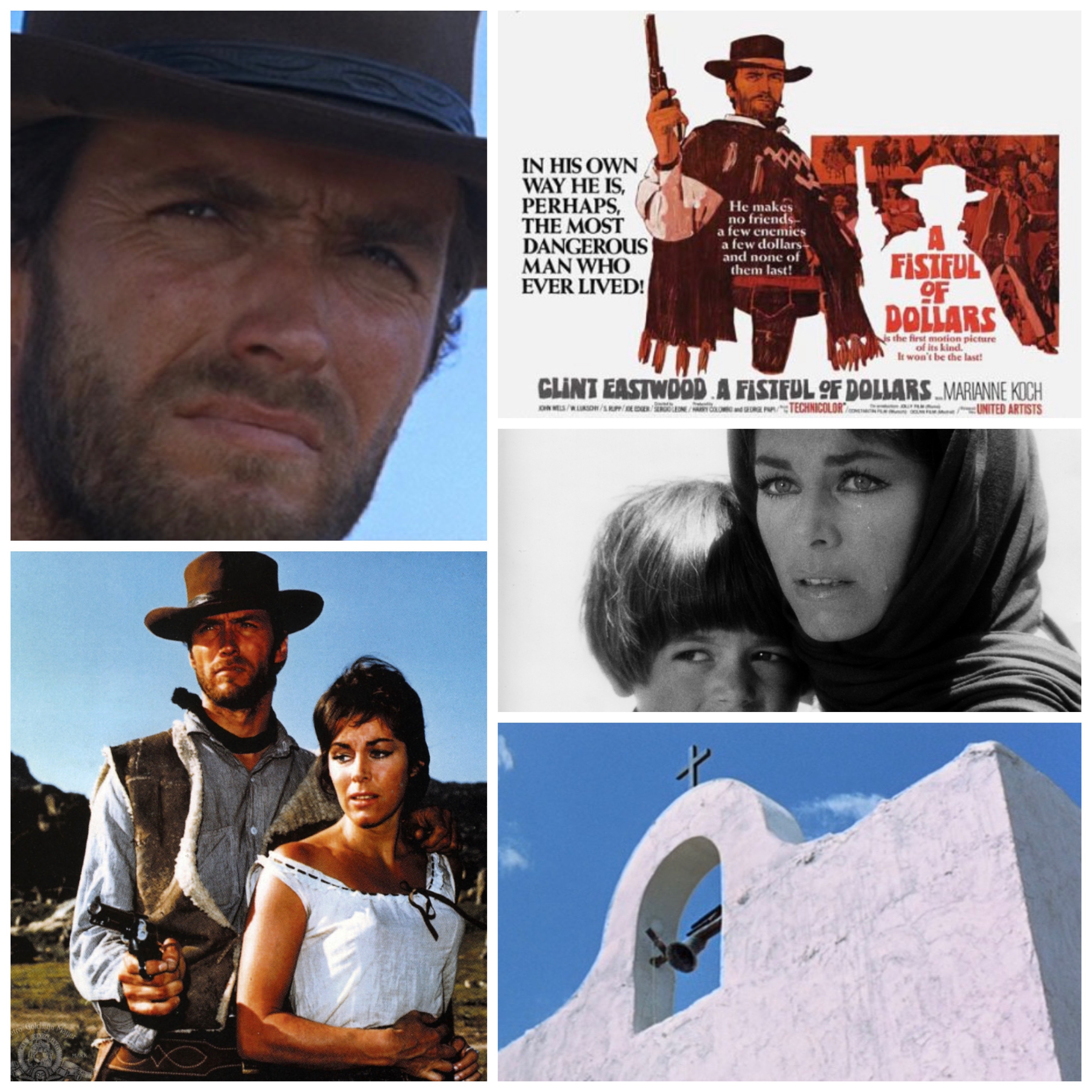
7. Sergio Leone’s A Fistful Of Dollars

The opener and introduction to Clint Eastwood’s legendary Man With No Name, with some of the Maestro’s most recognizable work. Favourite track: Finali, with fluttery flutes and whip cracks to prove once again that our man could sample any sound under the sun and integrate it seamlessly into his work.

6. Roland Joffé’s The Mission

A period piece sees Spanish priests protecting an indigenous village from Portuguese tyranny and Ennio composed an utterly holy piece of orchestral bliss that at times sounds like an angel’s choir and soars on high. Favourite track: ‘On Earth as it is in Heaven’, one of the most moving pieces he’s ever done.

5. Sergio Corbucci’s Navajo Joe

I’ll be honest I only watched this film once and it’s a decent if severely brutal and scrappy Burt Reynolds spaghetti vehicle. The main reason I’ve included it here is because Quentin Tarantino samples much of Ennio’s work on it for Kill Bill Volume 2, which to me is an iconic film. It’s epic, bold, bleeding heart melodrama put to music. Favourite track: The Confrontation, a war cry of a finale piece that plays during crucial scenes of both Joe and Bill.

4. Sergio Leone’s The Good, The Bad & The Ugly

The big daddy of the Man With No Name trilogy and some of Morricone’s most prolific, well recognized work. Favourite track: The Ecstasy Of Gold, a lilting, airy composition that accents landscape and character awesomely.

3. John Carpenter’s The Thing

He goes frozen, paranoid, lonely and sketched out for this low key yet deeply unnerving piece. It’s like No Frills Ennio in the best way possible, a somewhat counterintuitive undertaking based on what he was known for, but one of the most effective, chilling horror film scores ever crafted. Favourite track: Humanity Part 2, a driving, propulsive examination of the inevitably creeping horror making itself known in the story.

2. Sergio Leone’s Once Upon A Time In The West

This western epic has some of his most achingly beautiful work ever, from the melancholy main theme to the eerie Harmonica strains to the booming, impossibly epic final showdown. Favourite track: Farewell To Cheyanne, a resolute, hauntingly downbeat exodus piece for Jason Robards’s character that meanders along beautifully and always sticks in my memory when I revisit the film, which is oh so often.

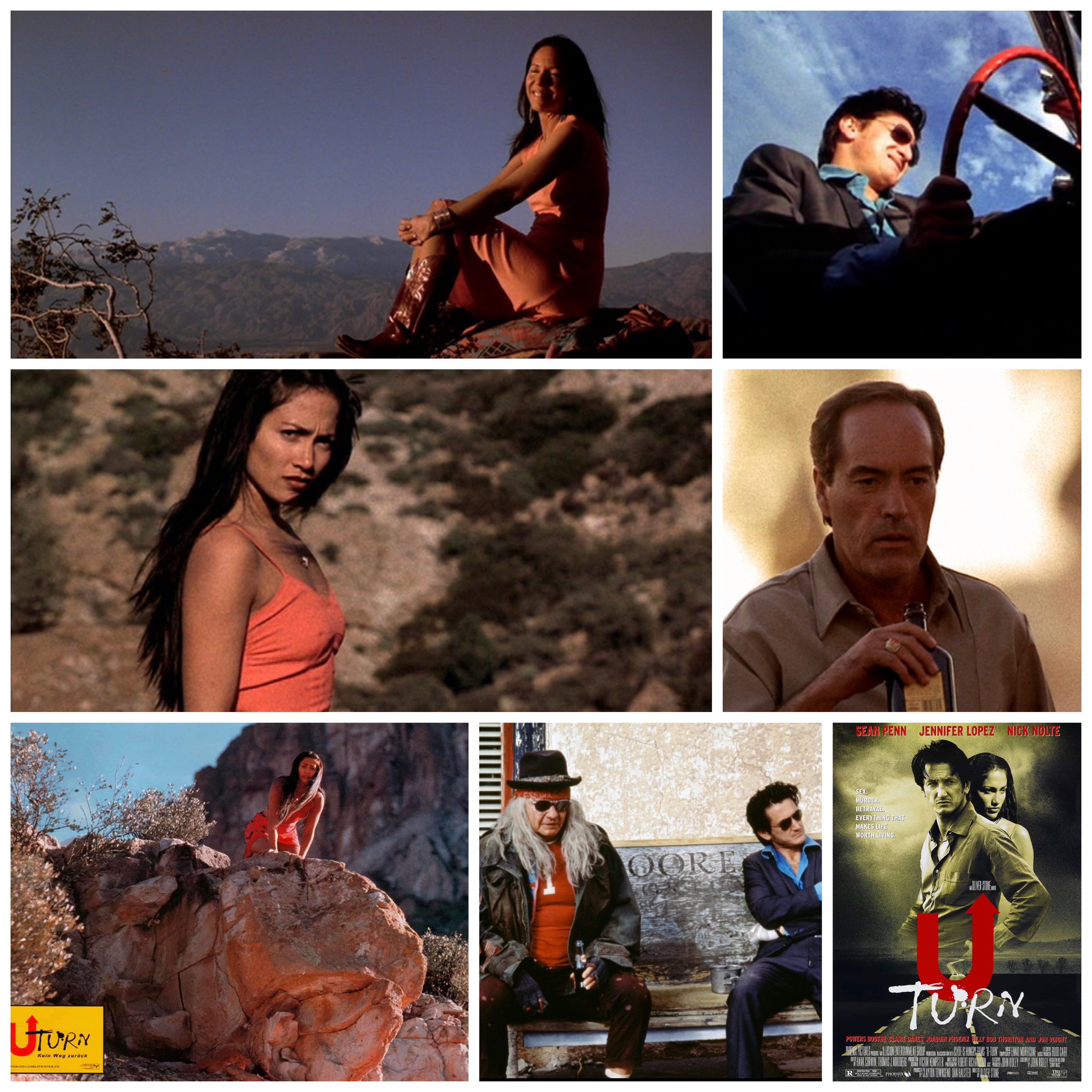
1. Oliver Stone’s U Turn

I know, I know, what a choice for number one. This film means a lot to me though, it’s incredibly underrated as a breathtaking piece of avant-garde, cheerfully fatalistic noir nihilism. A sunny Arizona set neo-noir with heaps of both black comedy and deeply buried tragic pathos seems like a tall order for any composer, but Ennio could quite literally rise to any challenge. Portions of his work here are bonkers, playful, full of hyperactive zips, zooms, boings and twangs and later he brings a haunting, echoey resonance to the storied Arizona landscape and suggests layers beneath the initial set up that turn the film from surface level nihilism into something more deep, profound and thoughtful. It’s ironic that this is my favourite work he’s done because you can’t find this anywhere unless you watch the film, and I *literally* mean anywhere. YouTube, iTunes, Spotify, nada man, it’s like the ghost score that everyone forgot. Check the film out though because his work is beyond beautiful here and brings me to tears every time I view Stone’s unheralded masterpiece. Favourite track: ‘Grace’, an evocative, quietly unsettling yet gorgeous piece that echoes off the canyon walls and provides so much atmosphere you feel like you’re right there.

-Nate Hill

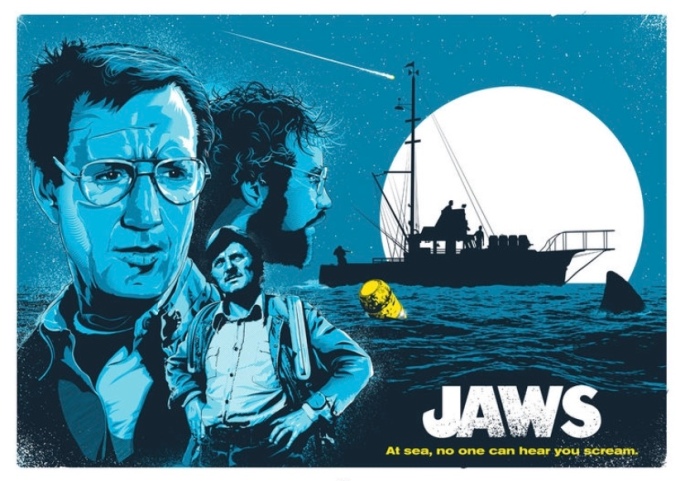
Steven Spielberg’s Jaws

Steven Spielberg’s Jaws was my first theatrical viewing in a while this past weekend and damn it’s great to be back in the cinema!!What impressed me most about the film (and trust me, there wasn’t a second I *wasnt* impressed) is that despite a generous two hour runtime and a steady, slow build to the bulk of the action/horror there’s never a moment that doesn’t feel taut, efficient and streamlined, even in scenes meant only to build character. The east coast town of Amity feels cozy, lived in and primed for summer as the film starts off, elegiac and wistful in that small town way that Spielberg seems to be so specific at nailing. The rest and relaxation is of course literally cut short by the arrival of a nasty great white shark with notions on gustation rather than relaxation for the duration of it’s summer, which it plans to spend devouring anyone who wades out too far from the shoreline and spewing their mangled remains all over the Cape Cod Coast. The holy trinity of shark hunting badasses slowly comes together in the form of jumpy local police chief Brody (Roy Scheider), wiry marine biologist Hooper and crusty old sea captain Quint (Robert Shaw). The film feels so damn organic from scene to scene, and the multiple nail biting shark attack sequences are laced together with genuinely touching moments of family life, charmingly benign comic relief and swashbuckling bravery in the face of both menace from the Great White and ineptitude from the dumb-tit town mayor (Murray Hamilton) and his increasingly ludicrous wardrobe. John Williams’s iconic score does it’s creepy, crawly trademark thing but also gets really classically orchestral in other sweeping vista scenes and even hits some delightfully quirky notes later on. The shark effects are never anything short of breathtaking from POV to real life footage to animatronic and whatever else Spielberg employed, I believed that thing was there for real. The three main performances are excellent with Shaw stealing the show as he often did in a playful, cantankerous and eventually quite touching portrayal of the ‘mad seaman hunter’ archetype. I especially loved a monologue he delivered with uncanny charisma about his character being aboard the ill fated USS Indianapolis back in the war, it’s a sobering (literally) piece of dialogue that simultaneously develops all three characters as one talks and two listen, strengthens their bond right before throwing them into dangerous waters and is my favourite scene of the film. I can’t think of much wrong with this picture, it’s one hundred percent effective summer blockbuster action/horror/adventure entertainment and I can see why it has become a solid gold classic. Excellent film.

-Nate Hill

The most excellent tragedy of ROUTINES by Kent Hill

MV5BZDBmNDk2Y2QtMTAzMS00ZTkzLTljMmYtMmNlZDNjZjRlZjhlXkEyXkFqcGdeQXVyNzI1MTQ1MQ@@._V1_SY1000_SX675_AL_

It I believe is the low sinking fear that dwells in the pit of a comedian’s stomach, to die out there in the spotlight, to have each and every gag bring as much of a chuckle as the idea of an infant being suffocated by its own psychotic Mother. Like a potato in a hat, it doesn’t sit well with anyone but, there are those with something to say…whose audience just hasn’t been born yet.

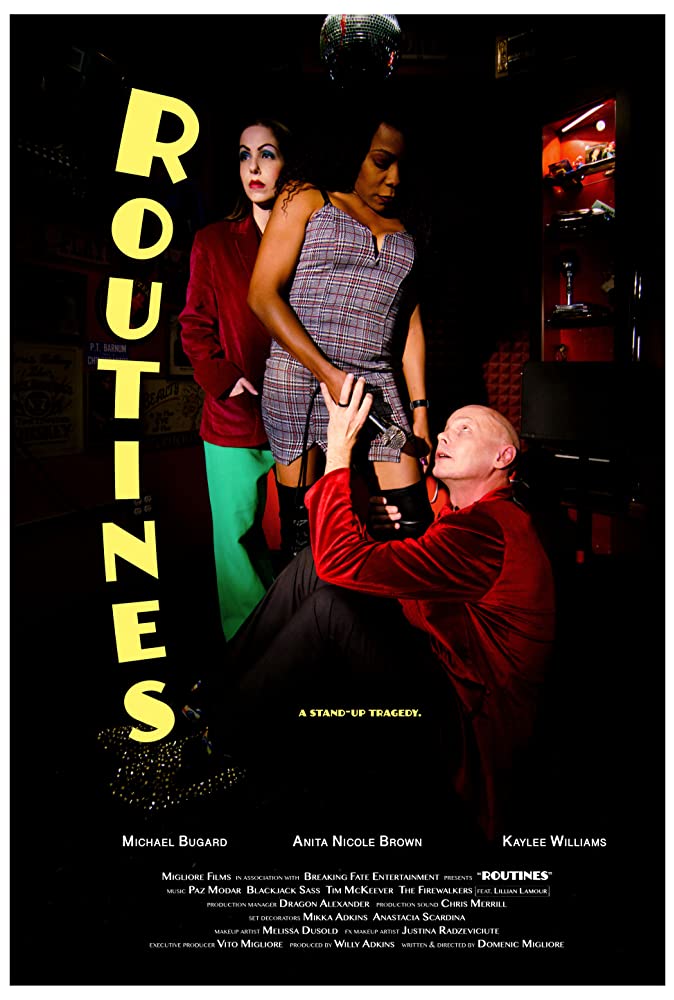
So Domenic Migliore brings us his feature debut,ROUTINES, the story of the fall and fall of Bruce Mann (Michael Bugard), a solitary, tragic figure that uses his stage to scream a little…though it often falls on deaf ears. His spartan existence is then rejuvenated by the arrival of Darling Wednesday (Anita Nicole Brown). She becomes his muse, a vital spark, the link to life and love… stopping his slow spiral into the abyss.  Theirs is a star-crossed lover’s tale with a moment of finality like you have never seen. And, though it is the catalyst that sees Bruce resume is quest toward self-destruction, it is the Eden he goes to at his hour of grace.

MV5BNzM5YzMyMTUtYzJmYS00OGRjLThkYzMtNGIzYmExMjBkODY3XkEyXkFqcGdeQXVyNzI1MTQ1MQ@@._V1_SY1000_CR006741000_AL_

ROUTINES is a difficult film to write about. Not because of the film itself, but to talk about it in detail is to truly soil the experience of watching it unfold. Migilore exhibits his love of masters of Italian cinema alongside a strong Jarmusch infusion that plays in the smoky background like a jazz man high on the music. It is an immersive and emotional film, chronicling the slow internal decent of its front man, as he fights time with passive resistance against a slick and speedy modern world with which he has no connection.

Routines

Some of this might read like a bummer man…but it ain’t. While ROUTINES isn’t a date movie or something you should watch while operating heavy machinery, it has a handcrafted feel, a quiet and beautiful melancholy. It is cinema as art, and just like Coppola said at the end of Hearts of Darkness: A Filmmaker’s Apocalypse; (and I’m paraphrasing here) it was his hope that one day some little girl on a farm in Kanas would make a film with her father’s little 8mm camcorder and become the next Mozart, and that the professionalism of film would disappear…and it would really become an art form.

thumbnail_1591763123308blob-1024x575

That is finally, how I feel about ROUTINES. A modern take on comedic tragedy stretched over a spare yet poignant canvas. It is possible to laugh one’s self to tears, but there are those who can meet with triumph and disaster, and who treat those two imposters just the same. ROUTINES carries these elements, and it is my profound hope that you will eventually have you chance to check it out.

Till that day comes, we have for you now the writer/director and his two accomplished leads for you listening pleasure…

MICHAEL BUGARD

102312591_2365388147093569_7762350771051880420_n

Michael attended university and studied philosophy and film theory at the University of Michigan and Eastern Michigan University before venturing into non profit fund raising and eventually business to business sales.
Curious to pursue his creative interests, Michael began with modeling for print ads for a clothing retailer and Detroit area photographers and movie background work. He moved on to doing stand-in and featured extra work. Being heavily featured as an elite Hunt Club client in Hostel: Part III (2011) gained him attention in the indie horror community.
Michael attended acting and improv workshops, and has acted in two award winning and other shorts, cable network TV, corporate training and promotional videos, TV and internet commercials, and several independent features. From background to talent, Michael has been on the sets of over three dozen productions, and specializes in sinister, scary, and eccentric roles.
In 2013 he stepped behind the lens to do his own photography when not on set. His work has been displayed at the Damned Exhibition in Detroit, published online, in newspapers, a publication by the US Fish and Wildlife Service, in a print magazine and on one cover, have been used by celebrities for their social media profile pictures (most recently for David J of 80s goth/alternative legends Bauhaus and Love and Rockets), one celebrity IMDb photo (Jeff Hatrix, aka “Jeffrey Nothing” of Mushroomhead), and unexpected places on the internet, such as the main photo for the Clu Gulager page on Wikipedia.
Michael was asked to write an article about horror film for issue X of Michigan Movie Magazine in 2011, which sparked his interest in writing for film. Drawing upon his nearly 30 year, personal exploration of film and theory, he added screenwriter to his list of artistic skills; the script for “The Russian Sleep Experiment” feature film, adapted from the wildly popular urban legend, is the first creative result of his generation long, cinematic investigation.
His next step in his evolution as a filmmaker is producing. He co-produced the mockumentary short, Behind the Scenes of Horrorcore Hotel (2014) and a music video for punk rock band Dead in 5, which featured Don Campbell (brother of Bruce Campbell), with more to come.

DOMENIC MIGLIORE

102287462_626362594639296_272324829510059980_n

Domenic Migliore grew up in the suburbs of Chicago, Illinois. At the age of 12, he started making home movies with his friends. At the age of 14, he started writing short screenplays. He entered several small writing contests and was a semi-finalist in some of them. At the age of 18, he attended Tribeca-Flashpoint Academy for film, but left early to enter a mentorship program where he met actor/writer/producer Tom Malloy. With Tom’s notes he completed the feature screenplay, “Sprawl”. The film was produced in 2011 (re-titled “Ashley”), it starred “America’s Next Top Model” winner Nicole Fox, “Two and a Half Men” star Jennifer Taylor, and Michael Madsen. The film is now available to stream (from Warner Bros. VOD) on Amazon Prime, iTunes, and Google Play. Domenic has directed 7 short films and 5 music videos. For his short “debeaked”, he received the “New Emerging Filmmaker” award at the 2013 Terror Film Festival in Philadelphia, Pennsylvania. His work has been featured on the horror anthologies “Faces of Snuff” and “Ted Bundy Had a Son”, compiled by filmmaker Shane Ryan. Domenic is also a photographer. His work has been displayed at the Los Angeles Center for Digital Art and the Black Box Gallery in Portland, Oregon. Domenic lives in Barrington, Illinois.

ANITA NICOLE BROWN

103708889_2679401265714008_218782154138808108_n

Anita Nicole Brown is an aspiring actress who caught the acting bug late. Although cast in many independent films, Brown still considers herself aspiring because she feels that with acting (as with anything in life) one should always look to grow and learn more. And that is what she is doing. Coming late into the field, Brown feels she has been blessed with many life experiences that have prepared her for each and every character she has and will be cast in. She has played the gamut of characters that include an action fighter (Crisis Function and Crisis Function Awakening – still filming), a detective investigating corruption (Wages of Sin: Special Tactics – still filming), a jury member trying not to be swayed by her fellow jurors (12 Angry Women – still filming), a woman who discovers her boyfriend has been cheating on her (Pieces of David) and even a mother pushed to the edge (A Woman And A Gun)! But Brown has yet to accomplish her goal: Showing the world that a Type One Diabetic (T1D) can and will accomplish anything they desire and change the perception of diabetics in this industry. After almost 17 years as a T1D, Brown has overcome so much with her diabetes especially regaining the ability to walk after fighting diabetic nerve damage in her legs and feet almost nine years ago. And now, Brown wears her diabetes each and every day. Literally! She has an insulin pump and for some productions, the thought of having an actress with such a visible device for treatment has been a bit unnerving. But in the past few years, Brown has seen a change in which production companies are writing her character in as a diabetic who is strong and determined OR they allow the pump to be worn and shown without feeling the need to address it because it does not take away from Brown’s ability to deliver the character. It is a slow change but it is one Brown is excited about accomplishing! Look out world, Anita Nicole Brown has much more to show you!

WATCH ROUTINES ON TUBI NOW:

https://tubitv.com/movies/550660/routines