THE SHAPE OF WATER

THE SHAPE OF WATER

Guillermo del Toro makes beautiful films, let’s just make that clear. His craft is impeccable. With a variety of collaborators he has created some of the most brilliant productions, sets, and practical effects in all of modern cinema. Here he blends practical and computer generated effects better than any film I can think of (I think he’s still trying to redeem himself for that awful CG fight in BLADE 2).  His massive monster muse Doug Jones, who has been featured under heavy make (yet still somehow always recognizable?!) in six of del Toro’s eleven features, creates a performance that is hard to judge because of this mixture. The creature this time is credited as both “The Asset” and “Amphibian Man” and really has to be seen to be believed. The obvious inspiration is, which del Toro heartily acknowledges, THE CREATURE FROM THE BLACK LAGOON, but del Toro and his crew go beyond simple movie monster and create a character of depth and sympathy, so much of which lies in its eye, as is the case with all film performance. These eyes are fixed black orbs but the blinking is all CG. Given this is a story of two mute characters, Sally Hawkins’ Elisa was injured as a child, the importance of their eye contact cannot be understated. Make no mistake this is an inter-species love story, complete with consummation, so if at any point we stop believing the reality of the creature, the whole thing falls apart. Because of the great effects and both legitimately wonderful performance we believe every moment: the “meet cute”, the courtship, the physical attraction, all of it. Unfortunately not all the other performances, or characters, live up to this standard.

Michael Shannon can do menacing while sipping tea and reading Better Homes and Gardens. It’s just his thing. Here his does MENACE! Or more specifically GOVERNMENT MENACE! and it’s all cartoon and caricature. You believe he’s scary, you believe he is dangerous, you just don’t believe he’s human. Octavia Spence suffers a similar fate as SUPPORTIVE FRIEND! This wouldn’t even be an issue if the film was a strict fantasy. Hell, I love watching actors find nuance in timeworn character types. For my money one of Michael Shannon’s best performances is as MENACE WITH A BADGE! in David Koepp’s underseen, highly entertaining PREMIUM RUSH. But I digress. I should clarify “strict fantasy” I think. I’m obviously not referring to elves and fairies and what have you. What I mean is a story set sort of out of time, where things are, in varying degrees recognizable, but not really discernable in regards to era and sometimes locations, and often distorted or exaggerated. EDWARD SCISSORHANDS and SEVEN are a couple films that leap to mind. But THE SHAPE OF WATER goes out of its way to place in a very specific time: American in the 1965. How do we know this? Because at one point Elisa is at her neighbor Giles’ (Richard Jenkins) apartment and she turns on the television and we see footage of the Selma marches. More specifically we see violence against the marchers. I can’t recall if it was them being hosed or attacked by dogs, it is only a brief glimpse. Giles, who happens to be gay, reacts by waving his hands and insisting that Elisa “turn it” and that he “doesn’t want to see this.” Elisa turns the channel to a musical and Giles sits down responding “isn’t that lovely.” I have never in my life felt the energy sucked out of a theater like I did at that moment. I saw this on a Tuesday morning with a full theater and diverse audience and I don’t think there was a single patron that didn’t either gasp or groan (I was a groaner). It is a callous and inexplicable moment, particularly when you consider the film is supposed to be a metaphor for inequality and forbidden love. Pro tip (ok, fine, amateur tip), when creating a cinematic metaphor don’t  put it directly next to images of real people with real struggles, and if you must then for fuck sake don’t treat that image like someone just put a plate of something disgusting in front of you. It is rare that a single, quick moment like this can deflate an entire theater but there was definitely a marked difference in my audience after this. No one reacted to much else for the remainder of the film, except another groan during a scene where, believing he has a mutual attraction, Giles, hits on the cashier at a local pie store (were there really pies stores in the 60s?), but has taken the cashiers customer service training as affection and is promptly told to leave, but kicking him out is not enough, as he is being asked to leave an African American family enters and is also kicked out.
 

The story moves on, the plot unfolds, but the magic has gone. The metaphor, which had been working, seems flippant and petty by comparison. The rest of the film is basically a well-staged heist film with Amphibian Man as the ultimate prize. Elisa enlists her friends and a Russian spy (Michael Stuhlbarg) whose character I won’t even get into but to say that it is a character that the film doesn’t know what to do with or how it wants us to feel about him. He’s Russian so he has to be coded “bad guy” but he’s also the only person outside her immediate circle who sympathizes with both Elisa and The Asset. There’s a complexity to his motivation that could have really been interesting to explore but instead his stand alone scenes feel more like cut-aways to a different film, the international intrigue and cold war representation a pointless sheen over the bizarre love story that is the heart of the film. Bizarre and otherworldly is where Del Toro shines. Not just in this film but throughout his career it has always been the fantastic that he seems most comfortable with, but it is only here where I’ve felt the real world setting a crutch to his story and themes. He should have let these two beautiful characters do their dance and trusted his audience to understand the metaphor.

by Jason Callen

Fernando Meirelles The Constant Gardener

Fernando Meirelles’s The Constant Gardener is a film you just can’t get enough viewings of, it’s such a dense, sumptuous and emotionally complex piece that each revisit rewards with new angles on story, perspectives on character motivation and comprehension of subtle, hazy moments in the performances that you didn’t pick up the first few times because the visual element just overwhelms you at first. This is a cool flick for me because it’s based on a book by John Le Carré, a spy novelist whose work I often find too dry and lacking in warmth, but not here, I saw this during it’s theatrical run way back when and have loved and felt connected to it ever since. It doesn’t hurt that it stars Ralph Fiennes and Rachel Weisz, two of the most intuitive, brilliant performers of their generation, and if there’s a duo who could do justice to a story like this, it’s them. Fiennes plays Justin, a reserved, introverted diplomat in Africa. Weisz is his wife Tessa, a fiery, outgoing humanitarian worker. They couldn’t be more opposite, as we later learn through fragmented flashbacks, but the film throws us in the deep end by telling us right off the bat that Tessa has been murdered. So begins an elliptical mystery shrouded in a poignant love story, a conspiracy thriller that uncoils patiently, each clue spreading the seeds for ten more. Tessa was working in the field researching the actions of drug companies in this third world region, she may have been having an affair, and she was pregnant. The stakes couldn’t be higher, but so is the risk for Justin to become too entrenched in a quagmire of lies, red herrings and dead end crossroads, and, just like Tessa, lose his way. Who really knows what’s going on in such a chaotic part of the world? Does Pellegrino (Bill Nighy) the mysterious CEO of big pharma? Perhaps Sandy (Danny Huston) Tessa’s friend from the embassy? Or is it Dr. Lorbeer (Pete Postlethwaite, excellent in the haunting third act), an elusive aids worker, who holds the secret to her death? It’s not easy resolution this film is interested in, but rather overturning more stones that lead to more mysteries until one feels wonderfully beguiled, a true sign that script and edit are firing on all cylinders. Many things are hinted at, including whether or not the drug companies are illegally testing non FDA approved prototypes on poverty stricken locals under the guise of medicine, which seems just scary enough to be true. The film dangles answers just out of reach, and even in the eerie eleventh hour where Justin finds himself stranded in a desolate plane of Africa, you get the sense that the resolutions he comes too are only the half of it, if that. Meirelles also directed City Of God, another film set in an unfortunate area of the world, he brings a jagged, splintered perception to the editing and narrative, a perfect garnish to the already impenetrable nature of Le Carré’s literary work. Cinematographer Cesar Charlone (also responsible for City Of God) films with elemental grace and captures the light brilliantly. Weisz and Fiennes bring out humanity in Le Carré’s work that he probably didn’t even know was there, and are beacons in a weathered storm of indifference and injustice. Not an easy film to absorb, but what it withholds in straightforwardness (which is a plus quality in my books anyways) it makes up for in beauty, mystery and nuance. One of the best films of the last few decades.

-Nate Hill

Joe Dante’s Small Soldiers

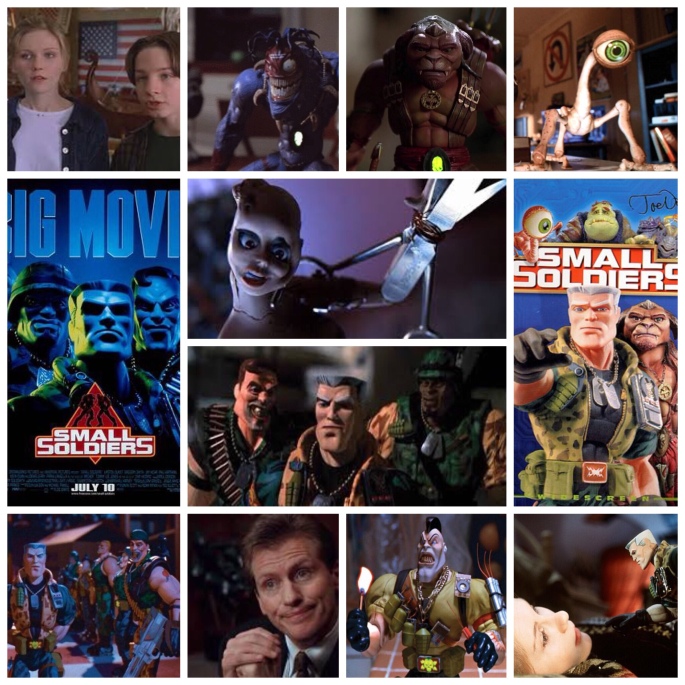
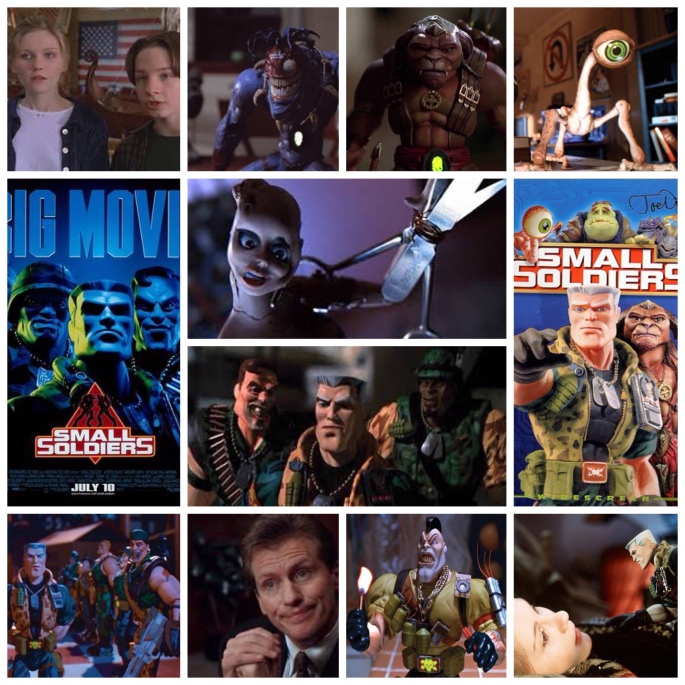
Joe Dante’s Small Soldiers. Fuck yeah. What a blast. I often refer to Dante as ‘The Toymaker’, as each and every one of his films (save for one political satire that only I saw anyways) has fantastical animatronic effects, plenty of creatures and no shortage of whimsy. The guy lives to make genre bliss, and you can always count on monsters, whacked out sci-fi or Tim Burton esque horror elements in his work. Here, it’s a bunch of action figures implanted with AI chips that make them fast, sentient, highly trained and very dangerous. The main story arc is something we’ve seen a zillion times: nerdy kid (Gregory Smith) looks for a way to win over girl of his dreams (Kirsten Dunst) and climb out of the beta pit. His cranky father (Kevin “lemme see that chainsaw for a second” Dunn, priceless here) owns a toy store, when he’s not terrorizing his insufferable neighbour (the late Phil Hartman) with power tools. Simultaneously, two super geeks (Jay Mohr and David Cross) over at a giant toy conglomerate ‘accidentally’ put military grade computer chips into two separate toy prototype lines which are, naturally, sent on over to small town suburbia, specifically Dunn’s store. This is all while the company’s arrogant CEO (Denis Leary) is too busy strutting around in a huff to watch his guys more closely. It’s a familiar series of events, until the toys come to life and start wreaking havoc, which is where the innovation really kicks in. The main threat is a deranged, pint sized band of commandos led by Chip Hazard (I can picture Tommy Lee Jones in the recording studio barking out lines in his pyjamas), who literally just want to blow shit up and cause widespread chaos. The voice talent they’ve amassed here is staggering, with the talents of old school tough guys Jim Brown, Bruce Dern, Clint Walker, Ernest Borgnine and George Kennedy as Hazard’s gonzo unit. A much more sane band of mythical creatures also shows up, led by dog/elf thing Archer (Frank Langhella) as well as an eyeball on a stick (Jim Cummings) and a dopey Frankenstein hybrid (Michael McKean). They’re more peaceful, but immediately become the main target of Chip and Co., which causes enough of a skirmish to level city blocks. The real mad genius shows up when a group of pseudo Barbie dolls (the ‘Cindy Doll’) are reanimated by Chip’s team and start causing homicidal shenanigans, bald giggling lunatic chicks given the unsettling valley girl vocal talents of Christina Ricci and Sarah Michelle Gellar, both providing auditory nightmare fuel with their work. Roger Ebert thought this was too mean and violent to be a family film, and fair enough, but I really view it as a noisy, nihilistic black comedy that just happens to hide in the structure of a kids film. It’s no walk in the park, Chip’s boys see to it that it gets as shocking and messed up as one can without pushing that PG-13 rating, and that’s where the fun comes from. The special effects are really where it shines though, as they should in any film about a multitude of toys that come alive. The only thing missing is a cameo from The Indian In The Cupboard to lodge a Tomahawk in Tommy’s head and even the odds for Archer’s team. Perhaps in the sequel.

-Nate Hill

Antoine Fuqua’s King Arthur

I’ve been singing the praises for Antoine Fuqua’s King Arthur for years, but here’s the thing: you simply have to watch the extended director’s cut, it’s a different film entirely than the theatrical. Expanding both on complex moral quandary and lethal, bloody carnage, it allows ideas, expression and extreme violence to play out in a cut free of time and rating constraints, and as such is one of the best sword/battle flicks I’ve ever seen. The main buzz surrounding this one was how much of a departure it is from the usual Arthur lore we’re used to.. darker, grittier, more tied in with Ancient Rome and bereft of any lighthearted fantasy, it may as well be its own thing untethered of any Arthurian scope, because who can really say how it all went down back then anyways. Here Arthur is a restless, stormy Sarmatian knight played by a hot blooded Clive Owen, a fearless, jaded warrior who is steward to a rowdy troop of loyal swordsman forced by the empire to serve out fifteen years of service in exchange for freedom at the end of it all. Each of his troupe is played by a stellar actor, and each blessed with their own distinct, fully formed personality. Headstrong Bors (The always awesome Ray Winstone), dysfunctional Lancelot (Ioan Gryffud), lethal Tristan (Mads Mikkelsen, probably the coolest of the bunch), stalwart Galahad (Hugh Dancy), mischievous Gawain (Joel Edgerton) and strong, silent Dagonet (Ray Stevenson). They’re a wickedly diverse bunch of warriors, lovers, brothers and each has their own carefully carved out view on freedom, the Romans, life on the battlefield and ancestry, just a few of the themes explored deeply by the consistently surprising script. This film is notorious for its portrayal of Keira Knightley’s Guinevere, a bikini clad warrior whose appearance in the third act eclipses what is actually a really well written character, is unfairly panned based on a few brazen costume choices. Arthur and gang are up against a fearsome Saxon army led by Cerdic (stellar Stellan Skarsgard), a bloodthirsty maniac restlessly looking for his equal on the battlefield, which he finds in Arthur once they duke it out. Merlin is a tree dwelling mystic played by an unrecognizable Stephen Dillane, the round table in a dilapidated version of the glory found in books, and the knights resemble rough n’ tumble mercenaries more than the glowing reputation they’re given in classic lore. Sure, it’s a different take, but I for one really like the gritty, hellish aura surrounding the whole thing, it’s a brutal and risky departure from anything close to Disney and I applaud them for it. Better still is the way morality and philosophy are explored through the character’s actions, until we have a clear picture of Arthur as a realistic, hands on hero who isn’t afraid to get violent to prove points. The set pieces and swordplay are breathtaking, from a tense stand-off set on a deadly frozen lake to the final spectacular battle, each knight getting their chance to nail some superb fight choreography and draw gallons of blood. Hans Zimmer provides one of his most surging, palpitating thunderclap original scores, it’s up there with his best work and rides right next to the knights into battle with symphonic glory that just begs for a surround sound system to play on. I think this got so shit on because critics are usually only privy to the theatrical version right out of the gate, and first impressions cement reputation for years to come. Once again, the director’s cut is really the only way to go. It’s bolder, longer, more violent and sensual, and just tells the best version of the film’s story that it can.

-Nate Hill

B Movie Glory: Gunmen

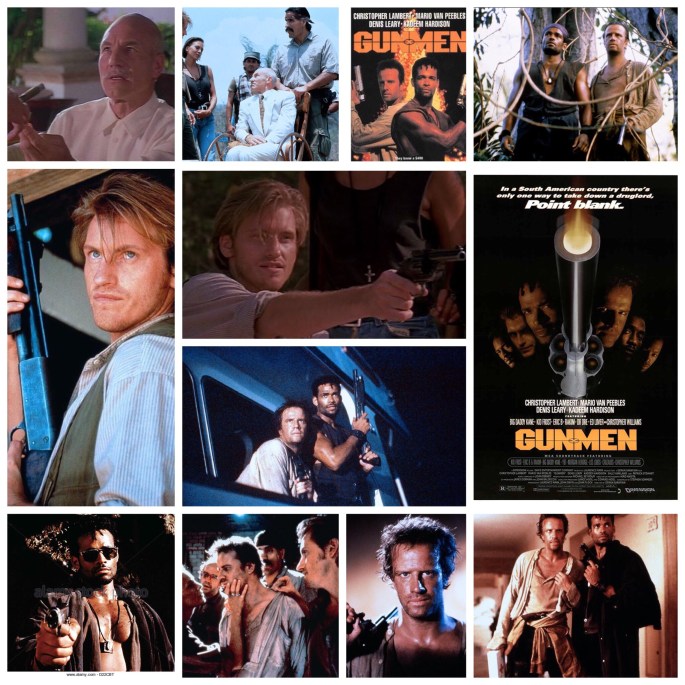
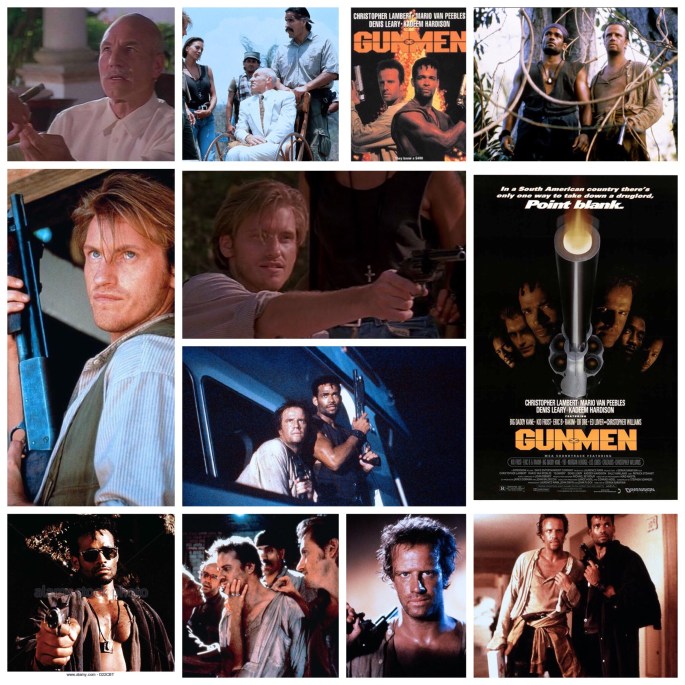
Gunmen is one of those sleazy, inconsequential pieces of shizz you’ll find on TBS Superstation (I’m aware that channel’s shelf life expired over a decade ago) at like 2am, full of guns, tits, dust, sweat, double crossing and whatnot. It’s a fun one because sometimes I’ll bring it up in conversation and say “the one where Patrick Stewart is in a wheelchair” and people will be like “yeah, X Men”, and I’ll say “no the other one” with a straight face and watch how confused they look. Heh. It’s a Mario Van Peebles flick, an actor I could never get that excited about, but it’s also a Christopher Lambert flick too, a guy I’ve always inexplicably loved, like a scrappy lost puppy that just won’t go away. I don’t remember the plot so don’t even ask, I’ll just spark-note it in bullet points: guns. DEA. South America. Violence. Incomprehensible storyline. Shootouts. More guns. One thing that was cool was Denis Leary as a psychotic arms dealer, gunning down a ten year old girl’s parents in cold blood and than calmly reassuring her, “trust me kid, you’re better off without them.” Yeesh. He plays Armour O’Malley, lieutenant to drug baron Patrick Stewart, which leads to predictable bad blood, and so it goes. Peebles and Lambert are a DEA agent and a weirdo smuggler on the run from all the crazy dudes I just mentioned above. It’s trash though, and as I type I’m recalling a scene where Lambert is ploughing a chick in some whorehouse and she begs for more, but he sweatily laments in that horrendous accent of his, “there is no more!!”… Then two seconds later Peebles busts in and kidnaps him at gunpoint. You know your flick has abandoned plot for cheap thrills and gotten so stuck in B movie quicksand that not even AAA can snag you out when that happens. That’s about all I remember, I was way too stoned to soak in all the cheaply rendered exploitive excess when I watched it way back when, I wish you the best of luck though!!

-Nate Hill

Russell Mulcahy’s Razorback

Russell Mulcahy’s Razorback is a dusty old monster flick set in the doldrums of Australia, and features a gigantic murderous wild boar that terrorizes local townsfolk and carries off infants into the night. It’s silly, it drags on in places and has two of *the most* irritating human antagonists, but there’s some really neat practical effects, an atmospheric dream sequence that is like a brilliant little short film within the whole, and some creaky production design that gives it personality. It’s just the human element that suffers a bit in these type of films, and very much so here. I’ve often wondered how cool it would be if they did a creature feature where the humans are almost entirely without dialogue or forced, unnecessary idiosyncratic scenes that don’t succeed in getting us invested, but rather annoyed with them. The writing is never great in stuff like this, so why have much, or even any at all? Just my two cents. The best to be found here is some gorgeous outback cinematography, moody interludes of dust-bucket scenery and a really great original score that kicks up the synths in aforementioned dream sequence. I’ve heard that they spent 250 grand on the animatronic boar beastie, which we only get to see in full in the last part of the third act, which is of course the tradition here, but they could have benefitted from more schlock and tusk action way earlier on to stir the pot and make it more interesting. On the plus side, I also heard that Steven Spielberg gave Mulcahy a phone call after seeing the film and asked how he managed to achieve the FX in the dream sequence, which is praise enough, as it’s a wickedly tactile little nightmare. While not in the sterling tier of monster films or horror flicks for me, it has its charms in places, and it’s yawn moments in others.

-Nate Hill

For Your Ears Only: You Only Live Twice

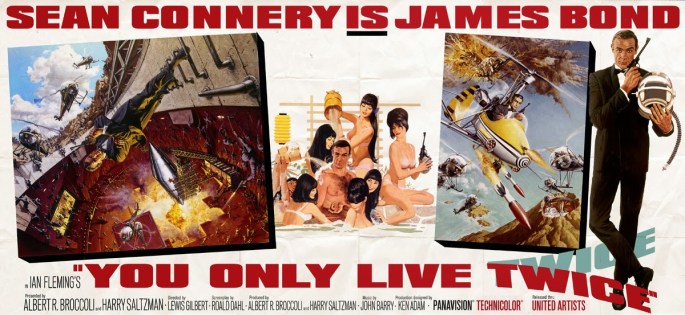
Image result for you only live twice poster

Frank and Tom are back discussing the late Lewis Gilbert’s YOU ONLY LIVE TWICE which came out in 1967 and at the time was Sean Connery’s last outing as Bond. As we know he came back twice, in one officially sanctioned Bond film and then in an unofficial Bond film, Never Say Never Again. This is the film that unmasks Ernst Stavro Blofeld for the first time with Donald Pleasence playing the seminal villain. Roald Dahl author of Charlie and the Chocolate Factory wrote the screenplay for Lewis Gilbert who went on to direct The Spy Who Loved Me and Moonraker and who rose to promise as the director of 1966’s Alfie starring Michael Caine. Mr. Gilbert recently passed and we would like to dedicate this podcast to him.

“I will protect you. I promise.” A spoiler free review of A Quiet Place by Josh Hains

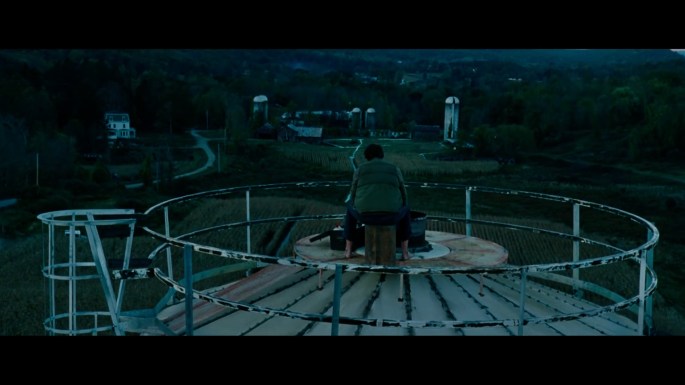
A Quiet Place will be starting, the first frames slowly unfolding, and your audience will probably still be talking, their voices filling the air. Not too loudly, but loudly enough for the noise to annoy you, to grate on your nerves and make you wish you could shout at them to ‘shut up’, or worse. The ruffling of popcorn and candy bags, and the munching of said delicious delights will only further cloud the air. They need to stop making noise, you can’t hear the movie. But within the first half a minute of the movie your audience will have grown so incredibly quiet, the dropping of a pin against the floor would echo like thunder throughout the room, because they’ve realized that while you can’t actually hear much of anything, save for the scrapes of bare feet across a floor, or the slight thump of a pill bottle against a counter top, you still have to listen, and these small sounds are being drowned out by bigger sounds. The dead silence of your audience will become a requirement. John Krasinski has forced you into silence and a world devoid of big sounds, leaving you with the blowing winds, the rustling of grass and leaves, the crunching of white sand beneath bare feet. You and your audience won’t be able to anticipate when the louder sounds, like the effects of a toy rocket, or the screeching of the alien monsters rushing to snatch their potential victim (and in doing so setting the stakes of the movie), will come, and so each and every one of you will be on the edge of your seat in stone silence, fearful of the louder sounds yet to come, bracing for their impacts in the hopes you won’t jump out of your skin. All this, and the movie hasn’t even cut to black and shown you the title card yet. Imagine 90 consecutive minutes of this, and how suspenseful, tense, and quiet the experience will become long before the final frames snap to black.

Now imagine living in a world where you can’t make a sound, or the fast moving blind aliens that attack those same sounds will rip you to shreds. Imagine having to walk across long trails of sand everywhere you venture outside because sand is quieter to tread than twigs and grass. Imagine playing the board game Monopoly with balls of cotton, because the if you’re too loud using the metal car, one of those monsters will come a knocking. Imagine being pregnant like the mother, due in two or three weeks, and the fear that the sounds of a newborn baby’s cries will bring death to your doorstep. Imagine being hearing impaired like the daughter, unable to tell if you’re making noise, let alone how loud it could be. Picture being afraid of every sound like the son, scared of what lurks in the shadows and the idea that the loud noises you could make will get you killed. Try to think of the pressure you must feel being the father, the primary protector of your family, the resourceful one that’s kept most of you alive for over a year. How much longer can you keep it up? What if you can’t protect the ones you love? Put yourself in the shoes of the Abbott family (John Krasinski, Emily Blunt, Millicent Simmonds, Noah Jupe). You’ll grow to care for them so much that the thought of harm coming to any one of them will only further enhance the creeping sensation of suspense you’ll undoubtedly feel. The performances, so subtle and nuanced in their presentation, reliant on facial expressions and physicality, including American sign language, will quietly blow you away. And the scares, when they come, will remind you that the best of jump scares work not because they’re loud, but rather because they strike when you are least expecting them to, much like this film’s monsters. A Quiet Place will make whatever you’ve conjured up in your mind look like Sesame Street by comparison, as nothing I have said up until this point can prepare you for this movie, because I’ve hardly revealed a thing about this brilliant lean thriller.

Don’t wait to see it on Netflix, go see A Quiet Place on the biggest screen you can find with a top notch sound system and a packed house. See it writ large and booming in your ears. To not see this likely classic of the sci-fi horror/thriller genre in such a fashion will do yourself, the movie, and the white-knuckling experience of it all an irreplaceable disservice. You’ll thank me later.

The Babysitter

The Babysitter is a rip snorting fuckin great old school horror throwback, I’m excited that money is being spent on projects like this, and stoked further that Netflix is purchasing them. With a premise culled from the depths of the 80’s and a revamped modern setting complete with obligatory pop culture references to assure us that although it’s steeped in nostalgia, we are in fact in the here and now, a recipe that cunningly embraces both sides of the fence, each with grass equally green. Plus it’s a fuckin intense, R rated, batshit crazy bloodbath, with smart writing to back up the carnage. Set on a sunny suburban afternoon, young Cole (Judah Lewis) is a bullied lad with loopy parents and obligatory nerdy nostalgic affinities, as well as a special bond with his sexy, sassy babysitter Bee (Samara Weaving), who is looking out for him while the parental unit takes off on a night away. It’s party fun friendship time with the two of them, who couldn’t get along better, until… Surprise!! Bee and her clique of high school friends are actually a murdering satanist cult with blood on their hands and killing on their minds. From there it’s a deliriously gory free for all as Cole discovers this is the night he becomes a man, and has to defend himself tooth and nail from these demented weirdos, and reconcile Bee’s betrayal, a theme I was shocked they had time to explore amidst the bloody chaos. It’s silly in the vein of the Evil Dead, but polished and succinctly written by way of Scream, and peppered with deliberate pop culture Easter eggs a lá Stranger Things, an irresistible flavour overall. Pouty lipped, well endowed Samara is a true find as Bee, earning both Cole’s admiration, adoration and finally fear with her spunky, scary performance. Her little cult is populated by slightly tweaked archetypes including the token black guy (Andrew Bachelor), the slutty cheerleader (Bella Thorne), the creepy Asian chick (Hana Mae Lee) and most entertainingly the douchebag jock (Robbie Amell has fun with the role and then some). Colourful pastel production design provides a palette for gallons of gushing blood to be spilled via stabbings, shootings, impalings, vehicular decimation and one of the best shotgun to the head sequences in years that’s so sudden it even has Bee remarking “holy shit that was graphic”. I love old horror flicks and I can’t get enough of this throwback trend they’ve been doing, when they do their research and put out solid gore-fests and fright flicks, and this one is a fuckin hoot from front to back.

-Nate Hill

Scott Walker’s The Frozen Ground

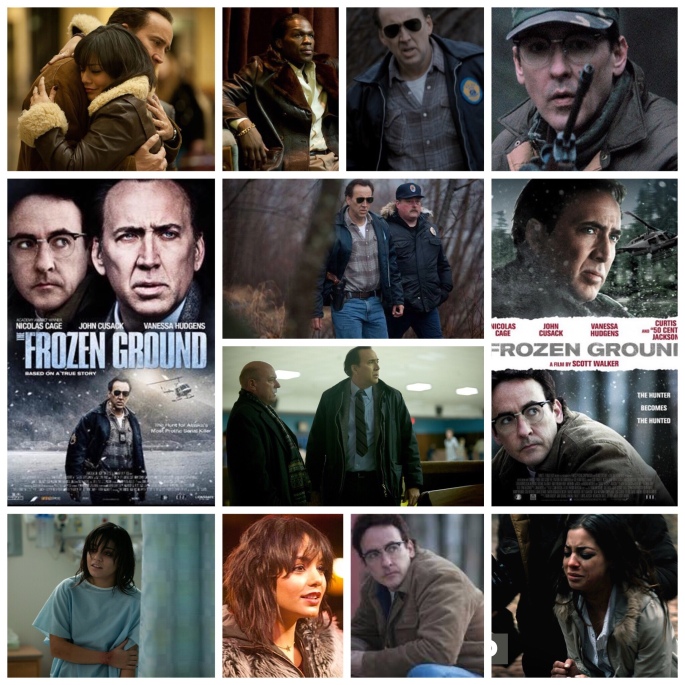
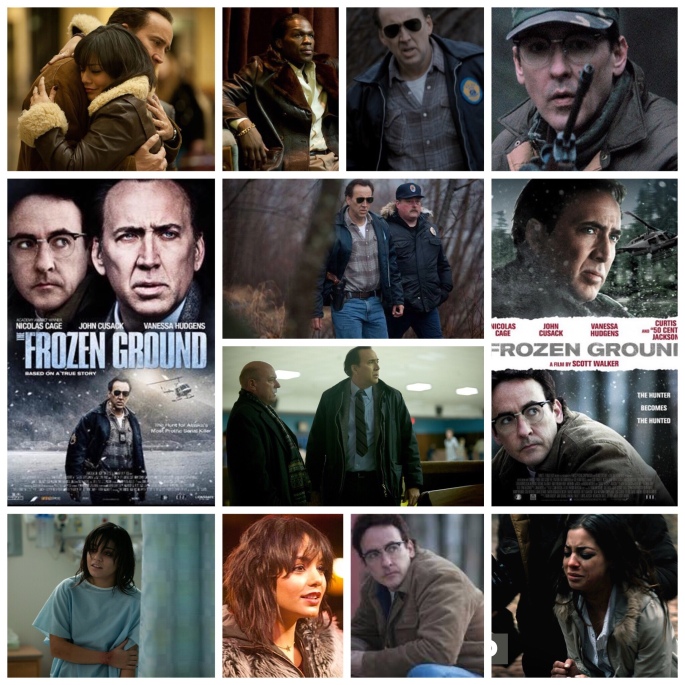
Nicolas Cage has been on a seemingly never-ending rampage of starring roles in some… odd flicks post mid 2000’s, and it can seem like kind of a quagmire to navigate through them without landing yourself a turd (one day I’ll do a comprehensive flow chart so everyone knows which ones to avoid). There are some pretty great films scattered throughout though, and Scott Walkers’s The Frozen Ground is one I’ve always enjoyed and wish it got a little more hype. Cage ditches the crazy and seems down to earth here in a stone cold, somber tale based on the hunt and capture of Alaska serial killer Robert Hansen, here played by John Cusack in his nastiest, most skin crawling role. Cage is Robert Halcombe, a real life state trooper who bonded with a teenage sex worker (Vanessa Hudgens) who once escaped Hansen’s clutches and tries to track the guy down, as well as prove that he’s the monster killing girls out there on the tundra. What ensues is a gritty, episodic police procedural that earns the 1970’s cop thriller vibe it’s going for, showcases stunning and eerie Alaskan photography and tells a powerful, suspenseful and at times repellant story. Cage is earnest and relatable,

Cusack is despicable without getting campy or going over the top, an everyday monster whose laid back facade make the darkness just below even scarier when we’re forced to be privy to his crimes, filmed with raw frankness. Most impressive though is Vanessa Hudgens, who I didn’t pay much attention to until this, but gives a visceral portrait of fear and determination, believable every step of the way. There’s a galaxy of supporting work from Dean Norris, Brad William Henke, Michael McGrady, Kevin Dunn, Jodi Lyn O’Keefe, Matt Gerald, Radha Mitchell and 50 Cent as a pimp with a mullet (lol). It works as a moody thriller, a docudrama and mutual character study of Cage and Hudgen’s roles, as well as being scary in the right places.

-Nate Hill