Oren Moverman’s Time Out Of Mind: A review by Nate Hill

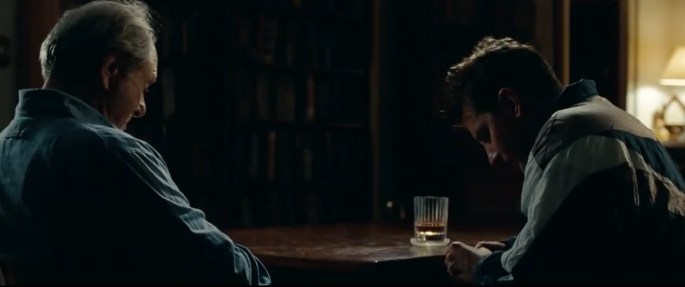
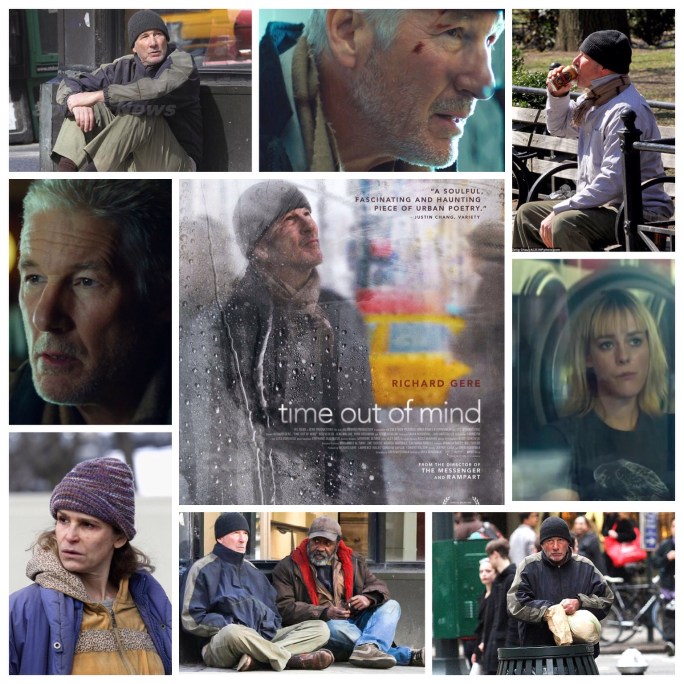
Oren Moverman’s Time Out Of Mind is a film that’s set so decidedly against the grain when it comes to how a story is presented to audience, it’s no wonder that it has been such a divisive experience. It’s almost like the anti-film. I understand it may be quite shocking the way it’s made, or lack thereof. But to hear that people walked out of screenings in droves at TIFF really saddens me. For someone to just not jive with the loose, dreamy aesthetic that serves the subject matter achingly well makes me wonder. But I suppose this is the type of film that really separates those with the power of abstract thought and the will to immerse themselves from those… without. The story in question concerns a homeless man in New York City played to absolute perfection by a haggard, boozed up and ultimately lost Richard Gere. This is the performance of his career, an outing of pure bravery and dedication that glues your eyes to the screen even in the most mundane of moments. You see, Gere himself had no idea when the cameras were periodically filming him, and was actually left stranded in the jungle of NYC, deep in the mindset of a lost soul, creating a minimilist performance that burns through the haze of a life scattered by tragedy. Little is given by the script in terms of back story for Gere, subtle hints given towards a broken life, death in the family and a mysterious injury which has left both body and soul scarred, as well as leaving him with obvious brain damage. If their was an award given out for best film title of the year, this one has earned it. ‘Time Out Of Mind’. Isn’t that the perfect description for a shattered psyche that has been set adrift by life’s cruel tides and left to wander the years, alone.. distraught.. damaged. Gere is a portrait of hurt, confusion and lonliness, wandering the overbearing maze of the city, desperately clinging to any semblance of dignity, as well as the scattered shards of his past that he yearns for. He’s got a daughter (Jena Malone in a conflicted career best) who wants nothing to do with him, making us wonder more about the past. He encounters several people over the course of the film. An energetic fellow vagrant (Ben Vereen) helps bring out a bit of Gere’s dormant coherence via his own nonsensical mania. A shrewd building inspector (Steve Buscemi) gives him the boot from a condemned building. He has a chance romantic encounter with a fellow homeless woman (an unrecognizable Kyra Sedgwick). The film is shot, edited and presented to the audience in a form completely void of structure or narrative beats. Gere wanders aimlessly, his foggy mental state reflected in the way his perceives his world, and in turn the way we perceive his story. It’s both ironic and fitting that we find ourselves so drawn in to a story that is presented as a set of events that are each and every one astray from any sort of cohesion. That’s where the title is so brilliant and touching.. Gere is one step removed from reality via time and injury. He himself mentions at one point that he has forgotten how long it’s been, and that he’s lost the thread of his life via many instances of ‘lost time’. Gere sells it and then some, inhabiting the streets with a worn out, ghostly presence that begs you to place yourself in the shoes and mind of someone who truly has lost their way in life, and to see that for them, such a fork in the road can truly change the concept of time. Seeing this successfully done with film in every aspect was truly an experience for me. Gere is the heart of it, as the camera peers out on him from trash strewn alleys, broken window frames and desolate, uncaring streets that leave him all but invisible, an individual manifestation of a sad fact of life which sometimes sits on the fringes of our awareness. Not with this film.

Glenn Frey was an Asshole and a Genius and the World is a Better Place Because of Him

frey

Glenn Frey was an asshole. A big one. He fired original guitarist Bernie Leadon over an argument about the Eagle’s direction early on (Bernie also poured a beer over Glenn’s head in that argument and told Glenn to “chill out, I’m going surfing”). Frey replaced Leadon with Joe Walsh. Frey fired bassist and vocal Randy Meisner due to his stage fright resulting in Randy refusing to sing TAKE IT TO THE LIMIT during encores. Frey replaced him with Timothy B. Schmidt.

Don Henley would say that Glenn Frey was an asshole, but to be fair, Frey would say the same thing about Henley. They are both right. In 2001 Frey, with Henley, fired the last original member, Don Felder, over a payment dispute. Felder wanted to be paid as much as Frey and Henley. Frey’s response: songwriting power.

frey1

Felder sued the band over the rights to HOTEL CALIFORNIA. The case was settled out of court, and Felder disgraced himself, and would never be invited to perform with the band again. Bernie Leadon performed with the during their last tour, and Randy Meisner declined due to health reasons.

Glenn Frey was an asshole, but more importantly he was a genius. He held himself and the rest of the Eagles to the highest of standards. Don Henley was absolutely right in his wonderful statement in the wake of Frey’s passing. He said that Frey started it all, he was the spark plug, and he led the band through its turbulent span.

When Frey and Henley broke the band in two, Henley went on to an amazing solo career. Frey’s career was as different from Henley’s as it could possibly get. Frey wanted to be a rock star, and in the 1980’s, he was.

12400727_10101421613632167_5433530473113107784_n

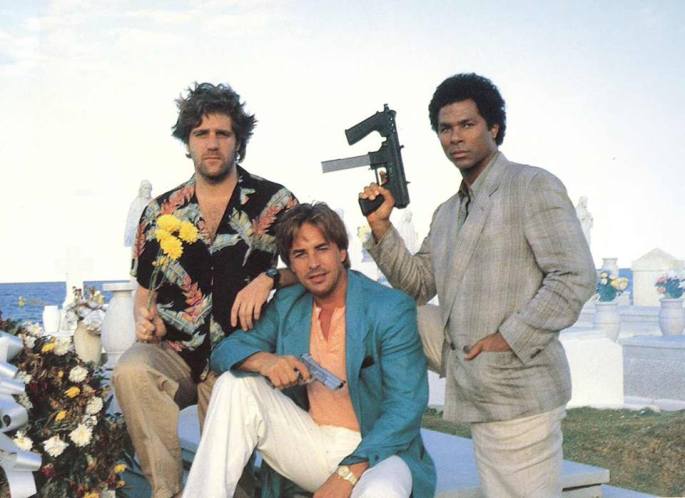
His over-the-top, borderline obnoxious Billboard hits are fantastic and have become seminal 80’s songs. THE HEAT IS ON was prominently featured in BEVERLY HILLS COP. YOU BELONG TO THE CITY and SMUGGLERS BLUES were featured in MIAMI VICE. The latter was used in an episode of the same name wherein Frey guest starred as Jimmy Cole, the antihero, guitar playing smuggler who teams up with Crockett and Tubbs.

After his brief acting stint, Frey and Henley got the band back together and went on the Hell Freezes Over tour in the early 90’s. Since then, Frey has secured the Eagles legacy, not only in American rock, but rock in general.

Glenn Frey was not only the frontman and leader of the Eagles, but he was the one to champion and enshrine them. Glenn Frey was an asshole and a genius, and the world is a much better place because he was here for such a short period of time.

BRIAN GOODMAN’S WHAT DOESN’T KILL YOU — A REVIEW BY NICK CLEMENT

3

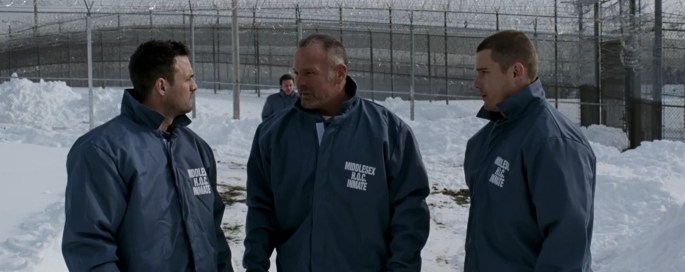
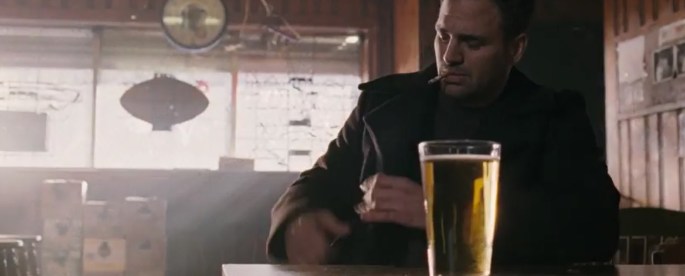
What Doesn’t Kill You is a nifty, gritty little crime gem that slipped past a good chunk of people back in 2008, and you really have to hand it to veteran character actor and first time filmmaker Brian Goodman – he took traditional genre material and made it absolutely pop. This is an excellent but brutal Boston-set crime picture with a phenomenal lead performance by Mark Ruffalo, who is absolutely one of my favorite actors currently working. The fact that this was Goodman’s directing debut only makes the film even more impressive; it displays a sturdy confidence much in the same way that Gone Baby Gone, The Departed, and Mystic River had while working in this similar milieu. The film is very simple but extremely effective. Brian (Ruffalo) and Paulie (Ethan Hawke, terrific as always) have been best friends since childhood. Growing up in the rough and tumble “Southie” district of Boston has led them into a life of crime. They report to crime boss Pat (Goodman, smartly casting himself in the role), who is always taking a cut of their payouts. But when Pat goes to prison, Brian and Paulie start doing jobs on their own and not reporting in to Pat’s team. Then, Brian becomes a base-head, much to Paulie’s anger. And as a result of Brian’s addiction, his relationship with his wife Stacy (Amanda Peet, always solid) and kids becomes very strained. All of these things lead to a climactic decision on the part of Brian and Paulie of whether or not to try and rob an armored truck, which could be the score of their lives.

The film works first and foremost as a meat and potatoes crime movie, but by the end, you’ll notice all the small bits of detail that have been snuck in around the bristled edges. All of the genre’s themes are there: loyalty, friendship, honor, betrayal, love, and anger. Yet none of it ever feels tired or trite. And then when you realize that the movie is a true story, one that’s based on Goodman’s own life (Ruffalo is playing him!), it becomes all the more riveting. Goodman, who co-wrote the sharp screenplay with Donnie Wahlberg(!) and Paul T. Murray, directs with a straight-forward grace and cold elegance that melds perfectly with the wintry backdrop to this always compelling story. Christopher Norr’s desaturated and grey-hued cinematography was a perfect tonal match for the chilly environments and morally ambiguous nature of the characters and narrative. Alex Wurman’s score provided solid dramatic support, emphasizing key scenes with subtle vigor, but never overpowering any of the action or the performances. Had The Yari Film Group not filed for bankruptcy around the time of this film’s release, I really think that Ruffalo could have been in the running for an Oscar nomination for Best Actor. He was that strong, finally getting a meaty starring role after years of colorful supporting work. What Doesn’t Kill You is one of those scrappy, ass-kicking B-movies that transcends its genre roots, becoming better than most movies with 10X the budget and “star power.”

1

The Revenant – A Review by Josh Hains

Spoiler Alert…I guess.

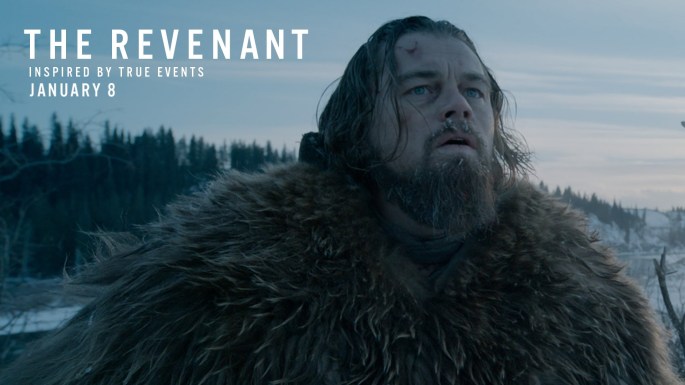
You can spoil a film, which I am about to mildly do, but you cannot spoil reality, hence my hesitancy to cite spoiler alert. Surely you can spoil the narrative construct of The Revenant as the film’s trailers most definitely came pretty damn close to doing, but you simply cannot spoil what has already happened in our reality; that ideology is asinine and ridiculous. Given that the purpose of my mild spoiling, should you wish to dub it as such, is for comparative purposes between the narrative of the film and the true events, I think it only fair to say just one more time, spoiler alert. You have been warned, but to be fair, I am not spoiling much you could not already guess. The premise of The Revenant is a man seeking revenge against the man who murdered his son and left him for dead after he was mauled by a grizzly bear. The trailers for the film, as well as the vast majority of the film’s marketing campaign, showcase this aspect of the film’s narrative, and if you have been following that campaign and have seen those trailers, you are probably well versed in that information. If you take the time to Google the true events, you will undoubtedly find some information that contradicts the film’s narrative. Hugh Glass did not have a son, ever. Nor did he kill the grizzly bear independently, but with the assistance of the two men who later left him for dead, John Fitzgerald and Jim Bridger, who fired multiple shots into the bear while Glass stabbed it repeatedly with his knife. And you will further find that while he was left for dead, and he did traverse from the forks of the Grand River to Fort Kiowa, some two hundred miles of crawling and walking, he did not end up exacting his revenge on Fitzgerald and Bridger. He let Bridger, who was in his teens, go free because of his age, and he had no choice but to allow the enlisted Fitzgerald to go free also, as killing anyone enlisted in the Amy at the time was illegal. He was given his stolen possessions back, including his distinguishable hunting rifle, and was later shot, scalped and mutilated by Arikara Indians a decade after the bear attack while working for the Army as a fur trapper and trader.

After watching The Revenant for the first time, and enduring what I can only call a completely overwhelming, deeply resonant, nearly depressive film as The Revenant most assuredly is, at films end I could not help but wonder if how I felt was how so many others before me must have felt after watching such films as Apocalypse Now, Aguirre Wrath of God, Once Upon A Time In America, Fitzcarraldo, The Great Silence, Exodus (1960), or Apocalypto, to name a few films that I find to be cinematic equivalents of The Revenant, for the first time in theatres. My mind wandered more from the time I left the theatre until a few hours later when my head came to rest upon my pillow, given that I have only ever been able to watch those other films in the comfort of my own home, never on a grand screen in a packed theatre, the sound of silence filling the room…I wonder even in this moment what it would have been like to witness such majestic pictures for the first time in such a manner. I reckon seeing The Revenant the way I did is surely the closest I will ever come to seeing something like Aguirre in theatres for awhile.

I wonder even further as I type away at this review, as to how strenuous and grueling the process of working on this film, in the dirt, mud, snow, and water, must have been for Leonardo DiCaprio, more than any other actor in the film. How it must have felt to dig down deep into the darkest trenches of one’s innermost soul and find every drop of pain, anger, frustration, and grief, and conjure those feelings to the surface but never put them into garrulous banter, just palpable expressing and body movement. I cannot fathom literally crawling through the dirt and snow, or eating raw bison liver, all in the name of art and the end result, which is nothing short of a masterpiece. There, I said it. Masterpiece. The Revenant is a masterpiece, that word I do not throw around often in fear of overuse and redundancy. That coveted word people use so often it has begun to slowly lose the impact that hides behinds the letters of the word. Masterpiece fits The Revenant the way your hand fits a glove. If I have anything of a negative nature to get out if my system, it would be that the hallucinatory dreams of Hugh Glass, while powerful, serene, and beautifully arranged, are completely unnecessary to the film, and in no way did they enhance my experience or my sympathy for Hugh Glass. But damn, they sure caught my eye. Aside from this misstep, a visual metaphor of some unexplained magnitude which one comes to expect from its director, Alejandro González Iñárritu, I took no other issues with the film. I understand the necessities of constructing a fictional son for Fitzgerald to murder and Glass to mourn and seek revenge in honour of, and allowing him to achieve his revenge as opposed to the non-violent real conclusion of Glass’ journey of revenge. Modern audiences are unlikely to understand the non-violent conclusion and instead crave bloodthirsty vengeance as Glass does in the film, and to appease that sensibility the filmmakers had to compromise truth for fiction. Because sometimes we do not need the truth, and do not mind being lied to, especially in the name of good cinema. Which is kind of weird. Do not try to think about that for too long, you will get a headache.

Tom Hardy as John Fitzgerald takes on the personification of not quite pure evil, but evil in the form of greed and cowardice. Given that not much is known about the man beyond the fact that he was a trapper and trader like Glass, that he helped Glass kill the bear along with Bridger, and he did rob Glass and leave him for dead, the logical manner in which to tackle the character is to give him a backstory we can understand and perhaps sympathize with, which the filmmakers delivered in spades. We learn about an attempted scalping by Indians of poor Fitzgerald’s head, how he felt the blood fill his nostrils, how he choked on the blood from his head, and if my memory is serving me correctly, how he survived the ordeal. I do not know that this aspect of the character and his respective history stands out to the average cinema goer in such an overwhelming film, but the thought of what that must have been like for the character, despite the likely fictitious nature of this aspect, is quite honestly, nothing but sheer horror in my own mind. In his interpretation of Fitzgerald, Hardy allows the audience to witness both sides of the man. We see his hasty and impatient way of wanting to kill off Glass or suspecting he will not survive the night, not wanting to stick around and help Glass but instead tearing off into the horizon after killing Glass’ son Hawk (a fine Forrest Goodluck in his first feature role). We see his greed, his insatiable desire for money at all cost, be it through theft or sticking around to help Glass for three hundred dollars Captain Henry (Domhnall Gleeson in the kind of role his father Brendan could ace, and he himself does strong work with) will pay him. We also bear witness to how in his greed and desperation for survival, his cowardice comes out, and he becomes afraid, unstable, violent, and uncaring. In his last moments you feel the fear in his actions, his struggle to survive in his last breaths against all odds against him, and in that Hardy creates a dimensionality, a true sense of humanity and realism incarnate that most villains these days lack on film.

Much has been made about the worn out internet joke of how Leonardo DiCaprio has been robbed repeatedly for years on end of Oscars for various performances, and how he may once again lose, leading to yet another year of hoping he will one day win the coveted award. I hope the joking will end in the upcoming Oscars, and that Leo will walk away with a most deserved Oscar. But I think that when the time comes, should he win, he wins not out of sympathy, or because the film is some kind of Oscar bait with its tale of survival and a gifted character actor committing so intensely to a physically demanding role, falling into that internet-ridiculed category of “they lost weight or whatever so they won”, but because Leo has truly earned the award. Sure he ate raw bison liver, and did all this physical stuff that most actors would have nightmares about, and that all helps create the persona of the character and gives life to what could easily be a one dimensional action flick archetype, but that is not why he should win. I think he should win because we walk away from The Revenant with the ability to show sympathy toward Hugh Glass and his journey into revenge. Every time he gets bitten and clawed by the grizzly, we jerk in horror, we feel his pain, and can imagine how truly terrifying it would be being mauled by a relentless predatory animal like said grizzly. When his son is killed in front of him, again we can fathom his pain, this time emotional, as we watch as he also does, as his son gets stabbed by Fitzgerald. When Glass crawls out of his grave, pulling himself along by his bare fingers, his entire body dragging along the black soil, we share more of his pain, and hope we may never have to crawl to survival. As his journey to safety and to revenge continues, as he is attacked by repulsive French soldiers and endures hundreds of miles of exhaustive, brutal weather and terrain, each drag of his body, every step on his broken right leg, every whip of chilled air to the exposed portions of his scarred, mutilated body, every drop of freezing river waters and freshly fallen snow as merciless as the last…we slowly come to the conclusion that if we had to endure what Glass has been through, we too, would feel that undying determination to surge forward in pursuit of our ultimate goal, revenge, and that Leo has managed to convey every ounce of this determination with nothing more than his facial expressions and subtle body movements. Watch his face during the infamous rape-less bear attack (seriously, people truly are strange) each time the bear tears into his backside or his chest, or bites his hands or claws his throat wide open, see him struggle beneath the might of the beast as it tries to crush his chest. See the terror on his face, and that pure near animalistic need to survive burning in his eyes, and try to convince me you did not emotionally invest in his survival, and completely buy his performance. Of course, he already deserved an Oscar for Martin Scorsese’s The Aviator, Leo’s finest screen performance to date.

The Revenant is for my money’s worth, in all likelihood the best film I have had the pleasure of seeing theatrically over the course of my life. I cannot think of another film I have seen in theatres that is as alive and and powerful as The Revenant. It is brought to life not just by the dynamic cast of stupendous character actors, but also by the breathtakingly gorgeous British Columbia and Argentina landscapes, beautifully photographed by the maestro Emmanuel Lubezki, and the sound Judgement and watchful eye of Alejandro Iñárritu. As great as some films from the 2015 season are, almost nothing seems to come close to being as immaculate as The Revenant, with the exception of The Hateful Eight, Quentin Tarantino’s irrefutable masterpiece.

It has only been a couple of day since I bore witness to the majestic achievement in cinema, and already I cannot stop thinking about nearly every second that passes by. It is as if the film itself has burrowed into my mind in eerie permanence. It is quite the dark trip into a kind of hell that used to await us not too long ago in mankind’s elaborate North American frontier history, where guns, tomahawks, knives and our bare hands were the foundations of our very survival, and our guide is the stubborn, relentless, undaunted Hugh Glass, taking our naive soft hands in his filthy torn hands, and single handedly dragging us into an elongated, contemplative, bloody battle of wits against the elements and men. A world where only the strong survive. A world of wolves thriving amongst dying sheep, not going gently into the night. 
DEREK CIANFRANCE’S THE PLACE BEYOND THE PINES — A REVIEW BY NICK CLEMENT

1

After his emotionally bruising, Cassavettes-esque debut Blue Valentine, director Derek Cianfrance delivered the ambitious crime drama The Place Beyond the Pines, which he co-wrote with Ben Coccio and Darius Marder, a unique and sprawling narrative that concentrates on a variety of subjects and themes: Fathers and son, husbands and wives, the criminal life, family dynamics, politics, law enforcement, and above all else – hard earned feelings. Everyone in this movie FEELS something strong – it’s one of Cianfrance’s greatest strengths as a filmmaker and storyteller – his ability to convey how his characters are feeling. This is a multi-strand effort that spans generations, constantly reaching for the same cinematic breadth and scope of something like Michael Cimino’s epic masterpiece The Deer Hunter. And while The Place Beyond the Pines doesn’t quite reach those immortal heights, it’s still a finely textured and multilayered piece of work that begs reconsideration after it was passed off in March of 2013 as a hard to classify in-betweener by a seemingly reluctant studio.

Ryan Gosling, Bradley Cooper, super greasy Ben Mendelsohn(!), Ray Liotta, Eva Mendes, Emory Cohen, Dane DeHaan, and Rose Byrne all delivered terrific performances in this upstate NY set drama that focuses on the consequences of various choices made by the wide swath of characters. Gosling is a career criminal who learns that he has fathered a child with an ex-girlfriend, played by the sultry Mendes, and what’s asked of him as an actor plays well to his strengths as a performer. Gosling excels when portraying insular men of action, the quiet type given to sudden fits of explosive rage, and here he’s given a juicy role that takes some unexpected turns, and I loved how he wasn’t afraid to be unsympathetic. Cooper, a good cop and stand-up family man who also happens to have political aspirations, is the kind of guy who is always trying to do the correct thing. And when he intersects with Gosling, their lives changes in ways that neither man could ever expect.

3.jpg

There’s a BIG WOW! moment about half way through The Place Beyond the Pines, and I dare not spoil it, but it’s at this point that the film shifts gears, flashes forward some years, and you’re introduced to the children of the various adult characters that have previously been established. It’s a bold, possibly jarring transition but Cianfrance handles it gracefully, allowing the film to progress at a leisurely but never flagging pace; he never confuses detail for bloat. He also, wisely, studs the film with visceral bits of action (the various robberies that Gosling commits and the subsequent getaways are the very definition of thrilling) that are shot with a breathtaking immediacy by cinematographer Sean Bobbitt (12 Years a Slave, Shame). Cianfrance is extremely strong with his visuals, but he’s just as attuned to his words, so the film has a sense of macho poetry to some of its interludes. Ray Liotta, Bruce Greenwood, and Rose Byrne all offer up strong supporting performances, while the somber score by Mike Patton kept the mood appropriately downbeat.

Smartly, The Place Beyond the Pines ends on a moment of introspection rather than clichéd violent bombast, which easily could have occurred if the film were the creation of a less mature voice. However, if I had one complaint about the film, it’s that I wished it were even longer. I wanted more time with these characters, and I wouldn’t be surprised to learn that a three hour (or longer) cut lives somewhere in a vault. At two and a half hours, the film feels complete, if a bit rushed towards the end, and because Cianfrance is aiming SO large and big with this story, I wanted more time for everything to breathe and expand. In any case, this is a tragically underrated movie, one that slipped by a large swath of the movie-going population, but a film that’s rich and serious and novelistic and incredibly solid at the core.

2.jpg

JOHN CROWLEY’S BROOKLYN — A REVIEW BY NICK CLEMENT

2

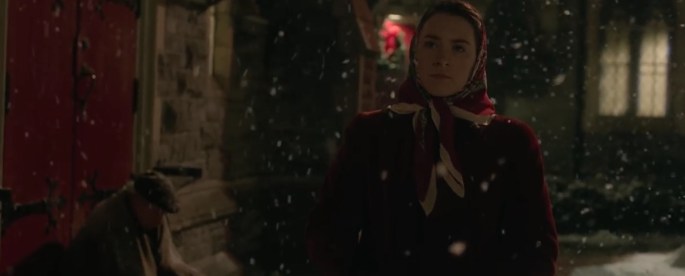
Brooklyn is a delightful film that had me crying pretty much all throughout. It’s heartfelt, it’s poignant, it’s sentimental (in the best possible way), and it features a performance of exquisite care and radiance by Saoirse Ronan, who in film after film has impressed, but here, genuinely dazzles. And completely steals your heart. And did I mention make you cry? From the very first scene, I was wrapped up in this honest, believable, thoroughly universal tale of home, family, love, and unknown opportunities. Yes, the filmmakers have told a romanticized version of the Irish/Italian immigrant experience in NYC circa 1950, but there’s a certain clarity to the message, and a touching sense of nobility to the narrative that reinforces the themes at every turn. Directed with grace and class by John Crowley (Boy A and Intermission, two very gritty and underrated films) and sensitively written by Nick Hornby (About a Boy, High Fidelity) who adapted Colm Tóibín’s novel, Brooklyn centers on Eilis (Ronan), who leaves her mother and sister back in Cavan for a new start in New York. She has a leg up, as a kindly priest (the magnificent scene stealer Jim Broadbent) has helped to arrange a room at a boarding house and a department store job, but her life changes when she meets the potential love of her life, a young Italian named Tony, whose parents had come to the states in search of a better life for their family. There’s an excellent scene at the dinner table where you get to meet Tony’s family, and rather than becoming a cheap stereotype, the moment feels beautifully played by all parties. Brooklyn is a movie about the importance and longing for family, how it defines many of us, and how it can shape us in ways we can’t predict. The movie was captured in creamy, sometimes gauzy tones by cinematographer Yves Bélanger (Dallas Buyers Club, Wild, Laurence Anyways), while the elegant score by Michael Brook (The Perks of Being a Wallflower, The Fighter) never ladles the schmaltz on too thick.

Throw in some drama back at home or Eilis, a budding romance, and the blossoming of her own sense of purpose and individualism, and you’re left with a warm and engaging film that hits all the proper notes you’d expect. Crowley knows exactly how long to hold on Ronan’s face in key moments, wisely holding on his actress’s expressive and pretty face, but also finding the uniqueness in her as a person that helps to separate her from her contemporaries. After some startlingly excellent work in diverse films like Atonement, Hanna, The Lovely Bones, How I Live Now, and The Way Back, this is a further reminder of her skills as a young actress, and offers a fantastic pairing of actress with material. Emory Cohen shines as Tony, the young Italian plumber from a big family who falls in love with Eilis, giving off irrepressible humor and spirit as a man who feels as if life is an endless stream of possibility, especially when he’s living it with the woman that he loves. After being featured in Derek Cianfrance’s The Place Beyond the Pines, his performance here is even more relaxed and sturdy, and you really root for the character. Domnhall Gleeson adds another feather in his cap from 2015 after his superb work in Ex-Machina and The Revenant with a stop for some ruffled-nose-fun in The Force Awakens, getting another juicy supporting role, and never allowing his character to become the cliché that it so could have been. And that’s the thing about the story to Brooklyn – it never gets too complicated or unnecessarily stuffed – this is Eilis’ story and the Ronan show all the way, with the filmmakers wisely zeroing in on the character and letting it take center stage. Ronan totally deserved her recent Best Actress nomination, as it’s a performance that signals a major step up for her as an artist. And it’s a large step up for Crowley, who on a $10 million budget made a film that feels at least twice as expensive, with a smart sense of pacing and tone; I’m anxious to see what’s next for him as a director.

6

AGI’S BIUTIFUL — A REVIEW BY NLC


1.jpg

Biutiful is pure cinema, extremely artsy and personal (so by that definition people liked to call it pretentious…), and a further reminder of how filmmaker Alejandro Gonzalez Inarritu is interested in pushing the form and crafting films of intense emotional and visceral impact. This 2010 Spanish language film was met with passionate embrace from a handful of critics, and star Javier Bardem would win Best Actor at the Cannes Film Festival, as well as garnering an Oscar nomination for Best Actor (which was the first time the Academy recognized an entirely Spanish language performance in this category). The film would also receive a nomination for Best Foreign Language Film, and would serve as Inarritu’s follow up to Babel. Bardem plays a terminally ill career criminal named Uxbal, who cons his way through Barcelona’s seedy, underground sweatshop world, a place filled with darkness hanging around every corner, with back alley deceit a major highlight. But Uxbal has a conscience, and understands the plight of the impoverished workers that make up this hellish environment.

He’s also a devoted family man, in love with his wife to an alarming degree, and as the film traces his final days of life on Earth, we watch as a man tries to put all of the messy strands of his life together, all the while knowing he’ll most likely be incomplete in all his goals. There’s a ghostly spiritual angle to this film as well, which were the portions that rubbed some people the wrong way, but Inarritu has always been intoxicated by a sense of the ethereal in all of his films, it’s just here he took it literally, with results that were, for me, rather intoxicating. Rodrigo Prieto’s gritty yet extraordinarily beautiful cinematography makes tremendous art out of a ton of despair and suffering, offering the viewer boldly designed visual compositions which are as searing as Bardem’s tour de force performance. Gustavo Santaolalla’s mournful score sets the appropriate mood, and it’s interesting to note that the film was co-written by two of the men who Inarritu would script Birdman with (Armando Bo, Jr. and Nicolas Giacobone); in retrospect the two films feels VERY connected on both an aesthetic and thematic level. The great Stephen Mirrione handled the fluid and graceful editing, cutting a picture that doubles back on itself, and uses expressive visual language to communicate mood and feeling. Seek this out if you’ve not seen it.

PTS Presents NICK AND FRANK’S BEST OF 2015

bestof2015

We returned to form with our first new recording together since the newest addition to Nick’s family, and the STAR WARS overload that Frank has been overwhelmed by.  We go over our top ten films of the year, top five directors, actors, actresses, supporting actors, supporting actresses, screenplays, cinematographers, score, ensemble and television shows.  We were both very excited to do this, and we hope you enjoy!

DAVID GORDON GREEN’S JOE — A REVIEW BY NICK CLEMENT

1

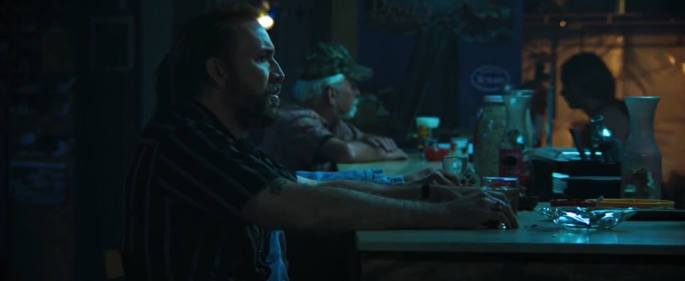
David Gordon Green is one of my favorite filmmakers. Impossible to pin down, he’s dipped his hands into a multitude of genres, going big with some, small with most, and always delivering something unique. He’s been extremely prolific, releasing almost a movie per year, and in some instances, more than one film in a 12 month period; he’s busy and I like it that way, because there’s always something different, edgy, and different about his films. He’s an idiosyncratic filmmaker clearly inspired by 70’s filmmaking, and the more I see of Hal Ashby’s work, there’s almost a modern Ashby sensibility to some of DGG’s output, as he’s always been interested in character and mood and atmosphere and people just as much as he’s been in plot. In his dark, slow burn drama Joe, Nicolas Cage went down and dirty and extra deep and DGG went small town and very mean with the nasty little film. This is a really tough but oddly rewarding movie, filled with low lives and drunkards and raw emotional and physical violence, telling a bruising story about a young boy dealing with a dangerous father, and how the kid crosses paths with a mysterious drifter (Cage) who may or may not be able to change his life for the better. Thanks to Tim Orr’s gritty cinematography, Joe has a very authentic atmosphere, and it’ll make you feel like a shower is necessary afterwards. Tye Sheridan impresses yet again; this kid has a serious streak going. Gary Poulter gives one of the scariest, most unpredictable performances of an alcoholic in a long time. But it’s the Cage show all the way in Joe, and this movie is a further reminder that he can still bring it when he’s interested in working with quality filmmakers on hefty material. He’s invested in the character, and so becomes the audience, and by the finale, the film hits moments of reflection and catharsis that are both unexpected and well earned.