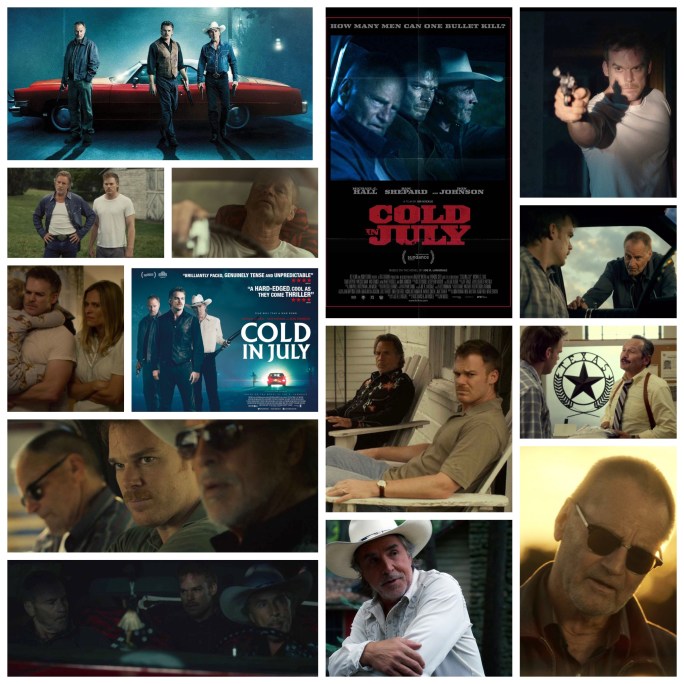
Jim Mickle’s Cold In July

Cold In July is a fairly ambiguous title that’s just this side of sinister but could mean anything. To writer director team Jim Mickle and Nick Damici, it means an unbearably intense mystery about fathers and sons, evil rearing it’s head in small town America, noir, perhaps the first buddy flick with three leads and a beautifully crafted 80’s aesthetic complete with an electronic John Carpenter style score that makes the film.

Michael ‘Dexter’ C. Hall plays a somewhat meek family man who accidentally shoots a prowler in his living room one summer night. Case closed? Not really, as it seems the burglar has a father (Sam Shepherd) who comes looking for answers. This guy is both a veteran and an ex con though, which makes him about the hardest piece of work you could find, but… soon it’s apparent that something isn’t quite right. The county Sheriff (Damici also doubles as a very fine actor) is clearly not being straight with Hall, dodging specific questions and veiling the truth. Eventually there’s an uneasy truce between Hall and Shepherd as they try to smoke out a deep set conspiracy, but things *really* kick into high gear with the arrival of Don Johnson’s Jim Bob Luke, a private detective with attitude to spare who blasts into the narrative in a giant red Cadillac convertible that becomes its own character and signifies a certain liveliness for the second two acts.

One of the coolest things about this one is that it’s billed as a mystery, which it lives up to and then some. From where it starts out as a nightmarish home invasion thriller to the levels of truth uncovered in the final act is quite the journey, an unpredictable journey that gets shockingly dark and perverse yet always retains a sense of humour, is constantly exciting and atmospheric. It always helps when the characters you take a trip like this with are engaging, and the dynamic between the three is something special. Hall is innocent enough until the darkness shows up at his door, Shepherd is the man of few words and lots of action, a cantankerous, difficult man whose moral compass eventually comes brutally into the forefront. Johnson straight up steals the show though, Jim Bob may well be his best character and even though the guy is kind of larger than life and ridiculous, he still fits within the narrative and Don makes him a tangible human being underneath the gloss and bluster. Watch for Wyatt Russell (Kurt’s kid), Happy Anderson, Lenny Flaherty and Vinessa Shaw. The original score by Jeff Grace is so damn good and carries this story nervously scene to scene with nerve shattering tension and those classic electronic synth tones that are coming back in such a big way. This was kind of overlooked on release but stands as tall as any big budget Hollywood crime thriller I’ve seen, and taller than many. Mickle keeps the direction tight and streamlined but allows for moments of character while keeping the story hurtling along with terrific momentum. Great film.

-Nate Hill
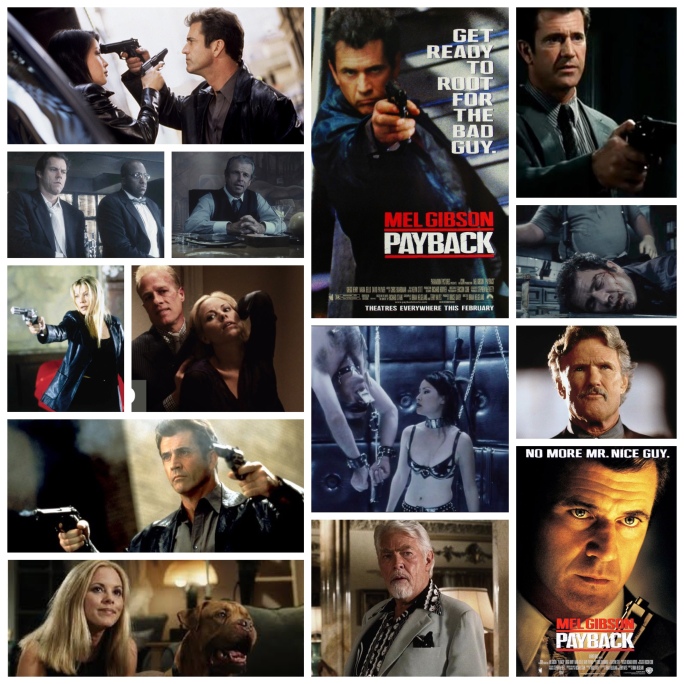
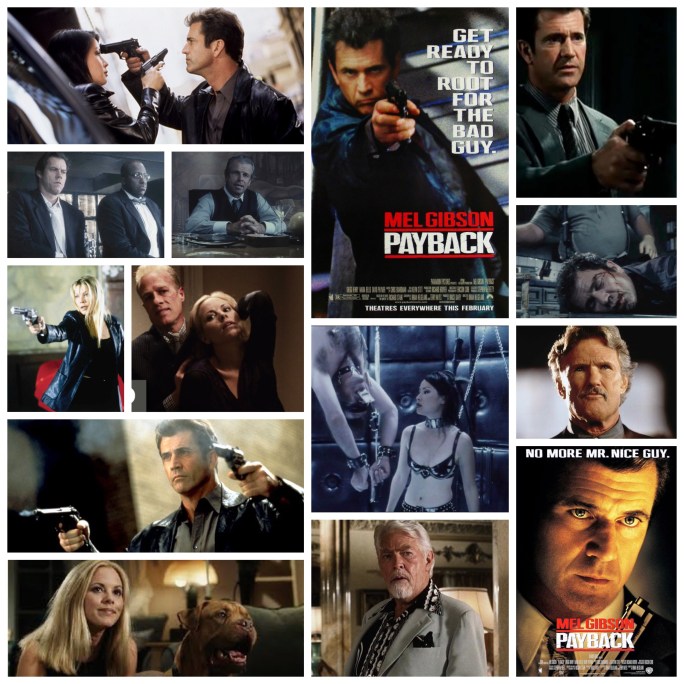
Brian Helgeland’s Payback

Isn’t it always kind of more fun when the protagonist of a film is an utter scumbag? I think so, and Brian Helgeland did too when writing Payback, my favourite Mel Gibson film (outside Mad Max of course, but that’s a high pedestal to breach). There’s something so engaging about Mel’s Porter, a street rat career criminal who’s betrayed by his treacherous partner (Gregg Henry) and junkie wife (Deborah Kara Unger), left for dead in an alley. After a rocky recovery he comes back with vengeance on the mind, hunting down those who fucked him over and anyone who profited from it. The first thing he does to set tone for his character is steal cash from a panhandling hobo, which is just about the starkest way to inform your audience of what’s to come. What does Porter want? He wants his 24k from the job he got shafted on, not a penny less and, hysterically, not a penny more either, which becomes the beloved running joke of the film as he prowls streets, poker rooms, titty bars and all kinds of lowlife establishments to get what’s his. Henry is off the rails as his former partner in crime, taking his usual brand of scenery chewing to new heights and picking fights with anyone who makes eye contact with him. He isn’t even the main villain either, that honour goes to a stone-faced Kris Kristofferson as the sadistic head of a shadowy mega crime syndicate who are soon alerted of Porter’s ongoing rampage. There’s uber corrupt cops (Bill Duke, Jack Conley), a weaselly bookie (David Paymer), a bureaucrat desk jockey villain (William Devane), a high class escort with a heart of gold (Maria Bello) who brings out the faintest of softer sides in Porter, a sneering assassin (the great John Glover) and others who all get caught up in the commotion this guy causes just to get his modest 24 grand. A young Lucy Liu also shows up as a sexy S&M hooker with ties to the Triads and enough scary attitude to either turn me on or freak me out, I’m still not sure. My favourite has to be James Coburn as another organized crime hotshot who seems more interested in his elaborate accessories than putting a step to Porter’s nonsense. “That’s just mean, man” he bawls after Mel puts a bullet in one of his designer alligator skin suitcases. So damn funny. This is the epitome of jet black humour, one of the meanest, gnarliest, bloodiest and most entertaining neo-noirs that Hollywood has ever produced. Mel has played so many heroes and upstanding family men that it’s refreshing to see him go for the contemptible asshole shtick, and I’ll be honest I’ve never rooted for one of his characters harder than I do for Porter and his deranged urban crusade every time I rewatch this, which is a lot. Fucking brilliant film.

-Nate Hill
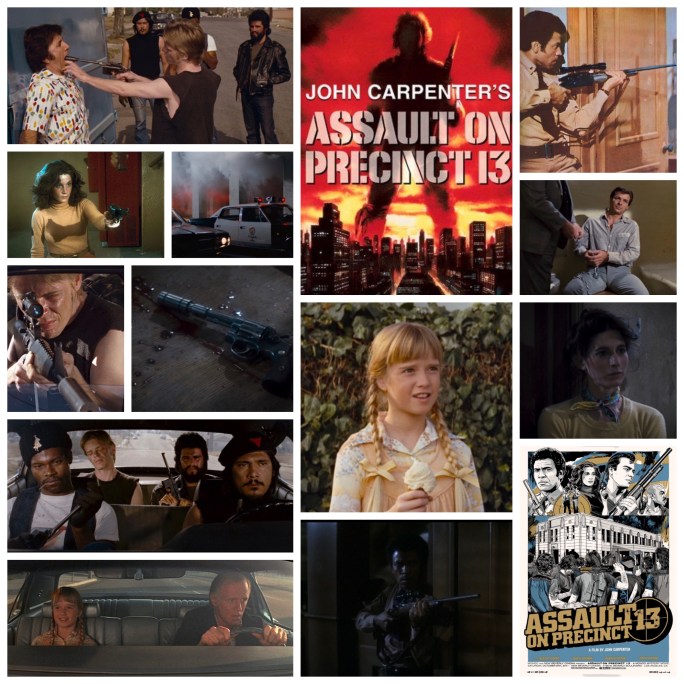
John Carpenter’s Assault On Precinct 13

What makes John Carpenter such an incredible filmmaker? Many things, but one skill he has is being able to make a terrific story come alive whether he has a huge budget or not, whether it’s a giant high concept story, or a lean, mean, minimalist chamber piece. With Assault On Precinct 13 he’s got a few guns, a few cars, a few actors and one derelict police station, and the result, although not among his best work, is one nasty little urban exploitation feature that entertains and packs a bloody, visceral punch. The premise is gloriously simple: Several spectral, inhuman gang members chase a witness into an almost shut down precinct with intentions on killing everyone inside. One intrepid Deputy (Austin Stoker), a mysterious career criminal (Darwin Joston), a plucky secretary (Laurie Zimmer) and others are all that stands between these marauders and all out warfare. It’s a siege flick, a cop flick and an action picture all in one and works because of how low key it all is. The assault on the building itself is showcase low budget cinema and really well done as multiple silenced weapons shred through the doors and windows, but my favourite sequence is an earlier one in the film. As the gang prowls the desolated, decayed LA streets looking for suitable vehicles to hijack, a lone ice cream truck driver (Peter Bruni) finds himself right in the crosshairs of these heavily armed psychos. Then as if that isn’t bad enough, a little girl wanders up to purchase a frozen treat and, non discriminately, is gunned down in cold blood. It’s a shocking scene on its own just for the fact that Carpenter had the balls to do it and in fact on Robert Rodriguez’s Director’s Chair interview he said that he probably wouldn’t have gone that far had he made the film these days. What’s worse for me is that the girl is played by Kim Richards who starred as Tia Malone in Disney’s Escape To Witch Mountain, a film I grew up with and saw hundreds of times as a kid, so thanks John for ruining my childhood with that. Jokes aside it’s a galvanizing scene from beginning to end and even if there are way better Carpenter flicks out there overall, it’s probably one of the best sequences he’s directed in an otherwise solid pulpy action flick. Gotta mention Carpenter’s original score too which, as per usual, is brilliant.

-Nate Hill

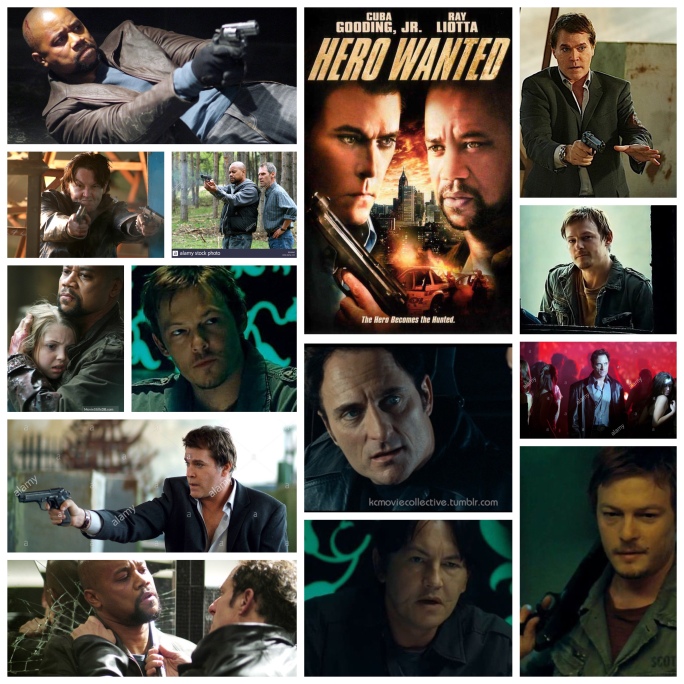
B Movie Glory: Brian Smrz’s Hero Wanted

In the realm of Cuba Gooding Jr straight to DVD stuff, Brian Smrz’s Hero Wanted is probably my favourite. Many of them are absolute paycheque collecting trash, some are half assed efforts but a couple are scrappy, unique little gems worth seeking out. Gooding explores the dark side of human nature here as Liam Case, a simple inner city garbageman who uses the underworld ties of his colleague Swain (Norman Reedus) to stage a bank robbery for… unorthodox purposes, to say the least. Only problem is that the gang they hire is led by unstable maniac Skinner McGraw (Kim Coates) and his cop hating second in command Derek (Tommy Flanagan). The robbery ends up in disastrous bloodshed thanks to Liam’s plans and he then launches a personal crusade of vigilante justice against Skinner’s gang. All this commotion also attracts the attention of a tough homicide detective (Ray Liotta) who comes gunning for him as well. That’s only the main story arc, there’s all kinds of swervy subplots including a young girl (Sammi Hanratty) who Liam saved from a burning car years ago, the mother (Jean Smart) of one of the bank tellers injured in the botched robbery and the great Ben Cross as Liam’s ex special forces adoptive father.

It’s a lot to take in and it doesn’t all work together in the pot it’s thrown into, but it’s never not interesting, has a gritty 70’s crime aesthetic to it, plus both the writing and performances are organic and inspired. Gooding is terrific, his character essentially a perpetual fuckup whose schemes have lead him down a dark path, one he’s fighting brutally to find his way off of. Liotta brings heart and humour, not just another thankless cop role but someone who seems like an individual. Reedus gives my favourite performance as a dude who walks the line between good and bad finely, and pays dearly for it in an intense, poetic cap to his arc. Coates and Flanagan chew the scenery like there’s no fucking tomorrow, relishing the villain roles and creating two reprehensible street scumbags for the ages. The film skips all over the place and jumps around in time on a whim, so characters who died a few scenes ago are back again, a plot thread resolves itself before its even begun and it takes some getting used to. It’s a low budget effort at heart, but a huge and very creative one at that. A lot of the dialogue seems improvised and very candid, my two favourite exchanges being: Liotta and enters a crime scene, sees his partner visibly shook up and dryly intones: “What’s the matter? You look like Oedipus after they told him he just fucked his mother.” Elsewhere, Gooding and Reedus have a beer on their lunch break and shoot the shit: “You know America was founded on labour?” Reedus absentmindedly observes. “My uncle used to work in that factory over there,” replies Cuba, “Now that niggas on crack.” It’s that kind of deliberately offbeat energy that makes this one for the books and not just another B grade write off. Fun stuff.

-Nate Hill
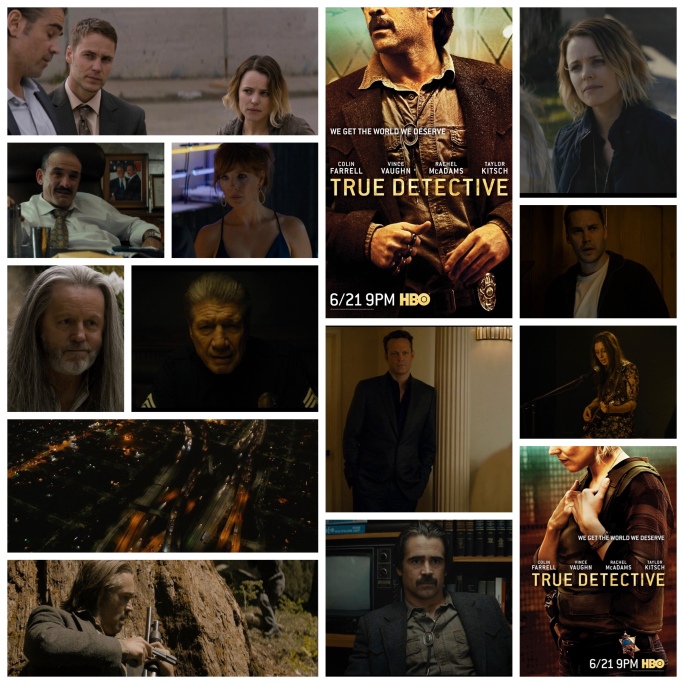
HBO’s True Detective: Season 2

So just what was it about season two of HBO’s True Detective that caused such a monumental ruckus of ruthless criticism? Well, who can say. I imagine it had something to do with the dark, difficult and byzantine way that creator Nic Pizzolatto presents the material. Maybe it’s the fact that it had to follow the lightning in a bottle, southern gothic, out of left field mastery of season one. Simply just the shift in tone and setting? I’m reaching for straws here because the hate and rejection that this brilliant piece of television has amassed always flew over my head. This is deep, dark LA noir at its finest, most gorgeously dangerous and I love every challenging, impenetrable episode to bits.

The setting shifts from bayous of Louisiana, the amount of lead characters multiplies significantly and where there was once eerie folk horror and occult conspiracy we now find decadence, corruption most high and a focused, implosive inwardness in exploring each individual the narrative focuses on. Colin Farrell is unbearably intense as LA cop Ray Velcoro, a haunted addict who has fallen from the grace of both the department and his family, but isn’t down for the count quite yet. Vince Vaughn is emblematic of every career criminal trying to go straight as Frank Semyon, a stubborn small time kingpin with dreams of scoring big in California real estate. Rachel McAdams is haunted as Ani Bezzerides, a cop with a tragic past and the deep set trauma to prove it. Taylor Kitsch is Paul Woodrough, a pent up special ops veteran turned state trooper who rounds out this quartet as they’re faced with the kind of miserable, insurmountable odds one always finds in the best kind of film noirs. There’s an unsettling, decades old conspiracy afoot in the fictional yet uneasily realistic county of Vinci, CA, a brooding, festering menace that seems rooted in the now booming transportation system that has taken the economy by storm. Our heroes struggle to fight treachery, debauchery and excess run mad everywhere they turn, for their souls and California’s itself alike as the slogan for promotional material “We get the world we deserve” seems stingingly apparent throughout.

Farrell is my favourite as Velcoro, the anxiety ridden badass who displays the horrors of his past in the manic whites of his eyes and drowns them out with enough booze and blow to feed a city’s collective habit. He’s an antihero type, moonlighting as an enforcer for Vaughn but maintaining a fierce moral compass when all else is naught. Vaughn feasts on the stylized dialogue here and produces verbal poetry so good it hurts and you hit the rewind button just to hear his delivery again. His Frank is a hard, jaded piece of work with a soul hiding beneath the layers of anger and distrust for the world around him. McAdams’s Ani comes from a place of childhood trauma so unthinkable that they barely show it in hushed flashback, and it’s apparent in her caged animal body language, by far the actress’s most affecting work. Kitsch makes the slightest impression of the four and his arc didn’t seem as immediate as the others but he still did a bang up job in intense physicality. After the success of season one a host of excellent actors were drawn to this project, standouts here include David Morse as Ani’s commune leader dad, Kelly Reilly as Frank’s intuitive wife and second in command, Rick Springfield (!) as a shady plastic surgeon, Ritchie Coster as Vinci’s terminally alcoholic mayor, W. Earl Brown, James Frain, Ronny Cox, C.S. Lee, Lolita Davidovitch and the legendary Fred Ward as Ray’s bitterly prophetic ex-cop father.

Pizzolatto spins a very different kind of story here, one composed of long glances, deep shadows, arresting establishing shots of Vinci’s sprawling highway system, as dense and tough to navigate as the season’s central mystery, which isn’t one you get a sense of in just one, two or even three viewings. Impatience and frustration are easy to understand with this narrative, but one shouldn’t write off this piece so easily and I’m sure that’s what happened. A few people don’t have the time to invest in it, get hostile and throw some negative reviews out there and before you know it it becomes cool to hate and there’s folks throwing around words like ‘flawed’ before they’ve attempted a single episode, but that’s the way the internet works I suppose. Balls to them though, this is a deliciously dark, highly stylized, very emotional ride through a world whose themes, intentions and true colours aren’t readily visible until you descend several layers deep alongside these compelling characters. It’s thoughtful, pessimistic yet just hopeful enough to keep a candle lit in all that darkness and has some of the most beautiful acting, camera, dialogue and music work I’ve seen from anything. Masterpiece.

-Nate Hill

PRISONERS (2013)

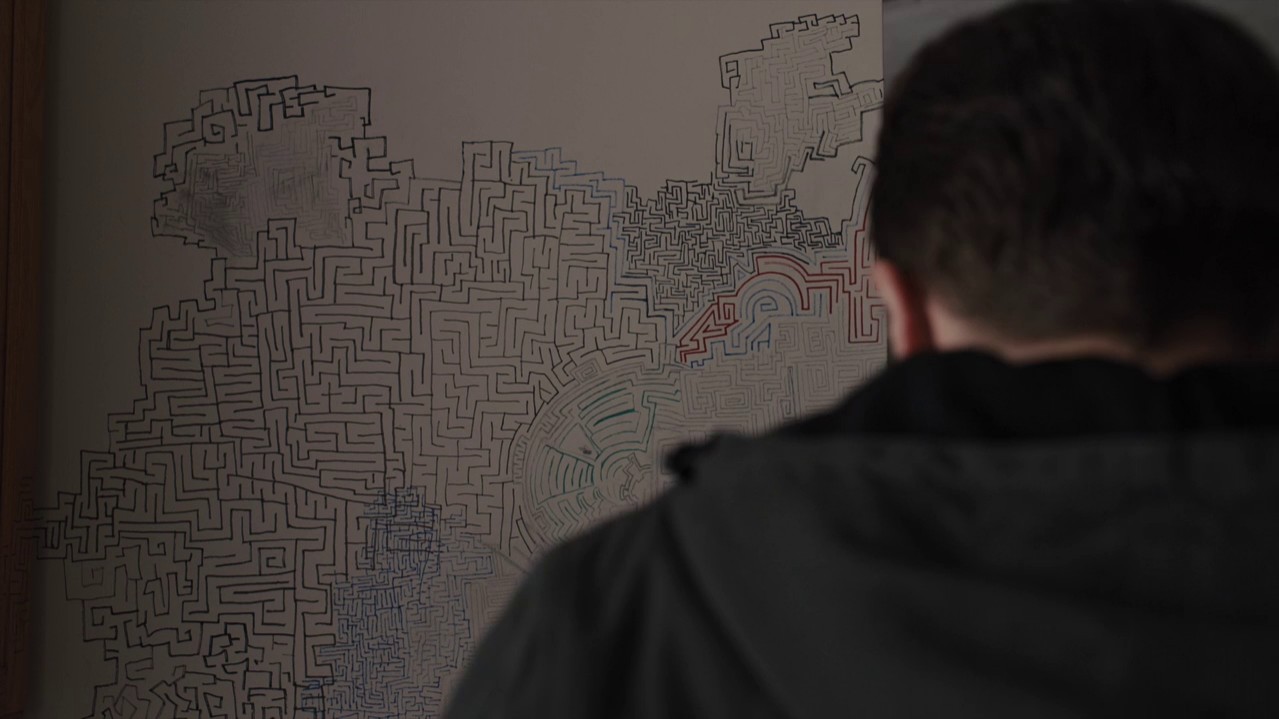
“If goodness is order, evil must be disorder, the straight path or the maze…” – Eugene Ionesco

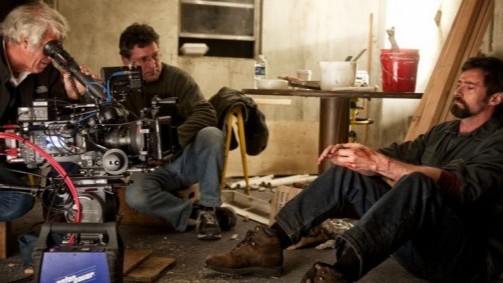
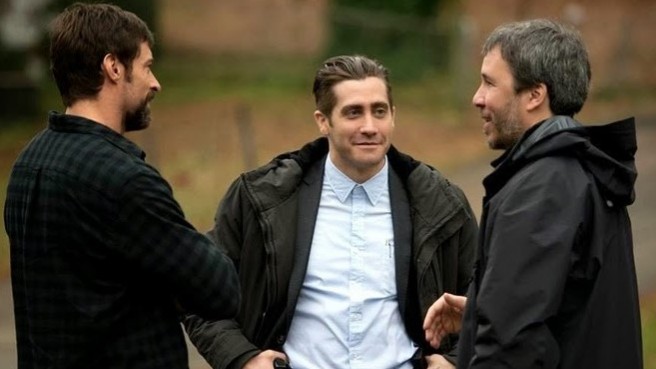
In 2013, when the oh so talented French-Canadian film director, Denis Villeneuve (Sicario, Arrival, etc) paired with the triple BAFTA and long awaited Oscar winning cinematographer, Roger Deakins (EVERYTHING) for Prisoners, a cinematic masterpiece was born. I can only imagine how Aaron Guzikowski (Contraband, Papillon) must’ve felt knowing his script had fallen into the hands of greatness. And can we talk about that hypnotic score by none other than the late, great Jóhann Jóhannsson (Sicario, Mandy) that’s been playing on a loop as I write this??

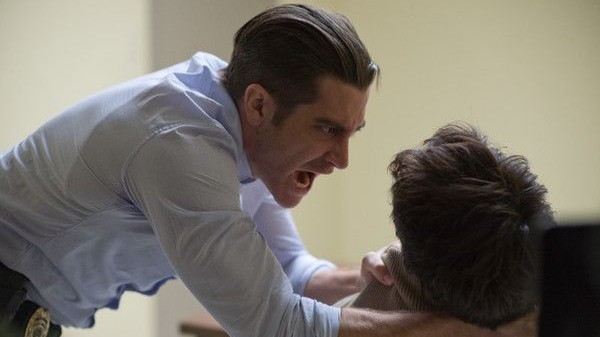
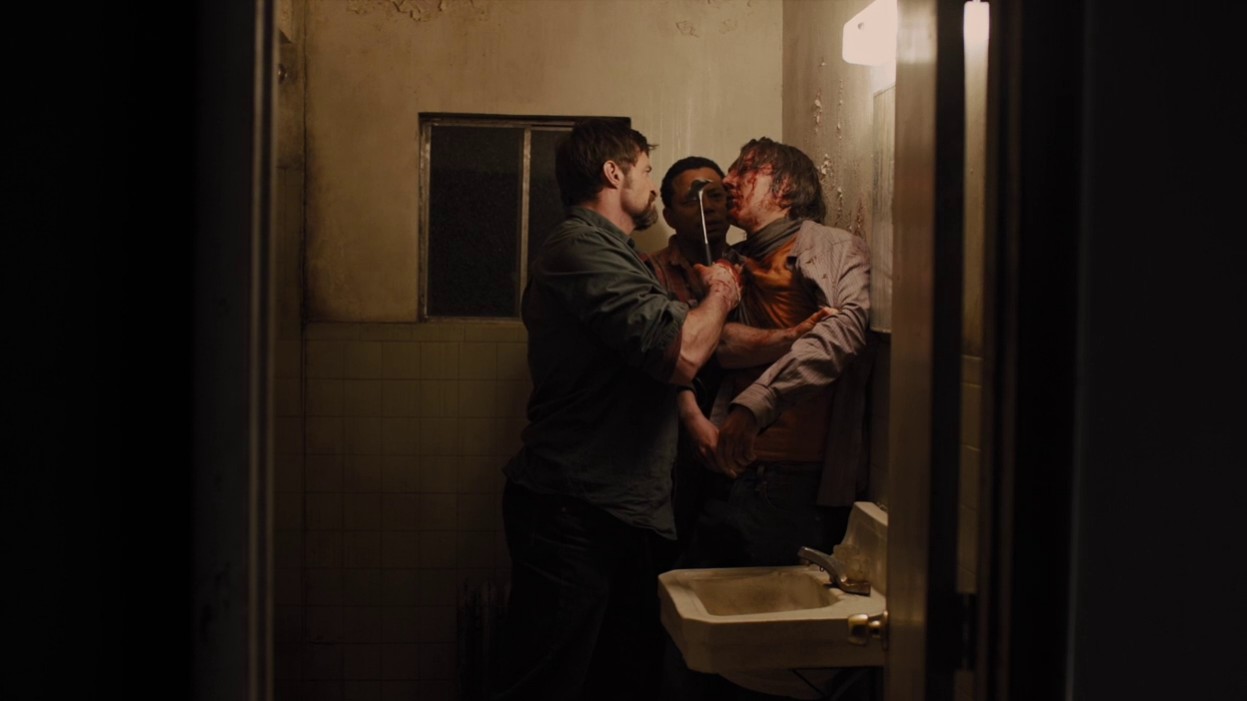
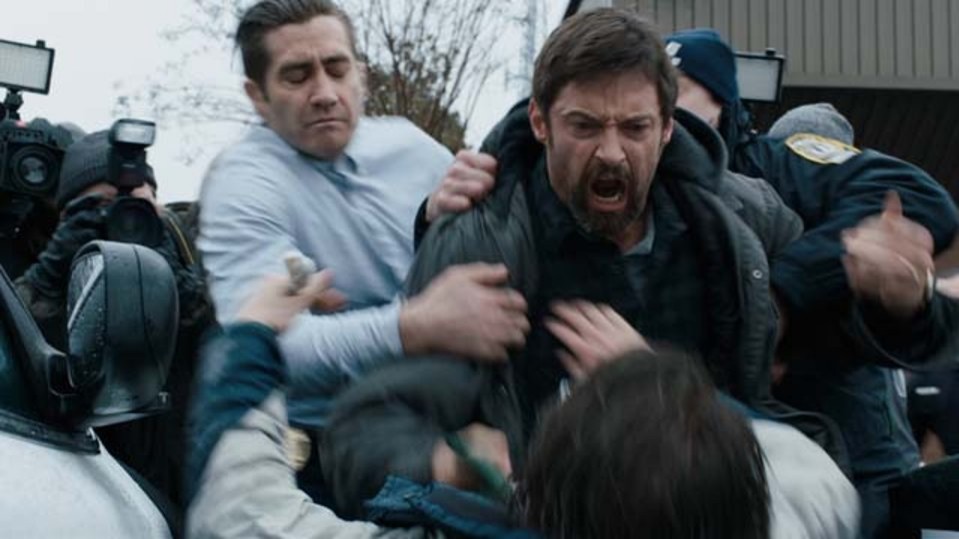
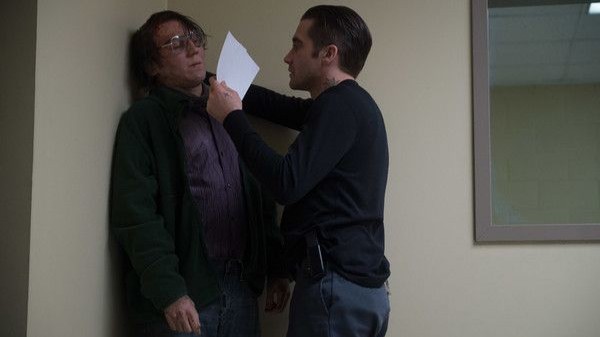
I, for one, am a BIG fan of movie violence and Prisoners doesn’t shy away from delivering a heavy dose of it. However, with its consistent tone, it is only violent when it needs to be and delivers it with realism. The outbursts of rage burgeon from Keller Dover (Hugh Jackman) as he finds himself lost within his own mental labyrinth between morality and retribution. A man who will stop at nothing to find answers about his missing daughter, even if it means ruthlessly torturing Alex Jones (Paul Dano), a suspect released due to the fact that he has the IQ of a 10 year old boy and yet seemingly still knows pertinent information about the case.

They didn’t cry until I left them” – Alex Jones

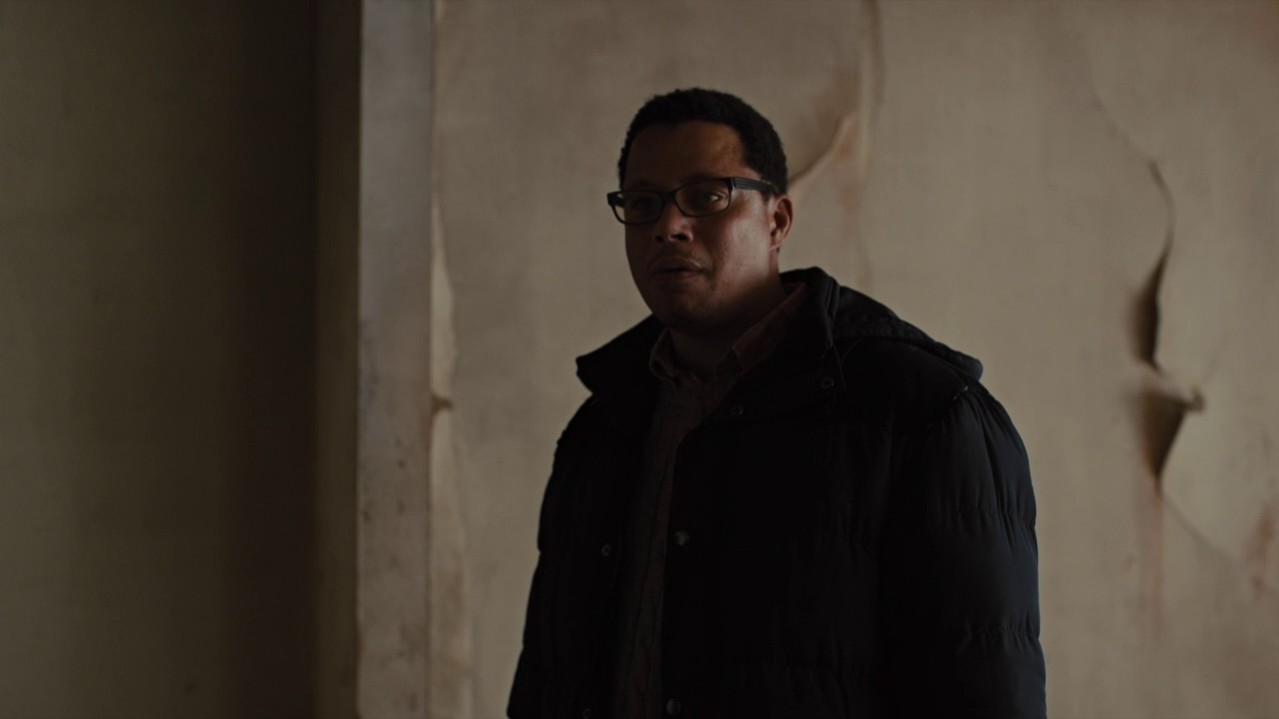
Franklin Birch (Terrence Howard) personifies what’s at stake for Keller in relation to his deeper conscience. As Franklin remains true to his wife and stands by his family, we see Keller start to lose grip with reality, drifting further away from his family through drinking and becoming more focused on his new….um….extracurricular activity.

No light gets in, barely enough
room to sit down inside.
The shower still works, but we
control it from out here. I
rigged the water heater, so it
either comes out scalding or
freezing.
– Keller Dover

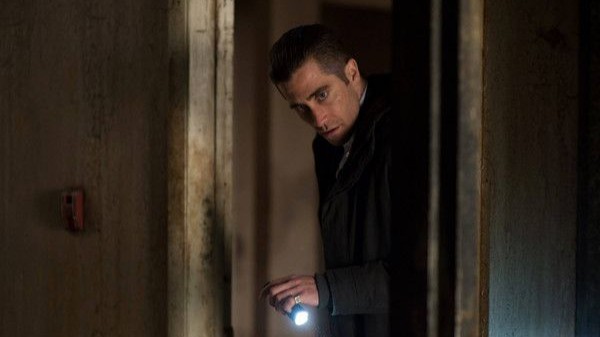
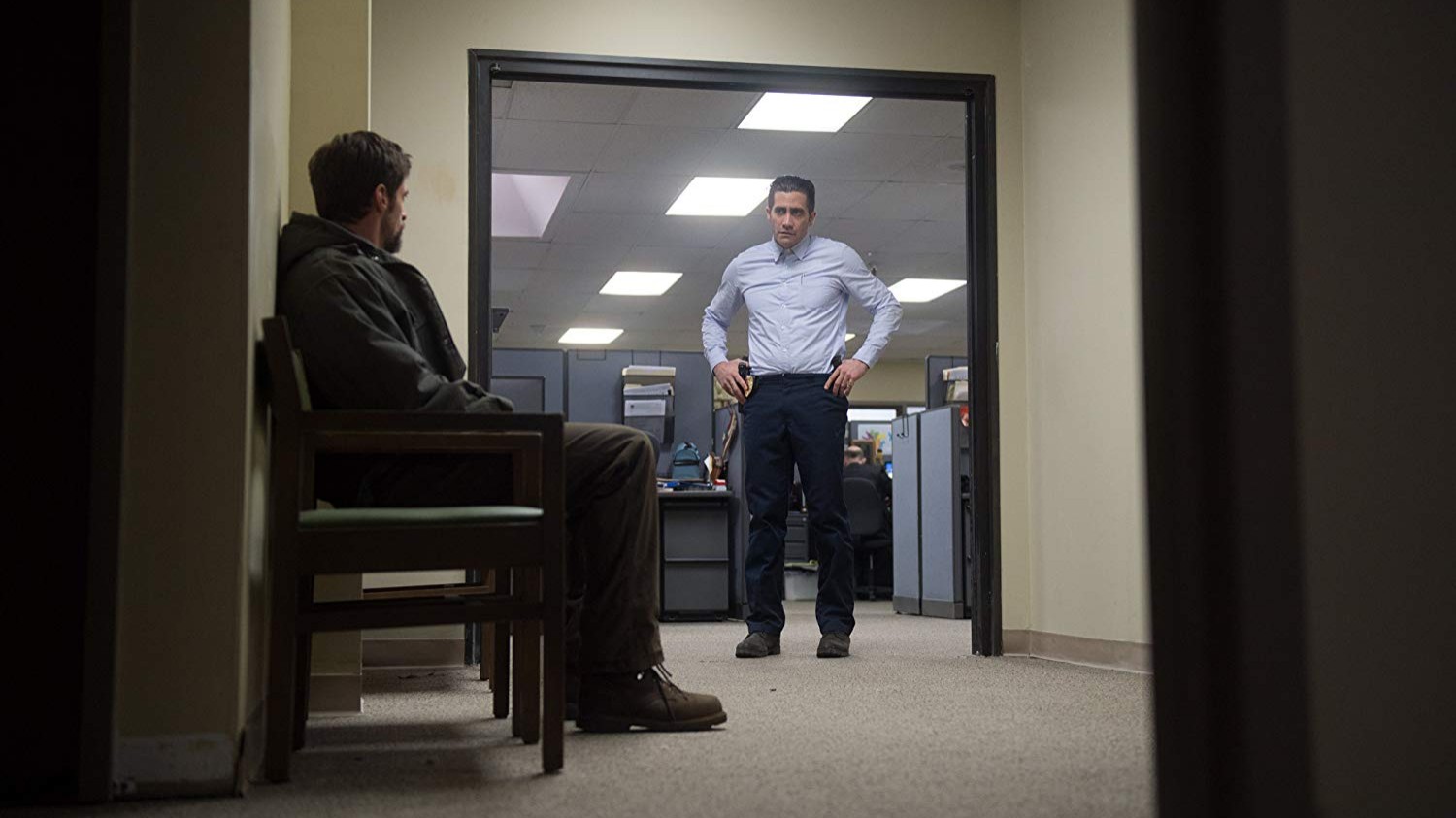
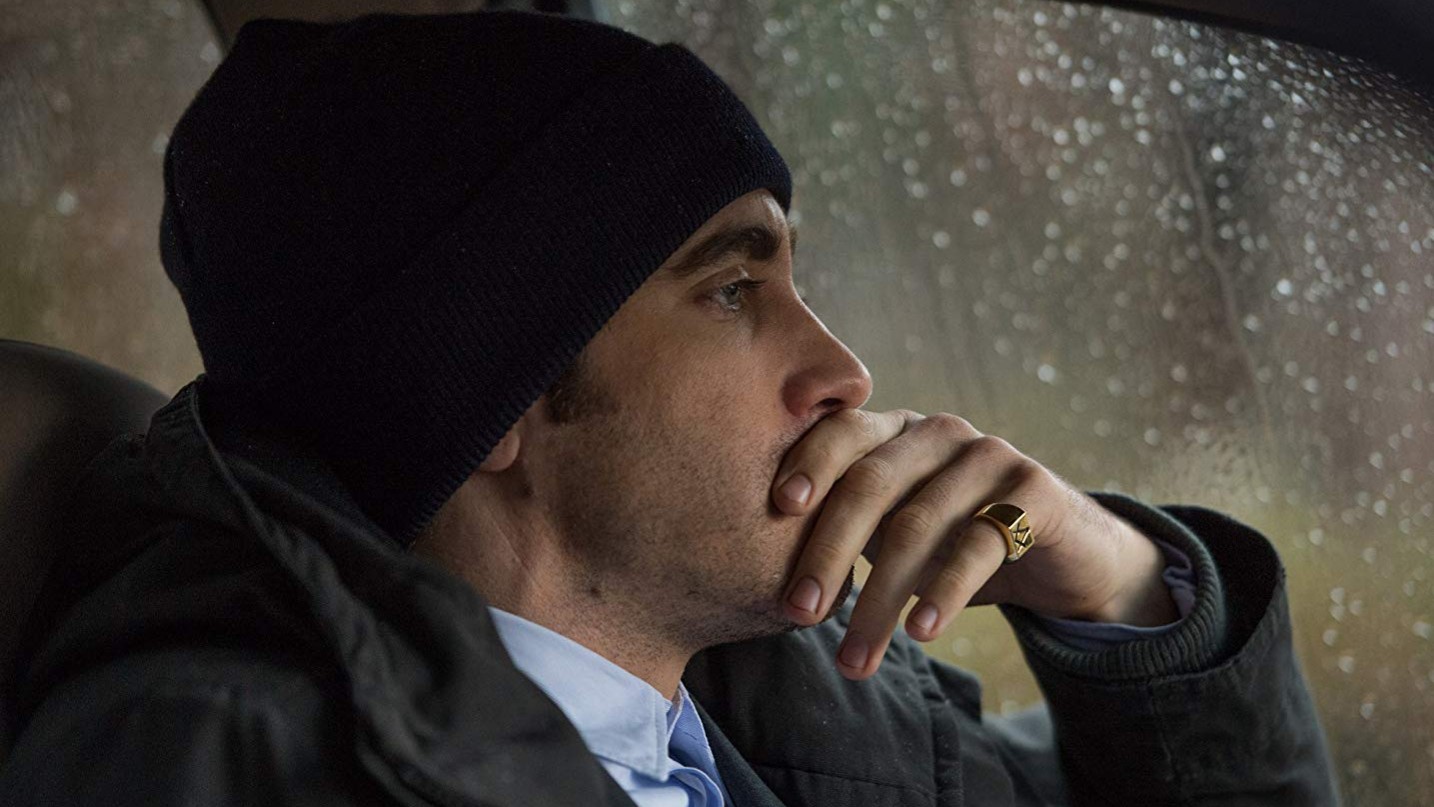
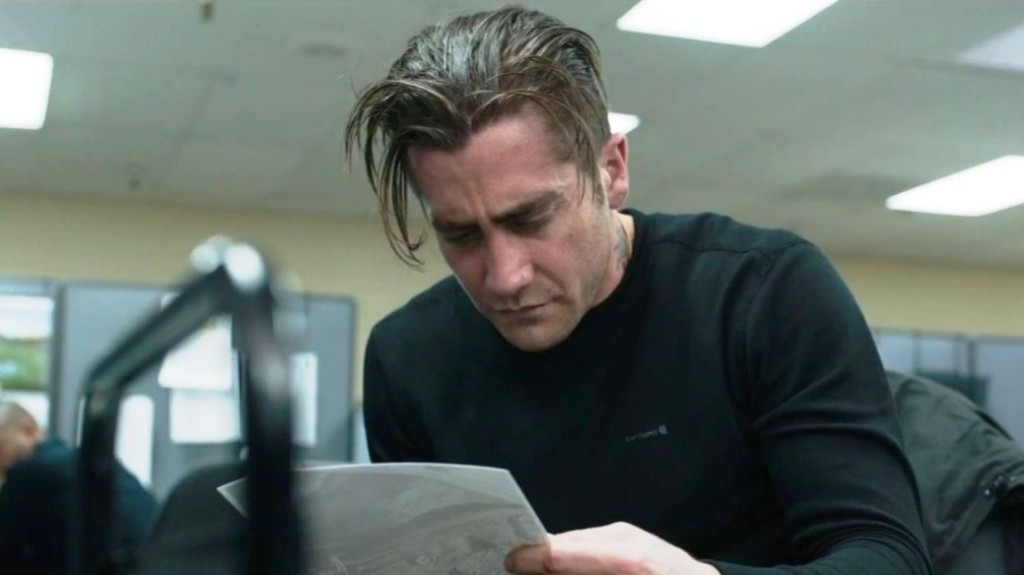
And then let’s talk about Detective Loki (Jake Gyllenhaal). One of Gyllenhaal’s best performances, in my opinion...but what’s with that blue shirt buttoned all the way up throughout the whole movie??

His daunting angst is made visually apparent by a nervous tick and cold exterior especially when given the case of the two missing girls. His steadfast level of professionalism is tested when dealing with the grief-stricken, emotionally deranged Keller. Loki seems to internalize everything, which makes his few emotional outbursts all the more unsettling. His obsession with this particular case makes him briefly question his own sanity but he eventually succeeds at piecing together this tumultuous puzzle.

In closing, I give this film a ten out of ten and if you haven’t seen it yet then I highly recommend you set aside two and half hours of your life to do so. I absolutely adore these types of hard boiled movies and greatly appreciate this type of material. Why not create more films at this caliber instead of the onslaught of sequels, trilogies, and remakes upon remakes?? If I see another Disney cartoon made into a live action movie my nightly bloodlust will overflow into my days. I’ll feel lethal, on the verge of frenzy. I think my mask of sanity is about to slip….

From the incredible cinematography, to the masterful direction and captivating performances, Prisoners will forever be one of my top film picks.

Paul McGuigan’s Lucky Number Slevin

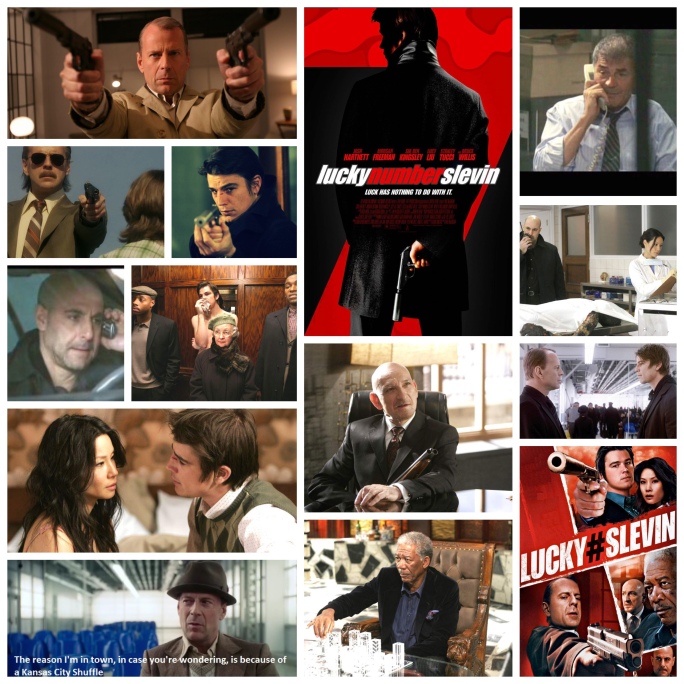
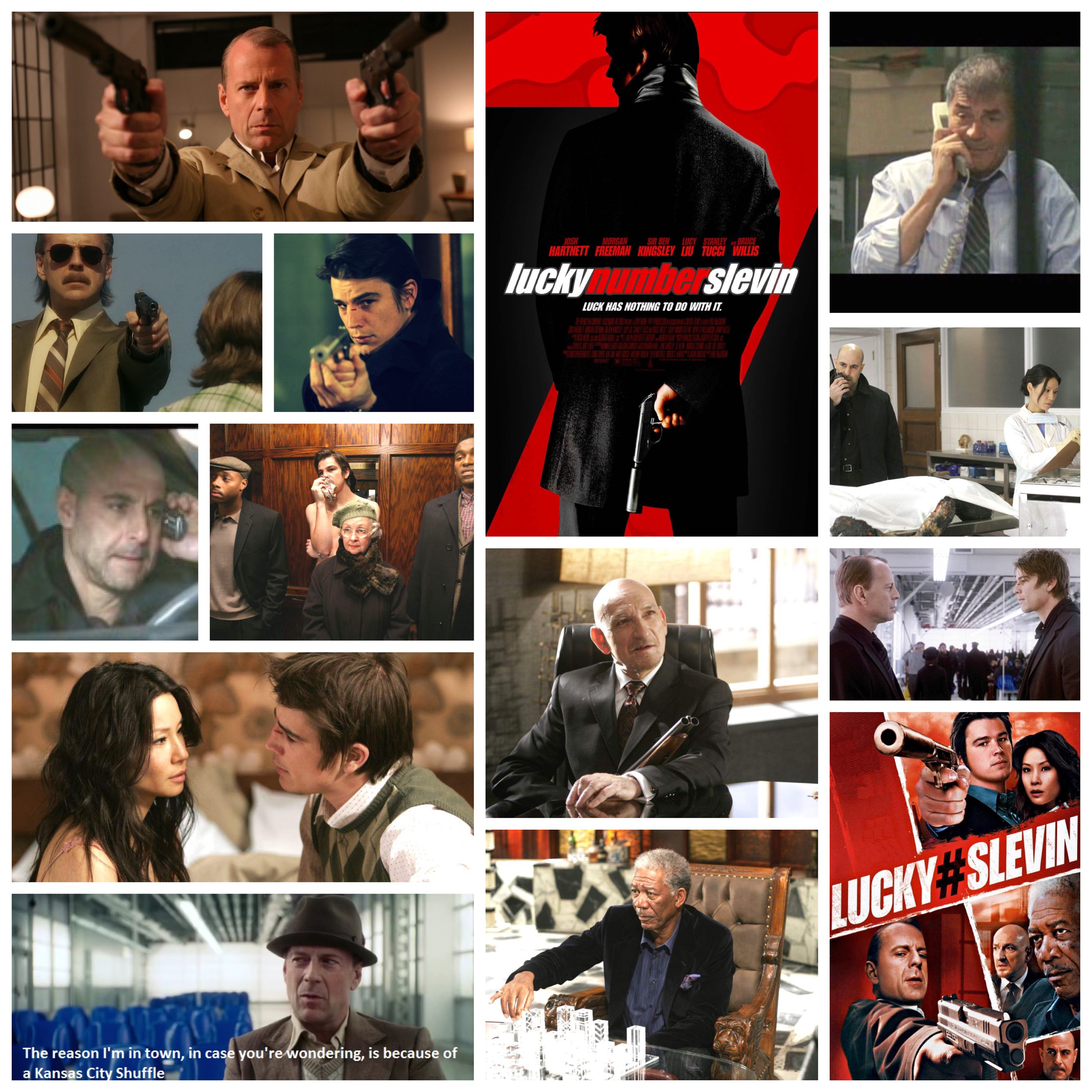
Like Bruce Willis’s cranky hitman Goodkat assures us in the sleepy opening to Paul McGuigan’s Lucky Number Slevin, this is a story that pulls the rug out from under you big time, going left when you look right and anchoring the very glib, cavalier crime shenanigans in something solid and emotional in the eleventh hour. It’s a wild, wacky film that borrows from others and often gets sidetracked by itself, but it’s also one of the most stylish, ambitious and beautifully made crime dramas of the last few decades, and has become an all time favourite for me.

Josh Hartnett plays the mysterious Slevin, a hapless dude who is constantly mistaken for an even more hapless dude named Nick Fisher. Fisher is in a lot of trouble, owing large gambling debts to feuding NYC mobsters The Boss (Morgan Freeman) and The Rabbi (Ben Kingsley), debts which now forfeit to Slevin simply because he’s consistently in the wrong place at the wrong time. Then there’s the overzealous, shady NYPD cop (Stanley Tucci in mean mode) shadowing him, plus the bubbly girl next door (Lucy Liu) who tags along in his adventures in mistaken identity. It’s all very overelaborate, convoluted and long winded, but it’s part of what makes the thing so magical. Characters often use ten words where two will do, employ quirky anecdotes, monologue and show their pithy eccentricities, it’s an oddball script by Jason Smilovic that makes for one labyrinthine ride through New York City’s peculiar underworld dating back to the 70’s. The actors are having an absolute blast here and we get further work from Mykelti Williamson, Cory Stoll, Danny Aiello, Peter Outerbridge and more. A standout is the great Robert Forster in a cameo as a cop who delivers more exposition in one single scene than I’ve seen in some entire films, he’s a great enough actor that he fills a seemingly inconsequential role with wit and personality.

McGuigan is a stylist who throws colour and pattern into the mix even when the scene doesn’t call for it, to great effect. Why shoot in a drab warehouse or monochromatic apartment when you can douse your set in kaleidoscope design just for the sheer hell of it? It works, the offbeat production design serving to illustrate and accent a very strange, often hilarious yet ultimately human story. Much of the film is near cartoon level neo noir that doesn’t dig two deep, but there are three scenes, and I can’t be specific here without spoiling, that anchor it straight into the ground, provide an emotional core and make something heartfelt cut through the tomfoolery. Many people wrote this off as just silliness, but that’s lazy criticism 101. This is a fantastic film, full of many things to love. It’s probably Hartnett’s best work in a very eclectic career and his romantic chemistry with Liu (also superb) is patiently developed and adorable to see. Freeman and Kingsley eat up the dialogue like wisened old alligators and have a blast playing their arch villains. Willis is darkly charismatic and empathetic when he needs to be, stealing every scene. A classic for me.

-Nate Hill
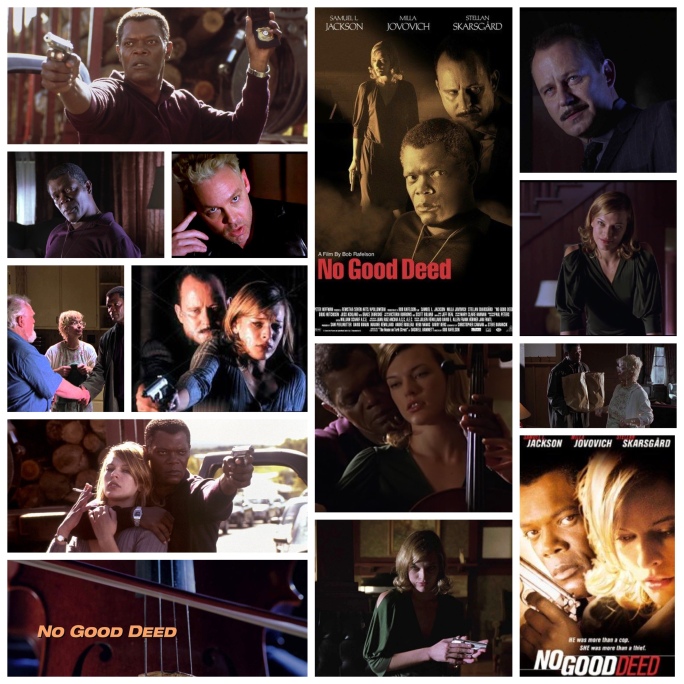
Tony Krantz’s The Big Bang

Tony Krantz’s The Big Bang is one of the most interesting indie flicks to have come along in recent years, and while I can’t quite call it a great film, it has to be one of the most ambitious I’ve ever seen. There are so many concepts, characters, creations, ideas and pontifications running about here that it almost becomes a swirling soup made up of parts of itself as opposed to a cohesive meal, but I’ll never turn down original ideas and unique creative expression, no matter how fucking bonkers it’s all presented.

This is one of those films with a cast that is the very definition of eclectic. A handful of actors are gathered up here who would normally not be seen in the same thing together, let alone casted as against type as they are, and I’m always an advocate for casting against type. It’s basically a noirish California detective story infused with themes of physics and pseudoscience, like Phillip Marlowe by way of Nikola Tesla. Antonio Banderas does an impressive encore here as Ned Cruz, a low rent private eye who is hired by one monster of a Russian prizefighter (Robert Maillet) to find a pen pal girlfriend named Lexie Parsimmons, who he has never even met. As with all detective stories like this, that one seemingly simple task leads Ned on a riotous goose chase all over LA and the outskirts, encountering every oddball, weirdo and pervert the sunny state has to offer. His search is also intercut with scenes in the future where’s he’s somehow been arrested by three spectacularly corrupt LAPD big shots and is being interrogated to the nines.

I greatly admire Krantz for giving his film life, vitality, filling in every corner with substance and conversation and providing every character, right down to those who only get one scene or so, with their own personality, quirk or viewpoint. The three cops are played by William Fichtner, Delroy Lindo and Thomas Kretschmann and if you’re a fan of either you’ll know what scene stealers they are, they constantly try to one up each other with pithy barbs and are all fantastic to watch in action. Most memorable has to be Sam Elliott as Simon Kestral, an eccentric billionaire who is funnelling big bucks into literally recreating the infamous Big Bang using scientific equipment, it’s a hilariously counterintuitive casting choice for such an earthy cowboy but it just somehow works. Look at the rest of the lineup too, which is populated by people like James Van Der Beek, Jimmi Simpson, Bill Duke, Sienna Guillory, Rebecca Mader, Autumn Reeser and Snoop Dogg as a porn director who greatly enjoys acting in his own films, because of course Snoop would.

The plot here is impossibly convoluted and packed to the gills with nonsense, runaway trains of thought, synergetic visual poetry, scenery chewing from almost every actor and all manner of sideshow trickery, but as they say, the fun is in the journey, and what a journey Krantz provides for his characters. I can’t call this a great film but I can say that I love it a lot, I think it’s one of the nuttiest things I’ve ever seen attempted, it looks so fucking sexy onscreen (just look at the poster) and you don’t find films this unique every day. With the upcoming release of David Robert Mitchell’s Under The Silver Lake, which I’ve still yet to see, I’ve been fixated on LA noir films (this one is that and then some) and I’ve been going back in time to revisit some of my favourites. What are yours?

-Nate Hill
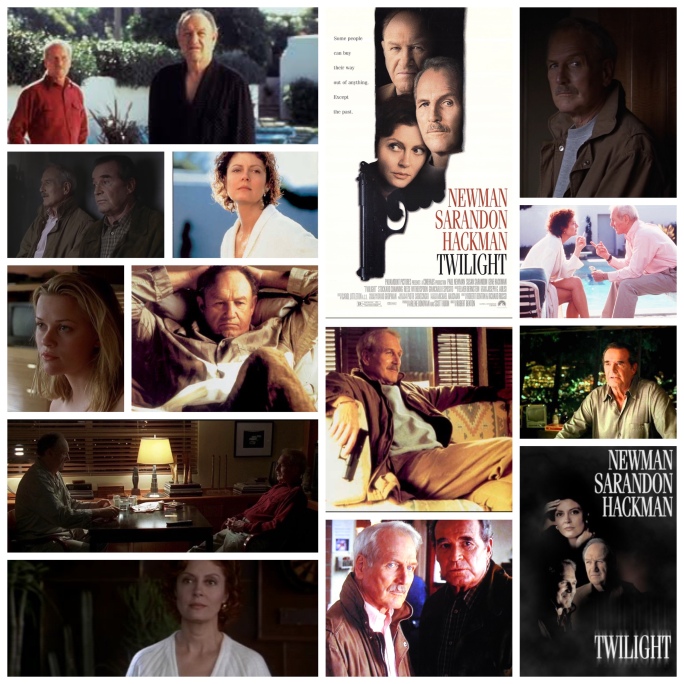
Robert Benton’s Twilight

The title Twilight obviously brings up bad memories of a franchise we’d all like to forget, but before that abomination ever entered the fold, the moniker belonged to a laconic, brightly lit yet darkly intoned LA film noir starring Paul Newman as an aging Hollywood private investigator. He’s a guy who was was never famous himself but seemingly behind the scenes of stardom and scandal and making a career out of it until his golden years find him living on the lavish estate of a fading starlet (Susan Sarandon) and her husband (Gene Hackman), also an actor of former stature. He’s always been in love with her but is also Hackman’s good buddy and it makes for a love triangle that is never too tense or melodramatic, but just as uncomfortable as it needs to be. He sort of serves as their homefront security officer and sorta just spies on Sarandon languishing by the pool and you can tell that the three of them are just mournful ghosts of what they probably were decades ago, haunting their surroundings like echoes rather than living in them.

Things get heavy for them once again when Newman takes on a shady job that involves delivering blackmail money, a situation that quickly snowballs into deceit, old wounds torn open and, of course, murder most foul. Something nasty is going on that dates years back into the collective past of these three individuals and has come back to bite them all squarely on the ass, and although it might not be the most innovative mystery narrative and certainly aspects are predictable, it’s just so much fun watching these master actors play it out in sunny Hollywood enclaves. Speaking of old pros, James Garner has a nice supporting role as an ex cop pal of Newman’s who helps him out with intel and backup. Watch for early career work from Liev Schreiber, who now stars on Showtime’s Ray Donovan, another LA noir story that I’m almost positive drew inspiration from this film. A very young and very naked Reese Witherspoon also shows up briefly, as well as Stockard Channing, Margo Martindale, Giancarlo Esposito, Jason Clarke, John Spencer, Clint Howard and M. Emmett Walsh. Newman is terrific here in one of his older dude roles, his blue eyes lend just a hint of optimism to the downbeat noir archetype. Hackman and Sarandon say a lot with little dialogue and plenty of body language, embodying damaged souls with grace and grizzle.

I recently heard a character in Amazon’s Goliath (yet another LA noir- can you tell I’ve cultivated a fixation on the sub genre?) say that murders in LA and Hollywood are especially tricky to solve because anybody could know anybody or be connected to anything. That gives ample freedom to intertwine characters and set up strange encounters or resolutions to plot, which is always fun and evident here too. It’s a slow, sunny burn of a crime flick that isn’t designed to be particularly flashy or lurid, but unfolds at its own pace alongside Newman & Co. Good stuff.

-Nate Hill

Bob Rafelson’s No Good Deed

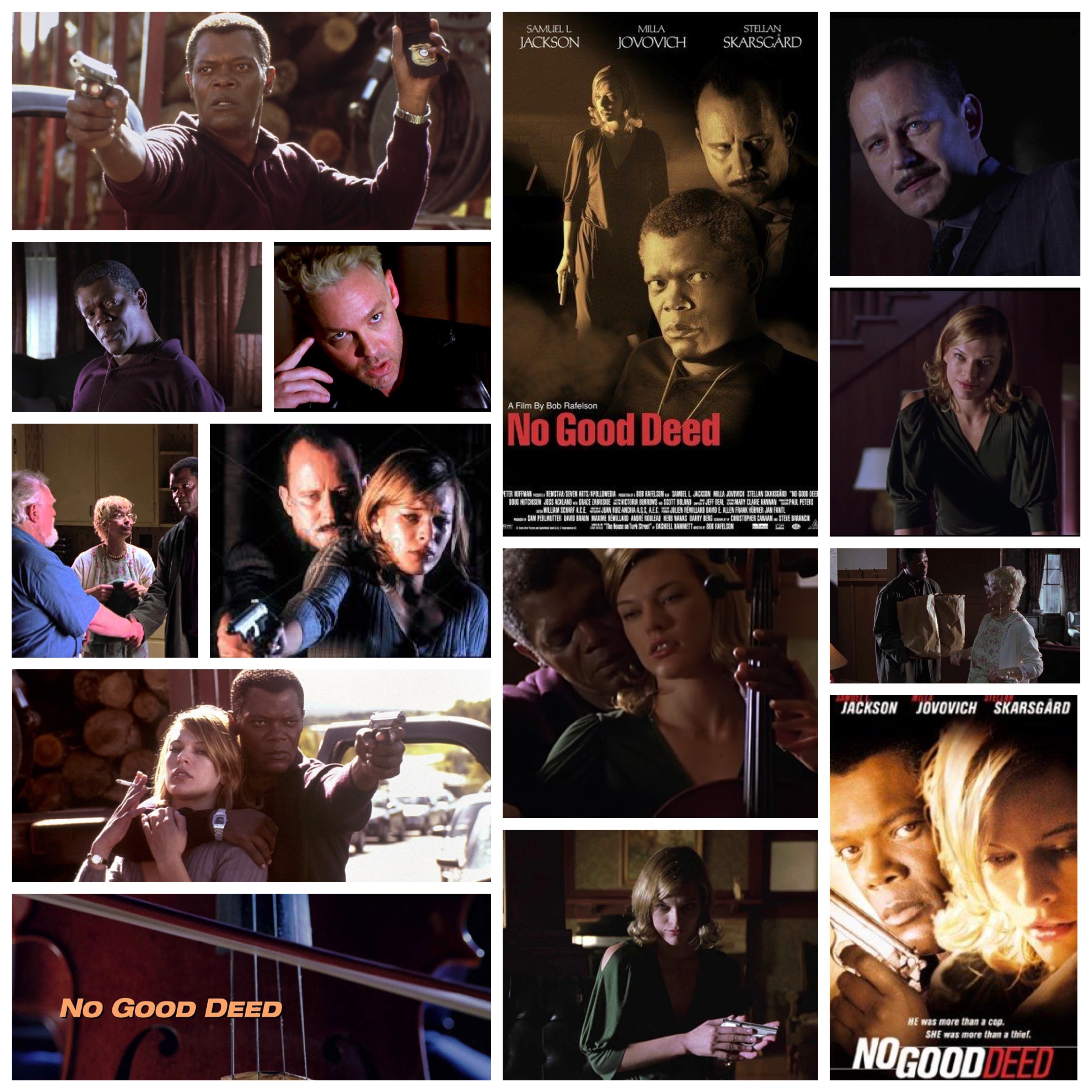
It’s kind of rare for rambunctious actors like Samuel L. Jackson and Milla Jovovich to sit still for something as dramatic and dialogue heavy as Bob Rafelson’s No Good Deed, but it’s nice to see. This is a thriller of sorts, but it’s more low key than that and ends up being a chamber piece about two characters getting to know each other that just happens to take place against a criminal backdrop. Jackson plays a police detective on a routine investigation who turns up at the wrong place at the wrong time and gets drawn into a weird bunch of felons all hiding out and planning a bank job. Stellan Skarsgard is Tyrone, their volatile, violent leader, Jovovich is his quiet but intuitive and underestimated girlfriend, left alone to watch Jackson, now their hostage. This leaves acres of script space for Milla and Samuel to play, manipulate each other, bicker, banter, become close and twist the situation to both their ends while gradually catching feels for each other. It’s interesting that Rafelson casts these two because they’re usually to be found in action heavy stuff, shooting guns, swinging swords and tasked with stylized dialogue. Here they are laid back, oddly but nicely paired and the most quiet I’ve ever seen them, and it… kind of works. Skarsgard is mean and nasty, which he’s always been great at, journeyman oddball Doug Hutchison plays another lowlife in their gang, while Joss Ackland and Grace ‘Sarah Palmer’ Zabriskie play the senior faction of the crew, a strange husband wife duo who can still wield a shotgun when the situation calls for it. This is based on a Dashiell Hammett story which probably means it was sitting in someone’s desk drawer for decades before being found and reworked for this century. Rafelson gives it the pacing of something by Elmore Leonard and eccentricities to spare. It’s not a super memorable thing or a great film by any standards but works well enough as a sleepy, romantic crime thriller. Oh yeah, this is the legendary Rafelson’s final feature film before apparent retirement, so it’s worth checking out for that reason too.

-Nate Hill