David Mackenzie’s Perfect Sense

David Mackenzie’s Perfect Sense is one of those films that is indeed almost near perfection, a totally unique viewing experience from frame to frame. It also happens to be one of the most depressing things you’ll ever sit through, so fair warning. The story unfolds in Glasgow, where some strange pandemic is causing people, all over the world, to slowly lose there sensory perception, one at a time and preceded by cursory symptoms like rage, hunger, grief or the like. Sounds like a neat setup for a streamlined post apocalyptic thriller right?

Not so much. Mackenzie is fascinated more by things like intimacy, pacing, thoughtful musical accents, haunting narration and how these underplayed qualities are influenced by the extreme nature of the theme. It’s also a fiercely passionate love story, but one that gets gradually bleaker, as each instrument in our bodies we use to show love for one another slowly dims and darkens, a harrowing thing to witness once we’re invested. A research scientist (Eva Green) and a chef (Ewan McGregor) meet, fall in love and are then faced with the dire adversity of the world’s situation. First everyone’s sense of smell disappears. Then taste. Hearing soon after. And so it goes. Their romance is already a tangled bramble bush thanks to both their collective issues, and once the epidemic enters the picture, things aren’t easy to deal with and don’t go well. McGregor’s sunny disposition contrasts the overcast,

dismal palette of the film, whilst Green and her seemingly never depleted stores of intensity are in full forecast, the two making an electric pair onscreen. I love how a story that’s so rooted in sci-fi and thriller elsewhere gets the quiet, contemplative romantic focus here, it’s a welcome change. This isn’t Hollywood territory though, and the epidemic is treated in the gravest way, without salvation via deus ex machina in sight, and I’ll warn you that the final scene will land with an anvil blow to your ol’ soul, it’s that bleak and disheartening. Couldn’t recommend it enough though, it’s a dose of pure brilliance on every perceivable level.

-Nate Hill

Luc Besson’s Valerian And The City Of A Thousand Planets

Luc Besson’s Valerian And The City Of A Thousand Planets is a lot of fun here and there, but I couldn’t help being a smidge underwhelmed by the whole deal, having waited years for news of a new Besson space opera following his insta-classic The Fifth Element. There’s just… something missing in the magic here, an undercurrent that should be cohesively flowing through it that’s sort of absent, leaving it feeling very episodic and loose. It’s not the heavy CGI that bothered me either, as the effects here are some of the most flat out amazing and well done graphics I’ve ever seen, particularly in a prologue set on a shell beach style planet with avatar natives running about, a stunning way to open the picture. No, it’s something illusory that didn’t ring true, something that was there in Fifth Element and just didn’t make it to the meeting this time around. The story centres on space feds Valerian (Dane DeHaan, who I just can’t help but be annoyed by in anything I see him in) and Lauraline (Cara Delevigne), hunting through the universe for a treasured artifact from aforementioned shell beach planet, mainly focusing on a manufactured megastructure housing over eight hundred million different species, all clambering over each other in the craziest, most colourful celebration of special effects to come along in a while. Seriously, the wildly varied aliens, gorgeous vistas and chase sequences set in the City are really something to be proud of, and when the film is in action mode, it’s a delight. Story suffers a lot though, with Clive Owen awkwardly hamming his way through a military captain role, John Goodman playing Jabba The Hut, a vague genocide subplot involving the avatar dudes, it all happens dimly and is hard to get a grasp on from scene to scene. Also, the writing for Lauraline and Valerian’s suuuuccckkkks. It’s meant to be adorable, glib romantic back and forth, yet just feels clipped, unnatural and stale. DeHaan drones on with it, and doesn’t ever feel at home in the role unless he’s doing stunts that don’t involve dialogue. Delevigne fares better and seems to really be having fun with her role, stealing the show from under Valerian’s nose. The best acting work of the film, shockingly, comes briefly from Rihanna as a shapeshifter thing called Bubble with an affinity for dancing and a hopeless romantic’s heart. Ethan Hawke is also there as some kind of zany cowboy pimp, an energy that’s a far cry away from his usual stone-faced intensity. Watch for the quickest ever cameo from an under-utilized Rutger Hauer, so fleeting that if you’re even a minute late to the theatre you won’t have a clue he’s in it. I did enjoy lots with this one, including a romp through the dining hall of a gluttonous alien race that resemble Harry Potter trolls, a fantastic extended action set piece in a sprawling bazaar market that overlaps into multiple dimensions, providing clever shortcuts, escapes and pratfalls for all involved, and the rich detail in costume design as Valerian travels through Rihanna’s section of the City, not to mention top drawer special effects all about the film. It just didn’t have the heart or connective tissue to make all these elements stick or resonate though, like a shattered mirror whose pieces are off lost somewhere. I found myself wanting to pop in my Fifth Element DVD multiple times, for there the story provoked emotion and made you deeply care for it’s two intrepid protagonists and their romance, whereas here it just feels a bit lifeless and forced, with an overarching narrative that needed way, way more fleshing out to really work or go somewhere. Next time, Luc.

-Nate Hill

Indie Gems: Brian Jun’s Steel City

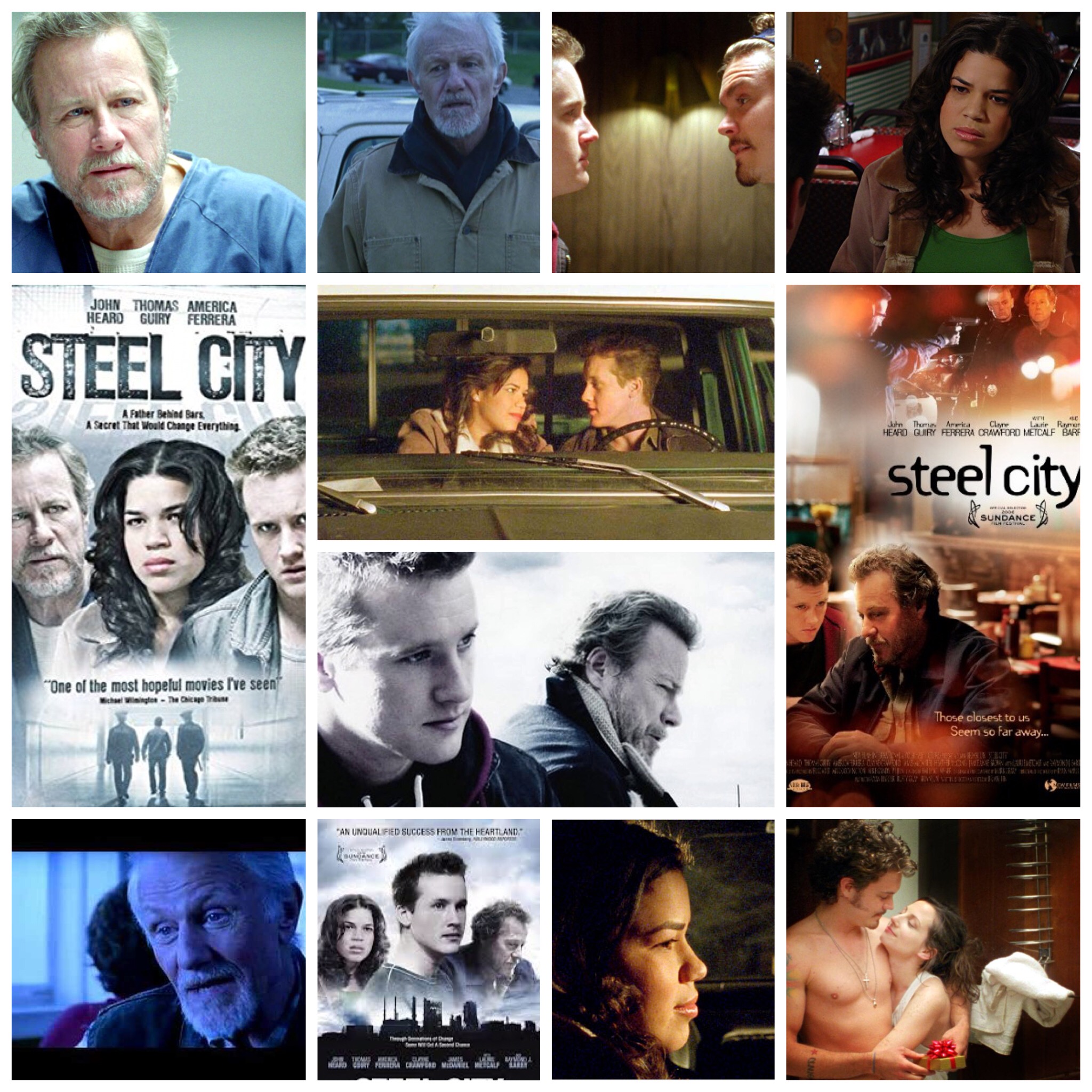
Brian Jun’s Steel City is a fantastic, little heard of indie rust belt drama that deals in choices, consequences, regrets and what it takes to heal, if possible. In the heartlands, a young working class man (Tom Guiry) struggles with pretty much every aspect of his life. His father (an understated John Heard) has been recently incarcerated, and it’s tearing him apart, as well as his family. His older brother (Clayne Crawford) is a hotheaded mess. He finds solace when his uncle Vic (Raymond J. Barry, superb) offers him work and sobering life advice in equal doses. He meets a wonderful girl played by America Ferrera, and gradually, bit by bit, his story hits an upswing. This is a small story, revolving around a minuscule faction of the big picture, but that’s all it is anyways, thousands of lives unfolding on personal scale, adding up to this mosaic we call humanity. Life goes on for him, and the film is but a small window into one transitionary chapter of his life. Guiry is great, but Ferrera is magic as the kind of girl anyone could only hope to end up with. Barry gives one of the most soulful turns of his storied career as the kind of no nonsense mentor who cares a lot more than is visible behind all that gruff. The kind of life affirming story that finds hope in the oddest of places.

-Nate Hill

Jonas Ackerlund’s Spun

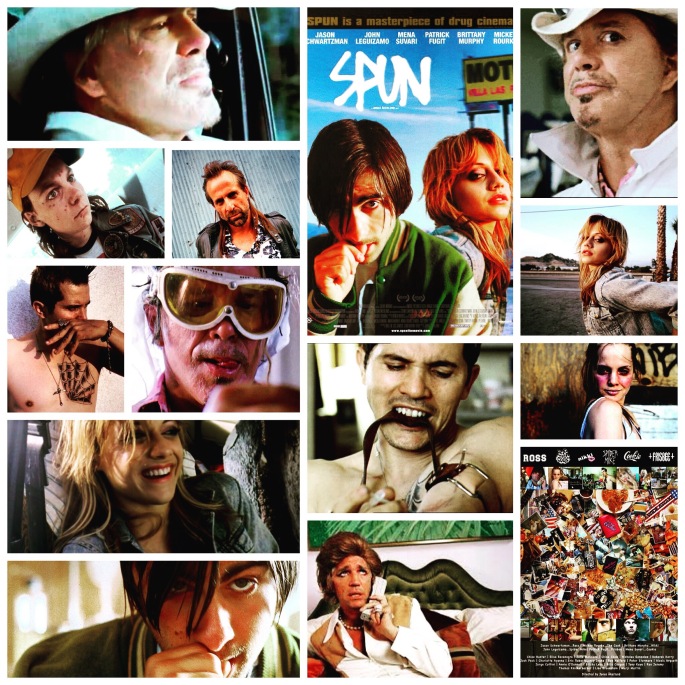
Jonas Ackerland’s Spun is a film you’ll be onboard with in seconds, or jumping ship before the credits even start. It’s unpleasant, epileptic, downbeat, hyperactive, fucked up, strung out, cartoonish, nonsensical, unstructured, and is a complete masterpiece for those willing to lend an empathetic ear towards lost souls mired in the doldrums we call drug addiction. Set on a particularly sweaty day in the suburbs of L.A., all the film really does is try to keep up with a sorry bunch of meth-heads as they meander through a hazy existence filled with confusion, mania and that ever present need to score. Jason Schwartzman’s Ross is the default protagonist, and he moves from locale to locale, encountering the denizens of each dwelling in all their warped glory. John Leguizamo’s trademark brand of crazy is right at home as Spider, a maniacal dealer who can’t sit still for a nanosecond, along with his haggard looking girlfriend Cookie (Mena Suvari). Brittany Murphy is excellent as wayward Nikki, who leads Ross to her cook boyfriend, a strange fellow credited as literally The Cook, played in a brilliantly dark pitched, sad turn by Mickey Rourke. There’s others flitting about as well, including Patrick Fugit’s nutball Frisbee, a couple of frenzied narcs played by Alexis Arquette and Peter Stormare, plus cameos from a grab bag of figures like Debbie ‘Blondie’ Harry as a fearsome diesel dyke, Judas Priest frontman Rob Halford as a porn shop clerk, Ron Jeremy, Larry Drake, Josh Peck and a surprise Eric Roberts who gets a reunion of sorts with former costar Rourke. Director Ackerland, also a music video whiz, employs every stylistic trick and balls out editing fuckery to his film, until we have some wild inkling of what it must be like for these deranged urban pixies and their ADHD addled misadventures. It isn’t all comedic though; Once in a while the crazy curtain lifts and we see the deep set sadness that lives in these characters, a melancholy self loathing in which the actors find truth amongst the raging din, especially Murphy and Rourke, who provide the best work of the film. Mickey has a final act monologue that encapsulates the weary trajectories inhabited by these folks. Much of the film is stylized sound and fury though, a cavalcade of noise, vulgarity, offbeat altercations and loosely strung together events that have no meaning to anyone outside this asylum’s inner circle of addicts. One of a kind experience, and the most blatantly honest film I’ve seen on the subject of drugs.

-Nate Hill

Pride & Glory

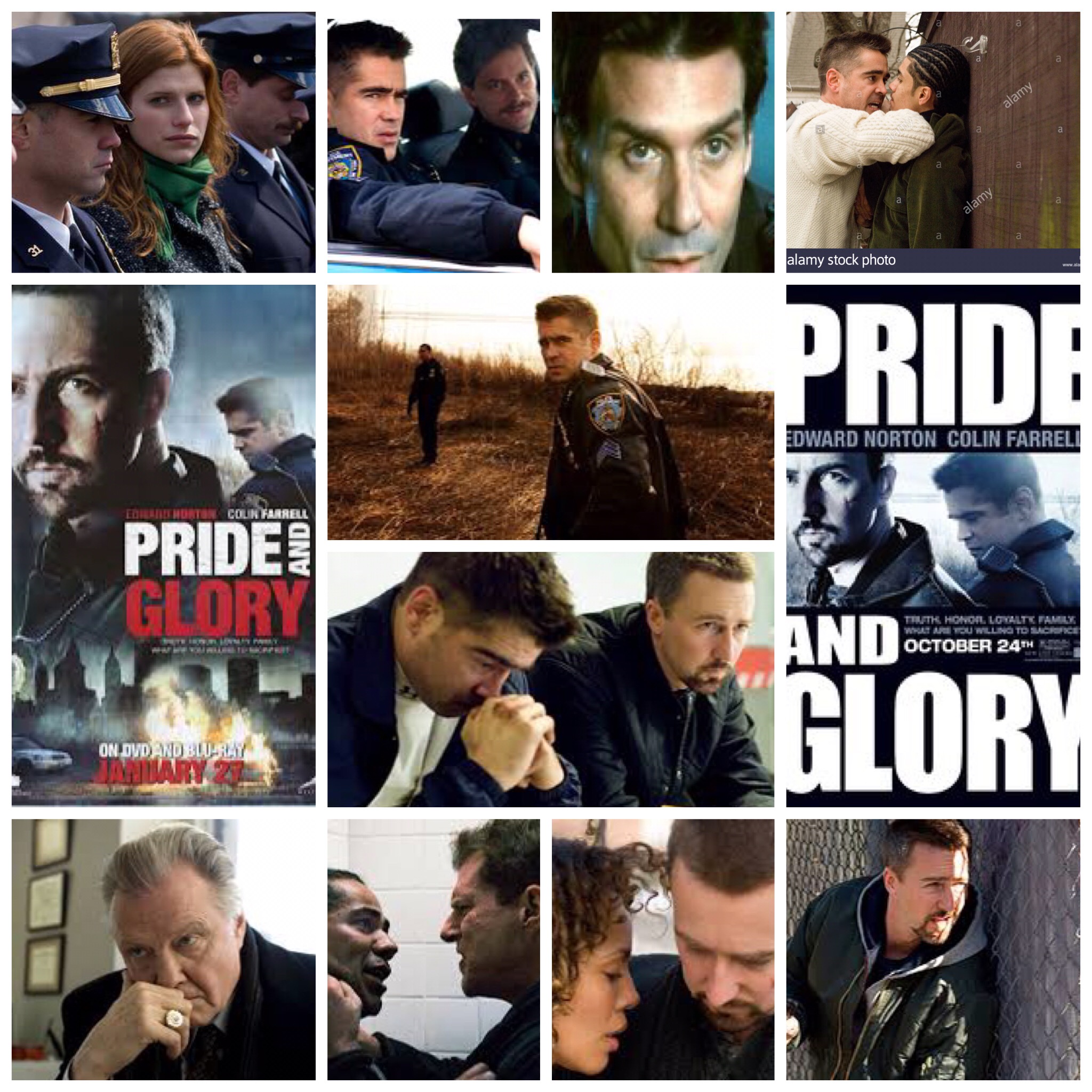
Pride & Glory is a gritty police melodrama that grabs the audience, shakes them till the point of concussion and wrings the life out of them with it’s nonstop intensity and performances that could raise buildings to the ground. Think I’m exaggerating or overselling? Give it a go, it’s fucking nuts. NYC cop dramas are a common occurrence out there, and have been for a long while, but something about this one just rings eerily true, rattles your cage and lets both the violence and corruption seep into the marrow of one’s viewing experience. After a drug deal erupts into multiple murder, a family of cops is thrown in an uproar. Haggard straight arrow Edward Norton is on point of investigation by boozy patriarch Jon Voight, and ends up finding out way more than he bargained for not only in regards to the NYPD, but about his fellow cop brother (Colin Farrell) too. Their third brother (underrated Noah Emmerich) is too busy taking care of his sick wife (Jennifer Ehle) to notice the corruption, or maybe does and looks the other way. Every faction adds to the pressure cooker of an atmosphere, rooted in the familial relationships that can’t withstand dangerous secrets. They should call the guy Colin Feral, because he’s a right beast as a guy whose moral compass is so out of whack he doesn’t know who he is anymore. The actor is fervently complex in his work, and makes the guy way more human than other performers would, but he’s still terrifying, whether threatening a newborn baby with a hot iron or full on brawling with Norton in a fracas of a man to man bar-fight. Voight is one of those characters who is so corrupt he doesn’t even notice it anymore, which is a dangerous avenue to arrive at when you’re in such a position of power. The supporting cast is pockmarked with fiery work from terrific actors including super underrated Carmen Ejogo, Wayne Duvall, John Ortiz, Lake Bell and two arresting turns from reliable firebrands Frank Grillo and Shea Wigham. Built around a script by Joe Carnahan, who feeds off of authentic dialogue and realistic shaping of events, this is one that pulls you right into it’s suffocating world of beleaguered sentinels of law enforcement whose eyes have become dim to that thin blue line separating order and madness. Brilliant, heavy stuff.

-Nate Hill

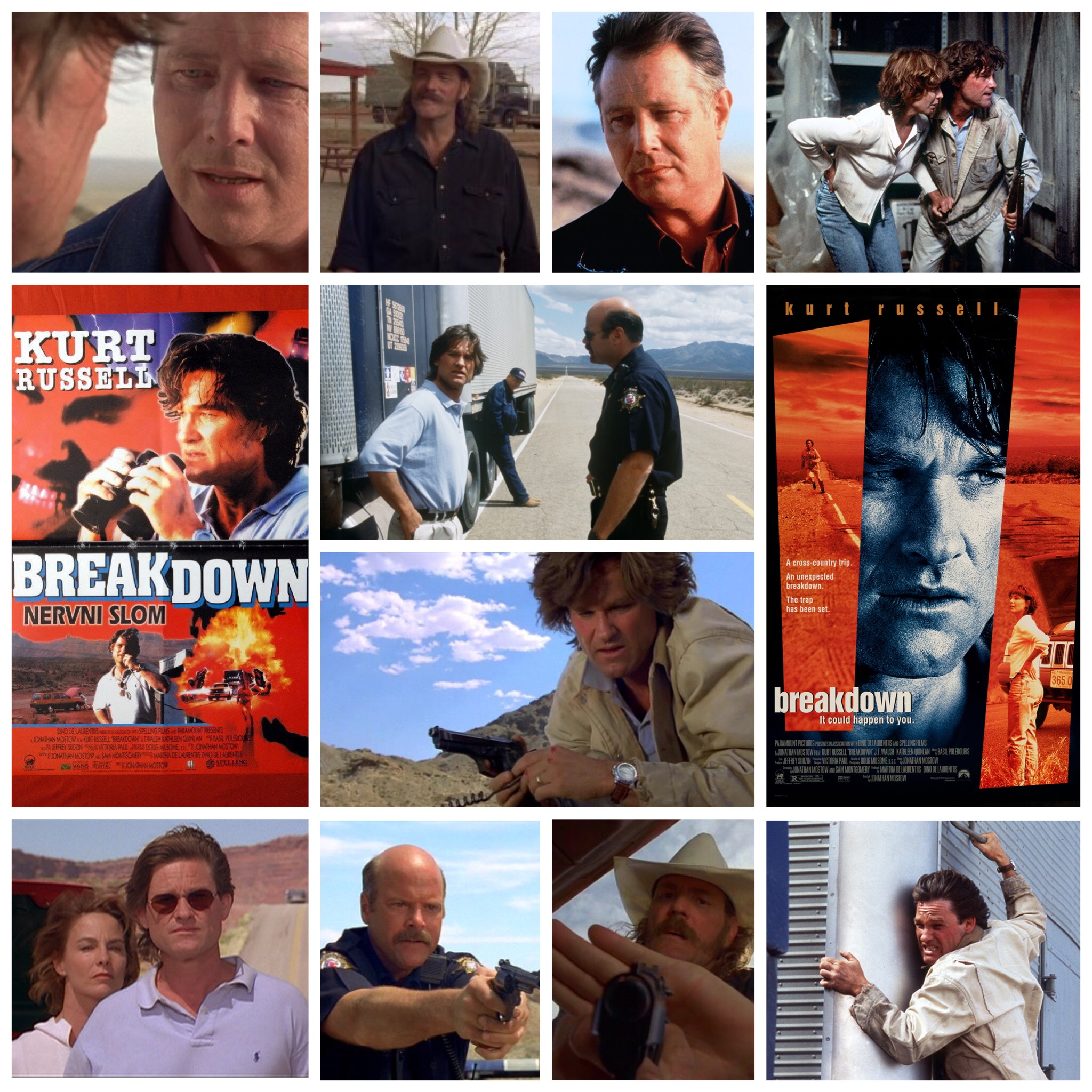
Jonathan Mostow’s Breakdown

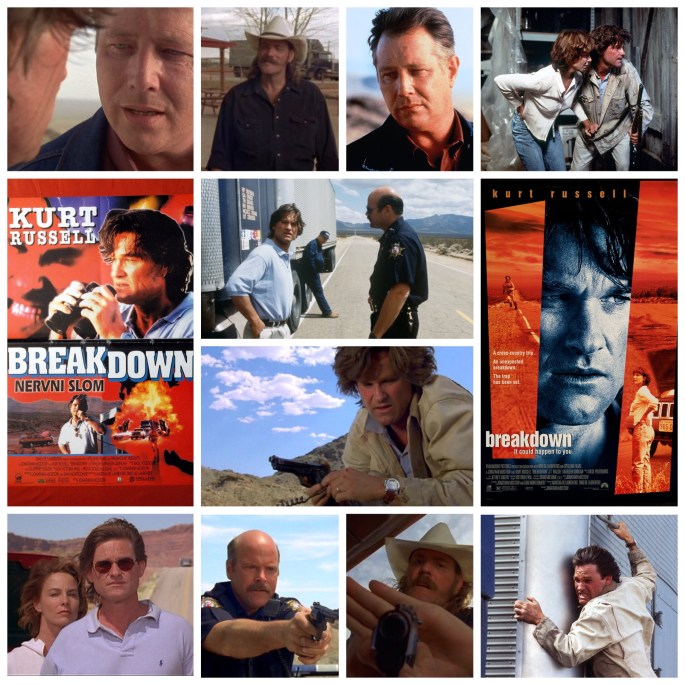
Jonathan Mostow’s Breakdown is one hellcat of a thriller, a nitrous injected highway nightmare scenario that doesn’t quit until the tanks empty, quite a few people are dead and Kurt Russell has burned off umpteen carbs running about the southwest searching for his missing wife (Kathleen Quinlan). In the tradition of great road pictures like Steven Spielberg’s Duel and Robert Harmon’s The Hitcher, this one know ms to keep the speedometer revved for maximum effect, the best method for these types of films. Russell and Quinlan are your average American couple, driving from A to B along some forgotten stretch of freeway out there. After a brief stop, she vanished, he panics and so begins his breathless crusade for the truth. The local cops are useless, no one seems to have witnessed her vanish, and he’s pretty much on his own, not to mention hunted by some nefarious truck drivers who probably know more than they should. J.T. Walsh, king of businesslike scumbag roles, gives what may be his nastiest here as Red Barr, a long-haul semi driver who knows exactly where Russell’s wife has gone, and ain’t telling, no sir no how. Similarly, big old M.C. Gainey, another Hollywood thug, is in high evil gear as just one more backroad asshole Russell has to deal with, and the two have a crackling showcase of a high speed standoff, one in the driver’s and one in the passenger seat, playing close quarters mortal kombat to see who comes out on top, and who comes out dead. The Fast and The Furious has nothing on these types of films, for it’s less about bombarding an audience with a stunt a second, and more about rhythmic pacing, then knowing when to open up and let the ripcord fly. Taut, precise, unrelenting little flick.

-Nate Hill

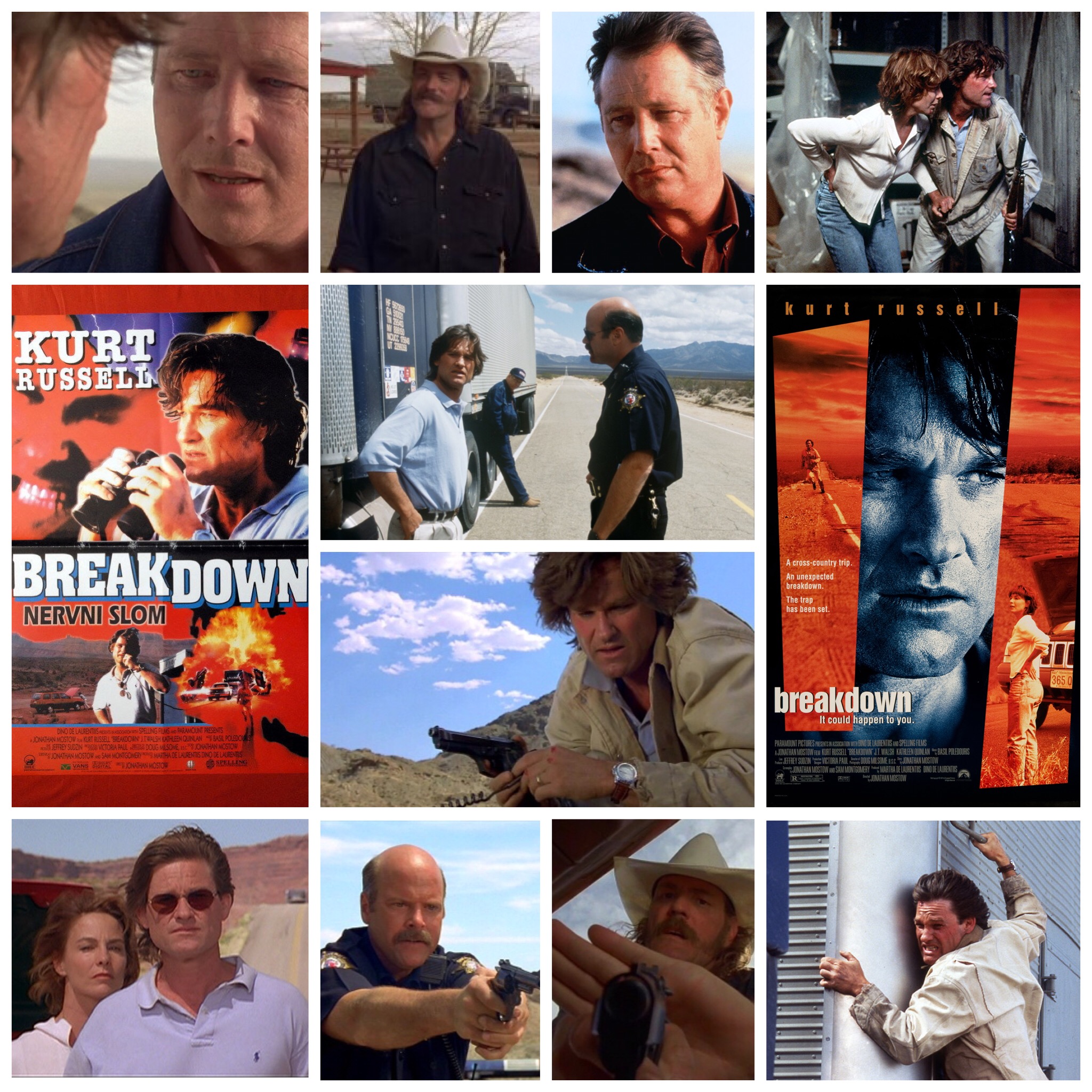
Jonathan Mostow’s Breakdown

Jonathan Mostow’s Breakdown is one hellcat of a thriller, a nitrous injected highway nightmare scenario that doesn’t quit until the tanks empty, quite a few people are dead and Kurt Russell has burned off umpteen carbs running about the southwest searching for his missing wife (Kathleen Quinlan). In the tradition of great road pictures like Steven Spielberg’s Duel and Robert Harmon’s The Hitcher, this one know ms to keep the speedometer revved for maximum effect, the best method for these types of films. Russell and Quinlan are your average American couple, driving from A to B along some forgotten stretch of freeway out there. After a brief stop, she vanished, he panics and so begins his breathless crusade for the truth. The local cops are useless, no one seems to have witnessed her vanish, and he’s pretty much on his own, not to mention hunted by some nefarious truck drivers who probably know more than they should. J.T. Walsh, king of businesslike scumbag roles, gives what may be his nastiest here as Red Barr, a long-haul semi driver who knows exactly where Russell’s wife has gone, and ain’t telling, no sir no how. Similarly, big old M.C. Gainey, another Hollywood thug, is in high evil gear as just one more backroad asshole Russell has to deal with, and the two have a crackling showcase of a high speed standoff, one in the driver’s and one in the passenger seat, playing close quarters mortal kombat to see who comes out on top, and who comes out dead. The Fast and The Furious has nothing on these types of films, for it’s less about bombarding an audience with a stunt a second, and more about rhythmic pacing, then knowing when to open up and let the ripcord fly. Taut, precise, unrelenting little flick.

-Nate Hill

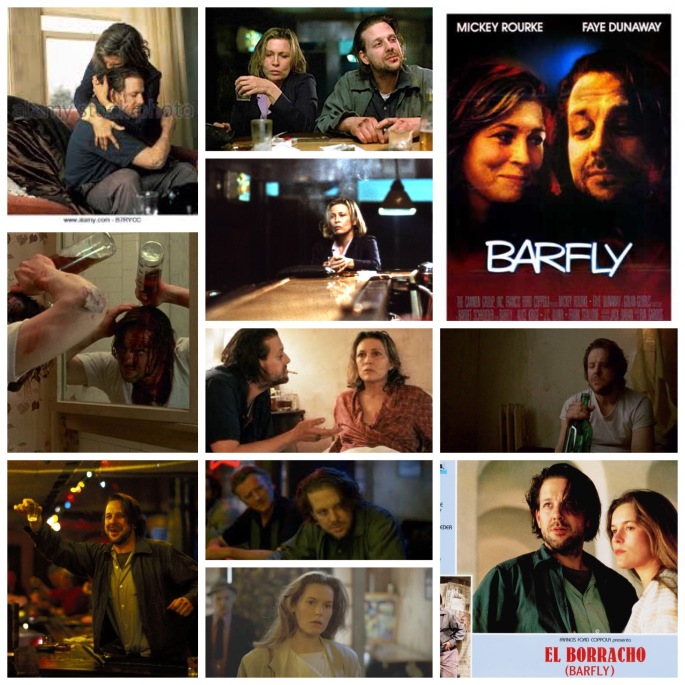
Charles Bukowski’s Barfly

Charles Bukowski’s Barfly requires a specific thing of it’s audience: emphatically try to observe a very particular brand of life, that of the binge drinking drifter in 1970’s LA basin area. If you can do this, it’s a brilliant piece of work to enjoy, and if you can’t, it’ll be an abrasively off-putting slog to sit through. I fell smartly into the former category as the subject matter came.. vaguely close to hitting home, and because it’s just a fantastic movie in itself. Mickey Rourke was at the top of game during the 80’s, and this is one glowing gem of a role for him, one that shows a vulnerable, less macho dipped side of the man no less. Playing a restless, shambling gutter-snipe named Henry Chinaski, he careens through the film consuming any booze he can get his hands on, barely maintaining already dysfunctional relationships and haunting his derelict apartment, as well as that of a fellow rummy he meets in the form of excellent Faye Dunaway, looking equal parts haggard and angelic until we’re not sure what we’re looking at. Chinaski is of course supposed to be Bukowski himself, as the film and it’s fiery script are autobiographical in nature, based on the willfully misanthropic writer’s hazy adventures in backwoods Hollywood during that era. Approached by a publisher (beautiful, articulate Alice Krige, who replaced Helen Hunt) with stars in her eyes for the man and his work, Chinaski gets a taste of life on the other side of the tracks, albeit briefly, an interlude he describes as ‘a cage with golden bars.’ The dives along those strips are his home right to the core, and he’s proud of it. The film is episodic, elliptical and open ended, a glimpse through the window of what it must be like for these people for a time, as the camera lovingly follows them about their ways for a while like a fly on the wall, then loses interest, buzzes off and leaves them in peace without rhyme, reason or resolution, unless of course your sensibilities jive with the meandering, barely sculpted story structure, which I loved. The film has little interest in aesthetics or pleasantries either, showing ugly, mottled alcoholics and layabouts who fill the frames around Rourke and Dunaway like brittle garden gnomes adorning the bar, a far cry from the fresh, powdered faces we’re used to in Hollywood. “Don’t you hate people?” Dunaway laments to him in one scene. “No, but I seem to feel better when they’re not around..” he croons back. It’s that kind of stinging poetry that gives this film, and Bukowski’s career, such lasting weight. Not to be missed.

-Nate Hill

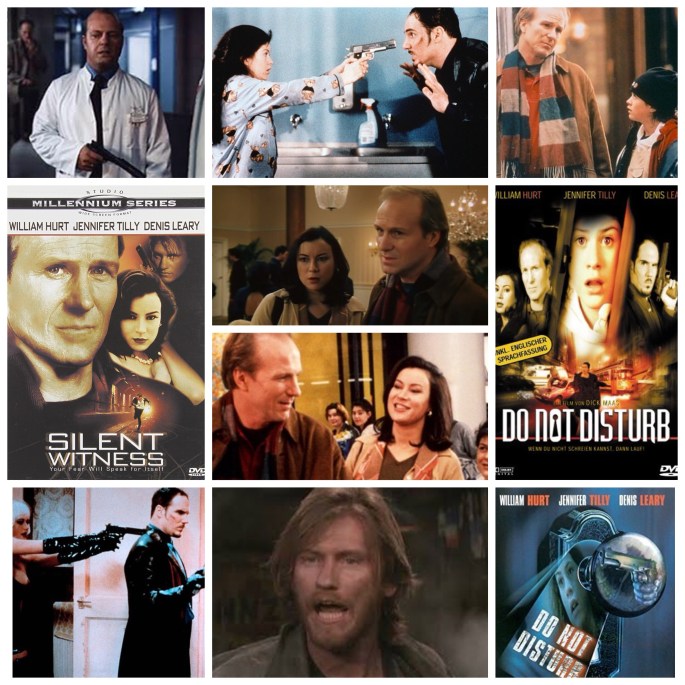
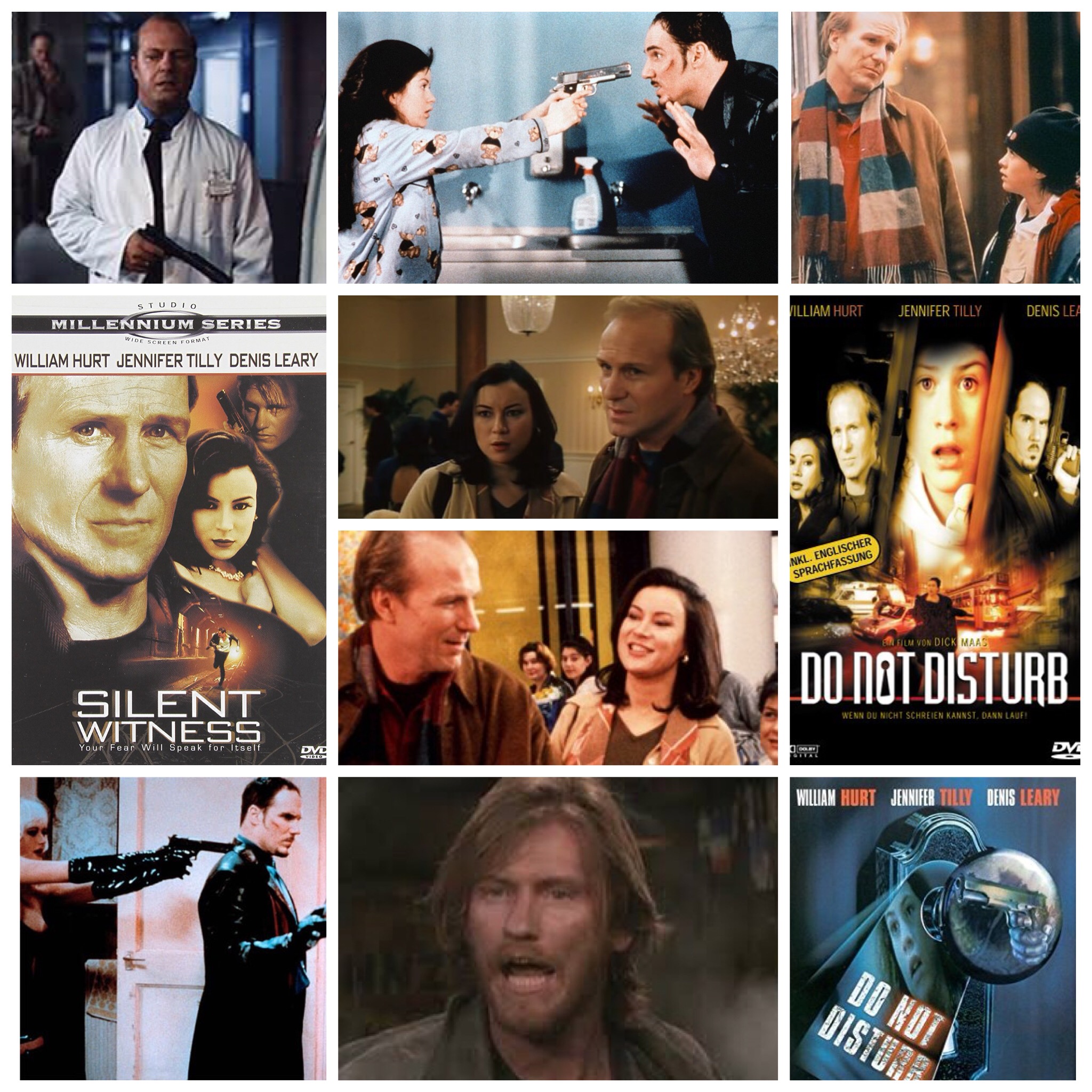
B Movie Glory: Do Not Disturb aka Silent Witness

Do Not Disturb, a cheaply drawn Euro-trash oddity, ironically does exactly what it’s title forbids by indeed disturbing the audience with very questionable scenes that paint Amsterdam in a way that I’m sure would infuriate locals. Also called ‘Silent Witness’ on DVD, it’s a wonder why such a weird, awful script would attract high pedigree actors like William Hurt, Jennifer Tilly and Denis Leary. Hurt and Tilly play a wealthy American couple on a business trip to Amsterdam with their little daughter (Francesca Brown), who happens to be a mute, wearing a magic marker around her neck as sole means of communication. After getting separated from her parents at the hotel, she inadvertently witnesses a murder by two nasty hitmen (Corey Johnson and some other random) and flees off into the night pursued by them, and subjected to all kinds of whacked out freaks. Seriously, this poor girl in terms of both the character and the actress, is put through an unnecessary wringer of ultra violence and sleaze. There’s this thread of implied child abuse running through the narrative, as if such proclivities are inherent in Dutch people in that city, and it’s really troubling to see a girl her age have to be ogled by perverts at every turn, an ill advised and shameful addition from some no name scriptwriter who probably never worked again. Then there’s Denis Leary, who should have sued the marketing team for misrepresentation. On the US DVD cover, he leers off the poster with an evil gaze, holding a gun and giving every impression that he’s the film’s villain. In the actual film, he an innocuous American homeless man who helps the poor girl navigate the dangerous streets throughout, the only sane individual she meets, really. It’s an alright role for the guy, but that stupid box art really sells his presence askew. It’s just a bizarre, uneven disaster for the most part, and I still wonder to this day why any of these fine actors participated. William Hurt especially is such a choosy performer, usually handpicking excellent scripts and being careful with his career, but here he jumps right into the abysmal script with some pseudo Southern accent that is way, way beneath him. Should not be used as a tourism video for Amsterdam, but rather forgotten permanently from the DTV landscape.

-Nate Hill

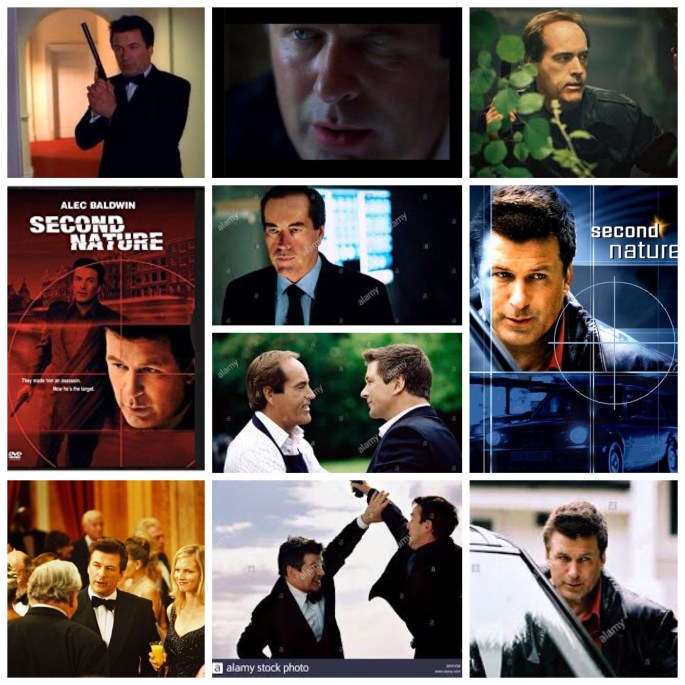
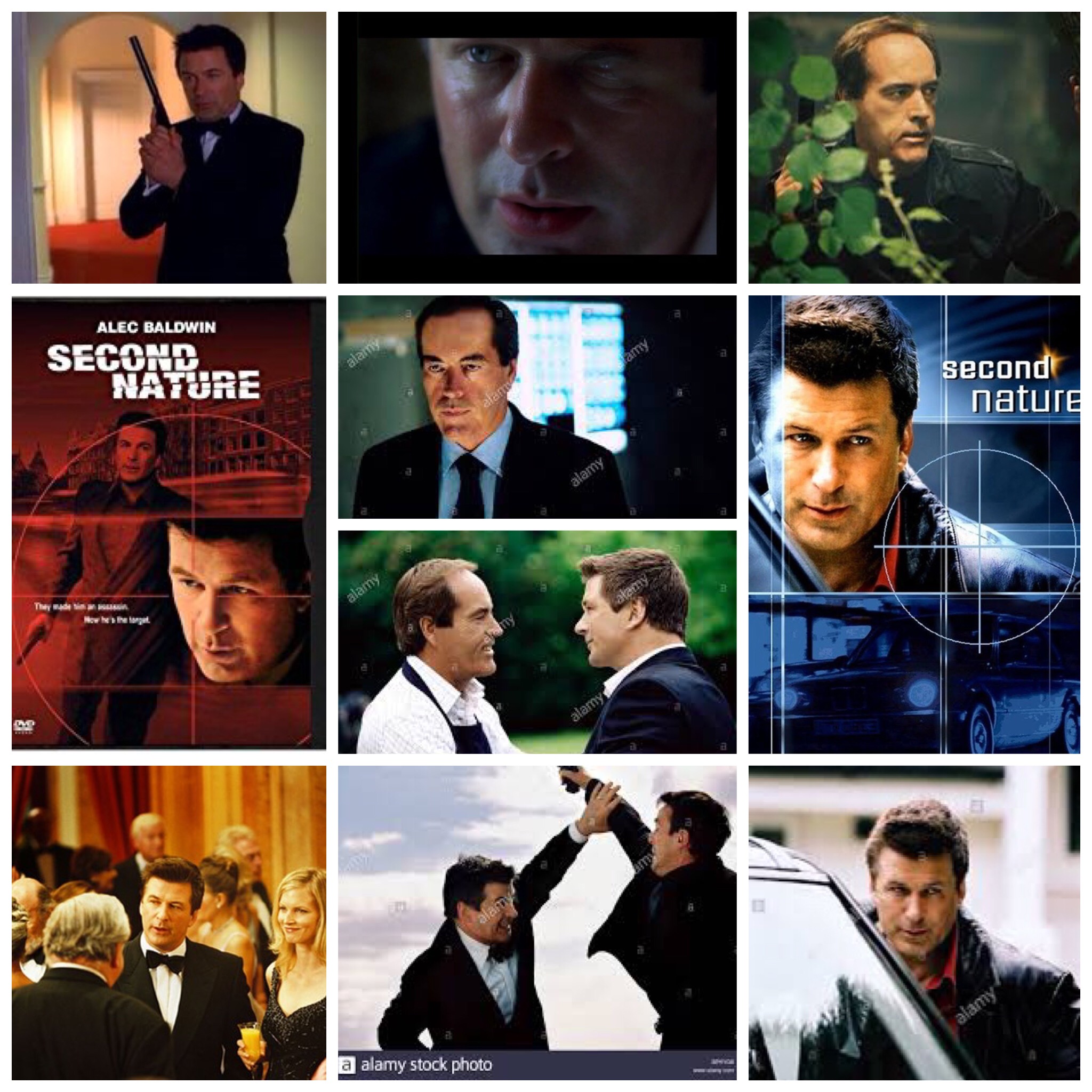
B Movie Glory: Second Nature

Second Nature is a low grade Bourne clone that benefits from two great actors in the lead roles. Slight, airy and inconsequential, it inhabits the clandestine corner reserved for middle-of-the-road espionage ventures neatly. Alec Baldwin plays a mysterious man who recovers from a plane crash that killed his family, left with heavy amnesia and confusion surrounding his past. When a shadowy agency bigwig (Powers Boothe) contacts him claiming he used to be an assassin for his outfit, he’s thrown back in the world of high profile contract killing, the world he came from, allegedly anyway. Nothing is as it seems though, and of course his boss turns out to be a bad dude, which gives Boothe a chance to ratchet up the intensity. The film is pretty much average throughout, until we find out Baldwin’s origins and arrive at a fairly thoughtful ending with some work put into storytelling, the first signs of a creative pulse in the film beyond garden variety plot twists. Baldwin is always great, whether on the protagonist’s or antagonist’s bench, and he sells the material well enough.

-Nate Hill