Disney’s Big Hero 6


Disney/Pixar’s Big Hero 6 is the perfect example of what we should expect from animated films: dazzling, imaginative, passionate fables set across times and dimensions with no shortage of expanse or varied themes and visual splendour. It does seem that with each new outing (they’ve recently outdone themselves with Inside Out) they reach further for the stars and pull something out of the hat with qualities that somehow get better and better each time around. 6 is a miracle of innovation and future-house scientific pyrotechnics, a story that calls on everyone who ever wanted to try their hand at robotics, engineering or dazzling computer tech to take a look at the images on display here. In the futuristic metropolis of SanfranSokyo, the search for scientific progress and new discoveries reigns supreme, free from other pesky constraints like the R word (the way it should be in every society, tbh), and everybody is a pseudo Asian American brainiac devoted to brilliant new ideas and ingenuity, basically one giant year round science fair that doesn’t quit. Young Hiro (Ryan Potter) worships the endeavours of his prodigy of an older brother, who whips new inventions out of his sleeve every day, until one of them garners the attention of a shadowy arch villain, hijacking it for himself, resulting in his bro’s death. Left behind for comfort and companionship is giant Michelin Man robot Baymax, an adorable fatso who uses his Inspector Gadget level itinerary of utilities and rotund charm to befriend Hiro, while coaching him through the dangerous waters of seeking revenge. He’s joined along the way by many friends with voices from TJ Miller, Jamie Chung, James Cromwell and more, blasting off into one of the most visually stimulating Sci Fi adventures the world of animation has ever seen. Every kind of tool, gizmo and tech marvel is on display somewhere, and not just plonked in there as Dr. Seuss-ical sideshow diversions either, everything has a logical and specific purpose to fit it’s garish appearance and style. Baymax is the highlight, a big baby with a heart as big as his waistline who knows just when to lay down the comic relief when things get heavy. They do get heavy too, this is a mature film that treats subjects like loss, anger and moral corruption seriously, it’s a fantastical world inhabited by humans that couldn’t be more real or fleshed out, a recipe that Pixar has been perfecting for sometime now, since the first human leading characters showed up in The Incredibles. The Sci Fi is laid on thick enough for any geek to run with, and we’re reminded of everything from Stranger Things to Astro Boy and more with this package. If Pixar plans to keep climbing uphill in terms of quality, this is one hell of a brilliant plateau, and I can’t wait to see where they ascend too from it on rocket powered boots of inspiration and magic. 

-Nate Hill
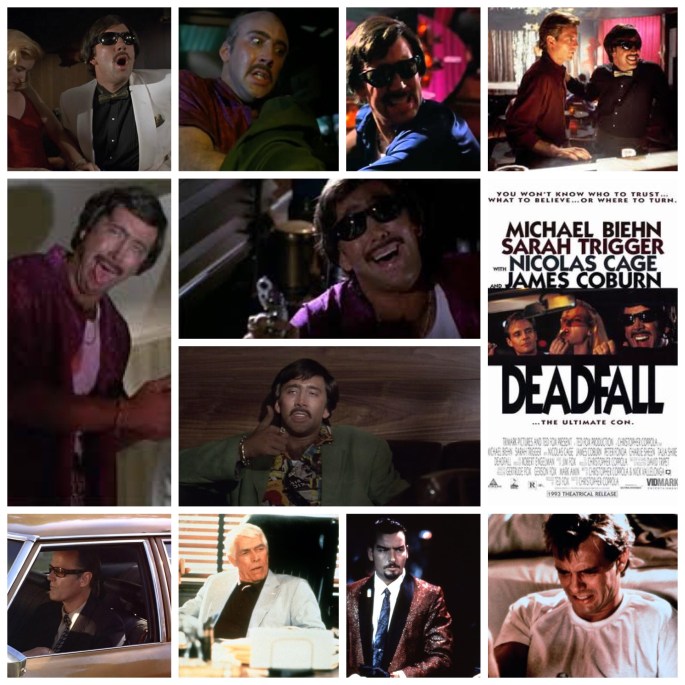
Christopher Coppola’s Deadfall


I hear a lot of talk about how weird Nicolas Cage can get in films, and I’m always seeing top ten craziest Cage compilations on YouTube and such, but people often seem to neglect the veritable cherry on top, the big cheese of nutso Cagery, a terrible conmen flick from back when called Deadfall. This is a film directed by a member of the Coppola family, and anyone who’s done their base research knows that Cage is a member of the brood, which is the only reason he ever broke into the industry in the first place. Now as to why and how he was allowed to give the unapologetically certifiable ‘performance’ we see here, well that remains a mystery. Needless to say, this is Cage unchained, off the leash and out of the Cage, an unnecessarily clownish banshee cry of a turn that derails the entire film, eclipses every other actor and puts a big dark stain on everyone’s career. The protagonist here is Michael Biehn as a shit-outta-luck hustler who accidentally kills his own father (James Coburn, who also does double duties to play the man’s brother), and ends up in the criminal doghouse, reprimanded by his boss (Peter Fonda) and left to flounder in small time stings. Enter Eddie (The Cage) another small-potatoes loser who clashes with anyone and everyone around him, a true lunatic of a character whose left empty of any sort of engaging qualities or charisma thanks to Nic’s utterly bombastic histrionics and lunatic ravings. If I sound like I’m overselling just how fucked up his performance is or making mountains out of molehills, please feel free to jaunt on over to YouTube, type in ‘Nic Cage Deadfall’ and see for yourself. If bad performances were represented as train wrecks, this would be the infamous explosion escape scene from The Fugitive, and even that doesn’t do it justice. This is a giant schoolyard tantrum, an inexcusable, near fourth wall busting bag of uncomfortable verbal utterances and bodily contortions that make you want to call an exorcist for the poor spastic, I really don’t know how the film ever got released with such fuckery on display. Anywho, all that just drowns out literally *everything* else about the film, and when one of your actors acts out so much that they smother work from heavy hitters like Biehn and Coburn, you know your filmmaking process is handicapped beyond repair. As such, brief appearances from Michael Constantine, Talia Shire and Charlie Sheen are subsequently lost to the abyss of Cage’s deafening orbit. A mediocre film without him as it is, but add what he does to the mix and you have a true stinker, the cinematic equivalent of a spittoon filled feces. Don’t bother. 

-Nate Hill

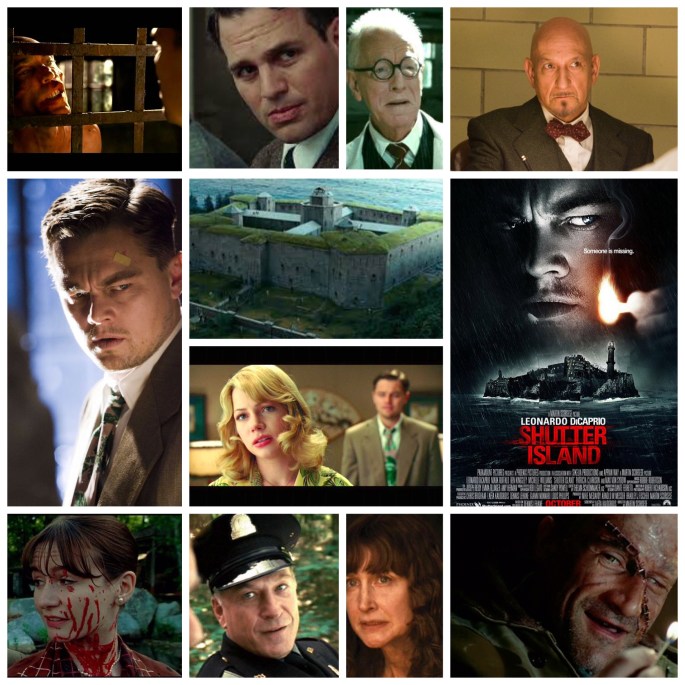
Martin Scorsese’s Shutter Island 


Shutter Island is my favourite film by Martin Scorsese. Now, keep in mind that I still have yet to see heralded classics like Goodfellas and Raging Bull, but that being said I still feel like this clammy psychological opus would remain at the top of the charts. I’m a genre guy at heart, and as such gravitate towards that when watching any director’s work, I just feel more at home wading into fictitious, stylized thrillers than I do with earnest biopics or urban crime dramas, which aren’t always my thing to begin with. Shutter is a brilliant piece, a deliberately dense and serpentine mystery that unfolds step by delicious step, a gift to anyone who loves a good twist and plenty of clues to keep them engaged along the way. Not to mention it’s wonderfully acted, cleverly written and primed with emotional trauma to keep us invested in the puzzle beyond base curiosity. Leonardo DiCaprio is best when portraying intense, tormented people, and his US Marshal Teddy Daniels here is no exception, a haunted man who feels like a caged animal as he investigates the disappearance of a mental patient from a secluded island sanitarium, a place that just doesn’t seem right, with a mood in the air so oppressive you can almost feel the fog, both mental and meteorological, weighing you down. The patient, Rachel Solando (Emily Mortimer will send shivers up and down your spine) seems to have vaporized into thin air, and Teddy’s investigation leads to closed doors, uncooperative staff and a heightened level of dread that lurks beneath every hushed exchange of dialogue and fleeting glimpse at things he, and we, aren’t even sure he really saw. The head doctor (Ben Kingsley, excellent) is clearly hiding something, as is the austere asylum director (Max Von Sydow). The freaky Warden (terrific cameo from Ted Levine, who gets to deliver the film’s best written and most perplexing dialogue) babbles to Teddy in biblical platitudes, and the patients have run amok following a storm that compromised security. Needless to say the plot is deviantly constructed to constantly mess with the audience until the third act revelations, which come as less of a melodramatic thunderclap and more like a quiet, burning sorrow of realization, a tonal choice from Scorsese that hits you way harder. Scorsese has assembled a cast for the ages here, and besides who I’ve mentioned so far we also have Michelle Williams in disconcerting flashbacks as Teddy’s wife, so perfectly played I wish she got a nomination, creepy Elias Koteas as another phantasm from his past, John Carrol Lynch, Mark Ruffalo, Jackie Earle Haley, Robin Bartlett and Patricia Clarkson. The score is a doom soaked death rattle courtesy of Robbie Robertson, not without it’s emotional interludes but thoroughly grievous. There’s also a beautifully slowed down version of ‘Cry’ by Johnnie Ray that accompanies the horrifying dream sequences within the film, adding to the already thick atmosphere nicely. This is a film built to last, both for dutiful rewatches from adoring veterans and discovery by lucky newcomers who get to experience it’s affecting story for the first time. All these boxer biopics, big city mafia ballads and heady stuff seems to have rolled off of me as far as Scorsese goes, I enjoy them, don’t get me wrong, but they’re a one-off as far as how many times I’ll watch them. Give me a well spun, emotionally rich psychological murder mystery with no shortage of style, character and tantalizing thriller elements, however, and I’ll pop that sucker back into the DVD player time and time again. Scorsese’s best effort by far. 

-Nate Hill

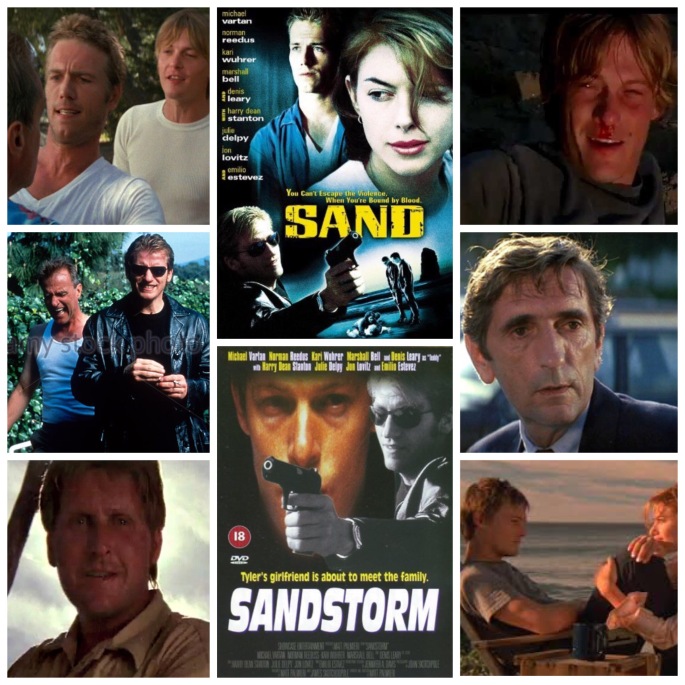
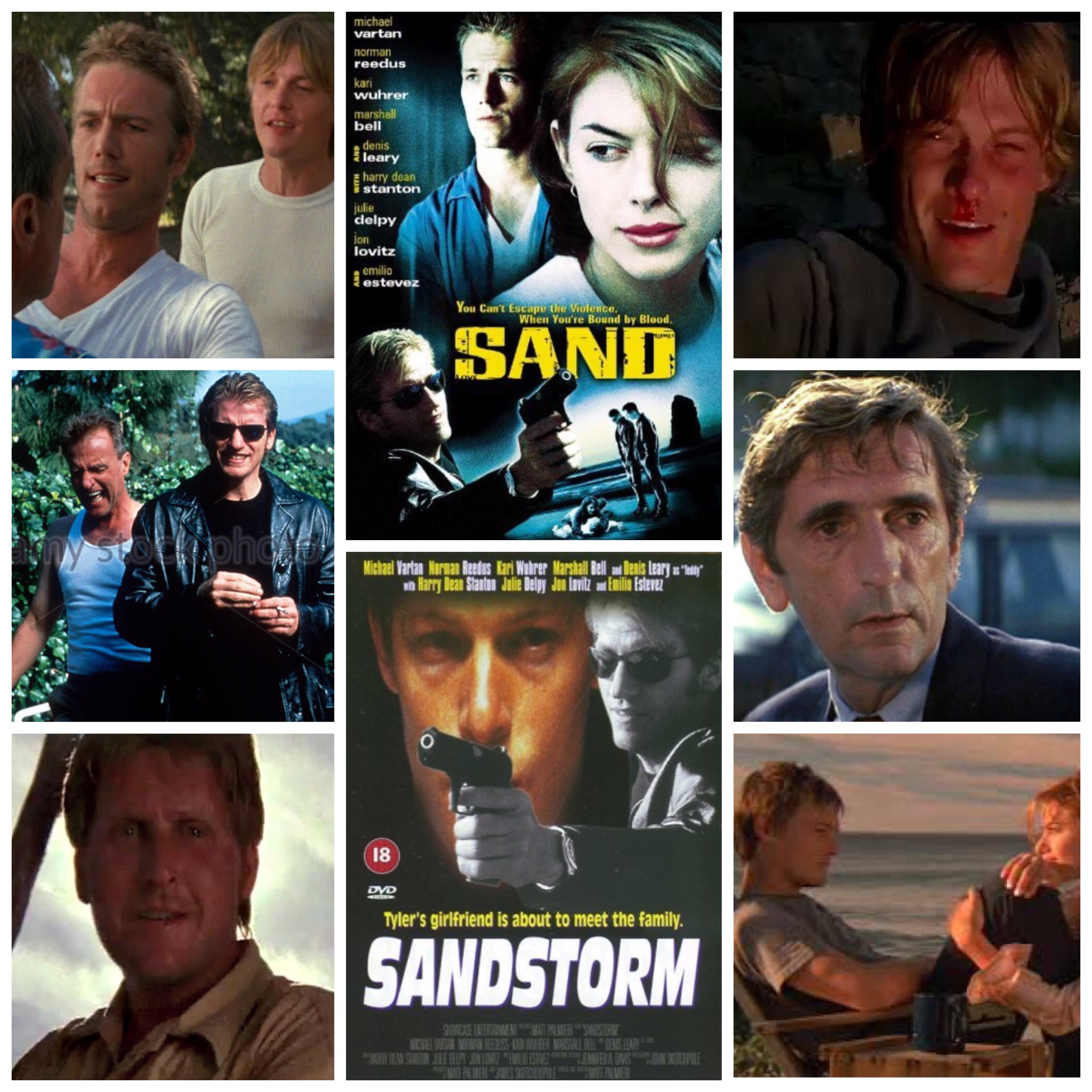
B Movie Glory: Sand


Sand is about as tasteful and memorable as it’s title, a bland, pointless and inconsequential piece of low grade fluff that starts nowhere and ends up just about the same. Funnily enough, it attracted the attention of some fairly notable actors who show up to loiter around in a boring family melodrama that barely registers past a flatline, and wander off again without bothering to bring their character arcs to a satisfactory close. Michael Vartan is some California stud who returns home to the surfing town he grew up in only to run afoul of his nasty criminal father (Harry Dean Stanton), and two deadbeat half brothers (John Hawkes and some other dude). They’ve shown up to lay low from the cops, but instead have eyes for Vartan’s cutie pie girlfriend (Kari Wuhrur) which is where the vague trouble starts. I do mean vague, as no one really makes an effort to convince us that these characters care, let alone know about what’s going on, and any sense of real danger is stifled by lethargy. Denis Leary usually crackles with witty intensity, but not even he seems to want to play, a sorry excuse for a villain who mopes around looking like he forgot his lines and just wants to go home. Norman Reedus is wasted on a quick bit as Wuhrur’s surfer brother, and there’s equally forgettable cameos from Jon Lovitz, Emilio Estevez and Julie Delpy too, but it all goes nowhere. There isn’t even any kind of adherence to genre, no Mexican standoff, no ramp up to revenge, it just kind of drops off and leaves an absence of anything interesting in the air. Some cool Cali scenery that could be Big Sur if I remember correctly, but even then you’re better off ditching this one and going to the beach for real. 

-Nate Hill

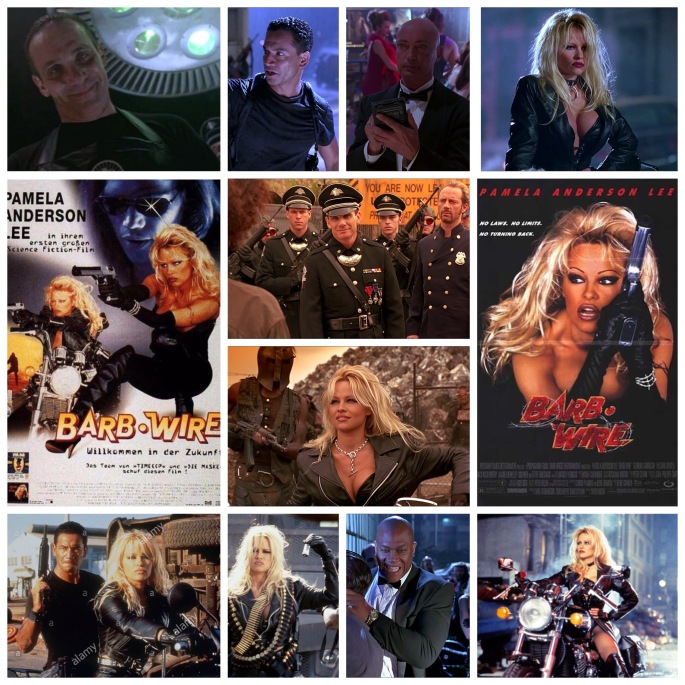
Barb Wire


Bear with me here for a sec while I say this, but Barb Wire is actually a genuinely great flick. Based on a kinky Tank Girl-esque comic book and boasting a busty starring turn from Baywatch babe Pamela Anderson, it’s got a lot more going for it than the porn vibes the poster probably gives off at first glance. Picture this: Pam is Barb, night club owning bounty hunter in a Neo-fascist futuristic American industrial town called Steel Harbour, ducking gestapo style soldiers and playing the double agent against a government gone rogue. She’s propelled back into action when her former boyfriend Axel (Temuerra ‘Jango Fett’ Morrison) blows back into town with fellow freedom fighter Cora D (Victoria Rowell). Barb is now faced with protecting her club, extricating all of her friends to a safe haven in Canada (come on up) and battling the forces of supremely evil Colonel Pryzer (Steve Railsback, chewing the scenery and then some). It’s a total blast of perverse steampunk mayhem, Pam solidly playing a badass heroine who’s fun to hang around with. Udo Kier shows up as her friend and club manager Curly, eccentric as ever, and watch for Clint Howard, Nils Allen Stewart, Jack Noseworthy, Xander Berkeley and Tiny Lister as well. Not half as much of a novelty or gimmicky film as some would have you believe, this one actually takes itself seriously for the most part and proves to be a solid genre effort. Good times. 

-Nate Hill

B Movie Glory: Killer Buzz aka Flying Virus


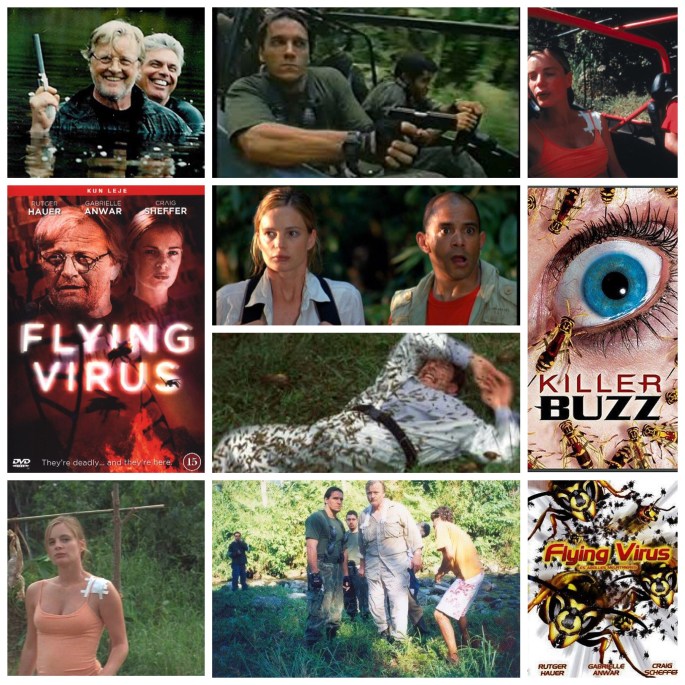
Killer Buzz, aka ‘Flying Virus’, is every bit the ludicrous SyFy turd you’d expect, and follows on the heels of several other B movies starring real life couple Gabrielle Anwar and Craig Sheffer, who inexplicably insist on starring together in bilge water like this (check out the third sequel to Turbulence and you’ll see what I mean). All you need to know about this one, besides the fact that it sucks, is that it’s about genetically altered killer wasps brought to life by windows 98 screensaver effects, and a sorry bunch of actors running away from them, one of which unfortunately happens to be Rutger Hauer. Anwar plays some journalist who uncovers a plot hatched by the government to kill humanity using giant monster wasps (how’s that for a plot), and makes a vague effort to stop it. Hauer is a hard nosed mercenary in charge of distributing these mutant stingers, and the shittiest, bottom feeding schlock ensues for a mercifully short eighty minute runtime. The special effects for the wasps really are a pitiful effort, even by these second tier standards, they look like pixelated crazy-frogs made of yellow paper mâché. The only memorable part is when someone warns Hauer about how dangerous they are and he growls in deadpan, “actually, bees are allergic to me”, brandishing a sidearm that wouldn’t do any good against them anyways. I kind of wanna go get a shirt printed at Bang-On of him saying that and giggle like a hipster when no one on the planet but me gets the reference. In all honesty, Killer Buzz is a giant buzz kill and should be avoided like a swarm of…. wasps. 

-Nate Hill

Clint Eastwood’s Mystic River


Clint Eastwood’s Mystic River is one of the most gut wrenching, haunting, stressful experiences one can have watching a film, and I’m only talking about the first ten minutes so far. On a quiet 70’s era Boston afternoon, three young boys play street hockey near their homes. After writing their names in freshly lain concrete sidewalk, a sinister ‘police detective’ (John Dolan, who I can never ever see as anyone but this character, he’s that affecting) hassles them and tries to lure the youngsters away. Two of them are wise to his game and escape. The third does not. This crime spurs a ripple effect into the future for these boys, as we see them grow up into very different and equally troubled men. Jimmy (Sean Penn has never been better) is a small time hustler with anger issues, Sean (Kevin Bacon) a cop with his own demons and Dave (Tim Robbins), the boy who was successfully kidnapped and held all those years ago, is a fractured shell of a human whose damaged soul lashes against the whites of his eyes and prevents him from functioning normally. Malcontent comes full circle to find them once again when Jimmy’s young daughter (lovely Emmy Rossum) is found murdered, setting in motion one of the great tragedies you’ll find in cinema this century or last. Eastwood lets his actors quietly emote until the floodgates open and we see raw despair roil forth from three men who are broken in different ways, and how it affects everyone in their lives. Penn is tuned into something higher here, and I’ll not soon forget him arriving at the scene of his daughter’s murder. Robbins let’s the horror of buried trauma deep through the family man facade until we see the deformed psyche left beneath, while Bacon reigns it in for a performance no less memorable than the others. Marcia Gay Harden and Laura Linney are excellent as Dave and Jimmy’s wives, while Laurence Fishburne provides the faintest ray of humour as Sean’s partner. This is as much a murder mystery as it is an intense interpersonal drama, but the whole story is ruled by emotion; that burning need for revenge from several angles, the hollow pit of loss left behind when someone dies, the psychological scar tissue that trails in the wake of abuse, everything slowly coming to light as the grim, doom laden narrative unfurls. Tom Stern’s camera probes inlets along the harbour, sprawling neighbourhoods and hidden barrooms, Brian Helgeland expertly adapts the novel from Dennis Lehane and Eastwood himself composes a beautiful lament of a score, while the actors turn in galvanizing work. One of the finest films of the last few decades and not one you’re ever likely to forget, once seen. 

-Nate Hill

Paul W.S. Anderson’s Resident Evil


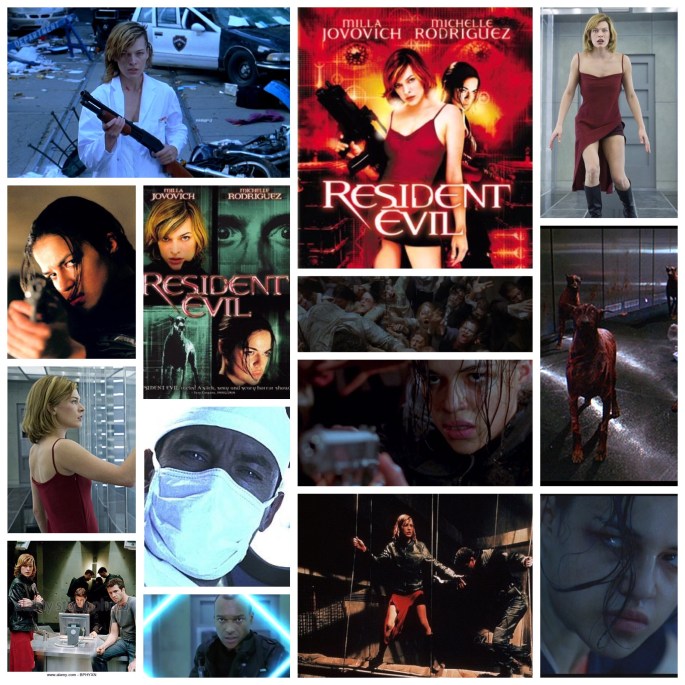
Paul W.S. Anderson’s Resident Evil is probably the second best video game adaptation out there (I’ll remain vague so you all lose sleep arguing about what the best is) and a damn fine horror/shocker flick. I’d stay away from most of the sequels unless you’re really invested in Milla Jovovich’s ass kicking Alice character (guilty here), but it can be said that this lean, mean initial entry is a genuinely terrific film full of grisly traps, gnarly zombie dogs and a butch Michelle Rodriguez that’ll make you weak at the knees. The world’s most irresponsible biotech corporation Umbrella is perpetually up to no good, and their underground research lab ‘The Hive’ has been overrun with monstrosities of their own creation which will eventually spill out into the streets of fictitious Raccoon city, and the entire world beyond in some of the bombastic later sequels. Minimalistic claustrophobia is what makes this one work so good, as a hardened team of mercenaries led by Rodriguez and Colin Salmon descend into this manufactured hell for a bit of shoot em up fun. Jovovich is Alice, security expert turned survivalist who they find down there and recruit as a tag along and just happens to be wearing an impractical yet eye catching red dress for the duration. It’s a deliriously fun female bromance between her and Rodriguez, with just the right dose of sexual chemistry, while the rest of the team, including Eric Mabius and James Purefoy as Alice’s shady ex husband, fare pretty well. Anderson regular Jason Isaacs also has an inexplicably brief cameo as Umbrella’s head honcho mad scientist, a character who would later be recast by Ian ‘Ser Jorah Mormont’ Glen in the following films, even though the guy is clearly credited as Dr. Isaacs, begging one’s curiosity as to just what drove Jason away from the role. The thing that makes this one work so much better than any of it’s sequels is the sweaty single location format: we’re with these characters inside the Hive for the entire film as opposed to watching them slice their way through some helicopter filled globetrotting apocalyptic gong show, a classic case of too much thrown into the pot ruining the recipe. Keep it simple, a few scattershot mercs navigating a haunted funhouse full of lethal canine mutants, slobbering undead and bone slicing laser beam grids, all watched like a hawk by a ruthless AI security system designed to look and sound like the red queen from Alice In Wonderland. Pretty cool, eh? I thought so, and still do every time I give it a rewatch during Halloween season. 

-Nate Hill

Joseph Kosinski’s Oblivion 


Joseph Kosinski’s Oblivion is slightly flawed Sci-Fi heaven, a film that could have easily been perfect if it weren’t for a few snags, chief among them being over-length and lack of clear plotting. There’s so much going on in the realm of visual and auditory stimuli though that one can let oneself just get wrapped up in the pure music video style rhythm of it. Speaking of music, the film only really exists to serve the absolute banger of an electronic score from M83, a gorgeous album packed with sonic synths, beautiful thundering beats and celestial interludes complete with angelic vocals from Susanne Sundfor. Kosinski pulled a similar stunt with Tron: Legacy, hiring Daft Punk to whip up a soundtrack that outshines the actual film itself, and while that’s certainly the case with Oblivion as well, there’s much fun to be had in other aspects, particularly visually. Tom Cruise is Jack, steward and caretaker of a small piece of the earth’s surface after an alien ambush forced most of the human race to run off to one of Jupiter’s moons. Collecting data and doing routine scope checks on his sleek hover bike, he’s a curious fellow who begins to see the lapses in logic and believes there’s something else at play other than survival, a notion that his partner (Andrea Riseborough) and dispatch handler Sally (a sly Melissa Leo proves that one can still be effective when skyping in one’s performance). Jack is haunted by visions of a beautifully mysterious girl he’s never met (Olga Kurylenko) and pursued by dangerous surface dwelling scavengers led by Morgan Freeman and Jamie Lannister. The film’s story is a cool one indeed and has a whopper of a twist, but the pacing and exposition just can’t seem to get itself out of a slight muddle and impart these events to us in a clear, unhindered fashion, a kink that no doubt could have been worked out with a little more time spent in the editing room. The aesthetic production design is a wonder, calling to mind everything from Half Life 2 to Portal while retaining it’s own unique, modernized look (I want that glass sky pool/deck so bad). It’s all about that score though folks, and it’s an album for the ages, bringing to life a film that otherwise just wouldn’t have been as memorable. 

-Nate Hill

Forgotten gems:  Remembering 1988’s hypnotic, bizarre Heart Of Midnight 


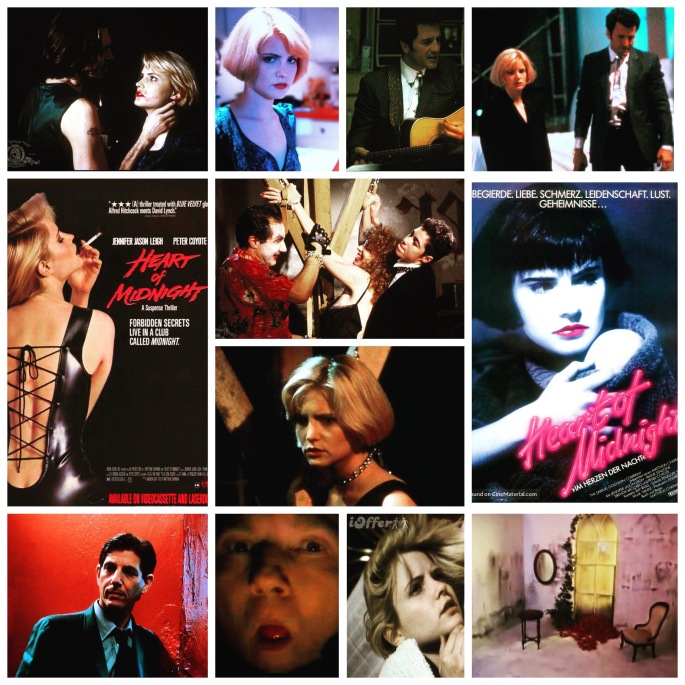
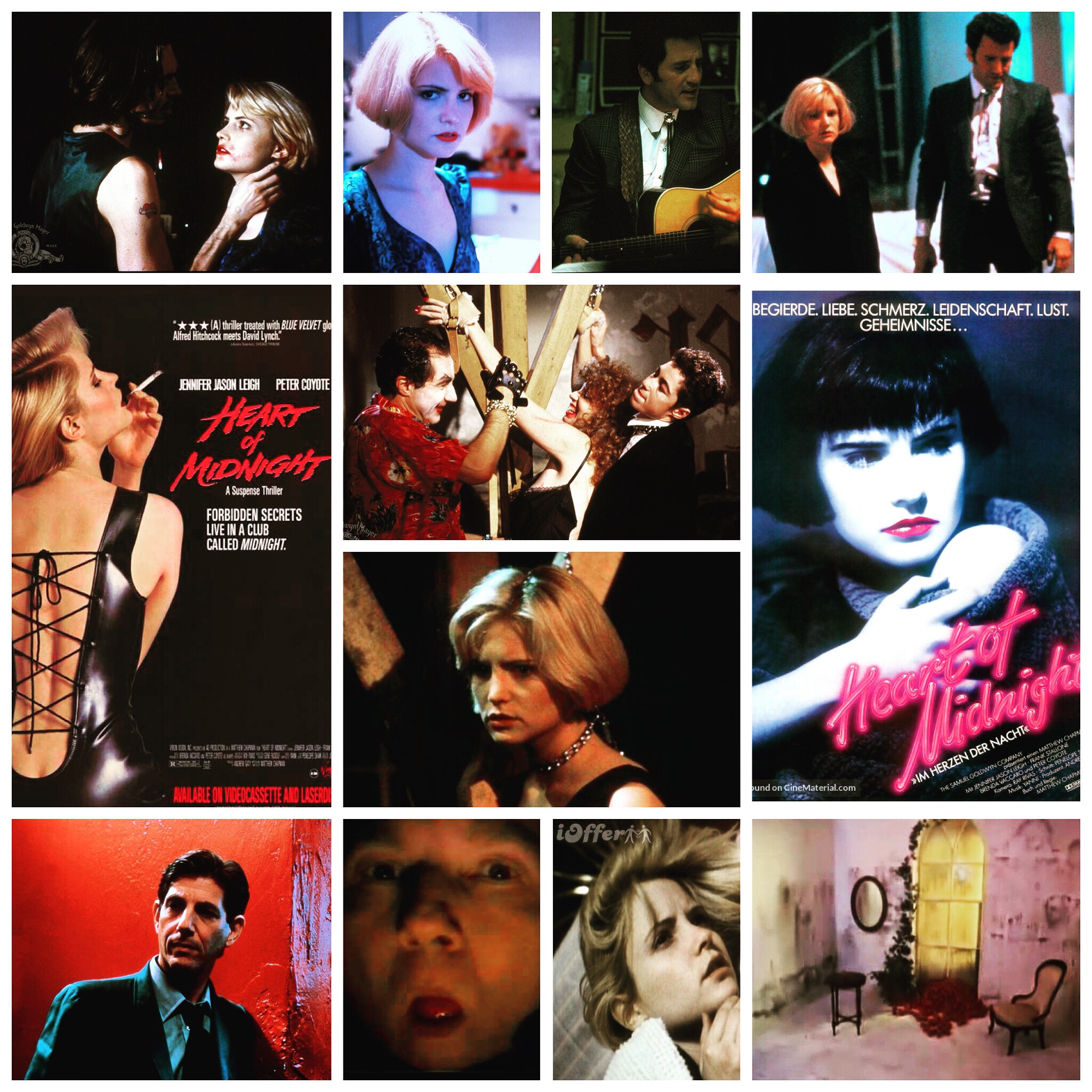
Somewhere between the dustbowl basilicas of 1980’s VHS town and the restless urban decay of metropolitan Americana lies the Heart Of Midnight, a dilapidated abandoned sex fetish nightclub full of nightmarish corridors, dead end rooms with ominous stains on the wall and a perpetual sense of acrid dread. Jennifer Jason Leigh is the reluctant heir to this heap, passed on to her by a weird old uncle she barely remembers, now deceased. It’s in a ruined, crime ridden part of town that still seems safer compared to the various themed rooms of this erotica dungeon, but she’s a trooper anyways, giving her best efforts to fix the place up and make something decent of it. Leigh seems to have deliberately go out of her way to pick kinky, controversial roles since her career began, always with sexual undertones and never short on psychological turmoil. She’s put through a wringer here, as the sordid, perverse and highly disturbing history of both the club and her uncle comes back to haunt her in full sleazy swing, a turn of events not for the squeamish or puritan side of the crowd. Walls seem to move, eyes peer through cracks and haunted cries echo through the fissures in the structure, as well as howling bad dreams that distort her reality. When a detective (Peter Coyote, brilliant work) shows up to help, he’s just as unsettling and shady as the building itself, clearly in the know or up to something. The only borderline sane character is another cop played by Frank Stallone, getting some of the best much needed comic relief of the piece. It’s priceless to see Leigh wander into the police station looking for answers only to find him in the middle of a ukulele folk ballad with the rest of the precinct belting out the chorus. Things don’t go very well for our heroine, as the dark forces playing with her seem to close in for a suffocating finale that leaves you feeling violated and disoriented. This is a film that seeps right to the root of human unpleasantness and psychosexual decadence, and one should firmly equip oneself mentally before going in. It’s also a film of startling dark beauty and alluring atmosphere, like a dreamy black velvet orchid that warbles a lullaby both dangerous and seductive, beckoning you to let your guard down until you wish you hadn’t, and are under it’s spell. One of the most overlooked mood pieces of the 80’s, a gorgeously horrific phantasm of a film that gets under your skin and crawls into your dreams.