McG’s The Babysitter: Killer Queen

The first Babysitter on Netflix is one of my favourite 80’s nostalgia bath horror flicks out there, so naturally I was curious about the recent sequel, Babysitter: Killer Queen. The first film is a blast of retro pop culture referential bliss, cheerfully gruesome cartoon gore, vividly farcical archetypal characterizations, a beautifully bold colour palette and some punishingly funny dark humour. So how much of that does this sequel bring to the table? Well thankfully a lot, and ends being like… 70% as dope as the first with a ton of rambunctious energy and clever new ideas.. however, it implodes a bit in the third act with some inexplicably off kilter character/plot curveballs that just feel weird, which I’ll get to in a moment. It’s been a year or so since the events of the first films and young Cole (Judah Lewis) is still processing almost being murdered and sacrificed to Satan by his evil babysitter Bee (Samara Weaving) and her mad dog gang of psycho high schoolers. Life goes on and no one seems to believe him until it all happens again, his would be best friend Em (Emily Alyn Lind) turns out to be another devil worshipping bitch who goes nuts on him right as Bee’s followers all rise from the dead for one night’s last chance to finish what they started and dispatch Cole for good. He’s joined by the ‘new girl’ in his class, a spitfire problem kid named Phoebe (Jenna Ortega) and soon enough genuine sparks fly between them. The action is shifted from the pastel suburbia aesthetic and placed on a riverboat and the surrounding Arizona desert/lake atmosphere for a nice change. The gore is fast and furious, the dialogue whip smart and reliably hilarious and the soundtrack packed with joyous 80’s deep cuts of everything from Alannah Myles’ Black Velvet to Tangerine Dream’s Love On A Real Train. It’s a ton of fun, except… well the problem here is Samara Weaving, or a lack of her anyways. Her character is pretty much absent for most of the film, while her exuberant cronies do much of the chasing, terrorizing and wise cracking. When she does eventually show up in the eleventh hour, she seems distracted, listless, even a little pale and not up to the task, like she was somehow forced into this by a contractual obligation and kept her presence as scant as possible. Nowhere to be found is the spunky, sexy, full of charisma and deadly sex appeal we remember her having from the first film. Additionally, they’ve chosen a completely out of left field twist on her character that makes absolutely zero sense when you look at the first film and feels just, so shoehorned in for whatever behind the scenes reasons, most likely spearhead by Weaving’s own ideas about the whole thing. It’s shocking and a bit frustrating and kind of derails the entire franchise, if I’m being honest. Still though, the first two thirds of the film are cracking stuff and on the level of pedigree as the first film, I’m just not sold on the ending, and whoever’s plan it was to go that route with this Bee character.

-Nate Hill

Netflix’s Marianne

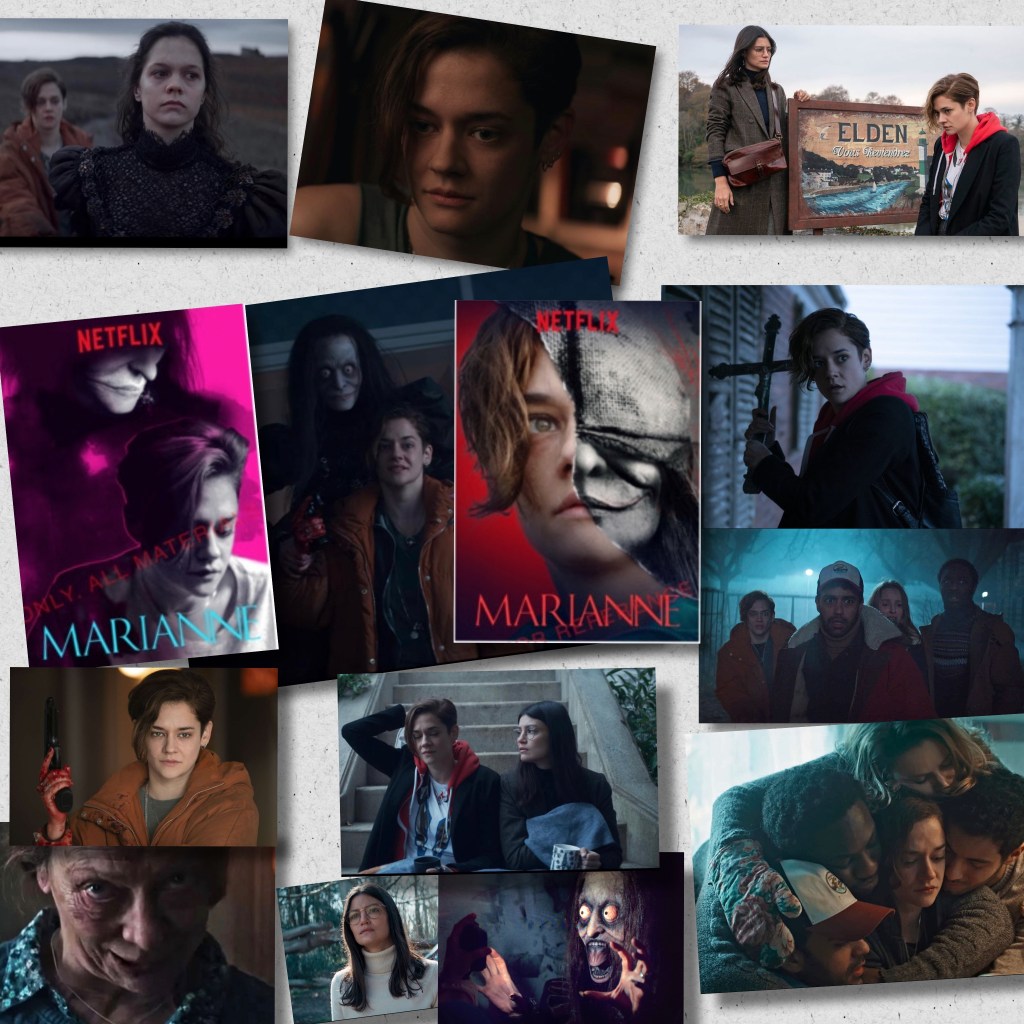
It’s always great to find horror content that is *actually* scary, like ‘scare a desensitized adult with decades of genre nerding out’ scary. France’s Netflix original series Marianne is most definitely scary as fuck, one of the qualities that makes it stand out amidst the multitudinous ranks of horror material streaming out there. What it also has is strong, emotionally rich storytelling, a unique and sometimes disorienting but organic way of presenting its story, characters with depth, compassion and complexity and a kind of meta storyline that feels like a tale within a tale at times, like King’s In The Mouth Of Madness or the like. Emma (Victoire DuBois) is a famous horror novelist whose work has taken her from the sleepy seaside town of Elden to big city Paris for book tours, autograph seminars and overall big-shot writer lifestyle. Her many books tell the ongoing story of nasty pagan witch Marianne, a monstrous force of evil who, it turns out, isn’t just a creation out of Emma’s imagination but is a very real entity from her childhood and that of all her friends back home she’s become so estranged from. This leads her on a journey back to Elden to reconnect with her friends, discover just how real (and how fucking terrifying) Marianne is, what she’s been up to and what can be done to end her reign of unholy terror over the town and everyone in her life. The story starts off jaggedly and it can be tricky to get a sense of (gotta keep up with those snappy subtitles) at first but once she’s settled back into Elden the magic really happens. Emma is a confident, assured and independent woman who has the rug of her cavalier personality yanked from under her when it becomes clear what a force to be reckoned with Marianne is, and Dubois’s performance is one of emotional resilience, startling vulnerability and aching sex appeal. Marianne herself takes several different forms, each more hair raising than the last and is really a fascinating character once the mythology fully unfolds. I won’t beat around the bush: this is one fucking scary ass show, and I *dare* you not to be totally freaked out by the makeup effects (those bulging eyes), shocked by the relentless, very efficient jump scares and just immersed in the overall atmosphere. There’s also a deep emotional core emanating from out of all the horror, as we see Emma’s varying relationships to her many childhood friends, how each bond is tested by time and the evil surrounding them. The town of Elden (actually the port of Doëlen) feels real and mysterious, complete with its own spooky lighthouse, as every small coastal town in a horror film should. The story is one full of mystery, pathos, hurt, horror, super high stakes (Marianne is one ruthless being with absolutely no regard for compassion or mercy) and just… everything about it *works.* Could not recommend this highly enough.

-Nate Hill

Brad Anderson’s Fractured

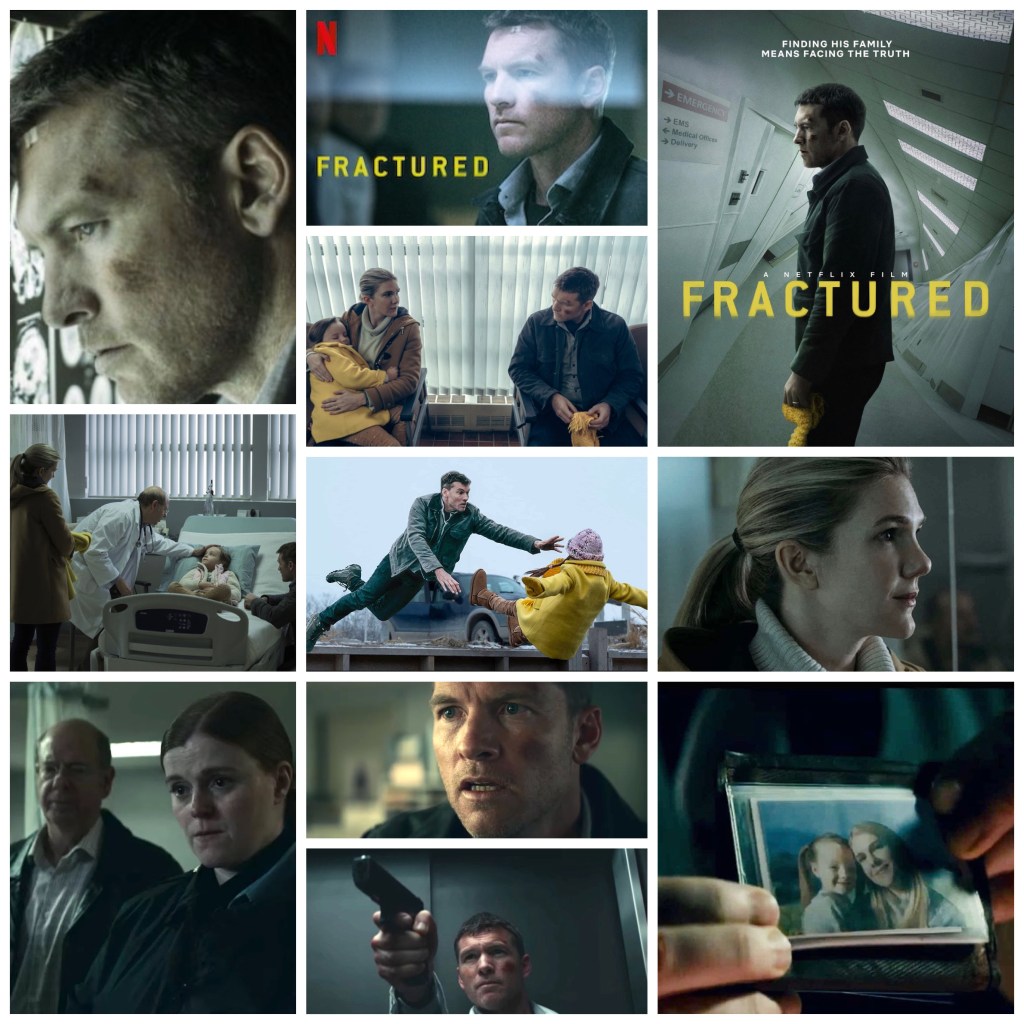
Brad Anderson’s Fractured is not a good film, but it somehow manages to look, sound and feel like one. How, you may ask? It’s just one of those slick, dynamic thrillers that is absolutely engaging on a stylistic level, well acted, scary when it needs to be and very atmospheric… however, it has a manipulative, unfair zigzag of a narrative that insults both the audience’s deductive skills and overall intelligence and at times feels like they were making it up as they went along, and decided right in the middle of the third act which fork in the road they were gonna go with in terms of plot resolution. Not a good look from a screenplay standpoint. Anderson is a terrific filmmaker who is responsible for some of my dearest favourites in the horror/thriller genres including Transsiberian, Session 9, Stonehearst Asylum, Vanishing On 7th Street, The Machinist and a few fascinating if flawed efforts like The Call and now this film. Sam Worthington gives a solid performance as a frantic father desperately searching for his missing wife (Lily Rabe, wondrous as ever) and young daughter (Lucy Capri), when they disappear under mysterious circumstances at a county hospital the family goes to following a roadside medical emergency. He checks them in, they are rushed off downstairs to get MRI’s and… he never sees them again. All of the nurses, EMT’s and the charismatic duty doctor (always nice to see Stephen Tobolowsky) keep assuring him that he checked himself in alone and there never was a wife or a daughter in their hospital to begin with, which seems shady as fuck and causes him to launch a one man mission to find out what happened to them. There are some incredibly tense scenes of hospital espionage as he stealthily navigates corridors and stairwells, pursued by cops and security at every turn. The performances are great, the momentum is kept up nicely and it’s all very snazzy… but like I said, this one jerked my chain a few too many times as far as plot turns go and by the end I felt disappointed, exploited as a viewer and downright hostile at the experience overall. Is this guy just a lunatic and imagining he had a wife and kid, or are the hospital staff actually hiding something sinister? Well, the film waffles back and forth in embarrassingly melodramatic and implausible fashion between the two possible outcomes and when it comes time to level with us their way of going about it feels cheap, lurid and unfair to its lead, which is especially unfortunate for poor Worthington who *finally* gives a terrific performance and ends up betrayed by the script that doesn’t properly do the character justice. The fact that this is well made makes its glaring drawbacks all the more frustrating: if it were simply a shittily crafted film I could have just three pointer line tossed it into the trashcan, so to speak. But I enjoyed much of it from a style and tone aspect, so it makes the lack of proper backbone in story just sting way more. Meh.

-Nate Hill

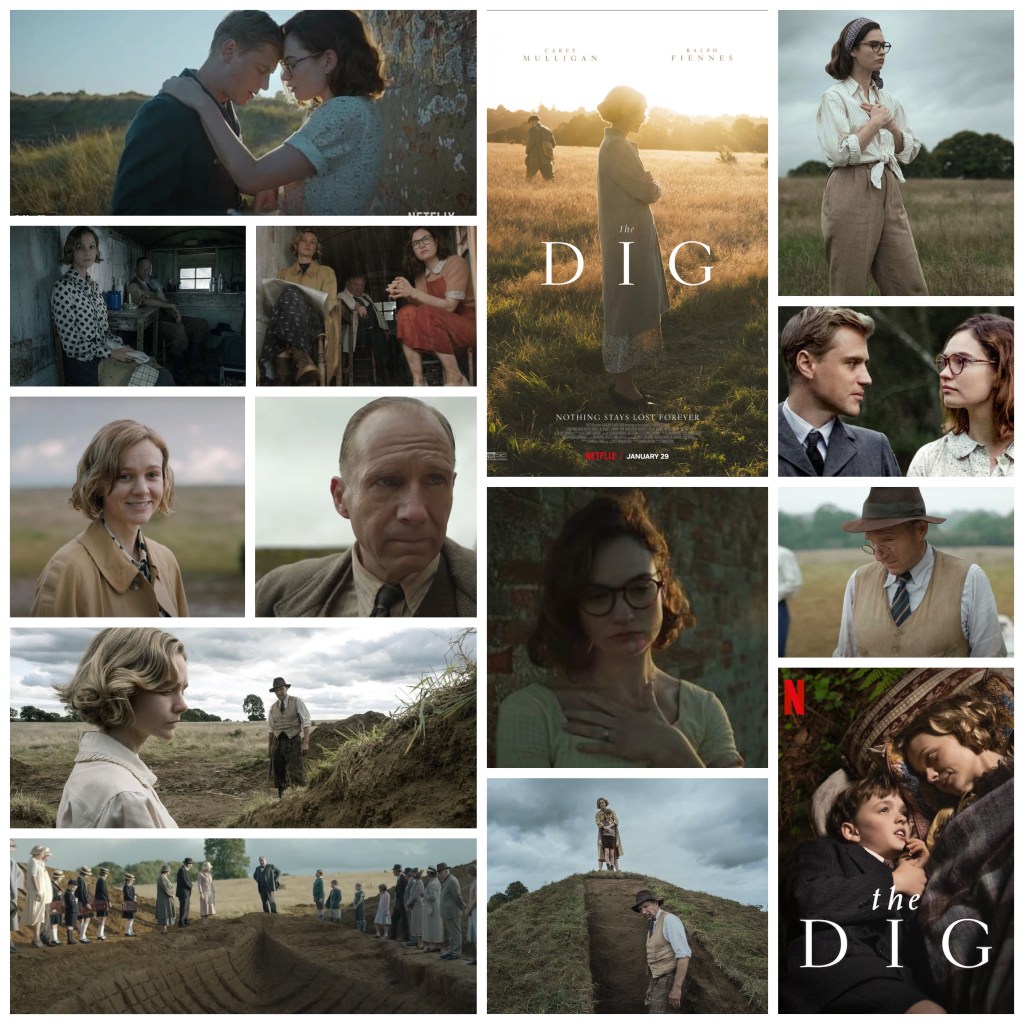
Simon Stone’s The Dig

Why do we dig through the earth looking for remains of those who lived before us long ago? Is it for posterity’s sake, for the people who will come we’re gone? Simple collective genetic curiosity for our fellow humans? Is it purely academic or is there some intrinsic burning impulse to unearth what was before in the hopes it might affect our own lives, in some invisible cosmic fashion? Simon Stones’s new Netflix original film The Dig is a phenomenal piece of work that asks these questions by showing us a varied ensemble of people working in the famed archeological dig of Sutton Hoo in Suffolk England, 1938, right before the outbreak of World War 2. The excavation is commissioned by widow landowner Edith Pretty (Carey Mulligan), spearheaded by focused, workaholic expert Basil Brown (Ralph Fiennes) and assisted by others including junior archeologist Peggy Piggott (Lily James) and British Museum scout Charles Phillips (Ken Stott). While the film focuses intently on the dig and eventual unearthing of a wondrous find itself, what really stands out and feels important is the character work and how each person deals with issues like alienation, mortality and interpersonal relationships individually and as a group. Fiennes is wonderful as Basil Brown, a hard working guru who doesn’t want fame or acclaim, but simply has an organic passion for pulling back the curtain of history and illuminating the past. Mulligan is a staggering actress and displays great fragility and resilience in the face of looming adversity. James was such a bubbly presence in Mama Mia and she certainly draws attention but she’s much more restrained, subtle and heartbreakingly vulnerable here, stuck in a loveless marriage to a colleague (Ben Chaplin) and feeling trapped by circumstance. The film is beautifully shot by cinematographer Mike Eley (Touching The Void) with a lyrical feel for the scope, lighting and spacial dynamics of rural England’s elegiac fields and hills, scored to emotional, melodic perfection by Stefan Gregory, competently directed by Stone and stunningly acted by the entire cast. The menace of incoming war is always present here as fighter planes frequently careen across the overcast skies, but somehow we feel safe in picturesque Suffolk with this intrepid band as they dig and search, not only in the dirt below them but amongst themselves, inwardly and in relation to each other to find peace, love, sense and some kind of solace in an often sorrowful world. It’s early in the year but this is already one of the strongest films so far.

-Nate Hill

Podcast: Best of 2020

Together again are Frank, Tim, Kyle, and Nate to discuss not just our top ten films of 2020, but also the current state of cinema, and what 2021 may hold.

Frank’s Top Ten:

  1. ANOTHER ROUND dir. Thomas Vinterberg
  2. TOMASSO dir. Abel Ferrera
  3. MANK dir. David Fincher
  4. TENET dir. Christopher Nolan
  5. VFW dir. Joe Begos
  6. SIBERIA dir. Abel Ferrara
  7. DA 5 BLOODS dir. Spike Lee
  8. POSSESSOR dir. Brandon Cronenberg
  9. 40 YEARS OF ROCK: A BIRTH OF A CLASSIC dir. Derek Wayne Johnson
  10. BIRDS OF PREY AND THE FANTABULOUS EMANCIPATION OF ONE HARLEY QUINN dir. Cathy Chow

Nate’s Top Ten:

  1. THE EMPTY MAN dir. David Prior
  2. ANOTHER ROUND dir. Thomas Vinterberg
  3. WANDER DARKLY dir. Tara Miele
  4. UNDERWATER dir. William Eubanks
  5. CAPONE dir. Josh Trank
  6. THE INVISIBLE MAN dir. Leigh Whannell
  7. SOUL dir. Peter Docter and Kemp Powers
  8. ALONE dir. John Hyams
  9. VFW dir. Joe Begos
  10. HIS HOUSE dir. Remi Weekes

Kyle’s Top Ten:

  1. THE WANTING MARE dir. Nicholas Ashe Bateman
  2. BLOODY NOSE, EMPTY POCKETS dir. Turner Ross, Bill Ross IV
  3. BACURAU dir. Kleber Mendonca Filho, Juliano Dornelles
  4. POSSESSOR dir. Brandon Cronenberg
  5. DA 5 BLOODS dir. Spike Lee
  6. THE DEVIL TO PAY dir. Ruckus Skye, Lane Skye
  7. THE DEVIL ALL THE TIME dir. Antonio Campos
  8. THE OUTPOST dir Rod Lurie
  9. I’M THINKING OF ENDING THINGS dir. Charlie Kaufman
  10. COLOR OUT OF SPACE dir. Richard Stanley

Tim’ Top Ten

  1. POSSESSOR dir. Brandon Cronenberg
  2. DA 5 BLOODS dir. Spike Lee
  3. THE INVISIBLE MAN dir. Leigh Whannell
  4. HORSE GIRL dir. Jeff Baena
  5. DICK JOHNSON IS DEAD dir. Kristen Johnson
  6. TENET dir. Christopher Nolan
  7. THE DEVIL ALL THE TIME dir. Antonio Campos
  8. I’M THINKING OF ENDING THINGS dir. Charlie Kaufman
  9. BORAT SUBSEQUENT MOVIEFILM dir. Jason Woliner
  10. BIRDS OF PREY dir. Cathy Chow – WONDER WOMAN 1984 dir. Patty Jenkins

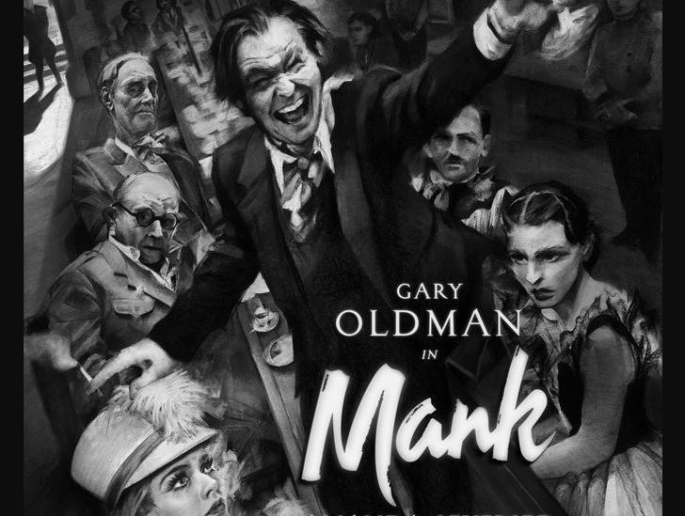
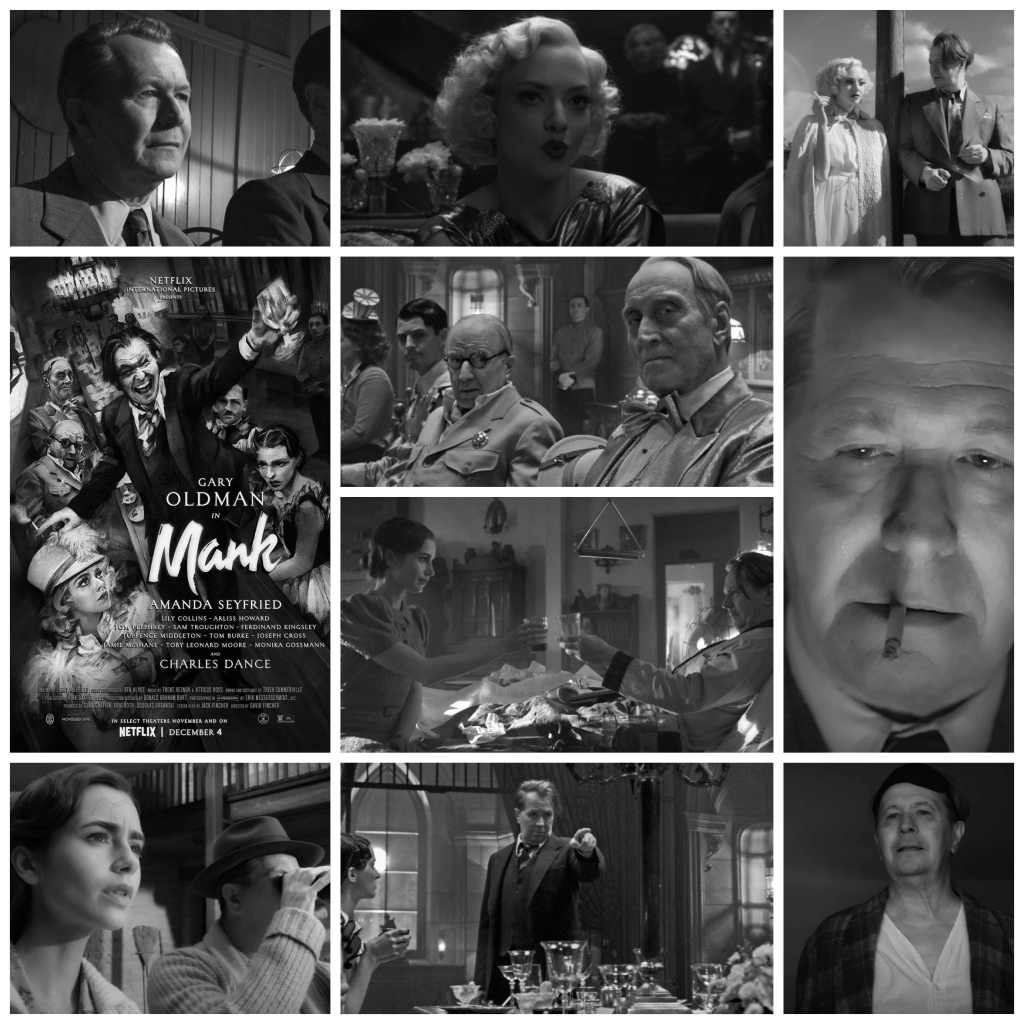
David Fincher’s Mank

Gary Oldman is one of my favourite actors working in the business by far and just when I think I’ve seen it all from him, experienced the most varied, gonzo, dedicated and balls out work from a master of his craft… along comes David Fincher’s Mank, an absolute showstopper of a motion picture in every sense of the word and a new benchmark for my boy Gary. In the role of hard drinking, chain smoking, socialite, diva, contrarian scoundrel n’ scallywag supreme, Hollywood screenwriter Herman J. Mankiewicz, Oldman not only nails the manic, often self destructive groove of the writer as an artist but cultivates and bellows out a cathartic “Fuck You” to the studio heads and political arbiters that often have more creative control over motion pictures than the artists themselves do. Set during the writing process of legendary Citizen Kane, Mank is deliberately sequestered at a bungalow in the Mojave where he begins to craft his script, bedridden after a vicious car accident and assisted by long suffering typeface guru Rita (Lily Collins) and nurse Frieda (Monika Grossman). This hypnotic setting is the home-base, the lynchpin from which we careen wildly back into the typhoon of Mank’s pickled memories of various characters and events which inspired him to write Kane including his tempestuous relationship with William Randolph Hearst (Charles Dance), his platonic courtship of Hearst’s ingenue starlet mistress Marion (Amanda Seyfried) and his cacophonously discordant professional life in Hollywood as he clashes with MGM honcho Louis Mayer (Arliss Howard), racks up gambling debt with studio CEO’s and tests the patience of his loving wife Sara (Tuppence Middleton). The film is less about the actual writing process of Citizen Kane and more about certain things from Mank’s past that he remembers, both fondly or otherwise, and how he incorporates those into his writing, sometimes subtly, sometimes with the force of a pile driver and sometimes in ways that only he understands and aren’t meant for us. Oldman is something else here, chewing on dialogue like sinewy jerky, slurring his words in drunken tirades and letting no one off the hook from the devilish wit he exudes, himself included. There are some stretches of subplot dedicated to an important election in California’s past and I’m not well informed on history enough to ‘get’ all the ins, outs and clashing opinions surrounding it but it was pretty clear to me that Mank stood on his own against the tide when everyone else compromised, and put the same sort of brittle, salt-in-the-wound intelligence and kamikaze spirit into his crafting of Kane as he did his own private and professional life. The script is by Fincher’s own father Jack in his one and only writing credit, which is staggering when you consider the levels of rich, deep, scintillating dialogue and sly drama on display here. I enjoyed this because David Fincher’s work is usually macabre, morbid and fatalistic, the guy just like to play on the dark side in his work but this is by far the most playful, lighthearted and ‘fun’ thing he’s ever done, uniting with Oldman at his best to bring his father’s brilliantly funny, deftly sentimental, somehow simultaneously dense and light-footed screenplay to breathtaking Black & White life. A treasure of a film.

-Nate Hill

Remi Weekes’ His House

It’s always neat to see a haunted house film that isn’t just about your average middle class American partridge family moving into a spacious New England manor. Additionally it’s refreshing when said haunted house film doesn’t rely on the usual book of tricks, jump scares, possessions, furniture flying around in invisible tornadoes or the usual garble that clutters up story. Remi Weekes’ His House is a disarmingly masterful horror film that isn’t just horror for the sake of chills, it’s actually about something important on more than one level and it’s about as assured, well crafted and terrifying as a director’s debut in the genre could be. The film focuses on a Sudanese couple (Sope Dirisu and Wunmi Mosaku) escaping their war torn country and arriving in the UK as refugees, ready to start a new life. They are appointed a slightly scatterbrained social worker (Matt Smith, better than he’s ever been) who sets them up in a spacious yet decrepit council housing unit in a hectic, labyrinthine outer district of London and its here they must adjust to their new circumstances, fit in and heal from the past. The past is key here, because this film is billed as a haunted house flick but there’s this slow realization that whatever is tormenting them isn’t something the home itself has to offer, but something that has followed them across the seas from Africa, a place where the age of reason hasn’t really dawned yet and those nameless fears the West has all but forgotten still abide in the collective unconscious of the people. Soon they hear voices from the perforated walls, whispers in the night, see feverish apparitions and are thoroughly haunted by many spirits, one in particular who knows a dark and dreadful secret from their past that has etched grooves into their already traumatized psyches until they both must face their demons accordingly. This is a terrifying film from a horror standpoint: the scares come fast, fresh and relentless until any minute spent in the house offers a new adrenal stab or potential heart attack inducing scene at any given moment. What really made this film special for me as a viewer was not just the scares, it was *how* this story is told from a narrative, editing, emotional, dream logic and shifting perspective aspect, and if that sounds a bit vague then it is because I don’t quite know how to describe some of the scenes I saw. Much of the film is set in this house but there are nightmarish flashbacks to Sudan and the stormy Mediterranean Sea that are handled in such a uniquely fluid, beautifully creative fashion they really took my breath away. There’s a moment where Dirisu sits alone at the kitchen table against a wall and quietly eats a meal. Then, almost imperceptibly at first, we pan out and as the colour grade slowly burgeons from dull grey to painful ochre red we notice that the kitchen is floating on the ocean… he is in fact dreaming. It’s one of the most wonderful, languid transitions I’ve seen in cinema recently and is alone enough to tell me that Weekes isn’t just a filmmaker to be watched at this point, but already one to be reckoned with. The performances from our two leads are also something special, and overall this film does a very clever, very personal and internal spin on the haunted house flick using dream logic, scintillating perspectives and cerebral fabric to tell a story that gives a voice to humans that often aren’t heard, felt or seen all the time in cinema. A masterwork, and one of the finest films you’ll see this year.

-Nate Hill

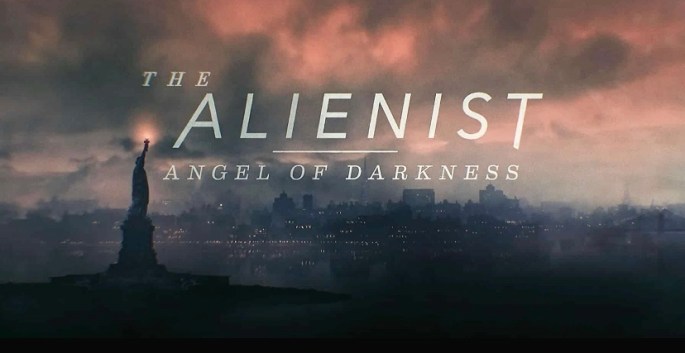
TNT’s The Alienist: Angel Of Darkness

TNT has blessed us with another season of spectacular television based on The Alienist books by Caleb Carr, and this one rocks *almost* as much as the first story. Angel Of Darkness it’s called, and it’s blanketed in the same gothic, austere, turn of the century New York City atmosphere where attitudes are shifting, scientific revelations burgeon through the thicket of superstition lingering from the past and terrifying criminals, gangs, corrupt law enforcement, decadent government peons and disturbed serial killers make life difficult for everyone. We once again join psychiatric guru Dr. Laszlo Kreizler (Daniel Brühl), intrepid gentleman reporter John Moore (Luke Evans) and intuitive private investigator Sara Howard (Dakota Fanning) as they try to track down, smoke out and put a stop to a shadowy individual who is kidnapping the infant children of affluent couples and killing them ruthlessly and methodically. I can’t believe I’m saying this but despite this season being about a fucking baby killer it’s still somehow less dark than the first, there were just aspects to that that were unnerving in a way I can’t explain, whereas here for all it’s macabre portent and ghastly subject matter, it’s just somehow more within the bounds of what is palatable. One change I liked between this and the first is that before we never ever saw the antagonist until the very last second of the finale, and only for a quick flash whereas here we know who the villain is halfway through the season and from there are treated to one of the most complex, heinous, theatrical yet grounded performances from someone whose cover I won’t blow in the review for the sake of spoilers but my god what a work of art in the medium of acting. One thing I noticed is that the first season mined the collective Hollywood past and casted some truly eclectic faces, people you hadn’t seen in years and wondered if were still around, it felt like a 80’s/90’s genre college reunion of sorts. This season does that to a lesser extent and the cast isn’t as prolific but there are some old guard personas that show up including Alice Krige, Michael McElhatton, Matt Letscher as a smarmy William Randolph Hearst and returning baddie Ted Levine as the scheming department fixer Byrnes, who has more of a discernible arc this season. The heart, soul, comic relief and pathos of this whole show rests on the shoulders of our three leads though, who are once again superb, each in their own right. Brühl’s Kreizler is a thorough pragmatist who uses that nature as an effective tool in his research into the human brain but discovers that certain aspects more geared towards the emotional are just as important. Fanning as Howard is fiercely guarded, wicked smart and relentless in her pursuit of truth and vindication for the less fortunate souls she strives so hard to understand and help on their journey. Evans as Moore is my favourite, he’s just a tad naive, deeply soulful and finds a real and genuine way to express himself verbally here that is a wonderful progression of his character from season one. These three characters work as a unit and as wildly different individuals, they are the essence of what makes this show so special and rarely have I seen a trio of series leads so well painted, acted, written and intuited as I have from these three artists. If you like dark, intense, morbid yet persistently life affirming storytelling that breaks molds, challenges convention, strives for uniqueness in character and narrative and rewards the viewer endlessly while terrifying them in equal doses, this is for you. Bring on season three please and thank you.

-Nate Hill

Netflix’s The Haunting Of Bly Manor

Stunning. Sensational. Complex. Deeply heartbreaking. Surprisingly romantic. The creators of The Haunting Of Hill House have done it agin with The Haunting Of Bly Manor, a lush, emotional, Victorian Gothic puzzle box of human drama, tragedy, memories that won’t die and yes, horror too although there’s less of it this time round. As one character remarks, “this is a love story, not a ghost story.” It’s true, and while Netflix hasn’t marketed it as such, if you go in expecting a romantic tragedy instead of full on horror like Hill House (think Guillermo Del Toro’s Crimson Peak) you’ll absorb the material with a clearer, fairer palette.

Our story starts as young American nanny Dani Clayton (Victoria Pedretti) journeys from London to Bly Manor in the countryside, hired by nervous, boozy Henry Wingrave (Henry Thomas, dutifully flaunting a posh dialect he’s clearly worked hard on) to look after his young niece Flora (Amelie Bea Smith) and nephew Miles (Benjamin Evan Ainsworth). Henry keeps well clear of Bly and the two children, content to wallow in his fancy London office, always at the bottom of a bottle for painful reasons we later are privy too. There she meets various complicated and, well written and flawlessly acted characters including tomboy gardener Jamie (Amelia Eve), stoic housekeeper Mrs. Grose (T’Nia Miller), lovable cook Owen (Rahul Kohli) and the black sheep among them, Henry’s shady, maladjusted valet Peter Quint (Oliver Jackson Cohen). Bly Manor itself, referred to in baroquely quaint terms by several characters as “a great good place,” is a world away from the omnipresent shadows, oppressive blue hued austerity of Hill House. Bly is rich, ornate, painted in deep chestnut browns, opulent dollhouse purples (the 80’s setting is proudly reflected in colour here) and the grounds adorned in brilliant green topiary, verdant meadows and beautiful rose gardens.

Now, my favourite part: the story. As told by a mysterious, wistfully mournful narrator played by the always brilliant Carla Gugino, this is a very dense, layered arrangement of interweaving love stories and subsequent tragedies, several ghosts and a host of human beings who all feel real, full of life and vitality and whose pain is shared greatly by the audience because of how excellently character development is cultivated, performance is calibrated and episodes are spun together on a loom of effortlessly fluid storytelling. Pedretti is a wonder as Dani, luminous and charismatic but one can see in her wide, drawn eyes and flighty mannerisms she has a painful past. Past and memory are important themes here, and every character, even the one painted as a flagrant villain, has something in their past that haunts them, causes them pain and dictates the choices they make in our narrative. Thomas is achingly restrained as Uncle Henry, Kohli raw and potent especially in an affecting campfire monologue that encapsulates everything we know, feel and wonder about life and death in one pure utterance. The two children are superb in quite difficult roles that require them to change tone, pitch and mood quite frequently. This story reminded me of those staircases in Harry Potter that continually shift their angles and pitch people out into unfamiliar hallways without warning. This narrative does the same for its characters, trapping them in ‘tucked away’ memories that seem arbitrary at first until you realize it’s for them to come to some realization or epiphany. I love that sort of reality melding, spaced out storytelling that uses memory and the mind in a literal sense and setting, it’s used to fantastic effect here and the story, while structured similarly as Hill House, is its own nesting doll narrative full of complexity and shifting components. Is it scary? Well, aside from a few effectively chilly moments no, not really, and nothing comes close to some of the skin crawling sequences in Hill House. But like I said, it’s more of a human story with life in its veins, and the most disturbing, distressing elements are the emotional rigours these human beings must endure, the torment that memory can inflict, the potent pain of a deep heartbreak, the deep wounds that grief imprints on one’s soul and the ways in which some may find redemption and others… not so much. It’s a tough, emotionally devastating tale and especially so for those who feel deeply and get invested in story and character, it takes its toll. But it’s a gorgeous, challenging, complex, beautifully rewarding experience in the same token, and I’m grateful to Mike Flanagan & Co for doing something equally as spellbinding as Hill House, yet cut from a different sort of cloth altogether. If this were a nine hour film (which is how I recommend you view, it demands to be binged in rapturous immersion) it would be my number one of the year.

-Nate Hill

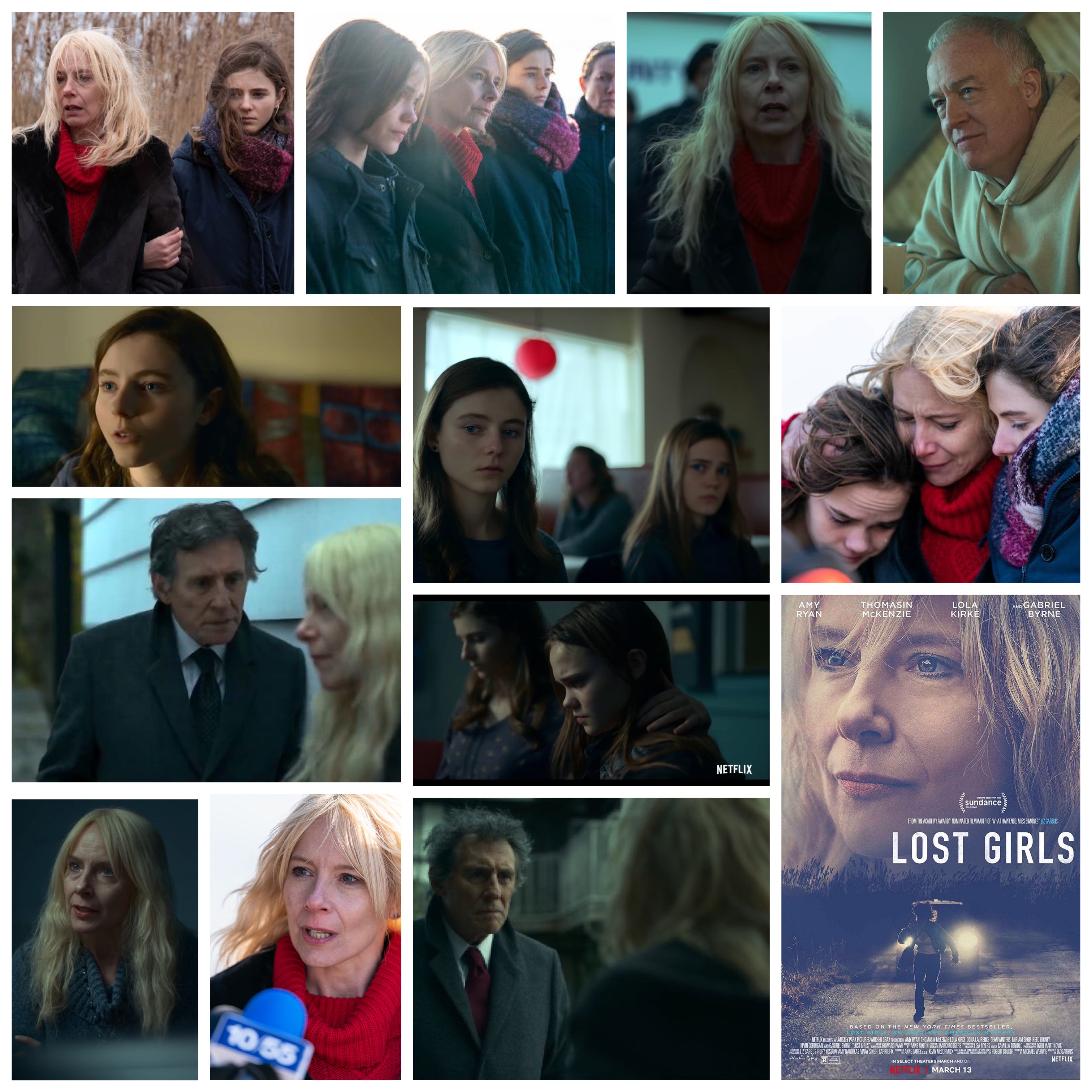
Liz Garbus’s Lost Girls

There’s a certain melancholy defeat in viewing a film where missing and murdered people’s cases are met with lethargy, inaction and suspicious reluctance by the authorities, but in the same token they’re important films to watch as they shed spotlights on gross miscarriages of justice and impart that it can’t continue to go on like this. Liz Garbus’s Lost Girls uses a sobering tone, moody visuals and a deep intentional focus on the victims of the mysterious Long Island serial killer as human beings rather than ‘murdered prostitutes’ or statistical notches on the media’s callous belt. Around 2010 in rural New York State a serial killer struck, dumping bodies along a desolate stretch of road and leaving few clues save for vague ties to a nearby gated community that may be harbouring secrets. For struggling single mother Mari (Amy Ryan) this is a different kind of nightmare as her eldest daughter was in the area around this time and is still somewhere out there missing. Together with her two other daughters (Oona Laurence and Thomasin Mackenzie) she launches a fierce personal investigation into the matter when the lead detective (a smarmy Dean Winters) and even the police commissioner himself (Gabriel Byrne in introvert mode) seem to be willfully dragging their asses. It’s a sad story because Mari’s life is already tough enough; she’s severely low income, on her own as a mother and mental illness runs deeply within her family, already blooming in her youngest daughter. None of this makes the situation any better but she has grit, resolve and a desire for redemption that Ryan infuses in her performance nicely. The best work in the film goes to Thomasin Mackenzie as her middle daughter though, she’s an actress who made a big splash in Debra Granik’s Leave No Trace a couple years ago and once again delivers a powerful, understated yet rawly emotional performance. Because this is based on a real story that was never properly concluded there is a sense of heart wrenching, open ended pain here. The police investigation was never carried out properly, their response time to her daughter calling 911 the night she disappeared was unforgivable and as a collective result a heinous serial killer went uncaught. You’ll leave the film feeling sick and depressed, but it’s important that we pay attention because this shit probably happens every day. There’s a strong desire here to shirk the media’s portrayal of victims as deserving it because of their lifestyle and showing them as meaningless numbers in tv reports, while the families are out their mourning the human beings they remember so dearly. It’s in that the film finds it’s one ray of light, an important sentiment to take away. Not an easy watch, but perhaps the publicity now given to this tragic case will one day lead to the arrest of those responsible. Great film.

-Nate Hill