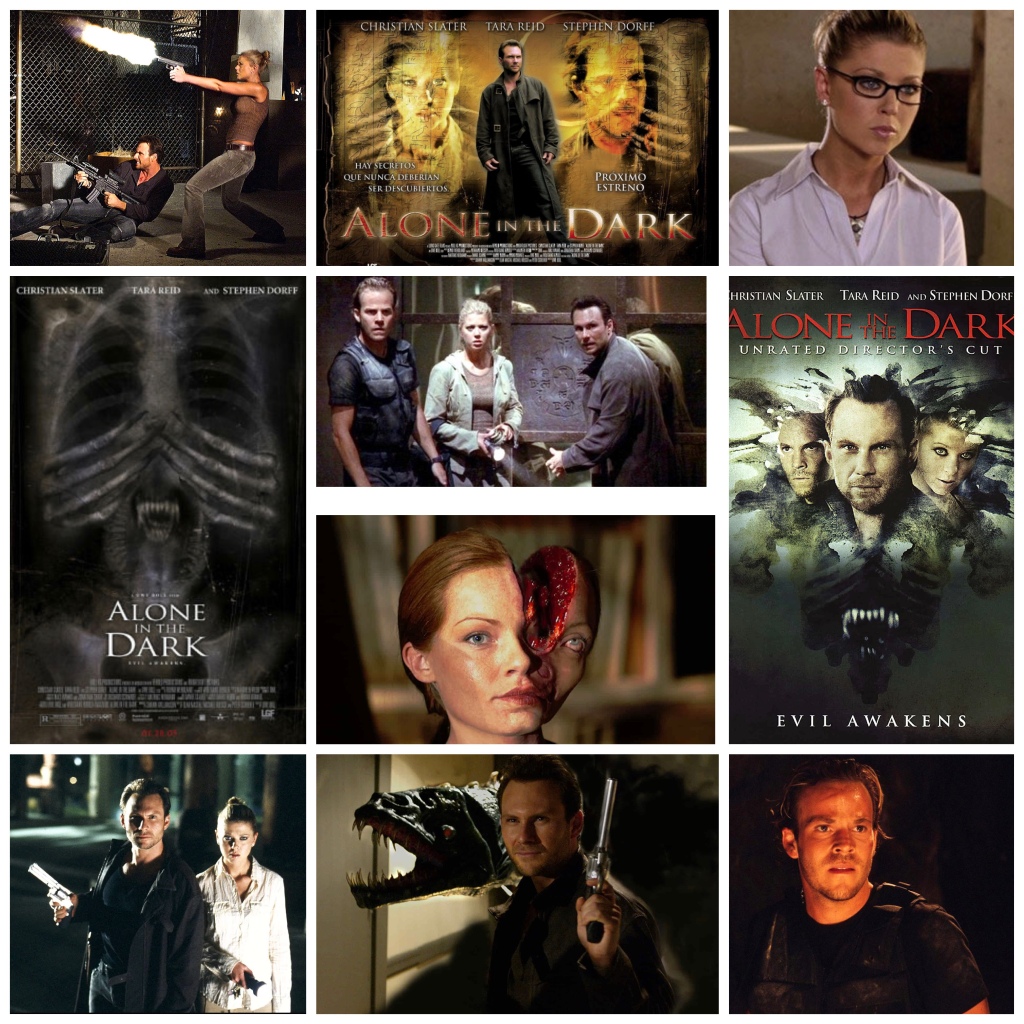
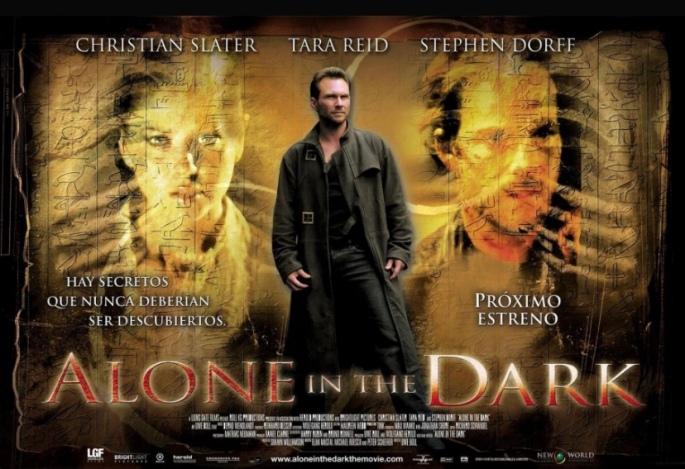
Uwe Boll’s Alone In The Dark

I know Uwe Boll’s reputation as a horror video game adaption filmmaker and I’ve seen a few of them so my personal expectations for Alone In The Dark were set pretty damn low, and yes it was a terrible godawful cheap mess but not… *quite* as bad as I was anticipating. Here’s the thing: I have years of watching B grade horror trash under my belt and when you’ve got that kind of buffer there’s not much, Boll’s output included, that can make you really, truly recoil, like I love trashy shit, it’s fun if it knows it’s place and fits it’s groove. This? This one is especially lowbrow and unapologetically so, as we see Christian Slater being a wannabe Blade/Van Helsing type monster hunter complete with an emo trench-coat, hilariously moody narration and a sexy/nerdy scientist sidekick played by Tara Reid who is about the farthest from nerdy scientist type you can get, which is great for a laugh here. Slater is embroiled in some murky supernatural hogwash involving human inter dimensional hybrid monster things that lurk around dark corners and disembowel people occasionally. He shoots some of them in between bouts of adorably sincere expository diarrhea dialogue and silly high tech gadgetry, and clashes with the gruff commander (Stephen Dorff) of a paranormal tactical squad and that’s about it. A weird subplot about an orphanage and the kids being used for experiments there back in the day went right over my head but I never played the game this is based on so that could be why, although I suspect it’s Boll’s haphazard direction and complete lack of focus in editing. I will hand it to the guy though for doing Vancouver proud, he not only films most of his stuff here in my city (and owns a restaurant in Gastown no less) but he actually sets it here too, so that Britannia Mines, Lions Gate Bridge and the Robson art gallery actually get to play themselves for once and not double for some hack USA location. This is cheap slipshod stuff, full of dodgy effects, indecipherably shadowy monster attacks and complete with an out of nowhere soft-core porn sex scene between Slater and Reid set to a giggle inducing emo lament by a group called ‘Nightwish’ who I’ve never heard of but outdo themselves in the Evanescence-lite department. This is one of the rare cases where there’s a sequel that’s way better than the original, they made a follow up with Lance Henriksen and Danny Trejo that actually attempts to do something worth watching, whereas this is just shameless, throw-in-the-towel dogshit.

-Nate Hill

Ben Wheatley’s In The Earth

In The Earth is only the second film from Ben Wheatley I’ve seen, the first being his spunky noir shootout flick Free Fire which seems to be the odd duck out and a far cry from the dark, morose, esoteric folk horror fans are used to from him. This was a very interesting film and while the pieces don’t necessarily all fit together in a way that struck the ultimate timbre with me, it’s certainly a visually galvanizing, stylistically impressive work. As a research scientist (Joel Fry) and a park ranger (Ellora Torchia) trek deep into a wild forest in rural England on some sort of mission they encounter two very different individuals who are both trying to communicate and study some sort of… I dunno, entity or force that hides within the very structure of the natural world. There’s borderline zealot Zach (Reece Shearsmith) who lives as a homeless person would and approaches this being from a folk point of view, offering it iconography in a religious fashion like the pagans who lived in the region eons ago would have. His ex wife Olivia (Hayley Squires) lives in another region of the woods where nary the two stray into each other’s path (like most exes) and her efforts are a lot more scientific but no less bizarre, using complex machinery to reach out to this thing with light, sound and rhythm. The two leads find themselves stuck squarely between two duelling fanatics who are in way over their heads with a force of life neither can comprehend and are both slowly being driven mad by. And that’s as far as the plot goes in the realm of what is coherent and comprehensible anyways. The closest thing you could describe this entity as is a stone monolith punctuated by an opening through which you can view the stars, and nature on its terms but never is it presented as a physical or visible ethereal being beyond hints, abstract hallucinations and sounds out there in the dark. If that’s your thing than cool, I enjoyed the odd, surreal, impenetrable nature of it and recognized the welcome nods to many influences including Alex Garland’s Annihilation, M. Night Shyamalan’s The Happening and even John Carpenter’s Prince Of Darkness in a few brief strokes. Just don’t expect to walk out of this thing with answers; it’s a moody horror SciFi that quickly transforms itself into a wild arthouse romp from which there is no rhyme or reason to be distilled from but what one’s own intuition says.

-Nate Hill

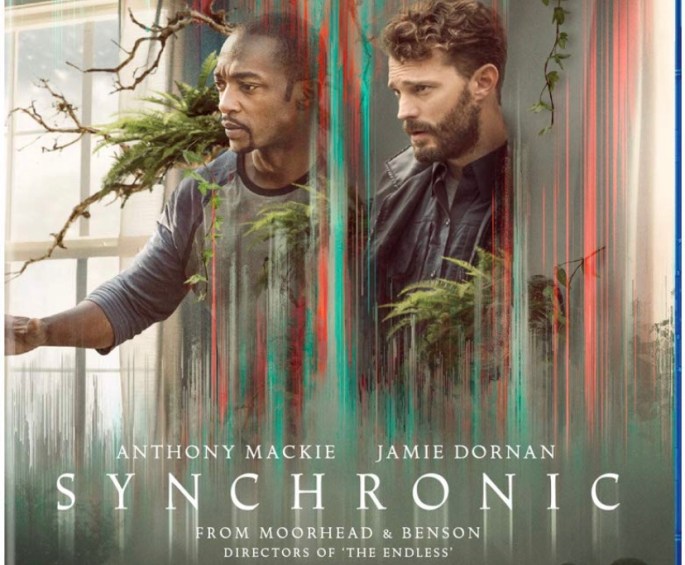
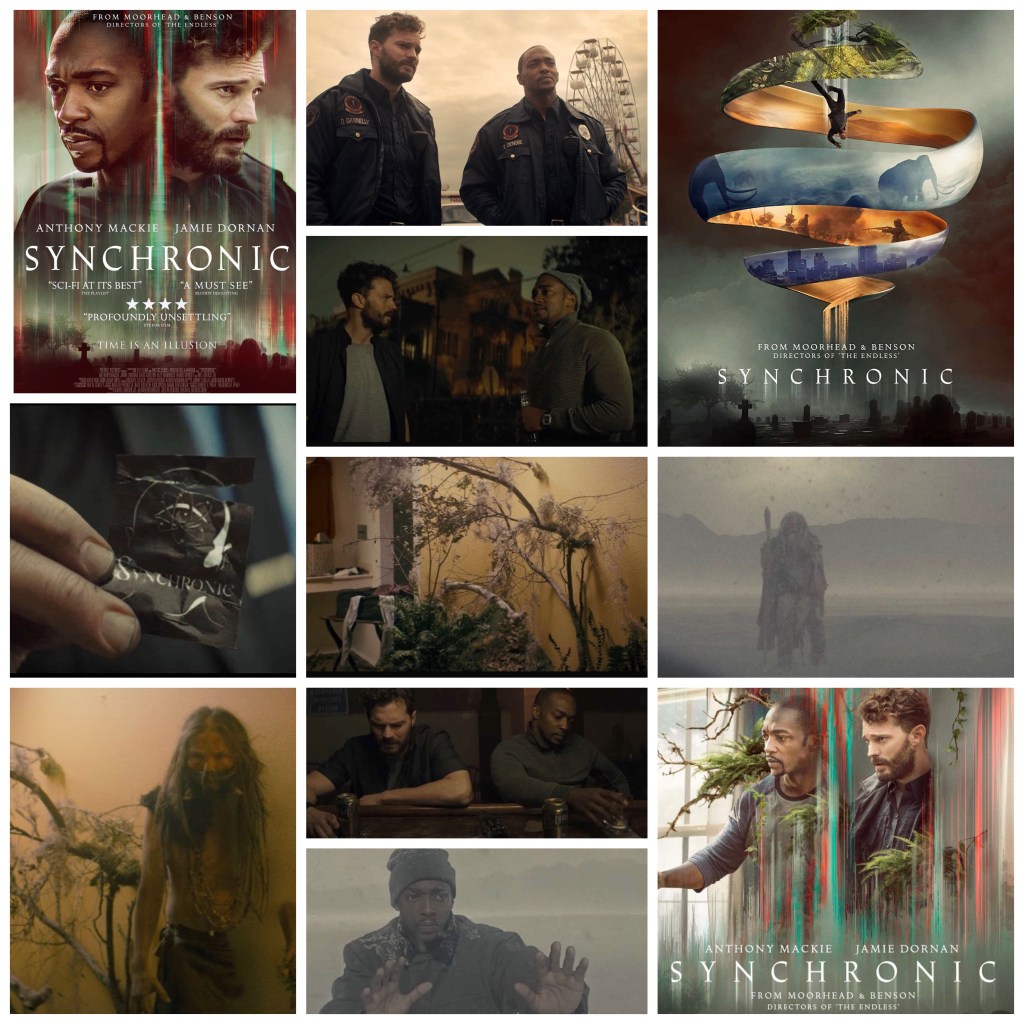
Benson & Moorhead’s Synchronic

Justin Benson and Aaron Moorehead have consistently been putting out wild, innovative and boundlessly creative ideas into cinema including Lovecraftian romance, esoteric doomsday cults, otherworldly time loops and more. What’s so great about their work is that along with these very grand, high concept SciFi ideas they always have the right application of atmosphere and tone as well as extremely believable, well written characters to back it up and with their newest film Synchronic they just may have outdone themselves. Anthony Mackie and Jamie Dornan play two New Orleans EMT’s who are also steadfast besties, their bromance banter a huge asset to this story. They seem to be getting a lot of disturbing calls lately, of people injured or hurt very badly after taking a mysterious experimental street drug called Synchronic, which is available in Vape form at various stores. It’s basically a synthetic DMT compound that acts on the pineal gland to provide unnervingly vivid hallucinations, but what really happens is that for the duration of the high, you quite literally go backwards in time to a random period of history, could be five years ago, could be five thousand years ago. This powerful but dangerous ability is the lynchpin of a story that involves these two characters as Dornan struggles with family issues, Mackie wrestles with a terminal illness diagnosis and the drug itself comes into play in ways you might not expect. Both actors are terrific especially when onscreen together, with Mackie being the standout and taking full blooded advantage of the deep, ponderous and soulful writing. What really makes the film sing is the synergistic flow of atmosphere, music and special effects for the trips back in time and there are several breathtaking set pieces including a Spanish conquistador in a damp bayou, a hellish picture of the New Orleans harbour on fire sometime around the civil war and an absolutely stunning trip back to the ice age. These sequences feel fully realized, immersive and tactile and where other films would take a high tech gadgetry approach to time travel, this one uses the onset of the drug’s effect in an eerie, elemental biochemistry fashion to transport us into the film’s realm. Moorehead and Benson floored me with their 2015 film Spring (couldn’t recommend it enough) and then their follow up The Endless left me a bit underwhelmed but for me this is them roaring back into cinematic innovation on all levels with a wondrously moody, unbelievably creative SciFi that’s sure to become a classic. Brilliant film.

-Nate Hill

DARK STAR (D. John Carpenter, 1974)

It’s curious how little Dark Star is discussed in the canon of John Carpenter. It’s also puzzling given its rather large contribution to the sci-fi boom of the late 70’s that resulted in Star Wars in 1977 and Alien two years after that. Both franchises continue to dominate the market almost 40 years later and Carpenter has never been hotter as he’s successfully parlayed his iconic status into successful second careers in music and comic books.

In recalling the time between the heady and serious 2001: A Space Odyssey (1968) and the more fantastical and forgiving world of Star Wars, it’s hard to think of any other title that perfectly bridged the two. Even in 1970, George Lucas would sear the sci-fi genre by releasing a dark, grim vision of the future with THX 1138, cementing his preferred sensibilities in the more sobering and academic and less in the pulpy adventures of Buck Rogers, something he admiringly mocks in the opening moments of the film. As the promise of the 60’s deteriorated and a public wanting more escapist fare, Lucas regressively stumbled backwards, awash in the nostalgia bug he picked up when escaping the realities of 1973 with American Graffiti. What he landed in, though, was Star Wars, a far sunnier vision of sci-fi that was bronzed with the American Western and Japanese Samurai films that informed Lucas’s creative mind.

So 1977 got space via the grand adventure films of Akira Kurosawa and 1974 got, according to Carpenter, “Waiting For Godot in Space.” Not only is that an apt description of the movie, it also is a dead-on example for the type of mindset that the defeatist and exhausted American movie-going public was in in 1974.

At the time of Dark Star’s creation and eventual theatrical release, Stanley Kubrick was still at the top of his game. Though his most recent film, 1971’s A Clockwork Orange (yet another sterile, grim look at the future), had been met with an alarming amount of controversy and wasn’t exactly embraced by all (Roger Ebert wasn’t all that hot on it), Kubrick’s reputation was still riding high from 2001: A Space Odyssey, a game changing mind-blower that still rendered him exciting and mysterious. And even though the worst of the Cold War’s nuclear fears were behind them, America still held Kubrick’s Dr. Strangelove in high regard but, at only 10 years old, as a slightly older, yet still contemporary film.

Co-written by Carpenter and fellow UCLA alum Dan O’Bannon, Dark Star utilized the vision and satirical sensibilities of Kubrick’s freshest and exciting works as the foundation for a yarn about the crushing boredom and claustrophobia that is shared among the crew of a star cruiser, charged with destroying unstable planets. And, honestly, it’s totally fair to treat Dark Star as a true collaboration between Carpenter and O’Bannon as the latter’s contributions turn Carpenter’s budgetary shortcuts into imaginative miracles. Co-writer O’Bannon, later co-writer of the screenplay for Alien and computer animator for Star Wars, leads a crew including Bill Taylor (The Thing, Blade Runner), Jim Danforth (Flesh Gordon, Twilight Zone: The Movie), Bill Cobb (Star Wars, Alien), Gregory Jein (Close Encounters of the Third Kind, Star Trek: The Motion Picture), and John Walsh (2010). Perhaps only 1970’s Equinox, another backyard project that was stewarded to a theatrical release by Jack Harris, would prove to be as potent a mix for future sci-fi professionals, matching Danforth and future Star Wars alum, Dennis Muren.

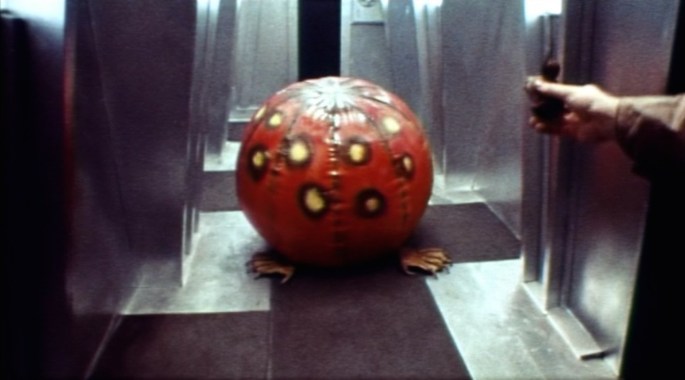
And like Equinox before it and the surprisingly enduring Flesh Gordon, released the same year as Dark Star, the low-budget effects are more than worth the price of admission. Though it lacks the absolutely amazing stop-motion animation of those two films, Dark Star mixes models and animation with ingeniously crafted production design; muffin tins, beach balls, 8-track tapes, ice cube trays, styrofoam packing are all utilized to surprisingly brilliant effect.

But while the innards are dressed by O’Bannon’s gadgets and his clever gags, the visual flow and sound design are all Carpenter’s which makes his presence as equally towering as that of O’Bannon’s. The classical visual compositions and the gently fluid camera crawls all recall certain specific moments that would appear later in Halloween (1978) and The Thing (1982). And Carpenter’s score is, if not one of his best, one of his more underrated; a menacing, droning wave of bad, electronic vibes that seems to elevate the film when its on the soundtrack.

Dark Star is also an excuse for Carpenter to indulge his inner Howard Hawks for the first time as he serves up a story that, however comic, is populated by Men in Extreme Situations. The interaction between the characters is interestingly humorous in the same fashion that the blunt dullness found in the uncomfortable silences of Jim Jarmusch’s Stranger Than Paradise (1984) is what makes that whole endeavor so hilarious.

As a story, there’s not too much to Dark Star. It’s a barely cohesive string of set pieces that build the framework of something that looks like a movie. And like both Equinox and Flesh Gordon, there’s not too much in the filler that sticks these moments together. But Dark Star is like raw, uncut magic. From Carpenter’s direction to the impressive number of special effect pros that sprang from it, Dark Star is like watching a wonderfully entertaining visual resume. Funny, liberating, and fueled on sheer energetic talent, little wonder that the galaxy far, far away that was created from Dark Star’s potent elements was such a phenomenon in 1977.

(C) Copyright 2021, Patrick Crain
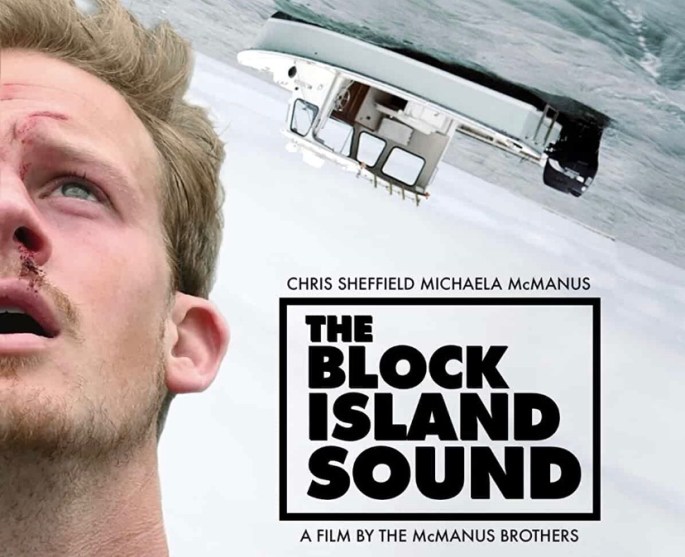
The MacManus Brothers’ The Block Island Sound

Aliens are up there and they’re messing with us… or are they down below, in the waters of the ocean? The MacManus Brothers’ The Block Island Sound is a fascinating, atmospheric and frequently terrifying glimpse of life in a small fishing town on the Rhode Island coast as inhabitants grapple with a mysterious, threatening, possibly extraterrestrial or cryptozoological force that slowly encroaches on them in increasingly horrifying ways. One fisherman (Chris Sheffield) has already seen his father (Neville Archambault) fall victim to these things and now finds himself coming down with strange symptoms: sleepwalking, blackouts, bizarre hallucinations, dark thoughts and the most severe case of tinnitus I’ve ever seen. He struggles to protect his family from whatever is out there and what it’s doing to him as he can no longer trust his own actions or impulses, especially around his young niece (Matilda Lawler, excellent) whose safety he fears for. This is a slow burn, ambiguous SciFi horror story that takes its time; you never see what’s out there beyond esoteric hints and chilling sounds behind the perpetually overcast coastal skies and the flint grey waters of the sea below. It’s always the threat of what’s out there that is scarier than the thing itself seen in full, and the filmmakers know this, taking full advantage of the ‘less is more’ mantra. Acting is all superior quality, there are a few sequences that drag and could have been tightened up a bit but overall this is a slick, nasty, spine chilling otherworldly horror that hits the spot. It even achieves a moment of pure greatness right at the very end when a character provides thought provoking narration that will make you completely rethink the nature of alien abductions themselves. Good stuff.

-Nate Hill

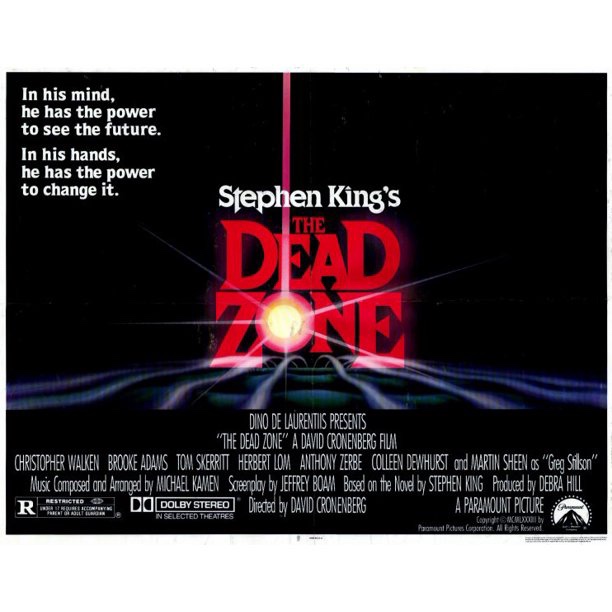
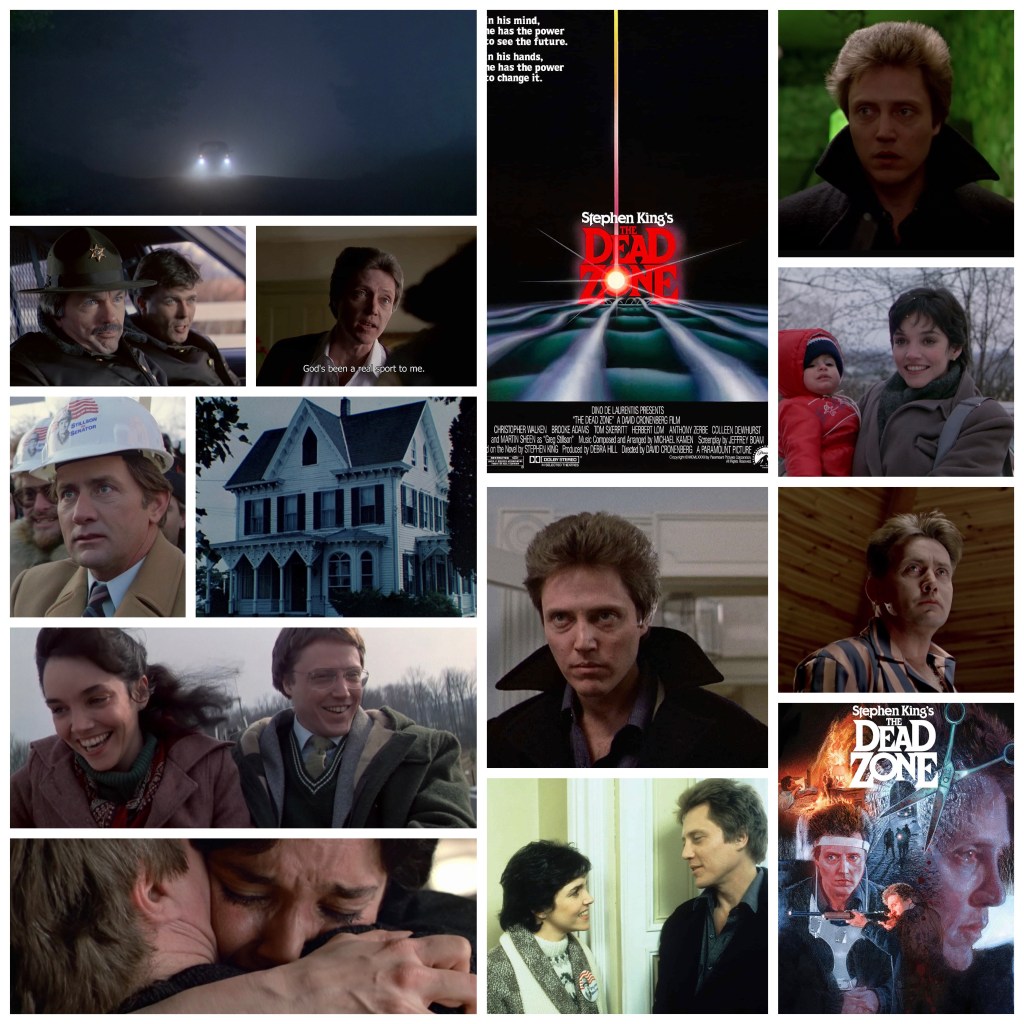
David Cronenberg’s The Dead Zone

The Dead Zone is the combined efforts of three artists who can only be described overall as a trio of the most extreme storytellers of their day, Stephen King, Christopher Walken and David Cronenberg. It’s a bold, counterintuitive and brilliant move on all parts to then make this a restrained, humane and warm-hearted piece of compassionate thriller filmmaking, despite having the aura of a classic horror film. Christopher Walken gives one of his best, most soulful performances as Johnny Smith, a mild mannered schoolteacher who is blessed/cursed with the powers of spooky clairvoyance after a cataclysmic car wreck leaves him in a coma for five years. He can now sense the future, past and ill fated destiny of others around him based on touch, an ability that can save many lives but also has a draining effect on his own spirit forces. As he helps the local sheriff (Tom Skeritt) track a vicious serial killer, tutors the neurologically challenged young son of a rich businessman (Anthony Zerbe) and has growing suspicions about an overzealous, obviously sinister politician (a smarmy as hell Martin Sheen) running for senate, he tries his best to reconnect with the former girlfriend (Brooke Adams) who remarried during his coma and pick up the pieces of his life. Walken is excellent and reins in his usual eccentricities (apart from one brief, shockingly hilarious outburst) for a subtle, restrained and heartbreaking portrayal akin to his award winning turn in The Deer Hunter. Johnny isn’t a warrior, cop, leader or hero, he’s just a quiet schoolteacher who finds himself thrown into this extraordinary situation and has to deal, and Walken’s shy, awkward and otherworldly presence brings this to life wonderfully. The film is shot in rural Ontario during wintertime and as such there’s an icy, eerie blanket of small town atmosphere over everything, made thicker by a beautiful Michael Kamen score that lays on the orchestral swells and quirky, spine chilling experimental cues in perfect musical symbiosis. This is King at his kindest, with an ending that although is appropriately bleak, still has a sorrowful heart to it and not his often cynical, hollow hearted touch. It’s also Cronenberg at his most character based, ditching the body horror to explore the psychological strain a phenomenon like this would exert and taking a long breath in his otherwise hectic, gooey career to compassionately explore a character alongside Walken who is a dark angel revelation as Smith. Sensational film.

-Nate Hill

James Gunn’s The Suicide Squad

James Gunn has always been a delightfully rambunctious, perennially irreverent filmmaker whether he’s exploring the realm of sentient alien slugs, sad-sack superhero wannabes or comic book property, which he gets to do once again in The Suicide Squad, one of his very best films yet. He feels more at home in the world of DC than he does in Marvel and it’s not just the larger playground that a hard-R rating gifts him, although that is a *huge* factor given his stylistic tendencies as an artist and his roots in horror, which are on gooey display here as well. The DC stable, particularly villains, just has this dark, perverse edge to it that Marvel can’t match and in creating a maniacal palooza of second tier baddies in a subversive, heavily violent extravaganza he has found a groove and achieved an aesthetic that for the entire two plus hour runtime I wasn’t bored by once. Some of our familiar favourites from the other Suicide Squad naturally return including Harley (Margot Robbie, resplendent in the role of her career), Captain Boomerang (Jai Courtney), Rick Flagg (Joel Kinnaman) as well as welcome new additions like Bloodsport (Idris Elba), Peacemaker (John Cena), Ratcatcher (Daniela Melchior), Savant (Gunn totem Michael Rooker looking like he walked in from a Rob Zombie flick) the scene stealing Polka Dot Man (David Dastmalchian), impossibly adorable King Shark (Sylvester Stallone) and of course Viola Davis as their game warden Amanda Waller, the cunt to end all cunts. Their missions here include the overthrow of a South American country, constant bickering, shocking team casualties, betrayals, clever skewering of American patriotism, a giant alien starfish, bountiful loads of gratuitous and blessedly gory violence and a clever balancing act between lighthearted, frothy banter and a darker undercurrent of thematic heft that sneaks in the back door and lands with an effective, grounded touch. Obvious comparisons will be made to the 2016 Suicide Squad and I’d like to sideswipe that other than to say I love both films, they’re both very different and the 2016 is what it is, it has its reputation. I do believe this to be the stronger film but I think they both have their place on my shelf, they are M&M’s and Skittles, Pepsi and Coke, or Warheads and Airheads to reference a junk food as obscure as the characters on display here. Gunn has made a rollicking, badass, bizarre yet strangely accessible piece of pop art nutso comic book madness here with many standout moments including an emotional monologue by Ratcatcher (she’s the soul of the film), some stunning technicolor gore effects that call to mind Lovecraft and Carpenter, an Easter egg hunt of many hidden film and literary references, a ballsy, nihilism laced opening sequence wherein some of the characters brutally live up to the title of the film, one instance of Waller *finally* getting a modicum of what she deserves, some painfully on the nose political satire and, in my favourite sequence the film has to offer, a brilliantly placed and paced opportunity for Robbie’s ever awesome Harley to work through the trauma of her past and absolutely TAKE DOWN toxic relationships like the badass boss bitch we all know she is. A wonderful, weird, wild and fantastic film.

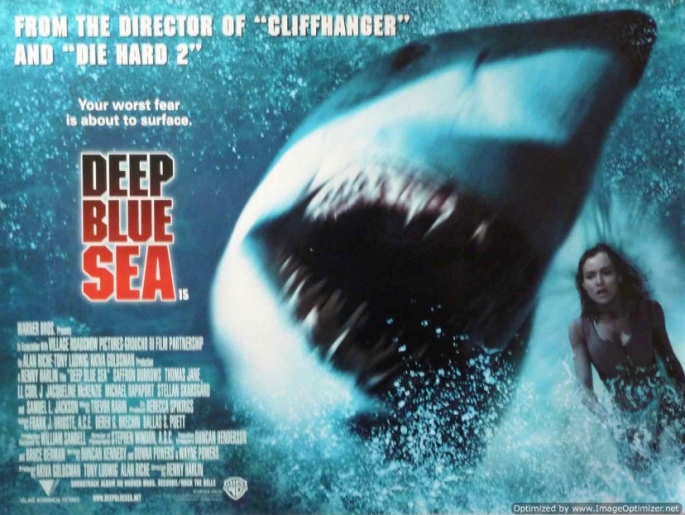
Renny Harlin’s Deep Blue Sea

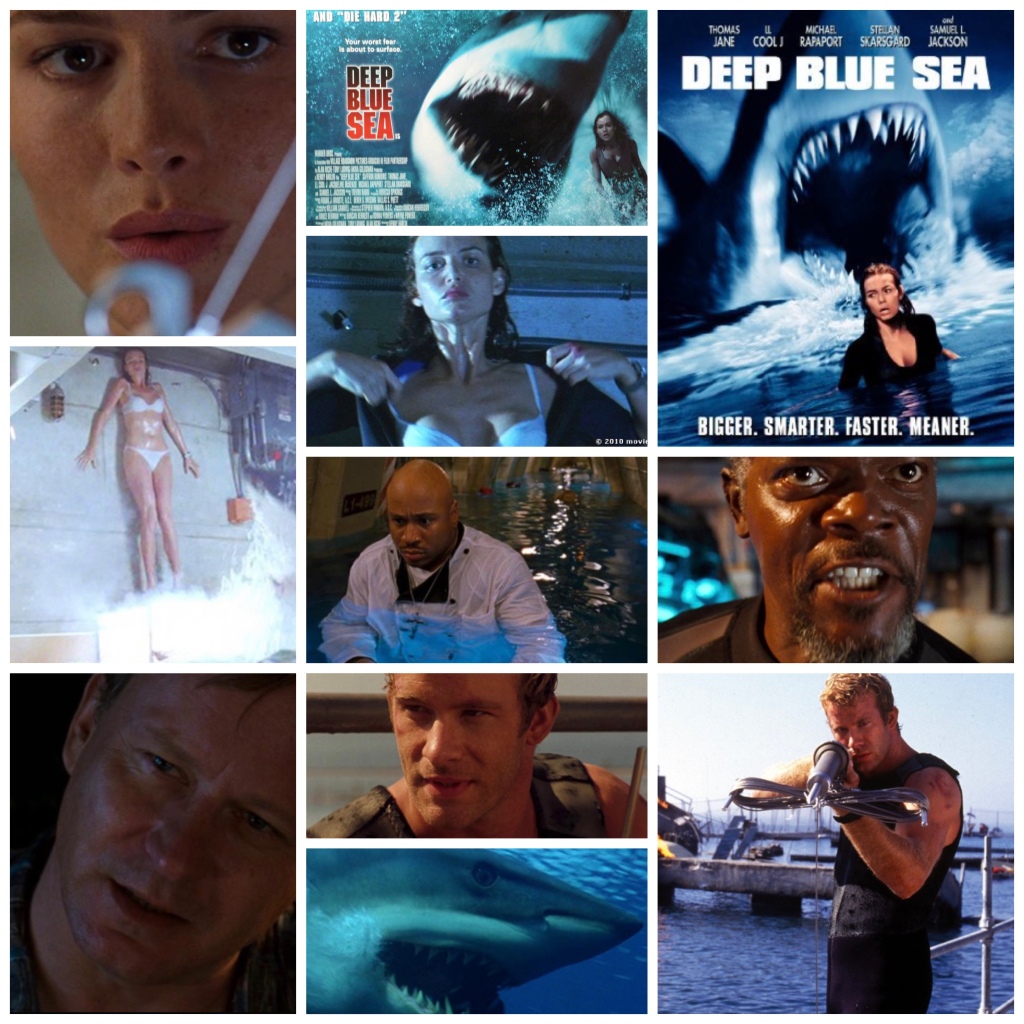
Renny Harlin’s Deep Blue Sea is about as loud, silly, gory and hilarious as you’d expect a ‘killer smart shark’ flick to be and is for the most part a lot of fun, even if it sometimes dissolves into eyeball melting pandemonium. The premise is actually a good one: a brilliant and obligatorily sexy scientist (the lovely Saffron Burrows) has developed a potential formula to treat Alzheimer’s using genetic material from shark brains, and she’s gotten a high level executive (Samuel L. Jackson) to convince his CEO boss (a brief, contemplative cameo from Ronny Cox) to sign off on funding, pending an inspection visit to her test facility out in the ocean. There we meet others including shark hunting guru Thomas Jane, gruff scientist Stellan Skarsgard, oddball cook LL Cool J and grunt Michael Rapaport, all who make great cannon fodder for the marauding sharks once they decide they’re too smart to be lab rats for these people anymore. There are some great gory kills here and the timing of them is sometimes genuinely shocking and inspired, including one death scene that is straight out of the book of nihilism and dark humour 101 and had me laughing hard. It’s basically a decent B movie souped up with Hollywood effects, tons of explosions and while it has the misfortune of being released when CGI wasn’t too great (it shows), it also has the advantage of being made at a time when shark horror films weren’t over saturated and done to death like they are these days and as such feels somewhat fresh, especially given its additional premise of sentient sharks. It’s fun, engaging and a bit cacophonous in some instances where it could have employed more stealth and suspense, but overall a good example of the shark sub genre.

-Nate Hill

Roseanne Liang’s Shadow In The Cloud

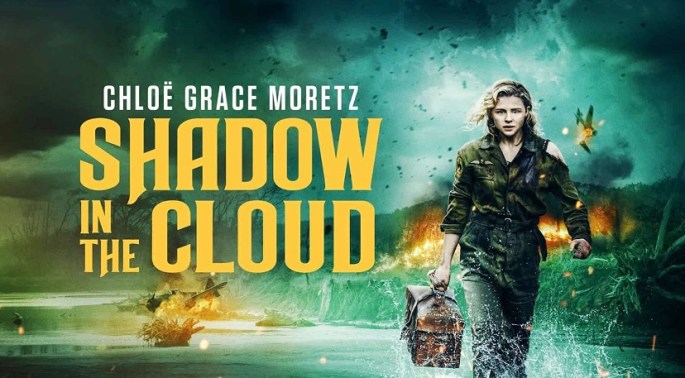
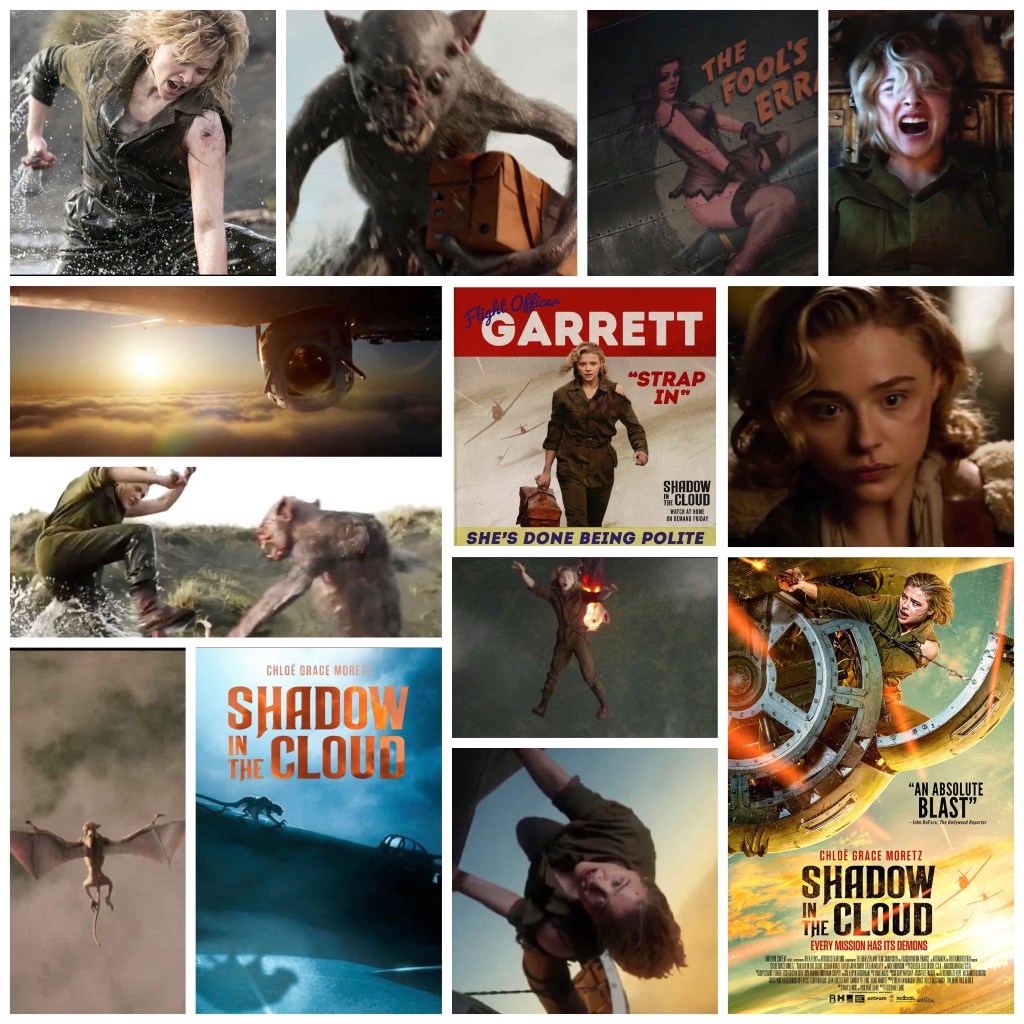
Some concepts just beg to not be taken seriously and in the case of Roseanne Liang’s Shadow In The Cloud we have Chloe Moretz as a WW2 fighter pilot fighting a nasty sky gremlin while also contending with Japanese planes trying to shoot her down and some incredibly sexist fellow officers who outnumber her ten to one. Surefire recipe for camp, right? Well… kind of, but what makes this film so much fun and so successful is that despite an outrageous premise it manages to feel like a real story and not some high flying Grindhouse lark. I haven’t seen Chloe act in some time so I kind of forgot how talented she is but she gifts this character with cunning, grace, badass physicality and genuine grit. As she boards a fighter plane last minute filled with all male officers and is sent straight to the hull turret, it starts with her being belittled and mocked by them, escalates into a breathless dogfight with enemy aircrafts and finally goes supernatural bonkers when this bizarre bat/rat/alien sky gremlin shows up and tries to kill everyone. The film clocks in tightly under 80 minutes and almost has that old timey radio play feel, especially in the first act when she’s alone in the turret, the camera focuses solely on her for a sequence and we only hear everyone else on the radio, thus some of the action left to our imagination just like entertainment mediums of that day. There are some flat-out spectacular action sequences here including Chloe firing up the turret gun and ruthlessly mowing down a Jap plane with brutal precision, a hair raising forced crash landing, a hilariously unbelievable yet absolutely thrilling instance where she falls out of a hatch and plummets a few hundred feet only to be BLOWN BACK INTO the plane by the force of another one exploding below and finally a bloody, ultra-violent hand to hand mortal kombat smackdown with the ugly little bastard gremlin that is laced with adrenaline torqued choreography. It’s just a damn fun film, Chloe has a blast in the best role I’ve seen her do in years, the score by Mahuia Bridgman-Cooper ditches usual war film orchestral notes for something sleek, electronic and rhythmically modern and just overall is badass, gnarly, r rated, rollicking action war horror hybrid good times. Streaming now on Netflix.

-Nate Hill

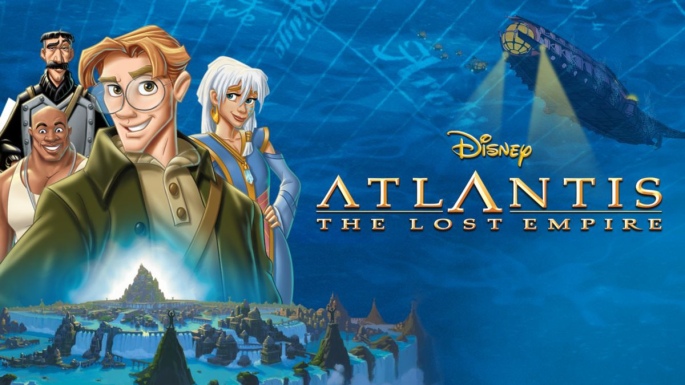
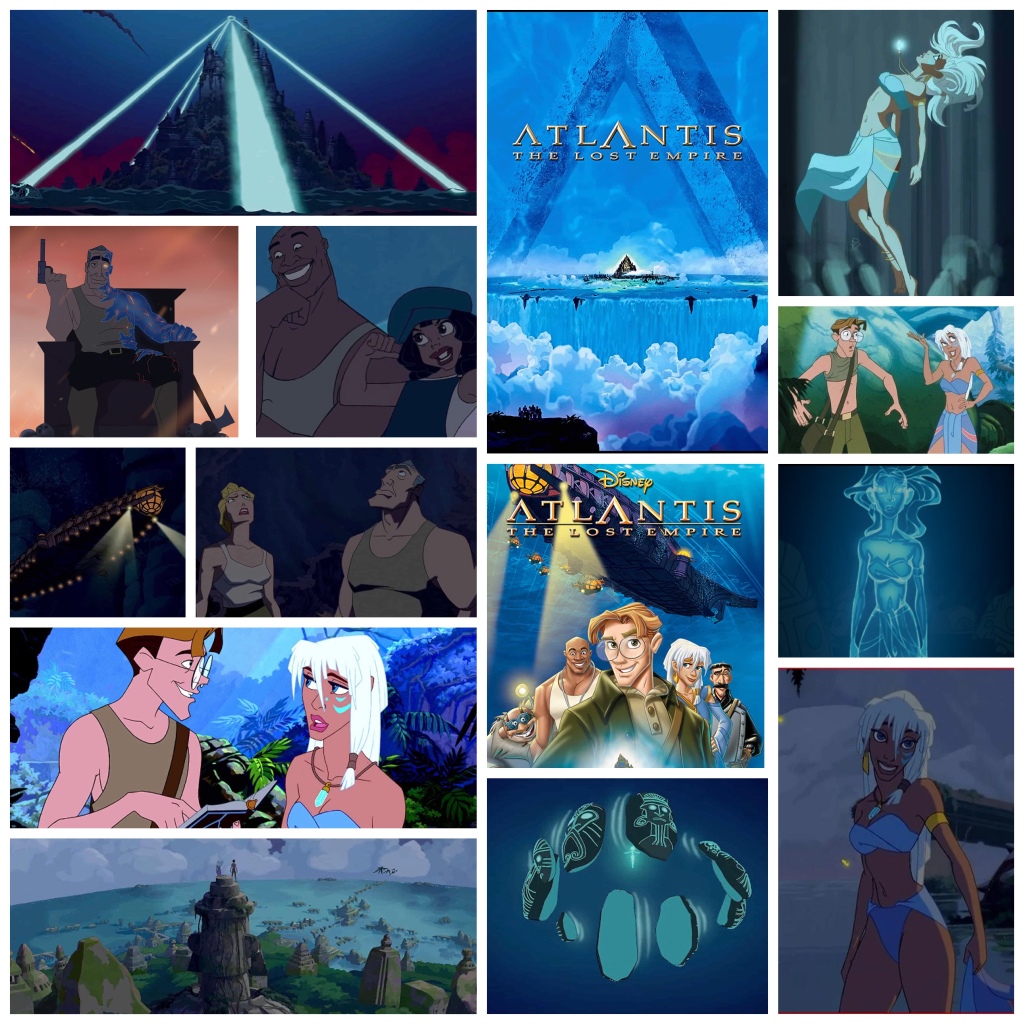
It’s interesting to me how the best Disney films, or at least the ones that I connect with most anyways, don’t get talked about too much. Atlantis: The Lost Empire is always one I was kind of dimly aware of, I had the McDonald’s toys as a kid even though I never saw the film and always thought of it as just another rote Princess storyline from the studio. How wrong I was. This is an absolutely sensational SciFi adventure fantasy on all levels, boundlessly imaginative, strikingly mature as far as Disney goes and the kind of intricately designed experience you can get lost in. In the early 1900’s young scholar Milo Thatch (Michael J. Fox in a lovely, exuberant turn) dreams of finding the lost city of Atlantis as his peers and superiors at the Smithsonian mock his efforts. When an eccentric and very rich tycoon (the late John Mahoney) agrees to fund an elaborate deep sea exploration with Milo spearheading the research aspect, it’s off to the races as a beautifully designed mega-craft descends into the Atlantic Ocean with our hero and a whole team of ragtag experts, grunts and grease monkeys onboard. The film is very realistic and fair with its characters and we get an entire fleet of fascinating individuals including an African American former civil war surgeon (Phil Morris) with indigenous roots, a cantankerous cook (Jim Varney), a Mediterranean explosives guru, a vivacious French geologist and the crew’s mercurial captain Rourke, given the commanding, affable yet vaguely menacing voice of James Garner who does a terrific job of the villainous arc. There is a Princess here but she isn’t doe eyed, sing-songy or cloying for romance every second. Her name is Kida (voiced wonderfully by Cree Summer), she’s the daughter of the Atlantean King (Leonard Nimoy, of all people) and she’s assured, strong willed and cares deeply for the plight of her race, who have fallen on hard times. There are eventual romantic sparks between her and Milo but they feel organic, earned and born out of a genuine, character development based relationship as the two get to know each other and she shows him around her striking world. The visual design and animation here is something else, even before we see Atlantis there’s a steampunk vibe to their equipment and vessel, and when we see the otherworldly biodiversity, detailed architectural splendour and tattoos/costume design it’s an atmosphere like no other. Not to mention the ballistic gong show of a climax, born out of capitalist fuelled betrayal, the very fate of Atlantis and every living thing in it at stake. This isn’t your average Disney flick and while there are the usual beats like comic relief and romance etc, it all feels far more down to earth than I’m used to from this kind of output. I’m reminded of another Disney one that has a similarly grounded, spectacularly imagined world, the wonderful Treasure Planet. I think the studio has never been as good or as inspired as their work with that one and now Atlantis too, it has to be up there as my favourite.

-Nate Hill