“Roadblocks won’t stop somethin’ that can’t be stopped.” : Remembering The Wraith with Mike Marvin by Kent Hill

AC_A_HotDog_MarvinLangeCupSunValley_web

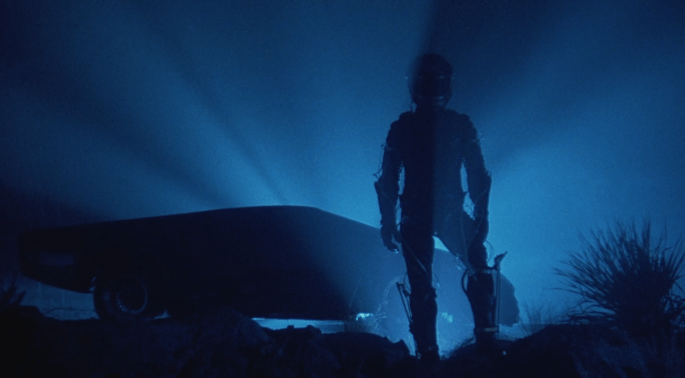
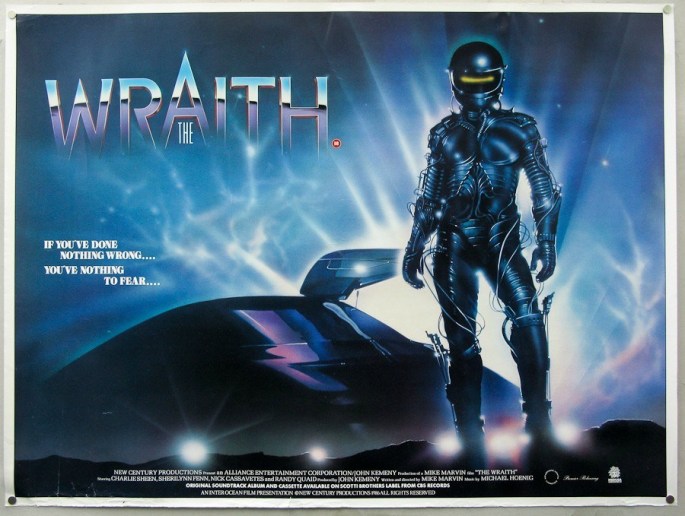
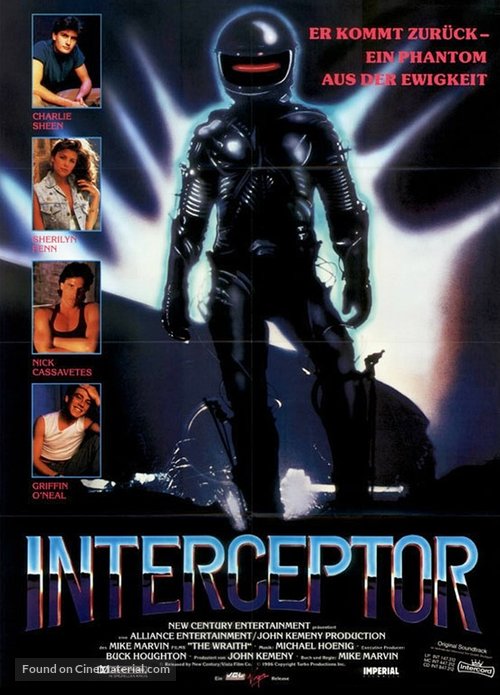
The Wraith was like many a glorious find back in the day at my local video store. The cover had a holographic shimmer to it – a strange robot-like character standing in front of some bad-ass, customized car that looked as though it would be more comfortable zipping through the galaxy rather than flying at break-neck speeds along the long stretches and cactus-lined roads of Arizona.

Yes sir, that cover held the promise of sci-fi mysticism combined with heat-thumping vehicular action to rival the Road Warrior.

Oddly enough, Dr. George’s post-apocalyptic action-adventure was the template for Mike Marvin’s Cult Classic. When the man who started out making skiing films came to Hollywood and saw an opportunity to fuse High Plains Drifter with Mad Max 2, one would assume it was a concept any studio would be happy to throw their weight behind.

But, then as now, the movie business can be treacherous, and Marvin’s experiences making The Wraith were far from pleasant. As a matter a fact, they were a nightmare. Plagued by unscrupulous producers, a tragic death while filming – along with all the other perils of production – it is a wonder that this certified 80’s classic ever made to to the screen.
tumblr_m7i5f6oPSu1qfyx7eo1_1280

Lucky for us, however, thanks must go, in no small part, to a string of wonderful performers, a dedicated crew and a talented director at the helm, The Wraith survives as a one of a kind mash-up of genres that has endured and is, for this film writer at least, yet to be equaled.

This interview was conducted before I was able to sample Mike’s great and candid commentary on the Region 1 DVD release of the film. And while some of what he relayed to me you will find on that release, the truly glorious thing that I experienced was to hear these insights, plus a couple that were not covered in that commentary track, first hand from this journeyman warhorse of a film-maker.
the-wraith-german-movie-poster

So seek out the The Wraith, those of you who have not yet experienced it. Let this interview, hopefully tantalize your interest to learn more about this incredible film that really was both ahead of its time, a product of its time and most assuredly one of a kind…

Ladies and Gentlemen…Mike Marvin.


Sean Penn’s The Indian Runner

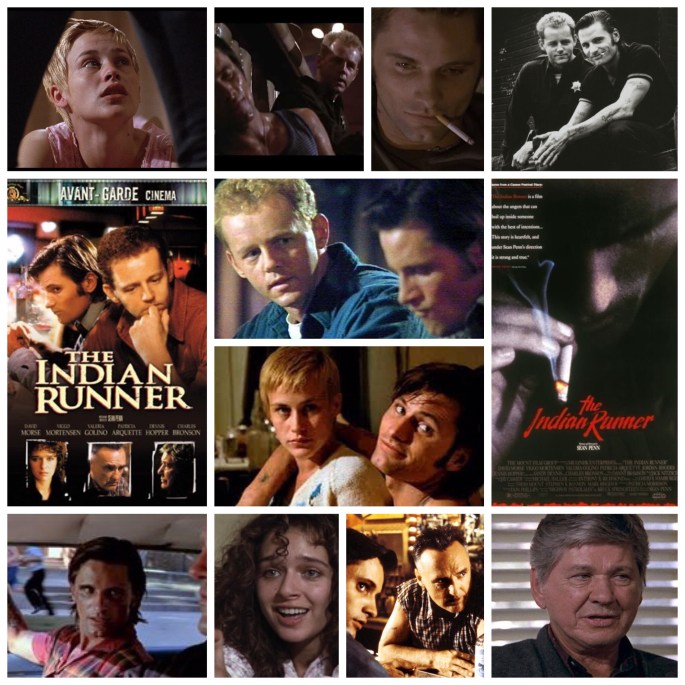
I’ve often argued with myself whether Sean Penn is a better actor or director, but the truth is he’s just as captivating a storyteller whether on camera or behind it, and The Indian Runner is a bold testament to the latter, a somber, tragic family drama that leaves the viewer reeling with it’s hard luck characters and sorrowful resolutions. Set in the heartlands sometime after the Viet Nam war, Penn’s focus is on two brothers who have been at odds with each other years. David Morse’s Joe is a farmer turned cop, an even tempered, recent family man with a loving wife (Valeria Golino, what ever happened to her?) and his shit firmly together. Viggo Mortensen’s Frank is a volatile, hotheaded veteran, the little brother with a big chip on his shoulder, a fiery temper and wires crossed somewhere deep inside. From the get-go there’s tension, and when Frank brings home a naive girl (Patricia Arquette) to start some semblance of a family, trouble really brews. There’s hints from director Penn of his own internal turmoil, two wolves that roil against one another represented by the brothers onscreen, and the inevitable violence begotten from the hostile one. It’s so strange seeing Mortensen in a role like this, miles removed from not only the stalwart Aragorn we’re used to, but from anything else he has ever done in his choosy, sparse career. This is the role of a lifetime for any actor and it’s the one he should be remembered for, a maladjusted outsider who rages against civility and can’t be controlled, to his own demise and detriment. Morse is always a slow burner, and takes it laconically here, but there’s a sadness that burns at the corners of his eyes which the actor exudes achingly well. Arquette captures the stars her character has in her eyes for Frank, and tragically lets them fall in disillusionment when she realizes he’s not the man she thought she knew, a splendid arc for the actress to breathe life into. The brother’s patriarch is played by a low key, heartbreaking Charles Bronson, probably the last role in which he actually gets to *act*, and not just play a tough guy. He’s full of complexity and depth in his brief appearance here, and knocks it out of the park. Dennis Hopper has an extended cameo as an antagonistic bartender, and Benicio Del Toro is apparently somewhere in it as well as he’s in the credits, but I honestly couldn’t spot him anywhere. The film subtly tackles everything from implied PTSD to biblical references to near mythic aspirations built around a legend that explains the title, but more than anything it’s about something as simple as can be: How circumstances shape human beings, how trauma affects us and the ways we interact with each other, what it means to exist and make choices. Penn’s fascination with these themes is obvious, skilled and nears profundity in dedication to story and character. A brilliant piece in need of far more exposure than its ever gotten.

-Nate Hill

Clint Eastwood’s Mystic River


Clint Eastwood’s Mystic River is one of the most gut wrenching, haunting, stressful experiences one can have watching a film, and I’m only talking about the first ten minutes so far. On a quiet 70’s era Boston afternoon, three young boys play street hockey near their homes. After writing their names in freshly lain concrete sidewalk, a sinister ‘police detective’ (John Dolan, who I can never ever see as anyone but this character, he’s that affecting) hassles them and tries to lure the youngsters away. Two of them are wise to his game and escape. The third does not. This crime spurs a ripple effect into the future for these boys, as we see them grow up into very different and equally troubled men. Jimmy (Sean Penn has never been better) is a small time hustler with anger issues, Sean (Kevin Bacon) a cop with his own demons and Dave (Tim Robbins), the boy who was successfully kidnapped and held all those years ago, is a fractured shell of a human whose damaged soul lashes against the whites of his eyes and prevents him from functioning normally. Malcontent comes full circle to find them once again when Jimmy’s young daughter (lovely Emmy Rossum) is found murdered, setting in motion one of the great tragedies you’ll find in cinema this century or last. Eastwood lets his actors quietly emote until the floodgates open and we see raw despair roil forth from three men who are broken in different ways, and how it affects everyone in their lives. Penn is tuned into something higher here, and I’ll not soon forget him arriving at the scene of his daughter’s murder. Robbins let’s the horror of buried trauma deep through the family man facade until we see the deformed psyche left beneath, while Bacon reigns it in for a performance no less memorable than the others. Marcia Gay Harden and Laura Linney are excellent as Dave and Jimmy’s wives, while Laurence Fishburne provides the faintest ray of humour as Sean’s partner. This is as much a murder mystery as it is an intense interpersonal drama, but the whole story is ruled by emotion; that burning need for revenge from several angles, the hollow pit of loss left behind when someone dies, the psychological scar tissue that trails in the wake of abuse, everything slowly coming to light as the grim, doom laden narrative unfurls. Tom Stern’s camera probes inlets along the harbour, sprawling neighbourhoods and hidden barrooms, Brian Helgeland expertly adapts the novel from Dennis Lehane and Eastwood himself composes a beautiful lament of a score, while the actors turn in galvanizing work. One of the finest films of the last few decades and not one you’re ever likely to forget, once seen. 

-Nate Hill

Phil Joanou’s State Of Grace


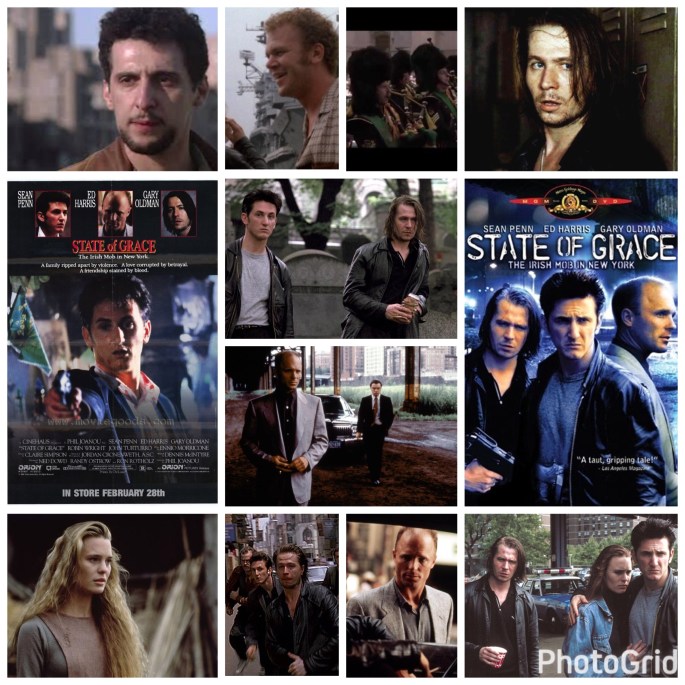
Phil Joanou’s State Of Grace had the unfortunate luck of being released in 1990, the same year that also saw Scorsese’s Goodfellas and the third Godfather film. It’s hard to gain your footing when that kind of momentum is surging about, but this film is as good as the others, and deserves recognition or at least some kind of re-release. Set in the blistering inferno of Hell’s Kitchen, NYC, it’s a violent tale of Irish Mobsters, undercover cops, betrayal and murder, set to a smoky, mournful Ennio Morricone score that lingers in the air like smog. Sean Penn is Terry Noonan, a deep cover operative who returns to his childhood neighbourhood to reconnect with old friends, and dig up buried grudges. Ed Harris is Frankie Flannery, ruthless gangster and former ally, while Gary Oldman plays his hotheaded brother Jackie with a tank full of nitrous and the kind of unpredictable, dynamite fuse

potency one expects to see from a David Lynch character. The three of them are on a collision course set in the grimy streets of New York, bound by old loyalties yet destined to clash and draw new blood. Penn shares the screen with his once wife Robin Wright here, looking lovely as ever. There’s also supporting turns from John Turturro, John C. Reilly, R.D. Call, a geriatric Burgess Meredith and an unbilled cameo from James Russo. Penn, Harris and especially Oldman are like flint sparks, a trio that won’t be stopped and light up the screen for a spellbinding, visceral two hours until their eventual confrontation, hauntingly shot by cinematographer ” in the midst of a bustling St. Patrick’s Day parade. This one has been somewhat lost to the ages, like a number of other stellar crime dramas I can think of from the nineties. The cast, score and Joanou’s thoughtful direction make it an unforgettable piece of work. 

-Nate Hill

SEAN STONE: An Interview with Kent Hill

Many of us can only imagine what it must be like to grow up in a household where one or both of our parents are people of extraordinary ability. We can only muse further what it must be like if that said parent were internationally recognized in their chosen field of expertise.

On the other hand, when we are young, we don’t really question such things. They are the ‘norm’, the everyday, and our parents are simply Mum and Dad. They do what they do and we are none the wiser. Then of course we reach an age when that changes. We realize that there are differences, and our worlds shrink or growth according to the depth of that perception.

61TzhdXDn1L__SY300_QL70_

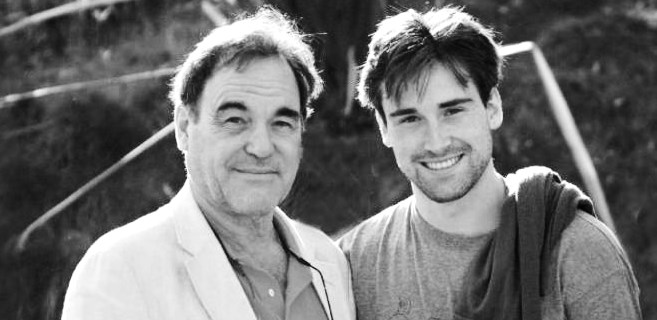
So imagine growing up and one day the realization hits that your Dad is the acclaimed filmmaker Oliver Stone; on top of that you have essentially grown up in the movies your father has been making. Now you were unaware to the extent of just how different things at home where compared to other people. But, it’s just how things were, and it’s just how things were for Sean Stone.

1002004006473548

Being on the set was normal because making movies is what Dad did for a living. These famous actors were simply people that were helping Dad out. It all seems fine that is till, as Sean told me, the world opens up and your understanding of that which you have been exposed to becomes evident.

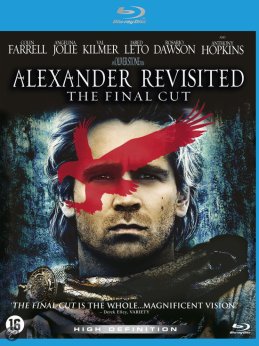
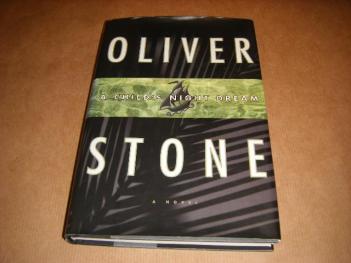
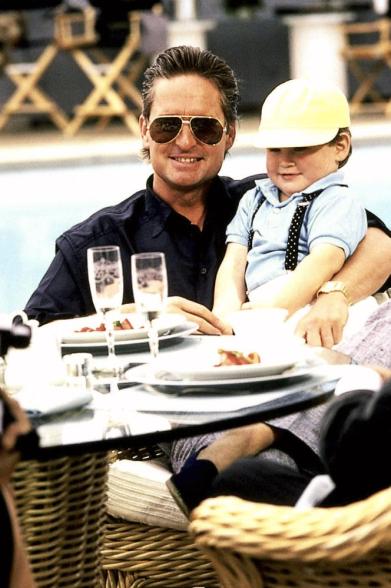
Being a lover of the work of Sean’s dad, I, like the rest of you, have seen him as a baby on the lap of Gordon Gekko, as a young Jim Morrison, as the brother of an eventual mass murderer and more. He is now, however, a storyteller in his own right. Beginning with the chronicling of the making of Alexander, Sean has emerged as a naturally talented filmmaker. He has continued exploring the documentary as well as genre filmmaking, and I eagerly anticipate his intended adaptation of his father’s book A Child’s Night Dream.

35445

It was a real treat to chat with him at the dawn of 2017 . . . ladies and gentlemen, I give you . . . Sean Stone.

MCDWAST FE007

https://www.amazon.com/Alexander-Revisited-Blu-ray-Colin-Farrell/dp/B00CSKQ5TK/ref=sr_1_9?ie=UTF8&qid=1491450945&sr=8-9&keywords=alexander+blu+ray

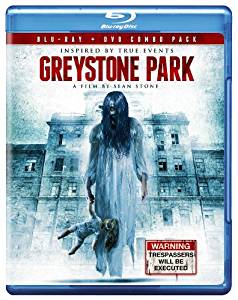
https://www.amazon.com/Greystone-Park-Blu-ray-Combo-Pack/dp/B008NNY93K/ref=sr_1_2?s=movies-tv&ie=UTF8&qid=1491451403&sr=1-2&keywords=greystone+park

https://www.amazon.com/Childs-Night-Dream-Oliver-Stone/dp/0312167989/ref=sr_1_1?ie=UTF8&qid=1491451496&sr=8-1&keywords=a+childs+night+dream+oliver+stone

CARLITO’S WAY – A REVIEW BY J.D. LAFRANCE

release_carlitosway

There was a lot of anticipation when Carlito’s Way was released in 1993. Director Brian De Palma had just come off a lukewarm reception for yet another Alfred Hitchcock homage, Raising Cain (1992) and was in need of a hit to appease the studios. And so, a re-teaming with Al Pacino in an effort to recreate the magic of Scarface (1983) made commercial sense. Carlito’s Way was much more somber in tone than the cinematic shotgun blast that is Scarface. It is a tragedy about how a criminal tries to go straight but is ultimately doomed from the get-go.

Carlito’s Way features one of the oldest chestnuts in the world. Narrating his story during the last moments of his life, Carlito Brigante (Pacino) is a veteran criminal recently released from prison and intent on leading a normal, law-abiding life. Of course, it isn’t going to be that easy and when he returns to his old neighborhood, his reputation precedes him. Local gangster Benny Blanco from the Bronx (John Leguizamo) is a cocky, up and comer who sets his sights on Carlito after he is shamed by him in public. Carlito, however, barely notices him as he’s torn between reuniting with an old flame, Gail (Penelope Ann Miller), a struggling Broadway dancer, and keeping his lawyer friend, David Kleinfeld (Sean Penn) out of trouble.

As a personal favor to David, Carlito runs a nightclub so that he can raise enough money to start his own business renting cars in a tropical paradise with Gail. However, Carlito’s loyalty to David will be his undoing because his friend has become so corrupt during the time that Carlito was in prison.

As always, De Palma injects the film with his trademark bravura action sequences, including one early on when Carlito accompanies his cousin on a routine drug deal that turns into a violent blood bath. One look at the set-up and, like Carlito, we know that something is not right. De Palma prolongs the violent confrontation for as long as possible, gradually building the tension as we feel Carlito’s apprehension. The director orchestrates the entire scene like a pro, knowing just how long to build things up before the inevitable eruption of violence.

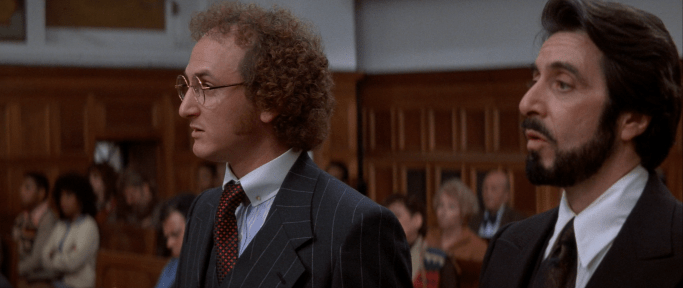
Carlito is a role tailor-made for Al Pacino, allowing him to essay another larger-than-life character. Carlito is a smart guy who cannot escape what he is no matter how hard he tries and Pacino conveys the melancholy that lurks behind the bravado of his character. The real scene stealer, however, is Sean Penn’s sleazy, coked-up lawyer. The actor reportedly did the film to help finance his second directorial effort, The Crossing Guard (1995). For a paycheck role, Penn does a great job as he disappears into the character, complete with a frizzy afro and cheap suits. It’s almost as if Pacino’s presence inspired Penn to step up his game. And this makes Penn’s memorable turn so much fun to watch.

The rest of the cast is filled out by solid character actors like John Leguizamo, who plays Benny as a pushy little runt with a motor-mouth, and the always reliable Luis Guzman as Carlito’s right-hand man. The only miscasting is Penelope Ann Miller as Pacino’s love interest. She looks out of place and just doesn’t have the chops to hold her own against Pacino.

Despite the cliched premise, Carlito’s Way works so well because of the caliber of actors, David Koepp’s screenplay with memorable dialogue (“You think you’re big time?! You’re gonna fucking die big time!”), and De Palma’s stylish direction. This film is proof that given the right material, De Palma can still make a hell of an entertaining movie.

Barry Levinson’s What Just Happened: A Review by Nate Hill


Barry Levinson’s What Just Happened is an unfairly overlooked little Hollywood satire, a little less bombastic than his excellent Wag The Dog, but no less biting. It’s like Entourage on Zanax, a surprisingly laid back entry into an oeuvre that is usually foaming at the mouth with frenzy. Robert De Niro plays Ben, a very stressed out movie producer who is dealing with a zillion different things at once, most of which are going wrong. The character is based partly on real life Hollywood producer Art Linson, and his book. Ben has a lead actor (Bruce Willis playing Bruce Willis) who refuses to shave his bushy beard for a film. Anyone who remembers the film The Edge with Alec Baldwin and how big his beard was in that, well, that’s where the idea came from. That’s just a taste of how many weird things that both Hollywood and his personal life toss at Ben. He’s also in post production on a Sean Penn film (Penn also plays himself) with a very stubborn and flamboyant director named Jeremy (Michael Wincott) who refuses to cut the film in accordance with the studio’s wishes (here manifested by an icy Catherine Keener). Ben’s daughter (a weepy Kristen Stewart) is going through personal crisis, he’s also got a bitter rivalry with an obnoxious writer (Stanley Tucci) and has to babysit an anxiety ridden agent (John Turturro). It’s all a lot for him to handle and we begin to see the turmoil start to boil under Ben’s cool exterior. The cast is beyond ridiculous, with additional work from Moon Bloodgood, Peter Jacobson, Lily Rabe and Robin Wright as Ben’s estranged wife. Standouts include Michael Wincott who is a comic gem and gives the film it’s life with his pissy, enraged and altogether charming performance. Willis is also priceless as he ruthlessly parodies himself to the hilt. It’s slight, it’s never too much and is probably a bit too laid back for its own good, but I had a lot of fun with it, and it’s always cool to see meta movies about the inner workings of Hollywood. 

GUS VAN SANT’S MILK — A REVIEW BY NICK CLEMENT

1

In 2008, eclectic filmmaker Gus Van Sant released two films: Paranoid Park, a challenging and formally adventurous indie, and the more classically structured but no less emotionally stirring biopic Milk. I’ve long been fascinated by Van Sant’s interesting and unpredictable career, and his film about San Francisco politician Harvey Milk, who was the first openly gay politician in the U.S., remains as powerful now as it did when I first viewed it almost 10 years ago. Sean Penn delivered a splendid performance as Milk, and everyone around him, including James Franco, Josh Brolin, Emile Hirsch, and Diego Luna all offered fantastic supporting turns. Dustin Lance Black’s sharp screenplay was heavily researched, the dialogue intelligently written, and the film carried a sense of the tragic almost from the beginning. Shot by the incomparable cinematographer Harris Savides, the film had a vibrant and period-authentic aesthetic, which helped to solidify the time and place of the socially combustible narrative. Harvey Milk stood up for the entire gay community in the United States when nobody else dared to speak up for what they knew was right. This made him both loved and hated; wherever he went and whatever he did, his actions provoked passionate responses from everyone who crossed paths with him. The level of conviction that Penn brought to the role of Milk was remarkable, as he fully jettisoned any lingering elements from previous performances, totally embodying the man in both body and spirit. Here was a man who decided that enough was enough – it was time to set things right for himself and everyone like him. Penn breezed through the film with likable ease, and because death hangs over the proceedings so ominously, there was genuine sadness when he met his ultimate fate.

The other actors were all up to the task as well. Franco, playing Milk’s lover and first campaign strategist Scott Smith, gave one of the best performances of his career; combined with his hilarious turn in Pineapple Express, 2008 was a banner year for Franco. Penn and Franco, from the first scene, generated real on-screen chemistry, making their relationship all the more special and affecting. Brolin was absolutely gripping as the confused and desperate Dan White, a man who may or may not have been gay himself, giving a chilling performance as a person unable to understand the potential differences in other people; it’s a role that could have been oppressively one-note, but Brolin brought layers of emotion and mental complexity to the role. Hirsch registered strongly as Cleve Jones, one of Milk’s political strategists, and Luna, playing Milk’s emotionally troubled boyfriend Jack Lira, brought skittish, nervous energy to every scene he appeared in; you never quite know what will happen when he appears on screen. Van Sant has led an extremely idiosyncratic career as a filmmaker, and after embarking on some seriously avant-garde works (Elephant, Gerry, Last Days, and the previously mentioned Paranoid Park unofficially form a rather brilliant quartet of minimalistic storytelling), it appeared as if he wanted to prove that he could still deliver a more traditional and commercially friendly piece of filmmaking, and that he did with this engaging, wholly engrossing time capsule. And in working with Savides for the fifth time on Milk, Van Sant seamlessly blended archival footage with vivid re-creations of San Francisco in the late 1970’s; the atmosphere that this film possesses feels tangible. It’s sort of like a visually thematic cousin to the work that Savides did on David Fincher’s masterful serial killer/journalism thriller Zodiac. Danny Elfman’s score was never intrusive yet offered wonderful moments of musical inspiration while Elliot Graham’s fluid editing kept the two-hour run time moving along at a swift but unhurried pace. As far as biopics go, this one is at the top of the pile.

2

PTS Presents PRODUCER’S NOTES WITH BILL GERBER

BILL GERBER POWERCAST

bill gerber (2)Podcasting Them Softly is proud to present a chat with feature film producer BILL GERBER. Bill has some huge credits under his belt — Clint Eastwood’s GRAN TORINO and Jean-Pierre Jeunet’s A VERY LONG ENGAGEMENT are major feathers in his cap — and over the past 30 years he’s etched himself into the Hollywood landscape with a diverse background that includes work in the worlds of both film and music. Attracted to exciting material and excellent filmmakers, he spent time at the studio level working as an executive on both Oliver Stone’s JFK, Michael Mann’s HEAT, Clint Eastwood’s UNFORGIVEN and Curtis Hanson’s LA CONFIDENTIAL, before branching out as an independent producer with a first-look deal at Warner’s. Passionate, insightful, and beyond knowledgeable, we had a great time chatting with Bill, and we hope you enjoy!

PTS Present’s Commentary for David Fincher’s THE GAME

We did something new this time, the first installment of a new series where we sit down and do feature length commentary for a film.  For our first one we did our favorite David Fincher film, THE GAME.  So cue up your copy of the film and sit down and watch it with us!

Enjoy!