The Farrelly Brother’s Osmosis Jones

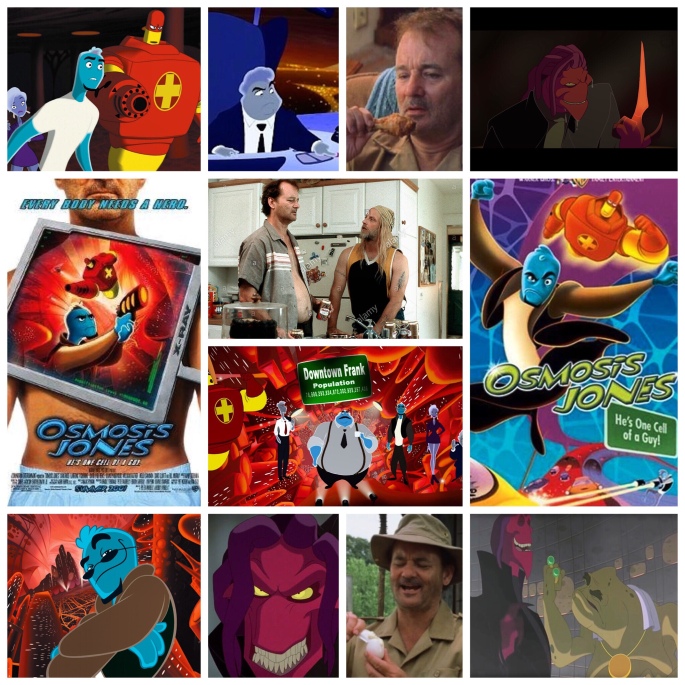
ScienceWorld once did a colourful exhibition called Grossology, in which various parts of human anatomy are presented in garish, cartoony displays. The Farrelly Brother’s Osmosis Jones reminds me quite a bit of that, an inspired, juvenile little creation that seems to have slipped through the cracks. Focusing on the human body, or rather one human body in the form of out of shape, sloppy schmuck Bill Murray, it’s one of those rare half live action, half animated flicks, a concept which I love but one that only works out if you do it right. It worked magic in Who Framed Roger Rabbit, it train-wrecked in Rocky & Bullwinkle, and went more middle of the road in stuff like Cool World and The Pagemaster. Here it works pretty damn well, if a little better on the animated side, where most of the focus is put anyways. Murray is Frank, a walking disaster whose lifestyle reflects the culmination of the Farrelly’s career in terms of utmost vulgarity. Zooming inside his body, a sassy technicolor world emerges, sentient forces living in infrastructure not unlike our own, albeit peppered with so many delightful jokes, gags (some which will kick the reflex into action) and word-plays it’s hard to keep up. Chris Rock plays a lively white blood cell cop who responds when Frank eats a hard boiled egg that’s home to a deadly virus, and runs all about the City Of Frank chasing it down, joined by a robotic cherry flavoured Cold Pill (David Hyde Pierce). City Hall is Cerebellum Hall in the Brain, the bowels resemble skid row, Mafia bacteria thugs reside in the armpit, and you get the idea. The imagination runs wild here, if a little grotesque in areas. The live action bits suffer in terms of writing and realism, they just feel like a queasy SNL skit and never have enough weight. It’s non stop fun when the animation kicks in though, a slightly off-Disney style that stimulates the screen visually and pops with every colour combination you can imagine. My favourite has to be Laurence Fishburne as Thrax, the deadly virus attacking Frank’s nervous system, a gangly, evil eyed freak who sports purple dreadlocks, a contagious Freddy Krueger style index finger and enjoys his job a bit too much. William Shatner is great as sleazy Mayor Phlemming too. It’s not as much fun as stuff like InnerSpace, and the live action clashes with the animated world in places where it should seamlessly mesh, but it has one admirable quality in spades: imagination. The jokes and ideas within Frank’s body are hurled at you a mile a minute, and you’d need to watch it at least twice to catch every little barb and dad-joke worthy pun. Good times.

-Nate Hill
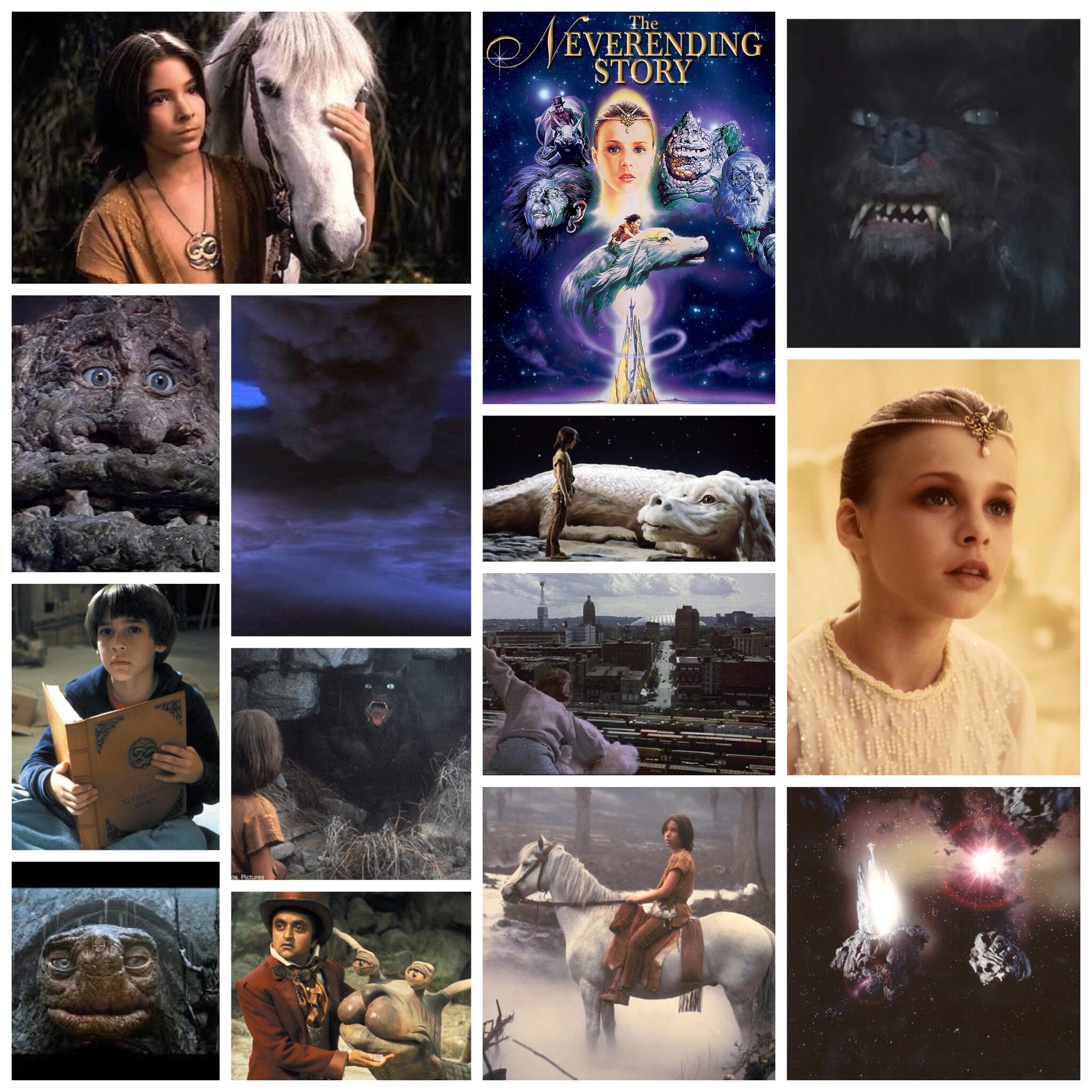
Wolfgang Petersen’s The Neverending Story

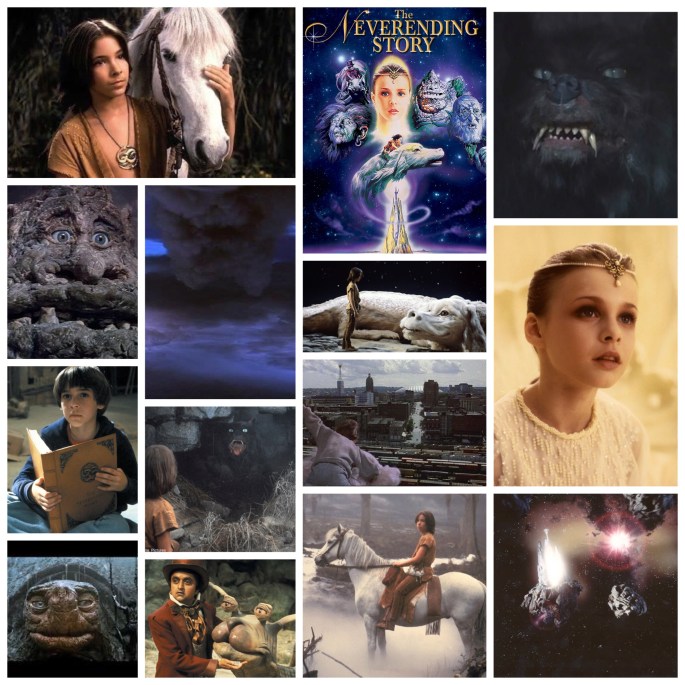
Although admittedly not quite as dense or thoughtful as Michael Ende’s classic novel, Wolfgang Petersen’s The Neverending Story is a stunning film full of imagery that has stuck with me for years. Petersen usually guns for sprawling adult oriented fare (Troy, Air Force One, Das Boot, The Perfect Storm, Enemy Mine), so this stands out as the one children’s story he’s done that still has that same epic magic he puts elsewhere, on a more whimsical scale. In a land called Fantasia, a threatening dark force called The Nothing is swallowing up real estate faster than Chinese investors, and many peaceful creatures are losing their homes to it. It lives up to it’s name in the sense that it is quite literally nothing, replacing tangible vistas with eerie black void, a spooky enough antagonist for any fable. It’s up to young prince Atreyu (Noah Hathaway) to journey across Fantasia, find the princess who is the origin of the land’s life force and restore balance in the universe. This is all in a dusty old storybook of course, eagerly read by a lonely kid (Barrett Oliver) holed up in some attic. I’ll admit I haven’t seen the film in a while, so I’m not up to speed on every little twist and crook in the story, but this one is kind of more about images and impressions than analytical narrative anyways, especially once Atreyu finds the Princess (Tami Stronach) and things get beautifully, cosmically surreal, then fairly meta as the world of Fantasia leaks out of the book’s pages into our own realm, and Oliver is treated to a flying escapade over the Vancouver skyline atop adorable dragon-doggo Falkor, a lovingly creaky reminder of the wonders of animatronic effects. I’ll always remember the council meeting between the rock biting giants, pint sized Willy Wonka looking dude and a sentient snail, all debating what course of action to take against The Nothing. The one primal element that stands out in my subconscious is the ongoing chase Atreyu finds himself in with a terrifying, ghostly direwolf that just won’t quit. For pure eerie suspense you can’t beat the seat grabbing moment where it ruthlessly pursues him through a haunted looking forest towards an escape so narrowly made that breathing isn’t an option while viewing it. Dark, scary stuff for a kids movie, but that should be the idea anyway. A wee bit dated on today’s terms, but all is forgiven considering the lasting impact it’s had on my generation, and the imprint on our dreams. I’d be wary of the two sequels, as I remember not a thing from the second, and only recall that the third is an abysmal thing that should have been left to the Nothing. Stick with this beauty instead.

-Nate Hill

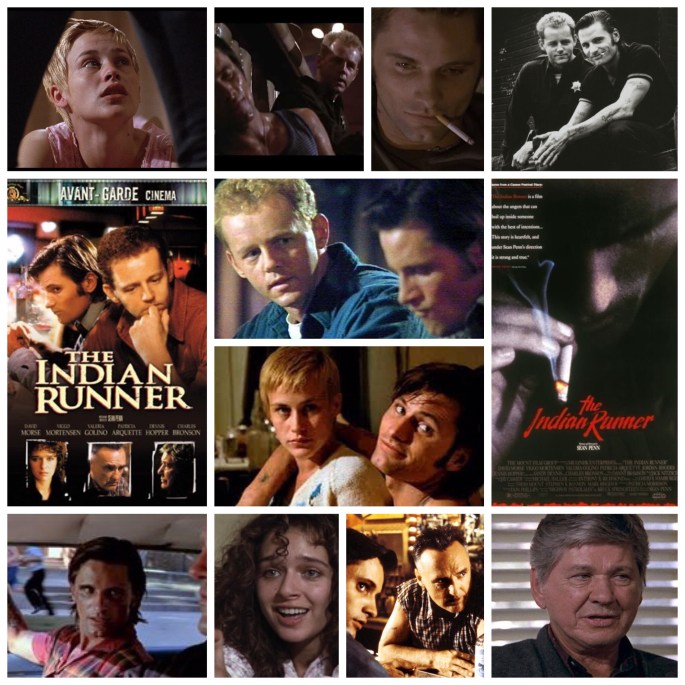
Sean Penn’s The Indian Runner

I’ve often argued with myself whether Sean Penn is a better actor or director, but the truth is he’s just as captivating a storyteller whether on camera or behind it, and The Indian Runner is a bold testament to the latter, a somber, tragic family drama that leaves the viewer reeling with it’s hard luck characters and sorrowful resolutions. Set in the heartlands sometime after the Viet Nam war, Penn’s focus is on two brothers who have been at odds with each other years. David Morse’s Joe is a farmer turned cop, an even tempered, recent family man with a loving wife (Valeria Golino, what ever happened to her?) and his shit firmly together. Viggo Mortensen’s Frank is a volatile, hotheaded veteran, the little brother with a big chip on his shoulder, a fiery temper and wires crossed somewhere deep inside. From the get-go there’s tension, and when Frank brings home a naive girl (Patricia Arquette) to start some semblance of a family, trouble really brews. There’s hints from director Penn of his own internal turmoil, two wolves that roil against one another represented by the brothers onscreen, and the inevitable violence begotten from the hostile one. It’s so strange seeing Mortensen in a role like this, miles removed from not only the stalwart Aragorn we’re used to, but from anything else he has ever done in his choosy, sparse career. This is the role of a lifetime for any actor and it’s the one he should be remembered for, a maladjusted outsider who rages against civility and can’t be controlled, to his own demise and detriment. Morse is always a slow burner, and takes it laconically here, but there’s a sadness that burns at the corners of his eyes which the actor exudes achingly well. Arquette captures the stars her character has in her eyes for Frank, and tragically lets them fall in disillusionment when she realizes he’s not the man she thought she knew, a splendid arc for the actress to breathe life into. The brother’s patriarch is played by a low key, heartbreaking Charles Bronson, probably the last role in which he actually gets to *act*, and not just play a tough guy. He’s full of complexity and depth in his brief appearance here, and knocks it out of the park. Dennis Hopper has an extended cameo as an antagonistic bartender, and Benicio Del Toro is apparently somewhere in it as well as he’s in the credits, but I honestly couldn’t spot him anywhere. The film subtly tackles everything from implied PTSD to biblical references to near mythic aspirations built around a legend that explains the title, but more than anything it’s about something as simple as can be: How circumstances shape human beings, how trauma affects us and the ways we interact with each other, what it means to exist and make choices. Penn’s fascination with these themes is obvious, skilled and nears profundity in dedication to story and character. A brilliant piece in need of far more exposure than its ever gotten.

-Nate Hill

David Mackenzie’s Perfect Sense

David Mackenzie’s Perfect Sense is one of those films that is indeed almost near perfection, a totally unique viewing experience from frame to frame. It also happens to be one of the most depressing things you’ll ever sit through, so fair warning. The story unfolds in Glasgow, where some strange pandemic is causing people, all over the world, to slowly lose there sensory perception, one at a time and preceded by cursory symptoms like rage, hunger, grief or the like. Sounds like a neat setup for a streamlined post apocalyptic thriller right?

Not so much. Mackenzie is fascinated more by things like intimacy, pacing, thoughtful musical accents, haunting narration and how these underplayed qualities are influenced by the extreme nature of the theme. It’s also a fiercely passionate love story, but one that gets gradually bleaker, as each instrument in our bodies we use to show love for one another slowly dims and darkens, a harrowing thing to witness once we’re invested. A research scientist (Eva Green) and a chef (Ewan McGregor) meet, fall in love and are then faced with the dire adversity of the world’s situation. First everyone’s sense of smell disappears. Then taste. Hearing soon after. And so it goes. Their romance is already a tangled bramble bush thanks to both their collective issues, and once the epidemic enters the picture, things aren’t easy to deal with and don’t go well. McGregor’s sunny disposition contrasts the overcast,

dismal palette of the film, whilst Green and her seemingly never depleted stores of intensity are in full forecast, the two making an electric pair onscreen. I love how a story that’s so rooted in sci-fi and thriller elsewhere gets the quiet, contemplative romantic focus here, it’s a welcome change. This isn’t Hollywood territory though, and the epidemic is treated in the gravest way, without salvation via deus ex machina in sight, and I’ll warn you that the final scene will land with an anvil blow to your ol’ soul, it’s that bleak and disheartening. Couldn’t recommend it enough though, it’s a dose of pure brilliance on every perceivable level.

-Nate Hill

Luc Besson’s Valerian And The City Of A Thousand Planets

Luc Besson’s Valerian And The City Of A Thousand Planets is a lot of fun here and there, but I couldn’t help being a smidge underwhelmed by the whole deal, having waited years for news of a new Besson space opera following his insta-classic The Fifth Element. There’s just… something missing in the magic here, an undercurrent that should be cohesively flowing through it that’s sort of absent, leaving it feeling very episodic and loose. It’s not the heavy CGI that bothered me either, as the effects here are some of the most flat out amazing and well done graphics I’ve ever seen, particularly in a prologue set on a shell beach style planet with avatar natives running about, a stunning way to open the picture. No, it’s something illusory that didn’t ring true, something that was there in Fifth Element and just didn’t make it to the meeting this time around. The story centres on space feds Valerian (Dane DeHaan, who I just can’t help but be annoyed by in anything I see him in) and Lauraline (Cara Delevigne), hunting through the universe for a treasured artifact from aforementioned shell beach planet, mainly focusing on a manufactured megastructure housing over eight hundred million different species, all clambering over each other in the craziest, most colourful celebration of special effects to come along in a while. Seriously, the wildly varied aliens, gorgeous vistas and chase sequences set in the City are really something to be proud of, and when the film is in action mode, it’s a delight. Story suffers a lot though, with Clive Owen awkwardly hamming his way through a military captain role, John Goodman playing Jabba The Hut, a vague genocide subplot involving the avatar dudes, it all happens dimly and is hard to get a grasp on from scene to scene. Also, the writing for Lauraline and Valerian’s suuuuccckkkks. It’s meant to be adorable, glib romantic back and forth, yet just feels clipped, unnatural and stale. DeHaan drones on with it, and doesn’t ever feel at home in the role unless he’s doing stunts that don’t involve dialogue. Delevigne fares better and seems to really be having fun with her role, stealing the show from under Valerian’s nose. The best acting work of the film, shockingly, comes briefly from Rihanna as a shapeshifter thing called Bubble with an affinity for dancing and a hopeless romantic’s heart. Ethan Hawke is also there as some kind of zany cowboy pimp, an energy that’s a far cry away from his usual stone-faced intensity. Watch for the quickest ever cameo from an under-utilized Rutger Hauer, so fleeting that if you’re even a minute late to the theatre you won’t have a clue he’s in it. I did enjoy lots with this one, including a romp through the dining hall of a gluttonous alien race that resemble Harry Potter trolls, a fantastic extended action set piece in a sprawling bazaar market that overlaps into multiple dimensions, providing clever shortcuts, escapes and pratfalls for all involved, and the rich detail in costume design as Valerian travels through Rihanna’s section of the City, not to mention top drawer special effects all about the film. It just didn’t have the heart or connective tissue to make all these elements stick or resonate though, like a shattered mirror whose pieces are off lost somewhere. I found myself wanting to pop in my Fifth Element DVD multiple times, for there the story provoked emotion and made you deeply care for it’s two intrepid protagonists and their romance, whereas here it just feels a bit lifeless and forced, with an overarching narrative that needed way, way more fleshing out to really work or go somewhere. Next time, Luc.

-Nate Hill

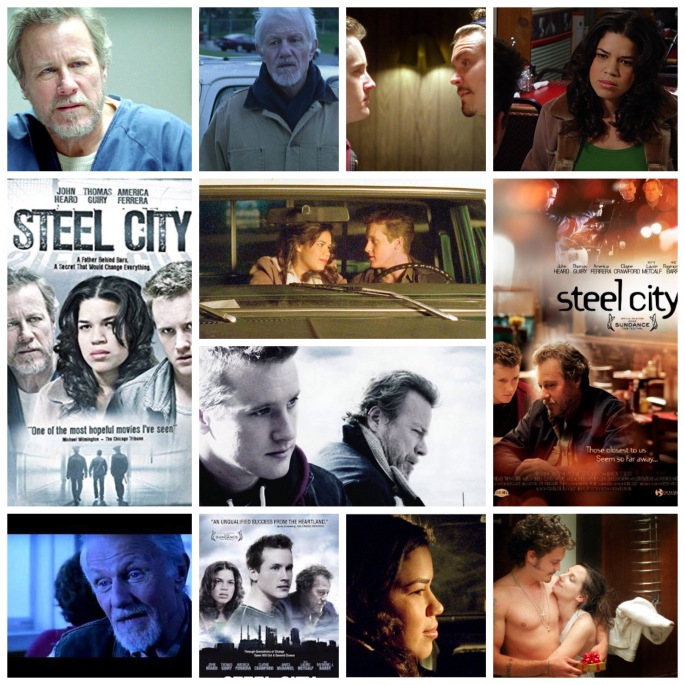
Indie Gems: Brian Jun’s Steel City

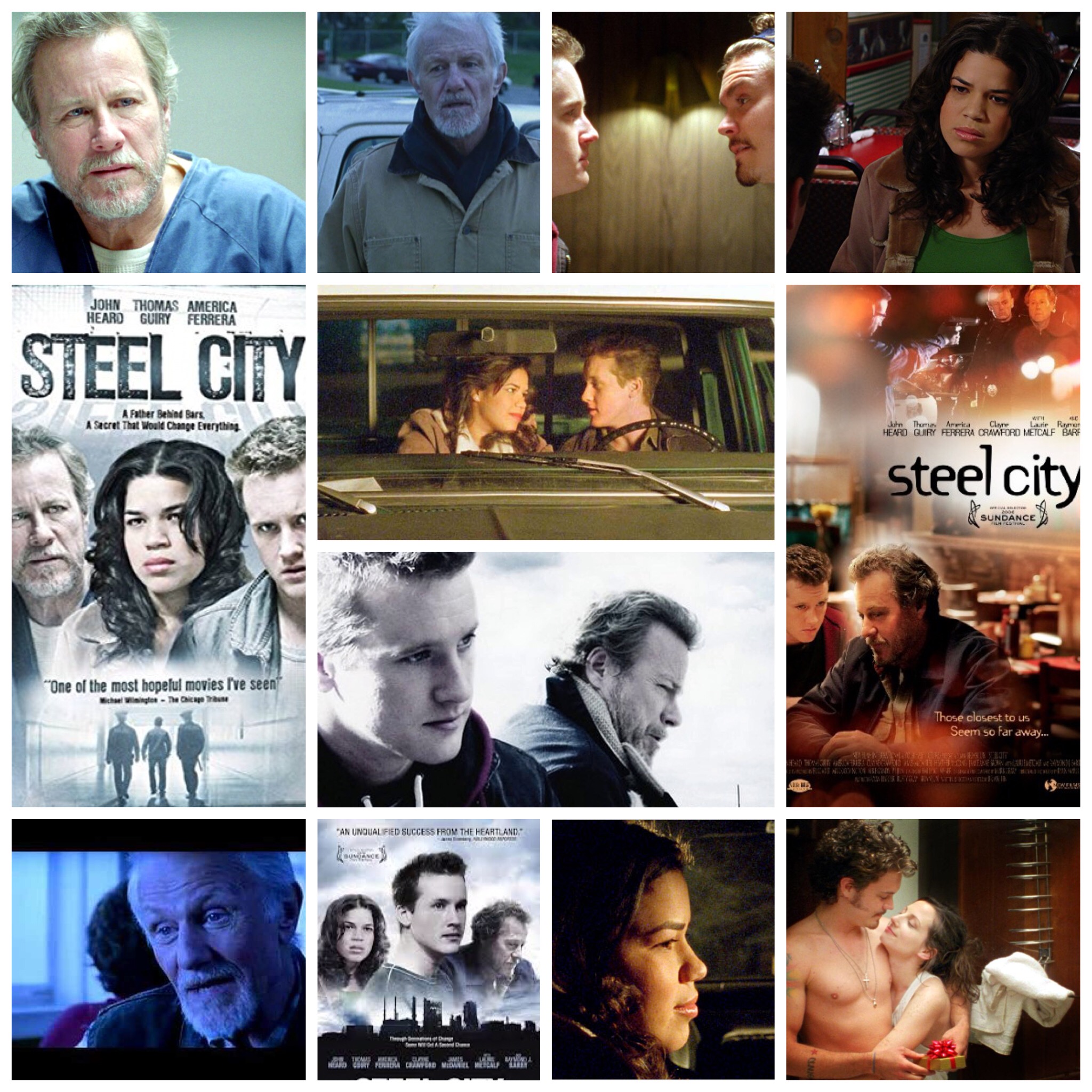
Brian Jun’s Steel City is a fantastic, little heard of indie rust belt drama that deals in choices, consequences, regrets and what it takes to heal, if possible. In the heartlands, a young working class man (Tom Guiry) struggles with pretty much every aspect of his life. His father (an understated John Heard) has been recently incarcerated, and it’s tearing him apart, as well as his family. His older brother (Clayne Crawford) is a hotheaded mess. He finds solace when his uncle Vic (Raymond J. Barry, superb) offers him work and sobering life advice in equal doses. He meets a wonderful girl played by America Ferrera, and gradually, bit by bit, his story hits an upswing. This is a small story, revolving around a minuscule faction of the big picture, but that’s all it is anyways, thousands of lives unfolding on personal scale, adding up to this mosaic we call humanity. Life goes on for him, and the film is but a small window into one transitionary chapter of his life. Guiry is great, but Ferrera is magic as the kind of girl anyone could only hope to end up with. Barry gives one of the most soulful turns of his storied career as the kind of no nonsense mentor who cares a lot more than is visible behind all that gruff. The kind of life affirming story that finds hope in the oddest of places.

-Nate Hill

Jonas Ackerlund’s Spun

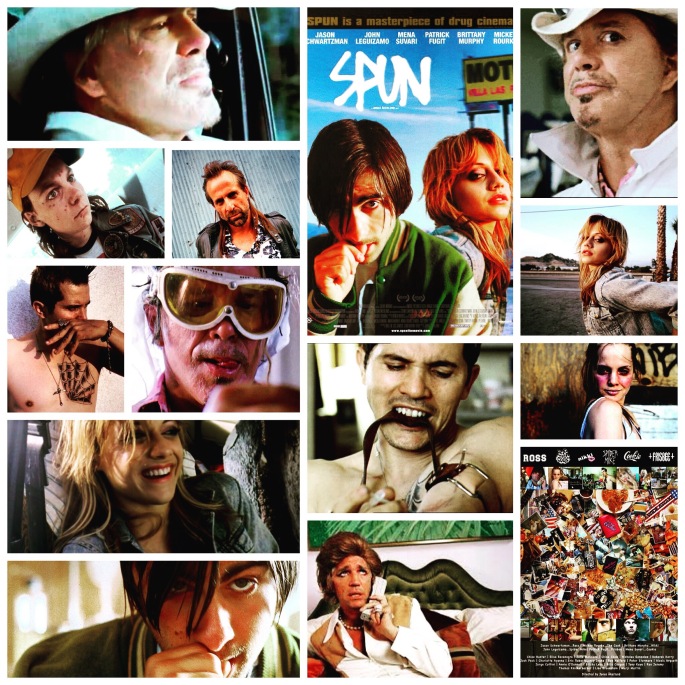
Jonas Ackerland’s Spun is a film you’ll be onboard with in seconds, or jumping ship before the credits even start. It’s unpleasant, epileptic, downbeat, hyperactive, fucked up, strung out, cartoonish, nonsensical, unstructured, and is a complete masterpiece for those willing to lend an empathetic ear towards lost souls mired in the doldrums we call drug addiction. Set on a particularly sweaty day in the suburbs of L.A., all the film really does is try to keep up with a sorry bunch of meth-heads as they meander through a hazy existence filled with confusion, mania and that ever present need to score. Jason Schwartzman’s Ross is the default protagonist, and he moves from locale to locale, encountering the denizens of each dwelling in all their warped glory. John Leguizamo’s trademark brand of crazy is right at home as Spider, a maniacal dealer who can’t sit still for a nanosecond, along with his haggard looking girlfriend Cookie (Mena Suvari). Brittany Murphy is excellent as wayward Nikki, who leads Ross to her cook boyfriend, a strange fellow credited as literally The Cook, played in a brilliantly dark pitched, sad turn by Mickey Rourke. There’s others flitting about as well, including Patrick Fugit’s nutball Frisbee, a couple of frenzied narcs played by Alexis Arquette and Peter Stormare, plus cameos from a grab bag of figures like Debbie ‘Blondie’ Harry as a fearsome diesel dyke, Judas Priest frontman Rob Halford as a porn shop clerk, Ron Jeremy, Larry Drake, Josh Peck and a surprise Eric Roberts who gets a reunion of sorts with former costar Rourke. Director Ackerland, also a music video whiz, employs every stylistic trick and balls out editing fuckery to his film, until we have some wild inkling of what it must be like for these deranged urban pixies and their ADHD addled misadventures. It isn’t all comedic though; Once in a while the crazy curtain lifts and we see the deep set sadness that lives in these characters, a melancholy self loathing in which the actors find truth amongst the raging din, especially Murphy and Rourke, who provide the best work of the film. Mickey has a final act monologue that encapsulates the weary trajectories inhabited by these folks. Much of the film is stylized sound and fury though, a cavalcade of noise, vulgarity, offbeat altercations and loosely strung together events that have no meaning to anyone outside this asylum’s inner circle of addicts. One of a kind experience, and the most blatantly honest film I’ve seen on the subject of drugs.

-Nate Hill

Pride & Glory

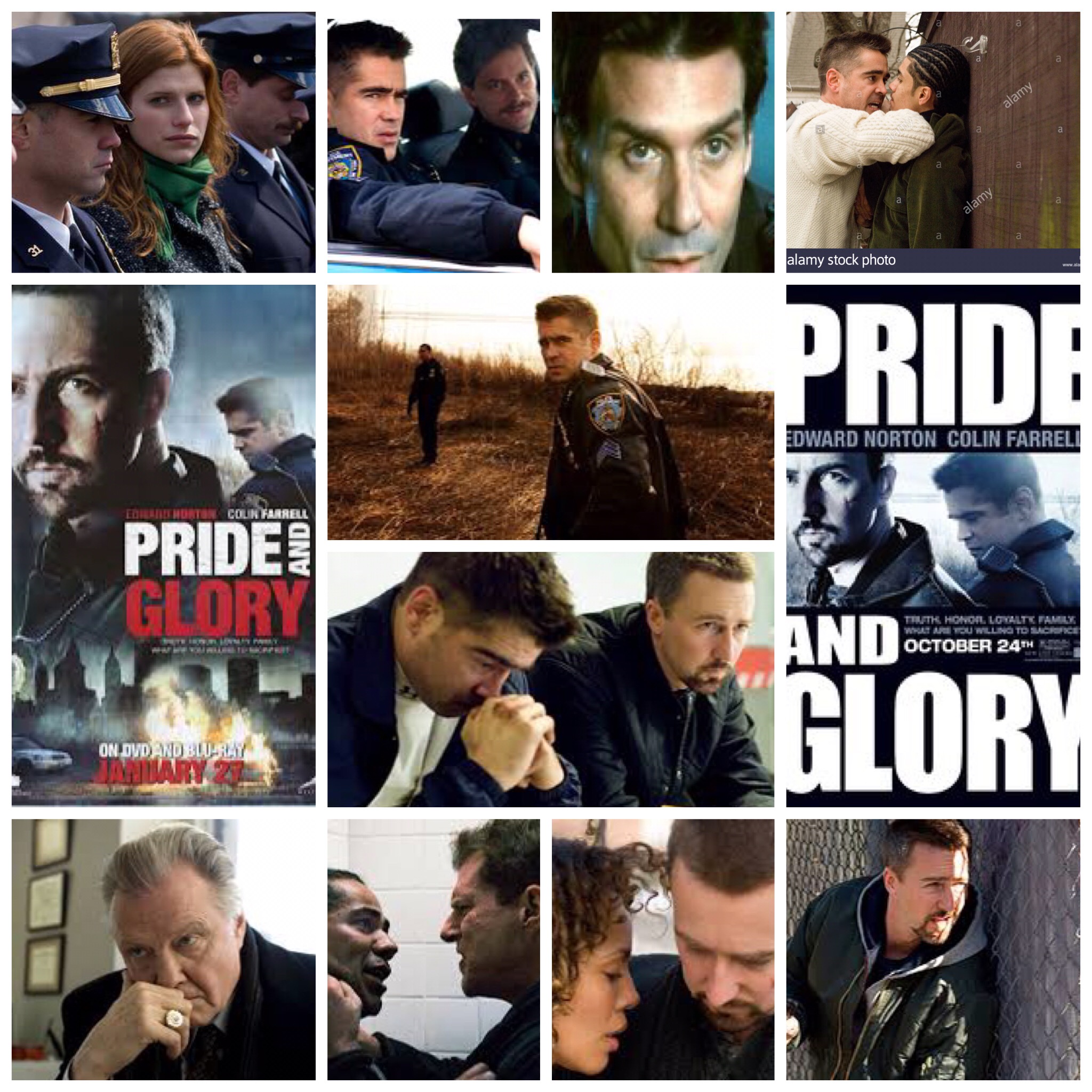
Pride & Glory is a gritty police melodrama that grabs the audience, shakes them till the point of concussion and wrings the life out of them with it’s nonstop intensity and performances that could raise buildings to the ground. Think I’m exaggerating or overselling? Give it a go, it’s fucking nuts. NYC cop dramas are a common occurrence out there, and have been for a long while, but something about this one just rings eerily true, rattles your cage and lets both the violence and corruption seep into the marrow of one’s viewing experience. After a drug deal erupts into multiple murder, a family of cops is thrown in an uproar. Haggard straight arrow Edward Norton is on point of investigation by boozy patriarch Jon Voight, and ends up finding out way more than he bargained for not only in regards to the NYPD, but about his fellow cop brother (Colin Farrell) too. Their third brother (underrated Noah Emmerich) is too busy taking care of his sick wife (Jennifer Ehle) to notice the corruption, or maybe does and looks the other way. Every faction adds to the pressure cooker of an atmosphere, rooted in the familial relationships that can’t withstand dangerous secrets. They should call the guy Colin Feral, because he’s a right beast as a guy whose moral compass is so out of whack he doesn’t know who he is anymore. The actor is fervently complex in his work, and makes the guy way more human than other performers would, but he’s still terrifying, whether threatening a newborn baby with a hot iron or full on brawling with Norton in a fracas of a man to man bar-fight. Voight is one of those characters who is so corrupt he doesn’t even notice it anymore, which is a dangerous avenue to arrive at when you’re in such a position of power. The supporting cast is pockmarked with fiery work from terrific actors including super underrated Carmen Ejogo, Wayne Duvall, John Ortiz, Lake Bell and two arresting turns from reliable firebrands Frank Grillo and Shea Wigham. Built around a script by Joe Carnahan, who feeds off of authentic dialogue and realistic shaping of events, this is one that pulls you right into it’s suffocating world of beleaguered sentinels of law enforcement whose eyes have become dim to that thin blue line separating order and madness. Brilliant, heavy stuff.

-Nate Hill

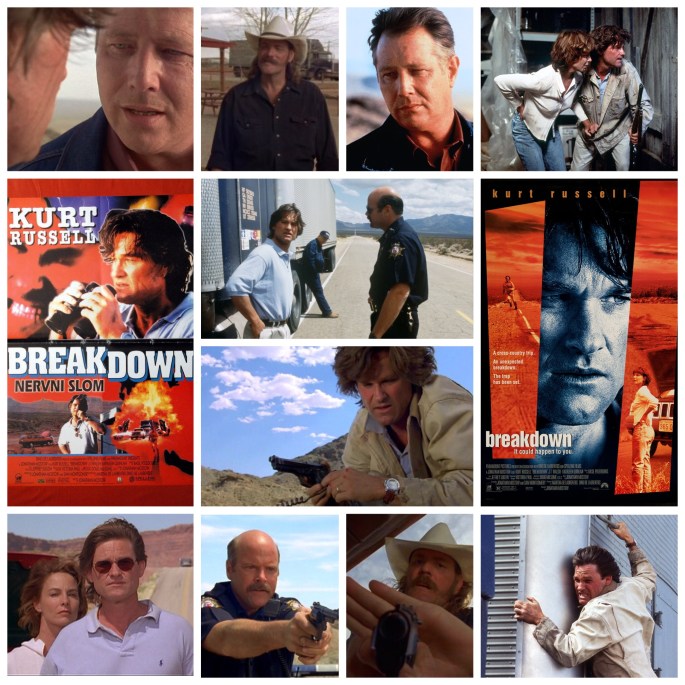
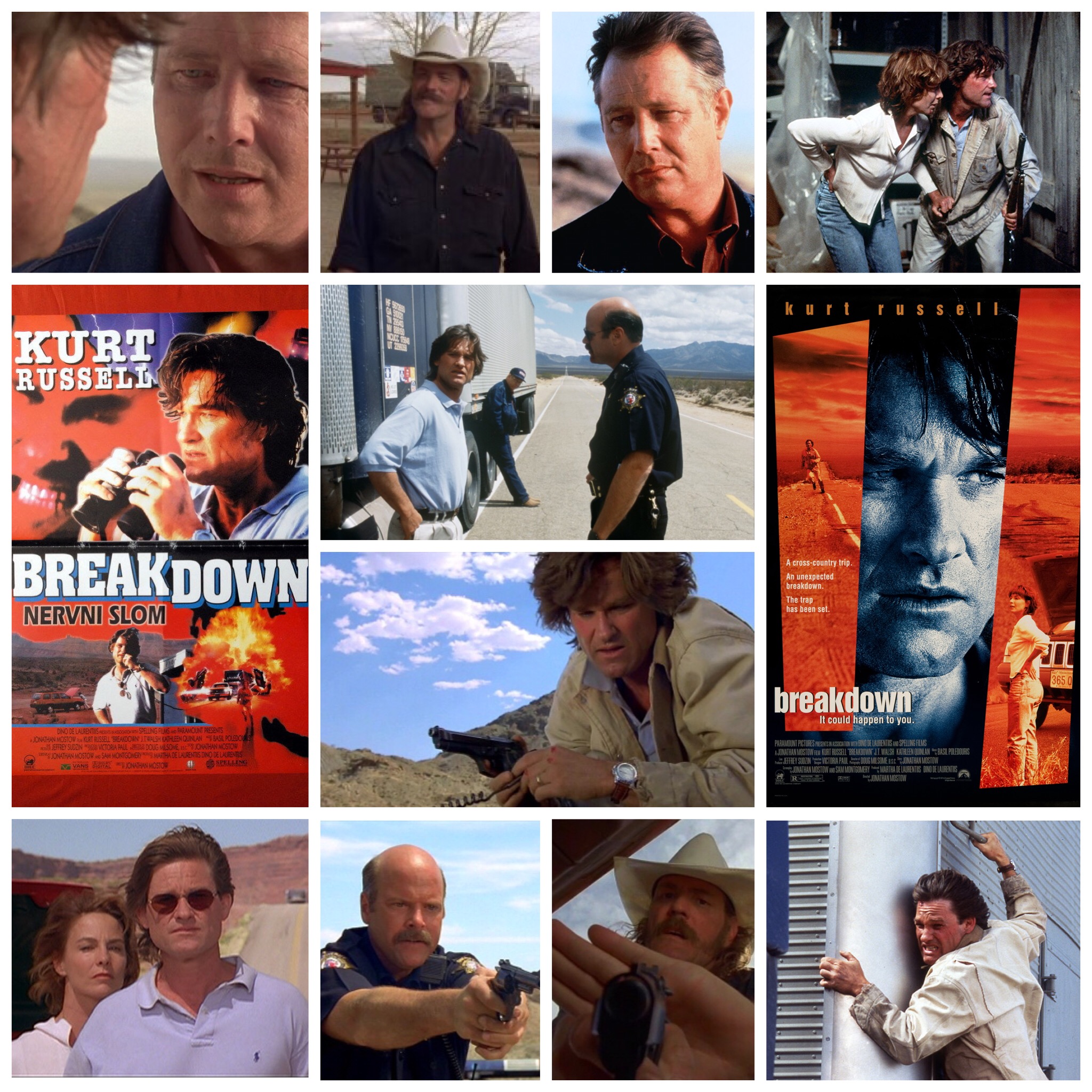
Jonathan Mostow’s Breakdown

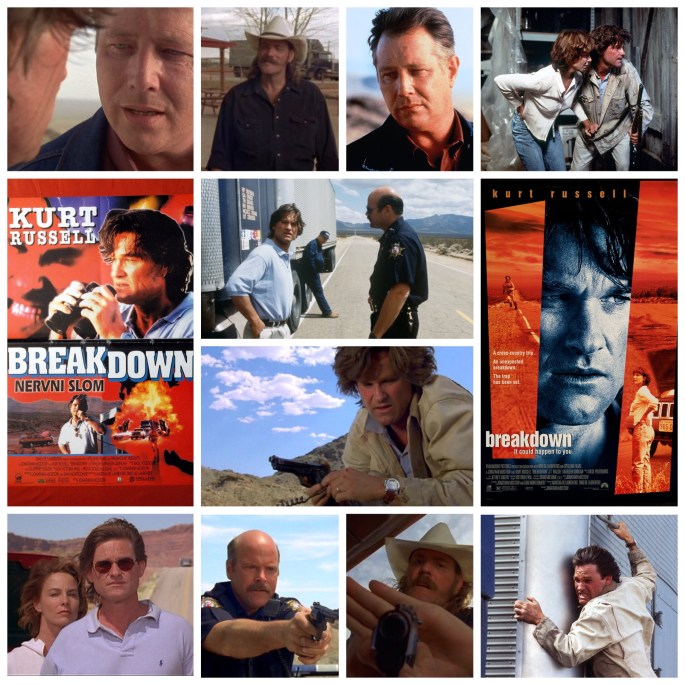
Jonathan Mostow’s Breakdown is one hellcat of a thriller, a nitrous injected highway nightmare scenario that doesn’t quit until the tanks empty, quite a few people are dead and Kurt Russell has burned off umpteen carbs running about the southwest searching for his missing wife (Kathleen Quinlan). In the tradition of great road pictures like Steven Spielberg’s Duel and Robert Harmon’s The Hitcher, this one know ms to keep the speedometer revved for maximum effect, the best method for these types of films. Russell and Quinlan are your average American couple, driving from A to B along some forgotten stretch of freeway out there. After a brief stop, she vanished, he panics and so begins his breathless crusade for the truth. The local cops are useless, no one seems to have witnessed her vanish, and he’s pretty much on his own, not to mention hunted by some nefarious truck drivers who probably know more than they should. J.T. Walsh, king of businesslike scumbag roles, gives what may be his nastiest here as Red Barr, a long-haul semi driver who knows exactly where Russell’s wife has gone, and ain’t telling, no sir no how. Similarly, big old M.C. Gainey, another Hollywood thug, is in high evil gear as just one more backroad asshole Russell has to deal with, and the two have a crackling showcase of a high speed standoff, one in the driver’s and one in the passenger seat, playing close quarters mortal kombat to see who comes out on top, and who comes out dead. The Fast and The Furious has nothing on these types of films, for it’s less about bombarding an audience with a stunt a second, and more about rhythmic pacing, then knowing when to open up and let the ripcord fly. Taut, precise, unrelenting little flick.

-Nate Hill

Jonathan Mostow’s Breakdown

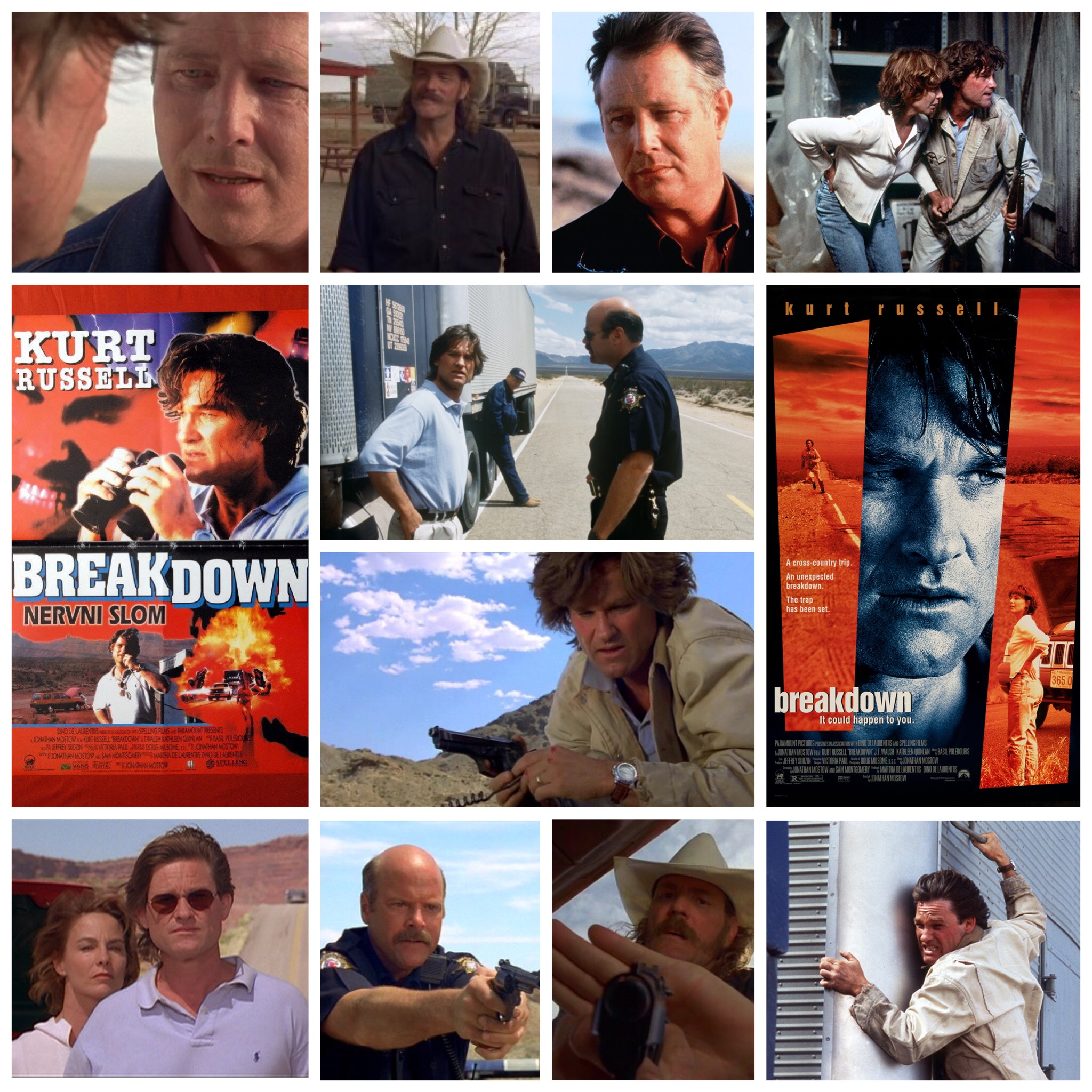
Jonathan Mostow’s Breakdown is one hellcat of a thriller, a nitrous injected highway nightmare scenario that doesn’t quit until the tanks empty, quite a few people are dead and Kurt Russell has burned off umpteen carbs running about the southwest searching for his missing wife (Kathleen Quinlan). In the tradition of great road pictures like Steven Spielberg’s Duel and Robert Harmon’s The Hitcher, this one know ms to keep the speedometer revved for maximum effect, the best method for these types of films. Russell and Quinlan are your average American couple, driving from A to B along some forgotten stretch of freeway out there. After a brief stop, she vanished, he panics and so begins his breathless crusade for the truth. The local cops are useless, no one seems to have witnessed her vanish, and he’s pretty much on his own, not to mention hunted by some nefarious truck drivers who probably know more than they should. J.T. Walsh, king of businesslike scumbag roles, gives what may be his nastiest here as Red Barr, a long-haul semi driver who knows exactly where Russell’s wife has gone, and ain’t telling, no sir no how. Similarly, big old M.C. Gainey, another Hollywood thug, is in high evil gear as just one more backroad asshole Russell has to deal with, and the two have a crackling showcase of a high speed standoff, one in the driver’s and one in the passenger seat, playing close quarters mortal kombat to see who comes out on top, and who comes out dead. The Fast and The Furious has nothing on these types of films, for it’s less about bombarding an audience with a stunt a second, and more about rhythmic pacing, then knowing when to open up and let the ripcord fly. Taut, precise, unrelenting little flick.

-Nate Hill