David Koepp’s Mortdecai

So… I don’t quite get… how this film ever got green-lit, aside from Johnny Depp pulling a few strings. It’s like the most unfunny, painful thing to see unfold, like a Pink Panther flick with all the wit, heart and humour sucked out of it by dementors, leaving nothing but an acrid, soulless shell. That may sound harsh, but give David Koepp’s Mortdechai a day in court yourself and you’ll probably have similar things to say of it, or worse. Depp plays the titular buffoon, an aristocratic, borderline senile art dealer with a plummy British accent and a silly moustache that becomes the butt of a tiresome running joke involving the gag reflex of his wife (Gwyneth Paltrow, barely even trying with her accent). Mortdechai becomes involved in some overwrought global art-hunt that makes little sense and drags on for an interminable length, with his trusty lusty manservant Jock Strapp, ha ha, (Paul Bettany miscast in a role better suited for someone like Jason Statham or Vinnie Jones). Ewan McGregor and his sunny disposition show up for a while as a detective with the hots for Paltrow, as well as Olivia Munn embarrassing herself in a role that’s well beneath her, and an unforgivably underused Jeff Goldblum, showing up so briefly that it’s a wonder he agreed to waste his time here at all. This is junk of the highest order, not even fit for vague background noise as one immediately just tunes into tallying up the many ways in which it blows. You’d think Depp would know better, but he’s still in the preening dress-up quagmire phase of his career that he hasn’t been able to wade out of yet. He tries hard here, but every effort waddles forth like a lame duck, every comic beat royally missed. Don’t bother.

-Nate Hill

Best of 2017 Megacast!

BeFunky Collage

Frank, Tim, and Nate gather together to discuss this year’s Oscar nominations and then get into what they thought should have been nominated, running down their own top ten best pictures, and also giving their top five in each category. We will taking a week off and then we’ll be back with a vengeance with our annual Santa Barbara International Film Festival podcast!

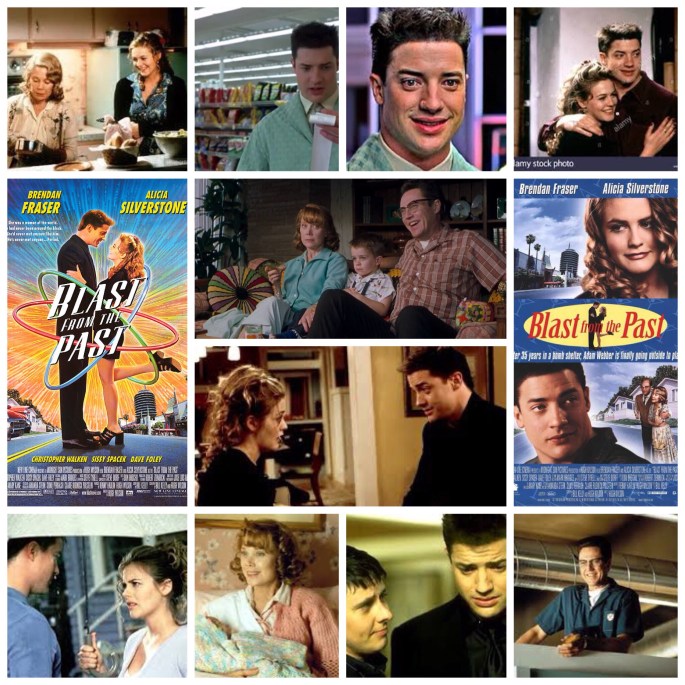
Blast From The Past

Blast From The Past is an apt title indeed, since not a lot of folks seem to remember this brilliant, high concept farce from the late 90’s that should be basking in notoriety to this day. It’s so forgotten these days it could almost be considered a cult classic, but either way it’s pure cinema bliss. In the early 60’s,

an eccentric scientist (Christopher Walken, because who else) builds himself a swanky underground bomb shelter for himself and his pregnant wife (Sissy Spacey) to hide in, should the missile crisis become a reality. They head down there during a false alarm, a plane crashes into their property confirming his fears and they pretty much stay hunkered in for over 30 years, raising their baby into a full grown man (Brendan Fraser, the life of the party). Then they head back up, or at least Fraser does anyway, to a bustling San Fernando valley in the midst of the late 90’s, which is a culture shock and a half for his sunny 50’s mindset and impossibly naive outlook. It’s a terrific concept that’s milked for a full on laugh riot as he makes his way around the city with not a clue how to interact or carry himself. Falling in love with a classic valley girl (Alicia Silverstone, excellent) in a sweet romantic subplot that soon becomes the backbone of the story, seeing the ocean for the first time, and a few hilarious cultural misunderstandings (“A negro!” He exclaims, having never seen variety in colour beyond his two parents) are just a few of the well written, thought out jokes and set pieces he rambles to and fro in. Fraser makes it a performance of physical comedy, deadpan cheekiness and puts genuine sweetness into an arc that some actors may have interpreted just slick shtick. Walken is his kooky self, while there’s work from Dave Foley, Bruce Slotnick and a jarring cameo from young Nathan Fillion. Filled to the brim with laughs, heart and the kind of humour birthed organically from story, it’s a gem.

-Nate Hill

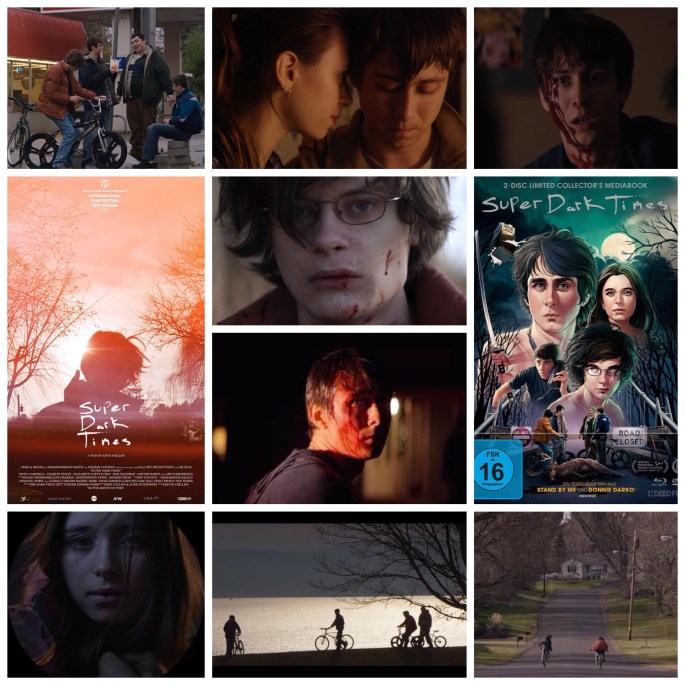
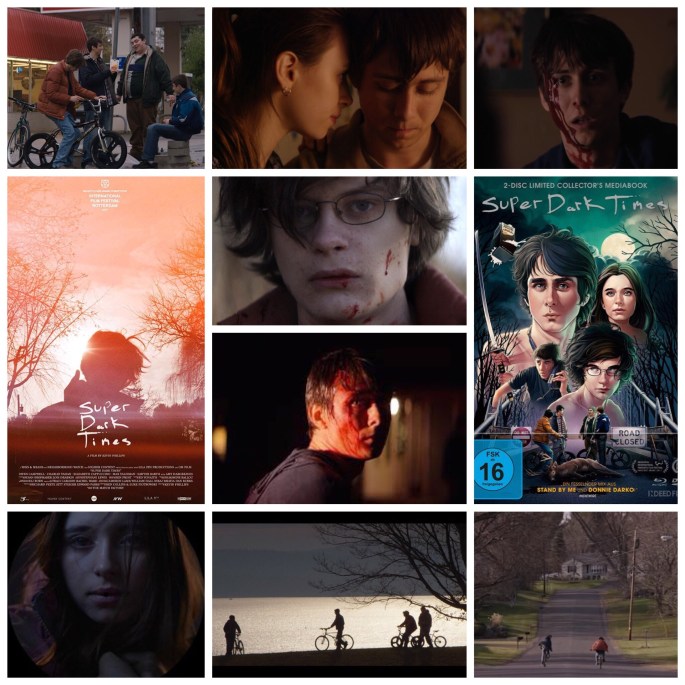
Indie Gems: Kevin Philip’s Super Dark Times

The title ‘Super Dark Times’ serves as a warning of sorts for the film to follow. It should be wisely taken into consideration, as this is probably the most disturbing film I’ve seen all year. In contrast, it’s also one of the most beautifully made. Bring a comfort blanket or cuddle buddy though, because these aren’t only Dark Times, they’re bleak, grim and tough to absorb without feeling grossly affected after. I like it when films explore themes of both violence and adolescence bourgeoning side by side in small town youth, everyone from Stephen King to David Lynch have been fascinated by these ideas. Violence is an unavoidable step in the learning curve for youngsters and a key element in any individual’s coming of age, no matter what we tell ourselves. First time director Kevin Philips pads those themes well by telling his story in the most realistic, blunt fashion he can, casting kids that genuinely look to be high school age, using sound design and cinematography to create a frighteningly immersive atmosphere and not neutering the stark violence in off-screen gimmicks to soften the blow of a blood-chilling story. Two normal enough high school boys (Charlie Tahan and Owen Campbell, both superbly good) are set on different yet equally dark paths following a brutal accident that scars them both, awakens a dark passenger in one and lays a blanket of dread over their small upstate New York town. That’s all I’ll say in terms of plot, it’s a scary guessing game of dangerous encounters, adolescent discoveries and tragic violence that unfurls like a jet black velvet carpet of doom. Metaphors as colourful as that are just me trying to abstractly impart to you how affecting the visual and auditory mood-scape are, but you’d be better off just watching the thing for yourself. Philips leaves certain areas of the narrative *just* vague enough until one gets the gnawing notion that what is presented to us might not be the full story, a tactic which instills the aftertaste of unease beyond the film’s bloody conclusion. Speaking of conclusions, this has to have the most suspenseful climaxes I’ve seen in a while, a breathless, literally razor sharp confrontation that feels earned and urgent because of how invested I was in the characters up until then. The film opens with violence, proceeds through a violent tale and ends with it as well, but as is often the case with films that care to do so, there’s contrast, a certain vitality to the characters and a hope that lives in lingering shots of a dying sunrise or a girlfriend (Elizabeth Cappuccino) gently comforting one of the protagonists. I read another review that called this ‘a simple story, well told’, which I partly agree with. It goes without saying it’s well told, but there’s a complexity to it, an intuitive force guiding the proceedings that one can feel like an undercurrent, and the moods it stirs are anything but simple. One of the best films this year.

-Nate Hill

Stigmata

Stigmata is one of those thrillers with religious undertones that seems to avoid pesky, eye roll preaching by simply sticking to the horror aspects and providing a solid genre flick, without getting up in our faces with it’s message or feeling lame (see Roman Polanski’s The Ninth Gate and Peter Hyams End Of Days for other ones that achieve this). This one is religious in the sense that it has to be for it’s plot to move along (just look at the title) but essentially it’s part atmospheric spook-fest and part chase film, both of which it does fairly well. Patricia Arquette, in full damsel in distress mode, plays Frankie, a girl whose last priority in life is religion, but suddenly finds herself afflicted with the stigmata, mysterious self-manifesting crucifixion wounds that show up without warning, ruining bedsheets and couches alike. The Vatican soon gets wind of this and dispatches priest investigator Kiernan (Gabriel Byrne) to debunk or research her case. Something about her her soon has shattering implications for not just Catholicism but faith as a whole, and suddenly they’re on the run from a nasty villain priest (Jonathan Pryce) whose ideology is seriously cornered by these new revelations. When Pryce plays a bad guy in your film (see Ronin and The Brothers Grimm) you know he’s going to go all out, arch it up and be a grandiose piss-ant of an antagonist, his ‘priest’ here is so vibrantly evil he seems to have walked over from a Dario Argento flick. There’s a more compassionate man of faith too (Rade Serbedzija) who has a better grasp on the new theology, which he lays down in expository patience so the audience has an inkling of what’s at stake. Byrne and Arquette actually have some terrific chemistry and romantic yearnings, but sucks for them with him being a priest and all. You can do far far worse with thrillers like this, it really sets up a hellish urban atmosphere neatly and diligently tells a pretty cool story.

-Nate Hill

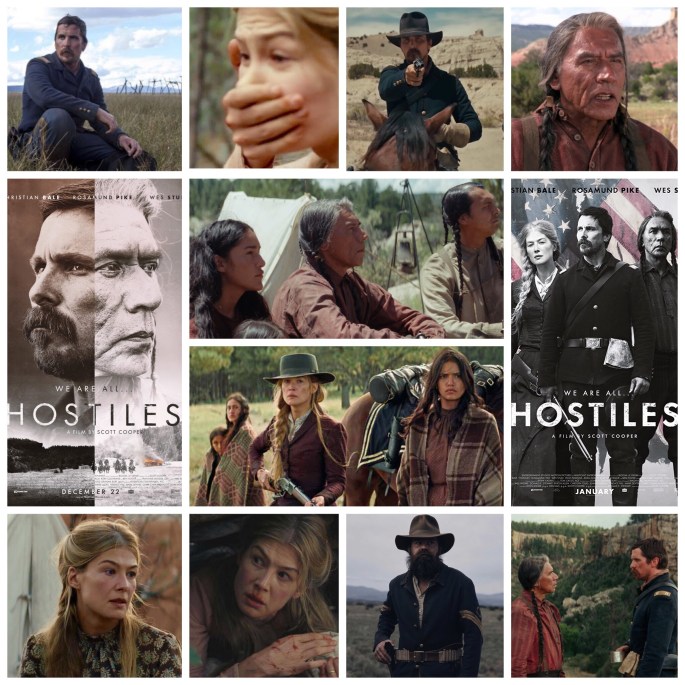
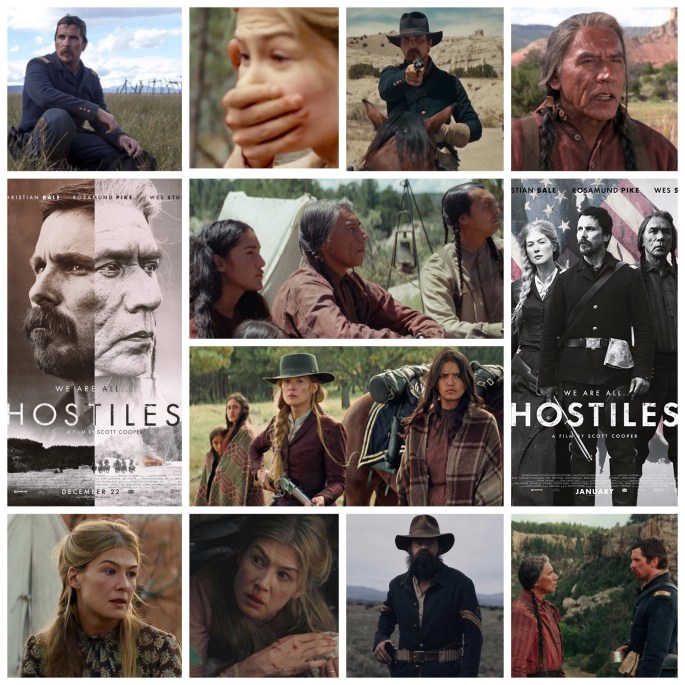
Scott Cooper’s Hostiles

Scott Cooper’s Hostiles is beautifully shot, competently staged, well produced, acted and scored, but there’s a certain depth, development and complexity lacking, and I lay the blame on script, which seems a little south of the polished stage, with one foot still rooted in the blueprint phase. It’s a shame because the actors are game to give the film all they’ve got, but the script handed to them just isn’t on par with their efforts. Christian Bale is implosive as ever in one of his best performances as Blocker, a decorated civil war vet who has spent a great portion of his career heavily involved in the war and genocide against Native American tribes, and as such has become a hard, mean and brittle tempered creature. It’s fascinating to observe how someone like him, who does have a decent soul deep down, can be turned so backwards and hateful in circumstances like that, another theme the film doesn’t quite follow through with. Blocker is tasked with one last mission before semi-early retirement: Escort legendary Cheyenne Chief Yellow Hawk (Wes Studi, excellent as ever) and his kin from Arizona back to his home in Montana to live out his remaining years. Blocker bristles at the thought, but when his salty superior officer (Stephen Lang) threatens his pension, he begrudgingly saddles up. The film then showcases their journey, several hardships and skirmishes they find themselves in, all to fertilize the eventual bond and understanding formed between the two groups and their decision to work as a unit, and even respect each other. Here’s the problem: the script isn’t deep or thoughtful enough to make any of these arcs believable. The Native characters are painfully underdeveloped, particularly Yellow Hawk’s son and his wife, played by Adam Beach and Qorianka Kilcher, two actors more than capable of handing in great work when the material comes their way. The one thing that does work and is probably the best quality that film has is a character played by Rosamund Pike, a frontier farmer whose entire family is slaughtered by vicious Comanches in the film’s arresting opening scene. She joins Bale’s company, and Pike plays her with harrowing sadness, terrifying vengeful poise and gives one of the most realistic, un-cinematic portraits of grief I’ve ever seen. Come awards season next year, she should be a front runner. The film almost doesn’t deserve her sterling subplot, but it does it’s best, and reaches some heights here and there. Bale’s company is played by a reliable troupe including upright Jesse Plemons, melancholic Rory Cochrane and grizzled Peter Mullan. Also appearing is western veteran Scott Wilson in a brutal last minute cameo, always nice to see him still in the game. There’s an unbalanced focus between the soldiers and the natives, who I wanted to learn more about but were left as mainly tagalong bystanders with scant dialogue. When Bale’s arc reaches it’s final stages, I felt slightly cheated by everything that came before: I didn’t quite believe that what he’d been through was enough to sway over two decades of hate and prejudice, and once again the fault lies with script. A little more care, preparation and editing could have turned this from a good film into one for the ages.

-Nate Hill

The Abel Ferrara Auteur Podcast Series: DRILLER KILLER

Image result for the driller killer poster

Frank and Patrick embark on a new series for Podcasting Them Softly: The Abel Ferrara Auteur series. They start by discussing Ferrara’s feature debut, DRILLER KILLER and both watched the film via Arrow’s release. You can pick up your copy of Arrow’s DRILLER KILLER here

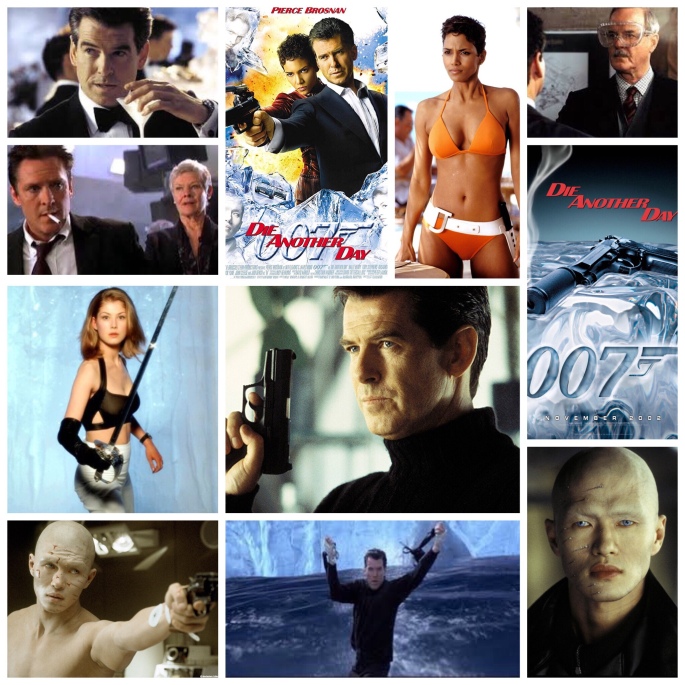
Lee Tamahori’s Die Another Day

People rag on Lee Tamahori’s 007 effort Die Another Day quite a bit, but.. I really dig it. Look, the James Bond films were always meant to have a silly flair and air of camp to them, dating back to the original 1960’s spy romps with Connery and stretching forth to the cheesy 90’s entries starring Pierce Brosnan, who for my money is the second best Bond, following Daniel Craig’s gritty metamorphosis. Brosnan’s stint as Bond is the most whacked out the franchise has ever gotten, and this one is arguably the craziest of the four, but it’s a way unfairly panned. It’s got gadgets, exotic settings, two sexy Bond babes, a hilariously over the top bad guy, and enough cartoonish action scenes to fuel two movies. What more do you want? Well, obviously people wanted a more grounded, realistic take or the Craig films would never have been green-lit, but that’s besides the point. Every incarnation of 007, from the silliest to the most down to earth, has the right to frolic in a franchise with enough wiggle room for over two dozen entries, so let them have their fun. Brosnan has some picturesque arctic adventures here, and I love when Bond gets to go play in the snow. There’s a North Korean radical (Rick Yune) with a meteor shower of real diamonds embedded in his face, so how’s that for a villain. Halle Berry smokes it up as one of the hottest Bond vixens to date, Jinx Johnson, the image of her emerging from the water in a bikini now burned into the minds and bedsheets of countless viewers who saw this before the dawn of internet porn and broke the rewind button on their remote. Rosamund Pike is the other, an ice queen named Miranda Frost, whose surname accents her initial attitude towards 007 nicely. Judi Dench and John Cleese return as M and Q, at the height of their dry and droll mannerisms. There’s a cool new character played by Michael Madsen too, some CIA bigwig called Damian Falco, who I imagine we would have seen a lot more of had the Brosnan universe continued, which sadly was not to be. Anywho, the reason I picked this one to review today is because it was the most ridiculed 007 film I could think of in the canon, an area that always fascinates me in any franchise. Sure, it’s a laugh in places and so far over the top it soars above the satellite used by the villain to threaten the planet below. But people should really take a step back and examine the art their bandwagon jeers are pointed at, and look for the positives. Visually, this is probably one of, if not the most good looking 007 film ever, thanks to the sweeping Icelandic locations captured by cinematographer David Tattersall. The sight of Brosnan wind surfing down the face of a glacier that’s being melted by a giant space laser beam from aforementioned satellite is inspired, and taken to a whole new level because the guy does all that *in his fucking tuxedo*. Re-read the previous sentence and try and tell me that’s not one of the coolest Bond scenarios you’ve ever pictured. It looks even better in film than it does on paper, too. Give this one another shot, because it’s not even close to being the weakest of the bunch, and I try and discourage such witch hunts in any franchise to begin with. The films are all there to enjoy, so why not leave the negativity fuelled nitpicking stowed in your suitcase and do just that. Die Another Day is a blast.

-Nate Hill

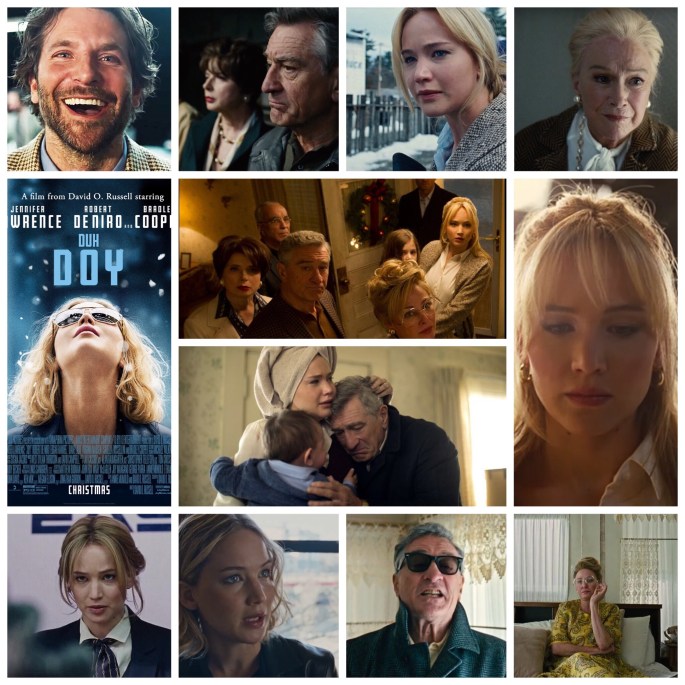
David O. Russell’s Joy

There’s something inherently engaging about a self made success story, an attractive quality that David O. Russell employs to great effect in Joy, his most recent, and my most favourite of his films so far. He’s a fascinating director who’s work always has an oddball quality to it, whether worn obviously on it’s sleeve (I Heart Huckabees, of which I’m not a fan), or subtly funnelled into a genre picture (the excellent war flick Three Kings), there’s just an undercurrent that’s decidedly south of normal humming through his whole filmography. Joy is one part hyper-dysfunctional family drama, one part autobiographical rise to fame with a hefty dose of comedy thrown in the mix. Jennifer Lawrence has beyond proven her solid gold talent as a miraculous leading lady by now, and she’s the acting equivalent of a truckload of C-4 here as Joy, a self made millionaire who’s persistence and strength in spirit led to her pioneering a revolutionary cleaning product. It’s loosely based on several true stories, but Russell is more intent on letting his actors run wild and giving us a frenetic ‘fly on the Wall’ glimpse into Joy’s upended family life. She’s basically the rock to all of her kin, the only one with a sane hair on her head and her priorities in order. Her dad (Robert Deniro) is an irresponsible man child in a tailspin of a midlife crisis, her mom (Virginia Madsen) is an unpredictable basket case, while her ex (Edgar Ramirez) deludes himself about a would be singing career. They all live at home, contribute not a penny to the household, plus she’s got a young daughter to look out for as well. Quite a situation to be in, and the only one standing in her corner is her loving grandmother, played warmly by a brilliant Diane Ladd. The film isn’t so much about plot as a measurable substance and more just how things happen from scene to scene via chaos and commotion. Everyone is so verbose, fired up and out of control that we spend swaths of time simply listening to them argue and rant before realizing we’ve been discreetly subjected to character development the whole time, a clever, patent aesthetic that Russell also used in his American Hustle and Silver Linings Playbook. Joy dreams of a less crazy life for her daughter, and her miracle mop invention may just be the ticket there, if she can avoid her whole unruly clan tagging along for the ride. Bradley Cooper is great as a stern patent kingpin, and the scenes that show how television sales play out at headquarters have a studious, hypnotically meticulous rhythm to them that show Russell in full stylistic swing. The show belongs to Lawrence though, who’s a captivating wonder in every scene, her fever pitched exasperation at the people around her a tangible force of nature, her resilience and determination a source of inspiration. I like this film best of Russell’s filmography because it’s the most focused on people rather than plot. In Silver Linings, which is a lovely film don’t get me wrong,

the characters were believable and true, but they still serviced the plot which was rooted in an obvious theme of mental illness. In American Hustle, The shtick was conmen and their world, the characters sourced from that and existing to run on that racetrack. Joy is about an everyday girl who patents a kitchen mop. It’s benign, barebones and just lets the characters roam in a daily life arena that’s relatable, malleable and feels down to earth.

-Nate Hill

TOBE HOOPER’S THE TEXAS CHAINSAW MASSACRE

The Texas Chainsaw Massacre

1974.  Directed by Tobe Hooper.
download

Controversial.  Appalling.  Rebellious.

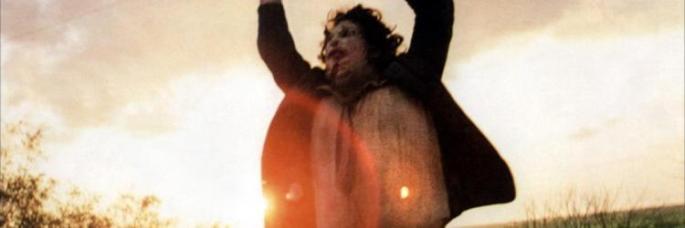
Tobe Hooper’s infamous masterpiece is a blue collar shocker that stalwartly remains one of the most seminal horror films ever conceived.

Five teenagers set out on a road trip across the blistering Texas back roads.  They pick up a hitchhiker whose bizarre behaviors are a harbinger of the horrific events waiting to befall them.  When they discover a decrepit farmhouse, the teens unwittingly come face to face with a taxidermic nightmare, a grotesque clan of backwoods killers who are looking for new additions to their congregation of flesh.

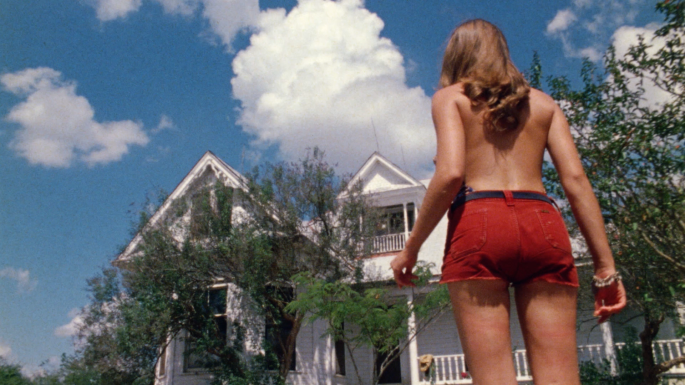
The combination of gruesome visuals and sweaty, screen door, Americana cover every inch of this slaughterhouse menagerie.  Using a false premise, insinuating that the story actually occurred was a brilliant choice, evoking a lost America, steeped in esoteric pig’s blood and mud caked,work boots.  Virtually every set could be plucked from a house the viewer has no doubt passed on an endless familial road trip as a child.  The victims are realistically foolhardy and the violence is both brutal and unusually rapid, with most executions happening instantly.  It’s the aftermath of the initial onslaught that garnered the film’s notorious reputation.
Aw0FbDx.png

Daniel Pearl’s cinematography has a vintage quality that gives everything a secondhand feel, using psychedelic oranges to contrast the rustic blues and greens of the locale.  The woods and surrounding environs of the farmhouse are captured with lush wide shots while the interior of the house is shot in a confusing procession of odd angles and extreme closeups.  During the final act, everything switches to restrained voyeurism, including a wonderful long take of the family’s patriarch being brought downstairs for “dinner”.  Robert Burns’s art direction has a repulsive quality that is the perfect accomplice.  From the iconic skin mask of Leatherface to the otherworldly interiors of the house, the most frightening aspect of the film is the idea of what has already transpired, rather than the impending atrocities.

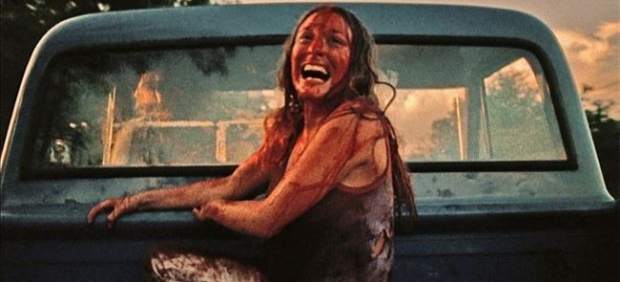
Almost every member of the cast was injured during production,  Marilyn Burns as Sally and Gunnar Hansen as Leatherface display a torturous amount of body work.  Budget constraints required that most of the cast do their own stunts, one of which involved a live chainsaw being perilously close an actor’s neck.  Real blood was used in one of the film’s more dubious scenes and Burns’s costume was so saturated in theater blood that it had almost completely calcified when filming concluded.
download (1).jpg

The film was banned in several countries for its depiction of apathetic violence, and yet, for a horror film, the actual on screen bloodshed is remarkably tame when put against modern contemporaries in the genre.  The combination of lighting effects and Larry Caroll and Sallye Richardson’s serrated film editing leave the bulk of the gore to the viewer’s subconscious.  Hooper and Wayne Bell’s nails on chalkboard soundtrack is the final piece, using an industrial arsenal to mimic Leatherface’s primal savagery.

Available now on Amazon Prime and Huluplus, The Texas Chainsaw Massacre is an outstanding piece of terror that is essential viewing for any film fan.  This is one of the horror titans, using a wonderful combination of independent film tactics to produce a blood slicked masterwork.  On the surface, this is a legendary slasher film, but deeper examination reveals a thoughtful horror film that delivers unforgettable imagery and a thought provoking commentary on post Vietnam America’s specious grandeur.

Highly.  Highly Recommend.

download (3).jpg